

Enhancing Photostability Through Oxidation Inhibition
FEB 26, 20269 MIN READ
Generate Your Research Report Instantly with AI Agent
PatSnap Eureka helps you evaluate technical feasibility & market potential.
Photostability Enhancement Background and Objectives
Photostability represents a critical challenge across multiple industries, fundamentally affecting the longevity and performance of materials, pharmaceuticals, cosmetics, and electronic devices. The degradation of materials under light exposure has been recognized as a primary factor limiting product shelf life and functional reliability since the early 20th century. Historical observations of color fading in textiles, drug potency loss in pharmaceuticals, and performance deterioration in polymeric materials have driven decades of research into understanding and mitigating photodegradation mechanisms.
The evolution of photostability research has progressed from empirical observations to sophisticated mechanistic understanding. Early approaches focused primarily on physical protection methods such as opaque packaging and light-blocking additives. However, the growing demand for transparent materials and the need for products to maintain functionality under various lighting conditions have necessitated more advanced stabilization strategies.
Oxidation processes represent the predominant pathway for photodegradation in most organic materials. When materials absorb photons, they undergo electronic excitation that can lead to the formation of reactive oxygen species, free radicals, and other oxidative intermediates. These species subsequently initiate chain reactions that result in molecular fragmentation, cross-linking, or other structural modifications that compromise material properties.
The primary objective of enhancing photostability through oxidation inhibition is to develop comprehensive strategies that effectively interrupt or prevent oxidative degradation pathways while maintaining the desired functional properties of the target materials. This involves identifying and implementing antioxidant systems, radical scavengers, and protective mechanisms that can operate effectively under realistic use conditions.
Contemporary research aims to achieve several key technical goals: developing synergistic antioxidant combinations that provide broad-spectrum protection, creating smart stabilization systems that respond to environmental triggers, and establishing predictive models for long-term stability assessment. Additionally, there is increasing focus on developing sustainable and biocompatible stabilization approaches that align with environmental regulations and consumer safety requirements.
The ultimate technical objective encompasses creating materials with significantly extended functional lifespans, reduced maintenance requirements, and consistent performance characteristics throughout their intended service life, thereby delivering enhanced value across diverse application domains.
The evolution of photostability research has progressed from empirical observations to sophisticated mechanistic understanding. Early approaches focused primarily on physical protection methods such as opaque packaging and light-blocking additives. However, the growing demand for transparent materials and the need for products to maintain functionality under various lighting conditions have necessitated more advanced stabilization strategies.
Oxidation processes represent the predominant pathway for photodegradation in most organic materials. When materials absorb photons, they undergo electronic excitation that can lead to the formation of reactive oxygen species, free radicals, and other oxidative intermediates. These species subsequently initiate chain reactions that result in molecular fragmentation, cross-linking, or other structural modifications that compromise material properties.
The primary objective of enhancing photostability through oxidation inhibition is to develop comprehensive strategies that effectively interrupt or prevent oxidative degradation pathways while maintaining the desired functional properties of the target materials. This involves identifying and implementing antioxidant systems, radical scavengers, and protective mechanisms that can operate effectively under realistic use conditions.
Contemporary research aims to achieve several key technical goals: developing synergistic antioxidant combinations that provide broad-spectrum protection, creating smart stabilization systems that respond to environmental triggers, and establishing predictive models for long-term stability assessment. Additionally, there is increasing focus on developing sustainable and biocompatible stabilization approaches that align with environmental regulations and consumer safety requirements.
The ultimate technical objective encompasses creating materials with significantly extended functional lifespans, reduced maintenance requirements, and consistent performance characteristics throughout their intended service life, thereby delivering enhanced value across diverse application domains.
Market Demand for Photostable Materials and Products
The global market for photostable materials and products has experienced substantial growth driven by increasing awareness of material degradation issues across multiple industries. Traditional materials suffer from photodegradation when exposed to ultraviolet radiation and visible light, leading to color fading, mechanical property deterioration, and reduced service life. This fundamental challenge has created significant demand for enhanced photostability solutions across diverse application sectors.
The coatings and paints industry represents one of the largest market segments demanding photostable materials. Architectural coatings, automotive finishes, and industrial protective coatings require extended durability under continuous solar exposure. Building owners and automotive manufacturers increasingly prioritize long-term color retention and surface integrity, driving specifications for enhanced photostability performance. The shift toward sustainable construction practices has further amplified demand for durable exterior coatings that maintain aesthetic and protective properties over extended periods.
Polymer and plastics applications constitute another major market driver for photostable materials. Outdoor plastic components in construction, automotive, and consumer goods sectors face constant UV exposure challenges. Agricultural films, outdoor furniture, and building materials require enhanced photostability to maintain structural integrity and appearance. The growing emphasis on plastic recycling and circular economy principles has intensified focus on developing polymers with extended service life through improved photostability.
The pharmaceutical and cosmetic industries present specialized market segments with stringent photostability requirements. Active pharmaceutical ingredients and cosmetic formulations often degrade under light exposure, compromising efficacy and safety. Regulatory frameworks increasingly mandate photostability testing and documentation, creating demand for advanced stabilization technologies. The premium nature of these applications supports higher-value photostability solutions with proven performance characteristics.
Emerging applications in renewable energy systems have created new market opportunities for photostable materials. Solar panel encapsulants, protective coatings for wind turbine components, and outdoor electrical equipment require exceptional photostability to ensure long-term performance and return on investment. The rapid expansion of renewable energy infrastructure globally has established photostability as a critical performance criterion for energy system components.
Market demand patterns indicate strong preference for comprehensive photostability solutions that address multiple degradation mechanisms simultaneously. End-users increasingly seek materials that combine UV protection, thermal stability, and oxidation resistance in integrated formulations. This trend reflects growing understanding of the interconnected nature of material degradation processes and the economic benefits of holistic protection approaches.
The coatings and paints industry represents one of the largest market segments demanding photostable materials. Architectural coatings, automotive finishes, and industrial protective coatings require extended durability under continuous solar exposure. Building owners and automotive manufacturers increasingly prioritize long-term color retention and surface integrity, driving specifications for enhanced photostability performance. The shift toward sustainable construction practices has further amplified demand for durable exterior coatings that maintain aesthetic and protective properties over extended periods.
Polymer and plastics applications constitute another major market driver for photostable materials. Outdoor plastic components in construction, automotive, and consumer goods sectors face constant UV exposure challenges. Agricultural films, outdoor furniture, and building materials require enhanced photostability to maintain structural integrity and appearance. The growing emphasis on plastic recycling and circular economy principles has intensified focus on developing polymers with extended service life through improved photostability.
The pharmaceutical and cosmetic industries present specialized market segments with stringent photostability requirements. Active pharmaceutical ingredients and cosmetic formulations often degrade under light exposure, compromising efficacy and safety. Regulatory frameworks increasingly mandate photostability testing and documentation, creating demand for advanced stabilization technologies. The premium nature of these applications supports higher-value photostability solutions with proven performance characteristics.
Emerging applications in renewable energy systems have created new market opportunities for photostable materials. Solar panel encapsulants, protective coatings for wind turbine components, and outdoor electrical equipment require exceptional photostability to ensure long-term performance and return on investment. The rapid expansion of renewable energy infrastructure globally has established photostability as a critical performance criterion for energy system components.
Market demand patterns indicate strong preference for comprehensive photostability solutions that address multiple degradation mechanisms simultaneously. End-users increasingly seek materials that combine UV protection, thermal stability, and oxidation resistance in integrated formulations. This trend reflects growing understanding of the interconnected nature of material degradation processes and the economic benefits of holistic protection approaches.
Current Photodegradation Challenges and Oxidation Issues
Photodegradation represents one of the most pervasive challenges in materials science, affecting a vast array of products from polymers and coatings to pharmaceuticals and electronic components. The fundamental issue stems from the interaction between photons and molecular structures, where ultraviolet and visible light exposure initiates complex degradation pathways that compromise material integrity and performance over time.
The primary mechanism driving photodegradation involves the absorption of photons by chromophoric groups within materials, leading to the formation of excited states that can undergo various destructive reactions. These photoexcited molecules often generate reactive oxygen species, including singlet oxygen, hydroxyl radicals, and superoxide anions, which subsequently attack vulnerable chemical bonds throughout the material matrix.
Oxidation emerges as the dominant degradation pathway in most photodegradation processes, particularly in organic materials exposed to atmospheric conditions. The synergistic effect of light and oxygen creates a cascade of oxidative reactions that progressively deteriorate material properties. Chain scission in polymers, color fading in dyes and pigments, and structural breakdown in pharmaceutical compounds all exemplify the destructive potential of photo-oxidative processes.
Current industrial applications face significant economic losses due to inadequate photostability. The automotive industry struggles with paint degradation and plastic component failure, while the packaging sector confronts challenges in maintaining product integrity under retail lighting conditions. Pharmaceutical manufacturers encounter stability issues that limit shelf life and necessitate expensive protective packaging solutions.
The complexity of oxidation mechanisms presents substantial technical hurdles for effective mitigation strategies. Traditional approaches often focus on single-pathway inhibition, failing to address the multifaceted nature of photo-oxidative degradation. The challenge intensifies when considering that different materials exhibit varying susceptibilities to specific oxidative pathways, requiring tailored protection strategies.
Environmental factors further complicate photodegradation challenges, as temperature, humidity, and atmospheric pollutants can accelerate oxidative processes. The increasing demand for sustainable materials has introduced additional complexity, as bio-based alternatives often demonstrate heightened sensitivity to photo-oxidative degradation compared to their synthetic counterparts.
Emerging applications in renewable energy, particularly photovoltaic systems and energy storage devices, face critical photostability requirements where oxidation-induced degradation directly impacts performance and longevity. These sectors demand innovative approaches to oxidation inhibition that maintain material functionality while providing robust protection against photo-induced deterioration.
The primary mechanism driving photodegradation involves the absorption of photons by chromophoric groups within materials, leading to the formation of excited states that can undergo various destructive reactions. These photoexcited molecules often generate reactive oxygen species, including singlet oxygen, hydroxyl radicals, and superoxide anions, which subsequently attack vulnerable chemical bonds throughout the material matrix.
Oxidation emerges as the dominant degradation pathway in most photodegradation processes, particularly in organic materials exposed to atmospheric conditions. The synergistic effect of light and oxygen creates a cascade of oxidative reactions that progressively deteriorate material properties. Chain scission in polymers, color fading in dyes and pigments, and structural breakdown in pharmaceutical compounds all exemplify the destructive potential of photo-oxidative processes.
Current industrial applications face significant economic losses due to inadequate photostability. The automotive industry struggles with paint degradation and plastic component failure, while the packaging sector confronts challenges in maintaining product integrity under retail lighting conditions. Pharmaceutical manufacturers encounter stability issues that limit shelf life and necessitate expensive protective packaging solutions.
The complexity of oxidation mechanisms presents substantial technical hurdles for effective mitigation strategies. Traditional approaches often focus on single-pathway inhibition, failing to address the multifaceted nature of photo-oxidative degradation. The challenge intensifies when considering that different materials exhibit varying susceptibilities to specific oxidative pathways, requiring tailored protection strategies.
Environmental factors further complicate photodegradation challenges, as temperature, humidity, and atmospheric pollutants can accelerate oxidative processes. The increasing demand for sustainable materials has introduced additional complexity, as bio-based alternatives often demonstrate heightened sensitivity to photo-oxidative degradation compared to their synthetic counterparts.
Emerging applications in renewable energy, particularly photovoltaic systems and energy storage devices, face critical photostability requirements where oxidation-induced degradation directly impacts performance and longevity. These sectors demand innovative approaches to oxidation inhibition that maintain material functionality while providing robust protection against photo-induced deterioration.
Current Oxidation Inhibition Solutions
01 Use of photostable UV filter combinations
Photostable sunscreen formulations can be achieved by combining specific UV filters that maintain their protective properties under sun exposure. These combinations prevent degradation of active ingredients when exposed to ultraviolet radiation, ensuring sustained sun protection. The synergistic effect of multiple UV filters enhances the overall photostability of the formulation while maintaining high SPF values throughout extended sun exposure periods.- Use of photostabilizing agents to enhance UV filter stability: Photostabilizing agents can be incorporated into sunscreen formulations to prevent the degradation of UV filters when exposed to sunlight. These agents work by absorbing or quenching the energy from UV radiation, thereby protecting the active UV-filtering compounds from photodegradation. This approach helps maintain the sun protection factor over extended periods of sun exposure and improves the overall efficacy of the sunscreen product.
- Combination of organic and inorganic UV filters for improved photostability: Formulations combining organic UV filters with inorganic UV filters such as titanium dioxide or zinc oxide can enhance photostability. The inorganic filters provide physical blocking of UV radiation and can help stabilize organic filters that are prone to photodegradation. This synergistic combination results in more stable and longer-lasting sun protection, reducing the need for frequent reapplication.
- Encapsulation technology for protecting photosensitive ingredients: Encapsulation techniques can be used to protect photosensitive active ingredients from UV-induced degradation. By enclosing the active compounds in protective shells or matrices, their exposure to light is minimized, thereby preserving their efficacy. This technology allows for the formulation of more stable products with extended shelf life and maintained performance during use.
- Addition of antioxidants to prevent photodegradation: Antioxidants can be added to sunscreen formulations to prevent the photodegradation of UV filters and other active ingredients. These compounds neutralize free radicals generated by UV exposure, which are responsible for breaking down the active ingredients. By incorporating antioxidants, the photostability of the formulation is enhanced, leading to improved product performance and longer-lasting protection.
- Novel photostable UV filter compounds: Development of new UV filter compounds with inherent photostability represents an important approach to improving sun protection products. These novel compounds are designed at the molecular level to resist photodegradation when exposed to UV radiation. By using inherently photostable UV filters, formulations can maintain their protective efficacy throughout the duration of sun exposure without requiring additional stabilizing agents.
02 Incorporation of photostabilizing agents
Specific photostabilizing compounds can be added to sunscreen formulations to protect UV filters from degradation. These agents work by absorbing excess energy, quenching free radicals, or forming protective complexes around photolabile ingredients. The addition of such stabilizers significantly extends the effective protection time of sunscreen products and maintains their efficacy during prolonged UV exposure.Expand Specific Solutions03 Encapsulation and delivery systems for UV filters
Advanced encapsulation technologies can protect photosensitive UV filters from degradation by isolating them from environmental factors and other reactive ingredients. These delivery systems include microspheres, liposomes, and polymer matrices that gradually release the active ingredients while shielding them from photodegradation. This approach enhances both the stability and efficacy of sun protection products.Expand Specific Solutions04 Use of antioxidants to enhance photostability
Antioxidants can be incorporated into sunscreen formulations to neutralize free radicals generated during UV exposure, thereby protecting UV filters from oxidative degradation. These compounds work synergistically with UV filters to maintain photostability and extend the protective duration of the product. The combination of antioxidants with UV filters also provides additional skin benefits beyond sun protection.Expand Specific Solutions05 Formulation optimization for improved photostability
The overall formulation matrix, including emulsifiers, solvents, and film-forming agents, plays a crucial role in maintaining photostability of UV filters. Careful selection of excipients and optimization of formulation parameters such as pH, viscosity, and ingredient ratios can significantly enhance the photostability of the final product. Advanced formulation techniques ensure uniform distribution of UV filters and minimize interactions that could lead to degradation.Expand Specific Solutions
Key Players in Photostabilizer and Antioxidant Industry
The photostability enhancement through oxidation inhibition technology represents a mature market segment currently in the consolidation phase, with established players dominating across multiple application domains. The market demonstrates substantial scale, spanning imaging systems, display technologies, chemical manufacturing, and semiconductor processing, with companies like Canon, Sony Group Corp., FUJIFILM Corp., and Xerox Holdings Corp. leading in imaging applications. Technology maturity varies significantly across sectors - while traditional photographic and printing applications show high maturity with incremental innovations from Ricoh Co., Sharp Corp., and Eastman Kodak Co., emerging applications in advanced semiconductors and specialized materials remain in development phases. Chemical giants BASF Corp., Kaneka Corp., and Asahi Kasei Corp. provide foundational oxidation inhibitor technologies, while specialized firms like Hamamatsu Photonics KK and PicoQuant GmbH focus on precision optical applications. The competitive landscape reflects a bifurcated market where established imaging companies leverage mature technologies for incremental improvements, while materials science companies and research institutions like KIST Corp. and Max Planck Gesellschaft drive next-generation innovations in photostability enhancement.
FUJIFILM Corp.
Technical Solution: FUJIFILM employs advanced photostabilization technologies in their imaging materials, utilizing proprietary antioxidant formulations and protective layer architectures. Their approach combines organic UV filters with radical scavenging compounds to create multi-layered defense systems against photooxidation. The company has developed specialized polymer matrices that encapsulate sensitive chromophores while allowing controlled oxygen barrier properties, significantly extending the photostability of their photographic and display materials.
Strengths: Deep expertise in photochemistry and imaging science with proven track record in consumer applications. Weaknesses: Technologies may be primarily optimized for specific imaging applications rather than broader industrial uses.
BASF Corp.
Technical Solution: BASF has developed comprehensive antioxidant solutions including hindered amine light stabilizers (HALS) and UV absorbers that work synergistically to prevent photodegradation. Their Tinuvin and Chimassorb product lines offer multi-functional stabilizers that scavenge free radicals and absorb harmful UV radiation, effectively inhibiting oxidation processes that lead to material degradation. These stabilizers are engineered at the molecular level to provide long-term protection while maintaining material transparency and performance characteristics.
Strengths: Market-leading expertise in chemical stabilizers with extensive product portfolio and proven industrial applications. Weaknesses: Solutions may require careful formulation optimization and can add cost to final products.
Core Patents in Photostability Enhancement
Improving the photostability and/or control of the fluorescence intensity of fluorescent dyes
PatentInactiveEP2164924A2
Innovation
- A redox buffer comprising a combination of reducing agents and oxidizing agents is added to fluorescent dyes to enhance photostability and control fluorescence intensity, allowing for universal application across various dye classes and improving both photostability and fluorescence emission.
Inks and coatings for the production of oxygen sensitive elements with improved photostability
PatentInactiveUS20100143675A1
Innovation
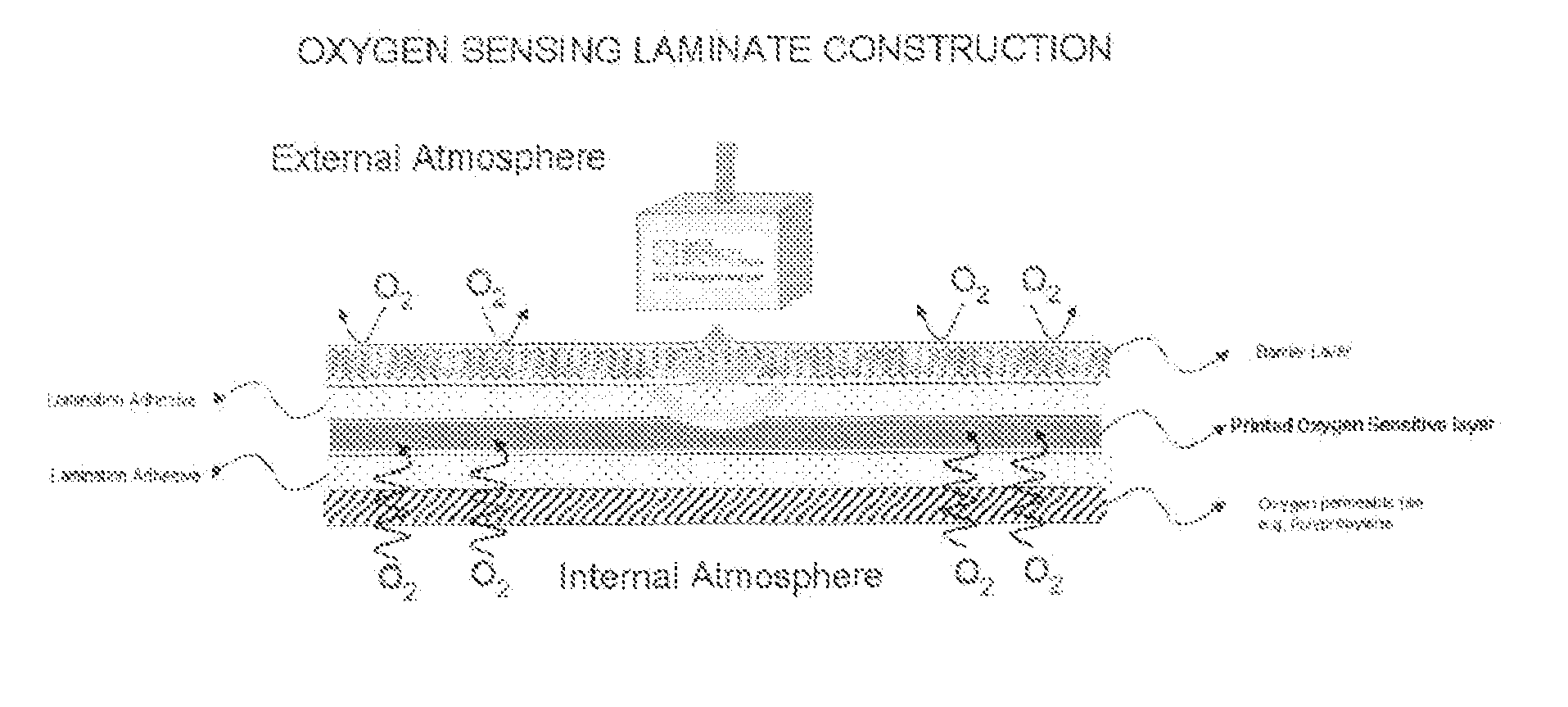
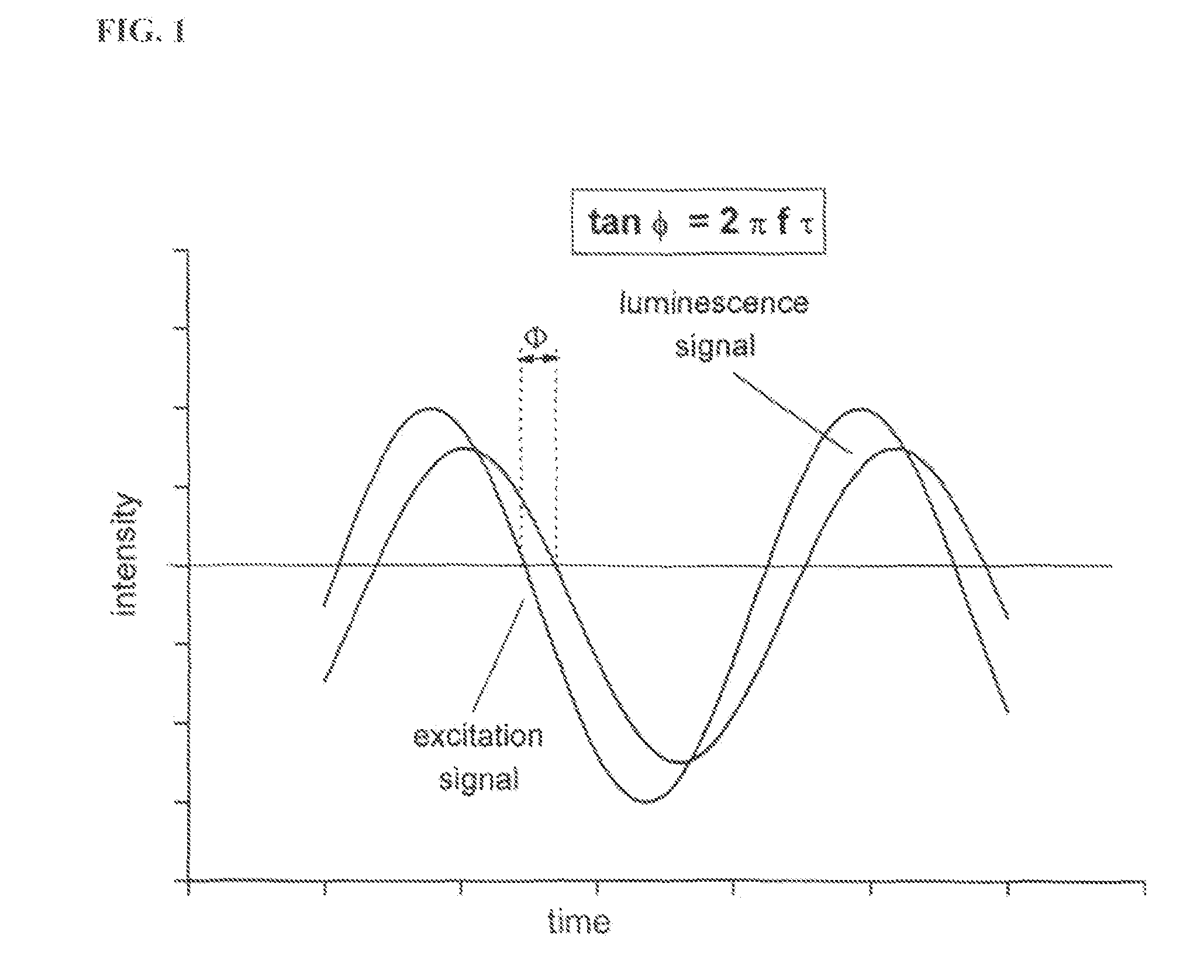
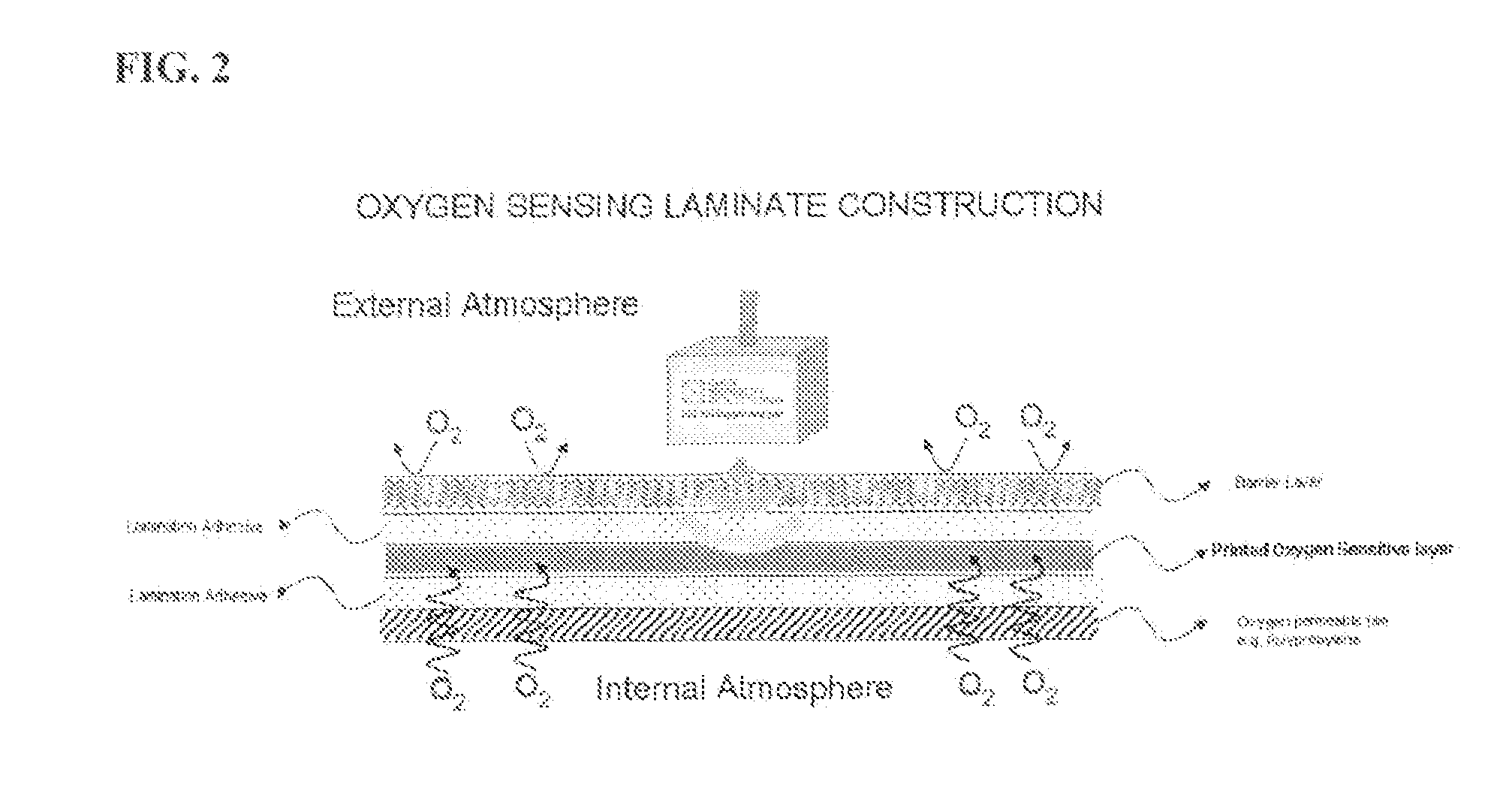
- The use of photostabilizers such as CIBA TINUVIN and DABCO in combination with ruthenium-based oxygen-sensitive inks and coatings, which are applied to substrates using various printing and coating methods, enhances the photostability of oxygen-sensitive elements, allowing for non-invasive oxygen measurement in enclosed spaces.

Environmental Regulations for Photostabilizers
The regulatory landscape for photostabilizers has evolved significantly over the past two decades, driven by growing environmental awareness and scientific understanding of chemical persistence in ecosystems. Environmental regulations governing photostabilizers primarily focus on their potential bioaccumulation, aquatic toxicity, and long-term environmental fate. These compounds, while essential for preventing polymer degradation through oxidation inhibition, present unique regulatory challenges due to their designed stability and widespread use across multiple industries.
The European Union's REACH regulation represents the most comprehensive framework for photostabilizer oversight, requiring extensive safety data for substances produced or imported above one ton annually. Under REACH, manufacturers must demonstrate that photostabilizers can be used safely throughout their lifecycle, including disposal and environmental release scenarios. The regulation particularly scrutinizes UV absorbers and hindered amine light stabilizers (HALS) due to their potential for environmental persistence and bioaccumulation in aquatic organisms.
In the United States, the Environmental Protection Agency regulates photostabilizers under the Toxic Substances Control Act (TSCA), with recent amendments strengthening pre-market evaluation requirements. The agency has identified several photostabilizer classes as priority chemicals for risk evaluation, particularly those with high production volumes and potential for environmental exposure. State-level regulations, such as California's Safer Consumer Products program, have also begun targeting specific photostabilizers in consumer applications.
The Stockholm Convention on Persistent Organic Pollutants has influenced global photostabilizer regulations, though most current-generation stabilizers fall below the persistence and bioaccumulation thresholds for POPs listing. However, regulatory agencies increasingly apply POPs-like criteria during chemical assessments, creating pressure for industry to develop more environmentally benign alternatives.
Emerging regulatory trends focus on microplastic formation and degradation products from photostabilized materials. Recent studies linking certain photostabilizers to endocrine disruption have prompted regulatory agencies to incorporate hormonal activity assessments into approval processes. Additionally, the circular economy initiatives are driving regulations that consider photostabilizer behavior during recycling processes, particularly regarding migration and degradation product formation.
The regulatory complexity is further compounded by varying international standards and the global nature of supply chains. Manufacturers must navigate multiple regulatory frameworks simultaneously, often leading to the adoption of the most stringent requirements as global standards. This regulatory evolution continues to shape photostabilizer development, pushing innovation toward more sustainable oxidation inhibition technologies that maintain performance while meeting increasingly strict environmental criteria.
The European Union's REACH regulation represents the most comprehensive framework for photostabilizer oversight, requiring extensive safety data for substances produced or imported above one ton annually. Under REACH, manufacturers must demonstrate that photostabilizers can be used safely throughout their lifecycle, including disposal and environmental release scenarios. The regulation particularly scrutinizes UV absorbers and hindered amine light stabilizers (HALS) due to their potential for environmental persistence and bioaccumulation in aquatic organisms.
In the United States, the Environmental Protection Agency regulates photostabilizers under the Toxic Substances Control Act (TSCA), with recent amendments strengthening pre-market evaluation requirements. The agency has identified several photostabilizer classes as priority chemicals for risk evaluation, particularly those with high production volumes and potential for environmental exposure. State-level regulations, such as California's Safer Consumer Products program, have also begun targeting specific photostabilizers in consumer applications.
The Stockholm Convention on Persistent Organic Pollutants has influenced global photostabilizer regulations, though most current-generation stabilizers fall below the persistence and bioaccumulation thresholds for POPs listing. However, regulatory agencies increasingly apply POPs-like criteria during chemical assessments, creating pressure for industry to develop more environmentally benign alternatives.
Emerging regulatory trends focus on microplastic formation and degradation products from photostabilized materials. Recent studies linking certain photostabilizers to endocrine disruption have prompted regulatory agencies to incorporate hormonal activity assessments into approval processes. Additionally, the circular economy initiatives are driving regulations that consider photostabilizer behavior during recycling processes, particularly regarding migration and degradation product formation.
The regulatory complexity is further compounded by varying international standards and the global nature of supply chains. Manufacturers must navigate multiple regulatory frameworks simultaneously, often leading to the adoption of the most stringent requirements as global standards. This regulatory evolution continues to shape photostabilizer development, pushing innovation toward more sustainable oxidation inhibition technologies that maintain performance while meeting increasingly strict environmental criteria.
Cost-Benefit Analysis of Photostability Solutions
The economic evaluation of photostability enhancement solutions through oxidation inhibition reveals significant variations in cost-effectiveness across different implementation approaches. Traditional antioxidant additives represent the most cost-efficient entry-level solution, with implementation costs ranging from $0.50 to $2.00 per kilogram of treated material. These solutions typically achieve 30-50% improvement in photostability with minimal infrastructure investment, making them attractive for immediate deployment in existing manufacturing processes.
Advanced encapsulation technologies and UV-blocking coatings command higher initial investments, typically requiring $50,000 to $200,000 in specialized equipment and process modifications. However, these solutions deliver superior performance improvements of 70-90% in photostability enhancement, justifying the higher costs through extended product lifecycles and reduced warranty claims. The payback period for such investments typically ranges from 18 to 36 months, depending on production volumes and market positioning.
Molecular-level stabilization approaches, including the development of inherently stable polymer matrices and advanced antioxidant systems, present the highest upfront research and development costs, often exceeding $500,000 for comprehensive implementation. These solutions offer the most substantial long-term benefits, with potential photostability improvements exceeding 200% compared to untreated materials. The extended product durability translates to significant competitive advantages and premium pricing opportunities.
The benefit analysis demonstrates compelling returns across multiple dimensions. Enhanced photostability directly reduces material degradation rates, extending product lifespans by 2-5 times depending on the solution employed. This improvement translates to reduced replacement costs for end-users, creating substantial value propositions that support premium pricing strategies. Additionally, improved photostability reduces warranty-related expenses by 40-70%, while enhancing brand reputation through superior product performance.
Market positioning advantages represent another critical benefit dimension. Products with enhanced photostability command price premiums of 15-35% in high-performance applications, while accessing previously unattainable market segments with stringent durability requirements. The cumulative economic impact typically generates returns on investment ranging from 150% to 400% over a five-year evaluation period, with higher-end solutions delivering proportionally greater long-term value creation.
Advanced encapsulation technologies and UV-blocking coatings command higher initial investments, typically requiring $50,000 to $200,000 in specialized equipment and process modifications. However, these solutions deliver superior performance improvements of 70-90% in photostability enhancement, justifying the higher costs through extended product lifecycles and reduced warranty claims. The payback period for such investments typically ranges from 18 to 36 months, depending on production volumes and market positioning.
Molecular-level stabilization approaches, including the development of inherently stable polymer matrices and advanced antioxidant systems, present the highest upfront research and development costs, often exceeding $500,000 for comprehensive implementation. These solutions offer the most substantial long-term benefits, with potential photostability improvements exceeding 200% compared to untreated materials. The extended product durability translates to significant competitive advantages and premium pricing opportunities.
The benefit analysis demonstrates compelling returns across multiple dimensions. Enhanced photostability directly reduces material degradation rates, extending product lifespans by 2-5 times depending on the solution employed. This improvement translates to reduced replacement costs for end-users, creating substantial value propositions that support premium pricing strategies. Additionally, improved photostability reduces warranty-related expenses by 40-70%, while enhancing brand reputation through superior product performance.
Market positioning advantages represent another critical benefit dimension. Products with enhanced photostability command price premiums of 15-35% in high-performance applications, while accessing previously unattainable market segments with stringent durability requirements. The cumulative economic impact typically generates returns on investment ranging from 150% to 400% over a five-year evaluation period, with higher-end solutions delivering proportionally greater long-term value creation.
Unlock deeper insights with PatSnap Eureka Quick Research — get a full tech report to explore trends and direct your research. Try now!
Generate Your Research Report Instantly with AI Agent
Supercharge your innovation with PatSnap Eureka AI Agent Platform!