

Enhance Shutdown Separator Performance via Surface Modification
JUN 1, 20269 MIN READ
Generate Your Research Report Instantly with AI Agent
PatSnap Eureka helps you evaluate technical feasibility & market potential.
Shutdown Separator Technology Background and Performance Goals
Shutdown separators represent a critical safety component in lithium-ion battery systems, designed to prevent thermal runaway and catastrophic failure by interrupting current flow when temperatures exceed safe operating limits. These specialized separators incorporate thermally responsive materials that undergo physical or chemical changes at predetermined temperatures, effectively shutting down the electrochemical reactions within the battery cell. The technology has evolved from simple polyethylene-based membranes to sophisticated multi-layer structures incorporating various shutdown mechanisms.
The fundamental principle behind shutdown separator technology relies on the thermal sensitivity of polymer materials. When battery temperatures rise due to overcharging, external heating, or internal short circuits, the separator material begins to soften, melt, or undergo phase transitions that block ionic transport between electrodes. Traditional shutdown separators typically activate between 130-160°C, providing a crucial safety margin before more dangerous thermal events occur at higher temperatures.
Current market demands for enhanced battery safety have intensified focus on improving shutdown separator performance through advanced surface modification techniques. The primary performance goals center on achieving faster response times, lower activation temperatures, improved thermal stability, and enhanced mechanical integrity during shutdown events. Surface modification approaches aim to optimize the separator's microporous structure, surface chemistry, and thermal response characteristics while maintaining essential properties such as electrolyte wettability and ionic conductivity under normal operating conditions.
Key performance targets include reducing shutdown activation time from seconds to milliseconds, achieving more uniform temperature distribution during shutdown events, and maintaining separator integrity to prevent physical breach that could lead to direct electrode contact. Additionally, modified surfaces must demonstrate excellent adhesion properties, chemical compatibility with various electrolyte systems, and long-term stability under cycling conditions.
The evolution toward surface-modified shutdown separators addresses limitations of conventional approaches, including inconsistent shutdown behavior, potential for separator shrinkage, and inadequate performance under rapid heating scenarios. Advanced surface treatments enable precise control over shutdown characteristics while preserving the separator's primary function as an ionic conductor and electronic insulator during normal battery operation.
The fundamental principle behind shutdown separator technology relies on the thermal sensitivity of polymer materials. When battery temperatures rise due to overcharging, external heating, or internal short circuits, the separator material begins to soften, melt, or undergo phase transitions that block ionic transport between electrodes. Traditional shutdown separators typically activate between 130-160°C, providing a crucial safety margin before more dangerous thermal events occur at higher temperatures.
Current market demands for enhanced battery safety have intensified focus on improving shutdown separator performance through advanced surface modification techniques. The primary performance goals center on achieving faster response times, lower activation temperatures, improved thermal stability, and enhanced mechanical integrity during shutdown events. Surface modification approaches aim to optimize the separator's microporous structure, surface chemistry, and thermal response characteristics while maintaining essential properties such as electrolyte wettability and ionic conductivity under normal operating conditions.
Key performance targets include reducing shutdown activation time from seconds to milliseconds, achieving more uniform temperature distribution during shutdown events, and maintaining separator integrity to prevent physical breach that could lead to direct electrode contact. Additionally, modified surfaces must demonstrate excellent adhesion properties, chemical compatibility with various electrolyte systems, and long-term stability under cycling conditions.
The evolution toward surface-modified shutdown separators addresses limitations of conventional approaches, including inconsistent shutdown behavior, potential for separator shrinkage, and inadequate performance under rapid heating scenarios. Advanced surface treatments enable precise control over shutdown characteristics while preserving the separator's primary function as an ionic conductor and electronic insulator during normal battery operation.
Market Demand for Enhanced Battery Safety Solutions
The global battery market has experienced unprecedented growth driven by the rapid expansion of electric vehicles, energy storage systems, and portable electronics. This surge has intensified focus on battery safety, particularly following high-profile incidents involving thermal runaway and battery fires that have raised significant concerns among consumers, manufacturers, and regulatory bodies.
Battery safety solutions represent a critical market segment within the broader battery ecosystem. The demand for enhanced safety technologies stems from multiple factors including stringent regulatory requirements, insurance considerations, and consumer confidence. Automotive manufacturers face increasing pressure to demonstrate battery safety credentials as electric vehicle adoption accelerates globally.
The separator component market specifically addresses safety concerns through various technological approaches. Traditional polyolefin separators have limitations in extreme conditions, creating opportunities for advanced solutions that incorporate surface modification techniques. These enhanced separators can provide improved thermal stability, better electrolyte wettability, and more reliable shutdown functionality during abnormal operating conditions.
Market drivers include the growing emphasis on fast-charging capabilities, which generate additional thermal stress on battery systems. High-performance applications in aerospace, medical devices, and grid-scale energy storage demand superior safety margins that conventional separators cannot adequately provide. The increasing energy density requirements further compound safety challenges, necessitating more sophisticated separator technologies.
Regulatory frameworks across major markets are becoming more stringent, with safety standards evolving to address emerging risks. The automotive sector particularly demands comprehensive safety validation, including abuse testing scenarios that stress separator performance beyond normal operating parameters. This regulatory environment creates sustained demand for innovative safety solutions.
The market opportunity extends beyond immediate safety compliance to encompass performance optimization. Enhanced separator technologies can simultaneously improve safety margins while enabling better battery performance characteristics such as cycle life, power density, and operating temperature range. This dual benefit proposition strengthens the value proposition for advanced separator solutions.
Supply chain considerations also influence market demand, as battery manufacturers seek to differentiate their products through superior safety performance. The competitive landscape increasingly rewards companies that can demonstrate measurable safety improvements while maintaining cost competitiveness and manufacturing scalability.
Battery safety solutions represent a critical market segment within the broader battery ecosystem. The demand for enhanced safety technologies stems from multiple factors including stringent regulatory requirements, insurance considerations, and consumer confidence. Automotive manufacturers face increasing pressure to demonstrate battery safety credentials as electric vehicle adoption accelerates globally.
The separator component market specifically addresses safety concerns through various technological approaches. Traditional polyolefin separators have limitations in extreme conditions, creating opportunities for advanced solutions that incorporate surface modification techniques. These enhanced separators can provide improved thermal stability, better electrolyte wettability, and more reliable shutdown functionality during abnormal operating conditions.
Market drivers include the growing emphasis on fast-charging capabilities, which generate additional thermal stress on battery systems. High-performance applications in aerospace, medical devices, and grid-scale energy storage demand superior safety margins that conventional separators cannot adequately provide. The increasing energy density requirements further compound safety challenges, necessitating more sophisticated separator technologies.
Regulatory frameworks across major markets are becoming more stringent, with safety standards evolving to address emerging risks. The automotive sector particularly demands comprehensive safety validation, including abuse testing scenarios that stress separator performance beyond normal operating parameters. This regulatory environment creates sustained demand for innovative safety solutions.
The market opportunity extends beyond immediate safety compliance to encompass performance optimization. Enhanced separator technologies can simultaneously improve safety margins while enabling better battery performance characteristics such as cycle life, power density, and operating temperature range. This dual benefit proposition strengthens the value proposition for advanced separator solutions.
Supply chain considerations also influence market demand, as battery manufacturers seek to differentiate their products through superior safety performance. The competitive landscape increasingly rewards companies that can demonstrate measurable safety improvements while maintaining cost competitiveness and manufacturing scalability.
Current State and Challenges in Separator Surface Modification
The current landscape of separator surface modification technologies presents a complex array of approaches with varying degrees of maturity and commercial viability. Traditional surface treatments primarily focus on coating applications, including ceramic coatings, polymer films, and hybrid organic-inorganic materials. These conventional methods have demonstrated measurable improvements in thermal stability and electrolyte compatibility, yet they often fall short of addressing the multifaceted performance requirements of modern battery systems.
Plasma treatment and chemical etching represent the most widely adopted surface modification techniques in industrial applications. Plasma-based approaches enable precise control over surface energy and porosity characteristics, while chemical etching methods provide cost-effective solutions for large-scale manufacturing. However, both techniques face significant scalability challenges when transitioning from laboratory-scale optimization to high-volume production environments.
The integration of nanomaterial-based surface modifications has emerged as a promising frontier, with carbon nanotubes, graphene derivatives, and metal oxide nanoparticles showing exceptional potential. These advanced materials offer superior mechanical properties and enhanced ionic conductivity, but their implementation is constrained by complex synthesis processes and inconsistent quality control across different production batches.
Current technological barriers center around achieving uniform surface coverage while maintaining separator mechanical integrity during the modification process. The trade-off between enhanced performance characteristics and structural stability remains a critical challenge, particularly under extreme operating conditions such as high-temperature cycling and rapid charge-discharge scenarios.
Manufacturing consistency represents another significant obstacle, as existing surface modification processes exhibit substantial batch-to-batch variations that impact overall separator performance reliability. Quality control methodologies have not kept pace with the sophistication of modification techniques, leading to unpredictable performance outcomes in real-world applications.
The economic viability of advanced surface modification approaches continues to limit widespread adoption, with many promising technologies remaining confined to research environments due to prohibitive production costs and complex processing requirements that challenge existing manufacturing infrastructure capabilities.
Plasma treatment and chemical etching represent the most widely adopted surface modification techniques in industrial applications. Plasma-based approaches enable precise control over surface energy and porosity characteristics, while chemical etching methods provide cost-effective solutions for large-scale manufacturing. However, both techniques face significant scalability challenges when transitioning from laboratory-scale optimization to high-volume production environments.
The integration of nanomaterial-based surface modifications has emerged as a promising frontier, with carbon nanotubes, graphene derivatives, and metal oxide nanoparticles showing exceptional potential. These advanced materials offer superior mechanical properties and enhanced ionic conductivity, but their implementation is constrained by complex synthesis processes and inconsistent quality control across different production batches.
Current technological barriers center around achieving uniform surface coverage while maintaining separator mechanical integrity during the modification process. The trade-off between enhanced performance characteristics and structural stability remains a critical challenge, particularly under extreme operating conditions such as high-temperature cycling and rapid charge-discharge scenarios.
Manufacturing consistency represents another significant obstacle, as existing surface modification processes exhibit substantial batch-to-batch variations that impact overall separator performance reliability. Quality control methodologies have not kept pace with the sophistication of modification techniques, leading to unpredictable performance outcomes in real-world applications.
The economic viability of advanced surface modification approaches continues to limit widespread adoption, with many promising technologies remaining confined to research environments due to prohibitive production costs and complex processing requirements that challenge existing manufacturing infrastructure capabilities.
Existing Surface Modification Solutions for Separators
01 Separator design and structural optimization
Advanced separator designs focus on optimizing internal structures, flow patterns, and geometric configurations to enhance separation efficiency during shutdown operations. These designs incorporate specialized inlet configurations, internal baffles, and flow distribution systems that maintain effective separation even under varying operational conditions. The structural modifications help prevent re-entrainment of separated phases and ensure reliable performance during transient shutdown scenarios.- Separator design and structural optimization: Advanced separator designs focus on optimizing internal structures, flow patterns, and geometric configurations to enhance separation efficiency during shutdown operations. These designs incorporate specialized inlet configurations, internal baffles, and flow distribution systems that maintain effective separation even under varying operational conditions and reduced flow rates.
- Automated shutdown control systems: Intelligent control systems monitor separator performance parameters and automatically initiate shutdown procedures when predetermined conditions are met. These systems integrate sensors, monitoring devices, and control algorithms to ensure safe and efficient separator shutdown while maintaining optimal separation performance throughout the process.
- Multi-phase separation enhancement technologies: Advanced technologies for improving the separation of different phases including gas, oil, and water during shutdown conditions. These methods employ specialized separation mechanisms, enhanced settling techniques, and improved phase detection systems to maintain separation efficiency even during transient shutdown operations.
- Pressure and flow management during shutdown: Systems designed to manage pressure variations and flow dynamics during separator shutdown operations. These technologies include pressure relief mechanisms, flow control devices, and buffer systems that ensure stable operation and prevent performance degradation during the shutdown process.
- Maintenance and monitoring optimization: Technologies focused on optimizing maintenance procedures and continuous monitoring of separator performance during shutdown cycles. These approaches include predictive maintenance systems, performance monitoring tools, and diagnostic equipment that help maintain optimal separator efficiency and extend operational life.
02 Control systems and automation for shutdown procedures
Automated control systems are implemented to manage separator performance during shutdown sequences. These systems include programmable logic controllers, sensor networks, and automated valve systems that ensure proper drainage, pressure management, and phase separation during planned or emergency shutdowns. The control mechanisms help maintain operational safety and prevent equipment damage while optimizing separation efficiency throughout the shutdown process.Expand Specific Solutions03 Monitoring and measurement technologies
Advanced monitoring systems utilize various sensing technologies to track separator performance parameters during shutdown operations. These include level sensors, pressure transmitters, flow meters, and phase detection systems that provide real-time data on separation efficiency, liquid levels, and system status. The monitoring capabilities enable operators to make informed decisions and optimize shutdown procedures based on actual performance data.Expand Specific Solutions04 Drainage and liquid handling systems
Specialized drainage systems are designed to effectively remove separated liquids during shutdown operations. These systems incorporate multiple drainage points, automated drain valves, and liquid collection mechanisms that ensure complete evacuation of separated phases. The drainage systems prevent liquid accumulation that could affect subsequent startup operations and help maintain separator integrity during extended shutdown periods.Expand Specific Solutions05 Safety and emergency shutdown mechanisms
Emergency shutdown systems are integrated into separator designs to ensure safe operation during critical situations. These mechanisms include pressure relief systems, emergency isolation valves, fire and gas detection interfaces, and fail-safe control logic that automatically initiate shutdown procedures when hazardous conditions are detected. The safety systems prioritize personnel protection and equipment preservation while maintaining controlled separation processes during emergency scenarios.Expand Specific Solutions
Key Players in Battery Separator and Surface Modification Industry
The competitive landscape for enhancing shutdown separator performance via surface modification reflects a mature yet rapidly evolving industry driven by lithium-ion battery demand growth. The market demonstrates significant scale with established players like SMIC, Toshiba, and Micron Technology leading semiconductor manufacturing capabilities, while specialized separator manufacturers such as Celgard LLC and SEMCORP Shanghai focus on advanced membrane technologies. Technology maturity varies across segments, with companies like Nitto Denko and TDK Electronics advancing surface modification techniques, while foundries including GLOBALFOUNDRIES and United Microelectronics provide manufacturing infrastructure. The presence of automotive suppliers like MAHLE International and LG Energy Solution indicates strong integration with electric vehicle applications, suggesting the technology has reached commercial viability with ongoing innovation in performance enhancement and cost optimization across the value chain.
Toshiba Corp.
Technical Solution: Toshiba applies its materials engineering expertise to develop surface-modified separators through advanced polymer processing and coating technologies. Their approach focuses on functional surface layers that enhance shutdown characteristics while maintaining electrochemical performance. The company develops hybrid coating systems combining organic and inorganic materials to achieve optimal shutdown behavior. Their technology includes controlled surface roughness modification and chemical functionalization to improve thermal response and safety performance in battery applications.
Strengths: Strong materials science background and diversified technology portfolio enabling comprehensive separator development. Weaknesses: Limited dedicated focus on separator manufacturing compared to specialized separator companies.
TDK Electronics AG
Technical Solution: TDK Electronics applies its electronic materials expertise to develop surface-modified separators with enhanced shutdown performance through specialized coating and surface treatment technologies. Their approach involves functional polymer layers and ceramic composite coatings designed to improve thermal stability and shutdown characteristics. The company focuses on developing separators with controlled shutdown temperatures and enhanced safety features through surface engineering techniques. Their technology includes multi-layer surface modifications that provide both shutdown functionality and improved electrochemical properties for advanced battery applications.
Strengths: Strong electronic materials background and proven coating technologies applicable to separator surface modification. Weaknesses: Relatively new entrant in battery separator market with limited established market presence compared to traditional separator manufacturers.
Core Innovations in Separator Surface Engineering
Thin battery separators and methods
PatentWO2014047126A1
Innovation
- Development of ultra-thin, microporous battery separators with a tri-layer configuration of polypropylene (PP) and polyethylene (PE), where the PP layer is reduced to control ion and air transport rates, and the PE density at the PP/PE interface is optimized for thermal shutdown, allowing for thinner PE layers while maintaining effective shutdown behavior.


Polyolefin microporous membrane
PatentInactiveUS20060103055A1
Innovation
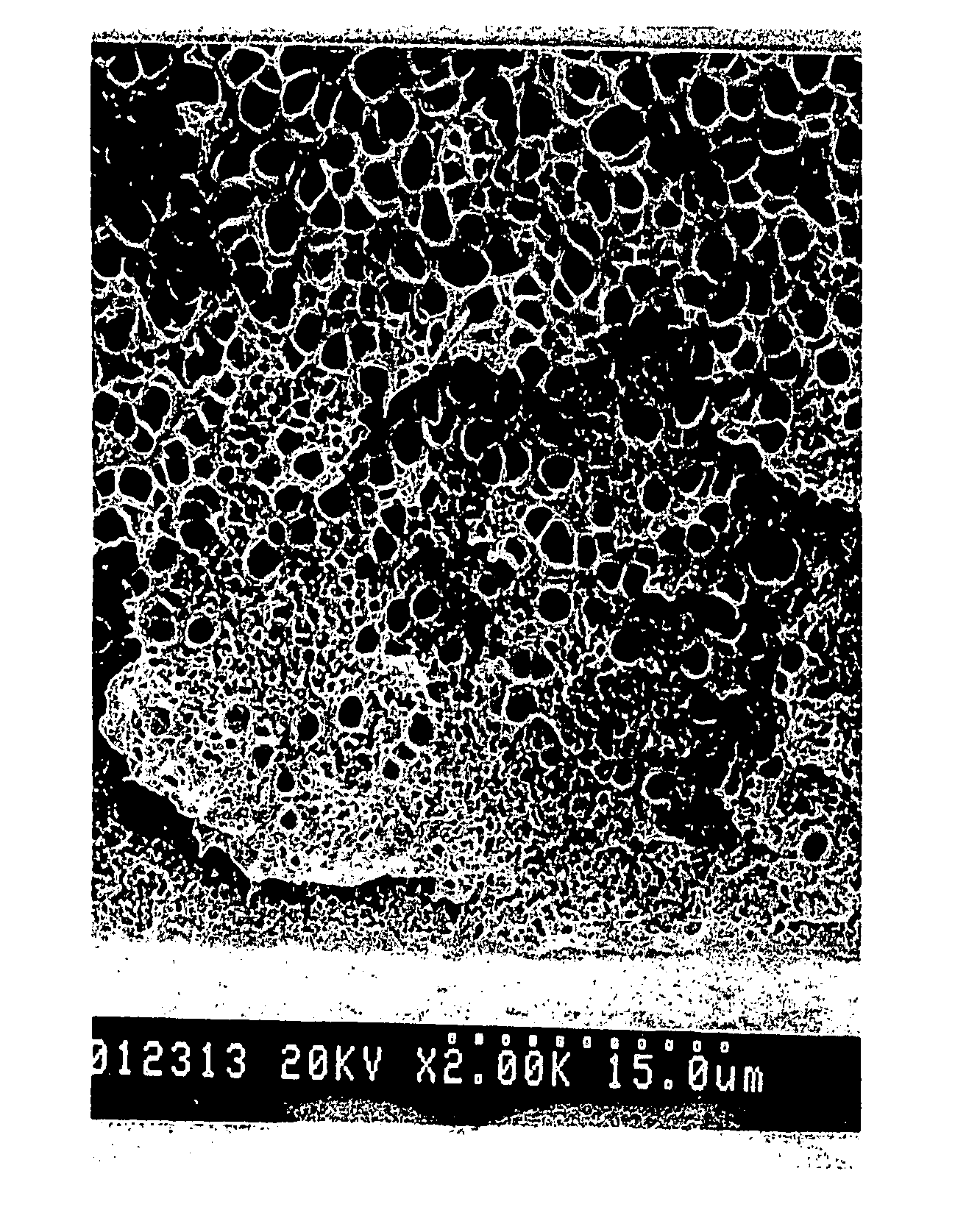
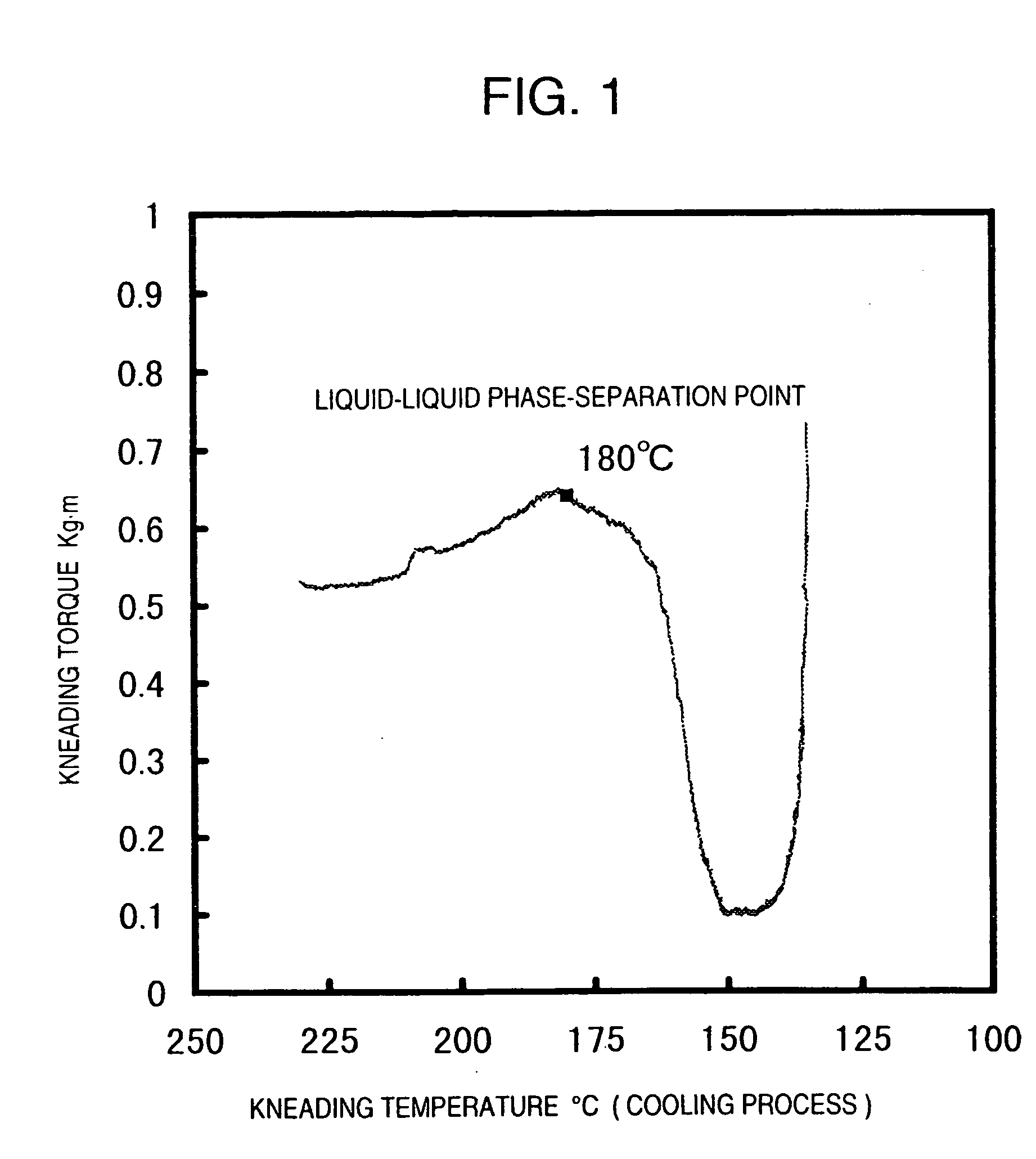
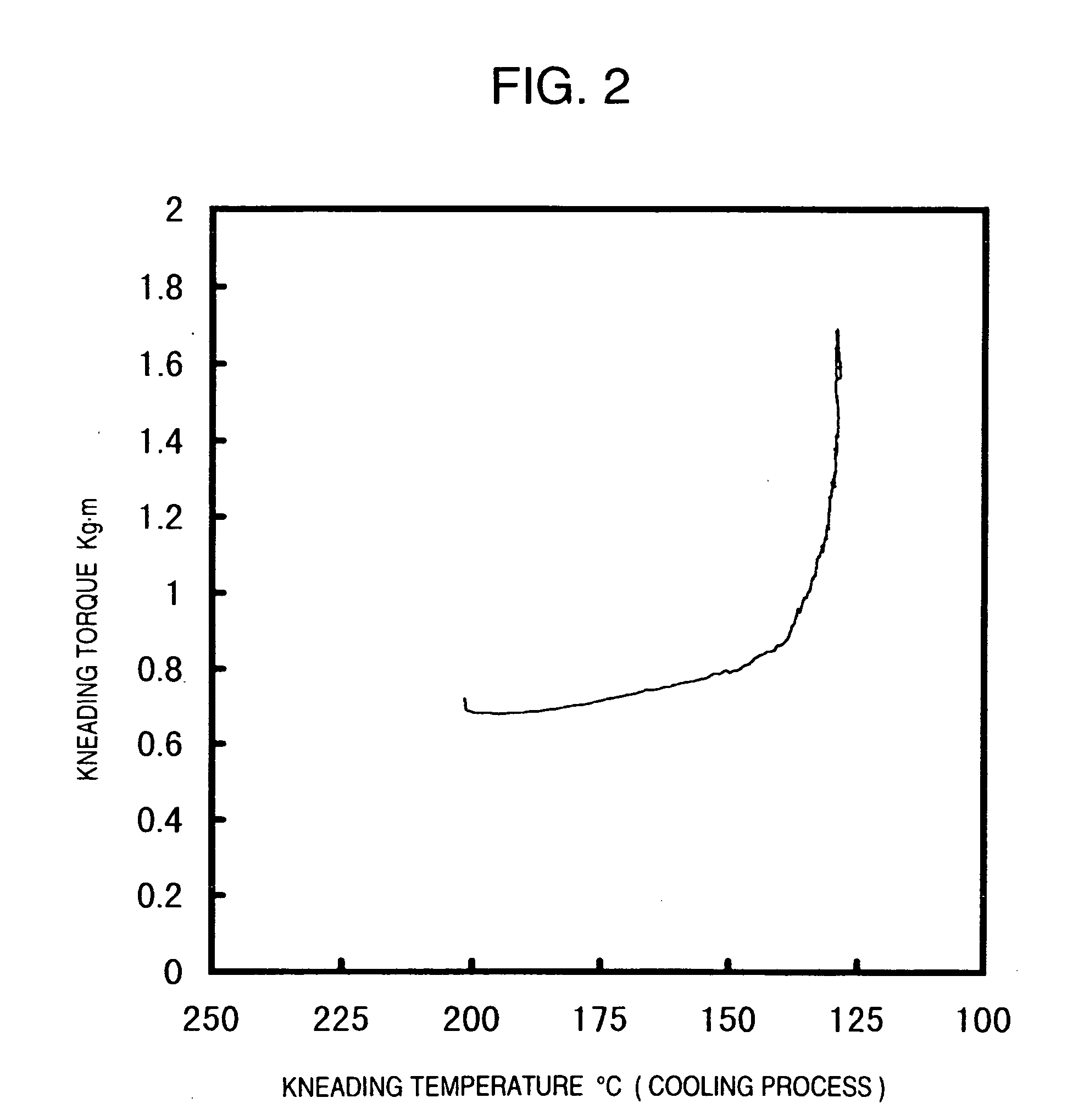
- A polyolefin microporous membrane with a surface structure comprising highly dispersed micro-fibrils, where the average diameter of micro-fibrils is 20 to 100 nm and the average distance between them is 40 to 400 nm, formed through a process involving melt-kneading with a solvent having a thermally induced liquid-liquid phase-separation point, followed by uniaxial stretching and solvent removal, to create a uniform network structure.

Battery Safety Regulations and Standards
Battery safety regulations and standards play a critical role in governing the development and implementation of enhanced shutdown separator technologies through surface modification. The regulatory landscape encompasses multiple jurisdictions, with key frameworks including IEC 62133, UL 1642, UN 38.3, and various national standards that establish safety requirements for lithium-ion batteries. These standards specifically address thermal runaway prevention, mechanical integrity, and electrical safety parameters that directly influence separator design criteria.
The International Electrotechnical Commission (IEC) standards provide comprehensive guidelines for battery safety testing, including thermal abuse tests that evaluate separator shutdown performance under extreme conditions. Surface-modified separators must demonstrate compliance with temperature thresholds, typically requiring shutdown activation between 130-140°C while maintaining structural integrity. These regulatory requirements drive innovation in surface modification techniques to achieve optimal shutdown characteristics within specified parameters.
Regional regulatory variations significantly impact separator development strategies. The European Union's Battery Regulation emphasizes sustainability and safety throughout the battery lifecycle, requiring enhanced separator technologies to meet stringent environmental and performance criteria. Similarly, the U.S. Department of Transportation regulations under 49 CFR Part 173 establish specific requirements for battery transportation safety, influencing separator design considerations for commercial applications.
Emerging regulatory trends focus on advanced safety mechanisms, including improved thermal stability and enhanced shutdown precision. Recent updates to safety standards incorporate more rigorous testing protocols for surface-modified separators, requiring demonstration of consistent shutdown behavior across multiple thermal cycles. These evolving requirements necessitate continuous innovation in surface modification approaches to maintain regulatory compliance.
Certification processes for surface-modified shutdown separators involve extensive testing protocols, including thermal stability assessments, mechanical stress evaluations, and electrochemical performance validation. Manufacturers must navigate complex approval pathways across multiple regulatory bodies, requiring comprehensive documentation of surface modification processes and their impact on separator safety performance. This regulatory framework ensures that enhanced shutdown separator technologies meet stringent safety requirements while enabling technological advancement in battery safety systems.
The International Electrotechnical Commission (IEC) standards provide comprehensive guidelines for battery safety testing, including thermal abuse tests that evaluate separator shutdown performance under extreme conditions. Surface-modified separators must demonstrate compliance with temperature thresholds, typically requiring shutdown activation between 130-140°C while maintaining structural integrity. These regulatory requirements drive innovation in surface modification techniques to achieve optimal shutdown characteristics within specified parameters.
Regional regulatory variations significantly impact separator development strategies. The European Union's Battery Regulation emphasizes sustainability and safety throughout the battery lifecycle, requiring enhanced separator technologies to meet stringent environmental and performance criteria. Similarly, the U.S. Department of Transportation regulations under 49 CFR Part 173 establish specific requirements for battery transportation safety, influencing separator design considerations for commercial applications.
Emerging regulatory trends focus on advanced safety mechanisms, including improved thermal stability and enhanced shutdown precision. Recent updates to safety standards incorporate more rigorous testing protocols for surface-modified separators, requiring demonstration of consistent shutdown behavior across multiple thermal cycles. These evolving requirements necessitate continuous innovation in surface modification approaches to maintain regulatory compliance.
Certification processes for surface-modified shutdown separators involve extensive testing protocols, including thermal stability assessments, mechanical stress evaluations, and electrochemical performance validation. Manufacturers must navigate complex approval pathways across multiple regulatory bodies, requiring comprehensive documentation of surface modification processes and their impact on separator safety performance. This regulatory framework ensures that enhanced shutdown separator technologies meet stringent safety requirements while enabling technological advancement in battery safety systems.
Environmental Impact of Separator Manufacturing
The manufacturing of shutdown separators, particularly those enhanced through surface modification techniques, presents significant environmental considerations that must be carefully evaluated throughout the production lifecycle. Traditional separator manufacturing processes typically involve energy-intensive operations, chemical treatments, and material processing steps that contribute to carbon emissions and environmental degradation.
Surface modification processes introduce additional environmental complexities to separator manufacturing. Chemical vapor deposition, plasma treatment, and coating applications require specialized equipment and often involve hazardous chemicals or high-energy processes. These modifications, while improving separator performance, can increase the overall environmental footprint through elevated energy consumption and potential chemical waste generation.
The choice of surface modification materials significantly impacts environmental sustainability. Conventional coating materials may contain heavy metals or volatile organic compounds that pose disposal challenges and potential contamination risks. However, emerging bio-based and environmentally friendly surface treatment options are gaining traction, offering reduced toxicity and improved biodegradability.
Manufacturing waste streams represent another critical environmental concern. Surface modification processes can generate chemical residues, spent coating materials, and contaminated cleaning solvents that require proper treatment and disposal. Advanced manufacturing facilities are implementing closed-loop systems and waste recovery technologies to minimize environmental discharge and maximize material recycling.
Energy consumption during separator manufacturing varies significantly depending on the surface modification approach employed. High-temperature treatments and plasma-based modifications typically require substantial energy inputs, contributing to greenhouse gas emissions. Manufacturers are increasingly adopting renewable energy sources and optimizing process parameters to reduce energy intensity while maintaining product quality.
Water usage and treatment constitute additional environmental considerations, particularly for wet chemical surface modification processes. Proper wastewater treatment systems are essential to prevent contamination of local water resources and ensure compliance with environmental regulations.
The development of sustainable manufacturing practices is driving innovation in separator production, with manufacturers exploring green chemistry approaches, solvent-free processes, and recyclable materials to minimize environmental impact while maintaining enhanced separator performance through surface modification technologies.
Surface modification processes introduce additional environmental complexities to separator manufacturing. Chemical vapor deposition, plasma treatment, and coating applications require specialized equipment and often involve hazardous chemicals or high-energy processes. These modifications, while improving separator performance, can increase the overall environmental footprint through elevated energy consumption and potential chemical waste generation.
The choice of surface modification materials significantly impacts environmental sustainability. Conventional coating materials may contain heavy metals or volatile organic compounds that pose disposal challenges and potential contamination risks. However, emerging bio-based and environmentally friendly surface treatment options are gaining traction, offering reduced toxicity and improved biodegradability.
Manufacturing waste streams represent another critical environmental concern. Surface modification processes can generate chemical residues, spent coating materials, and contaminated cleaning solvents that require proper treatment and disposal. Advanced manufacturing facilities are implementing closed-loop systems and waste recovery technologies to minimize environmental discharge and maximize material recycling.
Energy consumption during separator manufacturing varies significantly depending on the surface modification approach employed. High-temperature treatments and plasma-based modifications typically require substantial energy inputs, contributing to greenhouse gas emissions. Manufacturers are increasingly adopting renewable energy sources and optimizing process parameters to reduce energy intensity while maintaining product quality.
Water usage and treatment constitute additional environmental considerations, particularly for wet chemical surface modification processes. Proper wastewater treatment systems are essential to prevent contamination of local water resources and ensure compliance with environmental regulations.
The development of sustainable manufacturing practices is driving innovation in separator production, with manufacturers exploring green chemistry approaches, solvent-free processes, and recyclable materials to minimize environmental impact while maintaining enhanced separator performance through surface modification technologies.
Unlock deeper insights with PatSnap Eureka Quick Research — get a full tech report to explore trends and direct your research. Try now!
Generate Your Research Report Instantly with AI Agent
Supercharge your innovation with PatSnap Eureka AI Agent Platform!