

How Process Optimization Reduces Contaminants in Separator Linings
JUN 1, 20269 MIN READ
Generate Your Research Report Instantly with AI Agent
PatSnap Eureka helps you evaluate technical feasibility & market potential.
Separator Lining Contamination Background and Objectives
Separator linings play a critical role in industrial processes across multiple sectors, including oil and gas, chemical processing, water treatment, and food production. These protective barriers are designed to prevent direct contact between process fluids and separator vessel walls, thereby maintaining product purity and extending equipment lifespan. However, contamination of separator linings has emerged as a persistent challenge that significantly impacts operational efficiency, product quality, and maintenance costs.
The evolution of separator technology has witnessed substantial advancements over the past several decades. Early separator designs relied on basic mechanical separation principles with minimal attention to lining contamination issues. As industrial processes became more sophisticated and quality requirements more stringent, the focus shifted toward developing advanced lining materials and contamination prevention strategies. The introduction of specialized polymeric linings, ceramic coatings, and composite materials marked significant milestones in addressing contamination challenges.
Current industry trends indicate an increasing emphasis on process optimization as a primary approach to contamination reduction. This shift represents a paradigm change from reactive maintenance strategies to proactive contamination prevention through systematic process control. Modern industrial facilities are adopting integrated approaches that combine advanced materials science, real-time monitoring systems, and optimized operational parameters to minimize contamination risks.
The primary objective of investigating process optimization for contamination reduction centers on developing comprehensive strategies that address root causes rather than symptoms. This involves understanding the complex interactions between process variables, fluid characteristics, and lining materials under various operational conditions. Key focus areas include optimizing flow patterns, temperature control, pressure management, and chemical compatibility to minimize contamination potential.
Furthermore, the research aims to establish standardized methodologies for evaluating contamination mechanisms and implementing preventive measures. This includes developing predictive models that can forecast contamination risks based on process parameters, enabling proactive interventions before significant contamination occurs. The ultimate goal is to achieve sustainable separator performance while minimizing operational disruptions and maintenance requirements.
The technological advancement trajectory in this field points toward intelligent separator systems that incorporate machine learning algorithms and IoT sensors for continuous contamination monitoring and automatic process adjustments. These developments promise to revolutionize contamination management by enabling real-time optimization based on dynamic process conditions and historical performance data.
The evolution of separator technology has witnessed substantial advancements over the past several decades. Early separator designs relied on basic mechanical separation principles with minimal attention to lining contamination issues. As industrial processes became more sophisticated and quality requirements more stringent, the focus shifted toward developing advanced lining materials and contamination prevention strategies. The introduction of specialized polymeric linings, ceramic coatings, and composite materials marked significant milestones in addressing contamination challenges.
Current industry trends indicate an increasing emphasis on process optimization as a primary approach to contamination reduction. This shift represents a paradigm change from reactive maintenance strategies to proactive contamination prevention through systematic process control. Modern industrial facilities are adopting integrated approaches that combine advanced materials science, real-time monitoring systems, and optimized operational parameters to minimize contamination risks.
The primary objective of investigating process optimization for contamination reduction centers on developing comprehensive strategies that address root causes rather than symptoms. This involves understanding the complex interactions between process variables, fluid characteristics, and lining materials under various operational conditions. Key focus areas include optimizing flow patterns, temperature control, pressure management, and chemical compatibility to minimize contamination potential.
Furthermore, the research aims to establish standardized methodologies for evaluating contamination mechanisms and implementing preventive measures. This includes developing predictive models that can forecast contamination risks based on process parameters, enabling proactive interventions before significant contamination occurs. The ultimate goal is to achieve sustainable separator performance while minimizing operational disruptions and maintenance requirements.
The technological advancement trajectory in this field points toward intelligent separator systems that incorporate machine learning algorithms and IoT sensors for continuous contamination monitoring and automatic process adjustments. These developments promise to revolutionize contamination management by enabling real-time optimization based on dynamic process conditions and historical performance data.
Market Demand for High-Purity Separator Technologies
The global market for high-purity separator technologies is experiencing unprecedented growth driven by stringent contamination control requirements across multiple industries. Battery manufacturing, particularly for electric vehicles and energy storage systems, represents the largest demand segment as manufacturers seek to eliminate metallic impurities and organic contaminants that can compromise cell performance and safety. The semiconductor industry follows closely, where even trace-level contamination in separator materials can lead to device failures and reduced yields.
Pharmaceutical and biotechnology sectors are emerging as significant growth drivers, demanding separator technologies that meet FDA and EMA regulatory standards for cleanroom environments. These applications require separators with contamination levels measured in parts per billion, creating substantial market opportunities for advanced purification technologies. The food and beverage industry also contributes to market expansion, particularly in applications requiring sterile processing and extended shelf life.
Regional demand patterns show North America and Europe leading in high-value applications, while Asia-Pacific demonstrates the highest volume growth due to expanding battery and electronics manufacturing. China's dominance in lithium-ion battery production has created concentrated demand for separator technologies capable of achieving sub-micrometer particle filtration and minimal ionic contamination.
Market dynamics reveal increasing customer willingness to invest in premium separator solutions that demonstrate measurable contamination reduction. End-users are shifting from cost-focused procurement to total-cost-of-ownership models that factor in contamination-related losses, equipment downtime, and product quality improvements. This transition has expanded the addressable market for high-purity technologies significantly.
The market also shows growing demand for real-time contamination monitoring capabilities integrated with separator systems. Customers increasingly require technologies that not only reduce contaminants but also provide continuous verification of purity levels, driving innovation in sensor integration and data analytics capabilities within separator designs.
Pharmaceutical and biotechnology sectors are emerging as significant growth drivers, demanding separator technologies that meet FDA and EMA regulatory standards for cleanroom environments. These applications require separators with contamination levels measured in parts per billion, creating substantial market opportunities for advanced purification technologies. The food and beverage industry also contributes to market expansion, particularly in applications requiring sterile processing and extended shelf life.
Regional demand patterns show North America and Europe leading in high-value applications, while Asia-Pacific demonstrates the highest volume growth due to expanding battery and electronics manufacturing. China's dominance in lithium-ion battery production has created concentrated demand for separator technologies capable of achieving sub-micrometer particle filtration and minimal ionic contamination.
Market dynamics reveal increasing customer willingness to invest in premium separator solutions that demonstrate measurable contamination reduction. End-users are shifting from cost-focused procurement to total-cost-of-ownership models that factor in contamination-related losses, equipment downtime, and product quality improvements. This transition has expanded the addressable market for high-purity technologies significantly.
The market also shows growing demand for real-time contamination monitoring capabilities integrated with separator systems. Customers increasingly require technologies that not only reduce contaminants but also provide continuous verification of purity levels, driving innovation in sensor integration and data analytics capabilities within separator designs.
Current Contamination Issues in Separator Manufacturing
Separator manufacturing processes face significant contamination challenges that directly impact product quality, operational efficiency, and end-user safety. These contamination issues manifest across multiple stages of production, from raw material handling to final assembly, creating complex quality control scenarios that require comprehensive understanding and systematic mitigation strategies.
Particulate contamination represents one of the most prevalent issues in separator lining production. During material processing and forming operations, metallic debris, dust particles, and foreign matter frequently infiltrate the manufacturing environment. These contaminants often originate from machining operations, material handling equipment, and inadequate cleanroom protocols. The presence of such particles can create weak points in separator linings, leading to premature failure and compromised separation efficiency.
Chemical contamination poses another critical challenge, particularly during surface treatment and coating processes. Residual cleaning agents, processing chemicals, and cross-contamination from adjacent production lines can leave harmful residues on separator surfaces. These chemical contaminants may react with separator materials over time, causing degradation, corrosion, or unwanted chemical interactions that affect separation performance and product purity.
Biological contamination emerges as a growing concern, especially in facilities lacking proper environmental controls. Microbial growth, fungal spores, and bacterial colonies can establish themselves on separator surfaces during manufacturing, storage, or transport phases. This type of contamination is particularly problematic in applications requiring sterile or ultra-clean separation processes, such as pharmaceutical or food processing applications.
Cross-contamination between different product lines or material grades creates additional complexity in separator manufacturing. When facilities produce multiple separator types or handle various materials simultaneously, inadequate cleaning protocols and shared equipment can lead to material mixing and quality inconsistencies. This issue becomes particularly acute when manufacturing separators for different industries with varying purity requirements.
Environmental factors within manufacturing facilities contribute significantly to contamination issues. Poor air filtration systems, inadequate humidity control, and insufficient temperature regulation create conditions conducive to contamination accumulation. Vibrations from nearby equipment, inadequate isolation of manufacturing zones, and poor workflow design can exacerbate these environmental contamination sources.
Quality control limitations in current manufacturing processes often fail to detect contamination issues until late in the production cycle or after product deployment. Traditional inspection methods may miss microscopic contaminants or fail to identify contamination that develops during storage or transport phases, leading to costly recalls and customer dissatisfaction.
Particulate contamination represents one of the most prevalent issues in separator lining production. During material processing and forming operations, metallic debris, dust particles, and foreign matter frequently infiltrate the manufacturing environment. These contaminants often originate from machining operations, material handling equipment, and inadequate cleanroom protocols. The presence of such particles can create weak points in separator linings, leading to premature failure and compromised separation efficiency.
Chemical contamination poses another critical challenge, particularly during surface treatment and coating processes. Residual cleaning agents, processing chemicals, and cross-contamination from adjacent production lines can leave harmful residues on separator surfaces. These chemical contaminants may react with separator materials over time, causing degradation, corrosion, or unwanted chemical interactions that affect separation performance and product purity.
Biological contamination emerges as a growing concern, especially in facilities lacking proper environmental controls. Microbial growth, fungal spores, and bacterial colonies can establish themselves on separator surfaces during manufacturing, storage, or transport phases. This type of contamination is particularly problematic in applications requiring sterile or ultra-clean separation processes, such as pharmaceutical or food processing applications.
Cross-contamination between different product lines or material grades creates additional complexity in separator manufacturing. When facilities produce multiple separator types or handle various materials simultaneously, inadequate cleaning protocols and shared equipment can lead to material mixing and quality inconsistencies. This issue becomes particularly acute when manufacturing separators for different industries with varying purity requirements.
Environmental factors within manufacturing facilities contribute significantly to contamination issues. Poor air filtration systems, inadequate humidity control, and insufficient temperature regulation create conditions conducive to contamination accumulation. Vibrations from nearby equipment, inadequate isolation of manufacturing zones, and poor workflow design can exacerbate these environmental contamination sources.
Quality control limitations in current manufacturing processes often fail to detect contamination issues until late in the production cycle or after product deployment. Traditional inspection methods may miss microscopic contaminants or fail to identify contamination that develops during storage or transport phases, leading to costly recalls and customer dissatisfaction.
Existing Process Solutions for Contamination Reduction
01 Separator design and structural improvements
Various structural modifications and design enhancements for separators to minimize contamination issues. These improvements focus on optimizing the physical configuration and geometry of separator components to reduce particle accumulation and improve separation efficiency. The designs incorporate features that facilitate better flow patterns and reduce dead zones where contaminants might collect.- Separator liner material composition and structure: Advanced separator linings utilize specialized materials and structural designs to prevent contamination. These materials are engineered with specific properties such as chemical resistance, porosity control, and barrier characteristics to maintain separation efficiency and prevent cross-contamination between different phases or substances.
- Contamination detection and monitoring systems: Integrated monitoring systems are designed to detect and track contaminants in separator linings. These systems employ various sensing technologies and detection methods to identify contamination levels, enabling real-time monitoring and early warning capabilities for maintenance and replacement scheduling.
- Self-cleaning and anti-fouling liner technologies: Innovative liner designs incorporate self-cleaning mechanisms and anti-fouling properties to minimize contamination buildup. These technologies utilize surface treatments, coatings, or mechanical features that actively prevent or reduce the accumulation of contaminants on the separator liner surfaces.
- Modular and replaceable liner systems: Modular separator liner designs allow for easy replacement and maintenance when contamination occurs. These systems feature removable components, quick-change mechanisms, and standardized interfaces that facilitate efficient liner replacement without requiring complete system shutdown or extensive maintenance procedures.
- Chemical treatment and purification methods: Specialized chemical treatment processes are employed to address contamination in separator linings. These methods include chemical cleaning agents, purification techniques, and treatment protocols designed to remove specific types of contaminants while preserving the integrity and functionality of the liner materials.
02 Lining materials and protective coatings
Development of specialized lining materials and protective coatings for separators to prevent contamination and extend operational life. These materials are designed to resist chemical attack, reduce wear, and provide barrier protection against various contaminants. The focus is on selecting appropriate materials that maintain their integrity under operating conditions while preventing cross-contamination.Expand Specific Solutions03 Filtration and purification systems
Integration of advanced filtration and purification mechanisms within separator systems to remove contaminants effectively. These systems employ various filtration technologies and purification methods to ensure clean separation processes. The approaches include multi-stage filtration, selective removal techniques, and continuous cleaning mechanisms to maintain separator performance.Expand Specific Solutions04 Contamination detection and monitoring
Implementation of detection and monitoring systems to identify and track contaminants in separator operations. These systems provide real-time monitoring capabilities and early warning mechanisms for contamination events. The technology focuses on continuous assessment of separator performance and contamination levels to enable proactive maintenance and operational adjustments.Expand Specific Solutions05 Cleaning and maintenance procedures
Development of specialized cleaning protocols and maintenance procedures for separator linings to address contamination issues. These procedures include automated cleaning systems, chemical cleaning methods, and preventive maintenance strategies. The focus is on establishing effective cleaning cycles and maintenance schedules that minimize downtime while ensuring optimal separator performance and contamination control.Expand Specific Solutions
Key Players in Advanced Separator Manufacturing Industry
The process optimization for reducing contaminants in separator linings represents a mature industrial technology sector experiencing steady growth driven by semiconductor manufacturing demands and environmental regulations. The market demonstrates significant scale with established players like Applied Materials, Lam Research, and TSMC leading semiconductor equipment and fabrication, while companies such as BASF and Toray Industries provide advanced materials solutions. Technology maturity varies across segments, with semiconductor processing equipment from Applied Materials and Lam Research representing highly sophisticated solutions, while material innovations from BASF and specialty manufacturers like Advanced Micro Fabrication Equipment continue advancing contamination control methodologies. The competitive landscape shows consolidation around major equipment suppliers and foundries, with emerging players like SMIC and regional specialists contributing to process refinement and cost optimization in separator lining applications.
Applied Materials, Inc.
Technical Solution: Applied Materials employs advanced plasma-enhanced chemical vapor deposition (PECVD) and atomic layer deposition (ALD) processes to create ultra-pure separator linings with minimal contamination. Their process optimization includes precise temperature control, ultra-high vacuum environments, and real-time monitoring systems that detect and eliminate trace impurities during deposition. The company utilizes proprietary gas purification systems and chamber cleaning protocols that reduce particle contamination by over 90% compared to conventional methods. Their integrated metrology solutions enable in-situ contamination detection and process adjustment, ensuring consistent quality across production batches.
Strengths: Industry-leading process control technology and comprehensive contamination monitoring systems. Weaknesses: High capital investment requirements and complex maintenance procedures for advanced equipment.
Taiwan Semiconductor Manufacturing Co., Ltd.
Technical Solution: TSMC has developed sophisticated cleanroom protocols and advanced lithography processes that significantly reduce contamination in separator manufacturing. Their approach includes implementation of extreme ultraviolet (EUV) lithography with enhanced filtration systems, maintaining Class 1 cleanroom standards with less than 1 particle per cubic foot. The company employs multi-stage purification processes including ion beam etching and chemical mechanical planarization (CMP) with specialized slurries designed to minimize residual contamination. Their process optimization incorporates machine learning algorithms to predict and prevent contamination events before they occur.
Strengths: World-class cleanroom facilities and cutting-edge process technology with proven contamination control. Weaknesses: Extremely high operational costs and limited applicability outside semiconductor manufacturing.
Core Process Innovations for Ultra-Clean Separator Linings
Method of manufacturing liner for semiconductor processing chamber, liner and chamber including the liner
PatentInactiveUS20090206521A1
Innovation
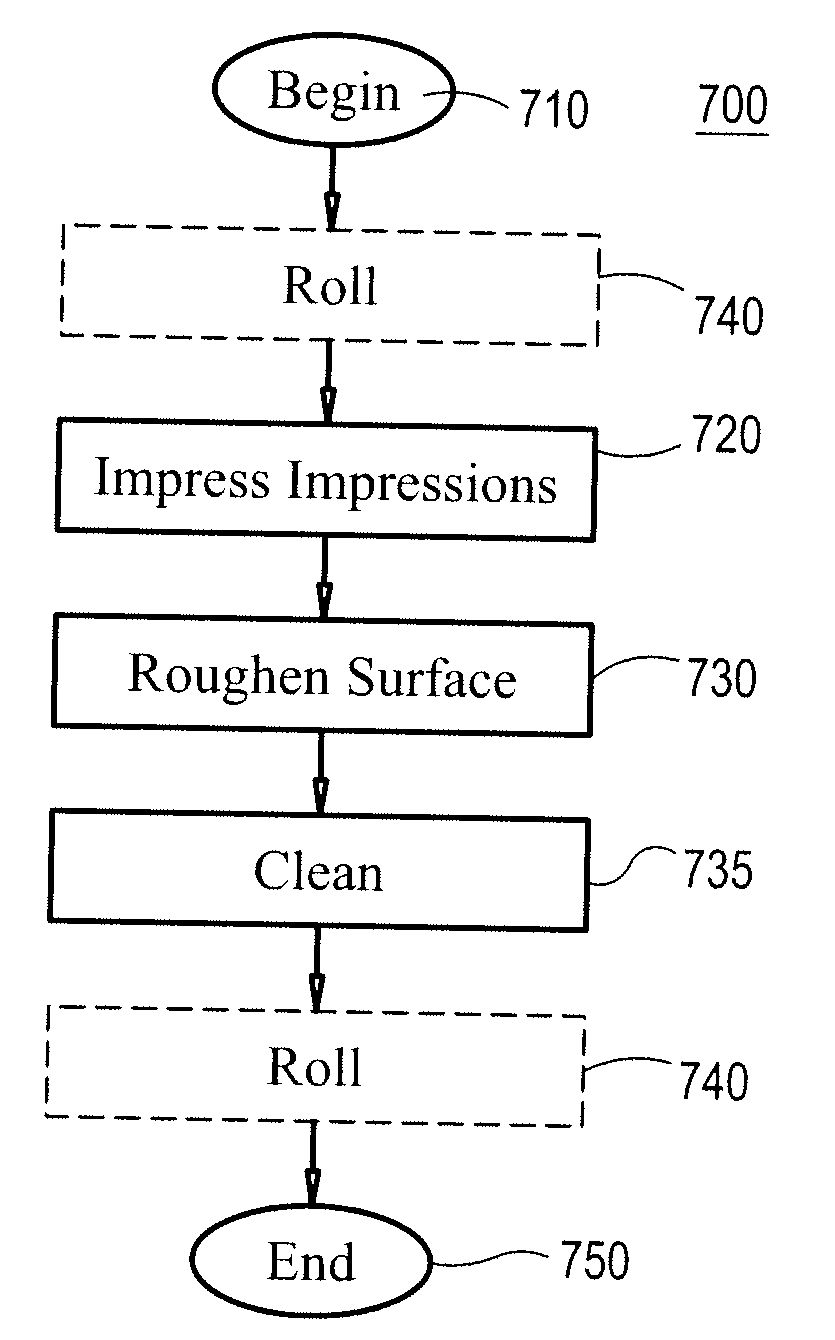
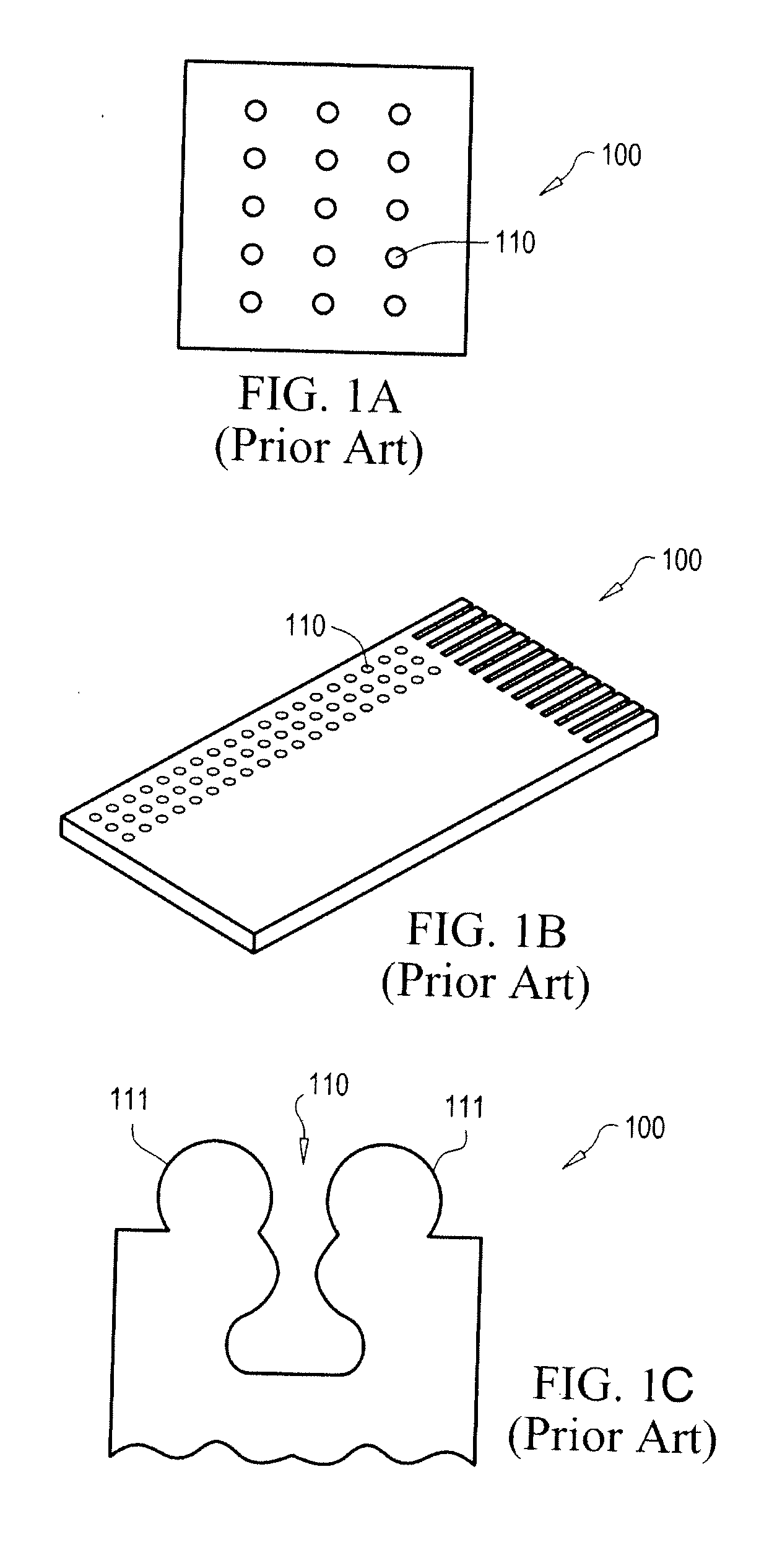
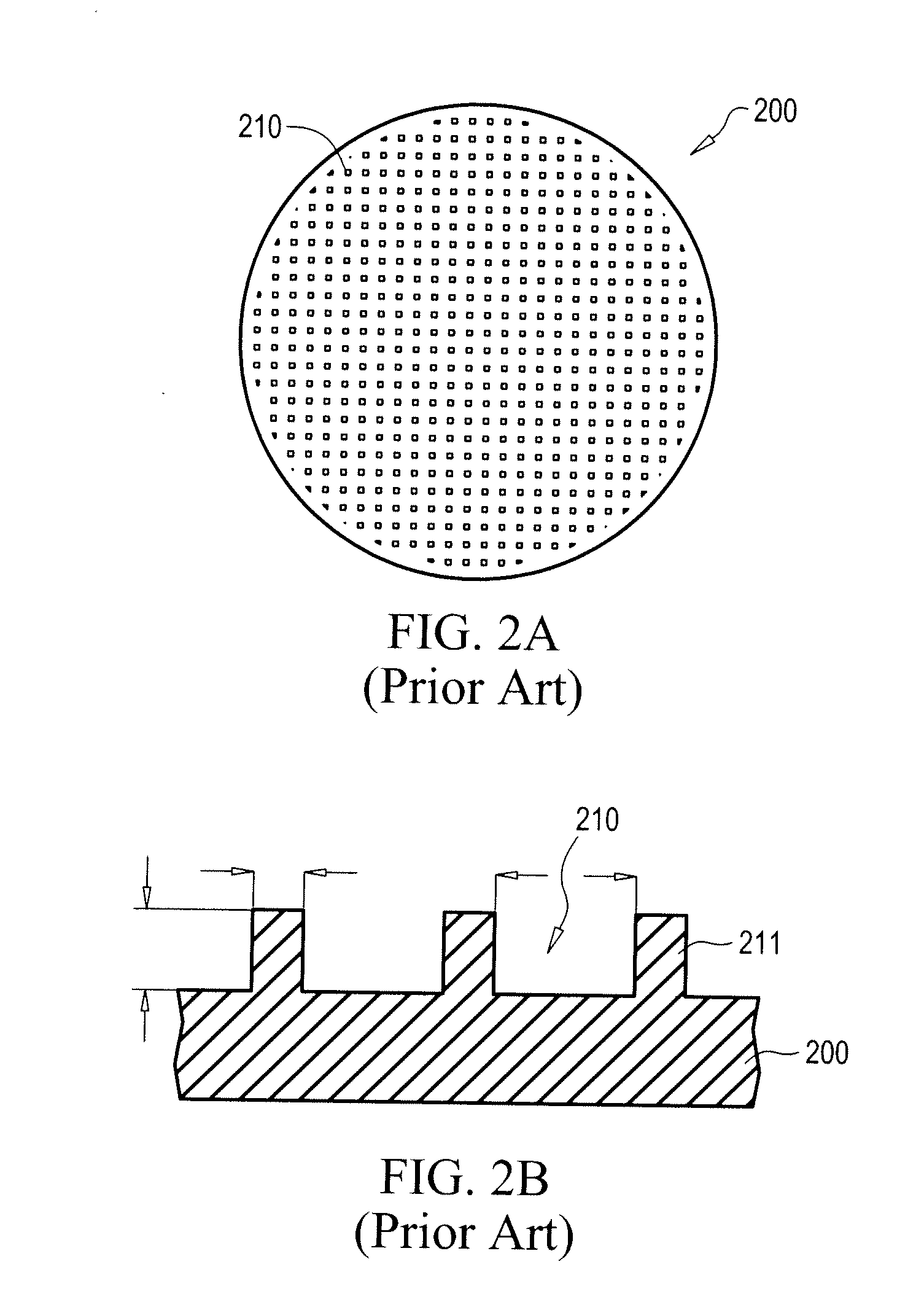
- The manufacturing of liners involves impressing a surface with mechanical impressions such as depressions and protuberances without material removal, followed by roughening techniques like particulate blasting or plasma spray to enhance adhesion and surface area for bonding, allowing for either disposable or recyclable liners to be used in semiconductor processing chambers.

Materials recovery facility process optimization via unit operation feedback
PatentActiveUS7994448B2
Innovation
- A computerized control system is implemented to monitor and adjust adjustable screen parameters in real-time, using sensors to detect contaminants and optimize settings automatically, ensuring continuous improvement in separation efficiency as material composition varies.


Environmental Regulations for Separator Manufacturing Processes
Environmental regulations governing separator manufacturing processes have become increasingly stringent worldwide, driven by growing concerns over industrial pollution and public health protection. These regulatory frameworks establish comprehensive standards for emissions control, waste management, and contamination prevention throughout the manufacturing lifecycle. The regulatory landscape encompasses multiple jurisdictions, with agencies such as the EPA in the United States, the European Environment Agency in the EU, and similar bodies in Asia-Pacific regions implementing overlapping yet distinct requirements for separator production facilities.
Current regulations mandate strict limits on volatile organic compound emissions during separator lining manufacturing, particularly focusing on solvent-based processes and chemical vapor releases. Manufacturing facilities must comply with air quality standards that restrict particulate matter, hazardous air pollutants, and greenhouse gas emissions. These requirements have prompted manufacturers to adopt cleaner production technologies and implement advanced emission control systems, including thermal oxidizers, scrubbers, and catalytic reduction units.
Waste discharge regulations impose rigorous controls on liquid effluents from separator manufacturing processes, establishing maximum allowable concentrations for heavy metals, organic compounds, and suspended solids. The Resource Conservation and Recovery Act and similar international frameworks classify certain manufacturing byproducts as hazardous waste, requiring specialized handling, treatment, and disposal protocols. These regulations have accelerated the adoption of closed-loop water systems and advanced wastewater treatment technologies in separator manufacturing facilities.
Emerging regulatory trends indicate a shift toward lifecycle-based environmental assessments, requiring manufacturers to demonstrate environmental compliance from raw material sourcing through end-of-life disposal. Extended producer responsibility frameworks are being implemented in multiple jurisdictions, mandating that separator manufacturers take responsibility for product environmental impacts throughout their operational lifespan. These evolving requirements are driving innovation in sustainable manufacturing processes and biodegradable lining materials.
Compliance monitoring and reporting requirements have intensified, with regulatory agencies demanding real-time emissions monitoring, periodic environmental audits, and comprehensive documentation of contamination prevention measures. Non-compliance penalties have increased substantially, with some jurisdictions imposing production shutdowns and criminal liability for severe violations, creating strong economic incentives for proactive environmental management in separator manufacturing operations.
Current regulations mandate strict limits on volatile organic compound emissions during separator lining manufacturing, particularly focusing on solvent-based processes and chemical vapor releases. Manufacturing facilities must comply with air quality standards that restrict particulate matter, hazardous air pollutants, and greenhouse gas emissions. These requirements have prompted manufacturers to adopt cleaner production technologies and implement advanced emission control systems, including thermal oxidizers, scrubbers, and catalytic reduction units.
Waste discharge regulations impose rigorous controls on liquid effluents from separator manufacturing processes, establishing maximum allowable concentrations for heavy metals, organic compounds, and suspended solids. The Resource Conservation and Recovery Act and similar international frameworks classify certain manufacturing byproducts as hazardous waste, requiring specialized handling, treatment, and disposal protocols. These regulations have accelerated the adoption of closed-loop water systems and advanced wastewater treatment technologies in separator manufacturing facilities.
Emerging regulatory trends indicate a shift toward lifecycle-based environmental assessments, requiring manufacturers to demonstrate environmental compliance from raw material sourcing through end-of-life disposal. Extended producer responsibility frameworks are being implemented in multiple jurisdictions, mandating that separator manufacturers take responsibility for product environmental impacts throughout their operational lifespan. These evolving requirements are driving innovation in sustainable manufacturing processes and biodegradable lining materials.
Compliance monitoring and reporting requirements have intensified, with regulatory agencies demanding real-time emissions monitoring, periodic environmental audits, and comprehensive documentation of contamination prevention measures. Non-compliance penalties have increased substantially, with some jurisdictions imposing production shutdowns and criminal liability for severe violations, creating strong economic incentives for proactive environmental management in separator manufacturing operations.
Quality Standards and Testing Protocols for Separator Purity
The establishment of comprehensive quality standards for separator purity represents a critical foundation for effective contamination control in industrial separation processes. Current industry standards primarily focus on particle size distribution, chemical composition limits, and surface cleanliness metrics. These standards typically specify maximum allowable contamination levels measured in parts per million (ppm) for various contaminant categories including metallic particles, organic residues, and ionic impurities.
International standards such as ISO 14644 for cleanroom environments and ASTM D2276 for particulate contamination provide baseline frameworks that have been adapted for separator applications. However, the unique operational conditions of separators require specialized standards that account for dynamic flow conditions, temperature variations, and chemical compatibility with process fluids. Industry-specific standards have emerged in sectors such as pharmaceutical manufacturing, semiconductor production, and food processing, each addressing particular contamination concerns relevant to their applications.
Testing protocols for separator purity assessment encompass both offline and online monitoring methodologies. Offline testing typically involves systematic sampling procedures followed by laboratory analysis using techniques such as laser diffraction particle sizing, scanning electron microscopy (SEM), and inductively coupled plasma mass spectrometry (ICP-MS). These methods provide detailed contamination characterization but require process interruption and sample handling that may introduce additional variables.
Online monitoring systems have gained prominence due to their ability to provide real-time contamination data without process disruption. These systems employ optical particle counters, turbidity sensors, and spectroscopic analyzers integrated directly into separator housings or downstream monitoring points. Advanced protocols incorporate statistical process control methods to establish baseline purity levels and detect contamination trends before they impact product quality.
Validation procedures for testing protocols require careful consideration of sampling representativeness, measurement uncertainty, and correlation between different analytical methods. Cross-validation studies comparing online sensor data with laboratory analysis results help establish confidence intervals and calibration requirements. Regular protocol reviews ensure alignment with evolving contamination control technologies and regulatory requirements, maintaining the effectiveness of quality assurance programs in separator operations.
International standards such as ISO 14644 for cleanroom environments and ASTM D2276 for particulate contamination provide baseline frameworks that have been adapted for separator applications. However, the unique operational conditions of separators require specialized standards that account for dynamic flow conditions, temperature variations, and chemical compatibility with process fluids. Industry-specific standards have emerged in sectors such as pharmaceutical manufacturing, semiconductor production, and food processing, each addressing particular contamination concerns relevant to their applications.
Testing protocols for separator purity assessment encompass both offline and online monitoring methodologies. Offline testing typically involves systematic sampling procedures followed by laboratory analysis using techniques such as laser diffraction particle sizing, scanning electron microscopy (SEM), and inductively coupled plasma mass spectrometry (ICP-MS). These methods provide detailed contamination characterization but require process interruption and sample handling that may introduce additional variables.
Online monitoring systems have gained prominence due to their ability to provide real-time contamination data without process disruption. These systems employ optical particle counters, turbidity sensors, and spectroscopic analyzers integrated directly into separator housings or downstream monitoring points. Advanced protocols incorporate statistical process control methods to establish baseline purity levels and detect contamination trends before they impact product quality.
Validation procedures for testing protocols require careful consideration of sampling representativeness, measurement uncertainty, and correlation between different analytical methods. Cross-validation studies comparing online sensor data with laboratory analysis results help establish confidence intervals and calibration requirements. Regular protocol reviews ensure alignment with evolving contamination control technologies and regulatory requirements, maintaining the effectiveness of quality assurance programs in separator operations.
Unlock deeper insights with PatSnap Eureka Quick Research — get a full tech report to explore trends and direct your research. Try now!
Generate Your Research Report Instantly with AI Agent
Supercharge your innovation with PatSnap Eureka AI Agent Platform!