

Optimize Dry-Wet Process for Uniform Shutdown Separator Production
JUN 1, 20269 MIN READ
Generate Your Research Report Instantly with AI Agent
PatSnap Eureka helps you evaluate technical feasibility & market potential.
Dry-Wet Process Background and Optimization Goals
The dry-wet process for shutdown separator production represents a critical manufacturing methodology that combines controlled dehydration and rehydration cycles to achieve optimal material properties in battery separator films. This process has evolved from traditional single-phase manufacturing approaches, driven by the increasing demand for high-performance lithium-ion batteries in electric vehicles, energy storage systems, and portable electronics. The fundamental principle involves precisely controlling moisture content during different production stages to enhance pore structure uniformity and mechanical integrity.
Historical development of dry-wet processing began in the early 2000s when battery manufacturers recognized the limitations of purely dry or wet processing methods. Traditional dry processes often resulted in irregular pore distribution and compromised thermal stability, while conventional wet processes faced challenges in achieving consistent thickness and porosity across large-scale production. The hybrid approach emerged as manufacturers sought to combine the advantages of both methodologies while mitigating their respective drawbacks.
The evolution toward optimized dry-wet processes has been accelerated by stringent performance requirements for modern battery separators. These include enhanced thermal shutdown characteristics, improved electrolyte wettability, superior mechanical strength, and uniform pore size distribution. The shutdown function, which prevents thermal runaway in battery cells, requires precise control over polymer crystallinity and pore structure that can only be achieved through carefully orchestrated dry-wet processing parameters.
Current optimization goals center on achieving unprecedented uniformity in separator properties while maintaining cost-effectiveness and scalability. Primary objectives include minimizing thickness variation to less than 2% across the entire separator web, achieving pore size distribution with coefficient of variation below 15%, and ensuring consistent shutdown temperature within ±3°C tolerance. Additionally, manufacturers aim to reduce processing time by 20-30% while improving material yield and reducing waste generation.
Advanced process control technologies now enable real-time monitoring and adjustment of critical parameters such as temperature gradients, humidity levels, solvent concentration, and web tension. The integration of machine learning algorithms and predictive analytics has opened new possibilities for process optimization, allowing manufacturers to anticipate and prevent quality deviations before they occur. These technological advancements support the overarching goal of producing separators with enhanced safety characteristics and extended cycle life performance.
The strategic importance of optimizing dry-wet processes extends beyond immediate manufacturing benefits, positioning companies to meet future market demands for next-generation battery technologies including solid-state batteries and high-voltage applications.
Historical development of dry-wet processing began in the early 2000s when battery manufacturers recognized the limitations of purely dry or wet processing methods. Traditional dry processes often resulted in irregular pore distribution and compromised thermal stability, while conventional wet processes faced challenges in achieving consistent thickness and porosity across large-scale production. The hybrid approach emerged as manufacturers sought to combine the advantages of both methodologies while mitigating their respective drawbacks.
The evolution toward optimized dry-wet processes has been accelerated by stringent performance requirements for modern battery separators. These include enhanced thermal shutdown characteristics, improved electrolyte wettability, superior mechanical strength, and uniform pore size distribution. The shutdown function, which prevents thermal runaway in battery cells, requires precise control over polymer crystallinity and pore structure that can only be achieved through carefully orchestrated dry-wet processing parameters.
Current optimization goals center on achieving unprecedented uniformity in separator properties while maintaining cost-effectiveness and scalability. Primary objectives include minimizing thickness variation to less than 2% across the entire separator web, achieving pore size distribution with coefficient of variation below 15%, and ensuring consistent shutdown temperature within ±3°C tolerance. Additionally, manufacturers aim to reduce processing time by 20-30% while improving material yield and reducing waste generation.
Advanced process control technologies now enable real-time monitoring and adjustment of critical parameters such as temperature gradients, humidity levels, solvent concentration, and web tension. The integration of machine learning algorithms and predictive analytics has opened new possibilities for process optimization, allowing manufacturers to anticipate and prevent quality deviations before they occur. These technological advancements support the overarching goal of producing separators with enhanced safety characteristics and extended cycle life performance.
The strategic importance of optimizing dry-wet processes extends beyond immediate manufacturing benefits, positioning companies to meet future market demands for next-generation battery technologies including solid-state batteries and high-voltage applications.
Market Demand for High-Performance Battery Separators
The global battery separator market has experienced unprecedented growth driven by the rapid expansion of electric vehicle adoption and energy storage system deployment. Lithium-ion batteries, which rely heavily on high-performance separators for safety and efficiency, represent the dominant technology across automotive, consumer electronics, and grid-scale storage applications. The transition toward electrification has fundamentally shifted separator requirements from basic functionality to advanced performance characteristics including thermal stability, mechanical strength, and uniform shutdown behavior.
Electric vehicle manufacturers increasingly demand separators with enhanced safety features, particularly uniform shutdown capabilities that prevent thermal runaway events. The automotive sector's stringent safety standards have elevated separator performance requirements beyond traditional metrics, emphasizing consistent pore structure, controlled shutdown temperature ranges, and reliable thermal management properties. These specifications directly correlate with the dry-wet manufacturing process optimization challenges, as uniform separator production becomes critical for meeting automotive-grade quality standards.
Energy storage systems for renewable energy integration present another significant demand driver, requiring separators capable of extended cycling performance and consistent behavior across large battery arrays. Grid-scale applications necessitate separators with predictable shutdown characteristics to ensure system-wide safety and reliability. The uniformity achieved through optimized dry-wet processes directly impacts the scalability and commercial viability of these energy storage deployments.
Consumer electronics continue driving demand for thinner, more efficient separators that maintain safety performance while enabling compact device designs. Smartphone and laptop manufacturers require separators with consistent thickness profiles and uniform pore distribution, characteristics that depend heavily on manufacturing process control during the dry-wet production phases.
The market increasingly values separators with enhanced wettability properties, improved electrolyte uptake rates, and superior dimensional stability under thermal stress. These performance attributes are directly influenced by the dry-wet process parameters, creating strong market incentives for manufacturers to optimize production techniques. Quality consistency across large-scale production runs has become a key differentiator, with customers prioritizing suppliers capable of delivering uniform separator properties that translate into predictable battery performance and safety characteristics.
Electric vehicle manufacturers increasingly demand separators with enhanced safety features, particularly uniform shutdown capabilities that prevent thermal runaway events. The automotive sector's stringent safety standards have elevated separator performance requirements beyond traditional metrics, emphasizing consistent pore structure, controlled shutdown temperature ranges, and reliable thermal management properties. These specifications directly correlate with the dry-wet manufacturing process optimization challenges, as uniform separator production becomes critical for meeting automotive-grade quality standards.
Energy storage systems for renewable energy integration present another significant demand driver, requiring separators capable of extended cycling performance and consistent behavior across large battery arrays. Grid-scale applications necessitate separators with predictable shutdown characteristics to ensure system-wide safety and reliability. The uniformity achieved through optimized dry-wet processes directly impacts the scalability and commercial viability of these energy storage deployments.
Consumer electronics continue driving demand for thinner, more efficient separators that maintain safety performance while enabling compact device designs. Smartphone and laptop manufacturers require separators with consistent thickness profiles and uniform pore distribution, characteristics that depend heavily on manufacturing process control during the dry-wet production phases.
The market increasingly values separators with enhanced wettability properties, improved electrolyte uptake rates, and superior dimensional stability under thermal stress. These performance attributes are directly influenced by the dry-wet process parameters, creating strong market incentives for manufacturers to optimize production techniques. Quality consistency across large-scale production runs has become a key differentiator, with customers prioritizing suppliers capable of delivering uniform separator properties that translate into predictable battery performance and safety characteristics.
Current Challenges in Dry-Wet Separator Manufacturing
The manufacturing of dry-wet separators for battery applications faces significant technical challenges that directly impact product uniformity and performance consistency. One of the primary obstacles lies in achieving precise control over the coating thickness during the wet processing phase. Variations in coating uniformity can result in inconsistent porosity distribution across the separator surface, leading to uneven ion transport properties and potential safety risks in battery operation.
Temperature and humidity control during the drying process presents another critical challenge. Fluctuations in environmental conditions can cause differential shrinkage rates across the separator material, resulting in dimensional instability and surface defects. The rapid moisture evaporation often creates internal stress concentrations that manifest as wrinkles, tears, or localized thickness variations that compromise the separator's mechanical integrity.
The transition interface between wet and dry processing stages represents a particularly vulnerable point in the manufacturing process. Inadequate process parameter synchronization during this transition can lead to adhesion failures, delamination, or incomplete solvent removal. These defects are often difficult to detect during inline quality control and may only become apparent during subsequent battery assembly or operation.
Material handling and web tension management throughout the dry-wet process chain pose additional complexities. Maintaining consistent web tension while accommodating the material property changes that occur during solvent evaporation requires sophisticated control systems. Improper tension management can result in web breaks, edge curling, or permanent deformation that affects the separator's dimensional stability.
Contamination control emerges as another significant challenge, particularly at the interface between processing stages. Airborne particles, residual solvents, or cross-contamination from adjacent processing lines can introduce defects that compromise separator performance. The porous nature of separator materials makes them particularly susceptible to contamination retention, requiring stringent cleanroom protocols and filtration systems.
Process scalability from laboratory to industrial production scales introduces additional complexity layers. Parameters that work effectively at small scales often require significant optimization when translated to high-speed, continuous manufacturing environments. The increased processing speeds and longer residence times in industrial equipment can amplify minor process variations into significant quality issues.
Quality monitoring and real-time process adjustment capabilities remain limited in many existing manufacturing setups. The lack of adequate inline measurement systems makes it difficult to detect and correct process deviations before they result in substantial material waste or product quality compromises.
Temperature and humidity control during the drying process presents another critical challenge. Fluctuations in environmental conditions can cause differential shrinkage rates across the separator material, resulting in dimensional instability and surface defects. The rapid moisture evaporation often creates internal stress concentrations that manifest as wrinkles, tears, or localized thickness variations that compromise the separator's mechanical integrity.
The transition interface between wet and dry processing stages represents a particularly vulnerable point in the manufacturing process. Inadequate process parameter synchronization during this transition can lead to adhesion failures, delamination, or incomplete solvent removal. These defects are often difficult to detect during inline quality control and may only become apparent during subsequent battery assembly or operation.
Material handling and web tension management throughout the dry-wet process chain pose additional complexities. Maintaining consistent web tension while accommodating the material property changes that occur during solvent evaporation requires sophisticated control systems. Improper tension management can result in web breaks, edge curling, or permanent deformation that affects the separator's dimensional stability.
Contamination control emerges as another significant challenge, particularly at the interface between processing stages. Airborne particles, residual solvents, or cross-contamination from adjacent processing lines can introduce defects that compromise separator performance. The porous nature of separator materials makes them particularly susceptible to contamination retention, requiring stringent cleanroom protocols and filtration systems.
Process scalability from laboratory to industrial production scales introduces additional complexity layers. Parameters that work effectively at small scales often require significant optimization when translated to high-speed, continuous manufacturing environments. The increased processing speeds and longer residence times in industrial equipment can amplify minor process variations into significant quality issues.
Quality monitoring and real-time process adjustment capabilities remain limited in many existing manufacturing setups. The lack of adequate inline measurement systems makes it difficult to detect and correct process deviations before they result in substantial material waste or product quality compromises.
Existing Dry-Wet Process Solutions and Methods
01 Separator design optimization for uniform shutdown behavior
Advanced separator designs incorporate specific structural features and materials to ensure uniform shutdown characteristics across the entire separator surface. These designs focus on achieving consistent pore closure temperatures and maintaining structural integrity during thermal events to prevent localized hotspots and ensure reliable battery safety performance.- Separator design optimization for uniform shutdown behavior: Advanced separator designs incorporate specific structural modifications and material compositions to ensure uniform shutdown characteristics across the entire separator surface. These designs focus on achieving consistent pore closure temperatures and maintaining structural integrity during thermal events to prevent localized hotspots and ensure reliable battery safety performance.
- Thermal uniformity control mechanisms: Implementation of thermal management systems and heat distribution technologies to maintain uniform temperature profiles during separator shutdown processes. These mechanisms include thermal conductive elements, heat spreading layers, and temperature monitoring systems that ensure consistent shutdown activation across different regions of the separator.
- Material composition for consistent shutdown properties: Development of specialized polymer blends and composite materials that exhibit uniform shutdown characteristics. These materials are engineered to have consistent thermal properties, uniform pore structure, and predictable melting behavior to ensure reliable and uniform separator closure during thermal events.
- Manufacturing process control for separator uniformity: Advanced manufacturing techniques and process control methods to achieve uniform separator properties during production. These processes include controlled stretching, uniform coating applications, and precision thickness control to ensure consistent shutdown behavior across the entire separator membrane.
- Quality monitoring and testing systems for shutdown uniformity: Implementation of comprehensive testing and monitoring systems to evaluate and ensure uniform shutdown performance across separator materials. These systems include thermal imaging, electrical resistance monitoring, and automated testing protocols that verify consistent shutdown behavior and identify potential non-uniformities.
02 Material composition control for consistent thermal response
The uniformity of separator shutdown is achieved through careful control of polymer composition and additive distribution. Specific material formulations ensure that thermal shutdown occurs uniformly across the separator membrane, preventing uneven shrinkage or pore closure that could lead to safety issues or performance degradation.Expand Specific Solutions03 Manufacturing process improvements for uniform properties
Enhanced manufacturing techniques focus on achieving consistent thickness, porosity, and material distribution throughout the separator. These processes include controlled stretching, coating, and thermal treatment methods that ensure uniform physical and chemical properties across the entire separator area.Expand Specific Solutions04 Multi-layer separator structures for enhanced uniformity
Multi-layered separator architectures combine different materials and structures to achieve more uniform shutdown behavior. These designs utilize complementary layers with varying thermal properties to ensure consistent performance and prevent localized failure modes during thermal events.Expand Specific Solutions05 Quality control and testing methods for shutdown uniformity
Specialized testing and measurement techniques are employed to evaluate and ensure separator shutdown uniformity. These methods include thermal imaging, localized heating tests, and statistical analysis of shutdown behavior across different regions of the separator to verify consistent performance characteristics.Expand Specific Solutions
Key Players in Separator Manufacturing Industry
The dry-wet process optimization for uniform shutdown separator production represents a rapidly evolving segment within the lithium-ion battery separator industry, currently in its growth-to-maturity transition phase. The global separator market, valued at approximately $4-6 billion, is experiencing robust expansion driven by electric vehicle and energy storage demands. Technology maturity varies significantly among key players, with established manufacturers like SEMCORP Shanghai, Sinoma Lithium Battery Separator, and Shenzhen Senior Technology Material demonstrating advanced wet-process capabilities and commercial-scale production. Chinese companies including Hebei Gellec New Energy dominate the competitive landscape, while international players like Siemens AG and MAHLE International contribute automation and process optimization expertise. The sector shows high technical sophistication in coating technologies and process control, though uniform production quality remains a critical differentiator requiring continued innovation in manufacturing precision and process standardization.
Sinoma Lithium Battery Separator Co., Ltd.
Technical Solution: Sinoma Lithium Battery Separator specializes in developing advanced dry-wet process technologies for lithium battery separators. Their integrated production system combines precise dry stretching with controlled wet phase separation to achieve uniform pore structure and consistent thickness distribution. The company employs multi-stage temperature control during the dry process, followed by solvent extraction in the wet phase using optimized solvent ratios and extraction temperatures. Their proprietary process includes real-time monitoring of porosity, permeability, and mechanical strength throughout production, ensuring consistent separator performance with porosity levels maintained between 38-42% and uniform thickness variation within ±2μm across the entire separator film.
Strengths: Industry-leading expertise in separator manufacturing with established production lines and quality control systems. Weaknesses: Limited diversification outside battery separator applications, potentially higher production costs due to specialized equipment requirements.
Shenzhen Senior Technology Material Co., Ltd.
Technical Solution: Shenzhen Senior Technology focuses on optimizing dry-wet separator processes through advanced material science approaches. Their technology integrates modified polyethylene base materials with controlled crystallization during the dry phase, followed by selective solvent extraction in wet processing. The company has developed proprietary additives that enhance phase separation uniformity, resulting in more consistent pore size distribution. Their process optimization includes precise control of stretching ratios, temperature gradients, and solvent composition to minimize thickness variations and improve shutdown performance. The integrated quality monitoring system tracks key parameters including porosity, puncture strength, and thermal stability in real-time during production.
Strengths: Strong R&D capabilities in material modification and process optimization, established market presence in China. Weaknesses: Relatively smaller scale compared to international competitors, limited global market penetration.
Core Innovations in Uniform Shutdown Separator Tech
Mat of glass and other fibers and method for producing such mat
PatentInactiveUS7288338B2
Innovation
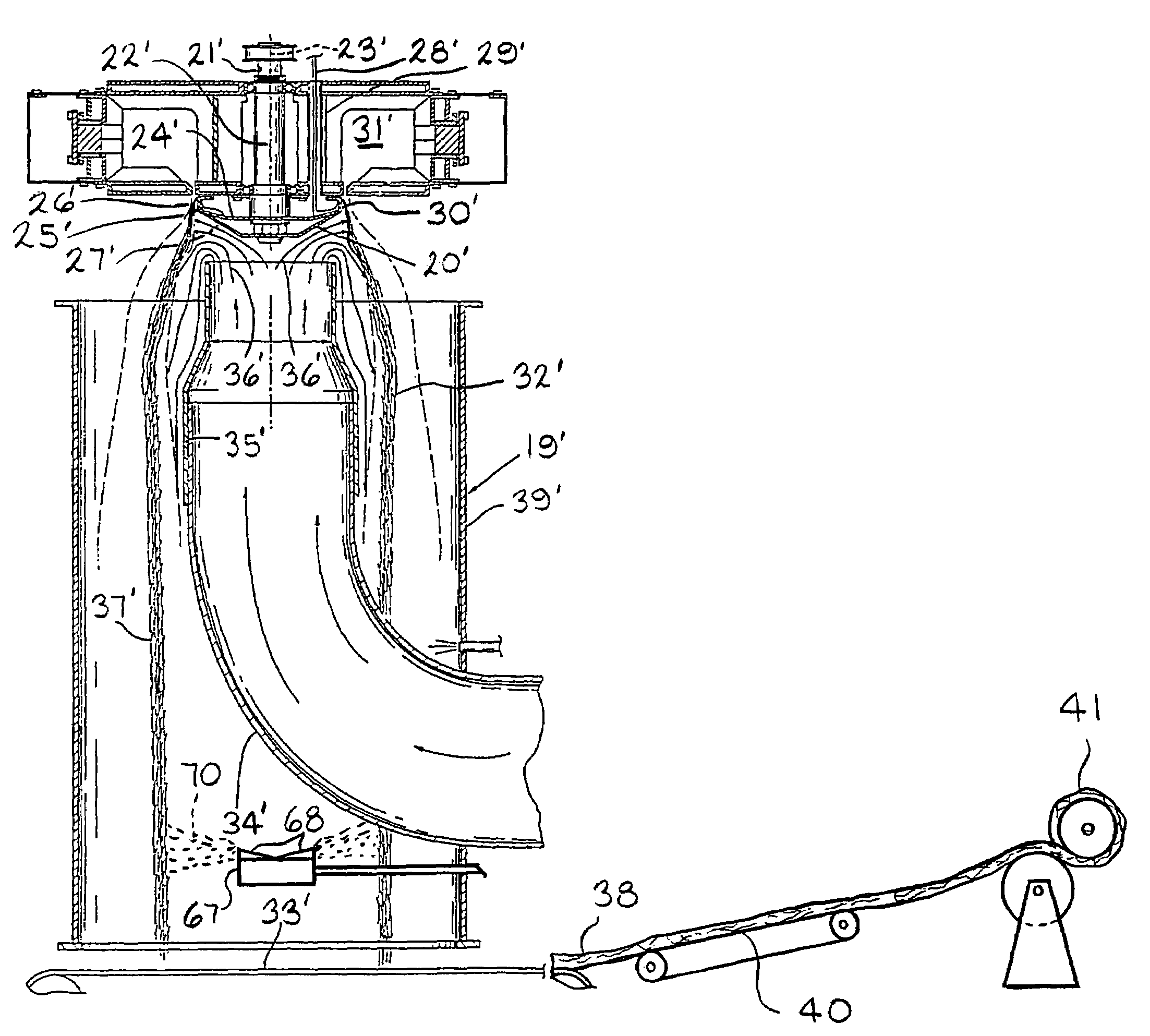
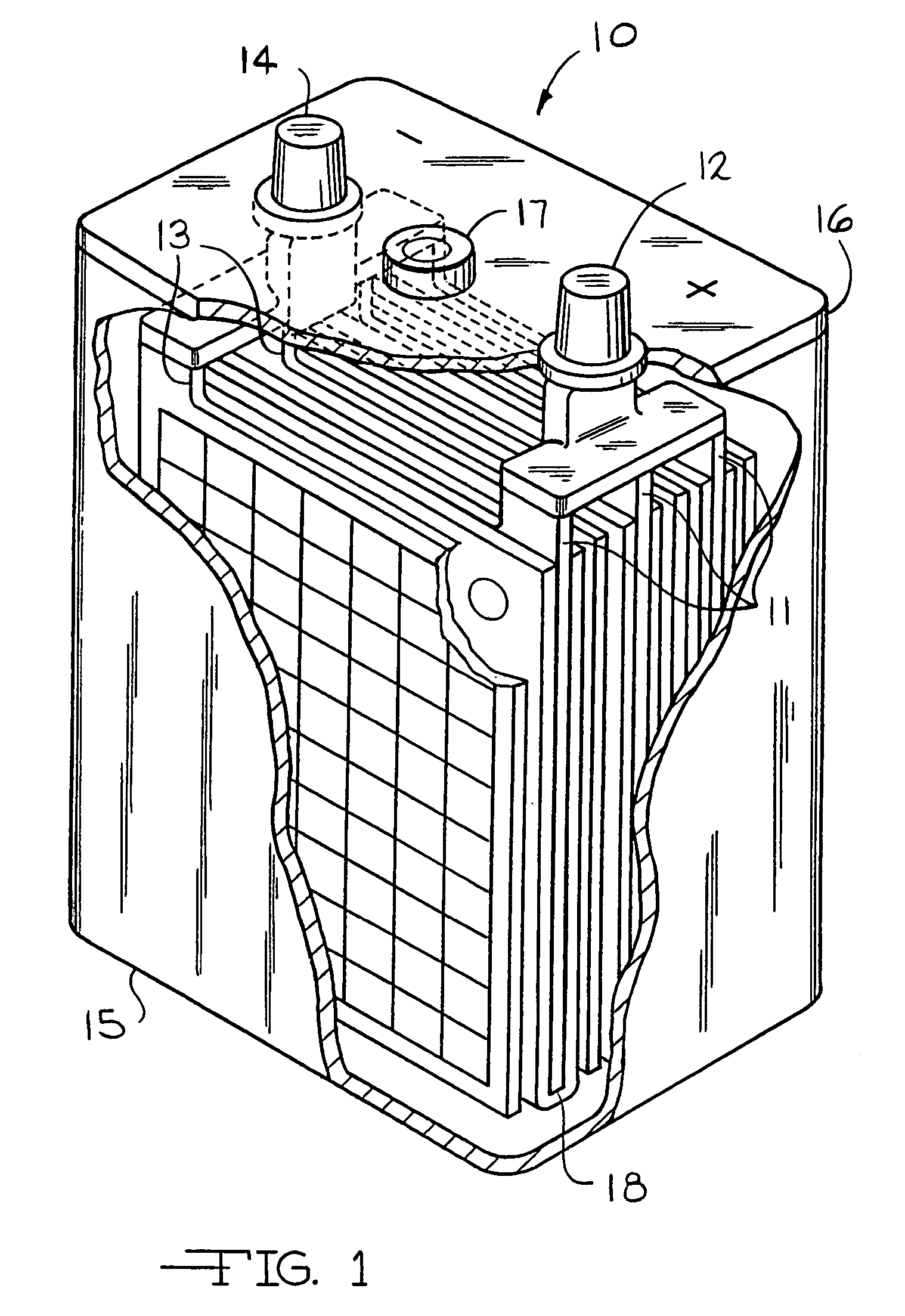
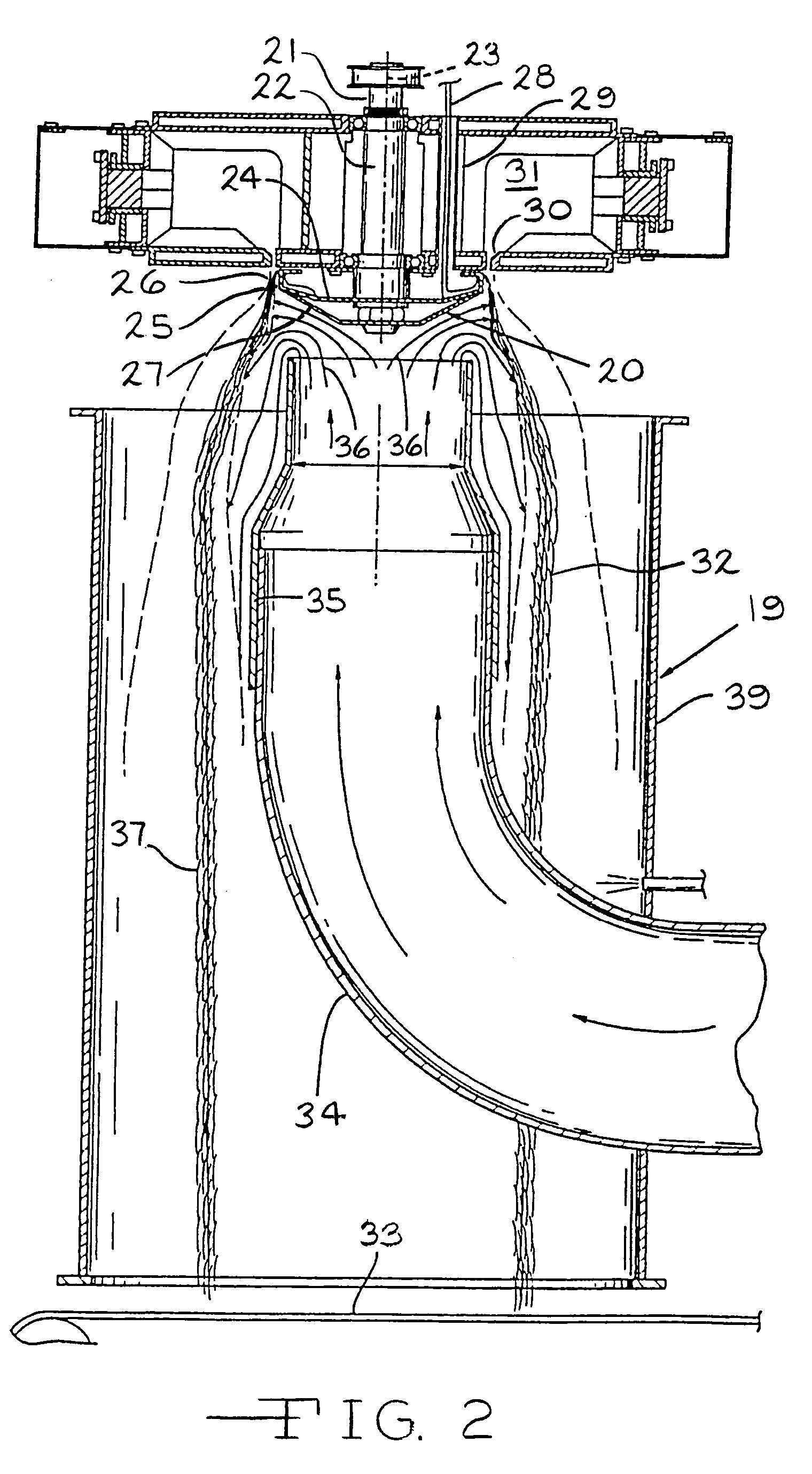
- A dry process is employed to collect and entwine glass fibers, allowing for the production of longer, more resilient fibers that can be used to create a separator with improved compression-recovery properties, eliminating the need for post-forming processes like wet paper making, which can degrade fibers.

Dry method heavy medium separator adopting dry method heavy medium separation bed and separation device
PatentActiveUS10265702B2
Innovation
- A dry method heavy medium separator system with a fluidization separation bed using a double-chain scraper conveyor and a novel air distribution system, including a two-section compound type high pressure drop gas distributor and a dense medium short-distance return device, to create a stable fluidized bed for efficient separation, and a fully closed system for dust collection and medium recycling.


Safety Standards for Battery Separator Production
Battery separator production requires adherence to stringent safety standards to ensure both worker protection and product quality integrity. The dry-wet manufacturing process presents unique safety challenges due to the combination of high-temperature operations, chemical solvents, and precision handling requirements. International standards such as ISO 9001, ISO 14001, and OSHA regulations form the foundation for establishing comprehensive safety protocols in separator manufacturing facilities.
Fire prevention and suppression systems represent critical safety infrastructure components. The dry-wet process involves organic solvents and high-temperature stretching operations, creating potential fire hazards. Manufacturing facilities must implement advanced fire detection systems with multi-zone coverage, automated suppression systems using appropriate extinguishing agents, and emergency ventilation protocols. Regular fire safety audits and employee training programs ensure rapid response capabilities during emergency situations.
Chemical handling protocols require specialized attention due to solvent exposure risks during the wet phase processing. Proper ventilation systems must maintain negative pressure environments to prevent vapor accumulation. Personal protective equipment standards mandate respiratory protection, chemical-resistant gloves, and protective clothing for operators working near solvent processing areas. Emergency eyewash stations and safety showers must be strategically positioned within immediate access range of chemical handling zones.
Equipment safety standards focus on machinery guarding and lockout-tagout procedures for the complex stretching and coating equipment used in separator production. High-temperature operations require thermal protection barriers and temperature monitoring systems to prevent operator burns. Electrical safety protocols ensure proper grounding and arc flash protection for high-voltage equipment used in electrostatic coating processes.
Quality control safety measures integrate contamination prevention with worker protection. Cleanroom protocols prevent particulate contamination while maintaining safe working conditions through proper air filtration and pressure management. Regular safety training programs covering emergency procedures, chemical spill response, and equipment operation ensure consistent adherence to established safety standards throughout the production process.
Fire prevention and suppression systems represent critical safety infrastructure components. The dry-wet process involves organic solvents and high-temperature stretching operations, creating potential fire hazards. Manufacturing facilities must implement advanced fire detection systems with multi-zone coverage, automated suppression systems using appropriate extinguishing agents, and emergency ventilation protocols. Regular fire safety audits and employee training programs ensure rapid response capabilities during emergency situations.
Chemical handling protocols require specialized attention due to solvent exposure risks during the wet phase processing. Proper ventilation systems must maintain negative pressure environments to prevent vapor accumulation. Personal protective equipment standards mandate respiratory protection, chemical-resistant gloves, and protective clothing for operators working near solvent processing areas. Emergency eyewash stations and safety showers must be strategically positioned within immediate access range of chemical handling zones.
Equipment safety standards focus on machinery guarding and lockout-tagout procedures for the complex stretching and coating equipment used in separator production. High-temperature operations require thermal protection barriers and temperature monitoring systems to prevent operator burns. Electrical safety protocols ensure proper grounding and arc flash protection for high-voltage equipment used in electrostatic coating processes.
Quality control safety measures integrate contamination prevention with worker protection. Cleanroom protocols prevent particulate contamination while maintaining safe working conditions through proper air filtration and pressure management. Regular safety training programs covering emergency procedures, chemical spill response, and equipment operation ensure consistent adherence to established safety standards throughout the production process.
Environmental Impact of Separator Manufacturing
The manufacturing of shutdown separators through dry-wet processes presents significant environmental considerations that require comprehensive assessment and mitigation strategies. Traditional separator production methods often involve substantial resource consumption, chemical usage, and waste generation, making environmental impact evaluation crucial for sustainable manufacturing practices.
Water consumption represents one of the most critical environmental concerns in wet processing stages. The uniform coating and treatment processes typically require large volumes of water for solution preparation, component cleaning, and quality control procedures. Additionally, the discharge of process water containing chemical residues poses potential risks to local water systems if not properly treated through advanced filtration and neutralization systems.
Chemical emissions during the dry-wet process optimization present another significant environmental challenge. Solvent vapors, particulate matter from dry processing, and chemical byproducts from wet treatment stages contribute to air quality concerns. The implementation of closed-loop systems and vapor recovery technologies becomes essential to minimize atmospheric emissions and comply with increasingly stringent environmental regulations.
Waste generation throughout the separator manufacturing process includes both solid and liquid waste streams. Defective separators, excess coating materials, and spent chemical solutions require proper disposal or recycling protocols. The optimization of dry-wet processes should incorporate waste minimization strategies, including material recovery systems and process efficiency improvements to reduce overall waste generation.
Energy consumption patterns in separator manufacturing facilities significantly impact carbon footprint calculations. The integration of energy-efficient equipment, renewable energy sources, and process optimization techniques can substantially reduce greenhouse gas emissions. Heat recovery systems from drying processes and optimized curing cycles contribute to overall energy efficiency improvements.
Regulatory compliance frameworks continue to evolve, requiring manufacturers to adapt their processes to meet environmental standards. Life cycle assessment methodologies provide comprehensive evaluation tools for measuring environmental impact from raw material extraction through end-of-life disposal. These assessments guide decision-making processes for sustainable manufacturing practices and help identify opportunities for environmental performance improvements in separator production operations.
Water consumption represents one of the most critical environmental concerns in wet processing stages. The uniform coating and treatment processes typically require large volumes of water for solution preparation, component cleaning, and quality control procedures. Additionally, the discharge of process water containing chemical residues poses potential risks to local water systems if not properly treated through advanced filtration and neutralization systems.
Chemical emissions during the dry-wet process optimization present another significant environmental challenge. Solvent vapors, particulate matter from dry processing, and chemical byproducts from wet treatment stages contribute to air quality concerns. The implementation of closed-loop systems and vapor recovery technologies becomes essential to minimize atmospheric emissions and comply with increasingly stringent environmental regulations.
Waste generation throughout the separator manufacturing process includes both solid and liquid waste streams. Defective separators, excess coating materials, and spent chemical solutions require proper disposal or recycling protocols. The optimization of dry-wet processes should incorporate waste minimization strategies, including material recovery systems and process efficiency improvements to reduce overall waste generation.
Energy consumption patterns in separator manufacturing facilities significantly impact carbon footprint calculations. The integration of energy-efficient equipment, renewable energy sources, and process optimization techniques can substantially reduce greenhouse gas emissions. Heat recovery systems from drying processes and optimized curing cycles contribute to overall energy efficiency improvements.
Regulatory compliance frameworks continue to evolve, requiring manufacturers to adapt their processes to meet environmental standards. Life cycle assessment methodologies provide comprehensive evaluation tools for measuring environmental impact from raw material extraction through end-of-life disposal. These assessments guide decision-making processes for sustainable manufacturing practices and help identify opportunities for environmental performance improvements in separator production operations.
Unlock deeper insights with PatSnap Eureka Quick Research — get a full tech report to explore trends and direct your research. Try now!
Generate Your Research Report Instantly with AI Agent
Supercharge your innovation with PatSnap Eureka AI Agent Platform!