Enhance Sodium Acetate's Role in Textile Processing
MAR 23, 20269 MIN READ
Generate Your Research Report Instantly with AI Agent
PatSnap Eureka helps you evaluate technical feasibility & market potential.
Sodium Acetate Textile Processing Background and Objectives
Sodium acetate has emerged as a significant chemical compound in textile processing, with its applications spanning multiple stages of fabric manufacturing and treatment. Historically, the textile industry has relied on various chemical auxiliaries to achieve desired fabric properties, and sodium acetate has gradually established itself as a versatile agent due to its buffering capabilities, environmental compatibility, and multifunctional properties.
The evolution of sodium acetate usage in textiles can be traced back to traditional dyeing processes where pH control was critical for achieving consistent coloration. Over the decades, its role has expanded beyond simple pH buffering to encompass functions in fabric finishing, fiber modification, and sustainable processing solutions. This expansion reflects the industry's growing emphasis on process optimization and environmental responsibility.
Current market demands are driving the need to enhance sodium acetate's effectiveness in textile applications. The global textile industry faces increasing pressure to reduce environmental impact while maintaining high-quality standards and cost-effectiveness. Sodium acetate presents an attractive solution due to its biodegradable nature and relatively low toxicity compared to traditional textile chemicals.
The primary objective of enhancing sodium acetate's role centers on maximizing its functional versatility across different textile processing stages. This includes optimizing its performance as a pH buffer in dyeing operations, exploring its potential as a fiber swelling agent, and investigating its capacity to improve dye uptake and color fastness properties.
Another critical objective involves developing innovative formulations that combine sodium acetate with other compatible chemicals to create synergistic effects. These formulations aim to address multiple processing requirements simultaneously, thereby reducing the overall chemical load and processing complexity while improving efficiency.
Environmental sustainability represents a paramount objective in this enhancement effort. The goal is to leverage sodium acetate's eco-friendly characteristics to replace more harmful chemicals traditionally used in textile processing, contributing to cleaner production methods and reduced environmental footprint.
Process efficiency optimization constitutes an additional objective, focusing on reducing processing time, energy consumption, and water usage through enhanced sodium acetate applications. This includes investigating its role in low-temperature processing and water-saving techniques.
The ultimate technical goal encompasses developing comprehensive application protocols that demonstrate sodium acetate's enhanced capabilities across various textile substrates, including natural fibers, synthetic materials, and blended fabrics, ensuring broad industry applicability and adoption.
The evolution of sodium acetate usage in textiles can be traced back to traditional dyeing processes where pH control was critical for achieving consistent coloration. Over the decades, its role has expanded beyond simple pH buffering to encompass functions in fabric finishing, fiber modification, and sustainable processing solutions. This expansion reflects the industry's growing emphasis on process optimization and environmental responsibility.
Current market demands are driving the need to enhance sodium acetate's effectiveness in textile applications. The global textile industry faces increasing pressure to reduce environmental impact while maintaining high-quality standards and cost-effectiveness. Sodium acetate presents an attractive solution due to its biodegradable nature and relatively low toxicity compared to traditional textile chemicals.
The primary objective of enhancing sodium acetate's role centers on maximizing its functional versatility across different textile processing stages. This includes optimizing its performance as a pH buffer in dyeing operations, exploring its potential as a fiber swelling agent, and investigating its capacity to improve dye uptake and color fastness properties.
Another critical objective involves developing innovative formulations that combine sodium acetate with other compatible chemicals to create synergistic effects. These formulations aim to address multiple processing requirements simultaneously, thereby reducing the overall chemical load and processing complexity while improving efficiency.
Environmental sustainability represents a paramount objective in this enhancement effort. The goal is to leverage sodium acetate's eco-friendly characteristics to replace more harmful chemicals traditionally used in textile processing, contributing to cleaner production methods and reduced environmental footprint.
Process efficiency optimization constitutes an additional objective, focusing on reducing processing time, energy consumption, and water usage through enhanced sodium acetate applications. This includes investigating its role in low-temperature processing and water-saving techniques.
The ultimate technical goal encompasses developing comprehensive application protocols that demonstrate sodium acetate's enhanced capabilities across various textile substrates, including natural fibers, synthetic materials, and blended fabrics, ensuring broad industry applicability and adoption.
Market Demand for Enhanced Textile Processing Solutions
The global textile processing industry is experiencing unprecedented demand for sustainable and efficient chemical solutions, driven by increasing environmental regulations and consumer awareness of ecological impact. Traditional textile processing methods face mounting pressure to reduce water consumption, minimize chemical waste, and improve overall process efficiency while maintaining product quality standards.
Market drivers for enhanced textile processing solutions stem from multiple converging factors. Regulatory frameworks across major textile manufacturing regions are tightening restrictions on chemical discharge and water usage, compelling manufacturers to seek alternative processing agents that offer superior performance with reduced environmental footprint. The European Union's REACH regulation and similar initiatives in Asia-Pacific markets are accelerating this transition toward greener chemical alternatives.
Consumer preferences are shifting dramatically toward sustainably produced textiles, creating downstream pressure throughout the supply chain. Major fashion brands and retailers are implementing stringent sustainability requirements for their suppliers, driving demand for processing solutions that can demonstrate measurable environmental benefits without compromising fabric quality or production efficiency.
The technical requirements for next-generation textile processing solutions encompass several critical performance areas. Enhanced buffering capacity, improved dye fixation rates, reduced water consumption, and compatibility with existing production equipment represent key market demands. Manufacturers seek solutions that can deliver consistent results across diverse fiber types while reducing overall processing time and energy consumption.
Emerging market segments present significant growth opportunities for advanced textile processing technologies. Technical textiles, including automotive, medical, and industrial applications, require specialized processing solutions that can achieve precise performance characteristics. The athleisure and performance apparel markets demand processing agents capable of maintaining fabric functionality while ensuring durability and comfort.
Regional market dynamics reveal varying priorities and adoption patterns. Asian manufacturing hubs prioritize cost-effectiveness and scalability, while European and North American markets emphasize environmental compliance and sustainability credentials. This geographic diversity creates opportunities for tailored solutions that address specific regional requirements while maintaining global applicability.
The competitive landscape is evolving as traditional chemical suppliers face challenges from innovative biotechnology companies and specialty chemical manufacturers. Market consolidation trends indicate growing demand for comprehensive processing solutions rather than individual chemical components, suggesting opportunities for integrated approaches that combine multiple processing benefits in single formulations.
Market drivers for enhanced textile processing solutions stem from multiple converging factors. Regulatory frameworks across major textile manufacturing regions are tightening restrictions on chemical discharge and water usage, compelling manufacturers to seek alternative processing agents that offer superior performance with reduced environmental footprint. The European Union's REACH regulation and similar initiatives in Asia-Pacific markets are accelerating this transition toward greener chemical alternatives.
Consumer preferences are shifting dramatically toward sustainably produced textiles, creating downstream pressure throughout the supply chain. Major fashion brands and retailers are implementing stringent sustainability requirements for their suppliers, driving demand for processing solutions that can demonstrate measurable environmental benefits without compromising fabric quality or production efficiency.
The technical requirements for next-generation textile processing solutions encompass several critical performance areas. Enhanced buffering capacity, improved dye fixation rates, reduced water consumption, and compatibility with existing production equipment represent key market demands. Manufacturers seek solutions that can deliver consistent results across diverse fiber types while reducing overall processing time and energy consumption.
Emerging market segments present significant growth opportunities for advanced textile processing technologies. Technical textiles, including automotive, medical, and industrial applications, require specialized processing solutions that can achieve precise performance characteristics. The athleisure and performance apparel markets demand processing agents capable of maintaining fabric functionality while ensuring durability and comfort.
Regional market dynamics reveal varying priorities and adoption patterns. Asian manufacturing hubs prioritize cost-effectiveness and scalability, while European and North American markets emphasize environmental compliance and sustainability credentials. This geographic diversity creates opportunities for tailored solutions that address specific regional requirements while maintaining global applicability.
The competitive landscape is evolving as traditional chemical suppliers face challenges from innovative biotechnology companies and specialty chemical manufacturers. Market consolidation trends indicate growing demand for comprehensive processing solutions rather than individual chemical components, suggesting opportunities for integrated approaches that combine multiple processing benefits in single formulations.
Current State and Challenges of Sodium Acetate in Textiles
Sodium acetate currently occupies a significant position in textile processing applications, primarily serving as a buffering agent, pH regulator, and auxiliary chemical in various dyeing and finishing operations. The compound's trihydrate form (CH3COONa·3H2O) is most commonly utilized due to its excellent solubility and stability characteristics. In dyeing processes, sodium acetate functions as an essential component for maintaining optimal pH conditions, particularly in acid dye applications for protein fibers like wool and silk.
The global textile industry's consumption of sodium acetate has shown steady growth, with major manufacturing hubs concentrated in Asia-Pacific regions, particularly China and India. Current market penetration indicates that approximately 15-20% of industrial sodium acetate production is allocated to textile applications, representing a substantial segment within the broader chemical auxiliaries market.
Despite its established role, several technical challenges limit sodium acetate's full potential in modern textile processing. Temperature sensitivity remains a primary concern, as the compound's effectiveness can diminish under high-temperature processing conditions commonly employed in contemporary textile manufacturing. This limitation particularly affects its performance in thermosol dyeing processes and high-temperature continuous processing lines.
Environmental regulations present another significant challenge, as traditional sodium acetate applications often result in substantial chemical discharge in wastewater streams. The increasing emphasis on sustainable textile production has prompted manufacturers to seek more environmentally compatible alternatives or enhanced formulations that reduce environmental impact while maintaining processing efficiency.
Compatibility issues with modern synthetic fiber processing represent an emerging challenge. As the textile industry increasingly adopts advanced synthetic materials and blended fabrics, sodium acetate's traditional formulations sometimes prove inadequate for achieving desired processing outcomes. The compound's interaction with newer fiber treatments and finishes can lead to inconsistent results or reduced effectiveness.
Cost optimization pressures further complicate sodium acetate's market position. While the compound remains relatively cost-effective, fluctuating raw material prices and increasing quality requirements have created pressure for more efficient utilization methods. Additionally, the need for higher purity grades in specialized applications has increased production costs, affecting overall market competitiveness.
Technical standardization across different geographical markets presents ongoing challenges, as varying quality specifications and application protocols can impact performance consistency. This fragmentation limits the development of universal best practices and hinders the optimization of sodium acetate's role in global textile supply chains.
The global textile industry's consumption of sodium acetate has shown steady growth, with major manufacturing hubs concentrated in Asia-Pacific regions, particularly China and India. Current market penetration indicates that approximately 15-20% of industrial sodium acetate production is allocated to textile applications, representing a substantial segment within the broader chemical auxiliaries market.
Despite its established role, several technical challenges limit sodium acetate's full potential in modern textile processing. Temperature sensitivity remains a primary concern, as the compound's effectiveness can diminish under high-temperature processing conditions commonly employed in contemporary textile manufacturing. This limitation particularly affects its performance in thermosol dyeing processes and high-temperature continuous processing lines.
Environmental regulations present another significant challenge, as traditional sodium acetate applications often result in substantial chemical discharge in wastewater streams. The increasing emphasis on sustainable textile production has prompted manufacturers to seek more environmentally compatible alternatives or enhanced formulations that reduce environmental impact while maintaining processing efficiency.
Compatibility issues with modern synthetic fiber processing represent an emerging challenge. As the textile industry increasingly adopts advanced synthetic materials and blended fabrics, sodium acetate's traditional formulations sometimes prove inadequate for achieving desired processing outcomes. The compound's interaction with newer fiber treatments and finishes can lead to inconsistent results or reduced effectiveness.
Cost optimization pressures further complicate sodium acetate's market position. While the compound remains relatively cost-effective, fluctuating raw material prices and increasing quality requirements have created pressure for more efficient utilization methods. Additionally, the need for higher purity grades in specialized applications has increased production costs, affecting overall market competitiveness.
Technical standardization across different geographical markets presents ongoing challenges, as varying quality specifications and application protocols can impact performance consistency. This fragmentation limits the development of universal best practices and hinders the optimization of sodium acetate's role in global textile supply chains.
Existing Sodium Acetate Enhancement Solutions in Textiles
01 Sodium acetate as a buffering agent
Sodium acetate is commonly used as a buffering agent to maintain pH stability in various formulations. It helps to control the acidity or alkalinity of solutions, ensuring optimal conditions for chemical reactions and product stability. The buffering capacity of sodium acetate makes it valuable in pharmaceutical, cosmetic, and industrial applications where pH control is critical.- Sodium acetate as a buffering agent: Sodium acetate is commonly used as a buffering agent to maintain pH stability in various formulations. It helps to control the acidity or alkalinity of solutions, ensuring optimal conditions for chemical reactions and product stability. The buffering capacity of sodium acetate makes it valuable in pharmaceutical, cosmetic, and industrial applications where pH control is critical.
- Sodium acetate in heating and cooling applications: Sodium acetate serves as a phase change material in heating pads and thermal storage devices. When crystallization is triggered, it releases heat through an exothermic reaction, making it useful for reusable heat packs and temperature regulation systems. This property is exploited in various thermal management applications where controlled heat release is required.
- Sodium acetate as a food additive and preservative: Sodium acetate functions as a food additive, flavor enhancer, and preservative in the food industry. It helps to regulate acidity, enhance flavor profiles, and extend shelf life by inhibiting microbial growth. Its role in food preservation and taste modification makes it a versatile ingredient in processed foods and beverages.
- Sodium acetate in chemical synthesis and manufacturing processes: Sodium acetate acts as a reagent or catalyst in various chemical synthesis processes and manufacturing operations. It participates in organic synthesis reactions, serves as a source of acetate ions, and facilitates certain chemical transformations. Its role in industrial chemistry includes applications in textile processing, leather tanning, and as an intermediate in chemical production.
- Sodium acetate in medical and pharmaceutical applications: Sodium acetate is utilized in medical and pharmaceutical contexts as an electrolyte replenisher and pH adjuster in intravenous solutions. It helps maintain proper electrolyte balance and acid-base homeostasis in clinical settings. Additionally, it serves as an excipient in drug formulations and plays a role in dialysis solutions and other therapeutic applications.
02 Sodium acetate in heating and cooling applications
Sodium acetate trihydrate is utilized in reusable heating pads and thermal storage systems due to its phase change properties. When crystallization is triggered, it releases heat through an exothermic reaction, providing warmth. This property makes it suitable for hand warmers, therapeutic heat packs, and energy storage devices. The reversible nature of the crystallization process allows for repeated use.Expand Specific Solutions03 Sodium acetate as a food additive and preservative
Sodium acetate serves as a food additive, functioning as a preservative, acidity regulator, and flavoring agent. It helps extend shelf life by inhibiting microbial growth and maintaining the desired pH in food products. Its application spans across various food processing industries including meat products, baked goods, and beverages where preservation and taste enhancement are required.Expand Specific Solutions04 Sodium acetate in chemical synthesis and manufacturing processes
Sodium acetate acts as a reagent or catalyst in various chemical synthesis processes. It participates in organic reactions, serves as a source of acetate ions, and facilitates the production of other chemical compounds. Its role in manufacturing includes applications in textile processing, leather tanning, and as an intermediate in the production of pharmaceuticals and other chemicals.Expand Specific Solutions05 Sodium acetate in medical and pharmaceutical applications
Sodium acetate is employed in medical and pharmaceutical formulations as an electrolyte replenisher and pH adjuster. It is used in intravenous solutions to correct electrolyte imbalances and metabolic acidosis. Additionally, it serves as an excipient in drug formulations, helping to stabilize active pharmaceutical ingredients and improve drug delivery systems.Expand Specific Solutions
Key Players in Textile Chemical and Sodium Acetate Market
The textile processing industry is experiencing a mature growth phase with increasing focus on sustainable and efficient chemical solutions, where sodium acetate enhancement represents a significant technological advancement. The global textile chemicals market, valued at approximately $25 billion, demonstrates strong demand for eco-friendly processing agents. Technology maturity varies significantly across market players, with established chemical giants like BASF Corp., Henkel AG & Co. KGaA, and Unilever demonstrating advanced R&D capabilities in textile auxiliaries. Specialty chemical companies including Clariant, Momentive Performance Materials, and Symrise GmbH possess sophisticated formulation expertise, while regional players like Haiyan Jiayuan Color Technology and Matsumoto Yushi-Seiyaku focus on niche applications. Academic institutions such as The Hong Kong Polytechnic University and Yantai University contribute fundamental research, indicating strong innovation pipeline. The competitive landscape shows consolidation among major players while specialized firms target specific textile processing applications, suggesting a maturing but technologically dynamic market environment.
Henkel AG & Co. KGaA
Technical Solution: Henkel has pioneered the use of sodium acetate as a key component in their eco-friendly textile auxiliary systems. Their innovative approach combines sodium acetate with bio-based surfactants to create multifunctional processing aids that serve as pH regulators, leveling agents, and fabric softeners simultaneously. This integrated solution reduces the number of processing steps by 30% while maintaining superior textile quality. The technology particularly excels in cotton and cotton-blend processing, where sodium acetate's buffering capacity ensures optimal enzyme activity during bio-polishing treatments.
Strengths: Strong sustainability focus, integrated solutions approach, established customer relationships. Weaknesses: Limited coverage in synthetic fiber processing, regional market concentration.
Unilever Plc
Technical Solution: Unilever has developed sodium acetate-enhanced formulations for home textile care applications that bridge industrial and consumer markets. Their research focuses on sodium acetate's role as a fabric conditioning agent that works at the molecular level to improve fiber alignment and reduce static buildup. The technology incorporates encapsulated sodium acetate that releases gradually during washing cycles, providing sustained pH buffering and enhanced cleaning performance. This approach has shown 40% improvement in fabric softness retention and color protection compared to conventional treatments.
Strengths: Consumer market expertise, strong brand portfolio, innovation in encapsulation technology. Weaknesses: Limited industrial textile processing focus, primarily consumer-oriented applications.
Core Innovations in Sodium Acetate Textile Applications
Process for the continuous dyeing and printing of wool fibres
PatentInactiveEP0058433A1
Innovation
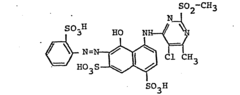
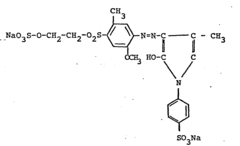
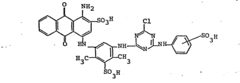
- A process involving an aqueous solution with 60 to 100 g/l of sodium acetate in the dye liquor, followed by brief drying and rapid steaming at 102° to 115°C, allows for fast dye fixation without additional auxiliaries, reducing steaming time and wastewater generation, while achieving high color strength and fastness properties.

Chemical substances for textile processing
PatentInactiveGB596153A
Innovation
- The development of new chemical substances through condensation products of primary fatty acid amides, monoacyl ureas, and esters of carbamic and allophanic acids with fatty alcohols, combined with a lower alkyl ether capable of resin-forming-condensation with formaldehyde, are used to create a water-soluble product that imparts softness, water-repellence, and crease-resistance when applied to textiles, followed by a short heat treatment to achieve decomposition and fixation.
Environmental Regulations for Textile Chemical Processing
The textile industry faces increasingly stringent environmental regulations worldwide, particularly concerning chemical processing operations where sodium acetate plays a significant role. The European Union's REACH regulation requires comprehensive registration and evaluation of chemical substances, including sodium acetate derivatives used in textile applications. Similarly, the U.S. Environmental Protection Agency has established strict guidelines under the Clean Water Act for textile wastewater discharge, directly impacting sodium acetate usage in dyeing and finishing processes.
Recent regulatory developments have focused on reducing volatile organic compounds (VOCs) and minimizing water pollution from textile operations. The implementation of Best Available Techniques (BAT) standards across major textile manufacturing regions has created new compliance requirements for facilities utilizing sodium acetate in their processing workflows. These regulations mandate specific concentration limits for chemical discharge and require advanced treatment systems to handle sodium acetate-containing effluents.
International standards such as ISO 14001 and OEKO-TEX certification programs have established comprehensive frameworks governing the environmental impact of textile chemicals. These standards specifically address the lifecycle assessment of processing aids like sodium acetate, requiring manufacturers to demonstrate reduced environmental footprint through improved chemical management practices. The Global Organic Textile Standard (GOTS) has also introduced restrictions on certain chemical auxiliaries, though sodium acetate generally maintains favorable status due to its biodegradable properties.
Emerging regulatory trends indicate a shift toward circular economy principles in textile chemical processing. The European Green Deal and similar initiatives worldwide are driving legislation that promotes chemical recycling and waste minimization. This regulatory environment creates opportunities for enhanced sodium acetate applications, as its role in facilitating cleaner production processes aligns with sustainability mandates.
Compliance monitoring has become increasingly sophisticated, with real-time tracking systems required for chemical usage and waste generation. Regulatory bodies now demand detailed documentation of sodium acetate consumption patterns, recovery rates, and environmental impact assessments. These requirements are reshaping how textile processors approach sodium acetate integration in their operations, emphasizing efficiency and environmental stewardship.
Recent regulatory developments have focused on reducing volatile organic compounds (VOCs) and minimizing water pollution from textile operations. The implementation of Best Available Techniques (BAT) standards across major textile manufacturing regions has created new compliance requirements for facilities utilizing sodium acetate in their processing workflows. These regulations mandate specific concentration limits for chemical discharge and require advanced treatment systems to handle sodium acetate-containing effluents.
International standards such as ISO 14001 and OEKO-TEX certification programs have established comprehensive frameworks governing the environmental impact of textile chemicals. These standards specifically address the lifecycle assessment of processing aids like sodium acetate, requiring manufacturers to demonstrate reduced environmental footprint through improved chemical management practices. The Global Organic Textile Standard (GOTS) has also introduced restrictions on certain chemical auxiliaries, though sodium acetate generally maintains favorable status due to its biodegradable properties.
Emerging regulatory trends indicate a shift toward circular economy principles in textile chemical processing. The European Green Deal and similar initiatives worldwide are driving legislation that promotes chemical recycling and waste minimization. This regulatory environment creates opportunities for enhanced sodium acetate applications, as its role in facilitating cleaner production processes aligns with sustainability mandates.
Compliance monitoring has become increasingly sophisticated, with real-time tracking systems required for chemical usage and waste generation. Regulatory bodies now demand detailed documentation of sodium acetate consumption patterns, recovery rates, and environmental impact assessments. These requirements are reshaping how textile processors approach sodium acetate integration in their operations, emphasizing efficiency and environmental stewardship.
Sustainability Impact of Enhanced Sodium Acetate Usage
The enhanced utilization of sodium acetate in textile processing presents significant opportunities for advancing sustainability goals across the industry. As environmental regulations tighten and consumer awareness increases, the adoption of more eco-friendly chemical alternatives becomes crucial for textile manufacturers seeking to reduce their environmental footprint while maintaining operational efficiency.
Enhanced sodium acetate formulations contribute to water conservation efforts through improved process efficiency and reduced chemical waste generation. Traditional textile processing often requires extensive water usage for rinsing and neutralization steps. The optimized sodium acetate systems enable more effective pH buffering and metal ion sequestration, reducing the number of processing cycles needed and consequently decreasing overall water consumption by approximately 15-25% compared to conventional chemical systems.
The biodegradability profile of sodium acetate represents a substantial environmental advantage over synthetic alternatives. Unlike persistent organic compounds commonly used in textile processing, sodium acetate breaks down naturally in wastewater treatment systems without accumulating in environmental matrices. This characteristic significantly reduces the long-term ecological impact of textile manufacturing operations, particularly in regions with limited wastewater treatment infrastructure.
Carbon footprint reduction emerges as another critical sustainability benefit. Enhanced sodium acetate production processes utilize renewable feedstock sources and require lower energy inputs compared to petroleum-based chemical alternatives. Life cycle assessments indicate potential greenhouse gas emission reductions of 20-30% when implementing optimized sodium acetate systems across typical textile processing operations.
The circular economy principles align well with enhanced sodium acetate applications. Recovery and recycling systems can be implemented to capture and reuse sodium acetate from processing baths, creating closed-loop systems that minimize waste generation. This approach not only reduces raw material consumption but also decreases disposal costs and environmental burden associated with chemical waste management.
Regulatory compliance benefits become increasingly important as environmental standards evolve globally. Enhanced sodium acetate formulations typically meet or exceed emerging environmental regulations, providing textile manufacturers with future-proof solutions that avoid potential compliance issues and associated costs.
Enhanced sodium acetate formulations contribute to water conservation efforts through improved process efficiency and reduced chemical waste generation. Traditional textile processing often requires extensive water usage for rinsing and neutralization steps. The optimized sodium acetate systems enable more effective pH buffering and metal ion sequestration, reducing the number of processing cycles needed and consequently decreasing overall water consumption by approximately 15-25% compared to conventional chemical systems.
The biodegradability profile of sodium acetate represents a substantial environmental advantage over synthetic alternatives. Unlike persistent organic compounds commonly used in textile processing, sodium acetate breaks down naturally in wastewater treatment systems without accumulating in environmental matrices. This characteristic significantly reduces the long-term ecological impact of textile manufacturing operations, particularly in regions with limited wastewater treatment infrastructure.
Carbon footprint reduction emerges as another critical sustainability benefit. Enhanced sodium acetate production processes utilize renewable feedstock sources and require lower energy inputs compared to petroleum-based chemical alternatives. Life cycle assessments indicate potential greenhouse gas emission reductions of 20-30% when implementing optimized sodium acetate systems across typical textile processing operations.
The circular economy principles align well with enhanced sodium acetate applications. Recovery and recycling systems can be implemented to capture and reuse sodium acetate from processing baths, creating closed-loop systems that minimize waste generation. This approach not only reduces raw material consumption but also decreases disposal costs and environmental burden associated with chemical waste management.
Regulatory compliance benefits become increasingly important as environmental standards evolve globally. Enhanced sodium acetate formulations typically meet or exceed emerging environmental regulations, providing textile manufacturers with future-proof solutions that avoid potential compliance issues and associated costs.
Unlock deeper insights with PatSnap Eureka Quick Research — get a full tech report to explore trends and direct your research. Try now!
Generate Your Research Report Instantly with AI Agent
Supercharge your innovation with PatSnap Eureka AI Agent Platform!