
Enhance Thermal Interface Design for MOSFET Assemblies
APR 1, 20269 MIN READ
Generate Your Research Report Instantly with AI Agent
Patsnap Eureka helps you evaluate technical feasibility & market potential.
MOSFET Thermal Management Background and Objectives
MOSFET (Metal-Oxide-Semiconductor Field-Effect Transistor) technology has undergone remarkable evolution since its inception in the 1960s, transforming from basic switching devices to sophisticated power management components that form the backbone of modern electronics. The continuous miniaturization of semiconductor devices, driven by Moore's Law, has led to exponentially increasing power densities within MOSFET assemblies. This trend has fundamentally altered the thermal management landscape, making heat dissipation one of the most critical design challenges in contemporary power electronics.
The historical progression of MOSFET technology reveals a consistent pattern of performance improvements accompanied by escalating thermal management complexities. Early discrete MOSFETs operated at relatively low power densities, allowing conventional heat sinks and basic thermal interface materials to provide adequate cooling. However, the transition to high-frequency switching applications, coupled with the integration of multiple MOSFETs in compact assemblies, has created unprecedented thermal challenges that demand innovative solutions.
Current market demands for higher efficiency, smaller form factors, and increased power handling capabilities have intensified the focus on thermal interface design optimization. The automotive industry's shift toward electric vehicles, the proliferation of renewable energy systems, and the exponential growth of data centers have collectively created a perfect storm of thermal management requirements. These applications demand MOSFET assemblies that can operate reliably under extreme thermal conditions while maintaining peak performance characteristics.
The primary objective of enhancing thermal interface design for MOSFET assemblies centers on achieving optimal heat transfer efficiency between the semiconductor junction and the external cooling system. This involves minimizing thermal resistance across all interface layers, reducing hot spot formation, and ensuring uniform temperature distribution across the device surface. The challenge extends beyond simple heat conduction, encompassing thermal cycling reliability, material compatibility, and long-term performance stability.
Advanced thermal interface solutions must address the inherent mismatch between semiconductor materials and cooling systems, bridging the gap between microscale heat generation and macroscale heat dissipation. The ultimate goal is to develop thermal interface technologies that can support next-generation MOSFET assemblies operating at higher power densities while maintaining junction temperatures within acceptable limits for reliable operation and extended device lifetime.
The historical progression of MOSFET technology reveals a consistent pattern of performance improvements accompanied by escalating thermal management complexities. Early discrete MOSFETs operated at relatively low power densities, allowing conventional heat sinks and basic thermal interface materials to provide adequate cooling. However, the transition to high-frequency switching applications, coupled with the integration of multiple MOSFETs in compact assemblies, has created unprecedented thermal challenges that demand innovative solutions.
Current market demands for higher efficiency, smaller form factors, and increased power handling capabilities have intensified the focus on thermal interface design optimization. The automotive industry's shift toward electric vehicles, the proliferation of renewable energy systems, and the exponential growth of data centers have collectively created a perfect storm of thermal management requirements. These applications demand MOSFET assemblies that can operate reliably under extreme thermal conditions while maintaining peak performance characteristics.
The primary objective of enhancing thermal interface design for MOSFET assemblies centers on achieving optimal heat transfer efficiency between the semiconductor junction and the external cooling system. This involves minimizing thermal resistance across all interface layers, reducing hot spot formation, and ensuring uniform temperature distribution across the device surface. The challenge extends beyond simple heat conduction, encompassing thermal cycling reliability, material compatibility, and long-term performance stability.
Advanced thermal interface solutions must address the inherent mismatch between semiconductor materials and cooling systems, bridging the gap between microscale heat generation and macroscale heat dissipation. The ultimate goal is to develop thermal interface technologies that can support next-generation MOSFET assemblies operating at higher power densities while maintaining junction temperatures within acceptable limits for reliable operation and extended device lifetime.
Market Demand for Enhanced MOSFET Thermal Solutions
The global semiconductor market continues to experience unprecedented growth, driven by the proliferation of electric vehicles, renewable energy systems, data centers, and advanced consumer electronics. This expansion has created substantial demand for high-performance power management solutions, with MOSFETs serving as critical components in power conversion and switching applications. As these devices operate at increasingly higher power densities and frequencies, thermal management has emerged as a fundamental challenge that directly impacts system reliability, efficiency, and longevity.
Electric vehicle manufacturers represent one of the most significant growth drivers for enhanced MOSFET thermal solutions. The automotive industry's transition toward electrification requires power electronics capable of handling substantial current loads while maintaining optimal operating temperatures. Inverters, DC-DC converters, and onboard charging systems all rely heavily on MOSFET assemblies that must perform reliably under extreme thermal conditions. The stringent automotive qualification standards and extended operational lifespans demanded by this sector have intensified the need for superior thermal interface materials and designs.
Data center operators face mounting pressure to improve energy efficiency while accommodating ever-increasing computational demands. Server power supplies, voltage regulators, and power distribution units utilize MOSFET technologies that generate significant heat loads. The industry's focus on reducing power consumption and improving power density has created strong market pull for thermal interface solutions that can effectively dissipate heat while maintaining compact form factors. Cloud computing growth and artificial intelligence workloads continue to amplify these thermal management requirements.
Renewable energy systems, particularly solar inverters and wind power converters, present another substantial market opportunity. These applications demand MOSFET assemblies capable of operating reliably in harsh environmental conditions while maintaining high conversion efficiencies. The global push toward sustainable energy sources has accelerated deployment of power electronics systems where thermal performance directly correlates with energy yield and system availability.
Consumer electronics manufacturers increasingly integrate high-power MOSFET devices into smartphones, laptops, gaming systems, and fast-charging applications. Miniaturization trends combined with performance expectations have created challenging thermal constraints that traditional interface materials struggle to address. The market demands solutions that provide excellent thermal conductivity while accommodating thin profiles and flexible assembly processes.
Industrial automation and motor drive applications represent established markets experiencing renewed growth through digitalization initiatives. Variable frequency drives, servo controllers, and industrial power supplies require robust thermal management solutions that ensure consistent performance across wide temperature ranges and extended operational periods.
Electric vehicle manufacturers represent one of the most significant growth drivers for enhanced MOSFET thermal solutions. The automotive industry's transition toward electrification requires power electronics capable of handling substantial current loads while maintaining optimal operating temperatures. Inverters, DC-DC converters, and onboard charging systems all rely heavily on MOSFET assemblies that must perform reliably under extreme thermal conditions. The stringent automotive qualification standards and extended operational lifespans demanded by this sector have intensified the need for superior thermal interface materials and designs.
Data center operators face mounting pressure to improve energy efficiency while accommodating ever-increasing computational demands. Server power supplies, voltage regulators, and power distribution units utilize MOSFET technologies that generate significant heat loads. The industry's focus on reducing power consumption and improving power density has created strong market pull for thermal interface solutions that can effectively dissipate heat while maintaining compact form factors. Cloud computing growth and artificial intelligence workloads continue to amplify these thermal management requirements.
Renewable energy systems, particularly solar inverters and wind power converters, present another substantial market opportunity. These applications demand MOSFET assemblies capable of operating reliably in harsh environmental conditions while maintaining high conversion efficiencies. The global push toward sustainable energy sources has accelerated deployment of power electronics systems where thermal performance directly correlates with energy yield and system availability.
Consumer electronics manufacturers increasingly integrate high-power MOSFET devices into smartphones, laptops, gaming systems, and fast-charging applications. Miniaturization trends combined with performance expectations have created challenging thermal constraints that traditional interface materials struggle to address. The market demands solutions that provide excellent thermal conductivity while accommodating thin profiles and flexible assembly processes.
Industrial automation and motor drive applications represent established markets experiencing renewed growth through digitalization initiatives. Variable frequency drives, servo controllers, and industrial power supplies require robust thermal management solutions that ensure consistent performance across wide temperature ranges and extended operational periods.
Current Thermal Interface Challenges in MOSFET Assemblies
MOSFET assemblies face significant thermal management challenges that directly impact device performance, reliability, and operational lifespan. The primary thermal interface challenge stems from the inherent mismatch between the semiconductor's thermal properties and the heat dissipation requirements in high-power applications. As power densities continue to increase in modern electronic systems, the thermal resistance at interfaces becomes a critical bottleneck limiting overall system performance.
Traditional thermal interface materials (TIMs) used in MOSFET assemblies often exhibit inadequate thermal conductivity, typically ranging from 1-8 W/mK, which creates substantial temperature gradients across the interface. This thermal resistance leads to localized hot spots that can exceed safe operating temperatures, causing performance degradation and potential device failure. The challenge is compounded by the need to maintain electrical isolation while maximizing thermal conduction.
Interface contact resistance represents another fundamental challenge in MOSFET thermal management. Surface roughness and microscopic air gaps between mating surfaces create thermal barriers that significantly impede heat transfer. Even with applied mounting pressure, these interfaces can contribute 20-40% of the total thermal resistance in the heat dissipation path. The situation becomes more complex when considering thermal cycling effects, where repeated expansion and contraction can degrade interface quality over time.
Material compatibility issues further complicate thermal interface design in MOSFET assemblies. Many high-performance thermal interface materials exhibit chemical incompatibility with semiconductor packaging materials, leading to corrosion, delamination, or material degradation. Additionally, the coefficient of thermal expansion mismatch between different materials creates mechanical stress that can compromise interface integrity and long-term reliability.
Manufacturing and assembly constraints present practical challenges in implementing optimal thermal interface solutions. Precise thickness control, uniform application, and contamination prevention during assembly processes are critical factors that directly affect thermal performance. The need for automated assembly processes often limits the choice of thermal interface materials and application methods.
Emerging high-frequency and high-power applications demand thermal interface solutions that can handle increased heat flux densities while maintaining stable performance across wide temperature ranges. Current thermal interface technologies struggle to meet these evolving requirements, necessitating innovative approaches to material selection, interface design, and thermal management strategies.
Traditional thermal interface materials (TIMs) used in MOSFET assemblies often exhibit inadequate thermal conductivity, typically ranging from 1-8 W/mK, which creates substantial temperature gradients across the interface. This thermal resistance leads to localized hot spots that can exceed safe operating temperatures, causing performance degradation and potential device failure. The challenge is compounded by the need to maintain electrical isolation while maximizing thermal conduction.
Interface contact resistance represents another fundamental challenge in MOSFET thermal management. Surface roughness and microscopic air gaps between mating surfaces create thermal barriers that significantly impede heat transfer. Even with applied mounting pressure, these interfaces can contribute 20-40% of the total thermal resistance in the heat dissipation path. The situation becomes more complex when considering thermal cycling effects, where repeated expansion and contraction can degrade interface quality over time.
Material compatibility issues further complicate thermal interface design in MOSFET assemblies. Many high-performance thermal interface materials exhibit chemical incompatibility with semiconductor packaging materials, leading to corrosion, delamination, or material degradation. Additionally, the coefficient of thermal expansion mismatch between different materials creates mechanical stress that can compromise interface integrity and long-term reliability.
Manufacturing and assembly constraints present practical challenges in implementing optimal thermal interface solutions. Precise thickness control, uniform application, and contamination prevention during assembly processes are critical factors that directly affect thermal performance. The need for automated assembly processes often limits the choice of thermal interface materials and application methods.
Emerging high-frequency and high-power applications demand thermal interface solutions that can handle increased heat flux densities while maintaining stable performance across wide temperature ranges. Current thermal interface technologies struggle to meet these evolving requirements, necessitating innovative approaches to material selection, interface design, and thermal management strategies.
Existing Thermal Interface Solutions for MOSFET Design
01 Thermal interface materials with enhanced thermal conductivity
Advanced thermal interface materials are designed to improve heat dissipation in MOSFET assemblies by utilizing materials with high thermal conductivity. These materials can include phase change materials, thermal greases, or composite materials that fill air gaps between the MOSFET die and heat sink. The enhanced thermal conductivity ensures efficient heat transfer from the semiconductor junction to the cooling system, reducing thermal resistance and improving overall device reliability.- Thermal interface materials with enhanced thermal conductivity: Advanced thermal interface materials are designed to improve heat dissipation in MOSFET assemblies by utilizing materials with high thermal conductivity. These materials can include phase change materials, thermal greases, or composite materials that fill air gaps between the MOSFET die and heat sink. The enhanced thermal conductivity ensures efficient heat transfer from the semiconductor junction to the cooling system, reducing thermal resistance and improving overall device performance and reliability.
- Direct bonding and attachment methods for thermal management: Direct bonding techniques involve attaching MOSFET dies directly to heat spreaders or substrates using specialized bonding materials or processes. These methods eliminate intermediate layers that can impede heat transfer, creating a more direct thermal path. Techniques may include solder bonding, sintering, or adhesive bonding with thermally conductive materials. This approach minimizes thermal resistance at the interface and improves the overall thermal performance of the power module assembly.
- Heat sink integration and package design optimization: Optimized package designs integrate heat sinks directly into the MOSFET assembly structure to maximize thermal dissipation efficiency. This includes designing the physical layout of components to minimize thermal path length, incorporating heat spreaders, and utilizing advanced packaging techniques. The integration considers factors such as thermal expansion coefficients, mechanical stress, and electrical isolation requirements to create a robust thermal management solution that maintains device performance under high power conditions.
- Multi-layer thermal interface structures: Multi-layer thermal interface designs employ stratified structures with different materials optimized for specific thermal management functions. These structures may combine layers with varying thermal properties, such as compliant layers for mechanical stress relief and high-conductivity layers for heat transfer. The multi-layer approach allows for customization of thermal and mechanical properties at the interface, accommodating manufacturing tolerances while maintaining low thermal resistance across the entire assembly.
- Thermal interface design for power module arrays: Specialized thermal interface solutions for multi-MOSFET power module configurations address the challenge of managing heat from multiple semiconductor devices in close proximity. These designs consider thermal coupling between adjacent devices, uniform heat spreading across the array, and scalable cooling solutions. The thermal interface may incorporate features such as segmented heat spreaders, optimized thermal pad layouts, or integrated cooling channels to ensure balanced thermal performance across all devices in the assembly.
02 Direct bonding and attachment methods for thermal management
Direct bonding techniques involve attaching MOSFET dies directly to heat spreaders or substrates using specialized bonding materials or processes. These methods eliminate intermediate layers that can impede heat transfer, creating a more direct thermal path. Techniques may include solder bonding, sintering, or adhesive bonding with thermally conductive materials. This approach minimizes thermal resistance at the interface and improves heat dissipation efficiency in high-power applications.Expand Specific Solutions03 Heat sink integration and package design optimization
Optimized package designs integrate heat sinks directly into the MOSFET assembly structure to enhance thermal performance. This includes designing packages with embedded heat spreaders, optimized fin structures, or integrated cooling channels. The package geometry and material selection are tailored to maximize surface area for heat dissipation while maintaining compact form factors. Such designs facilitate better thermal management in space-constrained applications.Expand Specific Solutions04 Multi-layer thermal interface structures
Multi-layer thermal interface structures employ multiple layers of different materials to optimize thermal transfer characteristics. These structures may combine materials with varying thermal properties to balance thermal conductivity, compliance, and mechanical stability. The layered approach allows for better accommodation of thermal expansion mismatches while maintaining efficient heat transfer paths. This design strategy is particularly effective in high-power density applications where thermal management is critical.Expand Specific Solutions05 Thermal interface design for power module assemblies
Specialized thermal interface designs for power module assemblies address the unique challenges of managing heat in multi-die configurations. These designs incorporate features such as distributed thermal paths, optimized substrate materials, and advanced packaging techniques to handle high heat flux densities. The thermal interface may include features for uniform heat spreading across multiple devices and efficient coupling to external cooling systems. Such designs are essential for maintaining junction temperatures within safe operating limits in high-power switching applications.Expand Specific Solutions
Key Players in MOSFET and Thermal Interface Industry
The thermal interface design enhancement for MOSFET assemblies represents a mature yet rapidly evolving market segment driven by increasing power densities in electronics. The industry is experiencing significant growth, particularly in automotive and data center applications, with the market expanding due to electric vehicle adoption and AI computing demands. Technology maturity varies significantly across players, with established semiconductor giants like Intel Corp., AMD, and Tesla Inc. leading advanced thermal management integration, while specialized materials companies such as Laird Technologies, Henkel AG, and Indium Corporation focus on innovative thermal interface materials. Asian manufacturers including Renesas Electronics and various Chinese firms are rapidly advancing their capabilities, creating intense competition. The competitive landscape shows a clear division between system integrators developing comprehensive thermal solutions and materials specialists providing cutting-edge thermal interface compounds and substrates.
Laird Technologies, Inc.
Technical Solution: Laird Technologies specializes in thermal interface materials specifically designed for power electronics and MOSFET assemblies. Their solutions include thermally conductive gap fillers, phase change materials, and advanced thermal pads that provide excellent conformability to irregular surfaces. The company offers customized thermal interface solutions with thermal conductivities ranging from 1 to 17 W/mK, designed to minimize thermal resistance while maintaining electrical isolation. Their MOSFET thermal management products feature low compression force requirements and excellent long-term reliability under thermal cycling conditions, making them suitable for automotive and industrial power electronics applications.
Strengths: Specialized focus on thermal management, wide range of material options, strong automotive industry presence. Weaknesses: Limited semiconductor manufacturing capabilities, smaller scale compared to major chip manufacturers.
Intel Corp.
Technical Solution: Intel has developed advanced thermal interface materials (TIMs) and packaging solutions for MOSFET assemblies, including innovative copper-based heat spreaders and advanced thermal interface compounds. Their approach focuses on reducing thermal resistance through optimized die attach materials and enhanced heat dissipation pathways. Intel's thermal management solutions incorporate multi-layer thermal interface designs with phase change materials that maintain consistent thermal conductivity across varying temperature ranges. They utilize advanced metallization techniques and copper pillar bumping to improve heat transfer efficiency in high-power MOSFET applications, particularly for data center and server applications where thermal performance is critical.
Strengths: Industry-leading thermal management expertise, extensive R&D resources, proven scalability for high-volume manufacturing. Weaknesses: Solutions may be cost-prohibitive for consumer applications, primarily focused on their own product ecosystem.
Core Innovations in Advanced Thermal Interface Materials
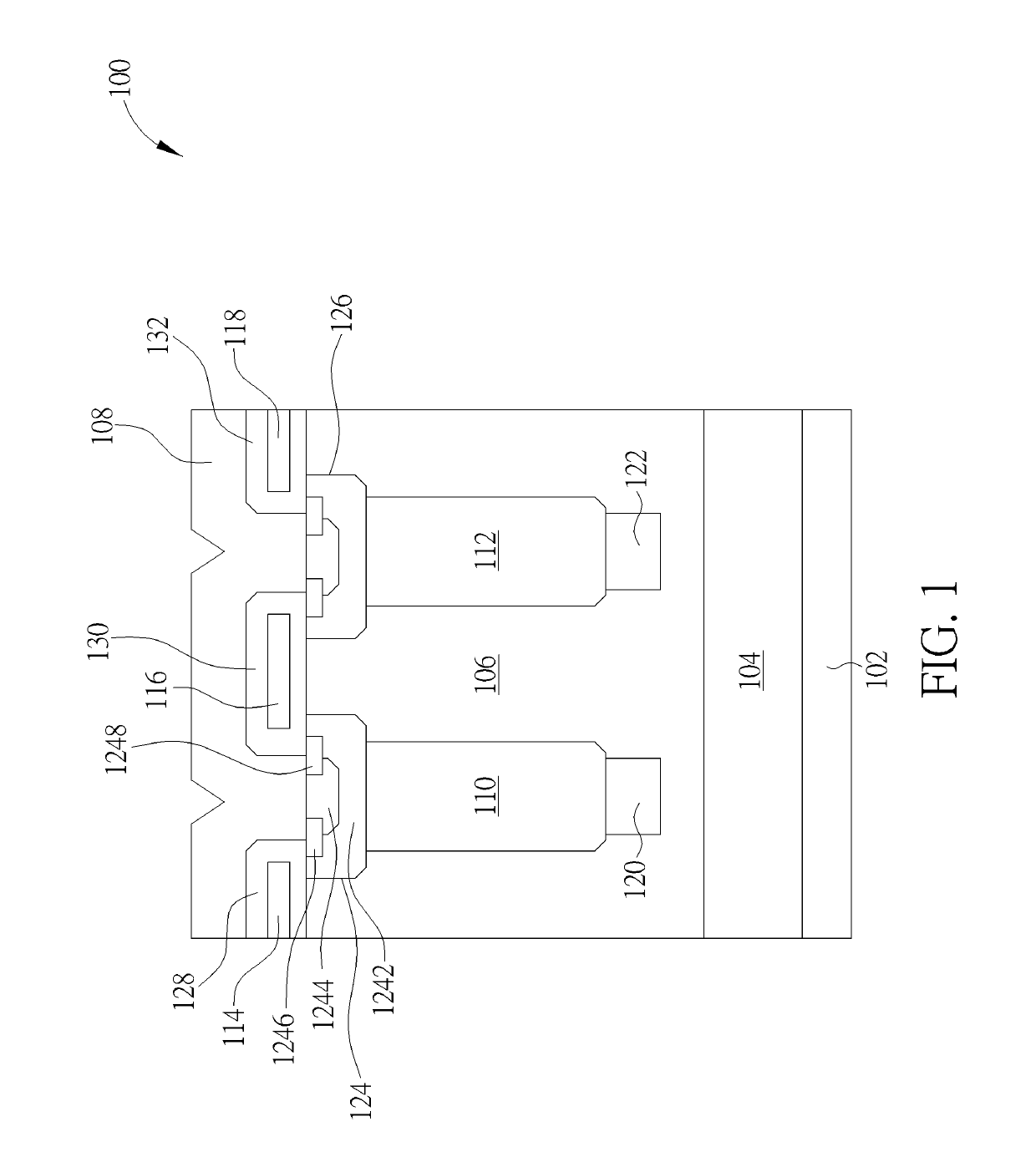
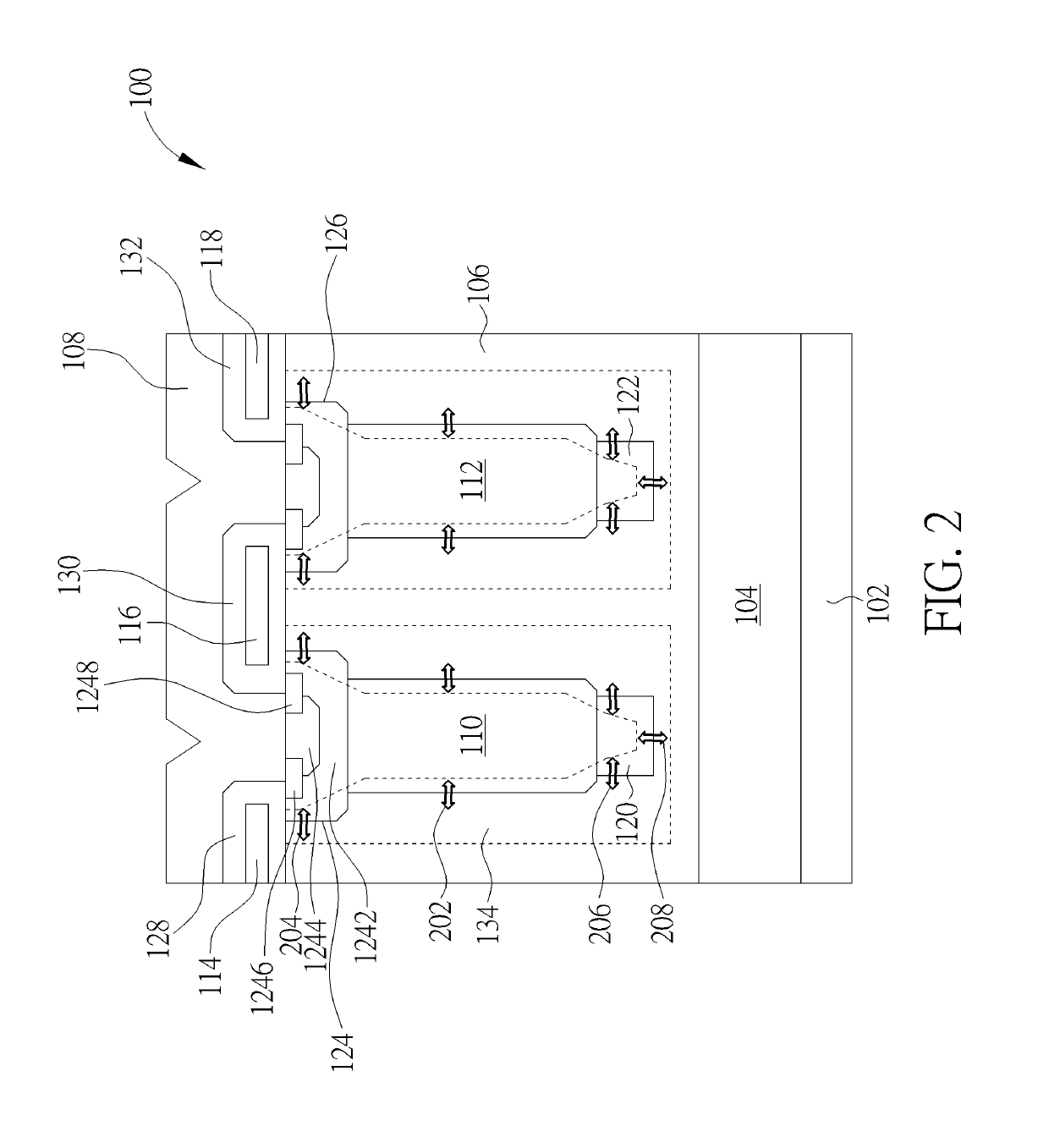
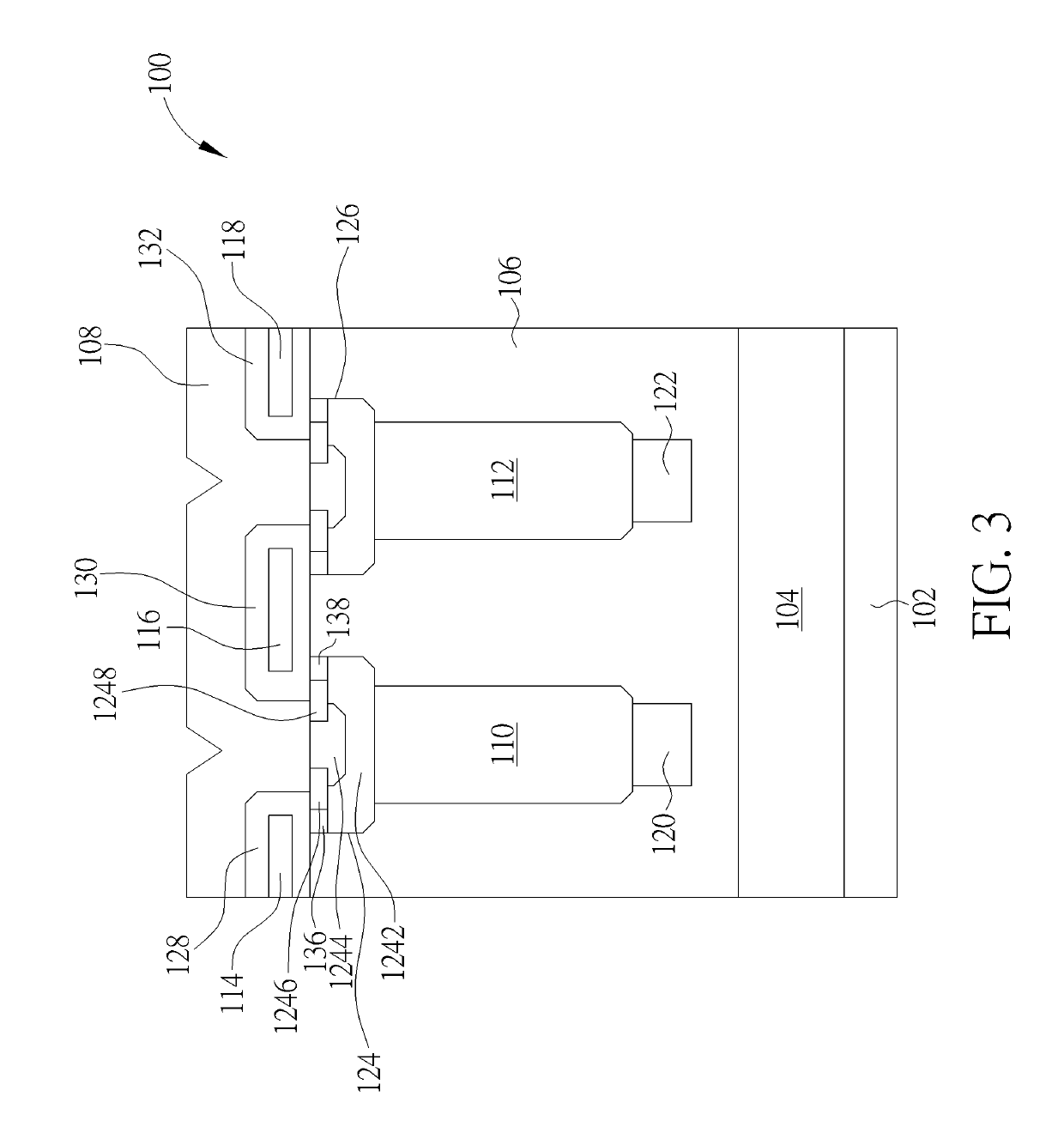
Power metal-oxide-semiconductor field-effect transistor device with three-dimensional super junction and fabrication method thereof
PatentActiveUS10269897B2
Innovation
- The implementation of a power MOSFET device with a three-dimensional super junction structure, featuring first and second trench wells with varying ion doping concentrations and widths, allowing for both horizontal and vertical depletion region formation between trench wells and the epitaxy layer, thereby increasing the depletion region and enhancing breakdown voltage, while reducing conduction resistance by increasing the width of the epitaxy layer between trench wells.

Metal oxide semiconductor field effect transistor, mosfet, having a reduced on-resistance as well as a reduced output capacitance, as well as a corresponding method and a semiconductor package
PatentPendingUS20260020284A1
Innovation
- Incorporating heterogeneous trenches with varying widths, including SGT and SOTR trenches, to reduce cell pitch and increase SGT cell pitch, thereby reducing output capacitance without affecting specific on-resistance.


Reliability Standards for Power Electronics Thermal Design
The establishment of comprehensive reliability standards for power electronics thermal design represents a critical foundation for ensuring long-term performance and safety in MOSFET assemblies. Current industry standards primarily focus on junction temperature limits, thermal cycling endurance, and power derating guidelines that directly impact thermal interface material selection and implementation strategies.
International standards such as IEC 60747 and JEDEC JESD51 series provide fundamental thermal characterization methodologies for semiconductor devices, establishing standardized measurement techniques for thermal resistance and transient thermal impedance. These standards define critical parameters including junction-to-case thermal resistance and thermal time constants that serve as baseline requirements for thermal interface design validation.
Military and aerospace applications adhere to more stringent standards including MIL-STD-883 and DO-160, which impose rigorous thermal cycling requirements ranging from -65°C to +150°C with specific ramp rates and dwell times. These standards necessitate thermal interface materials with exceptional stability across extreme temperature variations while maintaining consistent thermal conductivity performance.
Automotive electronics follow ISO 26262 functional safety standards alongside AEC-Q101 qualification requirements, mandating thermal interface solutions capable of withstanding 1000+ thermal cycles between -40°C and +150°C. These standards emphasize the critical relationship between thermal management reliability and overall system safety, particularly in electric vehicle power conversion applications.
Emerging reliability standards are incorporating accelerated aging protocols that specifically evaluate thermal interface material degradation mechanisms including pump-out effects, voiding formation, and bond-line thickness variations over extended operational periods. These evolving standards recognize that thermal interface reliability directly correlates with overall MOSFET assembly longevity and performance consistency.
Data center and telecommunications equipment standards such as NEBS GR-63-CORE establish thermal reliability requirements under continuous high-power operation conditions, emphasizing the importance of thermal interface materials that maintain stable performance characteristics throughout multi-year operational lifecycles without maintenance intervention.
International standards such as IEC 60747 and JEDEC JESD51 series provide fundamental thermal characterization methodologies for semiconductor devices, establishing standardized measurement techniques for thermal resistance and transient thermal impedance. These standards define critical parameters including junction-to-case thermal resistance and thermal time constants that serve as baseline requirements for thermal interface design validation.
Military and aerospace applications adhere to more stringent standards including MIL-STD-883 and DO-160, which impose rigorous thermal cycling requirements ranging from -65°C to +150°C with specific ramp rates and dwell times. These standards necessitate thermal interface materials with exceptional stability across extreme temperature variations while maintaining consistent thermal conductivity performance.
Automotive electronics follow ISO 26262 functional safety standards alongside AEC-Q101 qualification requirements, mandating thermal interface solutions capable of withstanding 1000+ thermal cycles between -40°C and +150°C. These standards emphasize the critical relationship between thermal management reliability and overall system safety, particularly in electric vehicle power conversion applications.
Emerging reliability standards are incorporating accelerated aging protocols that specifically evaluate thermal interface material degradation mechanisms including pump-out effects, voiding formation, and bond-line thickness variations over extended operational periods. These evolving standards recognize that thermal interface reliability directly correlates with overall MOSFET assembly longevity and performance consistency.
Data center and telecommunications equipment standards such as NEBS GR-63-CORE establish thermal reliability requirements under continuous high-power operation conditions, emphasizing the importance of thermal interface materials that maintain stable performance characteristics throughout multi-year operational lifecycles without maintenance intervention.
Environmental Impact of Thermal Interface Materials
The environmental implications of thermal interface materials (TIMs) used in MOSFET assemblies have become increasingly significant as the electronics industry faces mounting pressure to adopt sustainable practices. Traditional TIMs, particularly those containing heavy metals like silver, lead, or mercury, pose substantial environmental risks throughout their lifecycle. These materials can leach into soil and groundwater systems during manufacturing processes or at end-of-life disposal, creating long-term contamination concerns that affect both ecosystem health and human safety.
Manufacturing processes for conventional TIMs often involve energy-intensive procedures and generate hazardous waste streams. Silicone-based compounds, while generally less toxic than metal-filled alternatives, still require petroleum-derived raw materials and produce volatile organic compounds during curing processes. The carbon footprint associated with mining, refining, and processing these materials contributes significantly to the overall environmental impact of MOSFET thermal management solutions.
The disposal and recycling challenges of TIM-containing electronic assemblies present another critical environmental concern. Many thermal interface materials are not easily separable from semiconductor packages, complicating recycling efforts and often leading to improper disposal in landfills. This creates accumulation of non-biodegradable materials and potential release of toxic substances into the environment over extended periods.
Emerging bio-based and recyclable TIM alternatives are gaining attention as environmentally conscious solutions. These include thermally conductive polymers derived from renewable sources, graphene-based materials with lower environmental impact manufacturing processes, and phase-change materials that can be recovered and reprocessed. However, these alternatives often face performance trade-offs in thermal conductivity or long-term stability compared to conventional options.
Regulatory frameworks worldwide are increasingly addressing TIM environmental impacts through restrictions on hazardous substances and extended producer responsibility requirements. The European Union's RoHS directive and REACH regulation have already limited certain materials, while emerging legislation focuses on circular economy principles and lifecycle environmental assessments for electronic components.
The industry trend toward sustainable TIM development emphasizes the need for comprehensive lifecycle assessments that consider raw material extraction, manufacturing energy consumption, operational efficiency, and end-of-life management. This holistic approach enables more informed decision-making regarding environmental trade-offs between thermal performance requirements and ecological responsibility in MOSFET thermal interface design.
Manufacturing processes for conventional TIMs often involve energy-intensive procedures and generate hazardous waste streams. Silicone-based compounds, while generally less toxic than metal-filled alternatives, still require petroleum-derived raw materials and produce volatile organic compounds during curing processes. The carbon footprint associated with mining, refining, and processing these materials contributes significantly to the overall environmental impact of MOSFET thermal management solutions.
The disposal and recycling challenges of TIM-containing electronic assemblies present another critical environmental concern. Many thermal interface materials are not easily separable from semiconductor packages, complicating recycling efforts and often leading to improper disposal in landfills. This creates accumulation of non-biodegradable materials and potential release of toxic substances into the environment over extended periods.
Emerging bio-based and recyclable TIM alternatives are gaining attention as environmentally conscious solutions. These include thermally conductive polymers derived from renewable sources, graphene-based materials with lower environmental impact manufacturing processes, and phase-change materials that can be recovered and reprocessed. However, these alternatives often face performance trade-offs in thermal conductivity or long-term stability compared to conventional options.
Regulatory frameworks worldwide are increasingly addressing TIM environmental impacts through restrictions on hazardous substances and extended producer responsibility requirements. The European Union's RoHS directive and REACH regulation have already limited certain materials, while emerging legislation focuses on circular economy principles and lifecycle environmental assessments for electronic components.
The industry trend toward sustainable TIM development emphasizes the need for comprehensive lifecycle assessments that consider raw material extraction, manufacturing energy consumption, operational efficiency, and end-of-life management. This holistic approach enables more informed decision-making regarding environmental trade-offs between thermal performance requirements and ecological responsibility in MOSFET thermal interface design.
Unlock deeper insights with Patsnap Eureka Quick Research — get a full tech report to explore trends and direct your research. Try now!
Generate Your Research Report Instantly with AI Agent
Supercharge your innovation with Patsnap Eureka AI Agent Platform!