

Enhance User Experience within Multipoint Control Unit Frameworks
MAR 17, 20269 MIN READ
Generate Your Research Report Instantly with AI Agent
PatSnap Eureka helps you evaluate technical feasibility & market potential.
MCU Framework UX Enhancement Background and Objectives
Multipoint Control Unit (MCU) frameworks have emerged as critical infrastructure components in modern distributed communication and control systems, serving as central coordination hubs that manage multiple endpoints simultaneously. These frameworks originated from the telecommunications industry's need to handle multi-party video conferencing and have since evolved to support diverse applications including industrial automation, smart building management, and collaborative digital platforms. The proliferation of IoT devices and the increasing demand for seamless multi-device interactions have positioned MCU frameworks as foundational elements in contemporary system architectures.
The evolution of MCU frameworks has been driven by the exponential growth in connected devices and the corresponding complexity of managing simultaneous connections. Traditional point-to-point communication models proved inadequate for scenarios requiring coordinated interactions among multiple participants, leading to the development of centralized control architectures. This technological progression has been further accelerated by advances in cloud computing, edge processing capabilities, and the emergence of 5G networks, which have expanded the potential applications and performance requirements of MCU systems.
Current market dynamics reveal a significant gap between the technical capabilities of MCU frameworks and user experience expectations. While these systems excel at managing complex multi-endpoint communications and control tasks, they often present interfaces and interaction paradigms that are unintuitive, overly complex, or poorly adapted to diverse user contexts. This disconnect has become increasingly problematic as MCU frameworks extend beyond their traditional enterprise and technical user base to serve broader consumer and prosumer markets.
The primary objective of enhancing user experience within MCU frameworks centers on bridging this usability gap while maintaining the robust functionality and reliability that these systems require. This involves developing intuitive interface designs that can effectively present complex multi-endpoint status information, streamlining configuration and management processes, and implementing adaptive user interfaces that can accommodate varying levels of technical expertise among users.
A secondary objective focuses on improving real-time feedback mechanisms and system transparency, enabling users to understand and predict system behavior more effectively. This includes developing sophisticated yet accessible visualization tools for network topology, connection status, and performance metrics, as well as implementing proactive notification systems that can guide users through complex operational scenarios.
The ultimate goal encompasses creating MCU frameworks that can seamlessly scale from simple consumer applications to complex enterprise deployments while maintaining consistent and intuitive user experiences across all implementation scales.
The evolution of MCU frameworks has been driven by the exponential growth in connected devices and the corresponding complexity of managing simultaneous connections. Traditional point-to-point communication models proved inadequate for scenarios requiring coordinated interactions among multiple participants, leading to the development of centralized control architectures. This technological progression has been further accelerated by advances in cloud computing, edge processing capabilities, and the emergence of 5G networks, which have expanded the potential applications and performance requirements of MCU systems.
Current market dynamics reveal a significant gap between the technical capabilities of MCU frameworks and user experience expectations. While these systems excel at managing complex multi-endpoint communications and control tasks, they often present interfaces and interaction paradigms that are unintuitive, overly complex, or poorly adapted to diverse user contexts. This disconnect has become increasingly problematic as MCU frameworks extend beyond their traditional enterprise and technical user base to serve broader consumer and prosumer markets.
The primary objective of enhancing user experience within MCU frameworks centers on bridging this usability gap while maintaining the robust functionality and reliability that these systems require. This involves developing intuitive interface designs that can effectively present complex multi-endpoint status information, streamlining configuration and management processes, and implementing adaptive user interfaces that can accommodate varying levels of technical expertise among users.
A secondary objective focuses on improving real-time feedback mechanisms and system transparency, enabling users to understand and predict system behavior more effectively. This includes developing sophisticated yet accessible visualization tools for network topology, connection status, and performance metrics, as well as implementing proactive notification systems that can guide users through complex operational scenarios.
The ultimate goal encompasses creating MCU frameworks that can seamlessly scale from simple consumer applications to complex enterprise deployments while maintaining consistent and intuitive user experiences across all implementation scales.
Market Demand for Advanced MCU User Interface Solutions
The enterprise video conferencing market has experienced unprecedented growth, driven by the global shift toward remote and hybrid work models. Organizations across industries are increasingly investing in sophisticated multipoint control unit systems to facilitate seamless collaboration among distributed teams. This transformation has created substantial demand for MCU solutions that prioritize user experience alongside technical performance.
Modern enterprises require MCU interfaces that can accommodate users with varying technical expertise levels. The complexity of traditional video conferencing systems often creates barriers to adoption, particularly among non-technical staff members. Organizations are actively seeking solutions that provide intuitive navigation, simplified meeting management, and streamlined participant control mechanisms. This demand extends beyond basic functionality to encompass comprehensive user experience design.
Healthcare institutions represent a particularly significant market segment, where MCU systems must support critical telemedicine applications and multi-site consultations. Educational organizations similarly require robust MCU solutions for distance learning initiatives and inter-campus collaboration. Corporate enterprises demand scalable systems that can handle large-scale meetings while maintaining ease of use for executives and administrative staff.
The market shows strong preference for MCU solutions featuring adaptive user interfaces that can automatically adjust complexity based on user roles and permissions. Organizations are willing to invest premium amounts for systems that reduce training requirements and minimize technical support overhead. This trend reflects the broader enterprise software movement toward user-centric design principles.
Regional market analysis reveals particularly strong demand in North American and European markets, where regulatory compliance requirements add complexity to MCU deployment. Asian markets demonstrate growing appetite for cloud-integrated MCU solutions that support mobile-first user experiences. The convergence of artificial intelligence and user interface design has created new market opportunities for MCU vendors who can deliver predictive and personalized user experiences.
Market research indicates that procurement decisions increasingly involve end-user stakeholders alongside IT departments, emphasizing the critical importance of user experience in vendor selection processes. Organizations are evaluating MCU solutions based on user adoption rates and satisfaction metrics rather than purely technical specifications.
Modern enterprises require MCU interfaces that can accommodate users with varying technical expertise levels. The complexity of traditional video conferencing systems often creates barriers to adoption, particularly among non-technical staff members. Organizations are actively seeking solutions that provide intuitive navigation, simplified meeting management, and streamlined participant control mechanisms. This demand extends beyond basic functionality to encompass comprehensive user experience design.
Healthcare institutions represent a particularly significant market segment, where MCU systems must support critical telemedicine applications and multi-site consultations. Educational organizations similarly require robust MCU solutions for distance learning initiatives and inter-campus collaboration. Corporate enterprises demand scalable systems that can handle large-scale meetings while maintaining ease of use for executives and administrative staff.
The market shows strong preference for MCU solutions featuring adaptive user interfaces that can automatically adjust complexity based on user roles and permissions. Organizations are willing to invest premium amounts for systems that reduce training requirements and minimize technical support overhead. This trend reflects the broader enterprise software movement toward user-centric design principles.
Regional market analysis reveals particularly strong demand in North American and European markets, where regulatory compliance requirements add complexity to MCU deployment. Asian markets demonstrate growing appetite for cloud-integrated MCU solutions that support mobile-first user experiences. The convergence of artificial intelligence and user interface design has created new market opportunities for MCU vendors who can deliver predictive and personalized user experiences.
Market research indicates that procurement decisions increasingly involve end-user stakeholders alongside IT departments, emphasizing the critical importance of user experience in vendor selection processes. Organizations are evaluating MCU solutions based on user adoption rates and satisfaction metrics rather than purely technical specifications.
Current MCU Framework UX Limitations and Technical Challenges
Current Multipoint Control Unit (MCU) frameworks face significant user experience limitations that stem from both architectural constraints and technological challenges. The complexity of managing multiple endpoints simultaneously creates inherent bottlenecks in system responsiveness and interface intuitiveness. Traditional MCU architectures were primarily designed for functionality rather than user-centric experiences, resulting in interfaces that often require extensive technical knowledge to operate effectively.
One of the most prominent limitations lies in the scalability of user interfaces when handling large-scale multipoint sessions. As the number of connected endpoints increases, current frameworks struggle to maintain consistent performance levels, leading to degraded responsiveness and increased latency in user interactions. The centralized processing model employed by most MCU systems creates computational bottlenecks that directly impact real-time user experience quality.
Audio and video synchronization presents another critical challenge, particularly in scenarios involving diverse network conditions and endpoint capabilities. Current MCU frameworks often lack sophisticated adaptive algorithms that can dynamically adjust to varying bandwidth conditions while maintaining acceptable quality levels. This results in inconsistent user experiences across different participants in the same session.
The integration complexity between different vendor solutions creates additional user experience friction. Most MCU frameworks operate within proprietary ecosystems, making seamless interoperability challenging. Users frequently encounter compatibility issues when attempting to connect devices or software from different manufacturers, leading to fragmented experiences and increased technical support requirements.
Resource allocation and management within current MCU architectures also present significant challenges. The static resource allocation models commonly employed fail to adapt efficiently to dynamic session requirements, resulting in either resource waste during low-demand periods or performance degradation during peak usage. This inflexibility directly impacts user satisfaction and system reliability.
Furthermore, the lack of intelligent automation in current MCU frameworks requires extensive manual configuration and monitoring. Users must navigate complex administrative interfaces to manage session parameters, participant permissions, and quality settings. The absence of machine learning-driven optimization means that systems cannot learn from usage patterns to automatically improve user experiences over time.
Security implementation in existing MCU frameworks often comes at the expense of user experience simplicity. Multi-layered authentication processes and encryption protocols, while necessary for security, frequently create barriers to seamless user adoption and can significantly complicate the connection process for end users.
One of the most prominent limitations lies in the scalability of user interfaces when handling large-scale multipoint sessions. As the number of connected endpoints increases, current frameworks struggle to maintain consistent performance levels, leading to degraded responsiveness and increased latency in user interactions. The centralized processing model employed by most MCU systems creates computational bottlenecks that directly impact real-time user experience quality.
Audio and video synchronization presents another critical challenge, particularly in scenarios involving diverse network conditions and endpoint capabilities. Current MCU frameworks often lack sophisticated adaptive algorithms that can dynamically adjust to varying bandwidth conditions while maintaining acceptable quality levels. This results in inconsistent user experiences across different participants in the same session.
The integration complexity between different vendor solutions creates additional user experience friction. Most MCU frameworks operate within proprietary ecosystems, making seamless interoperability challenging. Users frequently encounter compatibility issues when attempting to connect devices or software from different manufacturers, leading to fragmented experiences and increased technical support requirements.
Resource allocation and management within current MCU architectures also present significant challenges. The static resource allocation models commonly employed fail to adapt efficiently to dynamic session requirements, resulting in either resource waste during low-demand periods or performance degradation during peak usage. This inflexibility directly impacts user satisfaction and system reliability.
Furthermore, the lack of intelligent automation in current MCU frameworks requires extensive manual configuration and monitoring. Users must navigate complex administrative interfaces to manage session parameters, participant permissions, and quality settings. The absence of machine learning-driven optimization means that systems cannot learn from usage patterns to automatically improve user experiences over time.
Security implementation in existing MCU frameworks often comes at the expense of user experience simplicity. Multi-layered authentication processes and encryption protocols, while necessary for security, frequently create barriers to seamless user adoption and can significantly complicate the connection process for end users.
Existing MCU User Experience Optimization Solutions
01 Enhanced audio and video quality control in multipoint conferencing
Technologies for improving audio and video quality in multipoint control units include adaptive bitrate control, echo cancellation, noise reduction, and dynamic bandwidth allocation. These features ensure clear communication across multiple endpoints by automatically adjusting transmission parameters based on network conditions and participant requirements. Advanced codec selection and transcoding capabilities enable optimal media quality while managing bandwidth constraints.- Enhanced audio and video quality control in multipoint conferencing: Technologies for improving audio and video quality in multipoint control units include adaptive bitrate control, echo cancellation, noise reduction, and dynamic bandwidth allocation. These features ensure clear communication across multiple endpoints by automatically adjusting transmission parameters based on network conditions and participant requirements. Advanced codec selection and transcoding capabilities enable compatibility across diverse devices while maintaining optimal quality levels.
- User interface and control mechanisms for multipoint sessions: Intuitive user interfaces for multipoint control units provide simplified management of conference sessions through graphical displays, touch controls, and voice commands. Features include participant roster management, layout customization, content sharing controls, and meeting scheduling integration. These interfaces enable users to easily join conferences, switch between different view modes, and control audio/video settings without technical expertise.
- Scalability and resource management in multipoint architectures: Scalable multipoint control unit architectures support dynamic allocation of processing resources to handle varying numbers of participants and media streams. Technologies include distributed processing across multiple servers, cloud-based infrastructure, and intelligent load balancing. These systems can automatically scale capacity up or down based on demand, ensuring consistent performance during large conferences while optimizing resource utilization.
- Security and access control for multipoint communications: Security features in multipoint control units include encryption of media streams, authentication mechanisms, access control lists, and secure signaling protocols. These technologies protect against unauthorized access, eavesdropping, and data breaches during multipoint conferences. Additional features include waiting room functionality, host controls for participant management, and audit logging for compliance requirements.
- Interoperability and protocol support across platforms: Multipoint control units support multiple communication protocols and standards to enable seamless connectivity between different conferencing systems and devices. This includes compatibility with various signaling protocols, media formats, and vendor-specific implementations. Gateway functionality allows bridging between incompatible systems, while standards-based approaches ensure broad device support including legacy equipment and emerging platforms.
02 User interface and control mechanisms for multipoint sessions
Intuitive user interfaces for multipoint control units provide simplified management of conference sessions through graphical controls, touch interfaces, and voice commands. Features include participant management, layout customization, content sharing controls, and real-time status monitoring. These interfaces enable users to easily join conferences, switch between different viewing modes, and control various conference parameters without technical expertise.Expand Specific Solutions03 Intelligent participant management and presence detection
Advanced participant management systems automatically detect and manage multiple endpoints in conferencing sessions. These systems include features for automatic participant identification, presence detection, active speaker tracking, and dynamic layout adjustment based on participant activity. The technology enables seamless addition and removal of participants while maintaining optimal viewing experiences for all users.Expand Specific Solutions04 Network optimization and quality of service management
Quality of service mechanisms in multipoint control units prioritize media streams, manage packet loss, and optimize network resource utilization. These systems implement intelligent routing, load balancing across multiple servers, and adaptive error correction to maintain stable connections. Network monitoring capabilities provide real-time diagnostics and automatic failover to ensure uninterrupted conferencing experiences even under challenging network conditions.Expand Specific Solutions05 Security and access control for multipoint communications
Security features for multipoint control units include encryption protocols, authentication mechanisms, and access control systems to protect conference content and participant privacy. These implementations provide secure key exchange, end-to-end encryption options, and role-based access controls. Additional features include waiting room functionality, participant verification, and audit logging to ensure compliance with security policies and regulations.Expand Specific Solutions
Leading MCU Framework and UX Technology Providers
The multipoint control unit (MCU) framework technology for enhancing user experience represents a mature market segment currently in the optimization and integration phase. The industry has evolved from basic video conferencing infrastructure to sophisticated, AI-driven collaborative platforms with substantial market penetration across enterprise and consumer segments. Technology maturity varies significantly among key players, with established telecommunications giants like Huawei Technologies and Cisco Technology leading in infrastructure solutions, while Apple and Qualcomm drive mobile integration innovations. Traditional technology companies such as Siemens AG and SAP SE focus on enterprise-grade implementations, whereas emerging players like Beijing Sensetime Technology and Magic Leap explore next-generation immersive experiences. The competitive landscape shows convergence between hardware manufacturers, software developers, and service providers, indicating market consolidation around comprehensive ecosystem approaches rather than standalone MCU solutions.
Huawei Technologies Co., Ltd.
Technical Solution: Huawei's HarmonyOS implements distributed technology for multipoint control through its "1+8+N" strategy, enabling seamless connectivity across smartphones, tablets, smart TVs, wearables, and IoT devices. The system features distributed virtual bus technology that allows devices to discover, connect, and collaborate automatically. Users can control multiple devices through gesture recognition, voice commands via Celia AI assistant, and cross-device task migration. The platform supports distributed file systems and unified device management, allowing applications to run across different device types while maintaining consistent user experience and centralized control interface.
Strengths: Strong distributed architecture with broad device compatibility and growing ecosystem in Asian markets. Weaknesses: Limited global market presence due to geopolitical restrictions and smaller third-party developer ecosystem compared to competitors.
Apple, Inc.
Technical Solution: Apple implements advanced multipoint control frameworks through its ecosystem integration approach, featuring seamless device handoff capabilities, universal control across Mac and iPad devices, and AirPlay multi-room audio synchronization. The company's HomeKit framework enables unified control of smart home devices through a single interface, while Continuity features allow users to start tasks on one device and complete them on another. Their Control Center provides centralized access to multiple system functions and connected devices, utilizing machine learning algorithms to predict user preferences and optimize control sequences across the multipoint network.
Strengths: Exceptional ecosystem integration and intuitive user interface design with strong brand loyalty. Weaknesses: Limited compatibility with non-Apple devices and higher cost barriers for complete system adoption.
Core UX Enhancement Patents in MCU Framework Design
Multi-site conferencing system and method
PatentActiveUS20060233120A1
Innovation
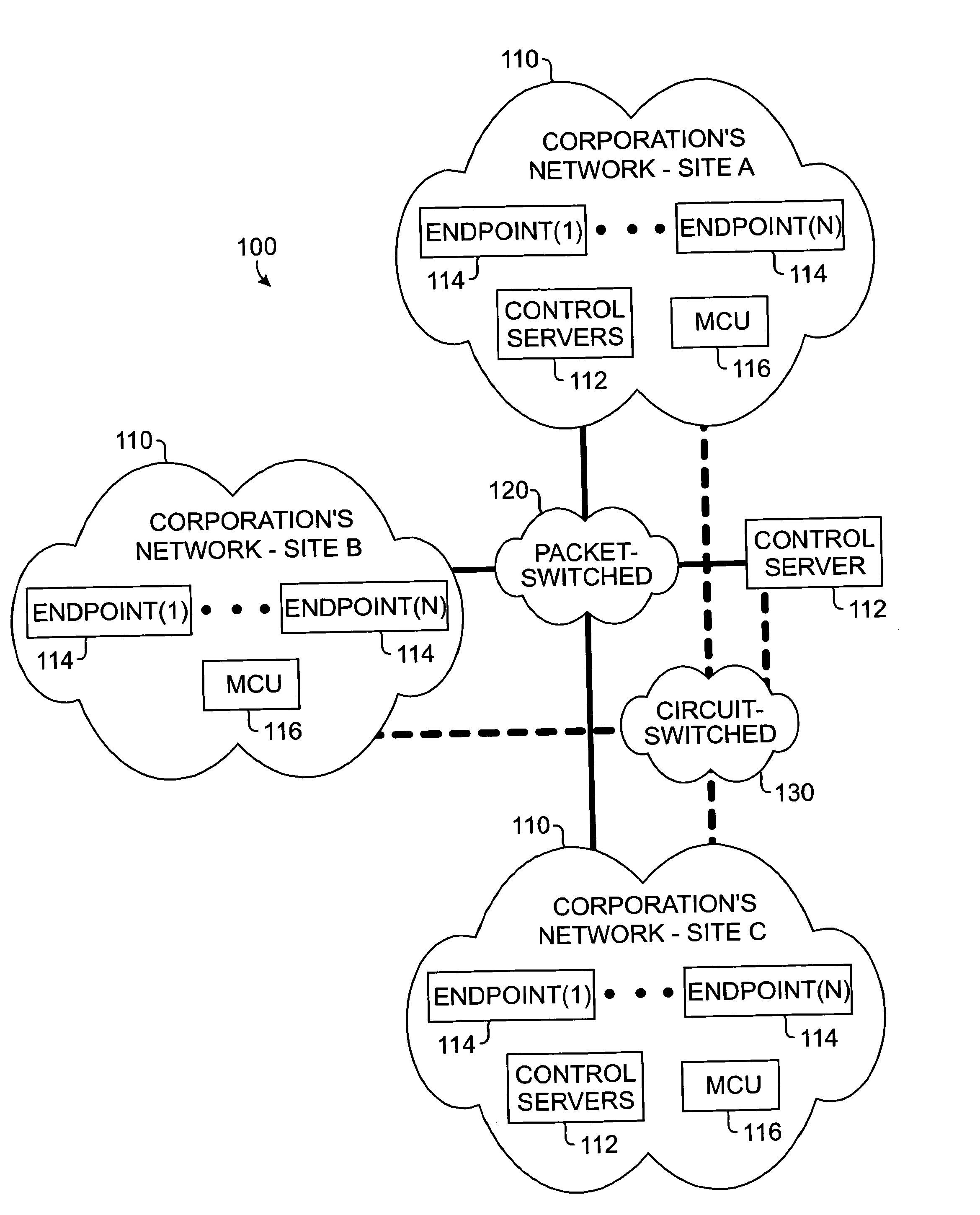
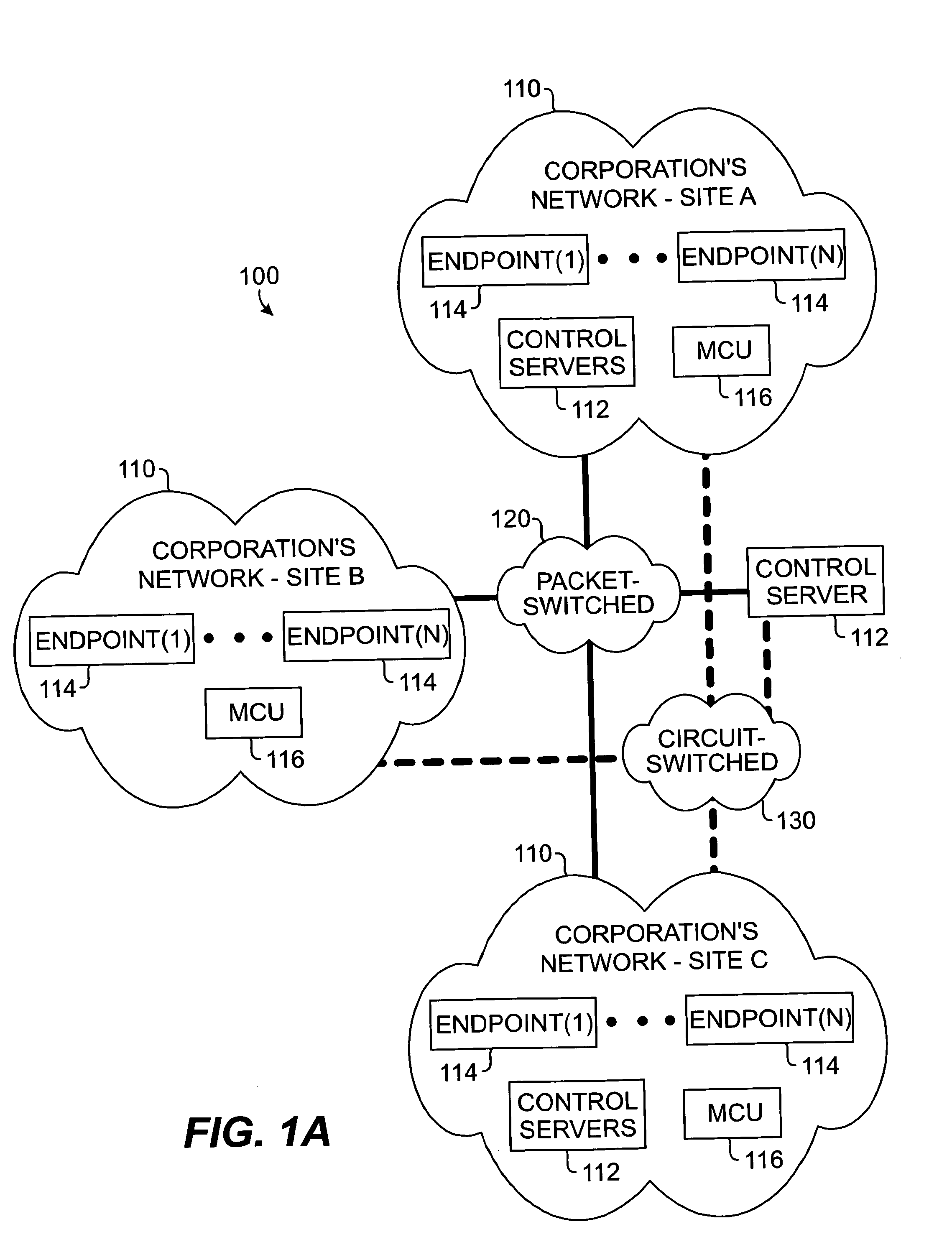
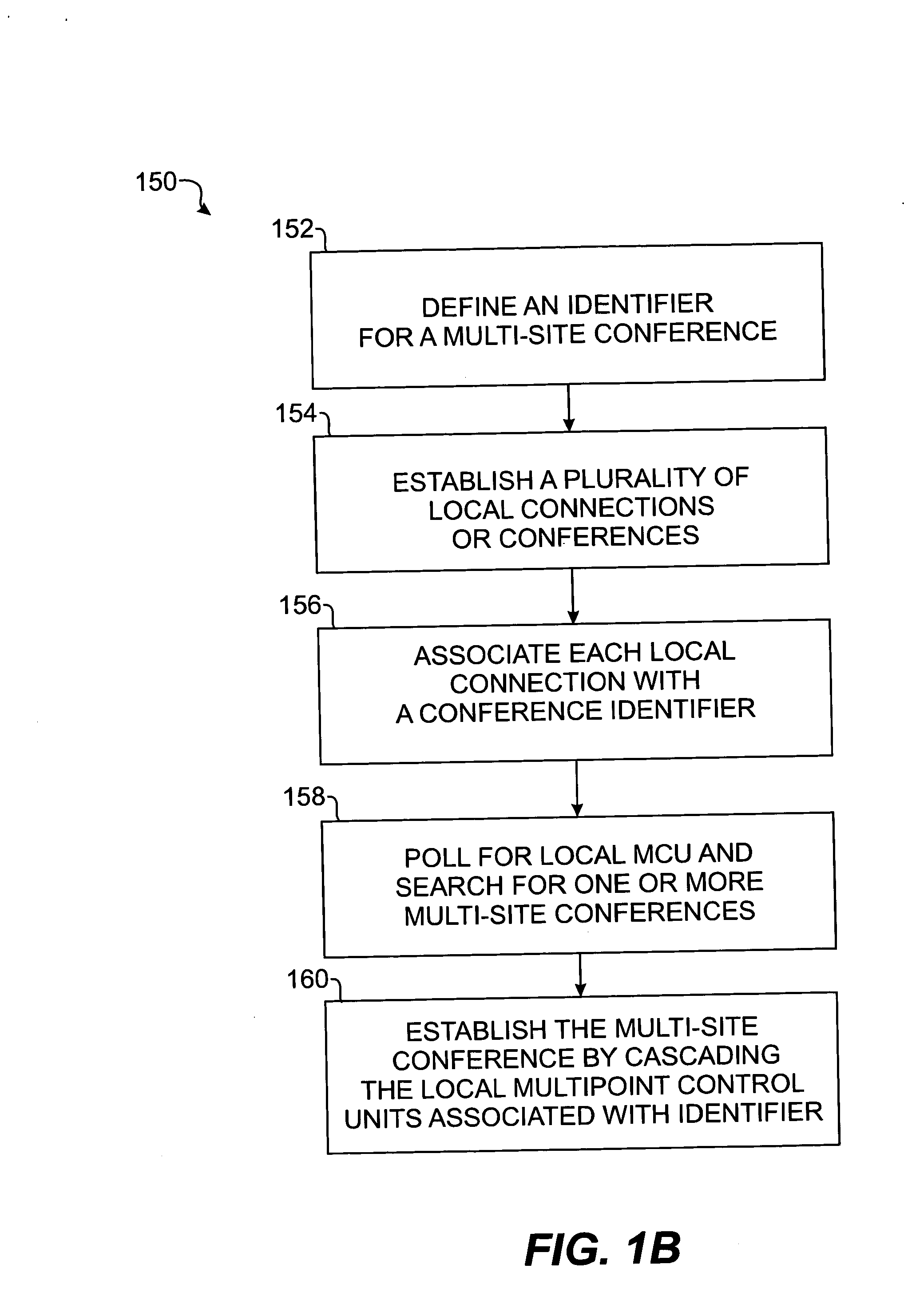
- A system and method that utilize multiple site-specific multipoint control units (MCUs) with control servers to manage and cascade connections across sites, using unique conference IDs for authentication and resource optimization, allowing for efficient establishment and management of multi-site conferences through an IP network and administration servers.

System and method for controlling one or more multipoint control units as one multipoint control unit
PatentActiveUS20070126862A1
Innovation
- A Virtual MCU (VMCU) is introduced to control and schedule multiple MCUs from a single point, optimizing resource allocation and enabling efficient scheduling by interconnecting MCUs to manage conferences across all units, allowing for real-time identification of reservation and capability factors, and dynamic assignment of resources.


Real-time Performance Standards for MCU Systems
Real-time performance standards for MCU systems represent critical benchmarks that directly influence user experience quality in multipoint control unit frameworks. These standards encompass latency thresholds, throughput requirements, and response time specifications that ensure seamless interaction across distributed control environments. Industry-accepted standards typically mandate end-to-end latency below 150 milliseconds for interactive applications, with audio synchronization tolerances not exceeding 40 milliseconds to maintain natural communication flow.
Processing efficiency metrics form the foundation of MCU performance evaluation, focusing on concurrent session handling capabilities and resource utilization optimization. Modern MCU systems must demonstrate capacity to manage multiple simultaneous connections while maintaining consistent quality of service. Key performance indicators include CPU utilization rates below 80% during peak loads, memory allocation efficiency exceeding 90%, and network bandwidth utilization optimized to prevent congestion-induced delays.
Scalability standards define the system's ability to accommodate varying participant loads without degrading user experience. These specifications require MCU frameworks to support dynamic scaling from small group sessions to large-scale conferences, typically ranging from 4 to 1000+ participants. Performance benchmarks must account for linear scaling characteristics, ensuring that doubling participant count does not exponentially increase system resource consumption or response times.
Quality assurance protocols establish measurement methodologies for continuous performance monitoring and validation. These protocols incorporate automated testing frameworks that simulate realistic usage scenarios, stress testing under peak conditions, and long-duration stability assessments. Compliance verification requires systematic documentation of performance metrics across different operational scenarios, including network congestion conditions, hardware resource constraints, and varying participant interaction patterns.
Interoperability standards ensure consistent performance across diverse hardware platforms and network infrastructures. These specifications address compatibility requirements with various endpoint devices, network protocols, and integration interfaces. Performance consistency must be maintained regardless of participant device capabilities, network connection types, or geographical distribution, establishing uniform user experience expectations across heterogeneous deployment environments.
Processing efficiency metrics form the foundation of MCU performance evaluation, focusing on concurrent session handling capabilities and resource utilization optimization. Modern MCU systems must demonstrate capacity to manage multiple simultaneous connections while maintaining consistent quality of service. Key performance indicators include CPU utilization rates below 80% during peak loads, memory allocation efficiency exceeding 90%, and network bandwidth utilization optimized to prevent congestion-induced delays.
Scalability standards define the system's ability to accommodate varying participant loads without degrading user experience. These specifications require MCU frameworks to support dynamic scaling from small group sessions to large-scale conferences, typically ranging from 4 to 1000+ participants. Performance benchmarks must account for linear scaling characteristics, ensuring that doubling participant count does not exponentially increase system resource consumption or response times.
Quality assurance protocols establish measurement methodologies for continuous performance monitoring and validation. These protocols incorporate automated testing frameworks that simulate realistic usage scenarios, stress testing under peak conditions, and long-duration stability assessments. Compliance verification requires systematic documentation of performance metrics across different operational scenarios, including network congestion conditions, hardware resource constraints, and varying participant interaction patterns.
Interoperability standards ensure consistent performance across diverse hardware platforms and network infrastructures. These specifications address compatibility requirements with various endpoint devices, network protocols, and integration interfaces. Performance consistency must be maintained regardless of participant device capabilities, network connection types, or geographical distribution, establishing uniform user experience expectations across heterogeneous deployment environments.
Cross-platform Compatibility in MCU Framework Design
Cross-platform compatibility represents a fundamental architectural consideration in modern MCU framework design, addressing the growing diversity of hardware platforms and operating systems in multipoint control environments. The heterogeneous nature of contemporary computing ecosystems demands MCU frameworks that can seamlessly operate across different processor architectures, from ARM-based embedded systems to x86 server platforms, while maintaining consistent functionality and performance characteristics.
The primary challenge in achieving cross-platform compatibility lies in abstracting hardware-specific dependencies without compromising system performance. Modern MCU frameworks must accommodate varying memory architectures, processing capabilities, and I/O interfaces across different platforms. This requires sophisticated abstraction layers that can dynamically adapt to underlying hardware characteristics while presenting unified APIs to application developers.
Platform-agnostic design principles have emerged as critical success factors in MCU framework development. These principles emphasize the separation of core control logic from platform-specific implementations through well-defined interface boundaries. Hardware abstraction layers serve as translation mechanisms, converting generic framework commands into platform-specific operations while maintaining consistent behavior across different deployment environments.
Contemporary approaches to cross-platform MCU design leverage containerization technologies and virtualization frameworks to achieve deployment flexibility. These solutions enable MCU frameworks to operate within standardized runtime environments, reducing platform-specific configuration requirements and simplifying deployment processes across diverse infrastructure configurations.
The integration of cloud-native architectures has further expanded cross-platform requirements, necessitating MCU frameworks that can operate effectively in both on-premises and cloud environments. This dual-deployment capability requires careful consideration of network latency, resource allocation, and security protocols across different hosting platforms.
Standardization efforts within the industry have focused on establishing common communication protocols and data formats that facilitate interoperability between different MCU implementations. These standards enable seamless integration of MCU components developed for different platforms, creating more flexible and scalable multipoint control solutions.
Future developments in cross-platform compatibility are expected to leverage emerging technologies such as WebAssembly and universal runtime environments, which promise to further reduce platform-specific development overhead while maintaining native performance characteristics across diverse hardware configurations.
The primary challenge in achieving cross-platform compatibility lies in abstracting hardware-specific dependencies without compromising system performance. Modern MCU frameworks must accommodate varying memory architectures, processing capabilities, and I/O interfaces across different platforms. This requires sophisticated abstraction layers that can dynamically adapt to underlying hardware characteristics while presenting unified APIs to application developers.
Platform-agnostic design principles have emerged as critical success factors in MCU framework development. These principles emphasize the separation of core control logic from platform-specific implementations through well-defined interface boundaries. Hardware abstraction layers serve as translation mechanisms, converting generic framework commands into platform-specific operations while maintaining consistent behavior across different deployment environments.
Contemporary approaches to cross-platform MCU design leverage containerization technologies and virtualization frameworks to achieve deployment flexibility. These solutions enable MCU frameworks to operate within standardized runtime environments, reducing platform-specific configuration requirements and simplifying deployment processes across diverse infrastructure configurations.
The integration of cloud-native architectures has further expanded cross-platform requirements, necessitating MCU frameworks that can operate effectively in both on-premises and cloud environments. This dual-deployment capability requires careful consideration of network latency, resource allocation, and security protocols across different hosting platforms.
Standardization efforts within the industry have focused on establishing common communication protocols and data formats that facilitate interoperability between different MCU implementations. These standards enable seamless integration of MCU components developed for different platforms, creating more flexible and scalable multipoint control solutions.
Future developments in cross-platform compatibility are expected to leverage emerging technologies such as WebAssembly and universal runtime environments, which promise to further reduce platform-specific development overhead while maintaining native performance characteristics across diverse hardware configurations.
Unlock deeper insights with PatSnap Eureka Quick Research — get a full tech report to explore trends and direct your research. Try now!
Generate Your Research Report Instantly with AI Agent
Supercharge your innovation with PatSnap Eureka AI Agent Platform!