

Plan High-Availability Multipoint Control Unit Networks
MAR 17, 20269 MIN READ
Generate Your Research Report Instantly with AI Agent
PatSnap Eureka helps you evaluate technical feasibility & market potential.
MCU Network HA Background and Objectives
Multipoint Control Unit (MCU) networks have evolved significantly since the early days of video conferencing in the 1990s, transforming from simple point-to-point connections to sophisticated distributed architectures capable of supporting thousands of concurrent participants. The historical development trajectory shows a clear progression from hardware-based proprietary systems to software-defined, cloud-native solutions that leverage virtualization and containerization technologies.
The emergence of high-availability requirements in MCU networks stems from the critical role these systems play in modern business communications, distance learning, telemedicine, and emergency response scenarios. Traditional single-point-of-failure architectures have proven inadequate for mission-critical applications where service interruptions can result in significant financial losses, compromised patient care, or disrupted educational processes.
Current technological trends indicate a shift toward hybrid cloud deployments, edge computing integration, and AI-powered resource optimization. The convergence of 5G networks, WebRTC protocols, and advanced codec technologies has created new opportunities for implementing resilient MCU architectures that can dynamically adapt to varying network conditions and user demands.
The primary technical objective centers on achieving 99.99% uptime through redundant system design, automated failover mechanisms, and intelligent load distribution. This involves implementing geographically distributed MCU clusters with real-time synchronization capabilities, ensuring seamless service continuity even during hardware failures, network outages, or planned maintenance activities.
Secondary objectives include optimizing resource utilization through dynamic scaling algorithms, minimizing latency through strategic node placement, and maintaining consistent quality of experience across diverse client endpoints. The architecture must support horizontal scaling to accommodate sudden traffic spikes while maintaining cost-effectiveness through efficient resource allocation.
Advanced monitoring and predictive analytics capabilities represent another crucial objective, enabling proactive identification of potential failure points and automated remediation actions. The system should incorporate machine learning algorithms to predict traffic patterns, optimize routing decisions, and preemptively allocate resources based on historical usage data and real-time network conditions.
The emergence of high-availability requirements in MCU networks stems from the critical role these systems play in modern business communications, distance learning, telemedicine, and emergency response scenarios. Traditional single-point-of-failure architectures have proven inadequate for mission-critical applications where service interruptions can result in significant financial losses, compromised patient care, or disrupted educational processes.
Current technological trends indicate a shift toward hybrid cloud deployments, edge computing integration, and AI-powered resource optimization. The convergence of 5G networks, WebRTC protocols, and advanced codec technologies has created new opportunities for implementing resilient MCU architectures that can dynamically adapt to varying network conditions and user demands.
The primary technical objective centers on achieving 99.99% uptime through redundant system design, automated failover mechanisms, and intelligent load distribution. This involves implementing geographically distributed MCU clusters with real-time synchronization capabilities, ensuring seamless service continuity even during hardware failures, network outages, or planned maintenance activities.
Secondary objectives include optimizing resource utilization through dynamic scaling algorithms, minimizing latency through strategic node placement, and maintaining consistent quality of experience across diverse client endpoints. The architecture must support horizontal scaling to accommodate sudden traffic spikes while maintaining cost-effectiveness through efficient resource allocation.
Advanced monitoring and predictive analytics capabilities represent another crucial objective, enabling proactive identification of potential failure points and automated remediation actions. The system should incorporate machine learning algorithms to predict traffic patterns, optimize routing decisions, and preemptively allocate resources based on historical usage data and real-time network conditions.
Market Demand for High-Availability MCU Solutions
The global demand for high-availability Multipoint Control Unit solutions has experienced substantial growth driven by the accelerating digital transformation across industries and the increasing reliance on mission-critical communication systems. Organizations worldwide are recognizing that traditional single-point-of-failure MCU architectures cannot meet the stringent uptime requirements of modern business operations, particularly in sectors where communication interruptions can result in significant financial losses or safety risks.
Enterprise sectors including healthcare, financial services, government agencies, and manufacturing have emerged as primary drivers of market demand. Healthcare institutions require uninterrupted video conferencing capabilities for telemedicine consultations, remote surgical procedures, and emergency response coordination. Financial institutions depend on reliable MCU networks for regulatory compliance meetings, client consultations, and real-time trading communications where even brief outages can have severe consequences.
The shift toward hybrid work models has fundamentally altered market dynamics, creating unprecedented demand for robust MCU solutions that can support large-scale, geographically distributed meetings without service degradation. Organizations are increasingly prioritizing solutions that offer seamless failover capabilities, load distribution mechanisms, and geographic redundancy to ensure consistent user experiences regardless of infrastructure challenges.
Market research indicates strong growth momentum in cloud-based high-availability MCU deployments, as organizations seek to reduce capital expenditure while maintaining service reliability. The demand for hybrid cloud-on-premises architectures is particularly pronounced among enterprises with strict data sovereignty requirements or regulatory compliance obligations.
Emerging markets in Asia-Pacific and Latin America are demonstrating accelerated adoption rates, driven by rapid digitalization initiatives and government investments in communication infrastructure. These regions present significant growth opportunities as organizations modernize their communication systems and implement business continuity strategies.
The market is also witnessing increased demand for MCU solutions with advanced analytics capabilities, enabling organizations to monitor network performance, predict potential failures, and optimize resource allocation proactively. Integration requirements with existing unified communications platforms and compatibility with emerging communication protocols continue to shape purchasing decisions across all market segments.
Enterprise sectors including healthcare, financial services, government agencies, and manufacturing have emerged as primary drivers of market demand. Healthcare institutions require uninterrupted video conferencing capabilities for telemedicine consultations, remote surgical procedures, and emergency response coordination. Financial institutions depend on reliable MCU networks for regulatory compliance meetings, client consultations, and real-time trading communications where even brief outages can have severe consequences.
The shift toward hybrid work models has fundamentally altered market dynamics, creating unprecedented demand for robust MCU solutions that can support large-scale, geographically distributed meetings without service degradation. Organizations are increasingly prioritizing solutions that offer seamless failover capabilities, load distribution mechanisms, and geographic redundancy to ensure consistent user experiences regardless of infrastructure challenges.
Market research indicates strong growth momentum in cloud-based high-availability MCU deployments, as organizations seek to reduce capital expenditure while maintaining service reliability. The demand for hybrid cloud-on-premises architectures is particularly pronounced among enterprises with strict data sovereignty requirements or regulatory compliance obligations.
Emerging markets in Asia-Pacific and Latin America are demonstrating accelerated adoption rates, driven by rapid digitalization initiatives and government investments in communication infrastructure. These regions present significant growth opportunities as organizations modernize their communication systems and implement business continuity strategies.
The market is also witnessing increased demand for MCU solutions with advanced analytics capabilities, enabling organizations to monitor network performance, predict potential failures, and optimize resource allocation proactively. Integration requirements with existing unified communications platforms and compatibility with emerging communication protocols continue to shape purchasing decisions across all market segments.
Current HA MCU Network Challenges and Constraints
High-availability Multipoint Control Unit networks face significant scalability constraints as organizations expand their video conferencing infrastructure. Traditional MCU architectures struggle to maintain consistent performance when supporting hundreds or thousands of concurrent participants across multiple geographic locations. The centralized processing model creates bottlenecks that limit the system's ability to scale horizontally, particularly during peak usage periods when demand exceeds the processing capacity of individual MCU nodes.
Network latency and bandwidth optimization present persistent challenges in HA MCU deployments. Geographic distribution of participants introduces variable network conditions that can severely impact audio and video quality. Jitter, packet loss, and asymmetric routing create inconsistencies in media delivery, making it difficult to maintain uniform user experience across different network segments. The challenge intensifies when attempting to synchronize multiple MCU instances across wide area networks with varying quality of service guarantees.
Failover mechanisms in current HA MCU implementations often suffer from extended recovery times and session disruption. When primary MCU nodes experience failures, the transition to backup systems typically requires participant reconnection, resulting in service interruptions that can last several minutes. This limitation stems from the complexity of maintaining real-time media state synchronization between active and standby MCU components, particularly when dealing with mixed media formats and codec negotiations.
Resource allocation and load balancing across MCU clusters remain technically challenging due to the dynamic nature of video conferencing workloads. Current systems struggle to predict and adapt to varying computational demands based on participant behavior, media complexity, and network conditions. The inability to efficiently redistribute processing loads in real-time often leads to underutilized resources in some nodes while others become overloaded, compromising overall system performance.
Interoperability constraints between different MCU vendors and legacy systems create deployment complexities in heterogeneous environments. Protocol incompatibilities, proprietary extensions, and varying implementation standards limit the flexibility of HA MCU network designs. These constraints force organizations to maintain multiple parallel systems or accept reduced functionality when integrating diverse conferencing platforms.
Security and compliance requirements add additional layers of complexity to HA MCU network planning. Ensuring end-to-end encryption while maintaining the ability to perform media processing and recording creates technical contradictions that current solutions address through compromises in either security or functionality.
Network latency and bandwidth optimization present persistent challenges in HA MCU deployments. Geographic distribution of participants introduces variable network conditions that can severely impact audio and video quality. Jitter, packet loss, and asymmetric routing create inconsistencies in media delivery, making it difficult to maintain uniform user experience across different network segments. The challenge intensifies when attempting to synchronize multiple MCU instances across wide area networks with varying quality of service guarantees.
Failover mechanisms in current HA MCU implementations often suffer from extended recovery times and session disruption. When primary MCU nodes experience failures, the transition to backup systems typically requires participant reconnection, resulting in service interruptions that can last several minutes. This limitation stems from the complexity of maintaining real-time media state synchronization between active and standby MCU components, particularly when dealing with mixed media formats and codec negotiations.
Resource allocation and load balancing across MCU clusters remain technically challenging due to the dynamic nature of video conferencing workloads. Current systems struggle to predict and adapt to varying computational demands based on participant behavior, media complexity, and network conditions. The inability to efficiently redistribute processing loads in real-time often leads to underutilized resources in some nodes while others become overloaded, compromising overall system performance.
Interoperability constraints between different MCU vendors and legacy systems create deployment complexities in heterogeneous environments. Protocol incompatibilities, proprietary extensions, and varying implementation standards limit the flexibility of HA MCU network designs. These constraints force organizations to maintain multiple parallel systems or accept reduced functionality when integrating diverse conferencing platforms.
Security and compliance requirements add additional layers of complexity to HA MCU network planning. Ensuring end-to-end encryption while maintaining the ability to perform media processing and recording creates technical contradictions that current solutions address through compromises in either security or functionality.
Existing HA MCU Network Architectures
01 Redundant MCU architecture for failover protection
High-availability multipoint control unit systems can be achieved through redundant MCU architectures where backup units automatically take over when the primary unit fails. This approach involves maintaining synchronized state information between primary and backup MCUs, enabling seamless failover with minimal service disruption. The redundant architecture includes mechanisms for health monitoring, failure detection, and automatic switchover to ensure continuous multipoint conferencing services.- Redundant MCU architecture for failover protection: High-availability multipoint control unit systems can be achieved through redundant MCU architectures where backup units automatically take over when the primary unit fails. This approach involves maintaining synchronized state information between primary and backup MCUs, enabling seamless failover with minimal service disruption. The redundant architecture includes mechanisms for health monitoring, automatic detection of failures, and rapid switchover to ensure continuous multipoint conferencing services.
- Load balancing and resource distribution across multiple MCUs: Implementing load balancing mechanisms across multiple MCUs enhances system availability and performance by distributing conference sessions and processing loads among available units. This approach prevents single points of failure and optimizes resource utilization. The system dynamically allocates new conferences to MCUs based on current load, capacity, and availability, while maintaining the ability to redistribute sessions when units become unavailable or overloaded.
- Distributed MCU network with centralized management: A distributed network architecture with multiple geographically dispersed MCUs managed by a centralized control system provides enhanced availability and scalability. The centralized management system coordinates conference routing, monitors system health, and manages failover across the distributed MCU infrastructure. This architecture enables geographic redundancy and allows conferences to continue even if individual MCU nodes or network segments fail.
- State synchronization and session persistence mechanisms: Maintaining high availability requires robust mechanisms for synchronizing conference state and session information across MCU units. These mechanisms ensure that active conferences can be recovered or migrated to backup units without loss of service. The synchronization includes participant information, media streams, conference settings, and connection states, enabling transparent failover from the user perspective.
- Health monitoring and automatic recovery systems: Comprehensive health monitoring systems continuously assess MCU performance, network connectivity, and resource availability to detect potential failures before they impact service. These systems implement automatic recovery procedures including service restart, traffic rerouting, and unit replacement. The monitoring infrastructure tracks key performance indicators, generates alerts, and triggers predefined recovery actions to maintain high availability levels.
02 Load balancing and distributed MCU processing
Implementing load balancing mechanisms across multiple MCU nodes enhances system availability and performance. This involves distributing conference sessions across multiple processing units based on capacity, geographic location, or other criteria. The distributed architecture allows for dynamic resource allocation and prevents single points of failure by spreading the processing load across multiple units that can compensate for each other during failures or high-demand periods.Expand Specific Solutions03 State synchronization and session continuity mechanisms
Maintaining high availability requires robust mechanisms for synchronizing conference state information across multiple MCU instances. This includes real-time replication of participant data, media streams, and control information to backup units. Advanced synchronization protocols ensure that when failover occurs, ongoing conferences can continue without requiring participants to reconnect, preserving the user experience and maintaining service continuity even during system failures.Expand Specific Solutions04 Health monitoring and automatic recovery systems
Comprehensive health monitoring systems continuously assess MCU performance, network connectivity, and resource availability to detect potential failures before they impact service. These systems employ heartbeat mechanisms, performance metrics tracking, and predictive analytics to identify degraded components. Upon detecting failures, automatic recovery procedures initiate failover sequences, restart failed services, or redistribute loads to maintain high availability without manual intervention.Expand Specific Solutions05 Geographic redundancy and disaster recovery
Deploying MCU infrastructure across geographically distributed data centers provides protection against regional failures and disasters. This approach involves maintaining synchronized MCU instances in multiple locations with mechanisms for cross-site failover and data replication. Geographic redundancy ensures service continuity even in the event of natural disasters, power outages, or regional network failures, while also enabling optimization of media routing based on participant locations.Expand Specific Solutions
Key Players in MCU and Network Infrastructure
The high-availability multipoint control unit (MCU) networks market represents a mature yet evolving sector within enterprise communications infrastructure. The industry has transitioned from hardware-centric solutions to software-defined architectures, driven by cloud adoption and hybrid work demands. Market growth is fueled by increasing demand for reliable video conferencing and unified communications platforms. Technology maturity varies significantly among key players: established telecommunications giants like Huawei, Ericsson, and ZTE lead in traditional MCU hardware and carrier-grade solutions, while Cisco dominates enterprise networking infrastructure. Cloud-native approaches are championed by Microsoft and IBM, leveraging their software expertise. Chinese state enterprises like State Grid companies focus on specialized utility sector applications. The competitive landscape shows consolidation around integrated platforms combining networking hardware, cloud software, and AI-driven optimization, with emerging players like Parallel Wireless introducing innovative SDN/NFV-based approaches for next-generation distributed MCU architectures.
Huawei Technologies Co., Ltd.
Technical Solution: Huawei's MCU network solution centers on their CloudLink platform, which implements a cloud-native architecture for high-availability video conferencing. The system uses containerized MCU services deployed across multiple data centers with automatic orchestration through Kubernetes. Their approach includes intelligent load distribution algorithms that can handle up to 100,000 concurrent users per cluster. The platform features real-time health monitoring, automatic failover within 3 seconds, and geographic load balancing. Huawei integrates AI-powered resource optimization that predicts traffic patterns and pre-allocates MCU resources accordingly. The solution supports hybrid cloud deployments and includes advanced security features like end-to-end encryption and secure tunneling protocols.
Strengths: Advanced AI integration and cost-effective solutions with strong performance in emerging markets. Weaknesses: Limited market access in certain regions due to geopolitical restrictions and regulatory concerns.
Telefonaktiebolaget LM Ericsson
Technical Solution: Ericsson's MCU network solution focuses on carrier-grade reliability through their Cloud Communication Platform. The architecture employs distributed processing nodes with active-active clustering, ensuring zero single points of failure. Their system utilizes advanced session border controllers for traffic management and implements geographic redundancy across multiple availability zones. Ericsson's solution includes predictive analytics for capacity planning and automated scaling based on real-time demand. The platform supports both on-premises and cloud deployments with seamless migration capabilities. Their MCU networks can handle massive scale deployments for telecommunications operators, supporting millions of subscribers with sub-100ms latency requirements and 99.999% uptime guarantees through sophisticated redundancy mechanisms.
Strengths: Carrier-grade reliability and extensive telecommunications expertise with global deployment experience. Weaknesses: Solutions primarily targeted at large enterprises and carriers, potentially over-engineered for smaller organizations.
Core Technologies for MCU Redundancy and Failover
System and method for reserving conference resources for a multipoint conference using a priority scheme
PatentInactiveUS7213050B1
Innovation
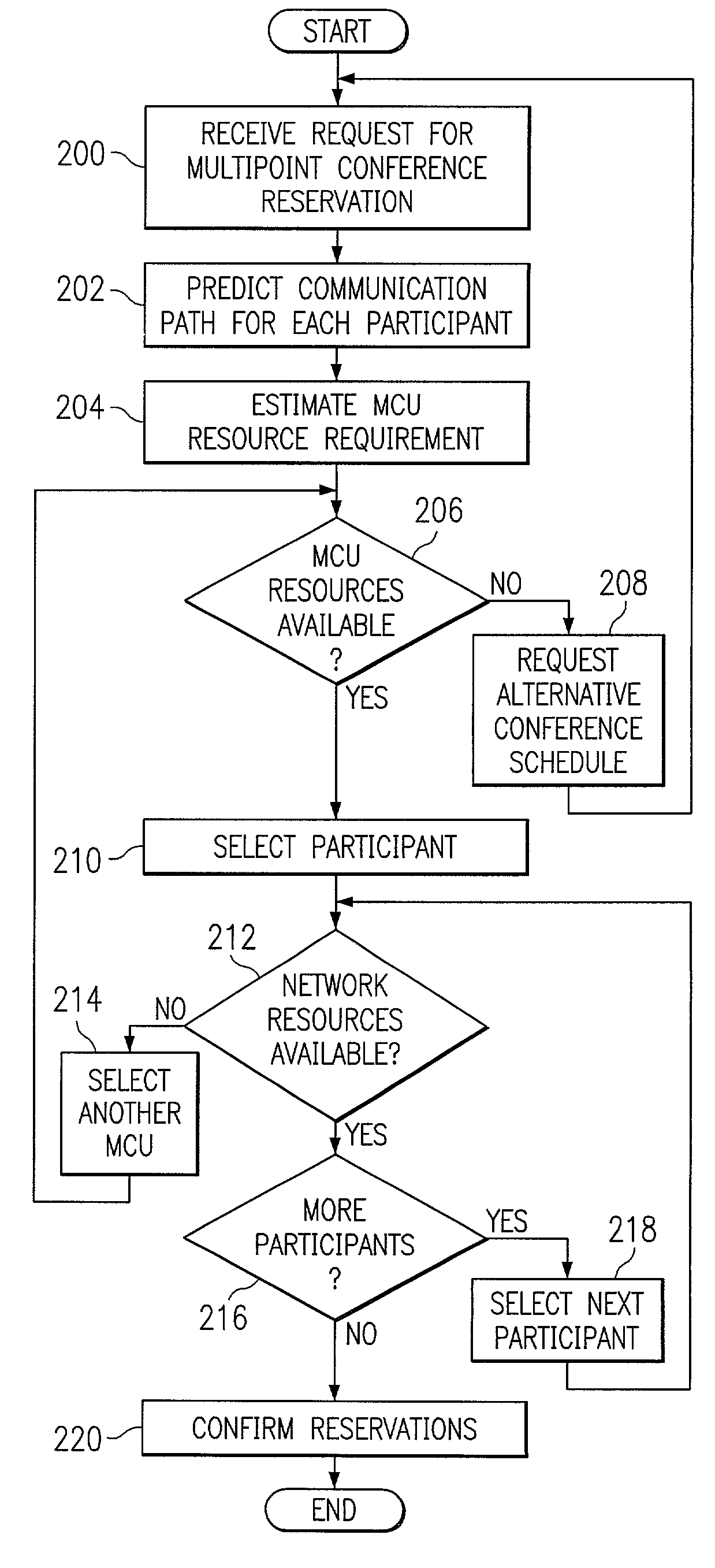
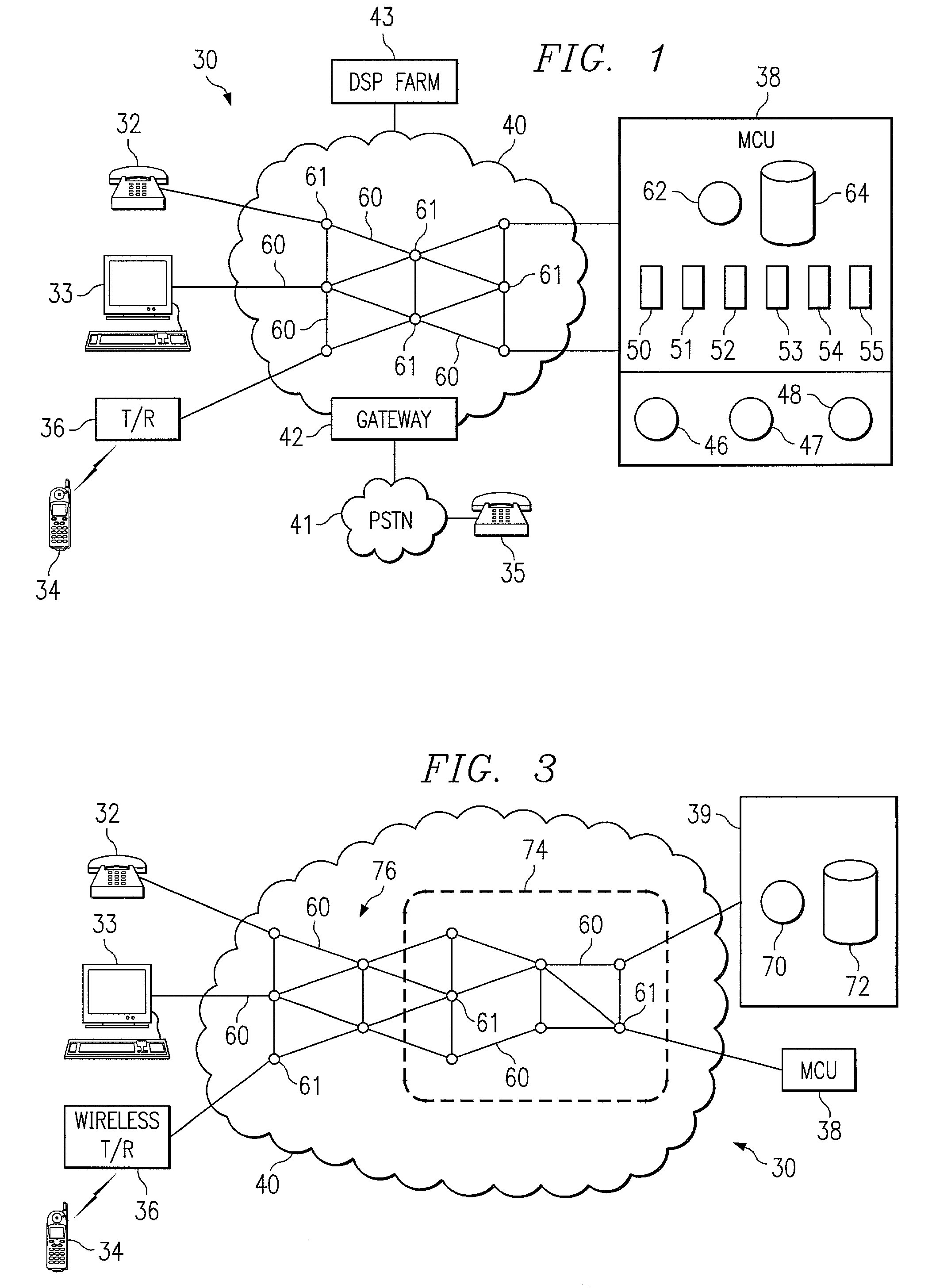
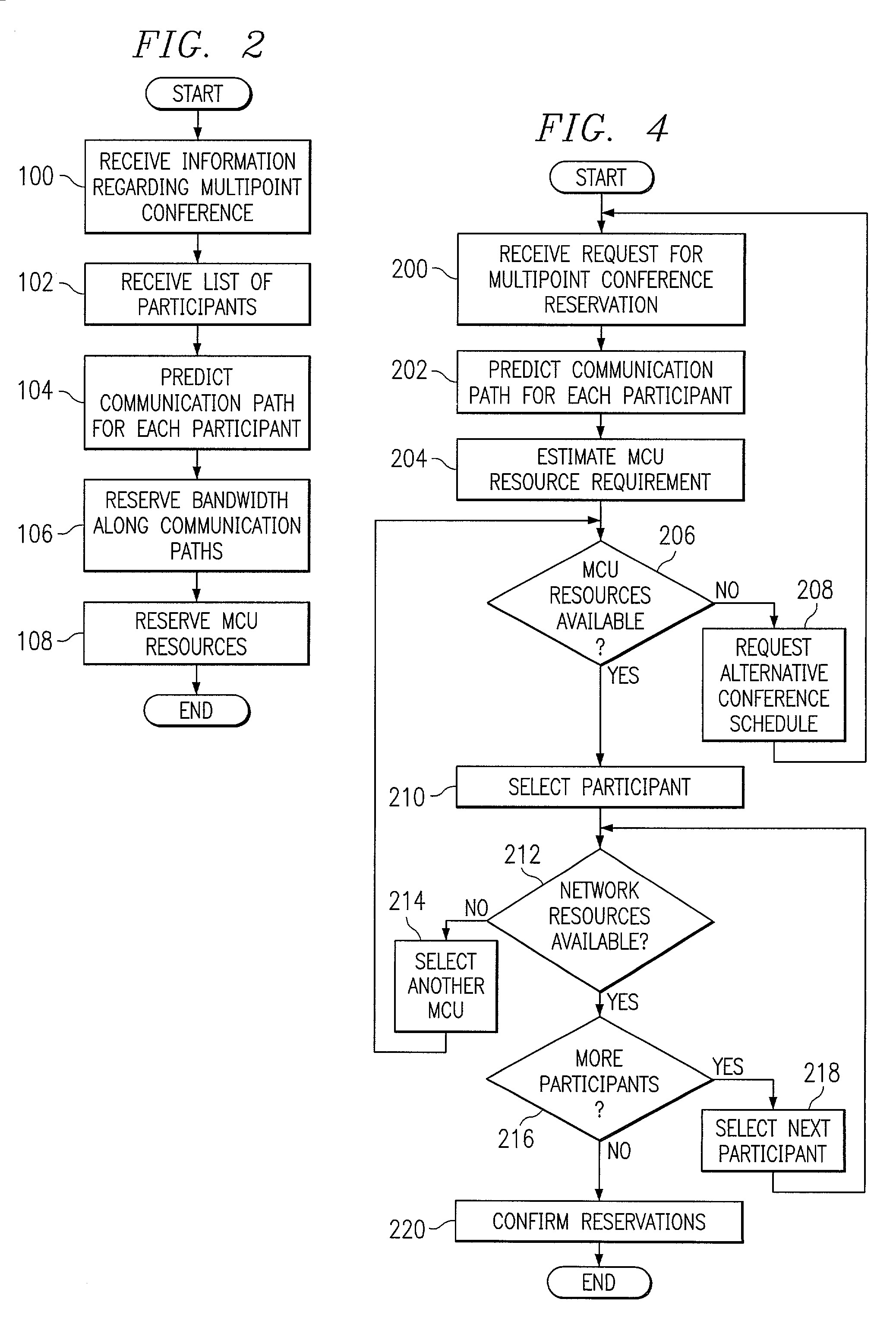
- A method for prioritized reservation of network and MCU resources involves estimating resource requirements, selecting suitable MCUs and communication paths, and reserving bandwidth and DSP resources in advance, with a policy server managing resource allocation and prioritization based on conference type and participant identity.

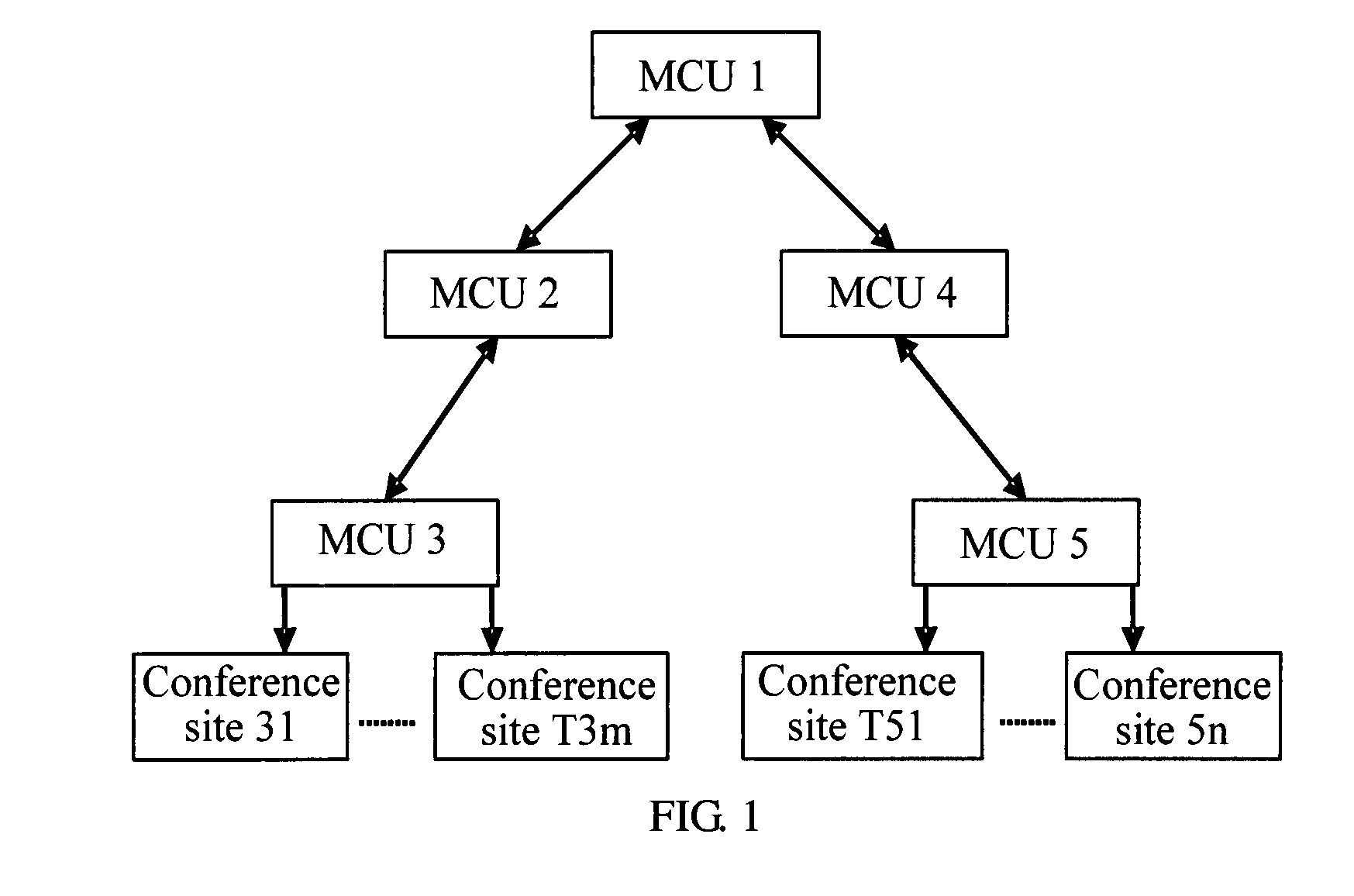
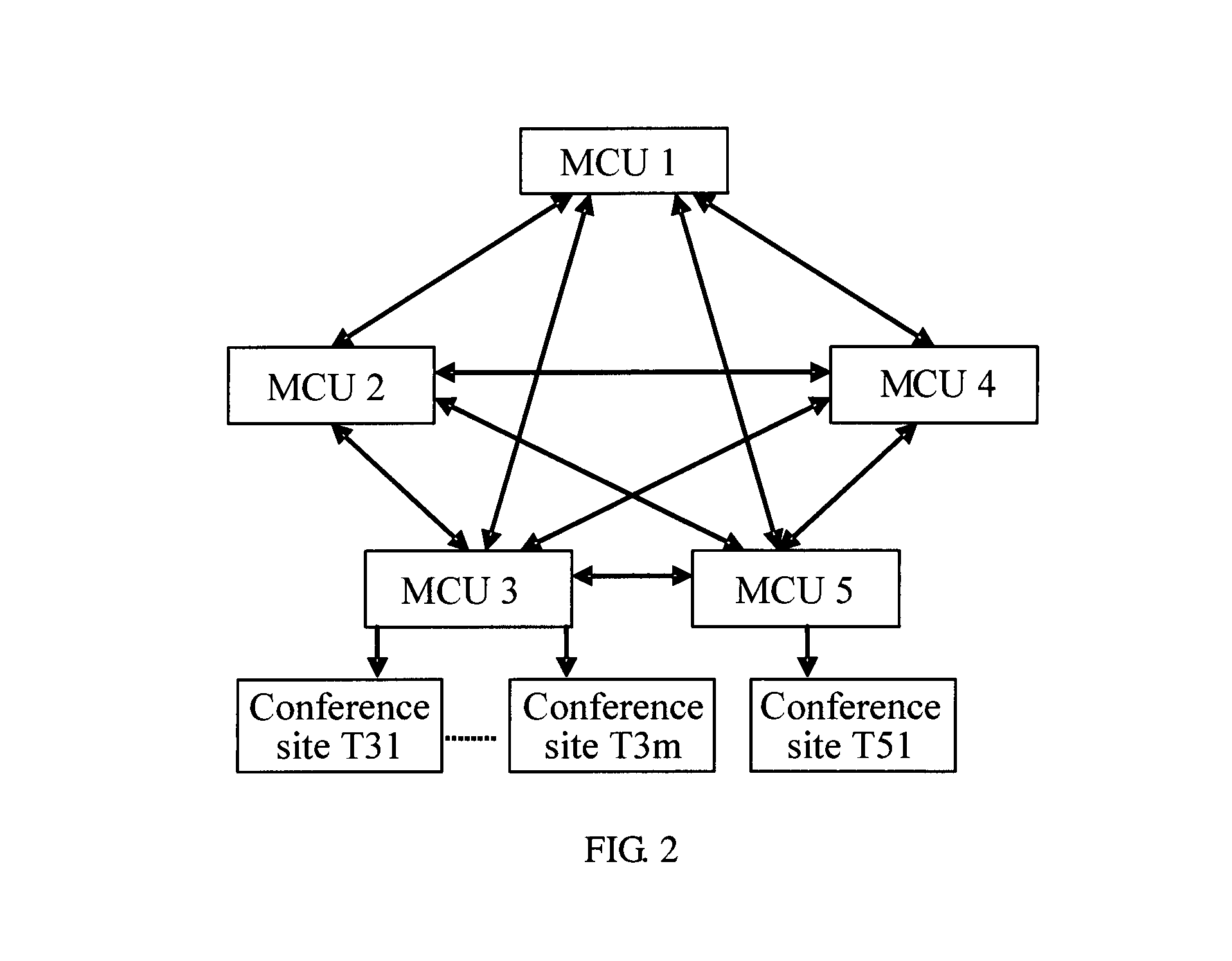
Multipoint control unit cascaded system, communications method and device
PatentActiveUS8576273B2
Innovation
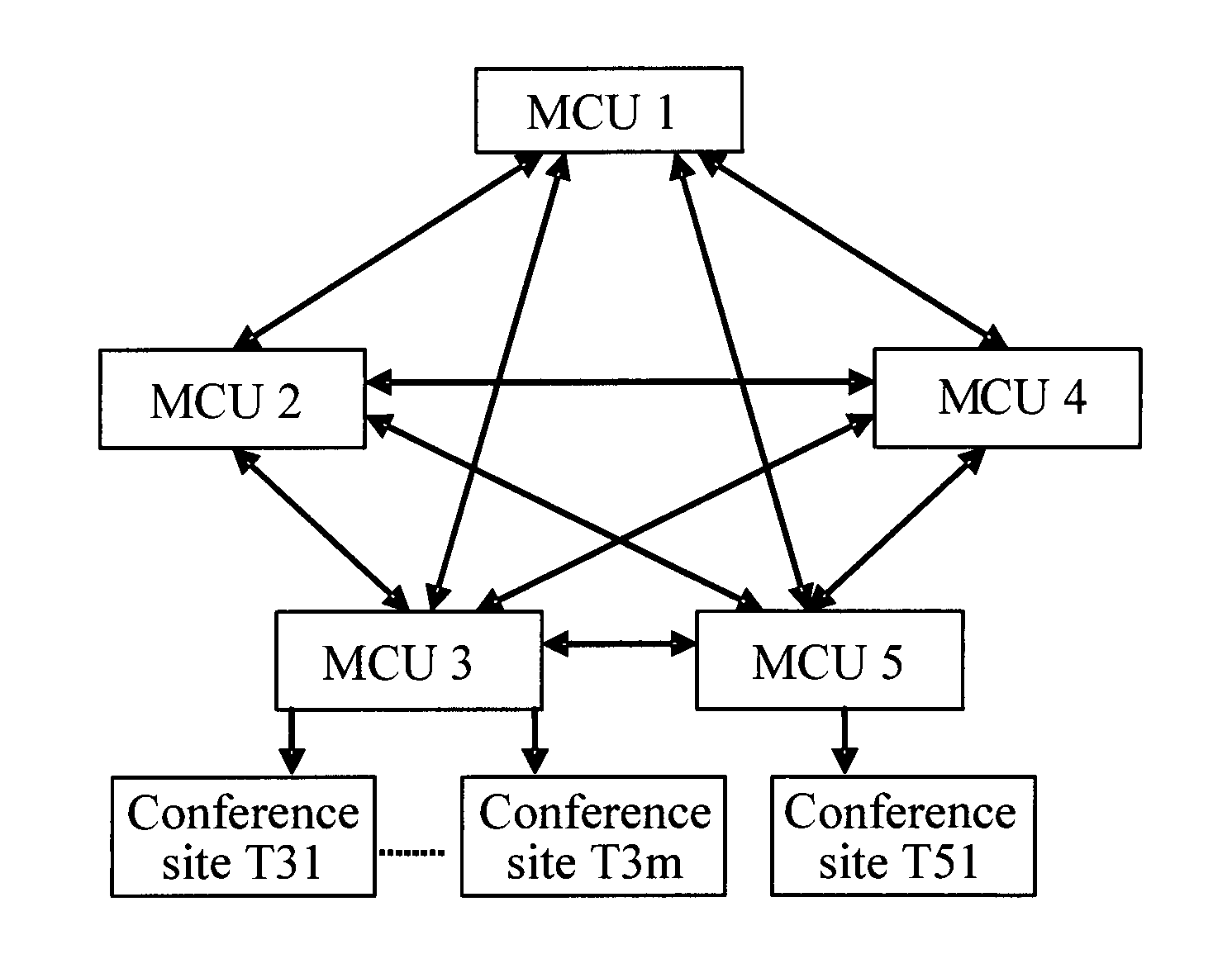
- Implementing a reticulated cascade structure in the MCU system, managed by a service management center, which schedules conferences, establishes link list information, synchronizes conference site data, and selects optimal paths for video and audio data transmission, reducing the number of MCUs in the transmission path.

Network Security Standards for MCU Systems
Network security standards for MCU systems represent a critical framework that governs the protection of multipoint control unit infrastructures against evolving cyber threats. These standards encompass comprehensive guidelines that address authentication protocols, encryption methodologies, access control mechanisms, and intrusion detection systems specifically tailored for MCU network environments. The implementation of robust security standards ensures that high-availability MCU networks maintain operational integrity while protecting sensitive communication data and system configurations.
Contemporary security standards for MCU systems primarily revolve around established frameworks such as ISO/IEC 27001, NIST Cybersecurity Framework, and industry-specific protocols like SIP-TLS for secure signaling. These standards mandate multi-layered security approaches that include network segmentation, certificate-based authentication, and real-time monitoring capabilities. The integration of these standards requires careful consideration of performance impacts, as MCU systems demand low-latency operations while maintaining stringent security postures.
Authentication and authorization mechanisms form the cornerstone of MCU security standards, requiring implementation of strong identity verification processes for both administrative access and endpoint connections. Modern standards emphasize the adoption of multi-factor authentication, role-based access controls, and centralized identity management systems that can scale across distributed MCU deployments. These protocols ensure that only authorized personnel and devices can access critical system functions and configuration parameters.
Encryption standards for MCU networks mandate end-to-end protection of media streams and control signaling through advanced cryptographic protocols. Current standards require support for AES-256 encryption for media content and TLS 1.3 for signaling traffic, with provisions for key management and rotation procedures. The implementation of these encryption standards must balance security requirements with the real-time processing demands inherent in multipoint communication systems.
Compliance monitoring and audit requirements within MCU security standards establish continuous assessment frameworks that validate adherence to security policies and detect potential vulnerabilities. These standards define logging requirements, incident response procedures, and regular security assessments that ensure ongoing protection against emerging threats while maintaining system availability and performance standards essential for mission-critical communication infrastructure.
Contemporary security standards for MCU systems primarily revolve around established frameworks such as ISO/IEC 27001, NIST Cybersecurity Framework, and industry-specific protocols like SIP-TLS for secure signaling. These standards mandate multi-layered security approaches that include network segmentation, certificate-based authentication, and real-time monitoring capabilities. The integration of these standards requires careful consideration of performance impacts, as MCU systems demand low-latency operations while maintaining stringent security postures.
Authentication and authorization mechanisms form the cornerstone of MCU security standards, requiring implementation of strong identity verification processes for both administrative access and endpoint connections. Modern standards emphasize the adoption of multi-factor authentication, role-based access controls, and centralized identity management systems that can scale across distributed MCU deployments. These protocols ensure that only authorized personnel and devices can access critical system functions and configuration parameters.
Encryption standards for MCU networks mandate end-to-end protection of media streams and control signaling through advanced cryptographic protocols. Current standards require support for AES-256 encryption for media content and TLS 1.3 for signaling traffic, with provisions for key management and rotation procedures. The implementation of these encryption standards must balance security requirements with the real-time processing demands inherent in multipoint communication systems.
Compliance monitoring and audit requirements within MCU security standards establish continuous assessment frameworks that validate adherence to security policies and detect potential vulnerabilities. These standards define logging requirements, incident response procedures, and regular security assessments that ensure ongoing protection against emerging threats while maintaining system availability and performance standards essential for mission-critical communication infrastructure.
Cost-Benefit Analysis of HA MCU Implementations
The economic evaluation of High-Availability Multipoint Control Unit implementations reveals a complex investment landscape where initial capital expenditure must be weighed against long-term operational benefits and risk mitigation. Organizations typically face deployment costs ranging from 150% to 300% of standard MCU implementations, primarily driven by redundant hardware requirements, specialized clustering software, and enhanced network infrastructure investments.
Capital expenditure analysis demonstrates that redundant MCU architectures require dual or multiple server deployments, load balancing equipment, and geographically distributed infrastructure to achieve true high availability. These upfront costs are further amplified by licensing fees for clustering software, backup systems, and monitoring tools essential for maintaining seamless failover capabilities.
Operational expenditure considerations encompass increased power consumption, cooling requirements, and specialized technical personnel capable of managing complex HA environments. Organizations must budget for 24/7 monitoring services, regular disaster recovery testing, and maintenance contracts for multiple system components, typically increasing annual operational costs by 40-60% compared to single-point MCU deployments.
The benefit realization framework centers on quantifying downtime avoidance value, which varies significantly across industry verticals. Financial services organizations may experience costs exceeding $100,000 per hour of video conferencing downtime during critical trading periods, while healthcare institutions face regulatory compliance penalties and patient care disruption costs that justify substantial HA investments.
Revenue protection analysis indicates that organizations heavily dependent on video collaboration for customer engagement, remote workforce productivity, and mission-critical communications typically achieve positive ROI within 18-24 months. The calculation incorporates avoided productivity losses, maintained customer satisfaction levels, and preserved business continuity during system failures.
Risk mitigation benefits extend beyond direct financial metrics to encompass reputation protection, regulatory compliance maintenance, and competitive advantage preservation. Organizations operating in highly regulated environments often find that HA MCU implementations become mandatory rather than optional investments, fundamentally altering the cost-benefit equation toward compliance-driven decision making rather than pure economic optimization.
Capital expenditure analysis demonstrates that redundant MCU architectures require dual or multiple server deployments, load balancing equipment, and geographically distributed infrastructure to achieve true high availability. These upfront costs are further amplified by licensing fees for clustering software, backup systems, and monitoring tools essential for maintaining seamless failover capabilities.
Operational expenditure considerations encompass increased power consumption, cooling requirements, and specialized technical personnel capable of managing complex HA environments. Organizations must budget for 24/7 monitoring services, regular disaster recovery testing, and maintenance contracts for multiple system components, typically increasing annual operational costs by 40-60% compared to single-point MCU deployments.
The benefit realization framework centers on quantifying downtime avoidance value, which varies significantly across industry verticals. Financial services organizations may experience costs exceeding $100,000 per hour of video conferencing downtime during critical trading periods, while healthcare institutions face regulatory compliance penalties and patient care disruption costs that justify substantial HA investments.
Revenue protection analysis indicates that organizations heavily dependent on video collaboration for customer engagement, remote workforce productivity, and mission-critical communications typically achieve positive ROI within 18-24 months. The calculation incorporates avoided productivity losses, maintained customer satisfaction levels, and preserved business continuity during system failures.
Risk mitigation benefits extend beyond direct financial metrics to encompass reputation protection, regulatory compliance maintenance, and competitive advantage preservation. Organizations operating in highly regulated environments often find that HA MCU implementations become mandatory rather than optional investments, fundamentally altering the cost-benefit equation toward compliance-driven decision making rather than pure economic optimization.
Unlock deeper insights with PatSnap Eureka Quick Research — get a full tech report to explore trends and direct your research. Try now!
Generate Your Research Report Instantly with AI Agent
Supercharge your innovation with PatSnap Eureka AI Agent Platform!