

Utilize Multipoint Control Unit in Disaster Recovery Communications
MAR 17, 20269 MIN READ
Generate Your Research Report Instantly with AI Agent
PatSnap Eureka helps you evaluate technical feasibility & market potential.
MCU Disaster Recovery Background and Objectives
Multipoint Control Units have emerged as critical infrastructure components in modern communication systems, originally designed to facilitate multi-party video conferencing and collaborative communications. The evolution of MCU technology spans over three decades, beginning with basic audio bridging capabilities in the 1990s and advancing to sophisticated multimedia processing platforms capable of handling high-definition video, audio, and data streams simultaneously.
The historical development of MCU technology reflects the broader transformation of communication paradigms from circuit-switched networks to packet-based IP communications. Early MCU implementations were hardware-centric, requiring dedicated physical infrastructure with limited scalability. The transition to software-defined MCU architectures has enabled greater flexibility, cost-effectiveness, and integration capabilities with existing network infrastructure.
In the context of disaster recovery communications, MCU technology has gained unprecedented significance due to increasing frequency and severity of natural disasters, cyber attacks, and infrastructure failures. Traditional communication systems often suffer from single points of failure, making them vulnerable during crisis situations when reliable communication is most critical.
The primary objective of utilizing MCU in disaster recovery communications is to establish resilient, multi-path communication networks that can maintain operational continuity even when primary communication infrastructure is compromised. This involves creating redundant communication channels that can automatically reroute traffic through alternative pathways, ensuring uninterrupted connectivity for emergency response teams, government agencies, and affected populations.
Key technical objectives include implementing adaptive bandwidth management to optimize communication quality under constrained network conditions, developing intelligent failover mechanisms that can seamlessly transition between different communication modes, and establishing interoperability protocols that enable diverse communication systems to work cohesively during emergency situations.
The strategic goal encompasses building comprehensive disaster recovery communication frameworks that can scale dynamically based on crisis severity and geographic scope. This includes integrating satellite communications, cellular networks, and internet-based protocols into unified communication platforms managed through distributed MCU architectures.
Furthermore, the technology aims to support real-time coordination capabilities for emergency response operations, enabling simultaneous multi-party communications across different organizational hierarchies and geographic locations while maintaining security and reliability standards essential for critical communications infrastructure.
The historical development of MCU technology reflects the broader transformation of communication paradigms from circuit-switched networks to packet-based IP communications. Early MCU implementations were hardware-centric, requiring dedicated physical infrastructure with limited scalability. The transition to software-defined MCU architectures has enabled greater flexibility, cost-effectiveness, and integration capabilities with existing network infrastructure.
In the context of disaster recovery communications, MCU technology has gained unprecedented significance due to increasing frequency and severity of natural disasters, cyber attacks, and infrastructure failures. Traditional communication systems often suffer from single points of failure, making them vulnerable during crisis situations when reliable communication is most critical.
The primary objective of utilizing MCU in disaster recovery communications is to establish resilient, multi-path communication networks that can maintain operational continuity even when primary communication infrastructure is compromised. This involves creating redundant communication channels that can automatically reroute traffic through alternative pathways, ensuring uninterrupted connectivity for emergency response teams, government agencies, and affected populations.
Key technical objectives include implementing adaptive bandwidth management to optimize communication quality under constrained network conditions, developing intelligent failover mechanisms that can seamlessly transition between different communication modes, and establishing interoperability protocols that enable diverse communication systems to work cohesively during emergency situations.
The strategic goal encompasses building comprehensive disaster recovery communication frameworks that can scale dynamically based on crisis severity and geographic scope. This includes integrating satellite communications, cellular networks, and internet-based protocols into unified communication platforms managed through distributed MCU architectures.
Furthermore, the technology aims to support real-time coordination capabilities for emergency response operations, enabling simultaneous multi-party communications across different organizational hierarchies and geographic locations while maintaining security and reliability standards essential for critical communications infrastructure.
Emergency Communication Market Demand Analysis
The global emergency communication market has experienced unprecedented growth driven by increasing frequency and severity of natural disasters, technological infrastructure vulnerabilities, and heightened awareness of business continuity requirements. Climate change has intensified weather-related disasters, creating substantial demand for robust communication systems that can maintain operational integrity during catastrophic events.
Government agencies represent the largest demand segment, requiring comprehensive disaster recovery communication solutions to coordinate emergency response activities across multiple jurisdictions. These organizations need systems capable of supporting simultaneous multi-party communications between emergency operations centers, field response teams, and coordination agencies. The complexity of modern disaster response necessitates advanced multipoint communication capabilities that traditional point-to-point systems cannot adequately address.
Enterprise markets demonstrate growing recognition of communication system resilience as a critical business continuity component. Organizations across healthcare, financial services, manufacturing, and telecommunications sectors increasingly prioritize disaster recovery communication investments. Healthcare systems particularly require reliable multipoint communication during emergencies to coordinate patient transfers, resource allocation, and medical personnel deployment across multiple facilities.
Critical infrastructure operators, including utilities, transportation networks, and telecommunications providers, represent high-value market segments with specific multipoint communication requirements. These organizations must maintain operational coordination across geographically distributed assets during disaster scenarios, creating demand for sophisticated MCU-based solutions that can adapt to varying network conditions and infrastructure damage.
The market exhibits strong growth potential in developing regions where infrastructure modernization coincides with increased disaster preparedness investments. Emerging economies are implementing comprehensive disaster management frameworks that emphasize communication system redundancy and multi-agency coordination capabilities.
Technological convergence trends are expanding market opportunities as organizations seek integrated solutions combining voice, video, and data communications within unified disaster recovery frameworks. This convergence creates demand for advanced MCU systems capable of managing diverse communication protocols and media types simultaneously across multiple endpoints during emergency scenarios.
Government agencies represent the largest demand segment, requiring comprehensive disaster recovery communication solutions to coordinate emergency response activities across multiple jurisdictions. These organizations need systems capable of supporting simultaneous multi-party communications between emergency operations centers, field response teams, and coordination agencies. The complexity of modern disaster response necessitates advanced multipoint communication capabilities that traditional point-to-point systems cannot adequately address.
Enterprise markets demonstrate growing recognition of communication system resilience as a critical business continuity component. Organizations across healthcare, financial services, manufacturing, and telecommunications sectors increasingly prioritize disaster recovery communication investments. Healthcare systems particularly require reliable multipoint communication during emergencies to coordinate patient transfers, resource allocation, and medical personnel deployment across multiple facilities.
Critical infrastructure operators, including utilities, transportation networks, and telecommunications providers, represent high-value market segments with specific multipoint communication requirements. These organizations must maintain operational coordination across geographically distributed assets during disaster scenarios, creating demand for sophisticated MCU-based solutions that can adapt to varying network conditions and infrastructure damage.
The market exhibits strong growth potential in developing regions where infrastructure modernization coincides with increased disaster preparedness investments. Emerging economies are implementing comprehensive disaster management frameworks that emphasize communication system redundancy and multi-agency coordination capabilities.
Technological convergence trends are expanding market opportunities as organizations seek integrated solutions combining voice, video, and data communications within unified disaster recovery frameworks. This convergence creates demand for advanced MCU systems capable of managing diverse communication protocols and media types simultaneously across multiple endpoints during emergency scenarios.
Current MCU Technology Status and Challenges
Current MCU technology in disaster recovery communications has evolved significantly from traditional hardware-based systems to sophisticated software-defined platforms. Modern MCUs leverage cloud computing, virtualization, and distributed architectures to provide enhanced scalability and resilience. Leading solutions incorporate advanced codecs supporting multiple video standards including H.264, H.265, and AV1, while maintaining backward compatibility with legacy systems commonly found in emergency response infrastructures.
The deployment landscape reveals a hybrid approach where organizations combine on-premises MCUs with cloud-based services to ensure redundancy. Hardware MCUs remain prevalent in critical infrastructure due to their perceived reliability and lower latency, while software-based solutions gain traction for their flexibility and cost-effectiveness. Geographic distribution shows concentrated adoption in developed regions, with emerging markets increasingly adopting cloud-first approaches due to infrastructure limitations.
Interoperability challenges persist as a major constraint, particularly when integrating diverse communication systems used by different emergency response agencies. Protocol fragmentation between SIP, H.323, and proprietary standards creates compatibility barriers that hinder seamless multi-agency coordination during disasters. Legacy system integration remains problematic, as many emergency services operate outdated equipment that lacks modern communication protocols.
Bandwidth limitations pose significant operational challenges in disaster scenarios where network infrastructure may be compromised or overloaded. Current MCUs struggle with dynamic bandwidth allocation and quality adaptation when operating over satellite links, cellular networks, or damaged terrestrial connections. Latency issues become critical in time-sensitive emergency communications, where delays can impact life-saving decisions.
Security vulnerabilities represent growing concerns as MCUs become targets for cyberattacks during crisis situations. Many existing systems lack robust encryption, authentication mechanisms, and secure key management protocols. The transition from closed proprietary systems to IP-based networks exposes MCUs to broader security threats, requiring comprehensive cybersecurity frameworks that many current implementations lack.
Scalability constraints limit the effectiveness of traditional MCU architectures when handling surge capacity during large-scale disasters. Fixed-capacity hardware systems cannot dynamically expand to accommodate increased communication demands, while cloud-based solutions face challenges with rapid provisioning and resource allocation during peak emergency periods.
Power consumption and environmental resilience remain critical challenges for MCU deployment in disaster-prone areas. Current systems often lack adequate power management features and environmental hardening necessary for operation in extreme conditions, limiting their effectiveness when primary infrastructure fails.
The deployment landscape reveals a hybrid approach where organizations combine on-premises MCUs with cloud-based services to ensure redundancy. Hardware MCUs remain prevalent in critical infrastructure due to their perceived reliability and lower latency, while software-based solutions gain traction for their flexibility and cost-effectiveness. Geographic distribution shows concentrated adoption in developed regions, with emerging markets increasingly adopting cloud-first approaches due to infrastructure limitations.
Interoperability challenges persist as a major constraint, particularly when integrating diverse communication systems used by different emergency response agencies. Protocol fragmentation between SIP, H.323, and proprietary standards creates compatibility barriers that hinder seamless multi-agency coordination during disasters. Legacy system integration remains problematic, as many emergency services operate outdated equipment that lacks modern communication protocols.
Bandwidth limitations pose significant operational challenges in disaster scenarios where network infrastructure may be compromised or overloaded. Current MCUs struggle with dynamic bandwidth allocation and quality adaptation when operating over satellite links, cellular networks, or damaged terrestrial connections. Latency issues become critical in time-sensitive emergency communications, where delays can impact life-saving decisions.
Security vulnerabilities represent growing concerns as MCUs become targets for cyberattacks during crisis situations. Many existing systems lack robust encryption, authentication mechanisms, and secure key management protocols. The transition from closed proprietary systems to IP-based networks exposes MCUs to broader security threats, requiring comprehensive cybersecurity frameworks that many current implementations lack.
Scalability constraints limit the effectiveness of traditional MCU architectures when handling surge capacity during large-scale disasters. Fixed-capacity hardware systems cannot dynamically expand to accommodate increased communication demands, while cloud-based solutions face challenges with rapid provisioning and resource allocation during peak emergency periods.
Power consumption and environmental resilience remain critical challenges for MCU deployment in disaster-prone areas. Current systems often lack adequate power management features and environmental hardening necessary for operation in extreme conditions, limiting their effectiveness when primary infrastructure fails.
Existing MCU-based Emergency Communication Solutions
01 MCU architecture for multipoint video conferencing systems
Multipoint Control Units designed with specific architectures to manage multiple video conference endpoints simultaneously. These systems handle the routing, mixing, and distribution of audio and video streams among multiple participants in a conference. The architecture typically includes components for stream processing, bandwidth management, and quality control to ensure efficient multipoint communication.- MCU architecture for multipoint video conferencing systems: Multipoint Control Units designed with specific architectures to handle multiple video conference endpoints simultaneously. These systems manage the distribution of audio and video streams among multiple participants, enabling efficient multipoint communication. The architecture includes components for stream processing, mixing, and routing to support various conference modes and layouts.
- Bandwidth management and optimization in MCU: Technologies for managing and optimizing bandwidth utilization in multipoint conferencing environments. These solutions involve adaptive bitrate control, dynamic resource allocation, and intelligent stream management to ensure quality of service across multiple connections. The systems can adjust transmission parameters based on network conditions and participant requirements to maintain optimal performance.
- Scalable MCU with distributed processing capabilities: Scalable multipoint control architectures that utilize distributed processing to handle large numbers of conference participants. These systems employ load balancing, cascading techniques, and modular designs to expand capacity. The distributed approach allows for flexible deployment and improved fault tolerance while maintaining synchronization across multiple processing nodes.
- Security and encryption mechanisms for MCU: Security features integrated into multipoint control units to protect conference communications. These include encryption protocols, authentication mechanisms, and secure key exchange methods to ensure confidentiality and integrity of multipoint sessions. The implementations address both signaling and media stream protection while maintaining interoperability with various endpoints.
- Transcoding and media processing in MCU: Media processing capabilities within multipoint control units for handling heterogeneous endpoints with different codec support. These systems perform real-time transcoding, resolution adaptation, and format conversion to enable interoperability between participants using different devices and protocols. The processing includes audio mixing, video composition, and layout management for enhanced user experience.
02 Media processing and transcoding in MCU
Technologies for processing and transcoding media streams within the MCU to support different codecs, resolutions, and bandwidth requirements of various endpoints. The MCU performs real-time conversion and optimization of audio and video data to ensure compatibility across heterogeneous devices and network conditions. This includes adaptive bitrate control and format conversion capabilities.Expand Specific Solutions03 Distributed and scalable MCU systems
Implementations of distributed MCU architectures that allow for scalability and load balancing across multiple processing units or servers. These systems can dynamically allocate resources based on conference size and complexity, enabling support for large-scale multipoint conferences. The distributed approach improves reliability and performance through redundancy and parallel processing.Expand Specific Solutions04 Control and signaling protocols for MCU
Methods and protocols for controlling MCU operations and managing signaling between the MCU and conference endpoints. This includes session establishment, participant management, floor control, and conference state synchronization. The protocols enable coordination of multipoint sessions and support features like participant addition/removal and layout control.Expand Specific Solutions05 Quality of service and resource management in MCU
Techniques for managing quality of service and optimizing resource allocation within the MCU environment. This includes bandwidth allocation strategies, priority management for different media types, error correction mechanisms, and adaptive quality adjustment based on network conditions. The systems monitor and maintain conference quality while efficiently utilizing available resources.Expand Specific Solutions
Major MCU and Disaster Recovery Solution Providers
The disaster recovery communications market utilizing Multipoint Control Units represents a mature yet evolving sector driven by increasing demand for resilient communication infrastructure. The industry has progressed from early development to widespread deployment, with market growth accelerated by recent global disruptions highlighting critical communication needs. Major telecommunications infrastructure providers like Huawei Technologies, Ericsson, and Qualcomm lead technology development, while network equipment specialists including Cisco Technology and Nokia Technologies drive standardization efforts. Asian conglomerates such as Samsung Electronics, Sony Group, and NEC Corp contribute advanced hardware solutions and integration capabilities. The technology demonstrates high maturity levels through established players like NTT and ZTE Corp, who have deployed comprehensive disaster recovery systems globally. Regional power grid operators including State Grid Corp. of China and State Grid Ningxia Electric Power Company represent specialized implementation expertise in critical infrastructure protection, indicating strong market adoption across essential services sectors.
Huawei Technologies Co., Ltd.
Technical Solution: Huawei's MCU solution for disaster recovery leverages their CloudLink platform with distributed architecture design. The system provides intelligent load balancing across multiple MCU nodes, ensuring continuous service availability during network disruptions. Their technology supports up to 2000 concurrent video sessions with adaptive bitrate streaming and automatic quality adjustment based on network conditions. The MCU incorporates AI-powered resource allocation algorithms that optimize bandwidth usage during peak emergency communications. Huawei's solution features geographic redundancy with real-time data synchronization between primary and backup MCU clusters, enabling rapid recovery from system failures.
Strengths: Advanced AI optimization algorithms, cost-effective deployment options, strong performance in bandwidth-constrained environments. Weaknesses: Limited market acceptance in certain regions due to security concerns, dependency on proprietary protocols.
Telefonaktiebolaget LM Ericsson
Technical Solution: Ericsson's MCU technology focuses on carrier-grade reliability for disaster recovery scenarios through their IMS (IP Multimedia Subsystem) platform. The solution provides centralized conference control with distributed media processing capabilities, supporting seamless failover mechanisms across geographically dispersed data centers. Their MCU architecture handles up to 500 simultaneous multi-party sessions with advanced echo cancellation and noise reduction algorithms optimized for emergency communications. The system integrates with 5G network slicing technology to guarantee priority access for disaster response teams. Ericsson's solution includes automated disaster detection triggers that can instantly scale MCU resources and establish emergency communication bridges.
Strengths: Carrier-grade reliability standards, excellent 5G network integration, automated disaster response capabilities. Weaknesses: Higher complexity for enterprise deployments, requires specialized technical expertise for maintenance.
Core MCU Technologies for Disaster Recovery Systems
Multi-point connection device, signal analysis and device, method, and program
PatentActiveUS20100198990A1
Innovation
- A multipoint control unit comprising signal receiving units, analysis information mixing units, and output signal generation units that analyze and mix signals and analysis information to control input signals for each component element based on specific sound sources, allowing for tailored noise suppression and improved sound quality.


Multipoint control unit cascaded system, communications method and device
PatentActiveUS8576273B2
Innovation
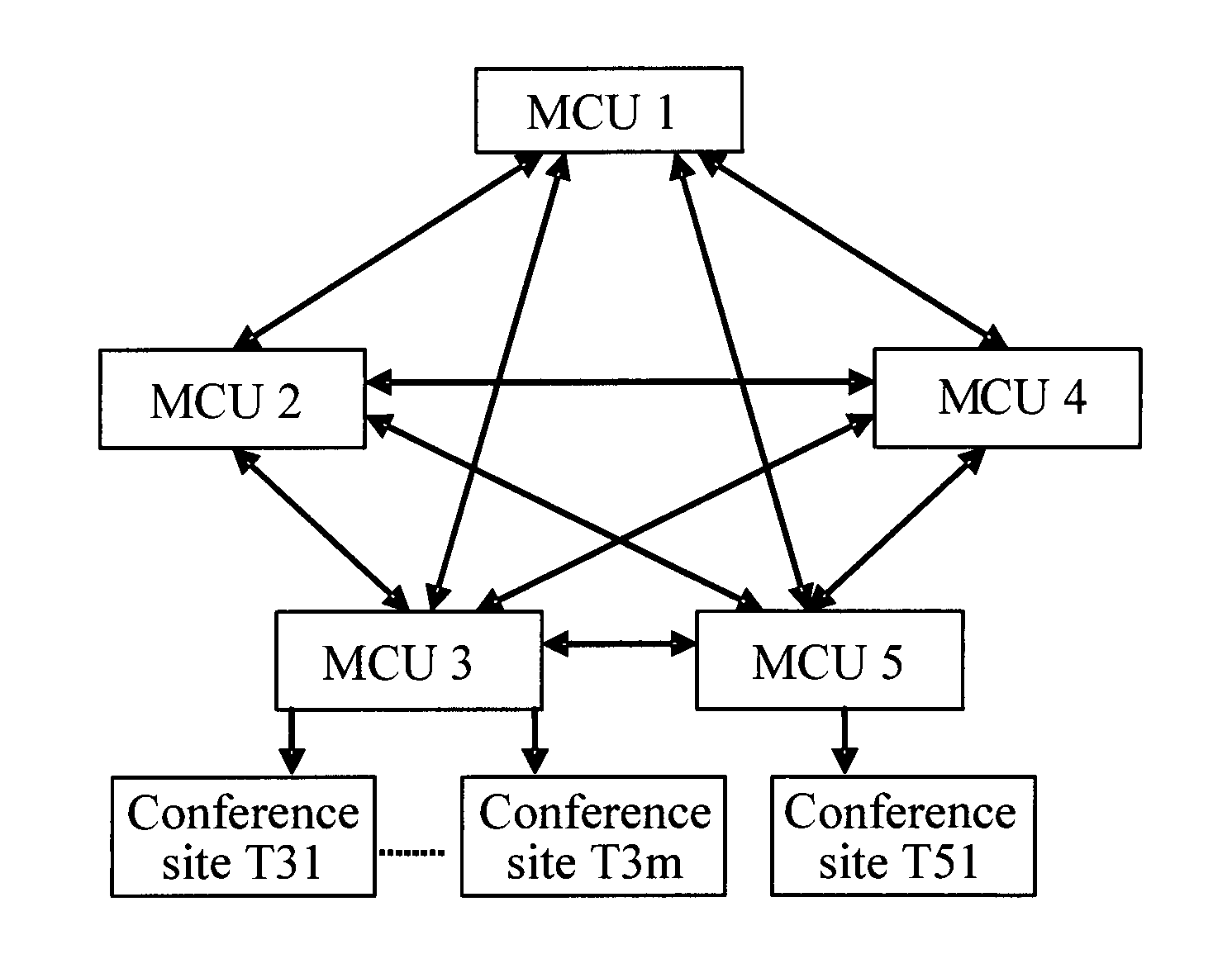
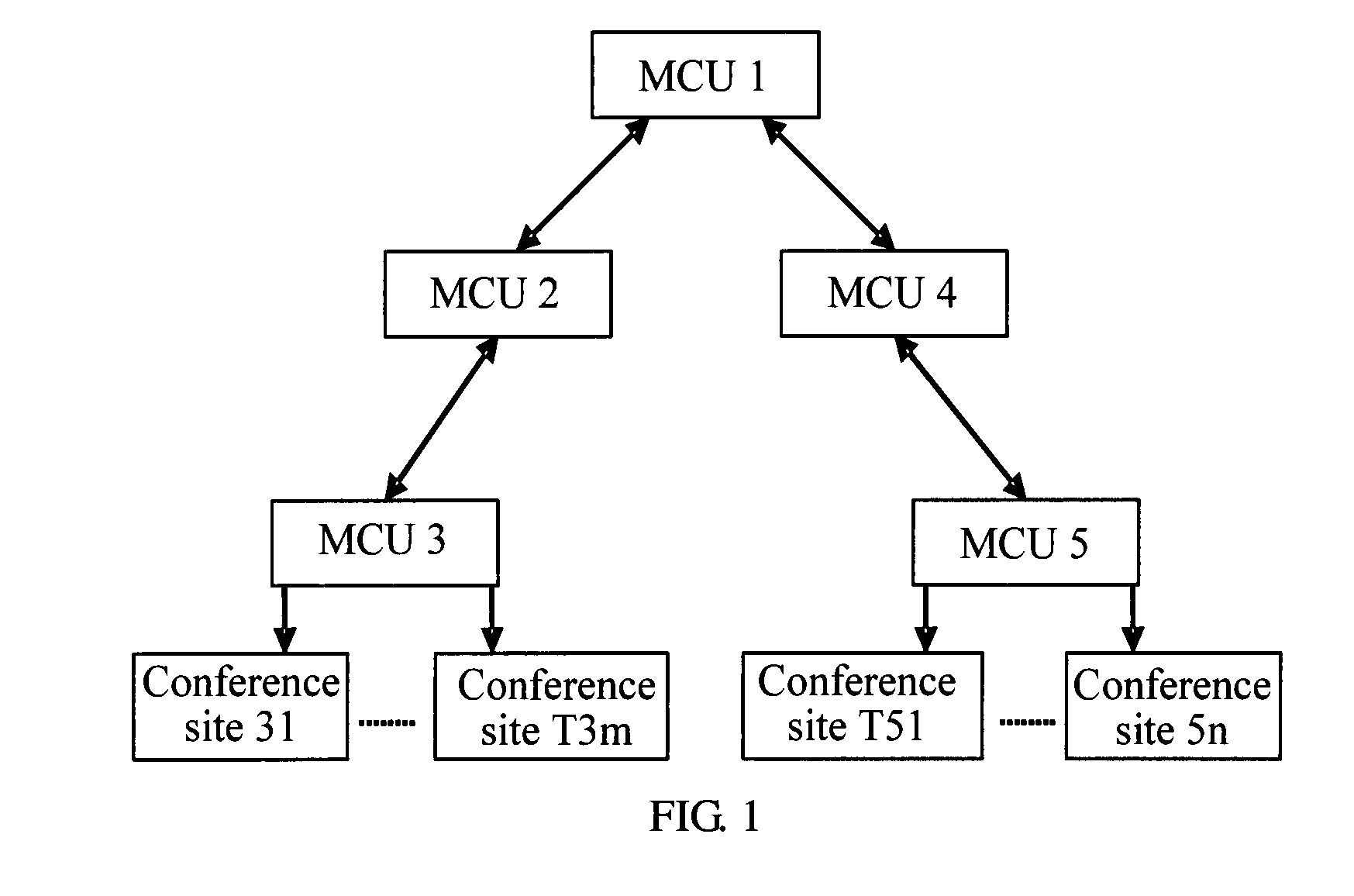
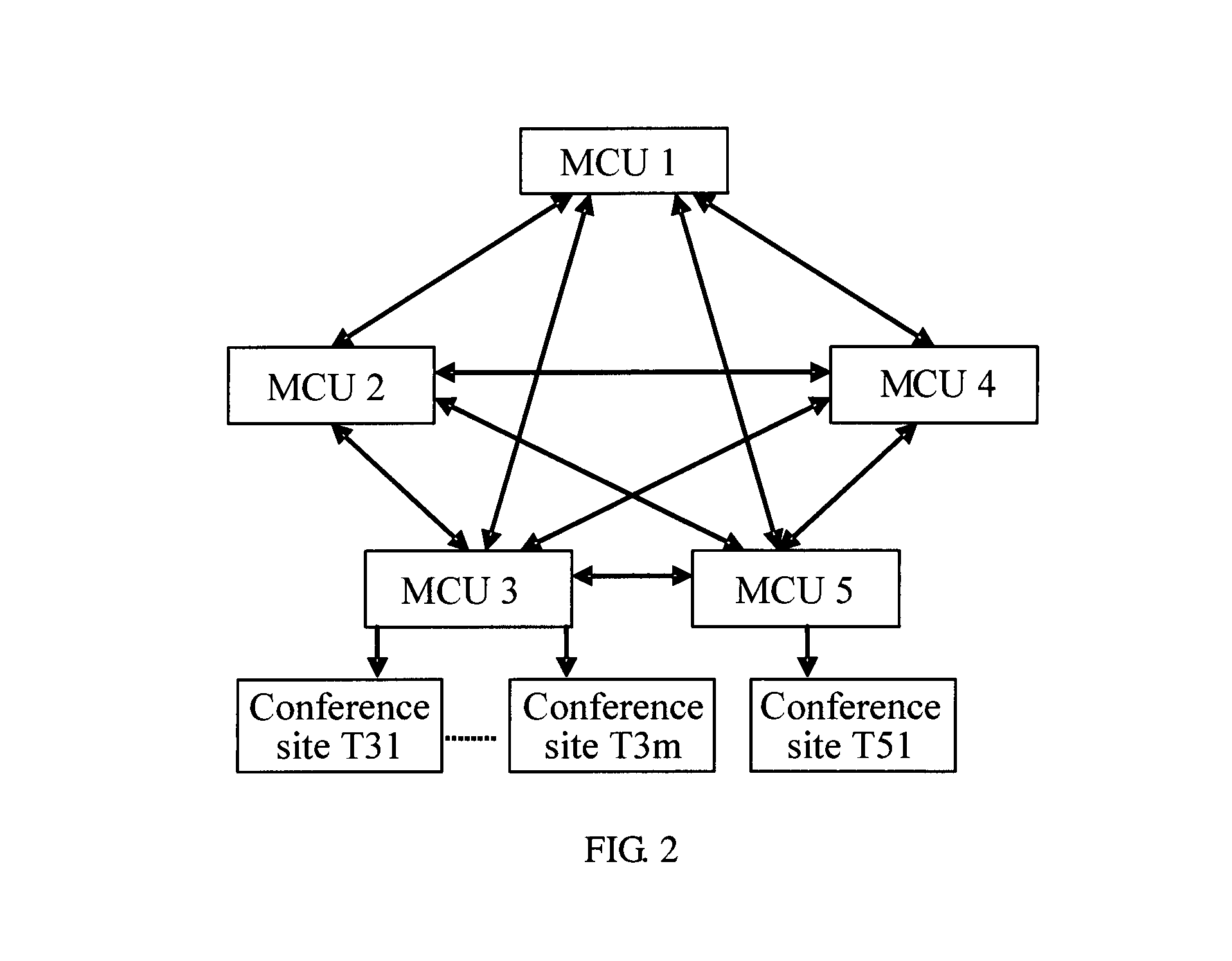
- Implementing a reticulated cascade structure in the MCU system, managed by a service management center, which schedules conferences, establishes link list information, synchronizes conference site data, and selects optimal paths for video and audio data transmission, reducing the number of MCUs in the transmission path.

Emergency Communication Regulatory Framework
The regulatory landscape governing emergency communications during disaster recovery operations presents a complex framework that directly impacts the deployment and utilization of Multipoint Control Unit (MCU) systems. International telecommunications regulations, primarily established by the International Telecommunication Union (ITU), provide foundational guidelines for emergency communication protocols, spectrum allocation, and cross-border coordination mechanisms that are essential for MCU-based disaster recovery networks.
National regulatory authorities maintain jurisdiction over domestic emergency communication standards, creating a patchwork of compliance requirements that MCU operators must navigate. In the United States, the Federal Communications Commission (FCC) establishes Part 90 regulations governing public safety communications, while the Department of Homeland Security coordinates interoperability standards through the SAFECOM program. These regulations directly influence MCU configuration parameters, encryption requirements, and priority access protocols during emergency operations.
Spectrum management regulations pose significant challenges for MCU deployment in disaster scenarios. Emergency communication systems must operate within designated frequency bands while avoiding interference with existing services. The concept of dynamic spectrum access and cognitive radio technologies is increasingly recognized in regulatory frameworks, enabling MCU systems to adaptively utilize available spectrum during crisis situations when traditional communication infrastructure fails.
Interoperability mandates represent a critical regulatory component affecting MCU implementation. The Project 25 (P25) standards in North America and the Terrestrial Trunked Radio (TETRA) standards in Europe establish technical specifications that MCU systems must support to ensure seamless integration with existing emergency response networks. These standards dictate audio codecs, encryption protocols, and network management procedures that directly impact MCU design and functionality.
Cross-jurisdictional coordination regulations become particularly relevant during large-scale disasters that span multiple administrative boundaries. The Emergency Communications Cybersecurity Center (EC3) guidelines and similar international frameworks establish protocols for information sharing, resource allocation, and command structure integration that MCU systems must accommodate through appropriate software interfaces and data management capabilities.
Privacy and data protection regulations, including GDPR in Europe and various state-level privacy laws, impose additional constraints on MCU operations. These regulations govern the collection, processing, and storage of communication data during emergency operations, requiring MCU systems to implement appropriate data handling procedures, audit trails, and user consent mechanisms even in crisis situations where rapid response is paramount.
National regulatory authorities maintain jurisdiction over domestic emergency communication standards, creating a patchwork of compliance requirements that MCU operators must navigate. In the United States, the Federal Communications Commission (FCC) establishes Part 90 regulations governing public safety communications, while the Department of Homeland Security coordinates interoperability standards through the SAFECOM program. These regulations directly influence MCU configuration parameters, encryption requirements, and priority access protocols during emergency operations.
Spectrum management regulations pose significant challenges for MCU deployment in disaster scenarios. Emergency communication systems must operate within designated frequency bands while avoiding interference with existing services. The concept of dynamic spectrum access and cognitive radio technologies is increasingly recognized in regulatory frameworks, enabling MCU systems to adaptively utilize available spectrum during crisis situations when traditional communication infrastructure fails.
Interoperability mandates represent a critical regulatory component affecting MCU implementation. The Project 25 (P25) standards in North America and the Terrestrial Trunked Radio (TETRA) standards in Europe establish technical specifications that MCU systems must support to ensure seamless integration with existing emergency response networks. These standards dictate audio codecs, encryption protocols, and network management procedures that directly impact MCU design and functionality.
Cross-jurisdictional coordination regulations become particularly relevant during large-scale disasters that span multiple administrative boundaries. The Emergency Communications Cybersecurity Center (EC3) guidelines and similar international frameworks establish protocols for information sharing, resource allocation, and command structure integration that MCU systems must accommodate through appropriate software interfaces and data management capabilities.
Privacy and data protection regulations, including GDPR in Europe and various state-level privacy laws, impose additional constraints on MCU operations. These regulations govern the collection, processing, and storage of communication data during emergency operations, requiring MCU systems to implement appropriate data handling procedures, audit trails, and user consent mechanisms even in crisis situations where rapid response is paramount.
MCU System Resilience and Reliability Standards
MCU systems deployed in disaster recovery communications must adhere to stringent resilience and reliability standards to ensure continuous operation during critical emergency scenarios. These standards encompass multiple layers of system architecture, from hardware redundancy to software fault tolerance mechanisms. The primary framework governing MCU resilience includes the ITU-T H.323 and SIP protocol standards, which define baseline requirements for multimedia communication system reliability. Additionally, NIST Special Publication 800-34 provides comprehensive guidelines for contingency planning and disaster recovery communications infrastructure.
Hardware resilience standards mandate dual-redundant power supplies, hot-swappable components, and geographically distributed server clusters to prevent single points of failure. MCU systems must demonstrate 99.99% uptime availability, translating to less than 52 minutes of downtime annually. This requirement necessitates implementation of automatic failover mechanisms with recovery times under 30 seconds. Memory and storage systems must incorporate error correction codes and RAID configurations to maintain data integrity during component failures.
Network resilience standards require MCU systems to support multiple concurrent network paths and dynamic bandwidth adaptation. The systems must maintain service continuity even when experiencing 40% network packet loss or latency spikes exceeding 500 milliseconds. Quality of Service protocols must prioritize emergency communications traffic while implementing adaptive bitrate streaming to optimize performance under degraded network conditions.
Software reliability standards emphasize fault isolation and graceful degradation capabilities. MCU applications must implement comprehensive health monitoring systems that continuously assess system performance metrics and automatically trigger corrective actions. The software architecture must support rolling updates without service interruption and maintain backward compatibility across multiple protocol versions to ensure interoperability with legacy emergency communication equipment deployed across different organizations and jurisdictions.
Hardware resilience standards mandate dual-redundant power supplies, hot-swappable components, and geographically distributed server clusters to prevent single points of failure. MCU systems must demonstrate 99.99% uptime availability, translating to less than 52 minutes of downtime annually. This requirement necessitates implementation of automatic failover mechanisms with recovery times under 30 seconds. Memory and storage systems must incorporate error correction codes and RAID configurations to maintain data integrity during component failures.
Network resilience standards require MCU systems to support multiple concurrent network paths and dynamic bandwidth adaptation. The systems must maintain service continuity even when experiencing 40% network packet loss or latency spikes exceeding 500 milliseconds. Quality of Service protocols must prioritize emergency communications traffic while implementing adaptive bitrate streaming to optimize performance under degraded network conditions.
Software reliability standards emphasize fault isolation and graceful degradation capabilities. MCU applications must implement comprehensive health monitoring systems that continuously assess system performance metrics and automatically trigger corrective actions. The software architecture must support rolling updates without service interruption and maintain backward compatibility across multiple protocol versions to ensure interoperability with legacy emergency communication equipment deployed across different organizations and jurisdictions.
Unlock deeper insights with PatSnap Eureka Quick Research — get a full tech report to explore trends and direct your research. Try now!
Generate Your Research Report Instantly with AI Agent
Supercharge your innovation with PatSnap Eureka AI Agent Platform!