Enhancing Battery Efficiency in Humanoid Locomotion
APR 22, 20269 MIN READ
Generate Your Research Report Instantly with AI Agent
PatSnap Eureka helps you evaluate technical feasibility & market potential.
Humanoid Robot Battery Efficiency Background and Objectives
The evolution of humanoid robotics has reached a critical juncture where battery efficiency represents one of the most significant barriers to practical deployment. Unlike stationary robotic systems, humanoid robots must carry their entire power supply while performing complex locomotion tasks that demand substantial energy consumption. The challenge extends beyond simple battery capacity, encompassing the intricate relationship between power management, mechanical efficiency, and dynamic movement patterns.
Historical development in humanoid robotics has consistently highlighted energy limitations as a primary constraint. Early humanoid prototypes such as Honda's ASIMO required frequent recharging cycles, limiting operational utility to controlled demonstration environments. This fundamental limitation has persisted across generations of humanoid platforms, from Boston Dynamics' Atlas to more recent commercial attempts, where battery life rarely exceeds two hours of continuous operation under normal locomotion conditions.
The technical complexity of humanoid locomotion creates unique energy demands that distinguish it from other robotic applications. Walking, running, and dynamic balancing require continuous coordination of multiple actuators, sensors, and control systems, each contributing to overall power consumption. The bipedal nature of humanoid locomotion inherently involves energy losses through ground impact, joint friction, and stabilization corrections that quadrupedal or wheeled systems can avoid.
Current technological objectives focus on achieving breakthrough improvements in energy efficiency that would enable humanoid robots to operate for extended periods without compromising performance capabilities. The target specifications emerging from industry research suggest operational durations of eight to twelve hours for typical locomotion tasks, representing a four to six-fold improvement over existing capabilities.
The strategic importance of solving battery efficiency challenges extends beyond technical achievement to commercial viability. Humanoid robots are positioned to address labor shortages in manufacturing, healthcare, and service industries, but only if they can maintain consistent operation throughout standard work shifts. This economic imperative drives substantial investment in energy optimization research across multiple technological domains.
Primary technical objectives encompass several interconnected areas of development. Energy harvesting during locomotion through regenerative systems represents one promising avenue, potentially recovering energy from heel strikes and joint deceleration phases. Advanced battery chemistry integration focuses on higher energy density solutions while maintaining safety and thermal management requirements. Intelligent power management systems aim to optimize energy distribution based on real-time locomotion demands and predictive movement planning.
The convergence of these technological challenges creates opportunities for breakthrough innovations that could fundamentally transform humanoid robotics capabilities and market adoption potential.
Historical development in humanoid robotics has consistently highlighted energy limitations as a primary constraint. Early humanoid prototypes such as Honda's ASIMO required frequent recharging cycles, limiting operational utility to controlled demonstration environments. This fundamental limitation has persisted across generations of humanoid platforms, from Boston Dynamics' Atlas to more recent commercial attempts, where battery life rarely exceeds two hours of continuous operation under normal locomotion conditions.
The technical complexity of humanoid locomotion creates unique energy demands that distinguish it from other robotic applications. Walking, running, and dynamic balancing require continuous coordination of multiple actuators, sensors, and control systems, each contributing to overall power consumption. The bipedal nature of humanoid locomotion inherently involves energy losses through ground impact, joint friction, and stabilization corrections that quadrupedal or wheeled systems can avoid.
Current technological objectives focus on achieving breakthrough improvements in energy efficiency that would enable humanoid robots to operate for extended periods without compromising performance capabilities. The target specifications emerging from industry research suggest operational durations of eight to twelve hours for typical locomotion tasks, representing a four to six-fold improvement over existing capabilities.
The strategic importance of solving battery efficiency challenges extends beyond technical achievement to commercial viability. Humanoid robots are positioned to address labor shortages in manufacturing, healthcare, and service industries, but only if they can maintain consistent operation throughout standard work shifts. This economic imperative drives substantial investment in energy optimization research across multiple technological domains.
Primary technical objectives encompass several interconnected areas of development. Energy harvesting during locomotion through regenerative systems represents one promising avenue, potentially recovering energy from heel strikes and joint deceleration phases. Advanced battery chemistry integration focuses on higher energy density solutions while maintaining safety and thermal management requirements. Intelligent power management systems aim to optimize energy distribution based on real-time locomotion demands and predictive movement planning.
The convergence of these technological challenges creates opportunities for breakthrough innovations that could fundamentally transform humanoid robotics capabilities and market adoption potential.
Market Demand for Energy-Efficient Humanoid Robots
The global humanoid robotics market is experiencing unprecedented growth driven by increasing demand for energy-efficient autonomous systems across multiple sectors. Industrial automation represents the largest application segment, where manufacturers seek humanoid robots capable of extended operational periods without frequent battery replacements or charging interruptions. The automotive, electronics, and logistics industries particularly value robots that can maintain consistent performance throughout extended work shifts while minimizing energy consumption costs.
Healthcare and eldercare sectors demonstrate rapidly expanding adoption of humanoid robots for patient assistance, rehabilitation therapy, and companion services. These applications require robots to operate continuously for extended periods, often in environments where frequent charging is impractical or disruptive to patient care. Energy efficiency directly impacts the viability of deploying humanoid robots in hospitals, nursing homes, and home care settings where reliability and minimal maintenance are critical requirements.
Consumer markets show growing interest in domestic humanoid robots for household assistance, security, and entertainment purposes. Home users prioritize robots that can perform multiple tasks throughout the day without requiring constant recharging. The consumer segment's price sensitivity makes energy efficiency a key differentiator, as lower operational costs and reduced charging frequency enhance the value proposition for residential applications.
Research institutions and educational organizations increasingly deploy humanoid robots for scientific research, STEM education, and human-robot interaction studies. These environments demand robots capable of sustained operation during extended research sessions and educational demonstrations. Energy-efficient systems enable more comprehensive data collection and reduce experimental interruptions caused by battery limitations.
The service industry, including hospitality, retail, and public spaces, seeks humanoid robots for customer interaction, information services, and facility management. These applications require robots to operate throughout business hours while maintaining consistent performance levels. Energy efficiency directly impacts deployment feasibility and operational costs in commercial environments where robots must integrate seamlessly into existing workflows.
Military and defense applications drive demand for ruggedized humanoid robots capable of extended missions in challenging environments. Energy efficiency becomes critical for field operations where charging infrastructure is limited and mission duration depends on battery performance. Defense contractors prioritize advanced battery management systems that maximize operational endurance while maintaining mobility and functionality.
Healthcare and eldercare sectors demonstrate rapidly expanding adoption of humanoid robots for patient assistance, rehabilitation therapy, and companion services. These applications require robots to operate continuously for extended periods, often in environments where frequent charging is impractical or disruptive to patient care. Energy efficiency directly impacts the viability of deploying humanoid robots in hospitals, nursing homes, and home care settings where reliability and minimal maintenance are critical requirements.
Consumer markets show growing interest in domestic humanoid robots for household assistance, security, and entertainment purposes. Home users prioritize robots that can perform multiple tasks throughout the day without requiring constant recharging. The consumer segment's price sensitivity makes energy efficiency a key differentiator, as lower operational costs and reduced charging frequency enhance the value proposition for residential applications.
Research institutions and educational organizations increasingly deploy humanoid robots for scientific research, STEM education, and human-robot interaction studies. These environments demand robots capable of sustained operation during extended research sessions and educational demonstrations. Energy-efficient systems enable more comprehensive data collection and reduce experimental interruptions caused by battery limitations.
The service industry, including hospitality, retail, and public spaces, seeks humanoid robots for customer interaction, information services, and facility management. These applications require robots to operate throughout business hours while maintaining consistent performance levels. Energy efficiency directly impacts deployment feasibility and operational costs in commercial environments where robots must integrate seamlessly into existing workflows.
Military and defense applications drive demand for ruggedized humanoid robots capable of extended missions in challenging environments. Energy efficiency becomes critical for field operations where charging infrastructure is limited and mission duration depends on battery performance. Defense contractors prioritize advanced battery management systems that maximize operational endurance while maintaining mobility and functionality.
Current Battery Limitations in Humanoid Locomotion Systems
Humanoid robots face significant energy storage challenges that fundamentally limit their operational capabilities and practical deployment. Current battery technologies represent the primary bottleneck in achieving sustained autonomous locomotion, with energy density constraints forcing designers to make critical trade-offs between operational duration, payload capacity, and mobility performance.
Lithium-ion batteries, the predominant energy storage solution in contemporary humanoid systems, deliver energy densities ranging from 150-250 Wh/kg. This limitation becomes particularly pronounced when considering the high power demands of humanoid locomotion, where actuator systems, control electronics, and sensory equipment collectively consume substantial energy during dynamic movement sequences. The weight penalty associated with carrying sufficient battery capacity creates a cascading effect, requiring more powerful actuators to compensate for increased mass, thereby further reducing operational efficiency.
Power delivery characteristics present another critical constraint in current battery implementations. Humanoid locomotion involves highly dynamic load profiles with rapid power fluctuations during acceleration, deceleration, and balance recovery maneuvers. Conventional battery chemistries struggle to provide the instantaneous high-current discharge rates required for explosive movements while maintaining stable voltage levels across varying load conditions. This mismatch between power delivery capabilities and locomotion demands often necessitates oversized battery systems or supplementary energy storage components.
Thermal management issues compound these fundamental limitations, as high-power discharge cycles generate significant heat that must be dissipated to prevent performance degradation and safety hazards. The compact form factors required in humanoid designs limit cooling system effectiveness, creating thermal bottlenecks that restrict sustained high-performance operation. Battery degradation accelerates under these thermal stress conditions, reducing long-term reliability and increasing maintenance requirements.
Charging infrastructure compatibility represents an additional operational constraint, as current battery technologies require extended charging periods that interrupt mission continuity. Fast-charging capabilities remain limited by thermal constraints and battery chemistry limitations, preventing rapid energy replenishment during brief operational pauses. This charging bottleneck significantly impacts the practical utility of humanoid systems in continuous operation scenarios.
Lithium-ion batteries, the predominant energy storage solution in contemporary humanoid systems, deliver energy densities ranging from 150-250 Wh/kg. This limitation becomes particularly pronounced when considering the high power demands of humanoid locomotion, where actuator systems, control electronics, and sensory equipment collectively consume substantial energy during dynamic movement sequences. The weight penalty associated with carrying sufficient battery capacity creates a cascading effect, requiring more powerful actuators to compensate for increased mass, thereby further reducing operational efficiency.
Power delivery characteristics present another critical constraint in current battery implementations. Humanoid locomotion involves highly dynamic load profiles with rapid power fluctuations during acceleration, deceleration, and balance recovery maneuvers. Conventional battery chemistries struggle to provide the instantaneous high-current discharge rates required for explosive movements while maintaining stable voltage levels across varying load conditions. This mismatch between power delivery capabilities and locomotion demands often necessitates oversized battery systems or supplementary energy storage components.
Thermal management issues compound these fundamental limitations, as high-power discharge cycles generate significant heat that must be dissipated to prevent performance degradation and safety hazards. The compact form factors required in humanoid designs limit cooling system effectiveness, creating thermal bottlenecks that restrict sustained high-performance operation. Battery degradation accelerates under these thermal stress conditions, reducing long-term reliability and increasing maintenance requirements.
Charging infrastructure compatibility represents an additional operational constraint, as current battery technologies require extended charging periods that interrupt mission continuity. Fast-charging capabilities remain limited by thermal constraints and battery chemistry limitations, preventing rapid energy replenishment during brief operational pauses. This charging bottleneck significantly impacts the practical utility of humanoid systems in continuous operation scenarios.
Existing Energy Optimization Solutions for Locomotion
01 Battery management system optimization
Advanced battery management systems can be implemented to monitor and control various parameters such as voltage, current, temperature, and state of charge. These systems utilize sophisticated algorithms to optimize charging and discharging cycles, prevent overcharging or deep discharge, and balance cell voltages. By implementing intelligent control strategies, the overall efficiency of the battery can be significantly improved while extending its operational lifespan.- Battery management system optimization: Advanced battery management systems can significantly improve battery efficiency by monitoring and controlling various parameters such as charge/discharge rates, temperature, and cell balancing. These systems utilize sophisticated algorithms and control circuits to optimize battery performance, extend lifespan, and prevent degradation. The implementation of intelligent monitoring and adaptive control strategies helps maintain optimal operating conditions and maximizes energy utilization efficiency.
- Thermal management for battery systems: Effective thermal management is crucial for maintaining battery efficiency by controlling operating temperatures within optimal ranges. Various cooling and heating mechanisms can be employed to prevent thermal degradation and maintain consistent performance across different environmental conditions. Proper thermal regulation helps reduce internal resistance, improves charge acceptance, and extends overall battery life while maintaining high efficiency levels.
- Advanced electrode materials and cell design: The development of improved electrode materials and optimized cell architectures can enhance battery efficiency through reduced internal resistance and improved charge transfer kinetics. Novel material compositions and structural designs enable better ion transport, higher energy density, and reduced energy losses during charge and discharge cycles. These innovations contribute to overall efficiency improvements and better performance characteristics.
- Charging control and optimization methods: Intelligent charging strategies and control methods can improve battery efficiency by optimizing charging profiles, reducing charging time, and minimizing energy losses. These approaches include pulse charging, multi-stage charging protocols, and adaptive charging algorithms that respond to battery conditions. Proper charging control helps prevent overcharging, reduces heat generation, and maintains battery health while maximizing energy transfer efficiency.
- State monitoring and diagnostic systems: Accurate state estimation and diagnostic capabilities enable better battery efficiency through real-time monitoring of key parameters such as state of charge, state of health, and remaining capacity. These systems employ various sensing technologies and estimation algorithms to provide precise information about battery conditions, allowing for optimized operation and preventive maintenance. Enhanced monitoring capabilities help identify efficiency degradation early and enable corrective actions.
02 Thermal management and cooling systems
Effective thermal management is crucial for maintaining battery efficiency. Advanced cooling systems can be integrated to regulate battery temperature during operation, preventing thermal degradation and maintaining optimal performance conditions. These systems may include liquid cooling, air cooling, or phase change materials that help dissipate heat generated during charging and discharging cycles, thereby improving energy conversion efficiency and preventing capacity loss.Expand Specific Solutions03 Advanced electrode materials and cell design
The development of novel electrode materials and optimized cell architectures can significantly enhance battery efficiency. This includes the use of high-performance active materials, improved electrode coatings, and optimized separator designs that reduce internal resistance and improve ion transport. Enhanced cell structures can minimize energy losses during charge and discharge cycles, leading to higher coulombic efficiency and better overall performance.Expand Specific Solutions04 Charging protocol optimization
Implementing optimized charging protocols can substantially improve battery efficiency and longevity. These protocols involve multi-stage charging strategies, pulse charging techniques, and adaptive charging algorithms that adjust parameters based on battery condition and environmental factors. By controlling charging rates and patterns, energy losses can be minimized, charging time can be reduced, and the overall efficiency of energy storage can be enhanced.Expand Specific Solutions05 State monitoring and predictive maintenance
Advanced monitoring systems that track battery health indicators and predict degradation patterns can help maintain optimal efficiency throughout the battery lifecycle. These systems employ sensors and analytical algorithms to assess parameters such as impedance, capacity fade, and internal resistance. By enabling predictive maintenance and timely interventions, these technologies help prevent efficiency losses and ensure the battery operates at peak performance levels.Expand Specific Solutions
Key Players in Humanoid Robotics and Battery Technology
The humanoid locomotion battery efficiency sector represents an emerging market at the intersection of robotics and energy storage technologies, currently in its early development stage with significant growth potential driven by increasing demand for autonomous humanoid robots across industrial, healthcare, and consumer applications. The market remains relatively small but is expanding rapidly as companies like UBTECH Robotics, Shanghai Fourier Technology, and Toyota Motor Corp. advance their humanoid robot platforms, while battery specialists such as Jiangsu Zenergy Battery Technologies and NIO Technology contribute specialized energy solutions. Technology maturity varies considerably across players, with established automotive manufacturers like Honda and Toyota leveraging their electric vehicle battery expertise, while dedicated robotics companies such as Shenzhen Youbixing Technology and research institutions including South China University of Technology focus on optimizing power management systems specifically for bipedal locomotion requirements, creating a competitive landscape characterized by diverse technological approaches and varying levels of commercial readiness.
Shanghai Fourier Technology Co. Ltd.
Technical Solution: Fourier Intelligence has developed proprietary battery optimization technology for their GR-1 humanoid robot, featuring adaptive power management that learns from locomotion patterns to predict energy needs. Their system uses high-density lithium-ion cells with integrated thermal management and real-time monitoring of individual cell performance. The technology includes regenerative energy capture during deceleration phases and optimized charging protocols that extend battery lifespan by up to 40% while maintaining consistent performance throughout the operational cycle.
Strengths: Innovative regenerative energy systems, advanced thermal management for battery longevity. Weaknesses: Relatively new market presence, limited scalability for mass production applications.
UBTECH Robotics Corp. Ltd.
Technical Solution: UBTECH has developed advanced battery management systems specifically for humanoid robots, incorporating intelligent power distribution algorithms that optimize energy consumption based on locomotion patterns. Their Walker X humanoid robot utilizes a multi-cell lithium battery system with dynamic load balancing, achieving up to 4 hours of continuous operation. The company implements predictive energy management that adjusts power allocation between different actuators during walking, running, and standing modes, reducing overall power consumption by approximately 25% compared to traditional fixed-power systems.
Strengths: Leading expertise in humanoid robotics with proven commercial products, advanced power management algorithms. Weaknesses: Limited battery capacity compared to stationary applications, higher manufacturing costs for specialized battery systems.
Core Innovations in Humanoid Power Efficiency Patents
Monoprolellant/hypergolic powered proportional actuator
PatentInactiveUS20050044851A1
Innovation
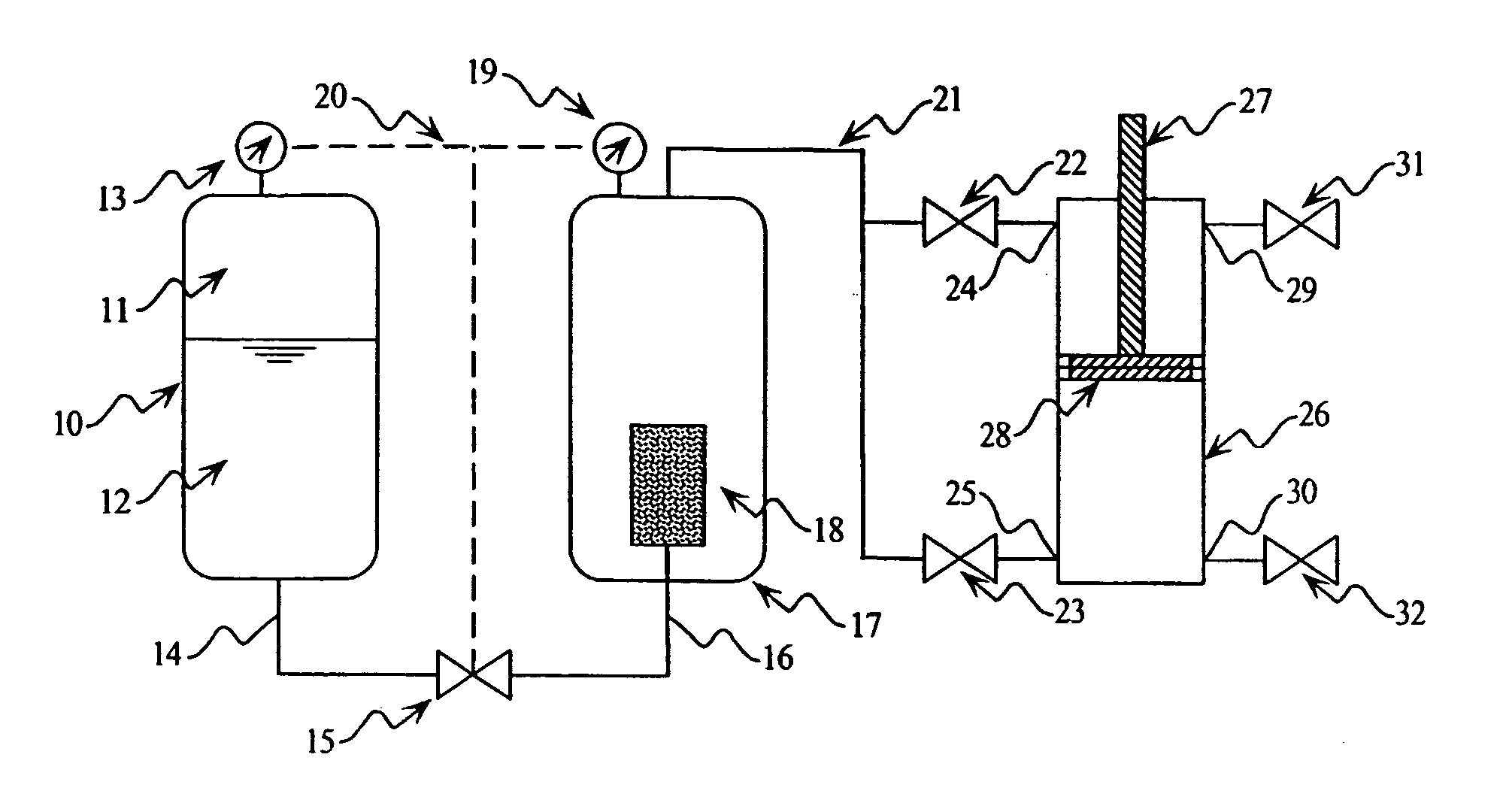
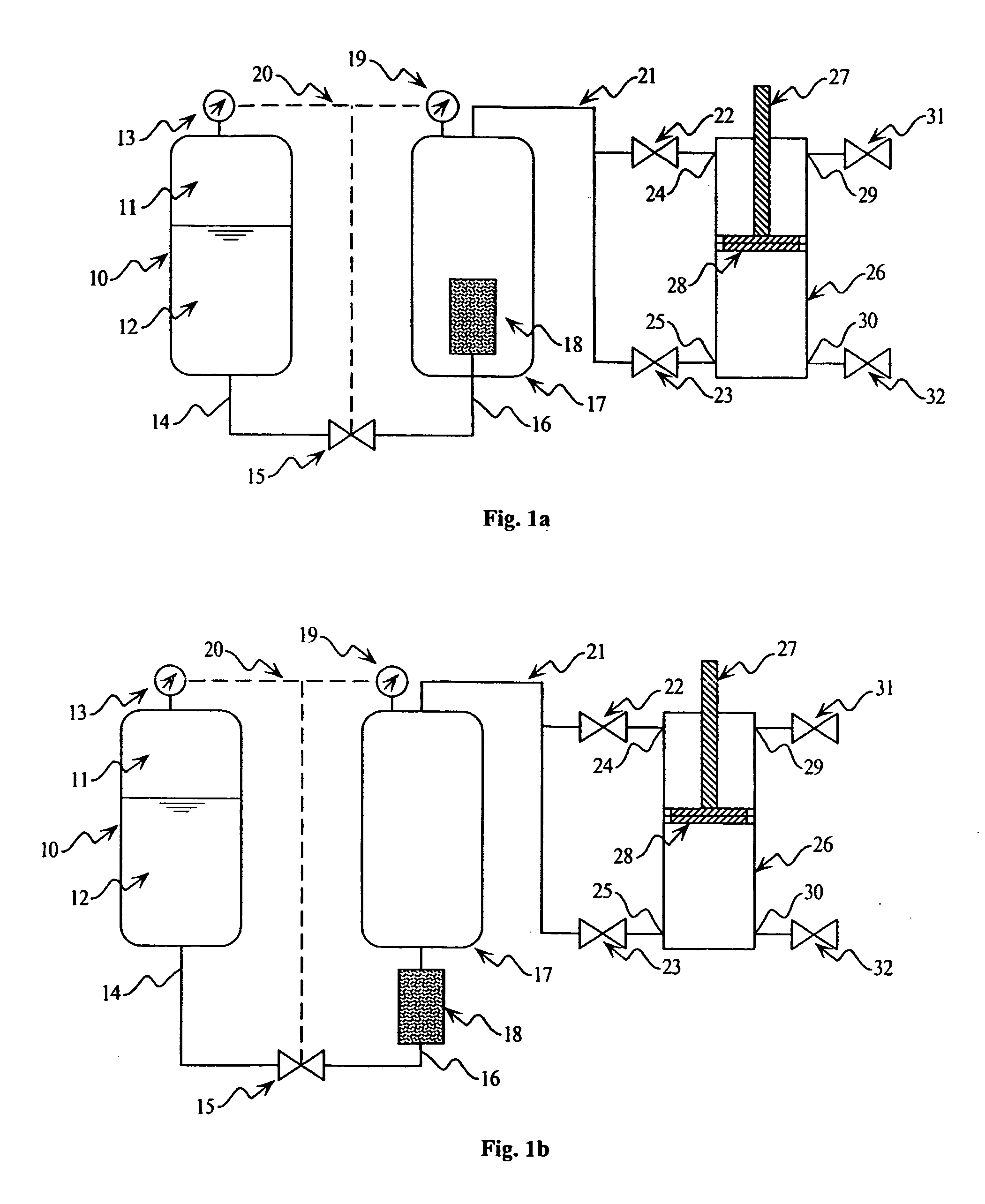
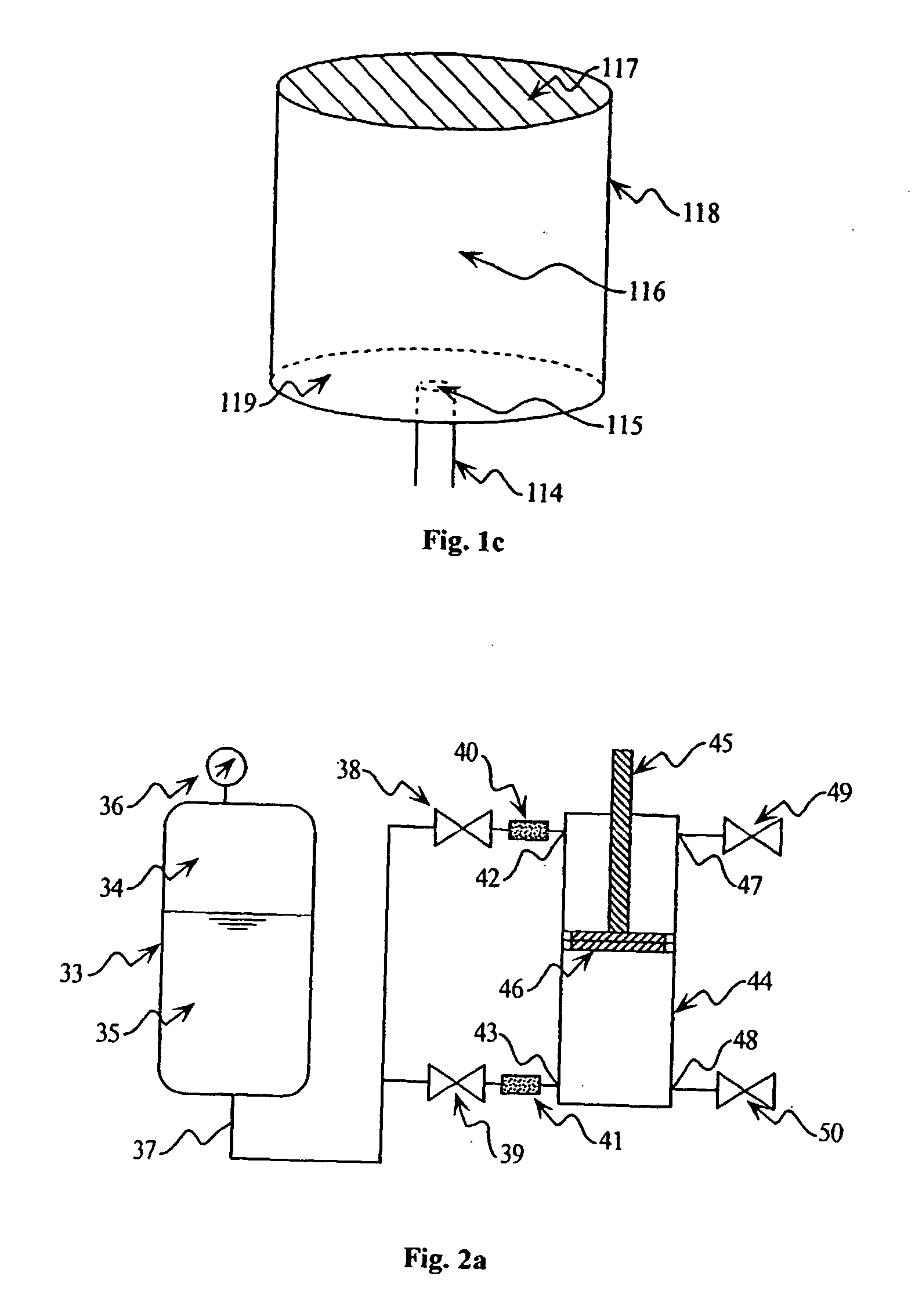
- A system utilizing liquid monopropellants like hydrogen peroxide or hydroxyl ammonium nitrate as a gas generator to power pneumatic actuators, with a centralized or distributed catalyst pack and proportional flow valves to control gaseous product flow, enabling controllable force and motion without the need for premixing, pre-compression, or ignition systems.

Robot, power management method and device thereof, and program product
PatentPendingCN120941453A
Innovation
- A reinforcement learning model is used to predict the rewards of different power management strategies, and the power management strategy with the highest reward is selected for power management, including adjusting motion mode, task execution strategy, sensor power consumption, battery charging and discharging strategy, and environmental perception strategy.


Safety Standards for Humanoid Robot Power Systems
Safety standards for humanoid robot power systems represent a critical framework governing the design, implementation, and operation of energy storage and distribution systems in bipedal robotic platforms. These standards encompass comprehensive guidelines addressing electrical safety, thermal management, mechanical protection, and fail-safe mechanisms specifically tailored to the unique challenges of mobile humanoid applications.
The International Electrotechnical Commission (IEC) 62133 series provides foundational requirements for lithium-ion battery safety in portable applications, while ISO 13482 establishes safety requirements for personal care robots. However, humanoid locomotion systems require specialized adaptations of these standards due to their dynamic operational environments and complex power distribution networks.
Electrical safety protocols mandate multi-layer protection systems including overcurrent protection, voltage regulation, and ground fault detection. Power systems must incorporate redundant safety circuits capable of immediate shutdown during anomalous conditions. Battery management systems require real-time monitoring of cell voltages, temperatures, and current flows with automatic disconnection capabilities when parameters exceed safe operating ranges.
Thermal safety standards address heat dissipation during high-power locomotion activities. Battery packs must maintain operating temperatures below 60°C under maximum load conditions, with thermal runaway prevention mechanisms and fire-resistant enclosures. Cooling systems must function reliably across varying ambient conditions and robot orientations during dynamic movement.
Mechanical protection standards specify impact resistance requirements for battery enclosures, considering potential falls and collisions during locomotion. Power systems must withstand shock loads up to 50G and maintain structural integrity during emergency stops or unexpected impacts.
Emergency response protocols require immediate power isolation capabilities accessible through both autonomous systems and manual intervention. Fail-safe mechanisms must ensure controlled shutdown sequences that prevent damage to critical locomotion systems while maintaining essential safety functions during power system failures.
The International Electrotechnical Commission (IEC) 62133 series provides foundational requirements for lithium-ion battery safety in portable applications, while ISO 13482 establishes safety requirements for personal care robots. However, humanoid locomotion systems require specialized adaptations of these standards due to their dynamic operational environments and complex power distribution networks.
Electrical safety protocols mandate multi-layer protection systems including overcurrent protection, voltage regulation, and ground fault detection. Power systems must incorporate redundant safety circuits capable of immediate shutdown during anomalous conditions. Battery management systems require real-time monitoring of cell voltages, temperatures, and current flows with automatic disconnection capabilities when parameters exceed safe operating ranges.
Thermal safety standards address heat dissipation during high-power locomotion activities. Battery packs must maintain operating temperatures below 60°C under maximum load conditions, with thermal runaway prevention mechanisms and fire-resistant enclosures. Cooling systems must function reliably across varying ambient conditions and robot orientations during dynamic movement.
Mechanical protection standards specify impact resistance requirements for battery enclosures, considering potential falls and collisions during locomotion. Power systems must withstand shock loads up to 50G and maintain structural integrity during emergency stops or unexpected impacts.
Emergency response protocols require immediate power isolation capabilities accessible through both autonomous systems and manual intervention. Fail-safe mechanisms must ensure controlled shutdown sequences that prevent damage to critical locomotion systems while maintaining essential safety functions during power system failures.
Environmental Impact of Humanoid Robot Energy Consumption
The environmental implications of humanoid robot energy consumption represent a critical consideration in the development and deployment of advanced robotic systems. As humanoid robots transition from laboratory prototypes to commercial applications, their energy demands and associated environmental footprint require comprehensive evaluation across multiple dimensions.
Carbon footprint analysis reveals that humanoid robots operating on current battery technologies contribute significantly to greenhouse gas emissions through both direct energy consumption and indirect manufacturing impacts. A typical humanoid robot consumes between 500-2000 watts during active locomotion, translating to substantial electricity demands when deployed at scale. The carbon intensity varies dramatically based on regional electricity grid compositions, with robots operating in coal-dependent regions generating approximately 0.8-1.2 kg CO2 equivalent per operational hour.
Battery lifecycle environmental costs present another substantial concern. Lithium-ion batteries commonly used in humanoid systems require rare earth elements including lithium, cobalt, and nickel, whose extraction processes generate significant environmental degradation. Manufacturing a single high-capacity battery pack for humanoid applications produces approximately 150-200 kg CO2 equivalent emissions. Additionally, battery replacement cycles every 3-5 years compound these impacts throughout the robot's operational lifetime.
Waste generation patterns from humanoid robot systems extend beyond battery disposal to include electronic components, actuators, and structural materials. Current recycling infrastructure struggles to process the complex material compositions found in advanced robotic systems, leading to substantial electronic waste accumulation. Studies indicate that each humanoid robot generates approximately 50-80 kg of non-recyclable waste over its operational lifecycle.
Comparative environmental assessments demonstrate that humanoid robots currently exhibit higher environmental impact per functional unit compared to specialized robotic alternatives. However, emerging renewable energy integration and advanced battery chemistries show potential for significant impact reduction, with projected 40-60% carbon footprint improvements achievable through optimized energy management systems and sustainable manufacturing practices.
Carbon footprint analysis reveals that humanoid robots operating on current battery technologies contribute significantly to greenhouse gas emissions through both direct energy consumption and indirect manufacturing impacts. A typical humanoid robot consumes between 500-2000 watts during active locomotion, translating to substantial electricity demands when deployed at scale. The carbon intensity varies dramatically based on regional electricity grid compositions, with robots operating in coal-dependent regions generating approximately 0.8-1.2 kg CO2 equivalent per operational hour.
Battery lifecycle environmental costs present another substantial concern. Lithium-ion batteries commonly used in humanoid systems require rare earth elements including lithium, cobalt, and nickel, whose extraction processes generate significant environmental degradation. Manufacturing a single high-capacity battery pack for humanoid applications produces approximately 150-200 kg CO2 equivalent emissions. Additionally, battery replacement cycles every 3-5 years compound these impacts throughout the robot's operational lifetime.
Waste generation patterns from humanoid robot systems extend beyond battery disposal to include electronic components, actuators, and structural materials. Current recycling infrastructure struggles to process the complex material compositions found in advanced robotic systems, leading to substantial electronic waste accumulation. Studies indicate that each humanoid robot generates approximately 50-80 kg of non-recyclable waste over its operational lifecycle.
Comparative environmental assessments demonstrate that humanoid robots currently exhibit higher environmental impact per functional unit compared to specialized robotic alternatives. However, emerging renewable energy integration and advanced battery chemistries show potential for significant impact reduction, with projected 40-60% carbon footprint improvements achievable through optimized energy management systems and sustainable manufacturing practices.
Unlock deeper insights with PatSnap Eureka Quick Research — get a full tech report to explore trends and direct your research. Try now!
Generate Your Research Report Instantly with AI Agent
Supercharge your innovation with PatSnap Eureka AI Agent Platform!