
Enhancing Embedded Chip Thermal Resilience Under Rapid Function Switches
MAY 29, 20269 MIN READ
Generate Your Research Report Instantly with AI Agent
Patsnap Eureka helps you evaluate technical feasibility & market potential.
Embedded Chip Thermal Management Background and Objectives
Embedded chip thermal management has emerged as one of the most critical challenges in modern electronics design, particularly as semiconductor devices continue to shrink in size while increasing in computational power and functionality. The exponential growth in processing capabilities, driven by Moore's Law and advanced manufacturing processes, has led to unprecedented power densities within integrated circuits. This trend has made thermal considerations a primary limiting factor in chip performance, reliability, and longevity.
The evolution of embedded systems has witnessed a dramatic shift from simple, single-function devices to complex, multi-core processors capable of executing diverse workloads simultaneously. Modern embedded chips frequently operate in dynamic environments where computational demands can change rapidly, requiring instant transitions between different operational modes such as sleep states, active processing, graphics rendering, and communication protocols. These rapid function switches create significant thermal transients that challenge traditional thermal management approaches.
Historical thermal management strategies primarily focused on steady-state heat dissipation, assuming relatively constant power consumption patterns. However, contemporary embedded applications demand adaptive thermal solutions that can respond effectively to sudden thermal spikes and valleys. The automotive industry exemplifies this challenge, where embedded processors must handle everything from basic engine control to complex autonomous driving algorithms, often switching between these functions within milliseconds.
The primary objective of enhancing embedded chip thermal resilience under rapid function switches encompasses multiple technical goals. First, maintaining optimal operating temperatures during transient thermal events to prevent performance throttling and ensure consistent computational output. Second, extending component lifespan by minimizing thermal stress cycles that can lead to material fatigue and premature failure. Third, enabling higher performance ceilings by providing thermal headroom for peak computational demands.
Advanced thermal management solutions must address both proactive and reactive thermal control mechanisms. Proactive approaches involve predictive algorithms that anticipate thermal loads based on upcoming computational tasks, while reactive systems provide rapid response capabilities to unexpected thermal events. The integration of these approaches aims to create thermally-aware embedded systems that can optimize performance while maintaining safe operating conditions across all functional scenarios.
The evolution of embedded systems has witnessed a dramatic shift from simple, single-function devices to complex, multi-core processors capable of executing diverse workloads simultaneously. Modern embedded chips frequently operate in dynamic environments where computational demands can change rapidly, requiring instant transitions between different operational modes such as sleep states, active processing, graphics rendering, and communication protocols. These rapid function switches create significant thermal transients that challenge traditional thermal management approaches.
Historical thermal management strategies primarily focused on steady-state heat dissipation, assuming relatively constant power consumption patterns. However, contemporary embedded applications demand adaptive thermal solutions that can respond effectively to sudden thermal spikes and valleys. The automotive industry exemplifies this challenge, where embedded processors must handle everything from basic engine control to complex autonomous driving algorithms, often switching between these functions within milliseconds.
The primary objective of enhancing embedded chip thermal resilience under rapid function switches encompasses multiple technical goals. First, maintaining optimal operating temperatures during transient thermal events to prevent performance throttling and ensure consistent computational output. Second, extending component lifespan by minimizing thermal stress cycles that can lead to material fatigue and premature failure. Third, enabling higher performance ceilings by providing thermal headroom for peak computational demands.
Advanced thermal management solutions must address both proactive and reactive thermal control mechanisms. Proactive approaches involve predictive algorithms that anticipate thermal loads based on upcoming computational tasks, while reactive systems provide rapid response capabilities to unexpected thermal events. The integration of these approaches aims to create thermally-aware embedded systems that can optimize performance while maintaining safe operating conditions across all functional scenarios.
Market Demand for Thermally Resilient Embedded Systems
The global embedded systems market is experiencing unprecedented growth driven by the proliferation of IoT devices, autonomous vehicles, industrial automation, and edge computing applications. These systems increasingly operate in demanding environments where thermal management becomes critical for maintaining performance and reliability. The rapid function switching capabilities required in modern embedded applications create significant thermal stress, making thermal resilience a paramount concern for system designers and manufacturers.
Automotive electronics represents one of the largest demand drivers for thermally resilient embedded systems. Modern vehicles contain hundreds of embedded processors managing everything from engine control units to advanced driver assistance systems. These components must operate reliably across extreme temperature ranges while handling rapid computational load changes during critical safety functions. The transition toward electric and autonomous vehicles further intensifies thermal management requirements as power densities continue to increase.
Industrial automation and manufacturing sectors demonstrate substantial demand for robust thermal performance in embedded systems. Factory environments expose electronic components to harsh conditions including high ambient temperatures, thermal cycling, and dust contamination. Process control systems, robotics controllers, and sensor networks must maintain consistent operation despite frequent switching between idle and high-performance states, creating thermal transients that can compromise system integrity.
The telecommunications infrastructure market, particularly with 5G deployment, requires embedded systems capable of handling dynamic workloads while maintaining thermal stability. Base stations and network equipment experience varying computational demands throughout the day, necessitating thermal management solutions that can accommodate rapid function transitions without performance degradation or component failure.
Edge computing applications across smart cities, healthcare monitoring, and industrial IoT create additional market demand for thermally resilient embedded solutions. These systems often operate in uncontrolled environments with limited cooling options, making inherent thermal resilience essential rather than optional. The ability to maintain performance during rapid computational transitions directly impacts system reliability and operational costs.
Consumer electronics, including smartphones, wearables, and smart home devices, drive volume demand for advanced thermal management in embedded systems. Users expect consistent performance regardless of application switching patterns, while manufacturers face pressure to minimize form factors and maximize battery life, creating complex thermal design challenges.
Automotive electronics represents one of the largest demand drivers for thermally resilient embedded systems. Modern vehicles contain hundreds of embedded processors managing everything from engine control units to advanced driver assistance systems. These components must operate reliably across extreme temperature ranges while handling rapid computational load changes during critical safety functions. The transition toward electric and autonomous vehicles further intensifies thermal management requirements as power densities continue to increase.
Industrial automation and manufacturing sectors demonstrate substantial demand for robust thermal performance in embedded systems. Factory environments expose electronic components to harsh conditions including high ambient temperatures, thermal cycling, and dust contamination. Process control systems, robotics controllers, and sensor networks must maintain consistent operation despite frequent switching between idle and high-performance states, creating thermal transients that can compromise system integrity.
The telecommunications infrastructure market, particularly with 5G deployment, requires embedded systems capable of handling dynamic workloads while maintaining thermal stability. Base stations and network equipment experience varying computational demands throughout the day, necessitating thermal management solutions that can accommodate rapid function transitions without performance degradation or component failure.
Edge computing applications across smart cities, healthcare monitoring, and industrial IoT create additional market demand for thermally resilient embedded solutions. These systems often operate in uncontrolled environments with limited cooling options, making inherent thermal resilience essential rather than optional. The ability to maintain performance during rapid computational transitions directly impacts system reliability and operational costs.
Consumer electronics, including smartphones, wearables, and smart home devices, drive volume demand for advanced thermal management in embedded systems. Users expect consistent performance regardless of application switching patterns, while manufacturers face pressure to minimize form factors and maximize battery life, creating complex thermal design challenges.
Current Thermal Challenges in Rapid Function Switching
Rapid function switching in embedded chips creates unprecedented thermal stress patterns that challenge conventional thermal management approaches. Unlike steady-state operations where heat generation remains relatively predictable, rapid switching between different functional modes generates transient thermal spikes that can exceed design thresholds within microseconds. These thermal transients occur faster than traditional cooling mechanisms can respond, creating localized hotspots that compromise chip reliability and performance.
The fundamental challenge lies in the asymmetric nature of thermal dynamics during function transitions. When switching from low-power standby modes to high-performance computing tasks, power density can increase by orders of magnitude instantaneously, while thermal dissipation mechanisms require finite time to activate and reach equilibrium. This temporal mismatch results in temperature overshoots that can trigger thermal throttling, reduce component lifespan, or cause immediate failure in extreme cases.
Modern embedded systems compound these challenges through heterogeneous architectures that integrate multiple processing units with vastly different thermal characteristics. Graphics processing units, digital signal processors, and application-specific integrated circuits each exhibit unique thermal signatures during activation and deactivation cycles. The simultaneous switching of multiple functional blocks creates complex thermal interference patterns that are difficult to predict and manage using conventional thermal models.
Package-level constraints further exacerbate thermal challenges in rapid switching scenarios. Miniaturization trends have reduced available space for thermal interface materials and heat spreaders, while increasing power densities amplify heat generation rates. The thermal mass of modern chip packages is often insufficient to buffer rapid temperature fluctuations, leading to severe thermal cycling that accelerates material degradation and solder joint fatigue.
Current thermal monitoring systems struggle with the temporal resolution required to capture and respond to rapid thermal transients. Traditional temperature sensors exhibit response delays that render them ineffective for real-time thermal protection during fast switching events. This monitoring gap creates blind spots where thermal damage can occur before protective mechanisms activate, highlighting the need for advanced thermal sensing and prediction capabilities.
The interaction between electrical and thermal domains during rapid switching presents additional complexity. Leakage currents increase exponentially with temperature, creating positive feedback loops that can lead to thermal runaway conditions. Simultaneously, performance degradation due to thermal effects can trigger compensatory increases in operating frequency or voltage, further exacerbating thermal stress in a cascading failure pattern.
The fundamental challenge lies in the asymmetric nature of thermal dynamics during function transitions. When switching from low-power standby modes to high-performance computing tasks, power density can increase by orders of magnitude instantaneously, while thermal dissipation mechanisms require finite time to activate and reach equilibrium. This temporal mismatch results in temperature overshoots that can trigger thermal throttling, reduce component lifespan, or cause immediate failure in extreme cases.
Modern embedded systems compound these challenges through heterogeneous architectures that integrate multiple processing units with vastly different thermal characteristics. Graphics processing units, digital signal processors, and application-specific integrated circuits each exhibit unique thermal signatures during activation and deactivation cycles. The simultaneous switching of multiple functional blocks creates complex thermal interference patterns that are difficult to predict and manage using conventional thermal models.
Package-level constraints further exacerbate thermal challenges in rapid switching scenarios. Miniaturization trends have reduced available space for thermal interface materials and heat spreaders, while increasing power densities amplify heat generation rates. The thermal mass of modern chip packages is often insufficient to buffer rapid temperature fluctuations, leading to severe thermal cycling that accelerates material degradation and solder joint fatigue.
Current thermal monitoring systems struggle with the temporal resolution required to capture and respond to rapid thermal transients. Traditional temperature sensors exhibit response delays that render them ineffective for real-time thermal protection during fast switching events. This monitoring gap creates blind spots where thermal damage can occur before protective mechanisms activate, highlighting the need for advanced thermal sensing and prediction capabilities.
The interaction between electrical and thermal domains during rapid switching presents additional complexity. Leakage currents increase exponentially with temperature, creating positive feedback loops that can lead to thermal runaway conditions. Simultaneously, performance degradation due to thermal effects can trigger compensatory increases in operating frequency or voltage, further exacerbating thermal stress in a cascading failure pattern.
Existing Thermal Resilience Enhancement Methods
01 Thermal interface materials and heat dissipation structures
Implementation of specialized thermal interface materials and heat dissipation structures to improve heat transfer from embedded chips. These solutions include thermal pads, heat spreaders, and conductive materials that facilitate efficient heat removal from chip surfaces to external cooling systems or heat sinks.- Thermal interface materials and heat dissipation structures: Implementation of specialized thermal interface materials and heat dissipation structures to improve heat transfer from embedded chips. These solutions include thermal pads, heat spreaders, and conductive materials that facilitate efficient heat removal from chip surfaces to external cooling systems or heat sinks.
- Active cooling systems and thermal management circuits: Integration of active cooling mechanisms such as micro-fans, thermoelectric coolers, and dedicated thermal management circuits within embedded systems. These systems actively monitor temperature and adjust cooling performance to maintain optimal operating conditions for embedded chips.
- Temperature monitoring and thermal protection mechanisms: Implementation of real-time temperature sensing and thermal protection circuits that monitor chip temperature and trigger protective actions when thermal thresholds are exceeded. These mechanisms include thermal shutdown, frequency throttling, and voltage regulation to prevent thermal damage.
- Chip packaging and encapsulation for thermal resilience: Advanced packaging techniques and encapsulation methods designed to enhance thermal performance of embedded chips. These approaches include specialized package designs, thermal vias, and heat-conducting encapsulation materials that improve heat dissipation while protecting the chip from environmental factors.
- Power management and thermal-aware design strategies: Implementation of power management techniques and thermal-aware design methodologies that optimize power consumption and heat generation in embedded chips. These strategies include dynamic voltage scaling, clock gating, and thermal-aware placement of components to minimize hotspots and improve overall thermal resilience.
02 Active cooling systems and thermal management circuits
Integration of active cooling mechanisms such as micro-fans, thermoelectric coolers, and dedicated thermal management circuits within embedded systems. These systems actively monitor temperature and adjust cooling performance to maintain optimal operating conditions for embedded chips.Expand Specific Solutions03 Temperature monitoring and thermal protection mechanisms
Implementation of temperature sensing circuits and thermal protection systems that continuously monitor chip temperature and trigger protective actions when thermal thresholds are exceeded. These mechanisms include thermal shutdown circuits, temperature-based performance throttling, and early warning systems.Expand Specific Solutions04 Chip packaging and encapsulation for thermal resilience
Advanced packaging techniques and encapsulation methods designed to enhance thermal performance of embedded chips. These approaches focus on package design optimization, material selection for better thermal conductivity, and structural modifications to improve heat dissipation capabilities.Expand Specific Solutions05 Power management and thermal-aware design strategies
Implementation of power management techniques and thermal-aware design methodologies that reduce heat generation in embedded chips. These strategies include dynamic voltage and frequency scaling, power gating, and circuit design optimizations that minimize thermal stress while maintaining performance requirements.Expand Specific Solutions
Key Players in Embedded Thermal Solutions Industry
The embedded chip thermal resilience market is experiencing rapid growth driven by increasing demand for high-performance computing and IoT applications requiring frequent function switching. The industry is in an expansion phase with significant technological advancement, as evidenced by major players investing heavily in thermal management solutions. Market leaders like Taiwan Semiconductor Manufacturing Co., Samsung Electronics, and SK Hynix are driving innovation in advanced packaging and thermal interface materials. Companies such as Applied Materials and Infineon Technologies are developing sophisticated thermal monitoring and control systems. The technology maturity varies across segments, with established players like IBM and General Electric leveraging decades of experience, while specialized firms like 3D Plus and Subtron Technology focus on niche thermal solutions. Asian manufacturers including Murata Manufacturing, ROHM, and Renesas Electronics are advancing material science approaches, while research institutions like Virginia Tech and KIST contribute fundamental thermal management breakthroughs for next-generation embedded systems.
Taiwan Semiconductor Manufacturing Co., Ltd.
Technical Solution: TSMC has developed advanced process technologies and packaging solutions specifically addressing thermal challenges in embedded applications. Their CoWoS (Chip-on-Wafer-on-Substrate) and InFO (Integrated Fan-Out) packaging technologies incorporate sophisticated thermal management features including embedded thermal sensors and heat redistribution layers. TSMC's thermal-aware design methodologies help optimize chip layouts to minimize hotspots during function switching. Their advanced node processes (7nm and below) feature improved thermal characteristics with reduced power density and enhanced heat dissipation capabilities through optimized metal stack designs.
Strengths: Leading-edge process technology, comprehensive packaging solutions, thermal-aware design expertise. Weaknesses: High development costs, primarily focused on high-performance applications rather than cost-sensitive embedded markets.
International Business Machines Corp.
Technical Solution: IBM has developed innovative thermal management solutions including their PowerAI thermal optimization framework that uses machine learning algorithms to predict and mitigate thermal stress during rapid function switches. Their embedded chip designs incorporate advanced thermal sensors with sub-millisecond response times and dynamic voltage and frequency scaling (DVFS) capabilities. IBM's thermal interface materials and advanced packaging solutions feature phase-change materials and micro-fluidic cooling systems that can handle thermal transients effectively. Their research includes novel materials like graphene-based thermal interface materials that offer superior thermal conductivity exceeding 1000 W/mK.
Strengths: Advanced AI-driven thermal management, innovative materials research, comprehensive system-level solutions. Weaknesses: Solutions often complex and expensive, primarily targeted at enterprise applications rather than cost-sensitive embedded markets.
Core Innovations in Dynamic Thermal Management
Thermally enhanced semiconductor assembly with embedded chip and interposer and method of manufacturing the same
PatentInactiveUS20140175633A1
Innovation
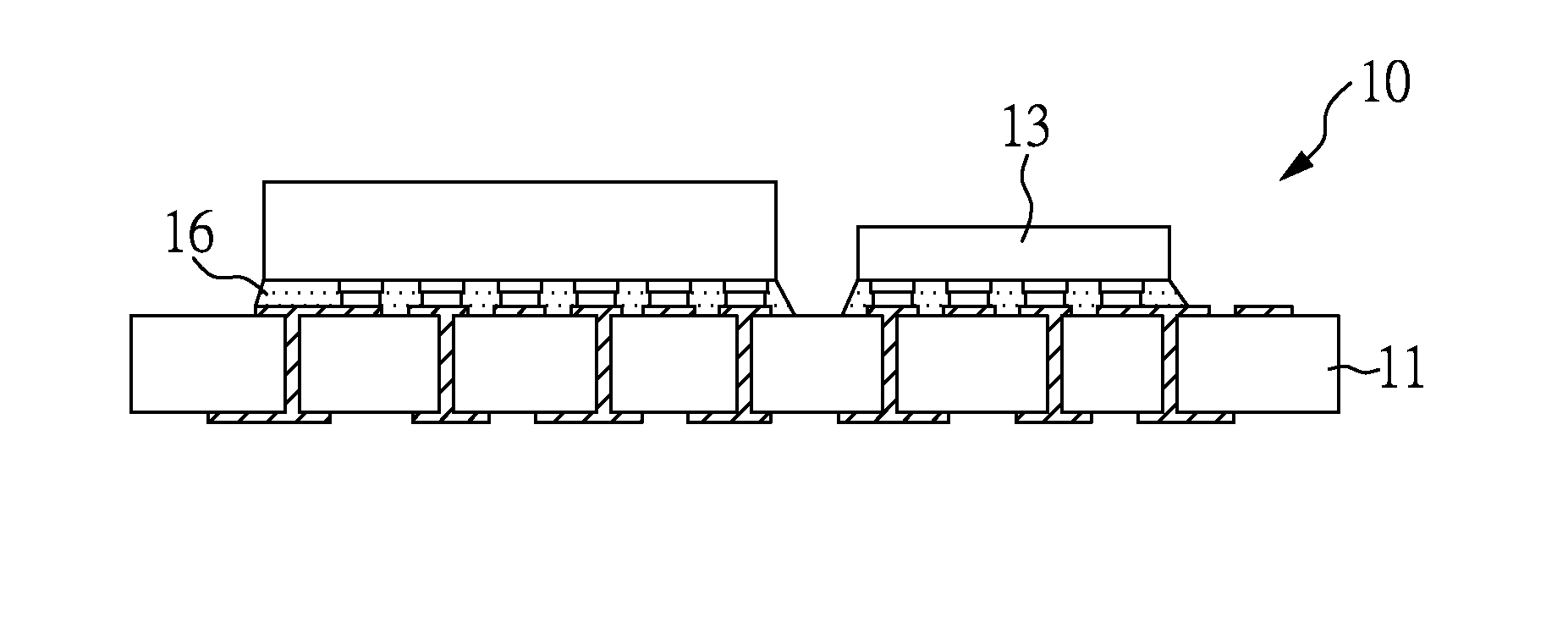
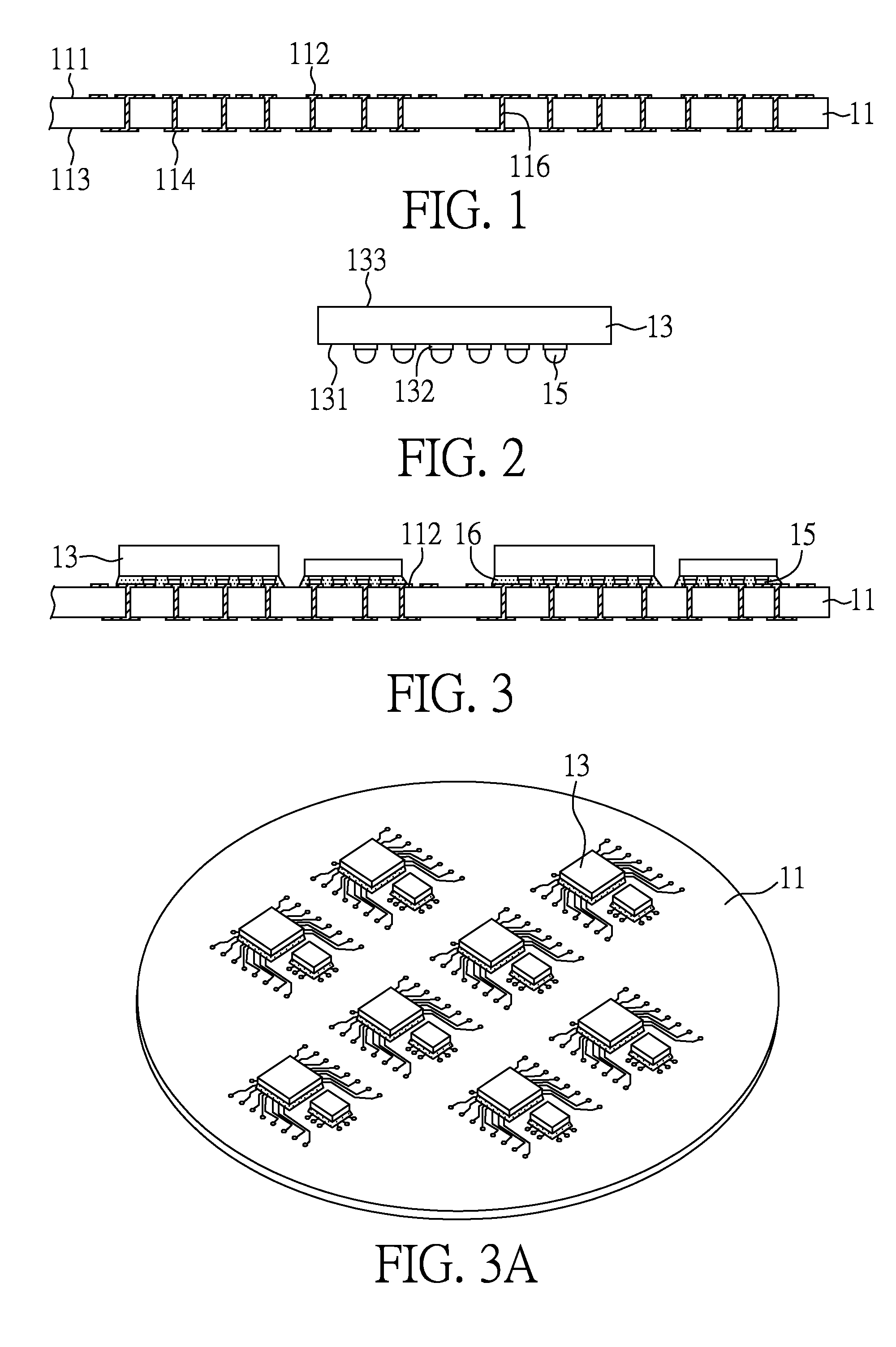
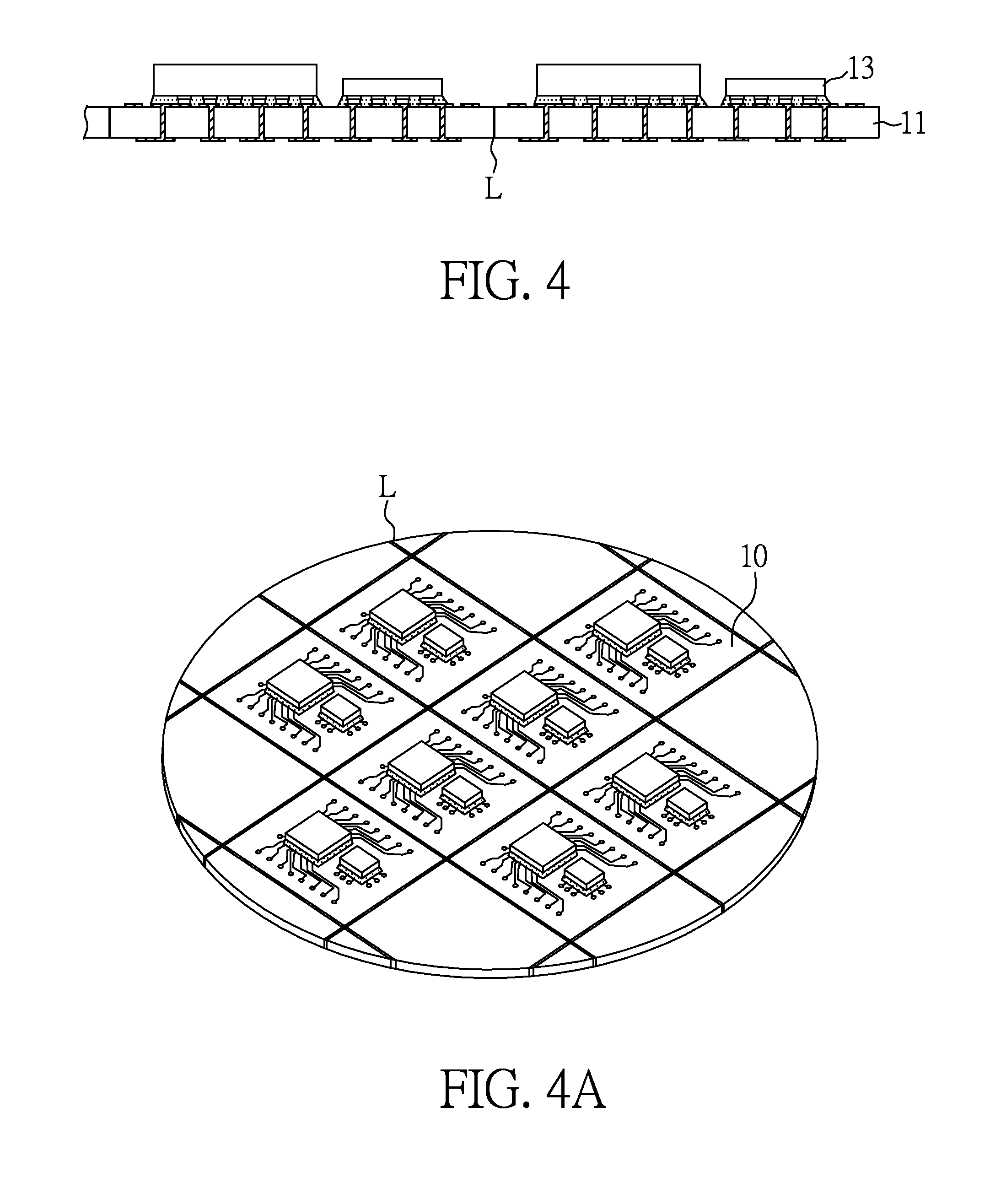
- A thermally enhanced semiconductor assembly is developed, where a chip is electrically coupled to an interposer and embedded in a heat sink with build-up circuitry formed on the interposer for fan-out interconnection, using a conductive bump or wire for coupling and thermally conductive adhesive for mechanical bonding, with an alignment guide for precise placement accuracy.

Thermal improvement of an assembly with an exposed, downward-facing chip
PatentInactiveDE102019209994A1
Innovation
- A thermally enhanced layer is introduced between the chip and the printed circuit board (PCB) to create a secondary heat dissipation path, complementing the existing path through connectors, using materials like phase change materials, adhesives, or conductive pastes that do not require structural redesign.


Industry Standards for Embedded System Thermal Design
The thermal design of embedded systems operating under rapid function switching conditions is governed by several critical industry standards that establish fundamental requirements for thermal management and resilience. These standards provide comprehensive frameworks for addressing thermal challenges in dynamic operational environments where embedded chips experience frequent and rapid changes in power consumption and heat generation patterns.
IEEE 1076.1 and IEC 61967 series standards define thermal characterization methodologies specifically for semiconductor devices in embedded applications. These standards establish measurement protocols for transient thermal impedance and junction-to-ambient thermal resistance under varying operational conditions. The standards emphasize the importance of characterizing thermal behavior during rapid power transitions, which directly applies to function switching scenarios where chips alternate between different operational modes within milliseconds.
JEDEC standards, particularly JESD51 series, provide detailed guidelines for thermal test methods and thermal metrics for integrated circuits. JESD51-14 specifically addresses transient dual interface test methods, which are crucial for understanding thermal behavior during rapid operational changes. These standards define standardized approaches for measuring thermal time constants and thermal capacitance, essential parameters for predicting chip behavior during function switches.
Military and aerospace standards such as MIL-STD-883 and DO-254 establish rigorous thermal design requirements for mission-critical embedded systems. These standards mandate comprehensive thermal analysis including worst-case thermal scenarios, thermal cycling requirements, and junction temperature limits under dynamic operational conditions. The standards require thermal derating calculations that account for rapid power variations and establish safety margins for sustained operation under switching conditions.
Automotive industry standards, including AEC-Q100 and ISO 26262, address thermal resilience requirements for embedded systems in harsh environments with frequent operational mode changes. These standards define thermal stress testing procedures that simulate real-world conditions where embedded chips experience rapid function switching, such as engine control units and advanced driver assistance systems.
IPC standards, particularly IPC-2221 and IPC-9592, provide thermal design guidelines for printed circuit board assemblies hosting embedded chips. These standards establish thermal via design rules, copper plane thermal management strategies, and component placement guidelines that enhance thermal dissipation during rapid power transitions associated with function switching operations.
IEEE 1076.1 and IEC 61967 series standards define thermal characterization methodologies specifically for semiconductor devices in embedded applications. These standards establish measurement protocols for transient thermal impedance and junction-to-ambient thermal resistance under varying operational conditions. The standards emphasize the importance of characterizing thermal behavior during rapid power transitions, which directly applies to function switching scenarios where chips alternate between different operational modes within milliseconds.
JEDEC standards, particularly JESD51 series, provide detailed guidelines for thermal test methods and thermal metrics for integrated circuits. JESD51-14 specifically addresses transient dual interface test methods, which are crucial for understanding thermal behavior during rapid operational changes. These standards define standardized approaches for measuring thermal time constants and thermal capacitance, essential parameters for predicting chip behavior during function switches.
Military and aerospace standards such as MIL-STD-883 and DO-254 establish rigorous thermal design requirements for mission-critical embedded systems. These standards mandate comprehensive thermal analysis including worst-case thermal scenarios, thermal cycling requirements, and junction temperature limits under dynamic operational conditions. The standards require thermal derating calculations that account for rapid power variations and establish safety margins for sustained operation under switching conditions.
Automotive industry standards, including AEC-Q100 and ISO 26262, address thermal resilience requirements for embedded systems in harsh environments with frequent operational mode changes. These standards define thermal stress testing procedures that simulate real-world conditions where embedded chips experience rapid function switching, such as engine control units and advanced driver assistance systems.
IPC standards, particularly IPC-2221 and IPC-9592, provide thermal design guidelines for printed circuit board assemblies hosting embedded chips. These standards establish thermal via design rules, copper plane thermal management strategies, and component placement guidelines that enhance thermal dissipation during rapid power transitions associated with function switching operations.
Reliability Testing Protocols for Thermal Cycling
Reliability testing protocols for thermal cycling in embedded chip applications require comprehensive methodologies that accurately simulate real-world operational conditions. These protocols must account for the unique challenges posed by rapid function switches, where temperature gradients can change dramatically within milliseconds. Standard thermal cycling tests typically involve controlled temperature ramps between predefined limits, but embedded systems experiencing rapid function switches demand more sophisticated testing approaches that capture transient thermal behaviors and localized heating effects.
The foundation of effective thermal cycling protocols lies in establishing representative test conditions that mirror actual deployment scenarios. This involves characterizing the thermal profiles during various operational modes, including idle states, peak performance periods, and transition phases. Temperature monitoring must be implemented at multiple chip locations using high-resolution thermal sensors capable of capturing rapid temperature variations. The testing environment should incorporate realistic heat dissipation conditions, including appropriate heat sinks, thermal interface materials, and airflow patterns that reflect actual system configurations.
Accelerated life testing methodologies form a critical component of thermal cycling protocols, enabling prediction of long-term reliability within practical timeframes. These approaches typically employ elevated temperature ranges and increased cycling frequencies while maintaining proportional relationships to actual operating conditions. The Arrhenius model and Coffin-Manson relationship provide mathematical frameworks for extrapolating accelerated test results to normal operating lifespans. However, care must be taken to ensure that acceleration factors do not introduce failure mechanisms that would not occur under normal conditions.
Modern testing protocols increasingly incorporate real-time monitoring of electrical parameters alongside thermal measurements. This dual-parameter approach enables detection of performance degradation that may precede catastrophic failure. Key electrical metrics include leakage current variations, threshold voltage shifts, and timing parameter changes that correlate with thermal stress accumulation. Advanced protocols also monitor mechanical stress indicators such as wire bond integrity and package deformation through high-resolution imaging techniques.
Statistical analysis frameworks are essential for interpreting thermal cycling test results and establishing confidence intervals for reliability predictions. Weibull analysis provides robust methods for characterizing failure distributions and calculating mean time to failure under various stress conditions. The protocols must define clear failure criteria, including both hard failures such as complete functional loss and soft failures involving performance degradation beyond acceptable limits. Sample sizes must be statistically significant to ensure reliable extrapolation to production volumes.
The foundation of effective thermal cycling protocols lies in establishing representative test conditions that mirror actual deployment scenarios. This involves characterizing the thermal profiles during various operational modes, including idle states, peak performance periods, and transition phases. Temperature monitoring must be implemented at multiple chip locations using high-resolution thermal sensors capable of capturing rapid temperature variations. The testing environment should incorporate realistic heat dissipation conditions, including appropriate heat sinks, thermal interface materials, and airflow patterns that reflect actual system configurations.
Accelerated life testing methodologies form a critical component of thermal cycling protocols, enabling prediction of long-term reliability within practical timeframes. These approaches typically employ elevated temperature ranges and increased cycling frequencies while maintaining proportional relationships to actual operating conditions. The Arrhenius model and Coffin-Manson relationship provide mathematical frameworks for extrapolating accelerated test results to normal operating lifespans. However, care must be taken to ensure that acceleration factors do not introduce failure mechanisms that would not occur under normal conditions.
Modern testing protocols increasingly incorporate real-time monitoring of electrical parameters alongside thermal measurements. This dual-parameter approach enables detection of performance degradation that may precede catastrophic failure. Key electrical metrics include leakage current variations, threshold voltage shifts, and timing parameter changes that correlate with thermal stress accumulation. Advanced protocols also monitor mechanical stress indicators such as wire bond integrity and package deformation through high-resolution imaging techniques.
Statistical analysis frameworks are essential for interpreting thermal cycling test results and establishing confidence intervals for reliability predictions. Weibull analysis provides robust methods for characterizing failure distributions and calculating mean time to failure under various stress conditions. The protocols must define clear failure criteria, including both hard failures such as complete functional loss and soft failures involving performance degradation beyond acceptable limits. Sample sizes must be statistically significant to ensure reliable extrapolation to production volumes.
Unlock deeper insights with Patsnap Eureka Quick Research — get a full tech report to explore trends and direct your research. Try now!
Generate Your Research Report Instantly with AI Agent
Supercharge your innovation with Patsnap Eureka AI Agent Platform!