
Enhancing Wireless Controllers Under Network Congestion
MAR 5, 20269 MIN READ
Generate Your Research Report Instantly with AI Agent
Patsnap Eureka helps you evaluate technical feasibility & market potential.
Wireless Controller Tech Background and Objectives
Wireless controller technology has undergone significant evolution since the early days of wireless networking, transitioning from simple access point management systems to sophisticated centralized control architectures. The foundational concept emerged in the early 2000s as enterprises recognized the need for unified management of increasingly complex wireless infrastructures. Traditional distributed wireless architectures, where each access point operated independently, proved inadequate for handling large-scale deployments and dynamic network conditions.
The development trajectory of wireless controllers reflects the growing demands of modern network environments. Initial implementations focused primarily on configuration management and basic load balancing. However, as wireless networks became mission-critical infrastructure supporting diverse applications from voice communications to real-time data analytics, controllers evolved to incorporate advanced traffic management, security enforcement, and performance optimization capabilities.
Network congestion has emerged as a critical challenge in contemporary wireless environments, particularly as the number of connected devices continues to exponentially increase. The proliferation of IoT devices, mobile applications, and bandwidth-intensive services creates unprecedented demands on wireless infrastructure. Controllers must now manage not only traditional data traffic but also handle quality-of-service requirements for latency-sensitive applications while maintaining overall network stability.
Current technological objectives center on developing intelligent wireless controllers capable of dynamic resource allocation and predictive congestion management. These systems aim to leverage machine learning algorithms and real-time analytics to anticipate network bottlenecks before they impact user experience. The integration of software-defined networking principles enables more granular control over traffic flows and allows for rapid adaptation to changing network conditions.
The strategic importance of enhancing wireless controllers under network congestion extends beyond mere performance improvements. Organizations require robust wireless infrastructure to support digital transformation initiatives, remote work capabilities, and emerging technologies such as augmented reality and industrial automation. Effective congestion management directly impacts productivity, user satisfaction, and operational efficiency across various industry sectors.
Future development goals emphasize creating self-optimizing wireless ecosystems that can automatically adjust parameters, redistribute loads, and maintain service quality even under extreme congestion scenarios. This technological advancement represents a fundamental shift toward autonomous network management, reducing the burden on IT administrators while ensuring consistent performance delivery.
The development trajectory of wireless controllers reflects the growing demands of modern network environments. Initial implementations focused primarily on configuration management and basic load balancing. However, as wireless networks became mission-critical infrastructure supporting diverse applications from voice communications to real-time data analytics, controllers evolved to incorporate advanced traffic management, security enforcement, and performance optimization capabilities.
Network congestion has emerged as a critical challenge in contemporary wireless environments, particularly as the number of connected devices continues to exponentially increase. The proliferation of IoT devices, mobile applications, and bandwidth-intensive services creates unprecedented demands on wireless infrastructure. Controllers must now manage not only traditional data traffic but also handle quality-of-service requirements for latency-sensitive applications while maintaining overall network stability.
Current technological objectives center on developing intelligent wireless controllers capable of dynamic resource allocation and predictive congestion management. These systems aim to leverage machine learning algorithms and real-time analytics to anticipate network bottlenecks before they impact user experience. The integration of software-defined networking principles enables more granular control over traffic flows and allows for rapid adaptation to changing network conditions.
The strategic importance of enhancing wireless controllers under network congestion extends beyond mere performance improvements. Organizations require robust wireless infrastructure to support digital transformation initiatives, remote work capabilities, and emerging technologies such as augmented reality and industrial automation. Effective congestion management directly impacts productivity, user satisfaction, and operational efficiency across various industry sectors.
Future development goals emphasize creating self-optimizing wireless ecosystems that can automatically adjust parameters, redistribute loads, and maintain service quality even under extreme congestion scenarios. This technological advancement represents a fundamental shift toward autonomous network management, reducing the burden on IT administrators while ensuring consistent performance delivery.
Market Demand for Reliable Wireless Gaming Controllers
The gaming industry has experienced unprecedented growth, with wireless gaming controllers becoming essential peripherals for both casual and professional gamers. The global gaming controller market continues expanding as gaming platforms diversify across consoles, PCs, mobile devices, and cloud gaming services. This growth trajectory has intensified demand for high-performance wireless controllers that maintain consistent connectivity and responsiveness.
Network congestion presents a critical challenge in modern gaming environments where multiple wireless devices compete for bandwidth. Gamers increasingly demand controllers that deliver reliable performance even in congested network conditions, particularly as esports and competitive gaming gain mainstream adoption. The proliferation of smart home devices, streaming services, and multiple gaming setups within households has created complex wireless environments that traditional controllers struggle to navigate effectively.
Professional esports athletes and competitive gamers represent a particularly demanding market segment requiring ultra-low latency and consistent performance. These users cannot tolerate input lag or connection drops that could impact tournament outcomes or streaming quality. Their willingness to invest in premium controllers with advanced congestion mitigation features drives innovation in this space.
The rise of cloud gaming services has created new performance requirements for wireless controllers. As gaming moves toward streaming platforms, controllers must maintain stable connections not only to local devices but also ensure optimal data transmission to remote servers. This shift amplifies the importance of congestion-resistant wireless technologies in controller design.
Consumer expectations have evolved beyond basic wireless connectivity to encompass seamless multi-device pairing, adaptive frequency management, and intelligent interference mitigation. Modern gamers expect controllers to automatically optimize performance based on network conditions without requiring manual configuration or technical expertise.
The market increasingly values controllers that incorporate advanced wireless protocols, mesh networking capabilities, and AI-driven congestion detection. Manufacturers face pressure to develop solutions that work reliably across diverse environments, from crowded urban apartments to gaming cafes with dozens of simultaneous users. This demand drives continuous innovation in wireless communication technologies specifically tailored for gaming applications.
Gaming peripheral manufacturers recognize that addressing network congestion challenges represents a significant competitive advantage and market differentiation opportunity in an increasingly saturated controller market.
Network congestion presents a critical challenge in modern gaming environments where multiple wireless devices compete for bandwidth. Gamers increasingly demand controllers that deliver reliable performance even in congested network conditions, particularly as esports and competitive gaming gain mainstream adoption. The proliferation of smart home devices, streaming services, and multiple gaming setups within households has created complex wireless environments that traditional controllers struggle to navigate effectively.
Professional esports athletes and competitive gamers represent a particularly demanding market segment requiring ultra-low latency and consistent performance. These users cannot tolerate input lag or connection drops that could impact tournament outcomes or streaming quality. Their willingness to invest in premium controllers with advanced congestion mitigation features drives innovation in this space.
The rise of cloud gaming services has created new performance requirements for wireless controllers. As gaming moves toward streaming platforms, controllers must maintain stable connections not only to local devices but also ensure optimal data transmission to remote servers. This shift amplifies the importance of congestion-resistant wireless technologies in controller design.
Consumer expectations have evolved beyond basic wireless connectivity to encompass seamless multi-device pairing, adaptive frequency management, and intelligent interference mitigation. Modern gamers expect controllers to automatically optimize performance based on network conditions without requiring manual configuration or technical expertise.
The market increasingly values controllers that incorporate advanced wireless protocols, mesh networking capabilities, and AI-driven congestion detection. Manufacturers face pressure to develop solutions that work reliably across diverse environments, from crowded urban apartments to gaming cafes with dozens of simultaneous users. This demand drives continuous innovation in wireless communication technologies specifically tailored for gaming applications.
Gaming peripheral manufacturers recognize that addressing network congestion challenges represents a significant competitive advantage and market differentiation opportunity in an increasingly saturated controller market.
Current Challenges in Network Congestion for Controllers
Network congestion presents multifaceted challenges for wireless controller systems, fundamentally impacting their operational efficiency and reliability. The primary obstacle stems from bandwidth limitations that create bottlenecks in data transmission between controllers and managed devices. When network traffic exceeds available capacity, controllers experience delayed command execution, reduced responsiveness, and potential communication failures with endpoint devices.
Latency variations constitute another critical challenge, as network congestion introduces unpredictable delays in control signal propagation. This inconsistency disrupts real-time control applications where precise timing is essential for system stability. Controllers must contend with jitter effects that can cause oscillations or instability in feedback control loops, particularly problematic in industrial automation and robotics applications.
Packet loss emerges as a significant technical barrier during congestion periods. Wireless controllers rely on continuous data exchange for monitoring and control functions, but congested networks frequently drop packets, leading to incomplete state information and potential control gaps. This packet loss necessitates retransmission mechanisms that further exacerbate congestion conditions, creating a cascading effect that degrades overall system performance.
Quality of Service degradation represents a systemic challenge where critical control traffic competes with other network communications for limited resources. Without proper traffic prioritization mechanisms, essential controller commands may be delayed behind less critical data flows, compromising system responsiveness and safety margins in mission-critical applications.
Scalability constraints become pronounced as the number of wireless controllers increases within congested network environments. Each additional controller contributes to the overall traffic load while simultaneously becoming more susceptible to performance degradation. This creates a fundamental limitation on system expansion capabilities, particularly in dense deployment scenarios such as smart manufacturing facilities or large-scale IoT implementations.
Protocol inefficiencies under congestion conditions reveal limitations in existing communication standards. Many wireless protocols lack adaptive mechanisms to optimize performance during network stress, resulting in suboptimal resource utilization and reduced throughput. These protocol-level constraints require innovative solutions that can dynamically adjust communication parameters based on real-time network conditions.
Latency variations constitute another critical challenge, as network congestion introduces unpredictable delays in control signal propagation. This inconsistency disrupts real-time control applications where precise timing is essential for system stability. Controllers must contend with jitter effects that can cause oscillations or instability in feedback control loops, particularly problematic in industrial automation and robotics applications.
Packet loss emerges as a significant technical barrier during congestion periods. Wireless controllers rely on continuous data exchange for monitoring and control functions, but congested networks frequently drop packets, leading to incomplete state information and potential control gaps. This packet loss necessitates retransmission mechanisms that further exacerbate congestion conditions, creating a cascading effect that degrades overall system performance.
Quality of Service degradation represents a systemic challenge where critical control traffic competes with other network communications for limited resources. Without proper traffic prioritization mechanisms, essential controller commands may be delayed behind less critical data flows, compromising system responsiveness and safety margins in mission-critical applications.
Scalability constraints become pronounced as the number of wireless controllers increases within congested network environments. Each additional controller contributes to the overall traffic load while simultaneously becoming more susceptible to performance degradation. This creates a fundamental limitation on system expansion capabilities, particularly in dense deployment scenarios such as smart manufacturing facilities or large-scale IoT implementations.
Protocol inefficiencies under congestion conditions reveal limitations in existing communication standards. Many wireless protocols lack adaptive mechanisms to optimize performance during network stress, resulting in suboptimal resource utilization and reduced throughput. These protocol-level constraints require innovative solutions that can dynamically adjust communication parameters based on real-time network conditions.
Current Anti-Interference Solutions for Controllers
01 Wireless communication protocols and signal processing optimization
Wireless controllers utilize various communication protocols and signal processing techniques to enhance performance. Advanced modulation schemes, error correction algorithms, and adaptive frequency hopping can improve data transmission reliability and reduce latency. Signal processing optimization includes filtering techniques, noise reduction, and interference mitigation to ensure stable wireless connections even in challenging environments.- Wireless communication protocols and signal processing optimization: Wireless controllers utilize various communication protocols and signal processing techniques to enhance performance. These include optimizing data transmission rates, reducing latency, and improving signal quality through advanced modulation schemes. Error correction algorithms and adaptive frequency hopping can be implemented to maintain stable connections in environments with interference. Signal strength optimization and bandwidth management techniques ensure reliable communication between controllers and host devices.
- Power management and battery optimization: Efficient power management is critical for wireless controller performance. Techniques include implementing low-power modes during idle periods, optimizing transmission power levels, and utilizing energy-efficient components. Battery life can be extended through intelligent power scheduling, sleep mode activation, and dynamic power adjustment based on usage patterns. Advanced power management systems monitor battery status and adjust controller operations to maximize operational time.
- Input latency reduction and response time enhancement: Minimizing input latency is essential for wireless controller performance. This involves optimizing the entire signal path from button press to system response, including sensor polling rates, data packet prioritization, and processing efficiency. Techniques such as predictive algorithms, buffer management, and direct memory access can reduce delays. High-frequency polling and streamlined data processing pipelines ensure rapid response times for user inputs.
- Multi-device connectivity and pairing management: Modern wireless controllers support connections to multiple devices simultaneously or enable quick switching between paired devices. This includes implementing efficient pairing protocols, device recognition systems, and connection management algorithms. Secure authentication methods and automatic reconnection features enhance user experience. Profile management allows controllers to store multiple device configurations and seamlessly transition between different host systems.
- Interference mitigation and channel management: Wireless controllers must operate reliably in environments with multiple wireless devices and potential interference sources. Techniques include adaptive channel selection, frequency diversity, and interference detection algorithms. Dynamic spectrum management allows controllers to identify and avoid congested frequency bands. Coexistence mechanisms ensure compatibility with other wireless technologies operating in the same frequency range, maintaining stable performance in crowded wireless environments.
02 Power management and battery optimization
Efficient power management is critical for wireless controller performance. Technologies include dynamic power scaling, sleep mode optimization, and intelligent battery management systems. These approaches extend battery life while maintaining responsive performance. Advanced power control circuits monitor usage patterns and adjust power consumption accordingly to maximize operational time between charges.Expand Specific Solutions03 Latency reduction and real-time response mechanisms
Minimizing input latency is essential for wireless controller performance. Techniques include predictive algorithms, buffer management, and priority-based data transmission. Real-time processing architectures ensure immediate response to user inputs. Advanced scheduling algorithms and dedicated communication channels help achieve near-zero latency for critical control signals.Expand Specific Solutions04 Multi-device connectivity and interference management
Modern wireless controllers support simultaneous connections to multiple devices while managing interference from other wireless systems. Technologies include adaptive channel selection, frequency diversity, and intelligent device pairing protocols. Interference detection and avoidance mechanisms automatically switch to cleaner frequency bands to maintain optimal performance in crowded wireless environments.Expand Specific Solutions05 Haptic feedback and sensor integration
Enhanced wireless controllers incorporate haptic feedback systems and multiple sensors to improve user experience and performance. Integration of accelerometers, gyroscopes, and force sensors enables precise motion tracking and immersive feedback. Advanced haptic actuators provide tactile responses synchronized with wireless data transmission, requiring efficient data compression and low-latency communication protocols.Expand Specific Solutions
Major Players in Wireless Controller Industry
The wireless controller enhancement under network congestion represents a mature technology domain experiencing significant evolution driven by 5G deployment and IoT proliferation. The market demonstrates substantial scale with established telecommunications infrastructure valued in hundreds of billions globally, while emerging applications in autonomous systems and industrial IoT create new growth vectors. Technology maturity varies significantly across market segments, with traditional players like Huawei, Ericsson, and Nokia leading in carrier-grade solutions, while Samsung, Qualcomm, and Apple drive consumer device innovations. Companies such as ZTE, NEC, and Fujitsu contribute specialized networking expertise, whereas Intel and Cisco focus on underlying hardware and enterprise solutions. The competitive landscape reflects a consolidating industry where established telecommunications giants compete alongside technology innovators, creating a dynamic environment where traditional network optimization meets next-generation wireless applications requiring enhanced performance under congested conditions.
Huawei Technologies Co., Ltd.
Technical Solution: Huawei has developed comprehensive wireless controller solutions featuring AI-powered network optimization and distributed congestion management systems. Their technology incorporates predictive analytics to anticipate network bottlenecks and automatically redistribute traffic loads across multiple channels. The company's wireless controllers utilize advanced beamforming techniques and interference mitigation algorithms that maintain connection stability even when network utilization exceeds 90%. Their solutions include edge computing integration and real-time protocol adaptation mechanisms.
Strengths: Strong R&D capabilities and integrated hardware-software solutions with global deployment experience. Weaknesses: Regulatory restrictions in certain markets and geopolitical challenges affecting international expansion.
Telefonaktiebolaget LM Ericsson
Technical Solution: Ericsson has developed carrier-grade wireless controller solutions with advanced congestion mitigation capabilities designed for telecommunications infrastructure. Their technology includes distributed load balancing algorithms and network slicing capabilities that can prioritize critical traffic during congestion events. The company's wireless controllers feature self-organizing network (SON) functionality and machine learning-based optimization that can improve network efficiency by up to 35% during peak usage periods. Their solutions support both 4G and 5G network architectures with seamless handover capabilities.
Strengths: Deep telecommunications infrastructure expertise and strong relationships with global network operators. Weaknesses: Higher complexity and cost compared to consumer-focused solutions, requiring specialized technical expertise for deployment.
Core Patents in Wireless Controller Optimization
System and Method for Wireless Network Congestion Control
PatentInactiveUS20110205899A1
Innovation
- A method to control congestion by under-serving data connections with poor radio conditions, temporarily biasing service towards connections with better radio conditions and reducing allocated power, thereby increasing channel capacity and avoiding congestion collapse.
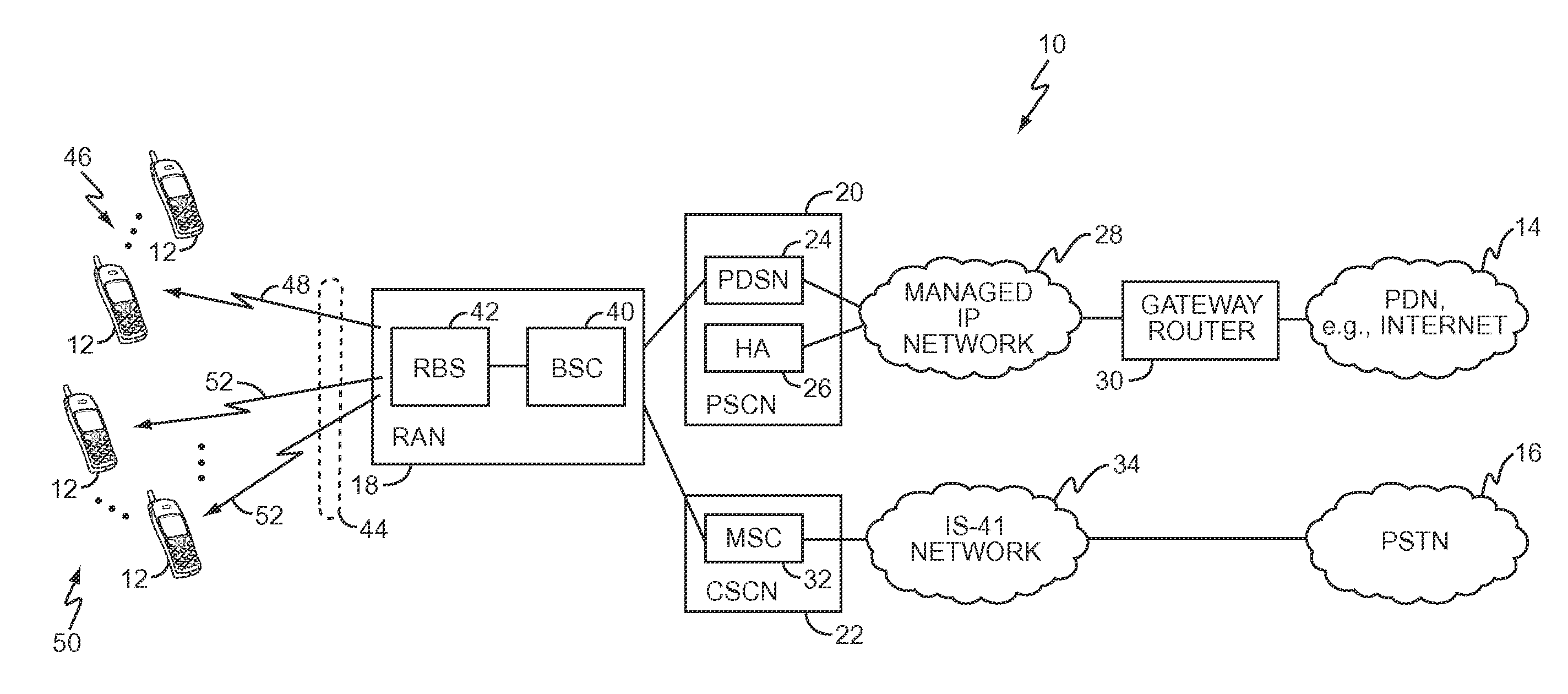
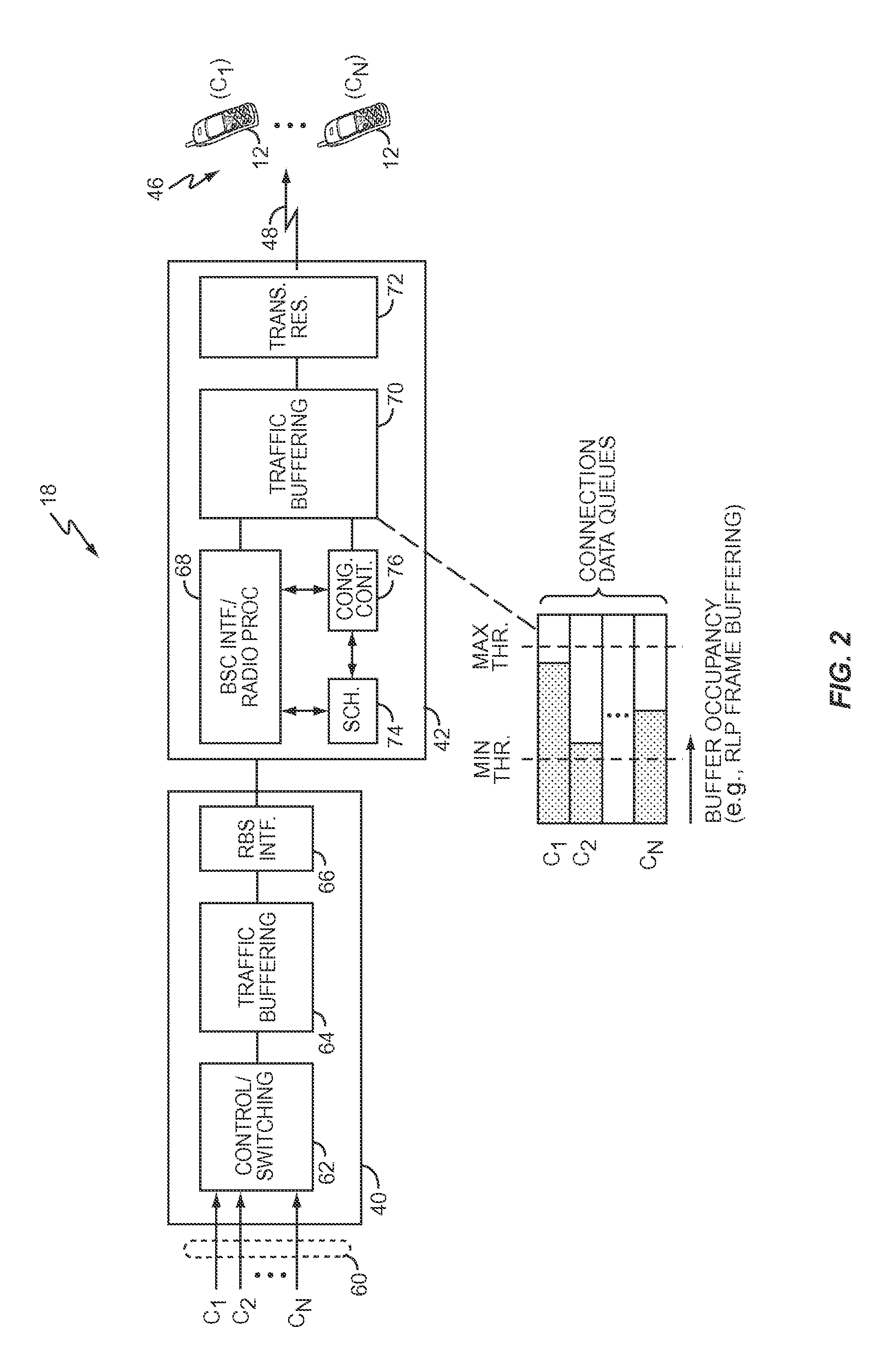

Congestion control of shared packet data channels by reducing the bandwidth or transmission power for data flows with poor radio conditions
PatentWO2004040859A1
Innovation
- A congestion control method that under-serves data connections with poor radio conditions by temporarily biasing service towards those with better conditions, reducing allocated power or data rates, and exploiting flow control mechanisms to prevent widespread data rate reductions, thereby increasing channel capacity and avoiding congestion collapse.


Spectrum Regulation Impact on Wireless Controllers
Spectrum regulation frameworks significantly influence the operational efficiency and performance of wireless controllers, particularly when addressing network congestion challenges. Regulatory bodies worldwide establish frequency allocation policies that directly determine the available spectrum resources for wireless communication systems. These regulations create both opportunities and constraints for wireless controller implementations, affecting their ability to dynamically manage network traffic and mitigate congestion scenarios.
The Federal Communications Commission (FCC) in the United States, the European Telecommunications Standards Institute (ETSI), and similar regulatory authorities in other regions have implemented varying approaches to spectrum management. These differences create a complex landscape where wireless controller manufacturers must navigate multiple regulatory environments. Licensed spectrum allocations provide guaranteed interference-free operation but come with significant costs and limited flexibility. Conversely, unlicensed spectrum bands offer greater accessibility but introduce unpredictable interference patterns that wireless controllers must actively manage.
Recent regulatory trends toward dynamic spectrum access and cognitive radio technologies have opened new possibilities for wireless controllers to enhance their congestion management capabilities. The introduction of Citizens Broadband Radio Service (CBRS) in the 3.5 GHz band exemplifies how regulatory innovation can enable more sophisticated spectrum sharing mechanisms. These frameworks allow wireless controllers to implement intelligent spectrum sensing and adaptive channel selection algorithms, improving their resilience against network congestion.
International harmonization efforts, such as those coordinated through the International Telecommunication Union (ITU), play a crucial role in establishing consistent spectrum policies across borders. However, regional variations in spectrum allocation continue to pose challenges for global wireless controller deployments. Manufacturers must design systems capable of operating across different regulatory environments while maintaining optimal performance under congestion conditions.
The emergence of 5G and beyond wireless technologies has prompted regulators to reconsider traditional spectrum management approaches. New regulatory frameworks increasingly emphasize spectrum efficiency and dynamic allocation mechanisms, directly benefiting wireless controllers designed to operate in congested network environments. These evolving regulations create opportunities for implementing advanced interference mitigation techniques and collaborative spectrum sharing protocols that enhance overall network performance.
The Federal Communications Commission (FCC) in the United States, the European Telecommunications Standards Institute (ETSI), and similar regulatory authorities in other regions have implemented varying approaches to spectrum management. These differences create a complex landscape where wireless controller manufacturers must navigate multiple regulatory environments. Licensed spectrum allocations provide guaranteed interference-free operation but come with significant costs and limited flexibility. Conversely, unlicensed spectrum bands offer greater accessibility but introduce unpredictable interference patterns that wireless controllers must actively manage.
Recent regulatory trends toward dynamic spectrum access and cognitive radio technologies have opened new possibilities for wireless controllers to enhance their congestion management capabilities. The introduction of Citizens Broadband Radio Service (CBRS) in the 3.5 GHz band exemplifies how regulatory innovation can enable more sophisticated spectrum sharing mechanisms. These frameworks allow wireless controllers to implement intelligent spectrum sensing and adaptive channel selection algorithms, improving their resilience against network congestion.
International harmonization efforts, such as those coordinated through the International Telecommunication Union (ITU), play a crucial role in establishing consistent spectrum policies across borders. However, regional variations in spectrum allocation continue to pose challenges for global wireless controller deployments. Manufacturers must design systems capable of operating across different regulatory environments while maintaining optimal performance under congestion conditions.
The emergence of 5G and beyond wireless technologies has prompted regulators to reconsider traditional spectrum management approaches. New regulatory frameworks increasingly emphasize spectrum efficiency and dynamic allocation mechanisms, directly benefiting wireless controllers designed to operate in congested network environments. These evolving regulations create opportunities for implementing advanced interference mitigation techniques and collaborative spectrum sharing protocols that enhance overall network performance.
Performance Benchmarking Standards for Gaming Controllers
The establishment of comprehensive performance benchmarking standards for gaming controllers represents a critical foundation for addressing wireless controller performance under network congestion conditions. Current industry practices lack unified metrics and testing protocols, creating significant gaps in evaluating controller responsiveness, latency tolerance, and adaptive capabilities during network stress scenarios.
Existing benchmarking frameworks primarily focus on basic input lag measurements and button response times under optimal network conditions. However, these standards fail to capture the complex performance dynamics that occur when wireless controllers operate in congested network environments. The absence of standardized congestion simulation protocols and performance degradation metrics limits the industry's ability to develop robust solutions for real-world gaming scenarios.
Industry organizations including the International Game Developers Association and hardware certification bodies have initiated preliminary discussions on establishing unified testing standards. These efforts emphasize the need for standardized network congestion simulation environments that replicate common interference patterns, bandwidth limitations, and packet loss scenarios encountered in typical gaming setups.
Key performance indicators under development include adaptive latency compensation effectiveness, signal strength maintenance under interference, and automatic frequency switching capabilities. These metrics specifically target the controller's ability to maintain consistent performance when facing network congestion challenges, providing quantifiable measures for comparing different wireless controller technologies and implementations.
The proposed benchmarking standards incorporate multi-dimensional testing scenarios including simultaneous device interference, varying distance conditions, and dynamic bandwidth allocation situations. Testing protocols emphasize reproducible congestion patterns that reflect real gaming environments, ensuring that benchmark results translate effectively to actual user experiences.
Standardization efforts also focus on establishing baseline performance thresholds that wireless controllers must maintain even under severe network congestion. These thresholds define minimum acceptable response times, maximum allowable input lag variations, and required connection stability metrics that ensure consistent gaming experiences regardless of network conditions.
Existing benchmarking frameworks primarily focus on basic input lag measurements and button response times under optimal network conditions. However, these standards fail to capture the complex performance dynamics that occur when wireless controllers operate in congested network environments. The absence of standardized congestion simulation protocols and performance degradation metrics limits the industry's ability to develop robust solutions for real-world gaming scenarios.
Industry organizations including the International Game Developers Association and hardware certification bodies have initiated preliminary discussions on establishing unified testing standards. These efforts emphasize the need for standardized network congestion simulation environments that replicate common interference patterns, bandwidth limitations, and packet loss scenarios encountered in typical gaming setups.
Key performance indicators under development include adaptive latency compensation effectiveness, signal strength maintenance under interference, and automatic frequency switching capabilities. These metrics specifically target the controller's ability to maintain consistent performance when facing network congestion challenges, providing quantifiable measures for comparing different wireless controller technologies and implementations.
The proposed benchmarking standards incorporate multi-dimensional testing scenarios including simultaneous device interference, varying distance conditions, and dynamic bandwidth allocation situations. Testing protocols emphasize reproducible congestion patterns that reflect real gaming environments, ensuring that benchmark results translate effectively to actual user experiences.
Standardization efforts also focus on establishing baseline performance thresholds that wireless controllers must maintain even under severe network congestion. These thresholds define minimum acceptable response times, maximum allowable input lag variations, and required connection stability metrics that ensure consistent gaming experiences regardless of network conditions.
Unlock deeper insights with Patsnap Eureka Quick Research — get a full tech report to explore trends and direct your research. Try now!
Generate Your Research Report Instantly with AI Agent
Supercharge your innovation with Patsnap Eureka AI Agent Platform!