
How to Evaluate Energy Load in Wireless Controller Use
MAR 5, 20269 MIN READ
Generate Your Research Report Instantly with AI Agent
Patsnap Eureka helps you evaluate technical feasibility & market potential.
Wireless Controller Energy Load Background and Objectives
The proliferation of wireless controllers across diverse applications has fundamentally transformed how we interact with electronic systems, from gaming consoles and smart home devices to industrial automation and IoT networks. As these devices become increasingly sophisticated, incorporating advanced features such as haptic feedback, motion sensing, and high-frequency communication protocols, their energy consumption patterns have grown correspondingly complex. The challenge of accurately evaluating energy load in wireless controllers has emerged as a critical technical concern that directly impacts device performance, user experience, and overall system efficiency.
Traditional energy evaluation methods, originally designed for wired devices or simpler wireless systems, prove inadequate when applied to modern wireless controllers. These devices exhibit dynamic power consumption profiles that fluctuate based on multiple variables including communication frequency, signal strength, processing load, and peripheral activation states. The intermittent nature of wireless communication, combined with power management features such as sleep modes and adaptive transmission power, creates evaluation scenarios that require sophisticated measurement and analysis techniques.
The technical significance of this challenge extends beyond mere battery life optimization. Accurate energy load evaluation directly influences controller design decisions, affects wireless network planning, and determines the feasibility of implementing advanced features without compromising operational reliability. Furthermore, as wireless controllers increasingly integrate into mission-critical applications, the ability to predict and manage energy consumption becomes essential for ensuring consistent performance and preventing unexpected system failures.
Current evaluation approaches often rely on simplified models or static measurements that fail to capture the dynamic nature of real-world usage patterns. This limitation has created a substantial gap between theoretical energy calculations and actual device performance, leading to suboptimal design choices and unrealistic user expectations. The development of comprehensive evaluation methodologies represents a crucial step toward bridging this gap and enabling more efficient wireless controller implementations.
The primary objective of addressing this technical challenge centers on establishing robust, accurate, and practical methods for assessing energy consumption in wireless controllers under various operational conditions. This encompasses developing measurement frameworks that account for the complex interplay between wireless communication protocols, processing demands, and peripheral device interactions while maintaining sufficient precision for engineering decision-making.
Traditional energy evaluation methods, originally designed for wired devices or simpler wireless systems, prove inadequate when applied to modern wireless controllers. These devices exhibit dynamic power consumption profiles that fluctuate based on multiple variables including communication frequency, signal strength, processing load, and peripheral activation states. The intermittent nature of wireless communication, combined with power management features such as sleep modes and adaptive transmission power, creates evaluation scenarios that require sophisticated measurement and analysis techniques.
The technical significance of this challenge extends beyond mere battery life optimization. Accurate energy load evaluation directly influences controller design decisions, affects wireless network planning, and determines the feasibility of implementing advanced features without compromising operational reliability. Furthermore, as wireless controllers increasingly integrate into mission-critical applications, the ability to predict and manage energy consumption becomes essential for ensuring consistent performance and preventing unexpected system failures.
Current evaluation approaches often rely on simplified models or static measurements that fail to capture the dynamic nature of real-world usage patterns. This limitation has created a substantial gap between theoretical energy calculations and actual device performance, leading to suboptimal design choices and unrealistic user expectations. The development of comprehensive evaluation methodologies represents a crucial step toward bridging this gap and enabling more efficient wireless controller implementations.
The primary objective of addressing this technical challenge centers on establishing robust, accurate, and practical methods for assessing energy consumption in wireless controllers under various operational conditions. This encompasses developing measurement frameworks that account for the complex interplay between wireless communication protocols, processing demands, and peripheral device interactions while maintaining sufficient precision for engineering decision-making.
Market Demand for Energy-Efficient Wireless Controllers
The global wireless controller market is experiencing unprecedented growth driven by the increasing demand for energy-efficient solutions across multiple industries. Industrial automation, smart home systems, and IoT applications are primary drivers of this expansion, as organizations seek to reduce operational costs while maintaining high performance standards. The convergence of sustainability initiatives and technological advancement has created a compelling business case for energy-optimized wireless control systems.
Manufacturing sectors represent the largest market segment for energy-efficient wireless controllers, where operational cost reduction directly impacts profitability. Smart factories and Industry 4.0 implementations require wireless control systems that can operate continuously while minimizing power consumption. The automotive industry particularly demands robust wireless controllers for production line automation, where energy efficiency translates to significant cost savings over extended operational periods.
Consumer electronics and smart home markets are rapidly adopting energy-efficient wireless controllers as environmental consciousness grows among end users. Home automation systems, smart lighting, and HVAC controls increasingly prioritize low-power wireless solutions that extend battery life and reduce maintenance requirements. This trend is accelerated by regulatory pressures and consumer preferences for sustainable technology solutions.
The telecommunications infrastructure sector presents substantial opportunities for energy-efficient wireless controllers, particularly in 5G network deployments. Base stations and network equipment require sophisticated control systems that balance performance with power consumption, making energy evaluation capabilities essential for network operators seeking to optimize operational expenses.
Healthcare and medical device applications represent an emerging high-value market segment where energy-efficient wireless controllers enable portable and implantable devices. Battery life considerations are critical in medical applications, driving demand for controllers with advanced energy management capabilities and precise load evaluation features.
Geographic market distribution shows strong demand concentration in North America and Europe, where regulatory frameworks increasingly mandate energy efficiency standards. Asia-Pacific markets are experiencing rapid growth due to industrial expansion and smart city initiatives, creating substantial opportunities for wireless controller manufacturers focused on energy optimization technologies.
Manufacturing sectors represent the largest market segment for energy-efficient wireless controllers, where operational cost reduction directly impacts profitability. Smart factories and Industry 4.0 implementations require wireless control systems that can operate continuously while minimizing power consumption. The automotive industry particularly demands robust wireless controllers for production line automation, where energy efficiency translates to significant cost savings over extended operational periods.
Consumer electronics and smart home markets are rapidly adopting energy-efficient wireless controllers as environmental consciousness grows among end users. Home automation systems, smart lighting, and HVAC controls increasingly prioritize low-power wireless solutions that extend battery life and reduce maintenance requirements. This trend is accelerated by regulatory pressures and consumer preferences for sustainable technology solutions.
The telecommunications infrastructure sector presents substantial opportunities for energy-efficient wireless controllers, particularly in 5G network deployments. Base stations and network equipment require sophisticated control systems that balance performance with power consumption, making energy evaluation capabilities essential for network operators seeking to optimize operational expenses.
Healthcare and medical device applications represent an emerging high-value market segment where energy-efficient wireless controllers enable portable and implantable devices. Battery life considerations are critical in medical applications, driving demand for controllers with advanced energy management capabilities and precise load evaluation features.
Geographic market distribution shows strong demand concentration in North America and Europe, where regulatory frameworks increasingly mandate energy efficiency standards. Asia-Pacific markets are experiencing rapid growth due to industrial expansion and smart city initiatives, creating substantial opportunities for wireless controller manufacturers focused on energy optimization technologies.
Current Energy Evaluation Challenges in Wireless Controllers
Wireless controllers face significant energy evaluation challenges that stem from their inherently dynamic operational characteristics. Unlike wired systems with predictable power consumption patterns, wireless controllers must manage variable transmission power levels, intermittent connectivity states, and adaptive protocol behaviors that create complex energy consumption profiles. The absence of standardized measurement frameworks across different wireless protocols further complicates accurate energy assessment.
Traditional energy measurement approaches prove inadequate for wireless controller environments due to their inability to capture real-time power fluctuations during different operational modes. Conventional power meters typically provide average consumption readings that fail to reflect the granular energy demands during critical phases such as connection establishment, data transmission bursts, and sleep-wake transitions. This limitation becomes particularly problematic when evaluating controllers that employ dynamic power management strategies.
Protocol diversity presents another substantial challenge in energy evaluation methodologies. Different wireless standards including WiFi, Bluetooth, Zigbee, and proprietary protocols exhibit distinct power consumption characteristics and operational behaviors. Each protocol implements unique power management mechanisms, transmission scheduling algorithms, and error correction strategies that directly impact energy utilization patterns. Developing unified evaluation criteria that accommodate these protocol-specific variations remains technically challenging.
Environmental interference significantly affects energy consumption accuracy in wireless controllers, creating measurement uncertainties that traditional evaluation methods struggle to address. Signal attenuation, electromagnetic interference, and network congestion force controllers to increase transmission power or implement retry mechanisms, leading to unpredictable energy spikes that are difficult to quantify and reproduce in controlled testing environments.
The temporal nature of wireless communication introduces additional complexity in energy load assessment. Controllers experience varying workloads throughout operational cycles, with energy consumption patterns that depend on network traffic, user interaction frequency, and system responsiveness requirements. Capturing representative energy profiles requires extended monitoring periods and sophisticated data analysis techniques that can distinguish between normal operational variations and actual performance issues.
Current measurement infrastructure lacks the precision and temporal resolution necessary for comprehensive wireless controller energy evaluation. Existing tools often cannot differentiate between energy consumed by core processing functions versus wireless communication activities, making it difficult to identify specific optimization opportunities or validate the effectiveness of power management implementations.
Traditional energy measurement approaches prove inadequate for wireless controller environments due to their inability to capture real-time power fluctuations during different operational modes. Conventional power meters typically provide average consumption readings that fail to reflect the granular energy demands during critical phases such as connection establishment, data transmission bursts, and sleep-wake transitions. This limitation becomes particularly problematic when evaluating controllers that employ dynamic power management strategies.
Protocol diversity presents another substantial challenge in energy evaluation methodologies. Different wireless standards including WiFi, Bluetooth, Zigbee, and proprietary protocols exhibit distinct power consumption characteristics and operational behaviors. Each protocol implements unique power management mechanisms, transmission scheduling algorithms, and error correction strategies that directly impact energy utilization patterns. Developing unified evaluation criteria that accommodate these protocol-specific variations remains technically challenging.
Environmental interference significantly affects energy consumption accuracy in wireless controllers, creating measurement uncertainties that traditional evaluation methods struggle to address. Signal attenuation, electromagnetic interference, and network congestion force controllers to increase transmission power or implement retry mechanisms, leading to unpredictable energy spikes that are difficult to quantify and reproduce in controlled testing environments.
The temporal nature of wireless communication introduces additional complexity in energy load assessment. Controllers experience varying workloads throughout operational cycles, with energy consumption patterns that depend on network traffic, user interaction frequency, and system responsiveness requirements. Capturing representative energy profiles requires extended monitoring periods and sophisticated data analysis techniques that can distinguish between normal operational variations and actual performance issues.
Current measurement infrastructure lacks the precision and temporal resolution necessary for comprehensive wireless controller energy evaluation. Existing tools often cannot differentiate between energy consumed by core processing functions versus wireless communication activities, making it difficult to identify specific optimization opportunities or validate the effectiveness of power management implementations.
Existing Energy Load Evaluation Solutions for Wireless Controllers
01 Wireless power transmission and energy management systems
Systems and methods for wirelessly transmitting power to controllers and managing energy distribution across multiple devices. These technologies enable efficient power transfer without physical connections, utilizing electromagnetic induction or resonance coupling. The systems can dynamically adjust power delivery based on device requirements and optimize energy consumption through intelligent load balancing and scheduling algorithms.- Wireless power transmission and energy management systems: Systems and methods for wirelessly transmitting power to controllers and managing energy distribution across multiple devices. These technologies enable efficient power transfer without physical connections, utilizing electromagnetic induction or resonance coupling. The systems can dynamically adjust power levels based on device requirements and optimize energy consumption through intelligent load balancing and scheduling algorithms.
- Battery management and power optimization for wireless controllers: Technologies focused on extending battery life and optimizing power consumption in wireless controllers through advanced battery management systems. These solutions include intelligent charging circuits, power-saving modes, and adaptive performance scaling based on usage patterns. The systems monitor battery health, predict remaining operational time, and implement strategies to reduce unnecessary power drain during idle or low-activity periods.
- Load balancing and distribution in wireless control networks: Methods for distributing energy loads across multiple wireless controllers and network nodes to prevent overloading and ensure stable operation. These approaches utilize algorithms to analyze real-time power consumption patterns and redistribute workloads accordingly. The systems can prioritize critical functions, manage peak demand periods, and coordinate energy usage among interconnected devices to maintain optimal performance while minimizing total energy consumption.
- Energy harvesting and self-powered wireless controllers: Technologies that enable wireless controllers to harvest energy from ambient sources such as radio frequencies, vibrations, thermal gradients, or light. These self-sustaining systems reduce or eliminate the need for battery replacement by continuously capturing and storing small amounts of energy from the environment. The harvested energy is conditioned and regulated to power the controller's operations, enabling maintenance-free deployment in various applications.
- Communication protocols for energy-efficient wireless control: Specialized communication protocols and transmission methods designed to minimize energy consumption in wireless controllers while maintaining reliable data exchange. These protocols implement techniques such as duty cycling, adaptive transmission power control, and efficient data encoding schemes. The systems optimize the timing and frequency of communications, reduce redundant transmissions, and employ sleep modes to conserve energy during periods of inactivity without compromising responsiveness or control accuracy.
02 Battery management and power optimization for wireless controllers
Technologies focused on extending battery life and optimizing power consumption in wireless controllers through advanced battery management systems. These solutions include intelligent charging circuits, power-saving modes, and adaptive power management that adjusts energy usage based on controller activity. The systems monitor battery status and implement strategies to reduce energy drain during idle periods while maintaining responsiveness during active use.Expand Specific Solutions03 Load balancing and distribution in wireless control networks
Methods for distributing energy loads across multiple wireless controllers and network nodes to prevent overload conditions and ensure stable operation. These approaches involve monitoring energy consumption patterns, predicting load requirements, and dynamically redistributing power resources. The systems can prioritize critical controllers and implement failover mechanisms to maintain network functionality under varying load conditions.Expand Specific Solutions04 Energy harvesting and self-powered wireless controllers
Technologies that enable wireless controllers to harvest energy from ambient sources such as radio frequency signals, vibrations, thermal gradients, or light. These self-powered solutions reduce or eliminate the need for battery replacement by continuously capturing and storing small amounts of energy. The systems incorporate efficient energy conversion circuits and ultra-low-power controller designs to operate on harvested power alone.Expand Specific Solutions05 Power control circuits and energy regulation for wireless devices
Circuit designs and control mechanisms for regulating energy flow and managing power consumption in wireless controllers. These solutions include voltage regulators, power converters, and switching circuits that maintain stable operation across varying input conditions. The technologies implement feedback control loops and adaptive algorithms to minimize energy waste while ensuring reliable controller performance and protecting components from power fluctuations.Expand Specific Solutions
Key Players in Wireless Controller and Energy Management Industry
The wireless controller energy load evaluation market is experiencing rapid growth driven by increasing IoT deployments and smart device proliferation. The industry is in an expansion phase with significant market potential as wireless technologies become ubiquitous across consumer electronics, automotive, and industrial applications. Technology maturity varies considerably among market players, with established telecommunications giants like Huawei, Ericsson, and ZTE leading in infrastructure solutions, while semiconductor specialists such as Qualcomm and Texas Instruments provide advanced power management chips. Consumer electronics manufacturers including Samsung, LG Electronics, and Xiaomi are integrating sophisticated energy evaluation capabilities into their wireless products. Automotive players like DENSO and China FAW are developing specialized solutions for vehicle applications. The competitive landscape shows a mix of mature technologies in traditional wireless systems and emerging innovations in energy-efficient controller designs, indicating a market transitioning from basic power management to intelligent, adaptive energy optimization solutions.
Telefonaktiebolaget LM Ericsson
Technical Solution: Ericsson has developed comprehensive energy load evaluation solutions specifically designed for wireless network controllers and base station equipment. Their approach combines real-time energy monitoring with predictive analytics to assess power consumption patterns across different network loads and environmental conditions. The system implements advanced power profiling techniques that can identify energy inefficiencies and optimize controller performance dynamically. Their energy evaluation methodology includes detailed analysis of RF power amplifier efficiency, digital signal processing loads, and cooling system requirements, providing operators with actionable insights to reduce overall energy consumption by 25-35% while maintaining network performance standards.
Strengths: Deep telecom infrastructure expertise, proven scalability for large networks, comprehensive energy optimization tools. Weaknesses: Primarily focused on telecom infrastructure, limited applicability to consumer wireless devices.
Huawei Technologies Co., Ltd.
Technical Solution: Huawei has developed advanced energy load evaluation systems for wireless controllers used in IoT and 5G networks. Their solution employs AI-driven energy profiling that continuously monitors and analyzes power consumption across different operational modes including idle, active transmission, and sleep states. The system utilizes sophisticated algorithms to predict energy requirements based on network traffic patterns, signal strength variations, and device workload characteristics. Their energy evaluation framework incorporates real-time power measurement capabilities with sub-millisecond accuracy, enabling precise energy budgeting and optimization strategies that can extend battery life by 30-50% in typical deployment scenarios.
Strengths: Advanced AI-based prediction algorithms, high-precision measurement capabilities, strong 5G and IoT integration. Weaknesses: Complex implementation requirements, potential regulatory restrictions in some markets.
Core Technologies in Wireless Controller Energy Assessment
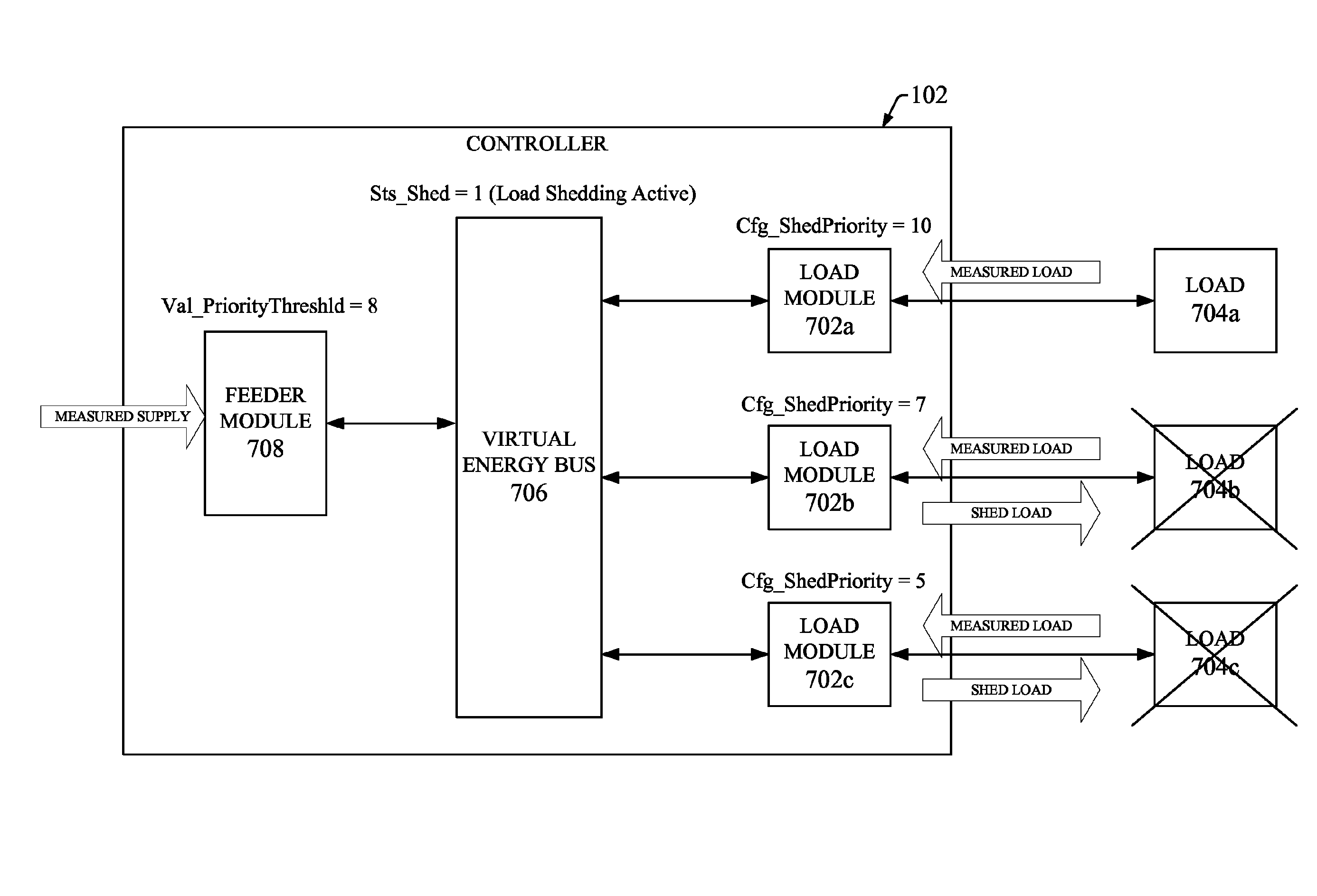
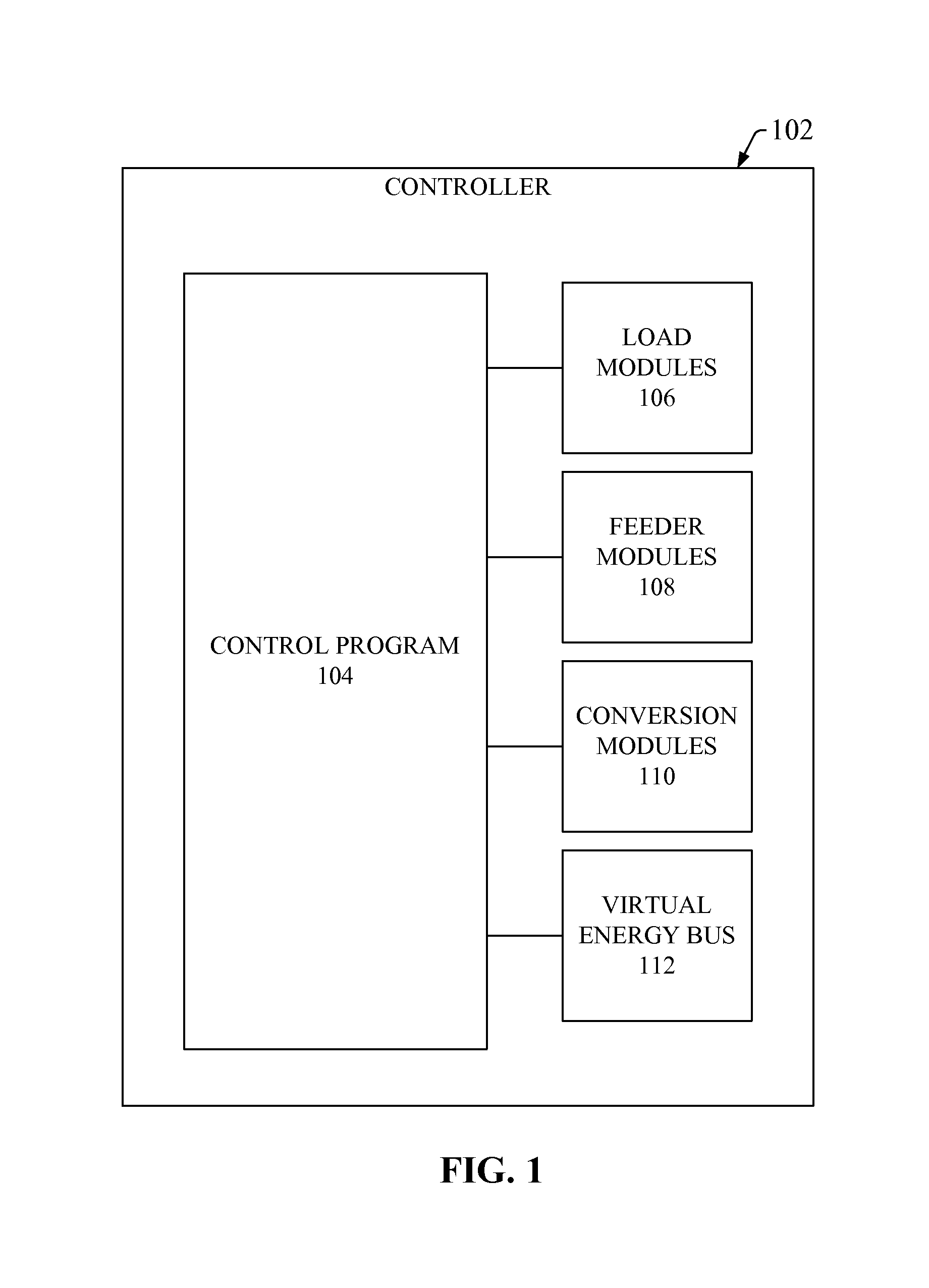
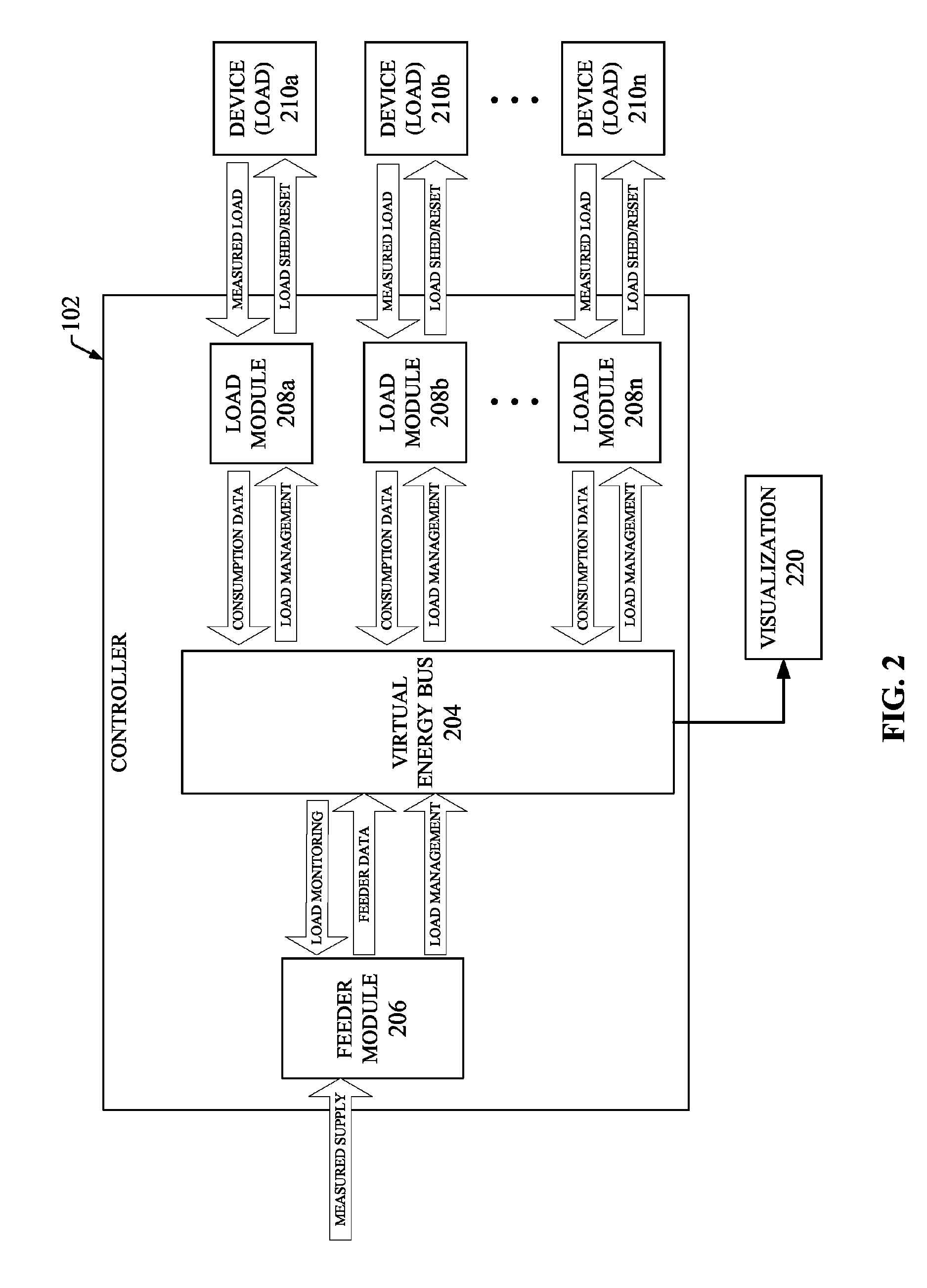
Modular energy load management
PatentInactiveUS8626319B2
Innovation
- A modular load management architecture integrated within an industrial control system, utilizing feeder and load modules that exchange data via a virtual energy bus, allowing for configuration without extensive custom programming and enabling aggregation of different energy types.

Wireless health monitoring devices and methods of managing energy consumption of such devices
PatentWO2024208787A2
Innovation
- A wireless health monitoring device with a data module, communication unit, and constrained energy source, equipped with a controller that performs a pre-transmission assessment to determine energy availability and network parameters, allowing for intermittent data transmission based on energy thresholds and network conditions, using machine learning models to predict energy needs.


Battery Life Standards and Regulations for Wireless Devices
The regulatory landscape for wireless device battery life has evolved significantly to address growing consumer expectations and environmental concerns. International standards organizations, including the International Electrotechnical Commission (IEC) and Institute of Electrical and Electronics Engineers (IEEE), have established comprehensive frameworks governing battery performance metrics and testing methodologies for wireless controllers and similar devices.
Current battery life standards primarily focus on standardized testing conditions that simulate real-world usage patterns. The IEC 62133 standard provides fundamental safety requirements for portable sealed secondary cells and batteries, while IEEE 1725 specifically addresses rechargeable battery systems in mobile devices. These standards mandate minimum operational duration requirements, typically ranging from 8 to 40 hours of continuous use depending on device category and power consumption profiles.
Regulatory bodies across major markets have implemented distinct compliance requirements. The Federal Communications Commission (FCC) in the United States requires wireless devices to demonstrate adequate battery performance under specified electromagnetic interference conditions. Similarly, the European Telecommunications Standards Institute (ETSI) has established EN 300 328 standards that include battery life verification protocols for short-range wireless devices operating in the 2.4 GHz ISM band.
Energy efficiency regulations have become increasingly stringent, particularly following the implementation of the European Union's Ecodesign Directive. This directive mandates that wireless devices meet specific energy consumption thresholds and include power management features such as automatic sleep modes and low-power standby states. Manufacturers must demonstrate compliance through standardized testing procedures that measure power consumption across various operational modes.
Emerging regulatory trends indicate a shift toward lifecycle-based battery performance standards. The proposed Battery Regulation in the European Union will require manufacturers to provide detailed battery health information and implement battery management systems that optimize longevity. These regulations will likely influence global standards, pushing manufacturers to adopt more sophisticated energy evaluation methodologies and transparent reporting mechanisms for battery performance metrics.
Current battery life standards primarily focus on standardized testing conditions that simulate real-world usage patterns. The IEC 62133 standard provides fundamental safety requirements for portable sealed secondary cells and batteries, while IEEE 1725 specifically addresses rechargeable battery systems in mobile devices. These standards mandate minimum operational duration requirements, typically ranging from 8 to 40 hours of continuous use depending on device category and power consumption profiles.
Regulatory bodies across major markets have implemented distinct compliance requirements. The Federal Communications Commission (FCC) in the United States requires wireless devices to demonstrate adequate battery performance under specified electromagnetic interference conditions. Similarly, the European Telecommunications Standards Institute (ETSI) has established EN 300 328 standards that include battery life verification protocols for short-range wireless devices operating in the 2.4 GHz ISM band.
Energy efficiency regulations have become increasingly stringent, particularly following the implementation of the European Union's Ecodesign Directive. This directive mandates that wireless devices meet specific energy consumption thresholds and include power management features such as automatic sleep modes and low-power standby states. Manufacturers must demonstrate compliance through standardized testing procedures that measure power consumption across various operational modes.
Emerging regulatory trends indicate a shift toward lifecycle-based battery performance standards. The proposed Battery Regulation in the European Union will require manufacturers to provide detailed battery health information and implement battery management systems that optimize longevity. These regulations will likely influence global standards, pushing manufacturers to adopt more sophisticated energy evaluation methodologies and transparent reporting mechanisms for battery performance metrics.
Sustainability Considerations in Wireless Controller Design
Sustainability considerations have become increasingly critical in wireless controller design as environmental awareness and regulatory requirements continue to evolve. The integration of energy load evaluation methodologies directly supports sustainable design practices by enabling manufacturers to optimize power consumption patterns and extend device lifecycles. Modern wireless controllers must balance performance requirements with environmental responsibility, creating a complex design challenge that requires comprehensive energy assessment frameworks.
The environmental impact of wireless controllers extends beyond their operational energy consumption to encompass manufacturing processes, material selection, and end-of-life disposal considerations. Energy load evaluation serves as a foundational tool for quantifying the carbon footprint associated with different design choices and operational scenarios. By implementing systematic energy assessment protocols, designers can identify opportunities to reduce overall environmental impact while maintaining functional performance standards.
Battery lifecycle management represents a crucial sustainability aspect directly influenced by energy load evaluation practices. Accurate energy consumption modeling enables the development of intelligent power management systems that can significantly extend battery lifespan and reduce replacement frequency. This approach not only minimizes electronic waste but also reduces the environmental burden associated with battery manufacturing and disposal processes.
Material selection and component optimization strategies benefit substantially from comprehensive energy load analysis. Understanding power consumption patterns allows designers to select components with optimal efficiency characteristics and implement circuit designs that minimize energy waste. This systematic approach supports the development of controllers that require fewer raw materials while delivering superior energy performance throughout their operational lifetime.
Regulatory compliance and certification processes increasingly emphasize energy efficiency metrics and environmental impact assessments. Energy load evaluation methodologies provide the necessary data foundation for meeting emerging sustainability standards and obtaining required certifications. These frameworks enable manufacturers to demonstrate compliance with environmental regulations while supporting corporate sustainability initiatives and market positioning strategies.
The circular economy principles can be effectively integrated into wireless controller design through energy-aware development processes. By understanding energy consumption patterns and optimizing for efficiency, manufacturers can create products that support repair, refurbishment, and component recovery initiatives. This approach extends product lifecycles and reduces the overall environmental impact associated with wireless controller deployment and replacement cycles.
The environmental impact of wireless controllers extends beyond their operational energy consumption to encompass manufacturing processes, material selection, and end-of-life disposal considerations. Energy load evaluation serves as a foundational tool for quantifying the carbon footprint associated with different design choices and operational scenarios. By implementing systematic energy assessment protocols, designers can identify opportunities to reduce overall environmental impact while maintaining functional performance standards.
Battery lifecycle management represents a crucial sustainability aspect directly influenced by energy load evaluation practices. Accurate energy consumption modeling enables the development of intelligent power management systems that can significantly extend battery lifespan and reduce replacement frequency. This approach not only minimizes electronic waste but also reduces the environmental burden associated with battery manufacturing and disposal processes.
Material selection and component optimization strategies benefit substantially from comprehensive energy load analysis. Understanding power consumption patterns allows designers to select components with optimal efficiency characteristics and implement circuit designs that minimize energy waste. This systematic approach supports the development of controllers that require fewer raw materials while delivering superior energy performance throughout their operational lifetime.
Regulatory compliance and certification processes increasingly emphasize energy efficiency metrics and environmental impact assessments. Energy load evaluation methodologies provide the necessary data foundation for meeting emerging sustainability standards and obtaining required certifications. These frameworks enable manufacturers to demonstrate compliance with environmental regulations while supporting corporate sustainability initiatives and market positioning strategies.
The circular economy principles can be effectively integrated into wireless controller design through energy-aware development processes. By understanding energy consumption patterns and optimizing for efficiency, manufacturers can create products that support repair, refurbishment, and component recovery initiatives. This approach extends product lifecycles and reduces the overall environmental impact associated with wireless controller deployment and replacement cycles.
Unlock deeper insights with Patsnap Eureka Quick Research — get a full tech report to explore trends and direct your research. Try now!
Generate Your Research Report Instantly with AI Agent
Supercharge your innovation with Patsnap Eureka AI Agent Platform!