
Evaluating Wireless Controller Frequency for Precision Fit
MAR 5, 20269 MIN READ
Generate Your Research Report Instantly with AI Agent
Patsnap Eureka helps you evaluate technical feasibility & market potential.
Wireless Controller Frequency Background and Objectives
Wireless controller technology has undergone significant evolution since its inception in the early 1980s, transitioning from simple infrared systems to sophisticated radio frequency solutions. The fundamental principle involves transmitting control signals wirelessly from a handheld device to a receiver unit, eliminating the constraints of physical cables while maintaining responsive communication.
The development trajectory of wireless controllers demonstrates a clear progression toward higher precision and lower latency systems. Early implementations suffered from limited range, interference susceptibility, and noticeable input lag. Modern wireless controllers leverage advanced frequency management techniques, adaptive frequency hopping, and sophisticated signal processing algorithms to achieve performance levels that rival or exceed their wired counterparts.
Contemporary wireless controller systems predominantly operate within the 2.4 GHz ISM band, utilizing various modulation schemes and frequency management strategies. The evolution has been driven by the increasing demand for precision in gaming, industrial automation, and remote control applications where millisecond-level response times are critical for optimal user experience and system performance.
The precision fit concept in wireless controller frequency evaluation encompasses multiple technical dimensions including signal integrity, temporal accuracy, and environmental adaptability. This involves optimizing the relationship between carrier frequency selection, bandwidth allocation, and signal processing parameters to achieve minimal latency while maintaining robust communication links under varying operational conditions.
Current technological objectives focus on achieving sub-10 millisecond end-to-end latency while ensuring 99.9% packet delivery reliability across diverse electromagnetic environments. The challenge lies in balancing frequency stability, power consumption, and interference mitigation while accommodating the increasing density of wireless devices operating within shared spectrum allocations.
The precision fit evaluation framework aims to establish standardized methodologies for assessing wireless controller performance across different frequency configurations. This includes developing comprehensive testing protocols that account for real-world interference scenarios, multi-path propagation effects, and dynamic frequency allocation strategies that adapt to changing environmental conditions in real-time.
The development trajectory of wireless controllers demonstrates a clear progression toward higher precision and lower latency systems. Early implementations suffered from limited range, interference susceptibility, and noticeable input lag. Modern wireless controllers leverage advanced frequency management techniques, adaptive frequency hopping, and sophisticated signal processing algorithms to achieve performance levels that rival or exceed their wired counterparts.
Contemporary wireless controller systems predominantly operate within the 2.4 GHz ISM band, utilizing various modulation schemes and frequency management strategies. The evolution has been driven by the increasing demand for precision in gaming, industrial automation, and remote control applications where millisecond-level response times are critical for optimal user experience and system performance.
The precision fit concept in wireless controller frequency evaluation encompasses multiple technical dimensions including signal integrity, temporal accuracy, and environmental adaptability. This involves optimizing the relationship between carrier frequency selection, bandwidth allocation, and signal processing parameters to achieve minimal latency while maintaining robust communication links under varying operational conditions.
Current technological objectives focus on achieving sub-10 millisecond end-to-end latency while ensuring 99.9% packet delivery reliability across diverse electromagnetic environments. The challenge lies in balancing frequency stability, power consumption, and interference mitigation while accommodating the increasing density of wireless devices operating within shared spectrum allocations.
The precision fit evaluation framework aims to establish standardized methodologies for assessing wireless controller performance across different frequency configurations. This includes developing comprehensive testing protocols that account for real-world interference scenarios, multi-path propagation effects, and dynamic frequency allocation strategies that adapt to changing environmental conditions in real-time.
Market Demand for Precision Fit Wireless Controllers
The global gaming industry has witnessed unprecedented growth in wireless controller adoption, driven by the increasing popularity of console gaming, mobile gaming, and PC gaming platforms. Consumer preferences have shifted significantly toward wireless solutions that offer freedom of movement and enhanced gaming experiences. This trend has created substantial demand for precision-fit wireless controllers that can deliver professional-grade performance without the constraints of wired connections.
Market research indicates that competitive gaming and esports represent the fastest-growing segments driving demand for high-precision wireless controllers. Professional gamers and enthusiasts require controllers with minimal input lag, consistent signal transmission, and reliable frequency performance to maintain competitive advantages. The precision fit requirement has become particularly critical as gaming tournaments and professional leagues establish strict performance standards for peripheral devices.
The consumer electronics market has experienced a notable shift toward premium gaming accessories, with users willing to invest in higher-quality wireless controllers that offer superior precision and reliability. This trend extends beyond traditional gaming demographics to include content creators, streamers, and casual gamers who value consistent performance. The demand spans multiple platform ecosystems, including next-generation consoles, gaming PCs, mobile devices, and emerging cloud gaming services.
Industrial applications have emerged as an unexpected but significant market segment for precision wireless controllers. Sectors such as drone operation, robotic control systems, industrial automation, and medical device operation require controllers with exceptional frequency stability and precision fit characteristics. These applications often demand higher reliability standards than consumer gaming, creating opportunities for specialized controller solutions.
The rise of virtual reality and augmented reality platforms has generated additional demand for wireless controllers with precise frequency management capabilities. VR gaming requires controllers with extremely low latency and consistent tracking performance, making frequency optimization crucial for user experience. This emerging market segment continues to expand as VR adoption increases across entertainment, education, and professional training applications.
Regional market analysis reveals strong demand growth in Asia-Pacific markets, particularly in countries with established gaming cultures and growing esports industries. North American and European markets show consistent demand for premium wireless gaming peripherals, while emerging markets demonstrate increasing adoption of wireless gaming accessories as gaming infrastructure develops.
Market research indicates that competitive gaming and esports represent the fastest-growing segments driving demand for high-precision wireless controllers. Professional gamers and enthusiasts require controllers with minimal input lag, consistent signal transmission, and reliable frequency performance to maintain competitive advantages. The precision fit requirement has become particularly critical as gaming tournaments and professional leagues establish strict performance standards for peripheral devices.
The consumer electronics market has experienced a notable shift toward premium gaming accessories, with users willing to invest in higher-quality wireless controllers that offer superior precision and reliability. This trend extends beyond traditional gaming demographics to include content creators, streamers, and casual gamers who value consistent performance. The demand spans multiple platform ecosystems, including next-generation consoles, gaming PCs, mobile devices, and emerging cloud gaming services.
Industrial applications have emerged as an unexpected but significant market segment for precision wireless controllers. Sectors such as drone operation, robotic control systems, industrial automation, and medical device operation require controllers with exceptional frequency stability and precision fit characteristics. These applications often demand higher reliability standards than consumer gaming, creating opportunities for specialized controller solutions.
The rise of virtual reality and augmented reality platforms has generated additional demand for wireless controllers with precise frequency management capabilities. VR gaming requires controllers with extremely low latency and consistent tracking performance, making frequency optimization crucial for user experience. This emerging market segment continues to expand as VR adoption increases across entertainment, education, and professional training applications.
Regional market analysis reveals strong demand growth in Asia-Pacific markets, particularly in countries with established gaming cultures and growing esports industries. North American and European markets show consistent demand for premium wireless gaming peripherals, while emerging markets demonstrate increasing adoption of wireless gaming accessories as gaming infrastructure develops.
Current Frequency Standards and Performance Limitations
Wireless controller systems for precision applications currently operate across several established frequency bands, each presenting distinct performance characteristics and limitations. The 2.4 GHz ISM band remains the most widely adopted standard, utilized by protocols such as Bluetooth, Wi-Fi, and proprietary wireless solutions. This frequency offers reasonable penetration through obstacles and moderate power consumption, making it suitable for consumer-grade precision applications.
The 5 GHz band has gained prominence in recent years, particularly for applications requiring higher data throughput and reduced interference. While offering superior bandwidth capabilities, this frequency exhibits limited range and increased susceptibility to physical obstructions. Industrial precision controllers increasingly leverage this band for applications where environmental interference poses significant challenges to lower frequency operations.
Sub-GHz frequencies, including 433 MHz, 868 MHz, and 915 MHz bands, demonstrate superior propagation characteristics and extended range capabilities. These frequencies excel in industrial environments where long-distance communication and obstacle penetration are critical. However, they suffer from limited bandwidth availability and increased susceptibility to interference from industrial equipment and legacy systems.
Current performance limitations across all frequency standards present significant challenges for precision applications. Latency remains a critical constraint, with typical wireless controllers exhibiting response times ranging from 5 to 50 milliseconds depending on protocol implementation and environmental conditions. This latency directly impacts precision control applications where real-time feedback is essential for maintaining accuracy.
Interference susceptibility represents another fundamental limitation affecting precision performance. The crowded 2.4 GHz spectrum experiences significant congestion from Wi-Fi networks, Bluetooth devices, and microwave emissions, leading to packet loss and communication dropouts. Even dedicated industrial frequencies face interference from switching power supplies, motor drives, and other electromagnetic sources common in precision manufacturing environments.
Power consumption constraints further limit performance capabilities, particularly for battery-operated precision controllers. Higher transmission power improves reliability and range but reduces operational lifetime, creating a fundamental trade-off between performance and sustainability. Current battery technologies struggle to support continuous high-power transmission required for consistent precision control over extended periods.
Range limitations impose additional constraints on system design and deployment. While sub-GHz frequencies can achieve several kilometers in open environments, practical indoor ranges rarely exceed 100 meters for reliable precision control. The 2.4 GHz and 5 GHz bands typically provide even more limited range, particularly in industrial environments with significant metallic structures and electromagnetic interference.
Data throughput limitations affect the complexity of control algorithms and feedback systems that can be implemented wirelessly. Current standards struggle to support high-resolution sensor feedback and complex control commands simultaneously, forcing designers to compromise between control sophistication and wireless reliability for precision applications.
The 5 GHz band has gained prominence in recent years, particularly for applications requiring higher data throughput and reduced interference. While offering superior bandwidth capabilities, this frequency exhibits limited range and increased susceptibility to physical obstructions. Industrial precision controllers increasingly leverage this band for applications where environmental interference poses significant challenges to lower frequency operations.
Sub-GHz frequencies, including 433 MHz, 868 MHz, and 915 MHz bands, demonstrate superior propagation characteristics and extended range capabilities. These frequencies excel in industrial environments where long-distance communication and obstacle penetration are critical. However, they suffer from limited bandwidth availability and increased susceptibility to interference from industrial equipment and legacy systems.
Current performance limitations across all frequency standards present significant challenges for precision applications. Latency remains a critical constraint, with typical wireless controllers exhibiting response times ranging from 5 to 50 milliseconds depending on protocol implementation and environmental conditions. This latency directly impacts precision control applications where real-time feedback is essential for maintaining accuracy.
Interference susceptibility represents another fundamental limitation affecting precision performance. The crowded 2.4 GHz spectrum experiences significant congestion from Wi-Fi networks, Bluetooth devices, and microwave emissions, leading to packet loss and communication dropouts. Even dedicated industrial frequencies face interference from switching power supplies, motor drives, and other electromagnetic sources common in precision manufacturing environments.
Power consumption constraints further limit performance capabilities, particularly for battery-operated precision controllers. Higher transmission power improves reliability and range but reduces operational lifetime, creating a fundamental trade-off between performance and sustainability. Current battery technologies struggle to support continuous high-power transmission required for consistent precision control over extended periods.
Range limitations impose additional constraints on system design and deployment. While sub-GHz frequencies can achieve several kilometers in open environments, practical indoor ranges rarely exceed 100 meters for reliable precision control. The 2.4 GHz and 5 GHz bands typically provide even more limited range, particularly in industrial environments with significant metallic structures and electromagnetic interference.
Data throughput limitations affect the complexity of control algorithms and feedback systems that can be implemented wirelessly. Current standards struggle to support high-resolution sensor feedback and complex control commands simultaneously, forcing designers to compromise between control sophistication and wireless reliability for precision applications.
Existing Frequency Optimization Solutions for Precision
01 Frequency hopping and channel selection in wireless controllers
Wireless controllers can implement frequency hopping techniques to avoid interference and improve communication reliability. The system dynamically selects operating frequencies or channels based on signal quality, interference detection, and available bandwidth. This approach allows the controller to switch between multiple frequency bands to maintain stable connections and reduce signal degradation in crowded wireless environments.- Frequency hopping and channel selection in wireless controllers: Wireless controllers can implement frequency hopping techniques to avoid interference and improve communication reliability. The system dynamically selects operating frequencies or channels based on signal quality, interference levels, and available bandwidth. This approach allows the controller to switch between multiple frequency bands to maintain stable connections and reduce signal degradation in crowded wireless environments.
- Multi-frequency band operation for wireless controllers: Wireless controllers can be designed to operate across multiple frequency bands, such as 2.4 GHz and 5 GHz ranges, to provide flexibility and compatibility with different wireless standards. This multi-band capability enables the controller to select the optimal frequency band based on environmental conditions, regulatory requirements, and device compatibility, thereby enhancing overall system performance and reducing interference.
- Adaptive frequency adjustment and interference mitigation: Advanced wireless controllers incorporate adaptive frequency adjustment mechanisms that continuously monitor the wireless environment and automatically adjust operating frequencies to avoid interference from other devices. These systems can detect congested channels, identify sources of interference, and dynamically shift to cleaner frequency ranges to maintain optimal communication quality and minimize packet loss.
- Frequency synchronization between controller and receiver: Wireless controller systems require precise frequency synchronization between the transmitting controller and receiving device to ensure reliable data transmission. Synchronization techniques include initial pairing protocols, periodic frequency calibration, and clock synchronization mechanisms that maintain alignment between devices. These methods help prevent communication errors and ensure consistent performance across varying operating conditions.
- Regulatory compliance and frequency allocation for wireless controllers: Wireless controllers must comply with regional frequency allocation regulations and standards that govern the use of specific frequency bands for consumer electronics. Design considerations include selecting frequencies within approved ISM bands, implementing power limitations, and ensuring compatibility with international standards. Proper frequency allocation helps avoid regulatory violations and ensures global market compatibility for wireless controller products.
02 Multi-frequency band operation for wireless controllers
Wireless controllers can be designed to operate across multiple frequency bands, such as 2.4 GHz and 5 GHz ranges, to provide flexibility and compatibility with different wireless standards. The controller can automatically detect and select the optimal frequency band based on environmental conditions, regulatory requirements, and device compatibility. This multi-band capability enhances the controller's versatility and ensures reliable operation in various deployment scenarios.Expand Specific Solutions03 Frequency modulation and signal processing techniques
Advanced frequency modulation schemes and signal processing methods are employed in wireless controllers to enhance data transmission efficiency and reduce power consumption. These techniques include spread spectrum modulation, adaptive frequency adjustment, and digital signal processing algorithms that optimize the carrier frequency based on real-time channel conditions. The implementation of these methods improves signal-to-noise ratio and extends the operational range of wireless controllers.Expand Specific Solutions04 Interference mitigation and frequency coordination
Wireless controllers incorporate interference detection and mitigation mechanisms to maintain communication quality in environments with multiple wireless devices. The system monitors the frequency spectrum, identifies sources of interference, and implements coordination protocols to minimize conflicts with other wireless systems. Techniques such as adaptive frequency allocation, power control, and time-division multiplexing are used to ensure coexistence with other wireless technologies operating in the same frequency range.Expand Specific Solutions05 Frequency configuration and regulatory compliance
Wireless controllers are designed with configurable frequency settings to comply with regional regulatory requirements and wireless communication standards. The system allows for frequency band selection, transmission power adjustment, and channel bandwidth configuration to meet specific regulatory constraints in different geographical regions. This flexibility ensures that the wireless controller can be deployed globally while adhering to local frequency allocation rules and electromagnetic compatibility standards.Expand Specific Solutions
Key Players in Wireless Controller and RF Technology
The wireless controller frequency precision fit technology represents a rapidly evolving sector within the broader wireless communications industry, currently in its growth phase with significant market expansion driven by IoT proliferation and industrial automation demands. The market demonstrates substantial scale potential, evidenced by major players like Qualcomm, Intel, Samsung Electronics, and Huawei Technologies investing heavily in wireless precision technologies. Technology maturity varies significantly across the competitive landscape, with established semiconductor giants like Qualcomm and Intel leading in advanced frequency management solutions, while telecommunications infrastructure providers such as Ericsson and Huawei focus on network-level precision implementations. Emerging specialized companies like Espressif Systems and CaPow Technologies are developing niche applications for specific use cases, indicating the technology's transition from experimental to commercial deployment phases, though full market maturity remains several years away as standardization and interoperability challenges persist.
QUALCOMM, Inc.
Technical Solution: Qualcomm has developed advanced wireless controller solutions utilizing their proprietary frequency management technology for precision applications. Their approach leverages adaptive frequency hopping across 2.4GHz and 5GHz bands with sub-millisecond latency optimization. The company implements dynamic channel selection algorithms that automatically adjust transmission frequencies based on interference patterns and environmental conditions. Their wireless controllers feature precision timing synchronization protocols that maintain accuracy within microsecond tolerances, essential for applications requiring exact positioning and control. The technology incorporates machine learning-based frequency optimization that continuously adapts to changing RF environments, ensuring consistent performance in industrial automation, robotics, and high-precision manufacturing systems.
Strengths: Industry-leading RF expertise, extensive patent portfolio, proven track record in wireless communications. Weaknesses: Higher cost compared to generic solutions, complex integration requirements for specialized applications.
Telefonaktiebolaget LM Ericsson
Technical Solution: Ericsson has developed wireless controller frequency solutions focused on industrial IoT and precision manufacturing applications. Their technology utilizes Time-Sensitive Networking (TSN) over wireless connections, implementing deterministic frequency allocation schemes that guarantee bounded latency for critical control operations. The system employs coordinated frequency planning across multiple controllers to minimize interference while maintaining precision timing requirements. Their solution integrates with 5G networks to provide ultra-reliable low-latency communication (URLLC) capabilities, enabling wireless controllers to achieve precision levels previously only possible with wired connections. The technology includes advanced beamforming and MIMO techniques to enhance signal reliability and reduce frequency-dependent variations in control accuracy.
Strengths: Strong 5G integration capabilities, excellent network infrastructure expertise, robust industrial solutions. Weaknesses: Limited presence in consumer wireless controller markets, higher infrastructure requirements.
Core Innovations in Wireless Frequency Management
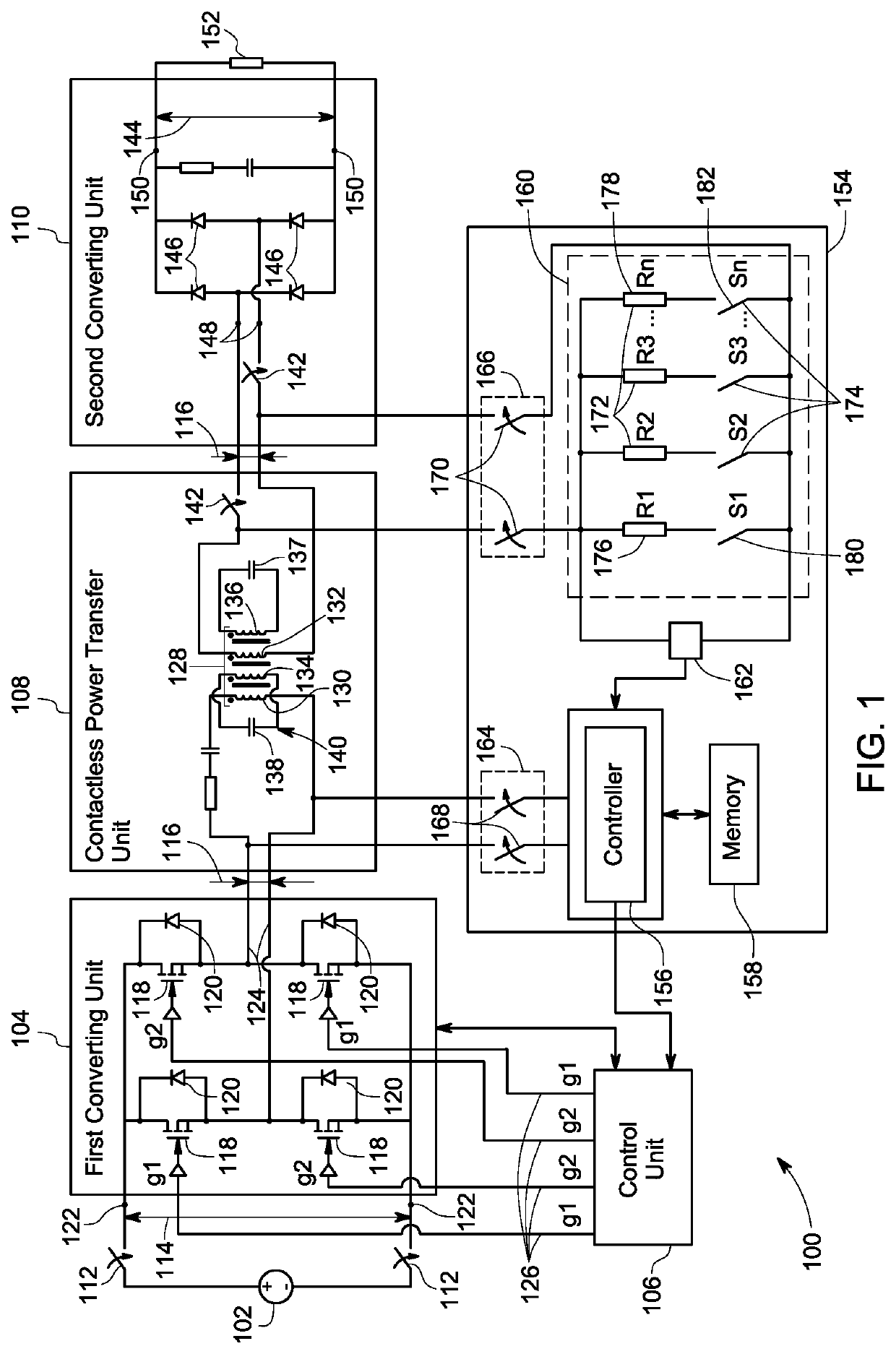
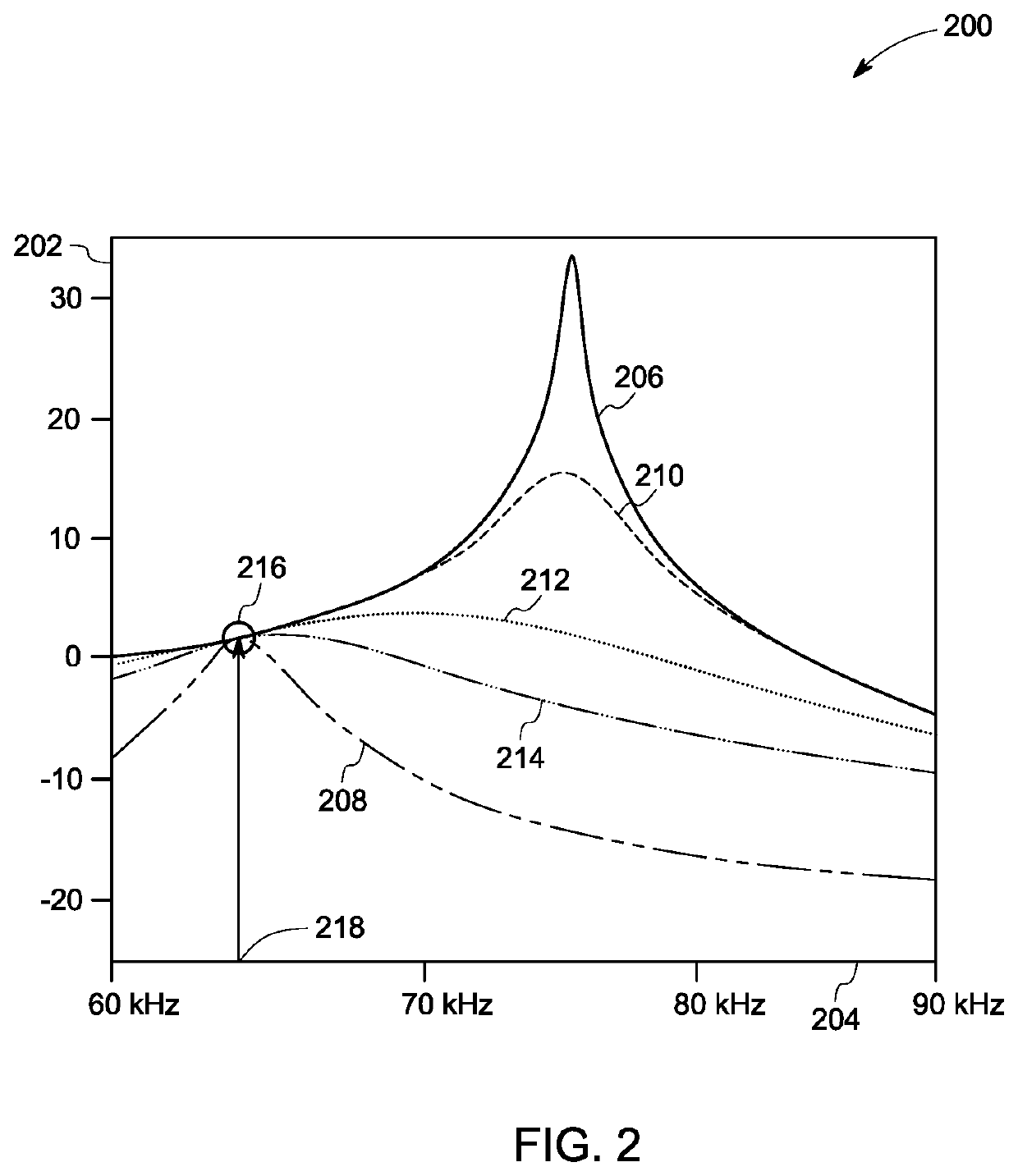
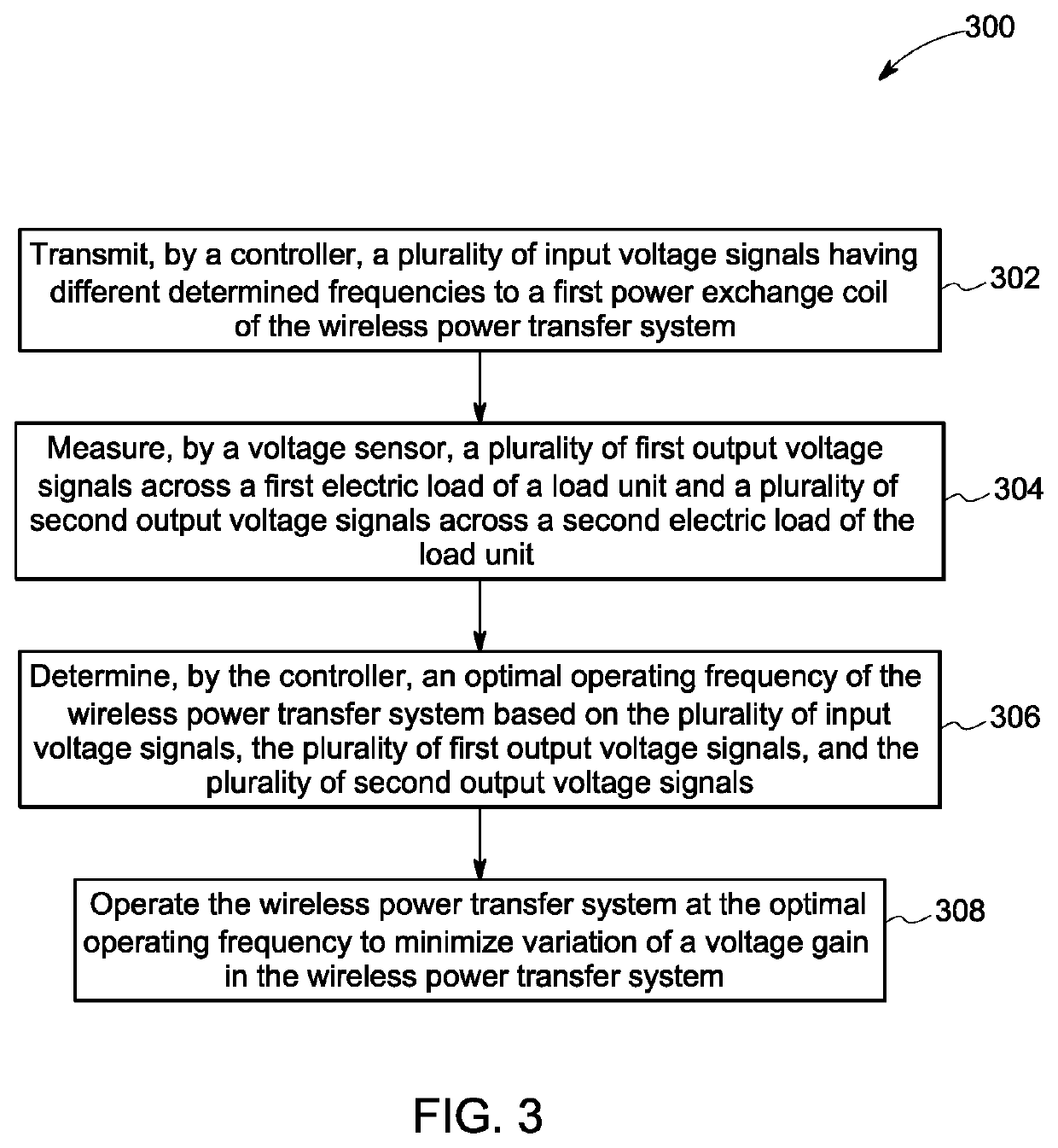
Calibration device and method for determining an optimal operating frequency of a power transfer system
PatentActiveUS20200099256A1
Innovation
- A calibration device and method for determining the optimal operating frequency of a wireless power transfer system, using a controller, load unit, and voltage sensor to communicate input voltage signals of different frequencies and measure output voltages across multiple loads, identifying a frequency that maintains stable voltage gain independent of load variations.

Wireless controller, wireless terminal, wireless communication system, and control program and integrated circuit for wireless controller and wireless terminal
PatentWO2012063739A1
Innovation
- A radio control device and terminal device that generate and notify clipping information based on propagation path characteristics to determine frequency allocation for each antenna, allowing for independent clipping processing and improving frequency utilization efficiency.


Spectrum Regulation and Compliance Requirements
Wireless controller frequency evaluation for precision applications must navigate a complex landscape of spectrum regulations that vary significantly across global markets. The International Telecommunication Union (ITU) establishes fundamental frequency allocation frameworks through Radio Regulations, which serve as the foundation for national regulatory bodies to develop specific compliance requirements. These regulations directly impact the selection of operating frequencies for precision wireless controllers, particularly in industrial automation and medical device applications where interference tolerance is minimal.
The 2.4 GHz ISM band remains the most widely accessible frequency range for wireless controllers globally, offering relatively consistent regulatory treatment across major markets including the United States, European Union, and Asia-Pacific regions. However, precision applications often require consideration of additional frequency bands such as the 5 GHz UNII bands, sub-GHz frequencies including 868 MHz and 915 MHz, and emerging 6 GHz spectrum allocations. Each frequency band carries distinct power limitations, duty cycle restrictions, and coexistence requirements that directly influence controller performance characteristics.
Compliance requirements extend beyond basic frequency allocation to encompass stringent electromagnetic compatibility (EMC) standards. The FCC Part 15 regulations in the United States establish specific limits for spurious emissions and adjacent channel interference, while European EN 300 328 and EN 301 893 standards define similar parameters with additional requirements for adaptive frequency management. These standards mandate comprehensive testing protocols including conducted and radiated emissions measurements, receiver sensitivity verification, and interference immunity assessments under various environmental conditions.
Regional variations in spectrum policy create significant challenges for global wireless controller deployment. The European Telecommunications Standards Institute (ETSI) harmonized standards differ from FCC requirements in areas such as transmit power spectral density limits and frequency hopping sequence specifications. Asian markets including Japan, South Korea, and China maintain additional unique requirements, particularly regarding certification processes and local testing laboratory accreditation. These regulatory differences necessitate careful frequency planning and often require multiple hardware variants to achieve global market compliance.
Emerging regulatory trends toward dynamic spectrum access and cognitive radio technologies are beginning to influence precision wireless controller design requirements. The introduction of automated frequency coordination systems and real-time interference detection capabilities represents a shift from static frequency allocation toward adaptive spectrum management. These developments require wireless controllers to incorporate increasingly sophisticated spectrum sensing and frequency agility capabilities while maintaining the deterministic performance characteristics essential for precision applications.
The 2.4 GHz ISM band remains the most widely accessible frequency range for wireless controllers globally, offering relatively consistent regulatory treatment across major markets including the United States, European Union, and Asia-Pacific regions. However, precision applications often require consideration of additional frequency bands such as the 5 GHz UNII bands, sub-GHz frequencies including 868 MHz and 915 MHz, and emerging 6 GHz spectrum allocations. Each frequency band carries distinct power limitations, duty cycle restrictions, and coexistence requirements that directly influence controller performance characteristics.
Compliance requirements extend beyond basic frequency allocation to encompass stringent electromagnetic compatibility (EMC) standards. The FCC Part 15 regulations in the United States establish specific limits for spurious emissions and adjacent channel interference, while European EN 300 328 and EN 301 893 standards define similar parameters with additional requirements for adaptive frequency management. These standards mandate comprehensive testing protocols including conducted and radiated emissions measurements, receiver sensitivity verification, and interference immunity assessments under various environmental conditions.
Regional variations in spectrum policy create significant challenges for global wireless controller deployment. The European Telecommunications Standards Institute (ETSI) harmonized standards differ from FCC requirements in areas such as transmit power spectral density limits and frequency hopping sequence specifications. Asian markets including Japan, South Korea, and China maintain additional unique requirements, particularly regarding certification processes and local testing laboratory accreditation. These regulatory differences necessitate careful frequency planning and often require multiple hardware variants to achieve global market compliance.
Emerging regulatory trends toward dynamic spectrum access and cognitive radio technologies are beginning to influence precision wireless controller design requirements. The introduction of automated frequency coordination systems and real-time interference detection capabilities represents a shift from static frequency allocation toward adaptive spectrum management. These developments require wireless controllers to incorporate increasingly sophisticated spectrum sensing and frequency agility capabilities while maintaining the deterministic performance characteristics essential for precision applications.
Interference Mitigation and Signal Quality Assessment
Interference mitigation represents a critical challenge in wireless controller systems designed for precision applications. The proliferation of wireless devices operating in similar frequency bands creates a complex electromagnetic environment where signal degradation can significantly impact controller performance. Common interference sources include Wi-Fi networks, Bluetooth devices, industrial equipment, and other wireless controllers operating in proximity. The 2.4 GHz ISM band, widely used for wireless controllers, experiences particularly high congestion due to its unlicensed nature and broad adoption across consumer electronics.
Frequency hopping spread spectrum (FHSS) and direct sequence spread spectrum (DSSS) techniques serve as primary interference mitigation strategies. FHSS rapidly switches transmission frequencies across multiple channels, reducing the probability of sustained interference on any single frequency. Advanced implementations utilize adaptive frequency hopping, which monitors channel quality in real-time and avoids frequencies experiencing high interference levels. DSSS spreads the signal across a wider bandwidth using pseudo-random codes, providing inherent resistance to narrowband interference sources.
Signal quality assessment requires comprehensive monitoring of multiple parameters to ensure optimal controller performance. Received Signal Strength Indicator (RSSI) measurements provide baseline connectivity information, while Signal-to-Noise Ratio (SNR) offers more precise quality assessment by accounting for background noise levels. Packet Error Rate (PER) and Bit Error Rate (BER) metrics directly correlate with application performance, particularly for precision control applications requiring low latency and high reliability.
Advanced signal quality assessment incorporates real-time spectrum analysis and machine learning algorithms to predict and prevent performance degradation. Spectral density measurements identify interference patterns and enable proactive frequency selection. Channel State Information (CSI) analysis provides detailed insight into multipath propagation effects and enables sophisticated beamforming techniques in MIMO-enabled systems.
Modern wireless controllers implement dynamic power control and adaptive modulation schemes to optimize signal quality under varying interference conditions. These systems continuously adjust transmission parameters based on real-time channel assessment, maintaining optimal performance while minimizing power consumption and interference to other devices operating in the same frequency band.
Frequency hopping spread spectrum (FHSS) and direct sequence spread spectrum (DSSS) techniques serve as primary interference mitigation strategies. FHSS rapidly switches transmission frequencies across multiple channels, reducing the probability of sustained interference on any single frequency. Advanced implementations utilize adaptive frequency hopping, which monitors channel quality in real-time and avoids frequencies experiencing high interference levels. DSSS spreads the signal across a wider bandwidth using pseudo-random codes, providing inherent resistance to narrowband interference sources.
Signal quality assessment requires comprehensive monitoring of multiple parameters to ensure optimal controller performance. Received Signal Strength Indicator (RSSI) measurements provide baseline connectivity information, while Signal-to-Noise Ratio (SNR) offers more precise quality assessment by accounting for background noise levels. Packet Error Rate (PER) and Bit Error Rate (BER) metrics directly correlate with application performance, particularly for precision control applications requiring low latency and high reliability.
Advanced signal quality assessment incorporates real-time spectrum analysis and machine learning algorithms to predict and prevent performance degradation. Spectral density measurements identify interference patterns and enable proactive frequency selection. Channel State Information (CSI) analysis provides detailed insight into multipath propagation effects and enables sophisticated beamforming techniques in MIMO-enabled systems.
Modern wireless controllers implement dynamic power control and adaptive modulation schemes to optimize signal quality under varying interference conditions. These systems continuously adjust transmission parameters based on real-time channel assessment, maintaining optimal performance while minimizing power consumption and interference to other devices operating in the same frequency band.
Unlock deeper insights with Patsnap Eureka Quick Research — get a full tech report to explore trends and direct your research. Try now!
Generate Your Research Report Instantly with AI Agent
Supercharge your innovation with Patsnap Eureka AI Agent Platform!