Establish Multi Chip Module Standards for Compatibility
MAR 12, 20269 MIN READ
Generate Your Research Report Instantly with AI Agent
PatSnap Eureka helps you evaluate technical feasibility & market potential.
MCM Technology Background and Standardization Goals
Multi Chip Module (MCM) technology emerged in the 1980s as a response to the growing demand for higher performance and miniaturization in electronic systems. Initially developed for military and aerospace applications, MCM technology enables multiple semiconductor dies to be integrated within a single package, providing superior performance compared to traditional single-chip solutions. The evolution from early ceramic-based MCMs to modern silicon-based implementations has been driven by continuous advancements in packaging materials, interconnect technologies, and manufacturing processes.
The fundamental principle of MCM technology lies in its ability to combine different functional blocks, such as processors, memory, and analog circuits, into a compact, high-performance module. This approach offers significant advantages including reduced interconnect delays, improved signal integrity, enhanced thermal management, and substantial space savings. As semiconductor scaling approaches physical limits, MCM technology has become increasingly critical for achieving performance improvements through heterogeneous integration.
Current MCM implementations span various substrate technologies, including ceramic, organic, and silicon-based platforms. Each approach presents distinct characteristics in terms of electrical performance, thermal properties, manufacturing complexity, and cost considerations. The technology has found widespread adoption across diverse applications, from high-performance computing and telecommunications infrastructure to consumer electronics and automotive systems.
The primary standardization goal for MCM technology centers on establishing comprehensive compatibility frameworks that enable seamless integration across different manufacturers and application domains. This involves developing unified specifications for mechanical interfaces, electrical characteristics, thermal management protocols, and testing methodologies. Standardization efforts aim to reduce design complexity, accelerate time-to-market, and foster innovation through interoperable solutions.
Key standardization objectives include defining common footprint specifications, pin assignment conventions, power delivery standards, and signal integrity requirements. Additionally, establishing standardized testing protocols and reliability metrics ensures consistent quality and performance across different MCM implementations. These standards must balance flexibility to accommodate diverse application requirements while maintaining sufficient specificity to ensure true interoperability.
The ultimate goal is creating an ecosystem where MCM components from different suppliers can be readily integrated into system designs, similar to the standardization success achieved in traditional IC packaging. This standardization framework will enable broader MCM adoption, drive cost reductions through economies of scale, and accelerate innovation in next-generation electronic systems requiring high-density, high-performance integration solutions.
The fundamental principle of MCM technology lies in its ability to combine different functional blocks, such as processors, memory, and analog circuits, into a compact, high-performance module. This approach offers significant advantages including reduced interconnect delays, improved signal integrity, enhanced thermal management, and substantial space savings. As semiconductor scaling approaches physical limits, MCM technology has become increasingly critical for achieving performance improvements through heterogeneous integration.
Current MCM implementations span various substrate technologies, including ceramic, organic, and silicon-based platforms. Each approach presents distinct characteristics in terms of electrical performance, thermal properties, manufacturing complexity, and cost considerations. The technology has found widespread adoption across diverse applications, from high-performance computing and telecommunications infrastructure to consumer electronics and automotive systems.
The primary standardization goal for MCM technology centers on establishing comprehensive compatibility frameworks that enable seamless integration across different manufacturers and application domains. This involves developing unified specifications for mechanical interfaces, electrical characteristics, thermal management protocols, and testing methodologies. Standardization efforts aim to reduce design complexity, accelerate time-to-market, and foster innovation through interoperable solutions.
Key standardization objectives include defining common footprint specifications, pin assignment conventions, power delivery standards, and signal integrity requirements. Additionally, establishing standardized testing protocols and reliability metrics ensures consistent quality and performance across different MCM implementations. These standards must balance flexibility to accommodate diverse application requirements while maintaining sufficient specificity to ensure true interoperability.
The ultimate goal is creating an ecosystem where MCM components from different suppliers can be readily integrated into system designs, similar to the standardization success achieved in traditional IC packaging. This standardization framework will enable broader MCM adoption, drive cost reductions through economies of scale, and accelerate innovation in next-generation electronic systems requiring high-density, high-performance integration solutions.
Market Demand for MCM Standardization Solutions
The semiconductor industry faces mounting pressure to establish comprehensive Multi Chip Module standardization solutions as system complexity continues to escalate across multiple application domains. Current market dynamics reveal significant fragmentation in MCM implementations, creating substantial barriers to interoperability and driving up development costs for manufacturers seeking to integrate diverse chip architectures within single packages.
Data center infrastructure represents one of the most compelling demand drivers for MCM standardization. Cloud service providers increasingly require heterogeneous computing solutions that combine processors, memory controllers, and specialized accelerators within unified packages. The absence of standardized interfaces and packaging protocols forces these companies to develop custom integration solutions, resulting in extended time-to-market cycles and increased engineering overhead.
Automotive electronics presents another critical market segment demanding standardized MCM approaches. Advanced driver assistance systems and autonomous vehicle platforms require seamless integration of sensor processing units, communication controllers, and safety-critical computing elements. Current proprietary MCM implementations create vendor lock-in scenarios that automotive manufacturers actively seek to avoid through industry-wide standardization initiatives.
Consumer electronics manufacturers face similar challenges in mobile device development, where space constraints necessitate highly integrated MCM solutions combining application processors, radio frequency components, and power management circuits. The lack of standardized MCM architectures limits design flexibility and increases supply chain complexity, particularly for companies sourcing components from multiple semiconductor vendors.
Industrial automation and Internet of Things applications generate additional demand for MCM standardization, as these sectors require reliable, cost-effective solutions for integrating sensing, processing, and communication functions. Standardized MCM frameworks would enable broader component ecosystem development and reduce barriers to entry for smaller technology companies.
The telecommunications infrastructure sector demonstrates particularly acute needs for MCM standardization as network equipment manufacturers transition toward more flexible, software-defined architectures. These systems require modular hardware platforms capable of accommodating diverse processing requirements while maintaining strict performance and reliability standards.
Market research indicates that standardization efforts could unlock significant economic value by reducing design complexity, enabling broader component reuse, and accelerating innovation cycles across the semiconductor ecosystem. Industry consortiums and standards organizations increasingly recognize MCM compatibility as a strategic priority requiring coordinated technical and commercial frameworks.
Data center infrastructure represents one of the most compelling demand drivers for MCM standardization. Cloud service providers increasingly require heterogeneous computing solutions that combine processors, memory controllers, and specialized accelerators within unified packages. The absence of standardized interfaces and packaging protocols forces these companies to develop custom integration solutions, resulting in extended time-to-market cycles and increased engineering overhead.
Automotive electronics presents another critical market segment demanding standardized MCM approaches. Advanced driver assistance systems and autonomous vehicle platforms require seamless integration of sensor processing units, communication controllers, and safety-critical computing elements. Current proprietary MCM implementations create vendor lock-in scenarios that automotive manufacturers actively seek to avoid through industry-wide standardization initiatives.
Consumer electronics manufacturers face similar challenges in mobile device development, where space constraints necessitate highly integrated MCM solutions combining application processors, radio frequency components, and power management circuits. The lack of standardized MCM architectures limits design flexibility and increases supply chain complexity, particularly for companies sourcing components from multiple semiconductor vendors.
Industrial automation and Internet of Things applications generate additional demand for MCM standardization, as these sectors require reliable, cost-effective solutions for integrating sensing, processing, and communication functions. Standardized MCM frameworks would enable broader component ecosystem development and reduce barriers to entry for smaller technology companies.
The telecommunications infrastructure sector demonstrates particularly acute needs for MCM standardization as network equipment manufacturers transition toward more flexible, software-defined architectures. These systems require modular hardware platforms capable of accommodating diverse processing requirements while maintaining strict performance and reliability standards.
Market research indicates that standardization efforts could unlock significant economic value by reducing design complexity, enabling broader component reuse, and accelerating innovation cycles across the semiconductor ecosystem. Industry consortiums and standards organizations increasingly recognize MCM compatibility as a strategic priority requiring coordinated technical and commercial frameworks.
Current MCM Standards Landscape and Compatibility Issues
The current Multi Chip Module standards landscape presents a fragmented ecosystem with multiple competing specifications that often lack comprehensive interoperability frameworks. IEEE standards such as IEEE 1596.4 for Scalable Coherent Interface and IEEE 1149.1 for boundary scan testing provide foundational elements, but these standards primarily address specific aspects rather than holistic MCM compatibility. JEDEC standards including JESD21-C and JESD30 establish memory interface protocols and thermal management guidelines, yet gaps remain in cross-vendor compatibility requirements.
Industry consortiums have developed proprietary standards that further complicate the compatibility landscape. The Open Compute Project has introduced specifications for disaggregated computing modules, while major semiconductor manufacturers maintain their own MCM interface standards. Intel's Advanced Interface Bus, AMD's Infinity Fabric, and ARM's AMBA protocols represent distinct approaches to inter-chip communication within MCM architectures, creating vendor lock-in scenarios that limit system flexibility.
Compatibility issues manifest across multiple technical domains, with electrical interface standardization representing the most critical challenge. Signal integrity, power delivery, and thermal management protocols vary significantly between different MCM implementations. The absence of unified connector specifications forces system designers to develop custom interface solutions, increasing development costs and time-to-market delays. Clock distribution and synchronization standards remain particularly problematic, as different vendors employ varying phase-locked loop architectures and timing protocols.
Mechanical compatibility presents additional barriers to widespread MCM adoption. Package dimensions, pin configurations, and mounting mechanisms lack standardization across the industry. The diversity in substrate materials and layer stack-ups creates challenges for thermal interface material compatibility and heat dissipation optimization. Current standards fail to address the mechanical stress considerations that arise from coefficient of thermal expansion mismatches between different chip technologies integrated within single modules.
Software and firmware compatibility issues compound the hardware standardization challenges. Boot sequence protocols, power management interfaces, and inter-chip communication drivers require vendor-specific implementations. The lack of standardized application programming interfaces for MCM resource management limits software portability and increases development complexity for system integrators seeking to leverage multi-vendor MCM solutions in their products.
Industry consortiums have developed proprietary standards that further complicate the compatibility landscape. The Open Compute Project has introduced specifications for disaggregated computing modules, while major semiconductor manufacturers maintain their own MCM interface standards. Intel's Advanced Interface Bus, AMD's Infinity Fabric, and ARM's AMBA protocols represent distinct approaches to inter-chip communication within MCM architectures, creating vendor lock-in scenarios that limit system flexibility.
Compatibility issues manifest across multiple technical domains, with electrical interface standardization representing the most critical challenge. Signal integrity, power delivery, and thermal management protocols vary significantly between different MCM implementations. The absence of unified connector specifications forces system designers to develop custom interface solutions, increasing development costs and time-to-market delays. Clock distribution and synchronization standards remain particularly problematic, as different vendors employ varying phase-locked loop architectures and timing protocols.
Mechanical compatibility presents additional barriers to widespread MCM adoption. Package dimensions, pin configurations, and mounting mechanisms lack standardization across the industry. The diversity in substrate materials and layer stack-ups creates challenges for thermal interface material compatibility and heat dissipation optimization. Current standards fail to address the mechanical stress considerations that arise from coefficient of thermal expansion mismatches between different chip technologies integrated within single modules.
Software and firmware compatibility issues compound the hardware standardization challenges. Boot sequence protocols, power management interfaces, and inter-chip communication drivers require vendor-specific implementations. The lack of standardized application programming interfaces for MCM resource management limits software portability and increases development complexity for system integrators seeking to leverage multi-vendor MCM solutions in their products.
Existing MCM Compatibility Solutions
01 Standardized interface and interconnection structures for multi-chip modules
Multi-chip module compatibility can be achieved through standardized interface designs and interconnection structures that allow different chips to communicate effectively. This includes the use of common bus architectures, standardized pin configurations, and universal connection protocols that enable various chip types to be integrated within a single module. The standardization ensures that chips from different manufacturers or generations can work together seamlessly.- Standardized interface and interconnection structures for multi-chip modules: Multi-chip module compatibility can be achieved through standardized interface designs and interconnection structures that allow different chips to communicate effectively. This includes the use of common bus architectures, standardized pin configurations, and universal connection protocols that enable various chip types to be integrated into a single module. The standardization ensures that chips from different manufacturers or generations can work together seamlessly within the same module package.
- Substrate and packaging design for multi-chip integration: Compatibility in multi-chip modules is enhanced through advanced substrate and packaging designs that accommodate different chip sizes, types, and thermal characteristics. This involves the development of flexible substrate materials, modular packaging architectures, and scalable designs that can support various chip configurations. The packaging solutions provide mechanical support, electrical connectivity, and thermal management while maintaining compatibility across different chip technologies.
- Testing and verification methods for multi-chip module compatibility: Ensuring compatibility requires comprehensive testing and verification methodologies that validate the interoperability of multiple chips within a module. This includes electrical testing protocols, signal integrity verification, timing analysis, and functional testing procedures that confirm proper operation of all integrated components. These methods help identify and resolve compatibility issues during the design and manufacturing phases.
- Power distribution and management for compatible multi-chip systems: Multi-chip module compatibility depends on effective power distribution and management systems that can accommodate the varying power requirements of different chips. This involves the design of power delivery networks, voltage regulation circuits, and power sequencing mechanisms that ensure stable operation across all integrated components. The power management solutions must handle different voltage levels, current demands, and power-up sequences while maintaining system stability.
- Thermal management solutions for multi-chip module compatibility: Achieving compatibility in multi-chip modules requires thermal management solutions that address the heat dissipation needs of multiple chips operating in close proximity. This includes the design of heat spreaders, thermal interface materials, cooling structures, and thermal pathways that efficiently remove heat from all chips while maintaining uniform temperature distribution. The thermal solutions must accommodate chips with different power densities and thermal characteristics to ensure reliable operation of the entire module.
02 Flexible substrate and packaging technologies
Compatibility in multi-chip modules can be enhanced through flexible substrate designs and advanced packaging technologies that accommodate different chip sizes, thicknesses, and configurations. These technologies include adaptable mounting structures, adjustable spacing mechanisms, and modular packaging solutions that allow for the integration of heterogeneous chips with varying physical characteristics while maintaining electrical and thermal performance.Expand Specific Solutions03 Thermal management and power distribution systems
Ensuring compatibility across multiple chips requires effective thermal management and power distribution systems that can handle varying power requirements and heat dissipation needs. This includes the implementation of shared cooling solutions, distributed power delivery networks, and thermal interface materials that maintain optimal operating temperatures across all chips regardless of their individual specifications or power consumption profiles.Expand Specific Solutions04 Testing and verification methodologies for multi-chip integration
Compatibility verification in multi-chip modules involves comprehensive testing methodologies that ensure proper functionality when different chips are combined. This includes built-in self-test mechanisms, boundary scan techniques, and system-level validation procedures that can identify and resolve compatibility issues related to timing, signal integrity, and functional interactions between diverse chip components.Expand Specific Solutions05 Adaptive signal conditioning and voltage level translation
Multi-chip module compatibility is facilitated through adaptive signal conditioning circuits and voltage level translation mechanisms that bridge differences in operating voltages and signal standards between chips. These solutions include programmable interface circuits, automatic voltage detection and conversion systems, and configurable I/O buffers that enable chips with different electrical specifications to communicate reliably within the same module.Expand Specific Solutions
Key Players in MCM and Semiconductor Standards
The Multi Chip Module (MCM) standards establishment represents a rapidly evolving segment within the semiconductor packaging industry, currently in its growth phase as demand for high-performance computing and AI applications accelerates. The market demonstrates significant expansion potential, driven by increasing requirements for heterogeneous integration and system miniaturization across automotive, data center, and mobile applications. Technology maturity varies considerably among key players, with established semiconductor giants like Intel, Sony, and Renesas Electronics leading in advanced packaging capabilities, while specialized companies such as Siliconware Precision Industries and Shinko Electric Industries provide critical assembly and testing expertise. Emerging players like MetaX Integrated Circuits and Socionext are developing innovative MCM solutions, particularly for AI and graphics applications. The competitive landscape shows a mix of mature packaging technologies and emerging standards, with companies like IBM and Huawei driving enterprise-level implementations while traditional foundries and OSAT providers establish the manufacturing infrastructure necessary for widespread MCM adoption.
Renesas Electronics Corp.
Technical Solution: Renesas has developed MCM standards primarily for automotive and industrial applications, focusing on functional safety and reliability requirements. Their approach includes standardized interfaces for microcontroller, power management, and sensor integration within single packages. Renesas MCM solutions feature standardized automotive-grade qualification procedures, including temperature cycling, vibration testing, and long-term reliability specifications. The company has established design guidelines for heterogeneous integration that address automotive safety standards (ISO 26262) and industrial requirements, with standardized power sequencing, fault detection, and diagnostic capabilities integrated into their MCM architectures.
Strengths: Strong automotive industry focus, comprehensive safety and reliability standards, proven track record in harsh environment applications. Weaknesses: Limited scope beyond automotive/industrial markets, conservative approach to emerging technologies.
International Business Machines Corp.
Technical Solution: IBM has pioneered MCM standards through their System-in-Package (SiP) and 3D chip stacking technologies. Their approach emphasizes through-silicon via (TSV) interconnects and standardized interfaces for high-performance computing applications. IBM's MCM solutions feature standardized thermal interfaces, power distribution networks, and signal integrity specifications that ensure compatibility across different chip technologies. The company has developed comprehensive design rules and manufacturing standards for MCM assembly, including standardized substrate materials, interconnect pitches, and testing protocols that facilitate multi-vendor integration and scalability.
Strengths: Deep expertise in high-performance MCM design, robust thermal and power management solutions, established manufacturing standards. Weaknesses: Focus primarily on high-end applications, limited adoption in consumer markets.
Core Standards for MCM Interoperability
Mult-chip module
PatentInactiveUS20040130036A1
Innovation
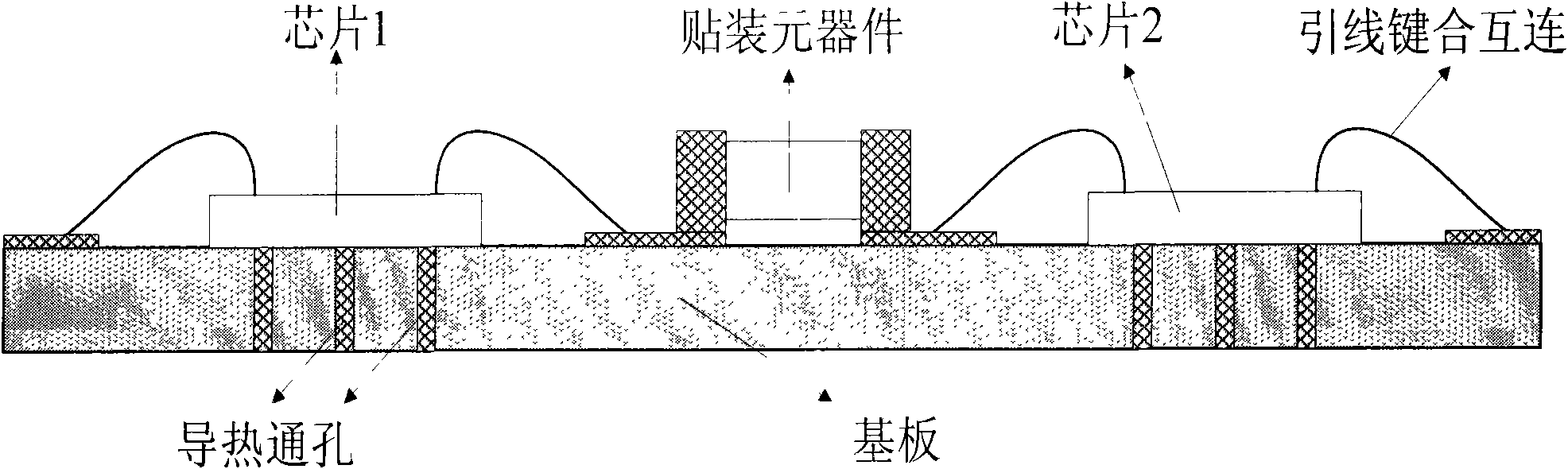
- A multi-chip module configuration where first semiconductor chips are surface-mounted on a mounting board, and a second semiconductor chip with bonding pads along one side is mounted back-to-back, connected by wire bonding, and encapsulated with a sealing material, allowing for reduced size and improved performance through efficient signal exchange.


Multilayer interconnection structure of wafer level package, manufacturing method and application
PatentInactiveCN101656249A
Innovation
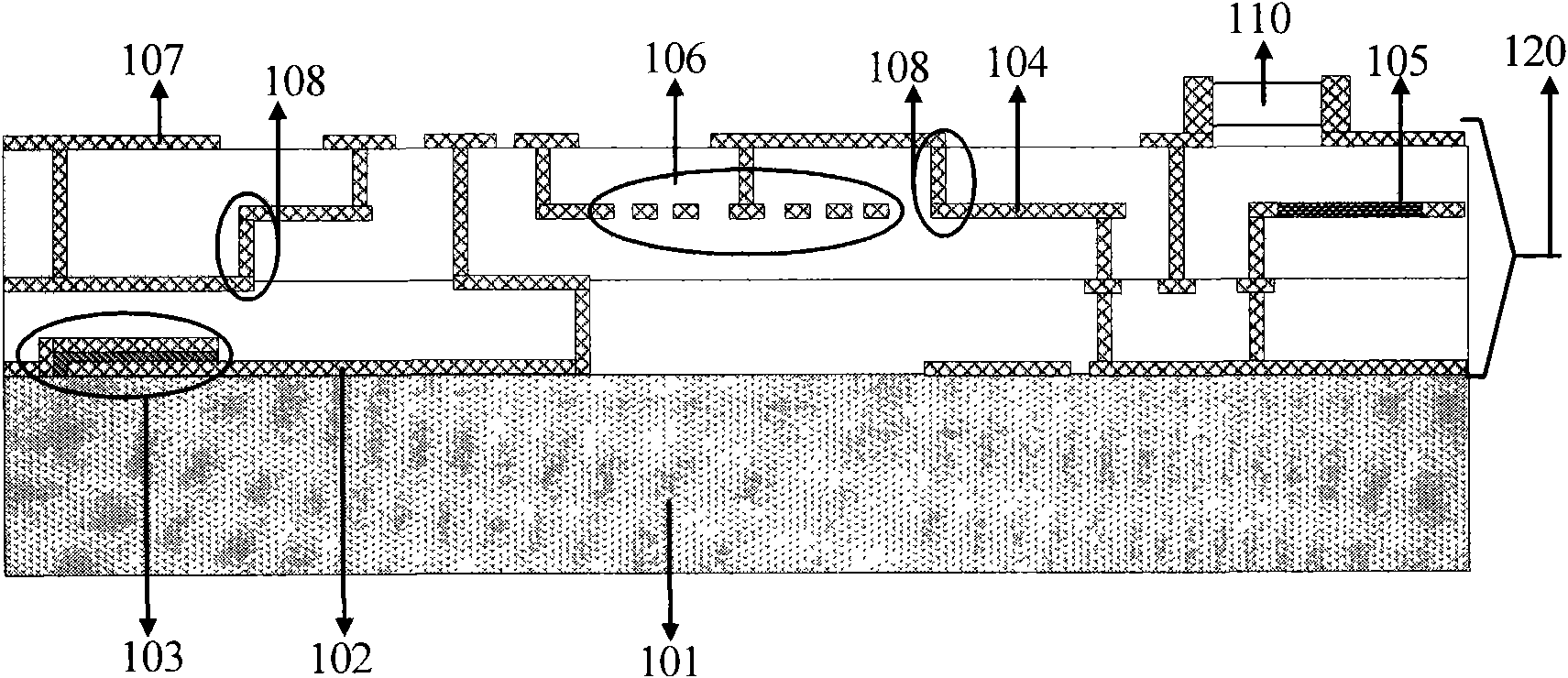
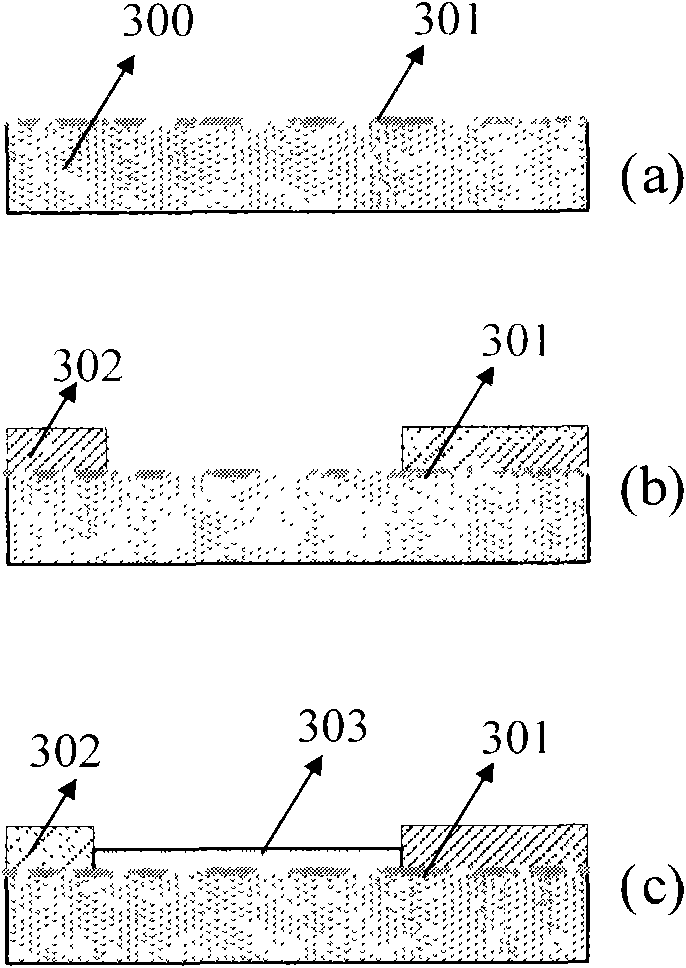
- Organic polymers such as benzocyclobutene (BCB) polyimide or SU8 are used as the dielectric layer, combined with mechanical polishing technology, to form a multi-layer interconnection structure with alternating metal layers and dielectric layers, reducing the thickness of the dielectric layer and increasing packaging density. , using a combination of electroplating and mechanical polishing to achieve vertical interconnections and embedded passive components.

Industry Consortium and Standards Bodies Impact
Industry consortiums and standards bodies play a pivotal role in establishing Multi Chip Module (MCM) compatibility standards, serving as neutral platforms where competing companies collaborate to define common technical specifications. These organizations facilitate consensus-building among diverse stakeholders, including semiconductor manufacturers, system integrators, and end-users, ensuring that MCM standards address real-world application requirements while maintaining technological neutrality.
The Institute of Electrical and Electronics Engineers (IEEE) has been instrumental in developing foundational MCM standards, particularly through its IEEE 1596 series for scalable coherent interface specifications and IEEE 802 standards for interconnect protocols. Similarly, the Joint Electron Device Engineering Council (JEDEC) has established critical memory interface standards that directly impact MCM design, including DDR and HBM specifications that define how memory dies integrate within multi-chip packages.
Industry-specific consortiums such as the Heterogeneous System Architecture (HSA) Foundation and the Compute Express Link (CXL) Consortium have emerged to address specialized MCM compatibility challenges. These organizations focus on developing standards for heterogeneous computing environments where different processor architectures must seamlessly interact within the same package, establishing protocols for cache coherency, memory management, and inter-die communication.
The impact of these standards bodies extends beyond technical specifications to influence supply chain dynamics and market adoption patterns. When major consortiums endorse specific MCM interface standards, they create market momentum that encourages widespread adoption, reducing development costs and accelerating time-to-market for new products. This standardization effect is particularly evident in the adoption of Universal Chiplet Interconnect Express (UCIe) standards, which have gained traction across multiple industry segments.
However, the standards development process faces inherent challenges, including balancing innovation with backward compatibility, managing intellectual property concerns among consortium members, and addressing the varying technical requirements of different application domains. The effectiveness of these bodies ultimately depends on their ability to maintain industry-wide participation while delivering standards that enable genuine interoperability without stifling technological advancement.
The Institute of Electrical and Electronics Engineers (IEEE) has been instrumental in developing foundational MCM standards, particularly through its IEEE 1596 series for scalable coherent interface specifications and IEEE 802 standards for interconnect protocols. Similarly, the Joint Electron Device Engineering Council (JEDEC) has established critical memory interface standards that directly impact MCM design, including DDR and HBM specifications that define how memory dies integrate within multi-chip packages.
Industry-specific consortiums such as the Heterogeneous System Architecture (HSA) Foundation and the Compute Express Link (CXL) Consortium have emerged to address specialized MCM compatibility challenges. These organizations focus on developing standards for heterogeneous computing environments where different processor architectures must seamlessly interact within the same package, establishing protocols for cache coherency, memory management, and inter-die communication.
The impact of these standards bodies extends beyond technical specifications to influence supply chain dynamics and market adoption patterns. When major consortiums endorse specific MCM interface standards, they create market momentum that encourages widespread adoption, reducing development costs and accelerating time-to-market for new products. This standardization effect is particularly evident in the adoption of Universal Chiplet Interconnect Express (UCIe) standards, which have gained traction across multiple industry segments.
However, the standards development process faces inherent challenges, including balancing innovation with backward compatibility, managing intellectual property concerns among consortium members, and addressing the varying technical requirements of different application domains. The effectiveness of these bodies ultimately depends on their ability to maintain industry-wide participation while delivering standards that enable genuine interoperability without stifling technological advancement.
Supply Chain Integration for MCM Standards
The successful implementation of Multi Chip Module (MCM) standards requires comprehensive supply chain integration that encompasses semiconductor manufacturers, packaging companies, testing facilities, and end-product assemblers. This integration is critical for ensuring consistent quality, compatibility, and cost-effectiveness across the entire MCM ecosystem. The complexity of MCM production necessitates close collaboration between multiple stakeholders, each contributing specialized capabilities to the final product.
Semiconductor foundries represent the foundational layer of MCM supply chain integration, requiring standardized die specifications, electrical interfaces, and thermal characteristics. These facilities must align their production processes with established MCM standards to ensure die compatibility across different packaging platforms. The integration involves standardizing wafer-level testing protocols, die attachment specifications, and electrical performance parameters that enable seamless integration with downstream packaging operations.
Packaging and assembly providers constitute the next critical integration point, where multiple dies are combined into functional MCM units. These suppliers must implement standardized substrate technologies, interconnect methodologies, and thermal management solutions that comply with established MCM compatibility standards. The integration requires unified quality control procedures, standardized testing protocols, and consistent documentation practices that enable traceability throughout the supply chain.
Testing and validation facilities play a crucial role in supply chain integration by implementing standardized test procedures that verify MCM performance across different operating conditions. These facilities must coordinate with both die suppliers and packaging companies to establish comprehensive test coverage that validates electrical, thermal, and mechanical performance parameters. The integration involves developing standardized test interfaces, measurement protocols, and qualification procedures that ensure consistent product quality.
Material suppliers, including substrate manufacturers, interconnect providers, and thermal interface material suppliers, must align their products with MCM standards to ensure compatibility and reliability. This integration requires establishing standardized material specifications, qualification procedures, and supply chain visibility that enables predictable delivery and consistent quality across multiple suppliers.
The integration framework must also address logistics coordination, inventory management, and supply chain visibility to enable efficient MCM production. This includes implementing standardized data exchange protocols, quality management systems, and supply chain monitoring capabilities that provide real-time visibility into production status, quality metrics, and delivery schedules across all supply chain participants.
Semiconductor foundries represent the foundational layer of MCM supply chain integration, requiring standardized die specifications, electrical interfaces, and thermal characteristics. These facilities must align their production processes with established MCM standards to ensure die compatibility across different packaging platforms. The integration involves standardizing wafer-level testing protocols, die attachment specifications, and electrical performance parameters that enable seamless integration with downstream packaging operations.
Packaging and assembly providers constitute the next critical integration point, where multiple dies are combined into functional MCM units. These suppliers must implement standardized substrate technologies, interconnect methodologies, and thermal management solutions that comply with established MCM compatibility standards. The integration requires unified quality control procedures, standardized testing protocols, and consistent documentation practices that enable traceability throughout the supply chain.
Testing and validation facilities play a crucial role in supply chain integration by implementing standardized test procedures that verify MCM performance across different operating conditions. These facilities must coordinate with both die suppliers and packaging companies to establish comprehensive test coverage that validates electrical, thermal, and mechanical performance parameters. The integration involves developing standardized test interfaces, measurement protocols, and qualification procedures that ensure consistent product quality.
Material suppliers, including substrate manufacturers, interconnect providers, and thermal interface material suppliers, must align their products with MCM standards to ensure compatibility and reliability. This integration requires establishing standardized material specifications, qualification procedures, and supply chain visibility that enables predictable delivery and consistent quality across multiple suppliers.
The integration framework must also address logistics coordination, inventory management, and supply chain visibility to enable efficient MCM production. This includes implementing standardized data exchange protocols, quality management systems, and supply chain monitoring capabilities that provide real-time visibility into production status, quality metrics, and delivery schedules across all supply chain participants.
Unlock deeper insights with PatSnap Eureka Quick Research — get a full tech report to explore trends and direct your research. Try now!
Generate Your Research Report Instantly with AI Agent
Supercharge your innovation with PatSnap Eureka AI Agent Platform!