

Hydrogen Cooling Impact on Multi Chip Module in Increased Output
MAR 12, 20269 MIN READ
Generate Your Research Report Instantly with AI Agent
Patsnap Eureka helps you evaluate technical feasibility & market potential.
Hydrogen Cooling MCM Technology Background and Objectives
The evolution of multi-chip module technology has been fundamentally driven by the relentless pursuit of higher computational performance and increased power density in electronic systems. As semiconductor manufacturing approaches physical limits, the industry has shifted focus from single-chip performance improvements to multi-chip architectures that can deliver enhanced processing capabilities through parallel computing and specialized chip integration. This transition has created unprecedented thermal management challenges, as multiple high-performance chips operating in close proximity generate substantial heat loads that traditional cooling methods struggle to dissipate effectively.
Hydrogen cooling represents a paradigm shift in thermal management for advanced electronic systems, leveraging the exceptional thermal properties of hydrogen gas to address the cooling limitations that constrain multi-chip module performance. Unlike conventional air or liquid cooling systems, hydrogen exhibits superior thermal conductivity, low density, and excellent heat transfer characteristics that make it particularly suitable for high-density electronic applications. The technology has evolved from aerospace and specialized industrial applications to become a viable solution for next-generation computing systems requiring extreme thermal performance.
The primary objective of implementing hydrogen cooling in multi-chip modules centers on achieving significant output performance improvements through enhanced thermal management capabilities. By maintaining optimal operating temperatures across all integrated chips, hydrogen cooling enables sustained high-frequency operation, reduces thermal throttling events, and allows for more aggressive power delivery to individual processing units. This thermal optimization directly translates to increased computational throughput, improved system reliability, and extended operational lifespan of critical electronic components.
Current development efforts focus on overcoming the technical challenges associated with hydrogen cooling implementation, including system safety considerations, containment technologies, and integration complexity with existing electronic architectures. The technology aims to establish new performance benchmarks for multi-chip modules while maintaining practical deployment feasibility across various application domains, from high-performance computing centers to advanced automotive electronics.
The strategic importance of this technology lies in its potential to unlock performance levels that are otherwise thermally constrained, enabling the next generation of computing systems to achieve their full potential while addressing the growing demand for increased processing power in artificial intelligence, scientific computing, and real-time data processing applications.
Hydrogen cooling represents a paradigm shift in thermal management for advanced electronic systems, leveraging the exceptional thermal properties of hydrogen gas to address the cooling limitations that constrain multi-chip module performance. Unlike conventional air or liquid cooling systems, hydrogen exhibits superior thermal conductivity, low density, and excellent heat transfer characteristics that make it particularly suitable for high-density electronic applications. The technology has evolved from aerospace and specialized industrial applications to become a viable solution for next-generation computing systems requiring extreme thermal performance.
The primary objective of implementing hydrogen cooling in multi-chip modules centers on achieving significant output performance improvements through enhanced thermal management capabilities. By maintaining optimal operating temperatures across all integrated chips, hydrogen cooling enables sustained high-frequency operation, reduces thermal throttling events, and allows for more aggressive power delivery to individual processing units. This thermal optimization directly translates to increased computational throughput, improved system reliability, and extended operational lifespan of critical electronic components.
Current development efforts focus on overcoming the technical challenges associated with hydrogen cooling implementation, including system safety considerations, containment technologies, and integration complexity with existing electronic architectures. The technology aims to establish new performance benchmarks for multi-chip modules while maintaining practical deployment feasibility across various application domains, from high-performance computing centers to advanced automotive electronics.
The strategic importance of this technology lies in its potential to unlock performance levels that are otherwise thermally constrained, enabling the next generation of computing systems to achieve their full potential while addressing the growing demand for increased processing power in artificial intelligence, scientific computing, and real-time data processing applications.
Market Demand for High-Performance MCM Thermal Solutions
The global semiconductor industry is experiencing unprecedented demand for advanced thermal management solutions, particularly for Multi Chip Modules (MCMs) operating at higher power densities. As electronic systems continue to miniaturize while simultaneously increasing computational capabilities, traditional air-cooling and liquid-cooling methods are approaching their thermal limits. This technological bottleneck has created substantial market opportunities for innovative cooling technologies, with hydrogen cooling emerging as a promising frontier solution.
Data centers and high-performance computing facilities represent the largest market segment driving demand for advanced MCM thermal solutions. These facilities are increasingly adopting MCM architectures to achieve higher processing densities while managing space constraints. The exponential growth in artificial intelligence workloads, cryptocurrency mining, and cloud computing services has intensified the need for cooling systems capable of handling thermal loads that exceed conventional cooling capacities.
The automotive electronics sector presents another significant growth driver, particularly with the proliferation of electric vehicles and autonomous driving systems. Advanced driver assistance systems and electric powertrain controllers utilize MCM configurations that generate substantial heat in compact form factors. The automotive industry's stringent reliability requirements and operating temperature ranges create specific demands for robust thermal management solutions that can maintain consistent performance across diverse environmental conditions.
Telecommunications infrastructure, especially with the deployment of 5G networks and edge computing nodes, has generated substantial demand for high-performance MCM cooling solutions. Base station equipment and network processing units require thermal management systems that can operate reliably in outdoor environments while maintaining optimal performance under varying load conditions. The distributed nature of these installations necessitates cooling solutions that combine high efficiency with minimal maintenance requirements.
The aerospace and defense sectors contribute to market demand through specialized applications requiring extreme reliability and performance. Military electronics, satellite systems, and avionics applications utilize MCMs in environments where traditional cooling methods may be inadequate or impractical. These applications often require custom thermal solutions capable of operating in harsh conditions while meeting strict weight and space constraints.
Market research indicates strong growth trajectories across all major application segments, with particular emphasis on solutions that can address the thermal challenges associated with next-generation semiconductor technologies. The increasing adoption of advanced packaging techniques, including 3D stacking and heterogeneous integration, has created new thermal management challenges that conventional cooling methods struggle to address effectively.
The convergence of these market drivers has created a substantial opportunity for hydrogen cooling technologies in MCM applications, as traditional thermal management approaches reach their practical limits in addressing the heat dissipation requirements of modern high-performance electronic systems.
Data centers and high-performance computing facilities represent the largest market segment driving demand for advanced MCM thermal solutions. These facilities are increasingly adopting MCM architectures to achieve higher processing densities while managing space constraints. The exponential growth in artificial intelligence workloads, cryptocurrency mining, and cloud computing services has intensified the need for cooling systems capable of handling thermal loads that exceed conventional cooling capacities.
The automotive electronics sector presents another significant growth driver, particularly with the proliferation of electric vehicles and autonomous driving systems. Advanced driver assistance systems and electric powertrain controllers utilize MCM configurations that generate substantial heat in compact form factors. The automotive industry's stringent reliability requirements and operating temperature ranges create specific demands for robust thermal management solutions that can maintain consistent performance across diverse environmental conditions.
Telecommunications infrastructure, especially with the deployment of 5G networks and edge computing nodes, has generated substantial demand for high-performance MCM cooling solutions. Base station equipment and network processing units require thermal management systems that can operate reliably in outdoor environments while maintaining optimal performance under varying load conditions. The distributed nature of these installations necessitates cooling solutions that combine high efficiency with minimal maintenance requirements.
The aerospace and defense sectors contribute to market demand through specialized applications requiring extreme reliability and performance. Military electronics, satellite systems, and avionics applications utilize MCMs in environments where traditional cooling methods may be inadequate or impractical. These applications often require custom thermal solutions capable of operating in harsh conditions while meeting strict weight and space constraints.
Market research indicates strong growth trajectories across all major application segments, with particular emphasis on solutions that can address the thermal challenges associated with next-generation semiconductor technologies. The increasing adoption of advanced packaging techniques, including 3D stacking and heterogeneous integration, has created new thermal management challenges that conventional cooling methods struggle to address effectively.
The convergence of these market drivers has created a substantial opportunity for hydrogen cooling technologies in MCM applications, as traditional thermal management approaches reach their practical limits in addressing the heat dissipation requirements of modern high-performance electronic systems.
Current MCM Cooling Challenges and Hydrogen Integration Status
Multi-chip modules face escalating thermal management challenges as semiconductor integration density increases and power consumption rises. Traditional air cooling systems struggle to maintain optimal operating temperatures when MCMs operate at higher output levels, leading to thermal throttling and reduced performance. Liquid cooling solutions, while more effective than air cooling, still encounter limitations in heat dissipation capacity and system complexity, particularly in compact form factors where space constraints restrict cooling infrastructure deployment.
Current thermal management approaches for MCMs primarily rely on heat sinks, thermal interface materials, and forced convection cooling systems. However, these conventional methods demonstrate diminishing returns as chip densities approach physical limits. Hot spots formation within MCM packages creates uneven temperature distributions, causing reliability issues and performance degradation. The thermal resistance between individual chips and cooling systems becomes increasingly problematic as power densities exceed 100W per square centimeter.
Hydrogen cooling technology represents an emerging solution that leverages hydrogen's exceptional thermal conductivity properties, approximately seven times higher than air at standard conditions. Early research indicates hydrogen's potential for enhanced heat transfer coefficients and reduced thermal boundary layer thickness compared to conventional cooling mediums. Several aerospace and high-performance computing applications have begun exploring hydrogen-based cooling systems for extreme thermal management requirements.
Integration challenges for hydrogen cooling in MCM applications include safety considerations related to hydrogen handling, system complexity for gas circulation and containment, and compatibility with existing semiconductor packaging technologies. Current hydrogen cooling implementations remain largely experimental, with limited commercial deployment due to infrastructure requirements and regulatory compliance issues. Material compatibility concerns arise from hydrogen's potential for embrittlement in certain metals commonly used in semiconductor packaging.
Recent developments in hydrogen cooling systems focus on micro-channel designs and closed-loop circulation systems that minimize safety risks while maximizing thermal performance. Research institutions and semiconductor manufacturers are investigating hybrid approaches that combine hydrogen cooling with traditional methods to optimize thermal management efficiency. The integration status remains in early development phases, with prototype systems demonstrating promising thermal performance improvements but requiring significant engineering refinement for commercial viability.
Current thermal management approaches for MCMs primarily rely on heat sinks, thermal interface materials, and forced convection cooling systems. However, these conventional methods demonstrate diminishing returns as chip densities approach physical limits. Hot spots formation within MCM packages creates uneven temperature distributions, causing reliability issues and performance degradation. The thermal resistance between individual chips and cooling systems becomes increasingly problematic as power densities exceed 100W per square centimeter.
Hydrogen cooling technology represents an emerging solution that leverages hydrogen's exceptional thermal conductivity properties, approximately seven times higher than air at standard conditions. Early research indicates hydrogen's potential for enhanced heat transfer coefficients and reduced thermal boundary layer thickness compared to conventional cooling mediums. Several aerospace and high-performance computing applications have begun exploring hydrogen-based cooling systems for extreme thermal management requirements.
Integration challenges for hydrogen cooling in MCM applications include safety considerations related to hydrogen handling, system complexity for gas circulation and containment, and compatibility with existing semiconductor packaging technologies. Current hydrogen cooling implementations remain largely experimental, with limited commercial deployment due to infrastructure requirements and regulatory compliance issues. Material compatibility concerns arise from hydrogen's potential for embrittlement in certain metals commonly used in semiconductor packaging.
Recent developments in hydrogen cooling systems focus on micro-channel designs and closed-loop circulation systems that minimize safety risks while maximizing thermal performance. Research institutions and semiconductor manufacturers are investigating hybrid approaches that combine hydrogen cooling with traditional methods to optimize thermal management efficiency. The integration status remains in early development phases, with prototype systems demonstrating promising thermal performance improvements but requiring significant engineering refinement for commercial viability.
Existing Hydrogen Cooling Solutions for MCM Applications
01 Multi-chip module packaging and interconnection structures
Multi-chip modules utilize advanced packaging techniques to integrate multiple semiconductor chips within a single module. These structures employ various interconnection methods including wire bonding, flip-chip bonding, and through-silicon vias to establish electrical connections between chips and the substrate. The packaging design focuses on minimizing signal path lengths, reducing parasitic effects, and improving overall electrical performance while maintaining compact form factors.- Multi-chip module packaging and interconnection structures: Multi-chip modules utilize advanced packaging techniques to integrate multiple semiconductor chips within a single package. These structures employ various interconnection methods including wire bonding, flip-chip bonding, and through-silicon vias to enable electrical connections between chips and the substrate. The packaging design focuses on minimizing signal path lengths, reducing parasitic effects, and improving overall electrical performance while maintaining compact form factors.
- Thermal management solutions for multi-chip modules: Effective heat dissipation is critical in multi-chip module designs due to the high power density from multiple active chips in close proximity. Solutions include integrated heat spreaders, thermal interface materials, and advanced cooling structures that facilitate heat transfer from the chips to external heat sinks. The thermal management approach ensures reliable operation by maintaining junction temperatures within acceptable limits and preventing thermal crosstalk between adjacent chips.
- Signal routing and distribution networks in multi-chip modules: Multi-chip modules require sophisticated signal routing architectures to manage high-speed data transmission between multiple chips and external interfaces. The distribution networks incorporate controlled impedance traces, differential signaling paths, and power distribution planes to ensure signal integrity. Advanced routing techniques minimize crosstalk, reduce electromagnetic interference, and support high-bandwidth communication protocols while optimizing the use of available routing layers.
- Power delivery and voltage regulation for multi-chip modules: Multi-chip modules implement dedicated power delivery systems to supply stable voltages to multiple chips with varying power requirements. The power architecture includes on-package voltage regulators, decoupling capacitors, and power distribution networks designed to minimize voltage drops and supply noise. Advanced designs incorporate dynamic voltage scaling and power gating techniques to optimize power consumption while ensuring adequate current delivery to all integrated chips during peak operation.
- Testing and reliability enhancement methods for multi-chip modules: Multi-chip modules employ specialized testing methodologies to verify functionality of individual chips and their interconnections within the integrated package. Built-in self-test circuits, boundary scan techniques, and known-good-die screening ensure high yield and reliability. Reliability enhancement includes redundancy schemes, error correction mechanisms, and stress testing protocols to identify potential failure modes and extend operational lifetime under various environmental conditions.
02 Thermal management solutions for multi-chip modules
Effective heat dissipation is critical in multi-chip module designs due to the high power density from multiple active chips. Various thermal management approaches include integrated heat spreaders, thermal interface materials, and advanced cooling structures. These solutions ensure proper heat distribution and removal to maintain optimal operating temperatures and prevent thermal-induced failures or performance degradation.Expand Specific Solutions03 Signal routing and distribution networks in multi-chip modules
Multi-chip modules require sophisticated signal routing architectures to manage data transmission between multiple chips and external interfaces. These designs incorporate multilayer substrates with controlled impedance traces, power distribution networks, and signal integrity optimization techniques. The routing strategies address challenges such as crosstalk, signal delay matching, and electromagnetic interference to ensure reliable high-speed data communication.Expand Specific Solutions04 Power delivery and voltage regulation for multi-chip modules
Multi-chip modules implement dedicated power delivery systems to supply stable voltages to multiple chips with varying power requirements. These systems include on-module voltage regulators, decoupling capacitor networks, and power plane designs that minimize voltage drops and noise. The power architecture ensures each chip receives appropriate voltage levels while managing current distribution and transient response requirements.Expand Specific Solutions05 Testing and reliability enhancement methods for multi-chip modules
Multi-chip modules employ specialized testing methodologies and reliability enhancement techniques to ensure product quality and longevity. These approaches include built-in self-test circuits, boundary scan testing, burn-in procedures, and redundancy schemes. The methods address the complexity of testing multiple chips simultaneously while identifying defects and ensuring long-term operational reliability under various environmental conditions.Expand Specific Solutions
Key Players in MCM and Hydrogen Cooling Industry
The hydrogen cooling technology for multi-chip modules represents an emerging sector within the advanced thermal management industry, currently in its early development stage with significant growth potential driven by increasing demand for high-performance computing and power electronics. The market remains relatively niche but is expanding rapidly as semiconductor manufacturers seek solutions for next-generation cooling challenges. Technology maturity varies considerably across market participants, with established semiconductor giants like IBM, Samsung Electronics, Texas Instruments, and Micron Technology leading advanced research initiatives, while specialized cooling companies such as CoolIT Systems focus on innovative thermal solutions. Traditional electronics manufacturers including Fujitsu, NEC, Sony, and Mitsubishi Electric are integrating hydrogen cooling into their broader product portfolios, supported by automotive industry players like Toyota and Hyundai Mobis exploring applications in electric vehicle power systems. The competitive landscape also features emerging quantum computing companies like SeeQC and foundry specialists including GlobalFoundries, indicating cross-industry convergence and technological diversification in this evolving market segment.
International Business Machines Corp.
Technical Solution: IBM has developed advanced hydrogen cooling solutions for multi-chip modules focusing on direct liquid cooling systems that utilize hydrogen's superior thermal conductivity properties. Their approach involves micro-channel cooling architectures integrated directly into chip packaging, enabling efficient heat dissipation from high-power density components. The technology leverages hydrogen's low viscosity and high thermal diffusivity to achieve enhanced cooling performance in densely packed multi-chip configurations, particularly targeting high-performance computing and AI accelerator applications where thermal management is critical for maintaining optimal performance and reliability.
Strengths: Superior thermal conductivity and low viscosity of hydrogen enables excellent heat transfer efficiency. Weaknesses: Complex safety protocols required for hydrogen handling and potential leakage concerns in sealed systems.
Texas Instruments Incorporated
Technical Solution: Texas Instruments has developed hydrogen cooling technologies for their power management and analog multi-chip modules, focusing on automotive and industrial applications where reliability and thermal performance are paramount. Their approach utilizes hydrogen's thermal properties in specialized packaging solutions that can withstand harsh environmental conditions while maintaining optimal chip temperatures. The technology incorporates hydrogen-filled thermal chambers integrated into the package structure, enabling efficient heat dissipation from power conversion circuits and high-frequency analog components. TI's implementation emphasizes long-term reliability and automotive-grade qualification standards, making it suitable for mission-critical applications in electric vehicles and industrial automation systems.
Strengths: Excellent reliability for automotive and industrial applications with robust environmental tolerance. Weaknesses: Limited to lower power applications compared to high-performance computing solutions.
Core Innovations in Hydrogen-Based MCM Thermal Management
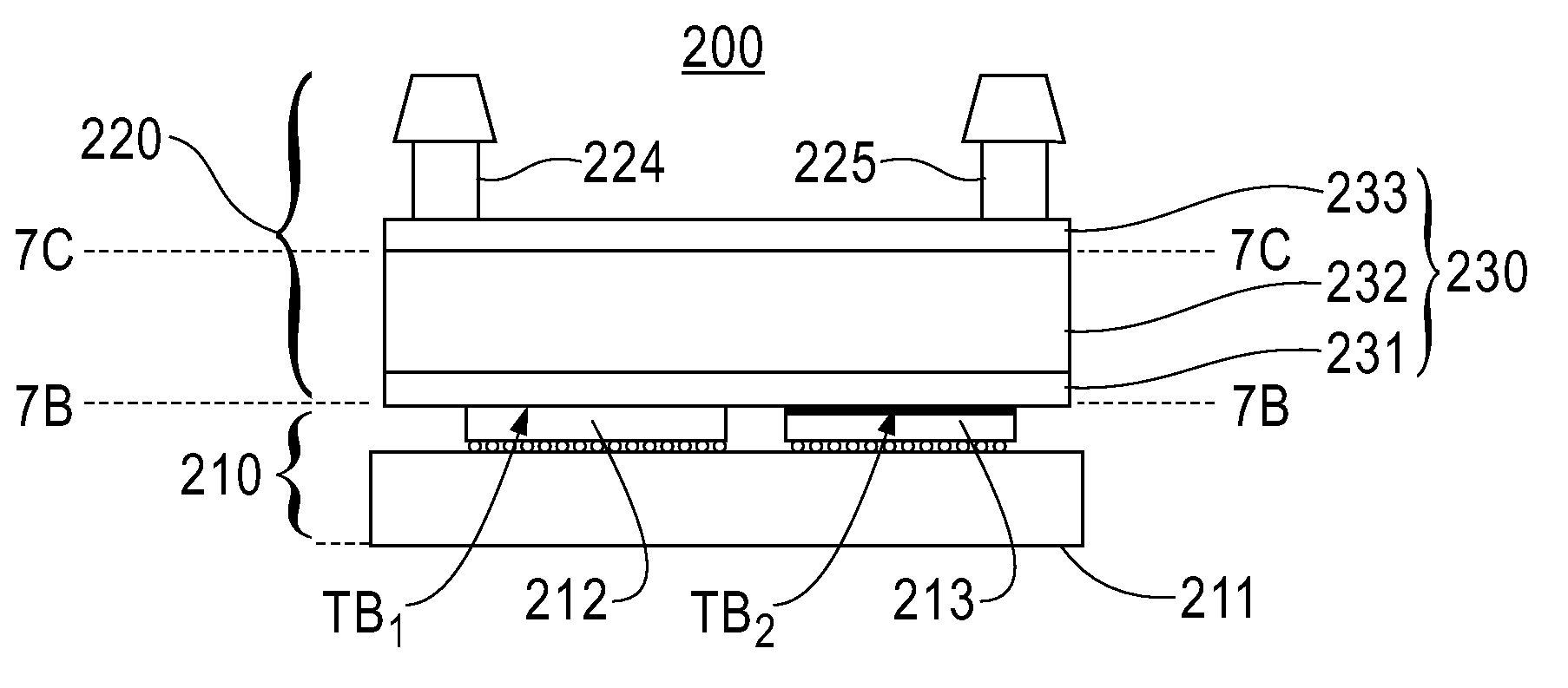
Multiple chip module cooling system and method of operation thereof
PatentInactiveUS20090219681A1
Innovation
- A dual cooling loop system with a shared condenser and a controller that adjusts the operation of each loop based on thermal feedback, allowing for independent operation and redundancy, ensuring efficient and reliable cooling by matching each MCM's heat load and providing backup in case of failures.


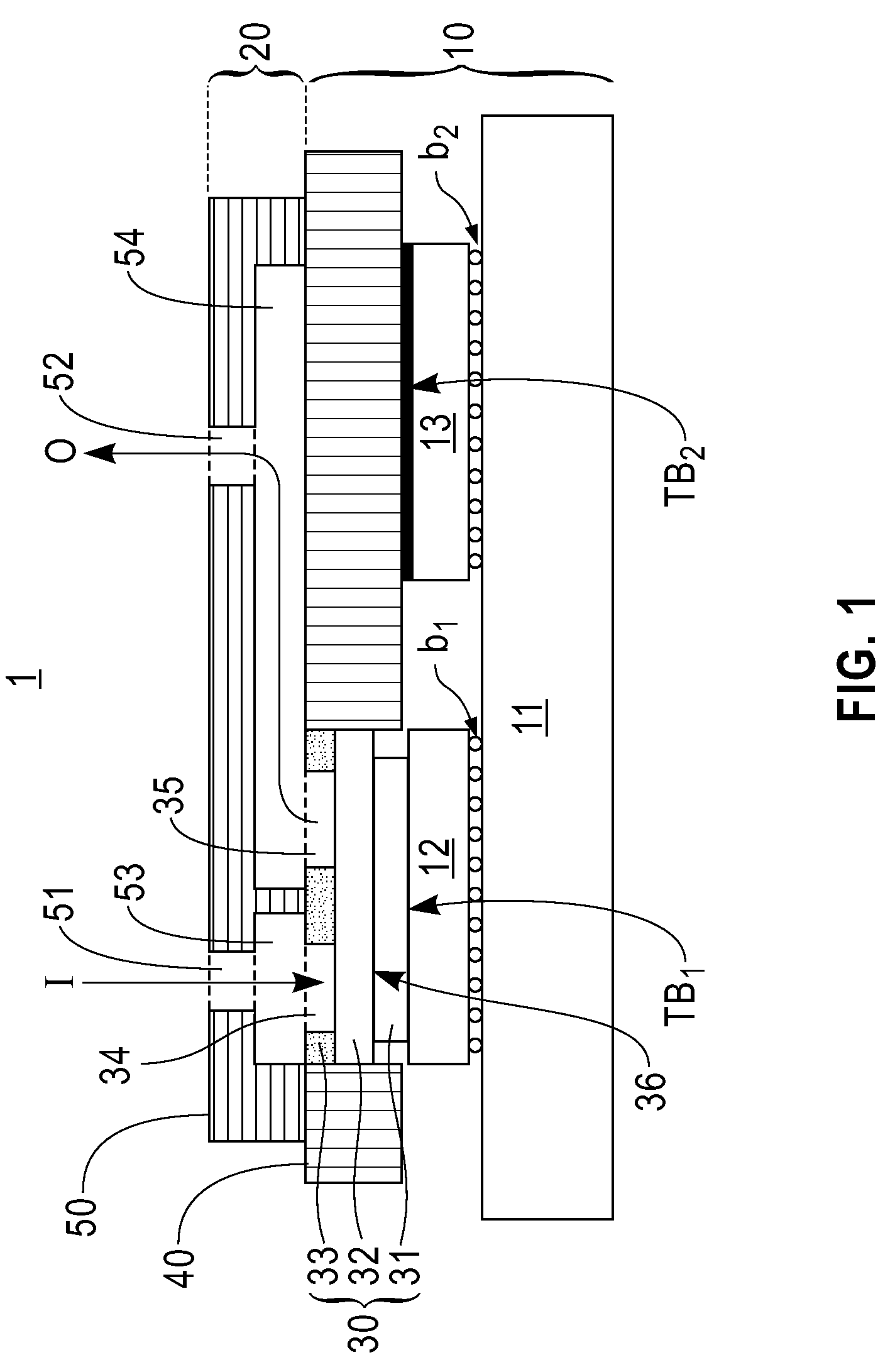
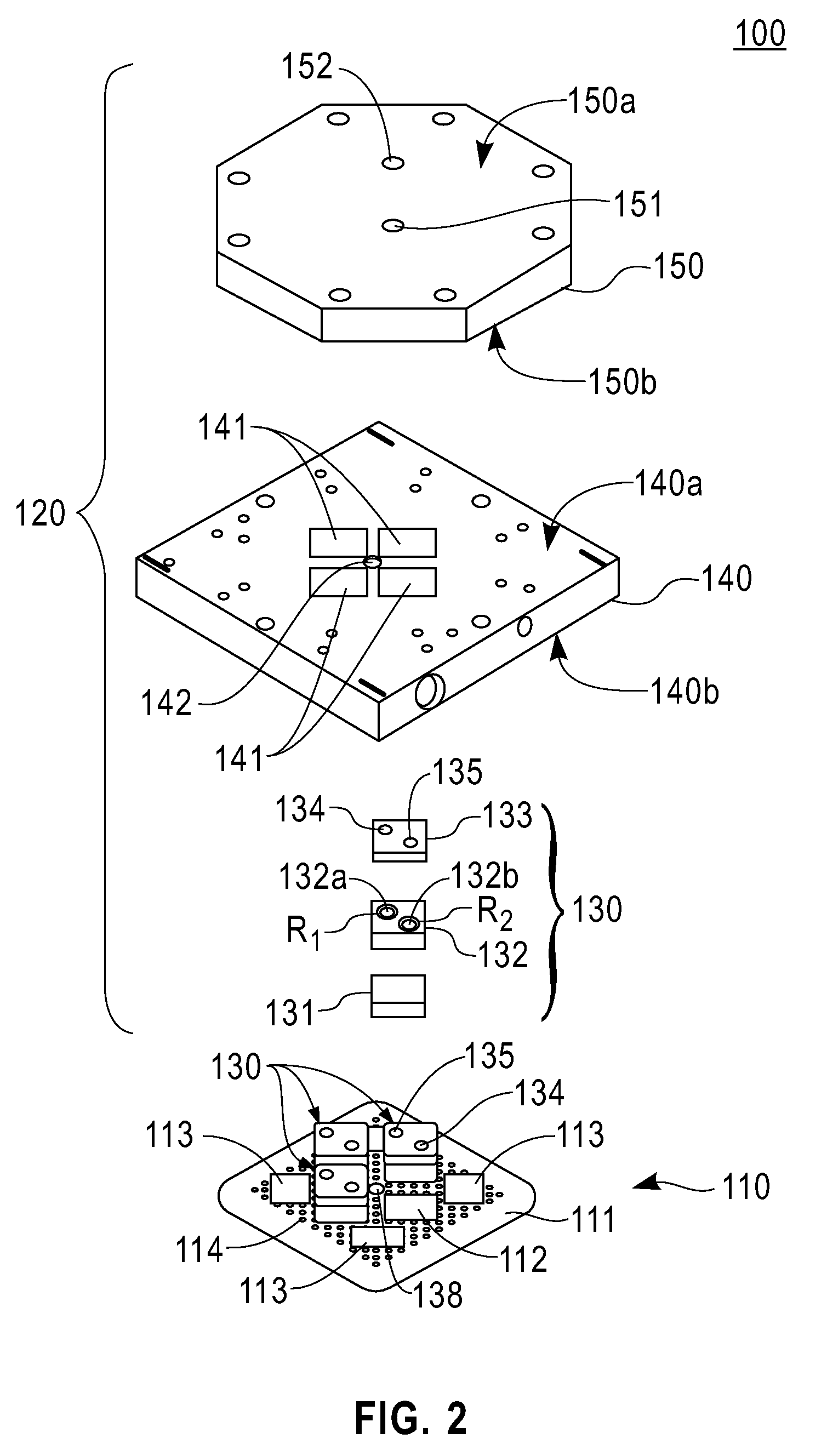
Apparatus and Methods for High-Performance Liquid Cooling of Multiple Chips with Disparate Cooling Requirements
PatentInactiveUS20090284921A1
Innovation
- The implementation of a liquid cooling module with a micro channel cooler and fluid manifold system, where different thermal resistances are achieved by using noncompliant and compliant thermally conductive materials, and micro channel structures, allowing for tailored cooling of each chip based on its specific requirements, while minimizing mechanical stresses through adjustable coolant flow resistance and thermal bonding materials.

Safety Standards for Hydrogen Cooling Systems
The implementation of hydrogen cooling systems in multi-chip module applications necessitates adherence to comprehensive safety standards that address the unique risks associated with hydrogen gas handling and storage. Current international standards such as ISO 14687 for hydrogen fuel quality and IEC 62282 for fuel cell technologies provide foundational guidelines, though specific adaptations for semiconductor cooling applications remain under development.
Primary safety considerations center on hydrogen leak detection and prevention mechanisms. Advanced sensor networks capable of detecting hydrogen concentrations as low as 0.1% by volume must be integrated throughout the cooling system infrastructure. These detection systems require response times under 100 milliseconds to trigger emergency shutdown procedures, preventing potential accumulation that could reach the lower explosive limit of 4% hydrogen concentration in air.
Ventilation requirements for hydrogen cooling systems demand specialized design approaches that ensure continuous air circulation rates exceeding 6 air changes per hour in enclosed spaces. Emergency ventilation systems must activate automatically upon hydrogen detection, providing exhaust rates capable of maintaining hydrogen concentrations below 1% even during maximum leak scenarios. The positioning of ventilation intakes and exhausts requires careful consideration of hydrogen's buoyancy characteristics and potential accumulation zones.
Material compatibility standards play a crucial role in system design, as hydrogen embrittlement can compromise structural integrity over time. Components exposed to hydrogen must utilize materials certified under ASME B31.12 piping code or equivalent standards, with particular attention to valve seals, gaskets, and pressure vessel materials. Regular inspection protocols following API 941 guidelines help identify early signs of hydrogen-induced degradation.
Electrical safety standards require explosion-proof equipment ratings meeting ATEX Zone 1 or Class I Division 1 classifications in areas where hydrogen presence is possible during normal operations. Grounding and bonding systems must maintain continuity to prevent static electricity accumulation, while ignition source elimination protocols extend beyond traditional hot surface controls to include electromagnetic interference considerations that could affect sensitive semiconductor operations.
Emergency response procedures must integrate with existing facility safety systems while addressing hydrogen-specific hazards. Personnel training requirements encompass hydrogen properties, leak response protocols, and coordination with local emergency services familiar with hydrogen incident management. Regular safety audits and compliance verification ensure ongoing adherence to evolving regulatory frameworks as hydrogen cooling technology matures in semiconductor applications.
Primary safety considerations center on hydrogen leak detection and prevention mechanisms. Advanced sensor networks capable of detecting hydrogen concentrations as low as 0.1% by volume must be integrated throughout the cooling system infrastructure. These detection systems require response times under 100 milliseconds to trigger emergency shutdown procedures, preventing potential accumulation that could reach the lower explosive limit of 4% hydrogen concentration in air.
Ventilation requirements for hydrogen cooling systems demand specialized design approaches that ensure continuous air circulation rates exceeding 6 air changes per hour in enclosed spaces. Emergency ventilation systems must activate automatically upon hydrogen detection, providing exhaust rates capable of maintaining hydrogen concentrations below 1% even during maximum leak scenarios. The positioning of ventilation intakes and exhausts requires careful consideration of hydrogen's buoyancy characteristics and potential accumulation zones.
Material compatibility standards play a crucial role in system design, as hydrogen embrittlement can compromise structural integrity over time. Components exposed to hydrogen must utilize materials certified under ASME B31.12 piping code or equivalent standards, with particular attention to valve seals, gaskets, and pressure vessel materials. Regular inspection protocols following API 941 guidelines help identify early signs of hydrogen-induced degradation.
Electrical safety standards require explosion-proof equipment ratings meeting ATEX Zone 1 or Class I Division 1 classifications in areas where hydrogen presence is possible during normal operations. Grounding and bonding systems must maintain continuity to prevent static electricity accumulation, while ignition source elimination protocols extend beyond traditional hot surface controls to include electromagnetic interference considerations that could affect sensitive semiconductor operations.
Emergency response procedures must integrate with existing facility safety systems while addressing hydrogen-specific hazards. Personnel training requirements encompass hydrogen properties, leak response protocols, and coordination with local emergency services familiar with hydrogen incident management. Regular safety audits and compliance verification ensure ongoing adherence to evolving regulatory frameworks as hydrogen cooling technology matures in semiconductor applications.
Environmental Impact of Hydrogen Cooling Technologies
The environmental implications of hydrogen cooling technologies in multi-chip module applications present a complex landscape of both opportunities and challenges. As semiconductor manufacturers pursue higher performance densities, the adoption of hydrogen-based thermal management systems introduces significant environmental considerations that extend beyond traditional cooling methodologies.
Hydrogen cooling systems demonstrate substantial environmental advantages through their superior thermal conductivity properties, which can reduce overall energy consumption in data centers and high-performance computing facilities by 15-25% compared to conventional air cooling systems. This efficiency gain translates directly to reduced carbon emissions from power generation, particularly in regions where electricity grids remain dependent on fossil fuels.
The production and supply chain of hydrogen for cooling applications, however, presents environmental complexities. Current industrial hydrogen production predominantly relies on steam methane reforming, which generates approximately 9-12 kg of CO2 per kilogram of hydrogen produced. This carbon footprint must be weighed against the operational efficiency benefits, creating a lifecycle assessment challenge for technology adopters.
Water consumption represents another critical environmental factor, as hydrogen production through electrolysis requires substantial water resources - approximately 9 liters per kilogram of hydrogen. In water-stressed regions, this demand could strain local resources, necessitating careful consideration of production facility locations and water recycling strategies.
The potential for hydrogen leakage introduces atmospheric considerations, as hydrogen acts as an indirect greenhouse gas by extending methane's atmospheric lifetime and affecting ozone chemistry. While hydrogen cooling systems operate in closed loops, leak detection and prevention protocols become environmentally critical for large-scale deployments.
Emerging green hydrogen production pathways, utilizing renewable energy sources for electrolysis, offer promising environmental benefits. These systems could achieve near-zero operational carbon footprints while maintaining the thermal performance advantages essential for next-generation multi-chip modules, positioning hydrogen cooling as a sustainable solution for high-density computing applications.
Hydrogen cooling systems demonstrate substantial environmental advantages through their superior thermal conductivity properties, which can reduce overall energy consumption in data centers and high-performance computing facilities by 15-25% compared to conventional air cooling systems. This efficiency gain translates directly to reduced carbon emissions from power generation, particularly in regions where electricity grids remain dependent on fossil fuels.
The production and supply chain of hydrogen for cooling applications, however, presents environmental complexities. Current industrial hydrogen production predominantly relies on steam methane reforming, which generates approximately 9-12 kg of CO2 per kilogram of hydrogen produced. This carbon footprint must be weighed against the operational efficiency benefits, creating a lifecycle assessment challenge for technology adopters.
Water consumption represents another critical environmental factor, as hydrogen production through electrolysis requires substantial water resources - approximately 9 liters per kilogram of hydrogen. In water-stressed regions, this demand could strain local resources, necessitating careful consideration of production facility locations and water recycling strategies.
The potential for hydrogen leakage introduces atmospheric considerations, as hydrogen acts as an indirect greenhouse gas by extending methane's atmospheric lifetime and affecting ozone chemistry. While hydrogen cooling systems operate in closed loops, leak detection and prevention protocols become environmentally critical for large-scale deployments.
Emerging green hydrogen production pathways, utilizing renewable energy sources for electrolysis, offer promising environmental benefits. These systems could achieve near-zero operational carbon footprints while maintaining the thermal performance advantages essential for next-generation multi-chip modules, positioning hydrogen cooling as a sustainable solution for high-density computing applications.
Unlock deeper insights with Patsnap Eureka Quick Research — get a full tech report to explore trends and direct your research. Try now!
Generate Your Research Report Instantly with AI Agent
Supercharge your innovation with Patsnap Eureka AI Agent Platform!