

Eutectic Systems vs Ferroalloys: Breakdown of Usage
APR 27, 20269 MIN READ
Generate Your Research Report Instantly with AI Agent
PatSnap Eureka helps you evaluate technical feasibility & market potential.
Eutectic Systems and Ferroalloys Background and Objectives
Eutectic systems and ferroalloys represent two fundamental metallurgical concepts that have shaped modern materials science and industrial manufacturing. Eutectic systems are characterized by specific compositions where two or more phases solidify simultaneously at a single temperature, creating unique microstructures with distinct properties. These systems have been extensively studied since the early 20th century, with applications ranging from soldering materials to advanced semiconductor manufacturing.
Ferroalloys, conversely, are iron-based alloys containing significant concentrations of elements such as manganese, silicon, chromium, or vanadium. These materials serve as essential deoxidizers, desulfurizers, and alloying agents in steel production. The ferroalloy industry emerged during the industrial revolution and has continuously evolved to meet the demanding requirements of modern metallurgy.
The historical development of both technologies has followed parallel trajectories, with eutectic systems finding prominence in precision applications requiring controlled melting characteristics, while ferroalloys became indispensable in large-scale steel manufacturing. The convergence of these technologies has created opportunities for developing advanced materials with tailored properties.
Current technological evolution trends indicate a growing emphasis on energy efficiency, environmental sustainability, and performance optimization. Eutectic systems are increasingly utilized in thermal management applications, energy storage solutions, and advanced manufacturing processes. Meanwhile, ferroalloy production is shifting toward cleaner production methods and specialized grades for high-performance steel applications.
The primary technical objectives driving research in this domain include developing cost-effective production methods, enhancing material properties through controlled microstructure design, and reducing environmental impact. Specific goals encompass improving thermal conductivity in eutectic systems, optimizing deoxidation efficiency in ferroalloys, and creating hybrid materials that leverage advantages from both technologies.
Strategic objectives focus on establishing sustainable supply chains, reducing dependency on critical raw materials, and developing application-specific solutions for emerging industries such as renewable energy, electric vehicles, and advanced electronics. These objectives align with global trends toward decarbonization and circular economy principles.
Ferroalloys, conversely, are iron-based alloys containing significant concentrations of elements such as manganese, silicon, chromium, or vanadium. These materials serve as essential deoxidizers, desulfurizers, and alloying agents in steel production. The ferroalloy industry emerged during the industrial revolution and has continuously evolved to meet the demanding requirements of modern metallurgy.
The historical development of both technologies has followed parallel trajectories, with eutectic systems finding prominence in precision applications requiring controlled melting characteristics, while ferroalloys became indispensable in large-scale steel manufacturing. The convergence of these technologies has created opportunities for developing advanced materials with tailored properties.
Current technological evolution trends indicate a growing emphasis on energy efficiency, environmental sustainability, and performance optimization. Eutectic systems are increasingly utilized in thermal management applications, energy storage solutions, and advanced manufacturing processes. Meanwhile, ferroalloy production is shifting toward cleaner production methods and specialized grades for high-performance steel applications.
The primary technical objectives driving research in this domain include developing cost-effective production methods, enhancing material properties through controlled microstructure design, and reducing environmental impact. Specific goals encompass improving thermal conductivity in eutectic systems, optimizing deoxidation efficiency in ferroalloys, and creating hybrid materials that leverage advantages from both technologies.
Strategic objectives focus on establishing sustainable supply chains, reducing dependency on critical raw materials, and developing application-specific solutions for emerging industries such as renewable energy, electric vehicles, and advanced electronics. These objectives align with global trends toward decarbonization and circular economy principles.
Market Demand Analysis for Eutectic and Ferroalloy Applications
The global market for eutectic systems and ferroalloys demonstrates distinct demand patterns driven by different industrial applications and technological requirements. Eutectic systems, characterized by their unique melting behavior and enhanced material properties, find primary demand in specialized manufacturing sectors including electronics, aerospace, and precision engineering. The electronics industry represents a significant consumption segment, particularly for eutectic solders and thermal interface materials where precise melting points and reliable performance are critical.
Ferroalloys maintain their position as essential metallurgical additives, with steel production accounting for the majority of global consumption. The automotive industry drives substantial demand through requirements for high-strength steel grades, while infrastructure development projects continue to sustain baseline consumption levels. Construction and shipbuilding sectors also contribute to steady ferroalloy demand, particularly for silicon-based and manganese-based variants.
Regional demand patterns reveal significant geographical variations in consumption preferences. Asian markets, led by China and India, demonstrate strong ferroalloy consumption correlating with their extensive steel production capabilities. European markets show increasing preference for specialized eutectic systems, driven by advanced manufacturing requirements and stringent quality standards in automotive and aerospace applications.
The renewable energy sector emerges as a growing demand driver for both material categories. Wind turbine manufacturing requires specialized steel grades dependent on ferroalloy additions, while solar panel production increasingly utilizes eutectic systems for thermal management and electrical connections. Energy storage applications, particularly battery manufacturing, create new demand streams for specific eutectic compositions.
Market dynamics indicate shifting preferences toward higher-value applications. Traditional bulk ferroalloy consumption faces pressure from environmental regulations and efficiency improvements in steel production. Conversely, specialized eutectic systems experience growing demand from emerging technologies including electric vehicles, 5G infrastructure, and advanced semiconductor packaging.
Supply chain considerations significantly influence demand patterns. Ferroalloy markets remain sensitive to raw material availability and energy costs, while eutectic system demand shows greater resilience due to lower volume requirements and higher value propositions. End-user industries increasingly prioritize supply security and performance consistency over cost optimization alone.
Ferroalloys maintain their position as essential metallurgical additives, with steel production accounting for the majority of global consumption. The automotive industry drives substantial demand through requirements for high-strength steel grades, while infrastructure development projects continue to sustain baseline consumption levels. Construction and shipbuilding sectors also contribute to steady ferroalloy demand, particularly for silicon-based and manganese-based variants.
Regional demand patterns reveal significant geographical variations in consumption preferences. Asian markets, led by China and India, demonstrate strong ferroalloy consumption correlating with their extensive steel production capabilities. European markets show increasing preference for specialized eutectic systems, driven by advanced manufacturing requirements and stringent quality standards in automotive and aerospace applications.
The renewable energy sector emerges as a growing demand driver for both material categories. Wind turbine manufacturing requires specialized steel grades dependent on ferroalloy additions, while solar panel production increasingly utilizes eutectic systems for thermal management and electrical connections. Energy storage applications, particularly battery manufacturing, create new demand streams for specific eutectic compositions.
Market dynamics indicate shifting preferences toward higher-value applications. Traditional bulk ferroalloy consumption faces pressure from environmental regulations and efficiency improvements in steel production. Conversely, specialized eutectic systems experience growing demand from emerging technologies including electric vehicles, 5G infrastructure, and advanced semiconductor packaging.
Supply chain considerations significantly influence demand patterns. Ferroalloy markets remain sensitive to raw material availability and energy costs, while eutectic system demand shows greater resilience due to lower volume requirements and higher value propositions. End-user industries increasingly prioritize supply security and performance consistency over cost optimization alone.
Current Status and Challenges in Eutectic vs Ferroalloy Usage
Eutectic systems currently dominate precision manufacturing applications where controlled melting behavior and predictable phase transitions are critical. These systems find extensive use in electronics soldering, where eutectic tin-lead and lead-free alternatives provide reliable joint formation at specific temperatures. The aerospace industry leverages eutectic alloys for brazing applications, particularly in turbine blade manufacturing where precise temperature control prevents substrate damage. However, eutectic systems face significant limitations in high-temperature structural applications due to their inherently lower melting points and reduced mechanical strength at elevated temperatures.
Ferroalloys maintain their stronghold in bulk metallurgical processes, particularly in steel and iron production where they serve as essential deoxidizers, desulfurizers, and alloying agents. Ferromanganese, ferrosilicon, and ferrochrome represent the largest volume applications, with global consumption exceeding 50 million tons annually. The construction and automotive industries rely heavily on ferroalloy-enhanced steels for structural integrity and corrosion resistance. Despite their widespread use, ferroalloys encounter challenges related to energy-intensive production processes and environmental concerns associated with traditional smelting operations.
The geographical distribution of these technologies reveals distinct patterns. Eutectic system development concentrates in advanced manufacturing hubs across North America, Europe, and East Asia, where precision industries drive innovation. Conversely, ferroalloy production centers around regions with abundant raw materials and energy resources, including China, India, Russia, and South Africa, which collectively account for over 70% of global ferroalloy output.
Current technical challenges for eutectic systems include developing lead-free alternatives that match traditional eutectic performance while meeting environmental regulations. Temperature stability improvements and enhanced mechanical properties remain ongoing research priorities. Ferroalloys face pressure to reduce carbon footprints through alternative reduction processes and improved energy efficiency. The integration of hydrogen-based reduction technologies represents a significant technical hurdle requiring substantial process modifications.
Market dynamics increasingly favor sustainable solutions, creating opportunities for both technologies to evolve. Eutectic systems benefit from growing electronics miniaturization trends, while ferroalloys must adapt to circular economy principles and stricter environmental standards in metallurgical applications.
Ferroalloys maintain their stronghold in bulk metallurgical processes, particularly in steel and iron production where they serve as essential deoxidizers, desulfurizers, and alloying agents. Ferromanganese, ferrosilicon, and ferrochrome represent the largest volume applications, with global consumption exceeding 50 million tons annually. The construction and automotive industries rely heavily on ferroalloy-enhanced steels for structural integrity and corrosion resistance. Despite their widespread use, ferroalloys encounter challenges related to energy-intensive production processes and environmental concerns associated with traditional smelting operations.
The geographical distribution of these technologies reveals distinct patterns. Eutectic system development concentrates in advanced manufacturing hubs across North America, Europe, and East Asia, where precision industries drive innovation. Conversely, ferroalloy production centers around regions with abundant raw materials and energy resources, including China, India, Russia, and South Africa, which collectively account for over 70% of global ferroalloy output.
Current technical challenges for eutectic systems include developing lead-free alternatives that match traditional eutectic performance while meeting environmental regulations. Temperature stability improvements and enhanced mechanical properties remain ongoing research priorities. Ferroalloys face pressure to reduce carbon footprints through alternative reduction processes and improved energy efficiency. The integration of hydrogen-based reduction technologies represents a significant technical hurdle requiring substantial process modifications.
Market dynamics increasingly favor sustainable solutions, creating opportunities for both technologies to evolve. Eutectic systems benefit from growing electronics miniaturization trends, while ferroalloys must adapt to circular economy principles and stricter environmental standards in metallurgical applications.
Current Technical Solutions for Material Selection
01 Eutectic alloy compositions for improved metallurgical properties
Development of specific eutectic compositions that enhance the mechanical and thermal properties of ferroalloys. These compositions are designed to achieve optimal melting points and solidification characteristics, resulting in improved strength, ductility, and corrosion resistance. The eutectic systems allow for better control of microstructure formation during cooling processes.- Eutectic alloy compositions for improved metallurgical properties: Development of specific eutectic compositions that enhance the mechanical and thermal properties of ferroalloys. These compositions are designed to achieve optimal melting points and solidification characteristics, resulting in improved strength, ductility, and corrosion resistance. The eutectic systems allow for better control of microstructure formation during cooling processes.
- Manufacturing processes for eutectic ferroalloy systems: Advanced production methods for creating eutectic ferroalloy systems including controlled cooling rates, temperature management, and specific alloying techniques. These processes focus on achieving uniform distribution of phases and optimizing the formation of eutectic structures to enhance final product performance and consistency.
- Applications in steel and metal processing industries: Utilization of eutectic ferroalloy systems in steel production, casting operations, and metal refining processes. These applications leverage the unique properties of eutectic compositions to improve deoxidation, desulfurization, and alloying efficiency in various metallurgical operations, leading to enhanced final product quality.
- Thermal management and heat treatment applications: Implementation of eutectic ferroalloy systems in thermal processing applications where controlled melting and solidification characteristics are crucial. These systems provide predictable thermal behavior and are used in applications requiring specific temperature ranges and heat transfer properties for optimal performance.
- Advanced alloy design and microstructure control: Development of sophisticated eutectic ferroalloy compositions with engineered microstructures for specialized applications. This involves precise control of phase formation, grain structure, and interfacial properties to achieve specific mechanical, electrical, or magnetic characteristics required for high-performance applications.
02 Manufacturing processes for eutectic ferroalloy systems
Advanced production methods for creating eutectic ferroalloy systems including controlled cooling techniques, precise temperature management, and specialized furnace operations. These processes focus on achieving uniform distribution of phases and optimal grain structure formation. The manufacturing approaches ensure consistent quality and reproducible properties in the final ferroalloy products.Expand Specific Solutions03 Applications in steel and metal processing industries
Utilization of eutectic ferroalloy systems as additives and alloying elements in steel production and metal processing applications. These systems serve as deoxidizers, desulfurizers, and grain refiners to improve the final properties of steel and other metal products. The eutectic nature provides enhanced dissolution rates and more efficient incorporation into molten metal baths.Expand Specific Solutions04 Phase diagram optimization and composition control
Scientific approaches to optimizing eutectic phase diagrams and controlling chemical compositions for specific ferroalloy applications. This involves understanding the thermodynamic relationships between different elements and their effects on eutectic formation. The focus is on achieving desired phase transformations and maintaining compositional stability during processing and application.Expand Specific Solutions05 Quality enhancement and performance characteristics
Methods for improving the performance characteristics of eutectic ferroalloy systems through advanced treatment techniques and quality control measures. These approaches focus on reducing impurities, controlling particle size distribution, and enhancing chemical reactivity. The emphasis is on achieving consistent performance in various industrial applications while maintaining cost-effectiveness.Expand Specific Solutions
Major Players in Eutectic Systems and Ferroalloy Industries
The eutectic systems versus ferroalloys market represents a mature industrial sector experiencing steady growth driven by automotive, aerospace, and electronics applications. The industry demonstrates moderate technological maturity with established players like Proterial Ltd., Murata Manufacturing, and Tata Steel leading traditional ferroalloy production, while companies such as Intel Corp., Canon Inc., and LG Chem Ltd. drive innovation in advanced eutectic applications for semiconductors and energy storage. Academic institutions including Dartmouth College, Southeast University, and Monash University contribute significant research advancing material science understanding. The competitive landscape shows clear segmentation between conventional ferroalloy producers focusing on steel and automotive sectors, and technology companies developing sophisticated eutectic systems for high-performance applications, indicating a bifurcated market with distinct growth trajectories and technological requirements.
Dartmouth College
Technical Solution: Dartmouth College conducts fundamental research on eutectic systems and ferroalloy behavior through their materials science and engineering programs. The research focuses on understanding the thermodynamic and kinetic differences between eutectic solidification and ferroalloy dissolution mechanisms. Their work includes computational modeling of phase diagrams and experimental validation of eutectic versus ferroalloy performance in various metallurgical applications. The college's research contributes to the scientific understanding of when eutectic systems provide advantages over traditional ferroalloy approaches, particularly in terms of processing efficiency and final material properties.
Strengths: Strong fundamental research capabilities and academic freedom to explore innovative approaches. Weaknesses: Limited industrial application and commercialization capabilities compared to industry players.
Proterial Ltd.
Technical Solution: Proterial Ltd. specializes in advanced ferroalloy production and eutectic system development for high-performance applications. The company focuses on developing specialized ferroalloy compositions that leverage eutectic principles to achieve optimal melting points and mechanical properties. Their technology encompasses precision control of eutectic compositions in steel and iron-based alloys, enabling enhanced castability and reduced energy consumption during processing. The company's approach integrates computational thermodynamics with practical metallurgy to optimize eutectic vs ferroalloy selection for specific industrial applications, particularly in automotive and infrastructure sectors.
Strengths: Deep expertise in metallurgical science and established market presence in specialty alloys. Weaknesses: Limited global reach compared to larger competitors and higher production costs.
Key Innovations in Eutectic and Ferroalloy Technologies
Deep eutectic solvent systems and methods
PatentWO2012145522A2
Innovation
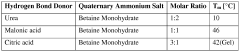
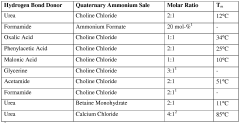
- Development of deep eutectic solvent systems comprising betaine monohydrate as a replacement for choline chloride, combined with hydrogen bond donors like urea or acids, which significantly lower melting points and reduce viscosity, enabling the dissolution of cellulose and other insoluble materials.
Eutectic Alloys of the Type FE 25-35 NI 15-25 MN 30-40 AL 10-20 M 0-5 and Methods for Production Thereof
PatentInactiveUS20110041967A1
Innovation
- Development of intermetallic alloys with specific compositions, such as FeaNibMncAldMe, formed through a eutectic transformation process, resulting in lamellar structures that offer enhanced mechanical properties by crystallizing two distinct structural phases, including iron, nickel, manganese, and aluminum, with optional additions like chromium, molybdenum, and carbon, achieved through a heat treatment process.


Environmental Impact Assessment of Alloy Production
The environmental implications of alloy production present significant challenges across both eutectic systems and ferroalloy manufacturing processes. Carbon dioxide emissions constitute the primary environmental concern, with ferroalloy production typically generating 2.5-4.2 tons of CO2 per ton of product, while eutectic alloy systems demonstrate varying emission profiles depending on constituent metals and processing temperatures.
Energy consumption patterns differ substantially between these production methods. Ferroalloy manufacturing requires intensive electric arc furnace operations, consuming approximately 3,000-9,000 kWh per ton of product. Eutectic system production often operates at lower temperatures due to reduced melting points, potentially decreasing energy requirements by 15-30% compared to conventional alloy processing methods.
Water resource utilization and contamination risks vary significantly across production pathways. Ferroalloy facilities typically consume 5-15 cubic meters of water per ton of output for cooling and dust suppression, generating wastewater containing heavy metals and suspended particulates. Eutectic alloy production generally requires less water due to reduced processing temperatures and shorter production cycles.
Air quality impacts encompass particulate matter emissions, sulfur compounds, and volatile organic compounds. Ferroalloy production releases substantial quantities of PM2.5 and PM10 particles, alongside silicon dioxide and metal oxides. Eutectic systems may produce lower absolute emission volumes but can generate specific pollutants depending on constituent metal combinations and flux materials utilized.
Waste generation patterns reflect fundamental differences in production efficiency and byproduct formation. Ferroalloy manufacturing typically produces 200-500 kg of slag per ton of product, requiring specialized disposal or recycling strategies. Eutectic systems often demonstrate higher material utilization rates, generating 20-40% less solid waste due to improved process control and reduced oxidation losses.
Resource extraction impacts extend beyond direct production facilities to upstream mining operations. Ferroalloy production relies heavily on chromium, manganese, and silicon ores, contributing to habitat disruption and soil contamination. Eutectic systems may utilize recycled materials more effectively, potentially reducing primary resource demands by 25-45% through optimized composition design and processing techniques.
Energy consumption patterns differ substantially between these production methods. Ferroalloy manufacturing requires intensive electric arc furnace operations, consuming approximately 3,000-9,000 kWh per ton of product. Eutectic system production often operates at lower temperatures due to reduced melting points, potentially decreasing energy requirements by 15-30% compared to conventional alloy processing methods.
Water resource utilization and contamination risks vary significantly across production pathways. Ferroalloy facilities typically consume 5-15 cubic meters of water per ton of output for cooling and dust suppression, generating wastewater containing heavy metals and suspended particulates. Eutectic alloy production generally requires less water due to reduced processing temperatures and shorter production cycles.
Air quality impacts encompass particulate matter emissions, sulfur compounds, and volatile organic compounds. Ferroalloy production releases substantial quantities of PM2.5 and PM10 particles, alongside silicon dioxide and metal oxides. Eutectic systems may produce lower absolute emission volumes but can generate specific pollutants depending on constituent metal combinations and flux materials utilized.
Waste generation patterns reflect fundamental differences in production efficiency and byproduct formation. Ferroalloy manufacturing typically produces 200-500 kg of slag per ton of product, requiring specialized disposal or recycling strategies. Eutectic systems often demonstrate higher material utilization rates, generating 20-40% less solid waste due to improved process control and reduced oxidation losses.
Resource extraction impacts extend beyond direct production facilities to upstream mining operations. Ferroalloy production relies heavily on chromium, manganese, and silicon ores, contributing to habitat disruption and soil contamination. Eutectic systems may utilize recycled materials more effectively, potentially reducing primary resource demands by 25-45% through optimized composition design and processing techniques.
Cost-Performance Trade-offs in Material Selection
The selection between eutectic systems and ferroalloys fundamentally hinges on balancing initial investment costs against long-term performance benefits. Eutectic systems typically command higher upfront material costs due to their sophisticated composition control and specialized processing requirements. However, these systems often deliver superior performance characteristics that can justify the premium pricing through enhanced operational efficiency and extended service life.
Ferroalloys present a more economical entry point, with established supply chains and standardized production processes contributing to lower acquisition costs. The widespread availability of ferroalloy materials creates competitive pricing structures, making them attractive for applications where budget constraints are paramount. However, the apparent cost advantage may diminish when considering total cost of ownership, including maintenance, replacement frequency, and operational efficiency factors.
Performance considerations reveal distinct trade-off patterns between these material categories. Eutectic systems excel in applications requiring precise thermal management, offering superior heat transfer coefficients and thermal stability. This performance advantage translates to reduced energy consumption and improved process control, potentially offsetting higher initial costs through operational savings. The enhanced durability of eutectic compositions also extends equipment lifespan, reducing replacement frequency and associated downtime costs.
Ferroalloys demonstrate robust performance in structural applications where mechanical strength and corrosion resistance are primary concerns. While they may not match the thermal performance of optimized eutectic systems, ferroalloys provide reliable service in demanding environments at competitive cost points. The established performance database for ferroalloys reduces technical risk and simplifies material selection processes.
Industry applications reveal sector-specific cost-performance preferences. High-value manufacturing processes, such as semiconductor fabrication and precision casting, increasingly favor eutectic systems despite higher costs, as performance improvements directly impact product quality and yield. Conversely, heavy industry applications often prioritize ferroalloys for their proven reliability and cost-effectiveness in large-scale operations.
The decision matrix becomes more complex when considering lifecycle factors. Eutectic systems may require specialized handling and processing capabilities, adding infrastructure costs but potentially reducing operational complexity. Ferroalloys benefit from existing industrial expertise and equipment compatibility, minimizing implementation barriers and training requirements.
Ferroalloys present a more economical entry point, with established supply chains and standardized production processes contributing to lower acquisition costs. The widespread availability of ferroalloy materials creates competitive pricing structures, making them attractive for applications where budget constraints are paramount. However, the apparent cost advantage may diminish when considering total cost of ownership, including maintenance, replacement frequency, and operational efficiency factors.
Performance considerations reveal distinct trade-off patterns between these material categories. Eutectic systems excel in applications requiring precise thermal management, offering superior heat transfer coefficients and thermal stability. This performance advantage translates to reduced energy consumption and improved process control, potentially offsetting higher initial costs through operational savings. The enhanced durability of eutectic compositions also extends equipment lifespan, reducing replacement frequency and associated downtime costs.
Ferroalloys demonstrate robust performance in structural applications where mechanical strength and corrosion resistance are primary concerns. While they may not match the thermal performance of optimized eutectic systems, ferroalloys provide reliable service in demanding environments at competitive cost points. The established performance database for ferroalloys reduces technical risk and simplifies material selection processes.
Industry applications reveal sector-specific cost-performance preferences. High-value manufacturing processes, such as semiconductor fabrication and precision casting, increasingly favor eutectic systems despite higher costs, as performance improvements directly impact product quality and yield. Conversely, heavy industry applications often prioritize ferroalloys for their proven reliability and cost-effectiveness in large-scale operations.
The decision matrix becomes more complex when considering lifecycle factors. Eutectic systems may require specialized handling and processing capabilities, adding infrastructure costs but potentially reducing operational complexity. Ferroalloys benefit from existing industrial expertise and equipment compatibility, minimizing implementation barriers and training requirements.
Unlock deeper insights with PatSnap Eureka Quick Research — get a full tech report to explore trends and direct your research. Try now!
Generate Your Research Report Instantly with AI Agent
Supercharge your innovation with PatSnap Eureka AI Agent Platform!