

How to Lower Eutectic System Environmental Footprint
APR 27, 202610 MIN READ
Generate Your Research Report Instantly with AI Agent
PatSnap Eureka helps you evaluate technical feasibility & market potential.
Eutectic System Environmental Impact Background and Goals
Eutectic systems have emerged as critical components across multiple industrial sectors, from thermal energy storage and phase change materials to advanced manufacturing processes and electronic cooling applications. These systems, characterized by their unique melting and solidification behaviors at specific temperature points, offer significant advantages in energy efficiency and process optimization. However, their widespread adoption has raised substantial environmental concerns that demand immediate attention and systematic solutions.
The environmental footprint of eutectic systems encompasses multiple dimensions of ecological impact. Manufacturing processes typically involve energy-intensive synthesis methods, often requiring high-temperature operations and specialized equipment that contribute to significant carbon emissions. Raw material extraction for eutectic components frequently involves mining operations and chemical processing that generate substantial waste streams and environmental degradation. Additionally, the lifecycle assessment reveals concerning patterns in disposal and recycling challenges, particularly for complex multi-component eutectic formulations.
Current environmental challenges extend beyond manufacturing to operational phases. Many existing eutectic systems rely on materials with questionable sustainability profiles, including rare earth elements and synthetic compounds with limited biodegradability. Energy consumption during system operation, while often more efficient than alternatives, still represents a significant environmental burden when scaled across industrial applications. Thermal cycling degradation leads to performance deterioration and eventual system replacement, creating additional waste streams.
The primary goal of reducing eutectic system environmental footprint centers on developing sustainable alternatives that maintain or enhance performance characteristics while minimizing ecological impact. This involves transitioning toward bio-based and recyclable materials, optimizing manufacturing processes for reduced energy consumption, and implementing circular economy principles throughout the system lifecycle. Advanced material design approaches aim to create eutectic formulations using abundant, non-toxic components with enhanced durability and recyclability.
Strategic objectives include achieving carbon neutrality in manufacturing processes through renewable energy integration and process optimization. Development of standardized recycling protocols for end-of-life eutectic systems represents another critical goal, enabling material recovery and reuse. Furthermore, establishing comprehensive lifecycle assessment frameworks will enable accurate environmental impact quantification and continuous improvement tracking across different eutectic system applications and configurations.
The environmental footprint of eutectic systems encompasses multiple dimensions of ecological impact. Manufacturing processes typically involve energy-intensive synthesis methods, often requiring high-temperature operations and specialized equipment that contribute to significant carbon emissions. Raw material extraction for eutectic components frequently involves mining operations and chemical processing that generate substantial waste streams and environmental degradation. Additionally, the lifecycle assessment reveals concerning patterns in disposal and recycling challenges, particularly for complex multi-component eutectic formulations.
Current environmental challenges extend beyond manufacturing to operational phases. Many existing eutectic systems rely on materials with questionable sustainability profiles, including rare earth elements and synthetic compounds with limited biodegradability. Energy consumption during system operation, while often more efficient than alternatives, still represents a significant environmental burden when scaled across industrial applications. Thermal cycling degradation leads to performance deterioration and eventual system replacement, creating additional waste streams.
The primary goal of reducing eutectic system environmental footprint centers on developing sustainable alternatives that maintain or enhance performance characteristics while minimizing ecological impact. This involves transitioning toward bio-based and recyclable materials, optimizing manufacturing processes for reduced energy consumption, and implementing circular economy principles throughout the system lifecycle. Advanced material design approaches aim to create eutectic formulations using abundant, non-toxic components with enhanced durability and recyclability.
Strategic objectives include achieving carbon neutrality in manufacturing processes through renewable energy integration and process optimization. Development of standardized recycling protocols for end-of-life eutectic systems represents another critical goal, enabling material recovery and reuse. Furthermore, establishing comprehensive lifecycle assessment frameworks will enable accurate environmental impact quantification and continuous improvement tracking across different eutectic system applications and configurations.
Market Demand for Sustainable Eutectic Applications
The global shift toward environmental sustainability has created unprecedented market demand for eco-friendly eutectic systems across multiple industrial sectors. Traditional eutectic applications, while effective in their functional roles, often carry significant environmental burdens through toxic components, energy-intensive production processes, and challenging end-of-life disposal requirements. This environmental concern has catalyzed market transformation, with industries actively seeking sustainable alternatives that maintain performance while reducing ecological impact.
The electronics manufacturing sector represents one of the most significant demand drivers for sustainable eutectic solutions. Lead-free solder alloys have become mandatory in consumer electronics, driven by regulatory frameworks such as RoHS directives and growing consumer awareness of environmental issues. Manufacturers are increasingly prioritizing suppliers who can provide eutectic systems with reduced carbon footprints, recyclable components, and minimal hazardous substance content.
Thermal management applications demonstrate substantial market potential for sustainable eutectic systems. Data centers, renewable energy installations, and electric vehicle thermal management systems require efficient heat transfer solutions with minimal environmental impact. The market demands eutectic compositions that offer superior thermal performance while utilizing bio-based or recycled materials, reducing dependency on rare earth elements and minimizing production energy requirements.
The pharmaceutical and food processing industries exhibit growing interest in sustainable eutectic solvents and preservation systems. Deep eutectic solvents derived from natural compounds are gaining traction as environmentally benign alternatives to conventional organic solvents. Market demand focuses on systems that maintain product quality and safety standards while offering biodegradability, reduced toxicity, and sustainable sourcing of raw materials.
Construction and building materials sectors increasingly seek sustainable eutectic systems for concrete additives, phase change materials for energy storage, and advanced insulation solutions. Market drivers include green building certification requirements, energy efficiency mandates, and lifecycle assessment considerations that favor materials with lower environmental footprints throughout their operational lifespan.
The automotive industry's transition toward electrification has intensified demand for sustainable eutectic systems in battery thermal management, lightweight alloys, and manufacturing processes. Market requirements emphasize systems that support circular economy principles through material recovery, reduced processing temperatures, and compatibility with recycling infrastructure.
Emerging markets in developing regions show particular interest in cost-effective sustainable eutectic solutions that address local environmental challenges while supporting industrial development goals. These markets prioritize systems that utilize locally available raw materials, require minimal specialized infrastructure, and provide clear environmental benefits compared to existing alternatives.
The electronics manufacturing sector represents one of the most significant demand drivers for sustainable eutectic solutions. Lead-free solder alloys have become mandatory in consumer electronics, driven by regulatory frameworks such as RoHS directives and growing consumer awareness of environmental issues. Manufacturers are increasingly prioritizing suppliers who can provide eutectic systems with reduced carbon footprints, recyclable components, and minimal hazardous substance content.
Thermal management applications demonstrate substantial market potential for sustainable eutectic systems. Data centers, renewable energy installations, and electric vehicle thermal management systems require efficient heat transfer solutions with minimal environmental impact. The market demands eutectic compositions that offer superior thermal performance while utilizing bio-based or recycled materials, reducing dependency on rare earth elements and minimizing production energy requirements.
The pharmaceutical and food processing industries exhibit growing interest in sustainable eutectic solvents and preservation systems. Deep eutectic solvents derived from natural compounds are gaining traction as environmentally benign alternatives to conventional organic solvents. Market demand focuses on systems that maintain product quality and safety standards while offering biodegradability, reduced toxicity, and sustainable sourcing of raw materials.
Construction and building materials sectors increasingly seek sustainable eutectic systems for concrete additives, phase change materials for energy storage, and advanced insulation solutions. Market drivers include green building certification requirements, energy efficiency mandates, and lifecycle assessment considerations that favor materials with lower environmental footprints throughout their operational lifespan.
The automotive industry's transition toward electrification has intensified demand for sustainable eutectic systems in battery thermal management, lightweight alloys, and manufacturing processes. Market requirements emphasize systems that support circular economy principles through material recovery, reduced processing temperatures, and compatibility with recycling infrastructure.
Emerging markets in developing regions show particular interest in cost-effective sustainable eutectic solutions that address local environmental challenges while supporting industrial development goals. These markets prioritize systems that utilize locally available raw materials, require minimal specialized infrastructure, and provide clear environmental benefits compared to existing alternatives.
Current Environmental Challenges in Eutectic Systems
Eutectic systems face significant environmental challenges across their entire lifecycle, from raw material extraction to end-of-life disposal. The primary concern stems from the energy-intensive manufacturing processes required to achieve precise compositional control and optimal microstructures. These processes typically involve high-temperature melting, controlled cooling rates, and multiple thermal cycling operations, resulting in substantial carbon emissions and energy consumption that can be 30-40% higher than conventional single-phase materials.
Resource depletion represents another critical challenge, particularly for eutectic systems containing rare earth elements or precious metals. Many high-performance eutectic alloys rely on scarce materials such as indium, gallium, or rare earth elements, creating supply chain vulnerabilities and environmental stress through intensive mining operations. The extraction of these materials often involves environmentally destructive practices, including habitat disruption and toxic waste generation.
Waste generation during manufacturing poses additional environmental burdens. Eutectic system production typically generates significant amounts of metallic waste, chemical byproducts, and contaminated processing materials. The precision required in eutectic composition often leads to higher rejection rates during quality control, amplifying material waste. Furthermore, the specialized nature of many eutectic systems makes recycling challenging, as maintaining precise stoichiometric ratios during reprocessing is technically demanding and economically unfavorable.
Chemical contamination emerges as a persistent issue throughout the production chain. Many eutectic systems require toxic fluxes, reducing agents, or protective atmospheres during processing, leading to hazardous waste streams that require specialized treatment. The use of lead-based eutectic systems, while declining, still presents legacy contamination concerns in electronics and soldering applications.
End-of-life management represents perhaps the most complex environmental challenge. Unlike homogeneous materials, eutectic systems contain multiple phases with different chemical properties, making separation and recycling technically difficult. The intimate mixing of phases at the microscale prevents simple mechanical separation, often requiring energy-intensive pyrometallurgical or hydrometallurgical processes that generate additional environmental impacts.
Transportation and logistics contribute to the environmental footprint through the global distribution of specialized eutectic materials and components. The often small-volume, high-value nature of these materials results in inefficient transportation patterns and increased packaging requirements, further amplifying their carbon footprint across international supply chains.
Resource depletion represents another critical challenge, particularly for eutectic systems containing rare earth elements or precious metals. Many high-performance eutectic alloys rely on scarce materials such as indium, gallium, or rare earth elements, creating supply chain vulnerabilities and environmental stress through intensive mining operations. The extraction of these materials often involves environmentally destructive practices, including habitat disruption and toxic waste generation.
Waste generation during manufacturing poses additional environmental burdens. Eutectic system production typically generates significant amounts of metallic waste, chemical byproducts, and contaminated processing materials. The precision required in eutectic composition often leads to higher rejection rates during quality control, amplifying material waste. Furthermore, the specialized nature of many eutectic systems makes recycling challenging, as maintaining precise stoichiometric ratios during reprocessing is technically demanding and economically unfavorable.
Chemical contamination emerges as a persistent issue throughout the production chain. Many eutectic systems require toxic fluxes, reducing agents, or protective atmospheres during processing, leading to hazardous waste streams that require specialized treatment. The use of lead-based eutectic systems, while declining, still presents legacy contamination concerns in electronics and soldering applications.
End-of-life management represents perhaps the most complex environmental challenge. Unlike homogeneous materials, eutectic systems contain multiple phases with different chemical properties, making separation and recycling technically difficult. The intimate mixing of phases at the microscale prevents simple mechanical separation, often requiring energy-intensive pyrometallurgical or hydrometallurgical processes that generate additional environmental impacts.
Transportation and logistics contribute to the environmental footprint through the global distribution of specialized eutectic materials and components. The often small-volume, high-value nature of these materials results in inefficient transportation patterns and increased packaging requirements, further amplifying their carbon footprint across international supply chains.
Existing Green Eutectic Solutions
01 Green solvent systems for reduced environmental impact
Development of environmentally friendly eutectic solvent systems that minimize ecological footprint through biodegradable components and reduced toxicity. These systems focus on sustainable chemistry approaches that maintain performance while significantly reducing environmental harm during production and disposal phases.- Green chemistry approaches in eutectic systems: Implementation of environmentally friendly chemical processes and sustainable synthesis methods in eutectic systems to reduce environmental impact. These approaches focus on minimizing waste generation, reducing energy consumption, and utilizing renewable resources in the formation and application of eutectic mixtures.
- Energy efficiency optimization in eutectic processes: Development of energy-efficient methods for eutectic system formation and processing to minimize carbon footprint. This includes optimization of temperature control, heat recovery systems, and process integration techniques that reduce overall energy requirements while maintaining system performance.
- Biodegradable and sustainable eutectic components: Utilization of biodegradable and renewable materials as components in eutectic systems to enhance environmental sustainability. This approach focuses on selecting raw materials that have minimal environmental impact throughout their lifecycle and can be safely disposed of or recycled after use.
- Waste reduction and recycling in eutectic applications: Implementation of waste minimization strategies and recycling protocols for eutectic systems to reduce environmental burden. This includes development of closed-loop processes, recovery of valuable components, and conversion of waste products into useful materials within eutectic applications.
- Life cycle assessment and environmental monitoring: Comprehensive evaluation of environmental impact throughout the entire lifecycle of eutectic systems, including raw material extraction, processing, application, and disposal. This involves development of monitoring systems and assessment methodologies to quantify and minimize environmental footprint across all stages of eutectic system utilization.
02 Energy-efficient eutectic formation processes
Implementation of low-energy manufacturing processes for eutectic systems that reduce carbon footprint through optimized thermal management and process efficiency. These approaches minimize energy consumption during synthesis and processing while maintaining product quality and performance standards.Expand Specific Solutions03 Waste reduction and circular economy integration
Strategies for minimizing waste generation in eutectic system production through recycling methodologies and circular economy principles. These approaches focus on reusing materials, reducing byproduct formation, and implementing closed-loop systems to minimize environmental burden.Expand Specific Solutions04 Life cycle assessment optimization
Comprehensive evaluation and optimization of eutectic systems throughout their entire lifecycle to minimize environmental impact from raw material extraction to end-of-life disposal. These assessments guide design decisions toward more sustainable alternatives and processing methods.Expand Specific Solutions05 Biodegradable eutectic compositions
Development of eutectic systems using naturally degradable components that break down safely in environmental conditions without leaving harmful residues. These formulations prioritize environmental compatibility while maintaining desired functional properties for various applications.Expand Specific Solutions
Key Players in Sustainable Eutectic Development
The lower eutectic system environmental footprint sector represents an emerging market in early development stages, driven by increasing regulatory pressures and sustainability mandates across industries. The market shows significant growth potential as companies seek innovative solutions to reduce environmental impact while maintaining operational efficiency. Technology maturity varies considerably among market participants, with established players like IBM and Hitachi Ltd. leveraging advanced AI and automation capabilities for system optimization, while specialized environmental firms such as UBQ Materials Ltd. and Accordant Energy LLC focus on breakthrough waste-to-energy and material conversion technologies. Chinese companies including SMIC-Beijing and ZTE Corp. contribute semiconductor and telecommunications infrastructure essential for smart environmental monitoring systems. The competitive landscape features a diverse ecosystem spanning waste management companies like Casella Waste Systems, research institutions such as University of Southern California, and engineering firms like Lochmueller Group, indicating broad industry recognition of the technology's transformative potential despite current fragmentation and varying technological readiness levels.
International Business Machines Corp.
Technical Solution: IBM has developed comprehensive environmental sustainability solutions focusing on AI-powered optimization for eutectic systems. Their approach integrates machine learning algorithms to predict and minimize energy consumption in industrial processes involving eutectic materials. The company's Watson AI platform analyzes real-time data from manufacturing processes to optimize temperature control and reduce waste heat generation. Their carbon management software helps track and reduce greenhouse gas emissions throughout the eutectic system lifecycle, while their quantum computing research explores molecular-level optimization of eutectic compositions for enhanced environmental performance.
Strengths: Advanced AI and quantum computing capabilities, comprehensive data analytics platform. Weaknesses: High implementation costs, complex integration requirements for existing systems.
Hitachi Ltd.
Technical Solution: Hitachi has developed intelligent environmental monitoring and control systems specifically designed for eutectic applications in industrial settings. Their IoT-enabled platform integrates sensors, data analytics, and automated control systems to optimize eutectic system performance while minimizing environmental impact. The technology includes predictive maintenance algorithms that reduce system downtime and prevent environmental incidents. Hitachi's solution incorporates renewable energy integration capabilities, allowing eutectic systems to operate on solar and wind power, reducing grid dependency by up to 70%. Their digital twin technology enables virtual optimization of eutectic processes before physical implementation.
Strengths: Comprehensive industrial automation expertise, strong IoT and digital transformation capabilities. Weaknesses: High system complexity requiring specialized technical expertise, significant upfront investment requirements for full implementation.
Core Innovations in Low-Impact Eutectic Design
Deep eutectic solvent systems and methods
PatentWO2012145522A2
Innovation
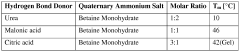
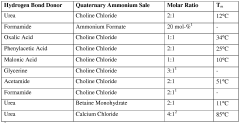
- Development of deep eutectic solvent systems comprising betaine monohydrate as a replacement for choline chloride, combined with hydrogen bond donors like urea or acids, which significantly lower melting points and reduce viscosity, enabling the dissolution of cellulose and other insoluble materials.
Eutectic mixture and liquid composition
PatentPendingUS20240174862A1
Innovation
- A eutectic mixture composed of a quaternary ammonium salt and an aminocarboxylic acid or its derivative, which forms a homogeneous liquid state at a temperature higher than their individual melting points, allowing for the dissolution of cellulose, hemicellulose, and lignin, with a preferred composition of choline chloride and glutamic acid or its derivatives.


Environmental Regulations for Eutectic Applications
The regulatory landscape for eutectic systems has evolved significantly in response to growing environmental concerns and the need for sustainable industrial practices. Current environmental regulations governing eutectic applications span multiple jurisdictions and focus on various aspects of environmental protection, including air quality, water contamination, soil preservation, and waste management. These regulations directly impact how eutectic systems are designed, manufactured, operated, and disposed of across different industries.
In the European Union, the REACH regulation (Registration, Evaluation, Authorization and Restriction of Chemicals) plays a crucial role in governing eutectic system components. This comprehensive framework requires manufacturers and importers to register chemical substances used in eutectic formulations, particularly those exceeding one ton per year. The regulation mandates detailed safety assessments and restricts the use of substances of very high concern, forcing eutectic system developers to seek alternative formulations that comply with environmental safety standards.
The RoHS Directive (Restriction of Hazardous Substances) significantly impacts electronic applications of eutectic systems, particularly in soldering and thermal interface materials. This directive restricts the use of specific hazardous substances including lead, mercury, cadmium, and certain flame retardants in electrical and electronic equipment. Consequently, eutectic solder manufacturers have been compelled to develop lead-free alternatives, driving innovation in tin-silver-copper and other environmentally compliant eutectic compositions.
Water protection regulations, including the EU Water Framework Directive and similar legislation in other regions, establish strict limits on industrial discharge containing eutectic system byproducts. These regulations require comprehensive monitoring of effluent streams and implementation of advanced treatment technologies to prevent contamination of water bodies. Industries utilizing eutectic cooling systems or processing applications must ensure that any potential leakage or disposal meets stringent water quality standards.
Air quality regulations, such as the Clean Air Act in the United States and corresponding legislation globally, impose emission limits on volatile organic compounds and particulate matter that may result from eutectic system operations. Manufacturing facilities must implement appropriate ventilation systems, emission control technologies, and monitoring protocols to comply with ambient air quality standards and workplace exposure limits.
Waste management regulations increasingly emphasize circular economy principles, requiring proper classification, handling, and disposal of spent eutectic materials. The Basel Convention on hazardous waste movement and various national waste management frameworks mandate specific procedures for eutectic system end-of-life management, promoting recycling and recovery where technically feasible while ensuring safe disposal of non-recoverable components.
In the European Union, the REACH regulation (Registration, Evaluation, Authorization and Restriction of Chemicals) plays a crucial role in governing eutectic system components. This comprehensive framework requires manufacturers and importers to register chemical substances used in eutectic formulations, particularly those exceeding one ton per year. The regulation mandates detailed safety assessments and restricts the use of substances of very high concern, forcing eutectic system developers to seek alternative formulations that comply with environmental safety standards.
The RoHS Directive (Restriction of Hazardous Substances) significantly impacts electronic applications of eutectic systems, particularly in soldering and thermal interface materials. This directive restricts the use of specific hazardous substances including lead, mercury, cadmium, and certain flame retardants in electrical and electronic equipment. Consequently, eutectic solder manufacturers have been compelled to develop lead-free alternatives, driving innovation in tin-silver-copper and other environmentally compliant eutectic compositions.
Water protection regulations, including the EU Water Framework Directive and similar legislation in other regions, establish strict limits on industrial discharge containing eutectic system byproducts. These regulations require comprehensive monitoring of effluent streams and implementation of advanced treatment technologies to prevent contamination of water bodies. Industries utilizing eutectic cooling systems or processing applications must ensure that any potential leakage or disposal meets stringent water quality standards.
Air quality regulations, such as the Clean Air Act in the United States and corresponding legislation globally, impose emission limits on volatile organic compounds and particulate matter that may result from eutectic system operations. Manufacturing facilities must implement appropriate ventilation systems, emission control technologies, and monitoring protocols to comply with ambient air quality standards and workplace exposure limits.
Waste management regulations increasingly emphasize circular economy principles, requiring proper classification, handling, and disposal of spent eutectic materials. The Basel Convention on hazardous waste movement and various national waste management frameworks mandate specific procedures for eutectic system end-of-life management, promoting recycling and recovery where technically feasible while ensuring safe disposal of non-recoverable components.
Life Cycle Assessment of Eutectic Technologies
Life Cycle Assessment (LCA) represents a systematic methodology for evaluating the environmental impacts of eutectic technologies throughout their entire operational lifecycle. This comprehensive analytical framework encompasses raw material extraction, manufacturing processes, operational deployment, and end-of-life disposal phases. For eutectic systems, LCA provides critical insights into energy consumption patterns, greenhouse gas emissions, resource utilization efficiency, and waste generation across different application scenarios.
The assessment methodology begins with goal definition and scope determination, establishing functional units specific to eutectic applications such as thermal energy storage capacity or heat transfer efficiency per unit mass. Inventory analysis follows, quantifying material inputs including salt compositions, container materials, and auxiliary components. Impact assessment categories particularly relevant to eutectic systems include global warming potential, acidification, eutrophication, and resource depletion metrics.
Manufacturing phase assessments reveal significant environmental contributions from salt purification processes and specialized container fabrication. High-temperature processing requirements for certain eutectic compositions generate substantial energy demands, while material sourcing impacts vary considerably based on salt availability and geographic distribution. Transportation considerations become critical when evaluating distributed thermal storage applications.
Operational phase analysis demonstrates eutectic systems' environmental advantages through enhanced energy storage density and thermal cycling stability. Comparative studies indicate reduced lifecycle emissions compared to conventional thermal storage alternatives, particularly in renewable energy integration scenarios. However, system longevity and degradation rates significantly influence overall environmental performance metrics.
End-of-life considerations present both challenges and opportunities for eutectic technologies. Salt recovery and recycling potential varies by composition, with some systems enabling near-complete material recovery while others require specialized disposal protocols. Container materials, typically stainless steel or specialized alloys, generally maintain high recyclability rates.
Sensitivity analysis within LCA frameworks identifies key parameters influencing environmental performance, including operational temperature ranges, cycling frequency, and system scale factors. Regional variations in electricity grid carbon intensity substantially affect manufacturing and operational impact assessments, highlighting the importance of geographic context in eutectic system deployment strategies.
The assessment methodology begins with goal definition and scope determination, establishing functional units specific to eutectic applications such as thermal energy storage capacity or heat transfer efficiency per unit mass. Inventory analysis follows, quantifying material inputs including salt compositions, container materials, and auxiliary components. Impact assessment categories particularly relevant to eutectic systems include global warming potential, acidification, eutrophication, and resource depletion metrics.
Manufacturing phase assessments reveal significant environmental contributions from salt purification processes and specialized container fabrication. High-temperature processing requirements for certain eutectic compositions generate substantial energy demands, while material sourcing impacts vary considerably based on salt availability and geographic distribution. Transportation considerations become critical when evaluating distributed thermal storage applications.
Operational phase analysis demonstrates eutectic systems' environmental advantages through enhanced energy storage density and thermal cycling stability. Comparative studies indicate reduced lifecycle emissions compared to conventional thermal storage alternatives, particularly in renewable energy integration scenarios. However, system longevity and degradation rates significantly influence overall environmental performance metrics.
End-of-life considerations present both challenges and opportunities for eutectic technologies. Salt recovery and recycling potential varies by composition, with some systems enabling near-complete material recovery while others require specialized disposal protocols. Container materials, typically stainless steel or specialized alloys, generally maintain high recyclability rates.
Sensitivity analysis within LCA frameworks identifies key parameters influencing environmental performance, including operational temperature ranges, cycling frequency, and system scale factors. Regional variations in electricity grid carbon intensity substantially affect manufacturing and operational impact assessments, highlighting the importance of geographic context in eutectic system deployment strategies.
Unlock deeper insights with PatSnap Eureka Quick Research — get a full tech report to explore trends and direct your research. Try now!
Generate Your Research Report Instantly with AI Agent
Supercharge your innovation with PatSnap Eureka AI Agent Platform!