

Evaluate Eutectic Material for Renewable Energy Technologies
MAR 9, 20269 MIN READ
Generate Your Research Report Instantly with AI Agent
PatSnap Eureka helps you evaluate technical feasibility & market potential.
Eutectic Material Background and Energy Storage Goals
Eutectic materials represent a class of phase change materials (PCMs) that have emerged as promising candidates for thermal energy storage applications in renewable energy systems. These materials are characterized by their unique ability to undergo solid-liquid phase transitions at specific temperatures while maintaining constant thermal properties during the transition process. The fundamental principle underlying eutectic behavior involves the formation of intimate mixtures of two or more components that melt and solidify simultaneously at a single, well-defined temperature known as the eutectic point.
The historical development of eutectic materials for energy applications traces back to the early 20th century when researchers first recognized their potential for thermal regulation. However, significant advancement in their application to renewable energy technologies began in the 1970s during the global energy crisis, which sparked intensive research into alternative energy storage solutions. The evolution has progressed from simple salt hydrates to sophisticated organic-inorganic composites designed for specific temperature ranges and applications.
Current technological trends in eutectic materials focus on enhancing thermal conductivity, reducing supercooling effects, and improving long-term stability through advanced encapsulation techniques. The integration of nanoparticles and the development of form-stable composites represent major evolutionary directions that address traditional limitations of pure eutectic systems.
The primary energy storage goals for eutectic materials in renewable energy technologies encompass several critical objectives. Thermal energy storage efficiency stands as the foremost target, aiming to achieve storage densities exceeding 200 kJ/kg while maintaining phase change temperatures optimized for specific applications such as solar thermal systems, building climate control, and industrial waste heat recovery.
Temperature stability represents another crucial goal, requiring eutectic materials to operate reliably across thousands of thermal cycles without significant degradation in performance characteristics. This involves maintaining consistent melting points, latent heat capacity, and thermal conductivity over extended operational periods.
Cost-effectiveness remains a fundamental objective, with target manufacturing costs below $2 per kilogram for large-scale deployment in renewable energy infrastructure. This economic goal drives research toward abundant, non-toxic materials that can be processed using conventional industrial methods while achieving the required thermal performance specifications for grid-scale energy storage applications.
The historical development of eutectic materials for energy applications traces back to the early 20th century when researchers first recognized their potential for thermal regulation. However, significant advancement in their application to renewable energy technologies began in the 1970s during the global energy crisis, which sparked intensive research into alternative energy storage solutions. The evolution has progressed from simple salt hydrates to sophisticated organic-inorganic composites designed for specific temperature ranges and applications.
Current technological trends in eutectic materials focus on enhancing thermal conductivity, reducing supercooling effects, and improving long-term stability through advanced encapsulation techniques. The integration of nanoparticles and the development of form-stable composites represent major evolutionary directions that address traditional limitations of pure eutectic systems.
The primary energy storage goals for eutectic materials in renewable energy technologies encompass several critical objectives. Thermal energy storage efficiency stands as the foremost target, aiming to achieve storage densities exceeding 200 kJ/kg while maintaining phase change temperatures optimized for specific applications such as solar thermal systems, building climate control, and industrial waste heat recovery.
Temperature stability represents another crucial goal, requiring eutectic materials to operate reliably across thousands of thermal cycles without significant degradation in performance characteristics. This involves maintaining consistent melting points, latent heat capacity, and thermal conductivity over extended operational periods.
Cost-effectiveness remains a fundamental objective, with target manufacturing costs below $2 per kilogram for large-scale deployment in renewable energy infrastructure. This economic goal drives research toward abundant, non-toxic materials that can be processed using conventional industrial methods while achieving the required thermal performance specifications for grid-scale energy storage applications.
Market Demand for Advanced Renewable Energy Storage
The global renewable energy storage market is experiencing unprecedented growth driven by the urgent need to address climate change and achieve carbon neutrality goals. Governments worldwide have implemented ambitious renewable energy targets, with many countries committing to net-zero emissions by 2050. This regulatory push has created substantial demand for advanced energy storage solutions that can effectively manage the intermittent nature of renewable energy sources such as solar and wind power.
Grid-scale energy storage represents the largest segment of market demand, as utility companies seek reliable solutions to balance supply and demand fluctuations. The integration of variable renewable energy sources into existing power grids requires sophisticated storage technologies capable of rapid charge and discharge cycles while maintaining long-term stability. Eutectic materials offer promising advantages in this context due to their high energy density and thermal stability characteristics.
Industrial applications constitute another significant demand driver, particularly in sectors requiring process heat and thermal management. Manufacturing facilities, chemical processing plants, and data centers are increasingly seeking sustainable alternatives to traditional heating and cooling systems. The ability of eutectic materials to store and release thermal energy at specific temperature ranges makes them particularly attractive for industrial thermal management applications.
Residential and commercial energy storage markets are expanding rapidly as consumers and businesses seek energy independence and cost reduction. The declining costs of renewable energy generation have made distributed energy systems more economically viable, creating demand for compact, efficient storage solutions. Eutectic materials can provide both electrical and thermal storage capabilities, offering integrated solutions for building energy management systems.
The transportation sector presents emerging opportunities, particularly in electric vehicle thermal management and charging infrastructure. As electric vehicle adoption accelerates, there is growing need for advanced thermal management systems that can maintain battery performance across varying environmental conditions. Additionally, fast-charging infrastructure requires robust energy storage systems to manage peak demand loads.
Market demand is further intensified by the increasing frequency of extreme weather events and grid instability issues, which highlight the critical importance of resilient energy storage systems. The ability of eutectic materials to maintain performance under diverse environmental conditions positions them as valuable solutions for enhancing grid reliability and energy security in an increasingly volatile climate landscape.
Grid-scale energy storage represents the largest segment of market demand, as utility companies seek reliable solutions to balance supply and demand fluctuations. The integration of variable renewable energy sources into existing power grids requires sophisticated storage technologies capable of rapid charge and discharge cycles while maintaining long-term stability. Eutectic materials offer promising advantages in this context due to their high energy density and thermal stability characteristics.
Industrial applications constitute another significant demand driver, particularly in sectors requiring process heat and thermal management. Manufacturing facilities, chemical processing plants, and data centers are increasingly seeking sustainable alternatives to traditional heating and cooling systems. The ability of eutectic materials to store and release thermal energy at specific temperature ranges makes them particularly attractive for industrial thermal management applications.
Residential and commercial energy storage markets are expanding rapidly as consumers and businesses seek energy independence and cost reduction. The declining costs of renewable energy generation have made distributed energy systems more economically viable, creating demand for compact, efficient storage solutions. Eutectic materials can provide both electrical and thermal storage capabilities, offering integrated solutions for building energy management systems.
The transportation sector presents emerging opportunities, particularly in electric vehicle thermal management and charging infrastructure. As electric vehicle adoption accelerates, there is growing need for advanced thermal management systems that can maintain battery performance across varying environmental conditions. Additionally, fast-charging infrastructure requires robust energy storage systems to manage peak demand loads.
Market demand is further intensified by the increasing frequency of extreme weather events and grid instability issues, which highlight the critical importance of resilient energy storage systems. The ability of eutectic materials to maintain performance under diverse environmental conditions positions them as valuable solutions for enhancing grid reliability and energy security in an increasingly volatile climate landscape.
Current State and Challenges of Eutectic Materials
Eutectic materials have emerged as promising candidates for renewable energy applications, particularly in thermal energy storage and heat transfer systems. These materials, characterized by their unique phase transition properties at specific temperature points, offer distinct advantages in energy conversion and storage processes. Currently, the field encompasses various eutectic compositions including salt-based, metal-based, and organic eutectics, each tailored for specific temperature ranges and applications.
The development status varies significantly across different eutectic material categories. Salt-based eutectics, such as nitrate and chloride mixtures, have reached commercial maturity in concentrated solar power applications, with operating temperatures ranging from 200°C to 600°C. Metal-based eutectics, including bismuth and tin alloys, show promise for high-temperature applications but remain largely in research phases. Organic eutectics, particularly deep eutectic solvents, are gaining attention for low-temperature applications and electrochemical energy storage systems.
Geographically, research and development activities are concentrated in regions with strong renewable energy initiatives. Europe leads in salt-based eutectic research, driven by extensive solar thermal projects in Spain and Germany. The United States focuses on advanced eutectic compositions for next-generation concentrated solar power systems. China has rapidly expanded its eutectic material research capabilities, particularly in manufacturing scalable salt-based systems. Australia and the Middle East contribute significantly to high-temperature eutectic applications research.
Several critical challenges impede widespread adoption of eutectic materials in renewable energy technologies. Thermal stability remains a primary concern, as many eutectic compositions experience degradation under prolonged high-temperature cycling, leading to reduced efficiency and system lifespan. Corrosion issues present another significant obstacle, particularly with salt-based eutectics that can aggressively attack containment materials and heat exchangers.
Cost-effectiveness poses substantial barriers to commercial deployment. High-purity raw materials required for stable eutectic compositions significantly increase production costs compared to conventional heat transfer fluids. Additionally, specialized containment systems and corrosion-resistant materials further escalate overall system expenses.
Technical challenges include limited understanding of long-term performance characteristics and insufficient standardization across different eutectic formulations. Heat transfer coefficient optimization remains problematic, as many promising eutectic compositions exhibit lower thermal conductivity than desired for efficient energy transfer applications.
Manufacturing scalability represents another constraint, with many advanced eutectic formulations requiring precise composition control and specialized processing techniques that are difficult to implement at industrial scales. Quality control and consistency across large-scale production batches continue to challenge manufacturers seeking to meet renewable energy sector demands.
The development status varies significantly across different eutectic material categories. Salt-based eutectics, such as nitrate and chloride mixtures, have reached commercial maturity in concentrated solar power applications, with operating temperatures ranging from 200°C to 600°C. Metal-based eutectics, including bismuth and tin alloys, show promise for high-temperature applications but remain largely in research phases. Organic eutectics, particularly deep eutectic solvents, are gaining attention for low-temperature applications and electrochemical energy storage systems.
Geographically, research and development activities are concentrated in regions with strong renewable energy initiatives. Europe leads in salt-based eutectic research, driven by extensive solar thermal projects in Spain and Germany. The United States focuses on advanced eutectic compositions for next-generation concentrated solar power systems. China has rapidly expanded its eutectic material research capabilities, particularly in manufacturing scalable salt-based systems. Australia and the Middle East contribute significantly to high-temperature eutectic applications research.
Several critical challenges impede widespread adoption of eutectic materials in renewable energy technologies. Thermal stability remains a primary concern, as many eutectic compositions experience degradation under prolonged high-temperature cycling, leading to reduced efficiency and system lifespan. Corrosion issues present another significant obstacle, particularly with salt-based eutectics that can aggressively attack containment materials and heat exchangers.
Cost-effectiveness poses substantial barriers to commercial deployment. High-purity raw materials required for stable eutectic compositions significantly increase production costs compared to conventional heat transfer fluids. Additionally, specialized containment systems and corrosion-resistant materials further escalate overall system expenses.
Technical challenges include limited understanding of long-term performance characteristics and insufficient standardization across different eutectic formulations. Heat transfer coefficient optimization remains problematic, as many promising eutectic compositions exhibit lower thermal conductivity than desired for efficient energy transfer applications.
Manufacturing scalability represents another constraint, with many advanced eutectic formulations requiring precise composition control and specialized processing techniques that are difficult to implement at industrial scales. Quality control and consistency across large-scale production batches continue to challenge manufacturers seeking to meet renewable energy sector demands.
Existing Eutectic Solutions for Energy Applications
01 Eutectic materials for thermal energy storage applications
Eutectic materials are utilized in thermal energy storage systems due to their ability to store and release heat at constant temperatures during phase transitions. These materials combine multiple components that melt and solidify at a single eutectic point, providing efficient heat management. Applications include building temperature regulation, solar energy storage, and industrial waste heat recovery. The eutectic compositions are designed to optimize melting points, latent heat capacity, and thermal stability for specific temperature ranges.- Eutectic materials for thermal energy storage applications: Eutectic materials are utilized in thermal energy storage systems due to their ability to store and release heat at constant temperatures during phase transitions. These materials combine multiple components that melt and solidify at a single eutectic point, providing efficient heat management. Applications include building temperature regulation, solar energy storage, and industrial waste heat recovery. The eutectic compositions are designed to optimize melting points, latent heat capacity, and thermal stability for specific temperature ranges.
- Eutectic alloys for soldering and joining applications: Eutectic alloys are widely used in soldering, brazing, and metal joining processes due to their sharp melting points and excellent flow characteristics. These alloys provide strong metallurgical bonds with minimal thermal stress and reduced processing temperatures. The eutectic composition ensures uniform melting without a pasty range, making them ideal for electronic assembly, automotive manufacturing, and precision joining applications. Various metal combinations are formulated to achieve specific melting temperatures and mechanical properties.
- Deep eutectic solvents as green chemistry alternatives: Deep eutectic solvents are formed by combining hydrogen bond donors and acceptors to create liquid mixtures with melting points significantly lower than their individual components. These solvents serve as environmentally friendly alternatives to traditional organic solvents in chemical synthesis, extraction, and electrochemical applications. They offer advantages such as low volatility, biodegradability, and tunable properties through component selection. Applications span pharmaceutical processing, metal extraction, and catalytic reactions.
- Eutectic compositions for pharmaceutical and drug delivery systems: Eutectic mixtures are employed in pharmaceutical formulations to enhance drug solubility, stability, and bioavailability. These compositions can improve the dissolution rate of poorly soluble active ingredients and enable controlled release mechanisms. Eutectic systems are also used in topical formulations for enhanced skin penetration and in the development of novel drug delivery platforms. The precise control of eutectic ratios allows optimization of therapeutic efficacy and patient compliance.
- Eutectic materials for advanced manufacturing and processing: Eutectic materials are utilized in advanced manufacturing processes including casting, additive manufacturing, and surface treatment technologies. The eutectic microstructure provides enhanced mechanical properties such as improved strength, wear resistance, and dimensional stability. These materials enable the production of complex geometries with fine microstructures and reduced defects. Applications include aerospace components, tooling materials, and high-performance structural parts where specific property combinations are required.
02 Eutectic alloys for soldering and joining applications
Eutectic alloys are widely used in soldering, brazing, and metal joining processes due to their sharp melting points and excellent flow characteristics. These alloys provide strong metallurgical bonds with minimal thermal stress and reduced processing temperatures. The eutectic composition ensures uniform melting without a pasty range, making them ideal for electronic assembly, automotive manufacturing, and precision joining applications. Various metal combinations are formulated to achieve specific melting temperatures and mechanical properties.Expand Specific Solutions03 Deep eutectic solvents as green chemistry alternatives
Deep eutectic solvents are formed by combining hydrogen bond donors and acceptors to create liquid mixtures with melting points significantly lower than their individual components. These solvents serve as environmentally friendly alternatives to traditional organic solvents in chemical synthesis, extraction, and electrochemical applications. They offer advantages such as low volatility, biodegradability, and tunable properties through component selection. Applications span pharmaceutical processing, metal extraction, and catalytic reactions.Expand Specific Solutions04 Eutectic compositions for pharmaceutical and drug delivery systems
Eutectic mixtures are employed in pharmaceutical formulations to enhance drug solubility, stability, and bioavailability. These compositions can improve the dissolution rate of poorly soluble active ingredients and enable controlled release mechanisms. Eutectic systems are also used in topical formulations for enhanced skin penetration and in the development of novel drug delivery platforms. The precise control of eutectic ratios allows optimization of therapeutic efficacy and patient compliance.Expand Specific Solutions05 Eutectic materials for advanced manufacturing and processing
Eutectic materials are utilized in advanced manufacturing processes including casting, additive manufacturing, and surface treatment technologies. These materials provide advantages such as reduced processing temperatures, improved microstructural control, and enhanced mechanical properties. Applications include the production of high-performance components, wear-resistant coatings, and functionally graded materials. The eutectic microstructure often exhibits superior strength, toughness, and thermal properties compared to non-eutectic compositions.Expand Specific Solutions
Key Players in Eutectic Material and Energy Storage
The eutectic materials market for renewable energy technologies is in an emerging growth phase, driven by increasing demand for efficient thermal energy storage solutions in solar power systems and grid stabilization applications. The market demonstrates significant expansion potential as renewable energy adoption accelerates globally, with thermal storage becoming critical for addressing intermittency challenges. Technology maturity varies considerably across the competitive landscape. Established players like LG Chem Ltd., TDK Corp., and 3M Innovative Properties Co. leverage advanced materials expertise and manufacturing capabilities. Research institutions including Tianjin University, Huazhong University of Science & Technology, and CEA contribute fundamental innovations in eutectic formulations and phase-change mechanisms. Specialized companies such as Solar-Tectic LLC focus specifically on eutectic applications for solar technologies, while materials giants like Evonik Operations GmbH and Mitsubishi Materials Corp. bring industrial-scale production capabilities to commercialize promising eutectic solutions for renewable energy storage systems.
Solar-Tectic LLC
Technical Solution: Solar-Tectic LLC specializes in developing advanced eutectic materials specifically designed for solar energy applications. Their proprietary eutectic alloy compositions are engineered to optimize thermal energy storage and heat transfer in concentrated solar power systems. The company's eutectic materials demonstrate superior phase change characteristics with melting points ranging from 150-400°C, making them ideal for medium to high-temperature solar thermal applications. Their materials exhibit enhanced thermal conductivity and long-term stability under cyclic heating and cooling conditions, which is crucial for renewable energy storage systems.
Strengths: Specialized focus on solar applications with proven thermal stability and optimized phase change properties. Weaknesses: Limited diversification beyond solar applications and relatively small market presence compared to larger materials companies.
Commissariat à l´énergie atomique et aux énergies Alternatives
Technical Solution: CEA has developed comprehensive eutectic material solutions for multiple renewable energy technologies including advanced thermal energy storage systems and next-generation photovoltaic applications. Their research focuses on novel eutectic salt compositions and metal-based eutectics that can operate efficiently at temperatures up to 600°C. CEA's eutectic materials incorporate advanced nanostructuring techniques to enhance heat transfer rates and reduce thermal degradation. Their materials are particularly designed for grid-scale energy storage applications and have demonstrated over 10,000 thermal cycles with minimal performance degradation in laboratory testing.
Strengths: Extensive R&D capabilities with government backing and proven high-temperature performance with excellent cycle stability. Weaknesses: Primarily research-focused with limited commercial manufacturing capabilities and longer technology transfer timelines.
Core Innovations in Eutectic Material Design
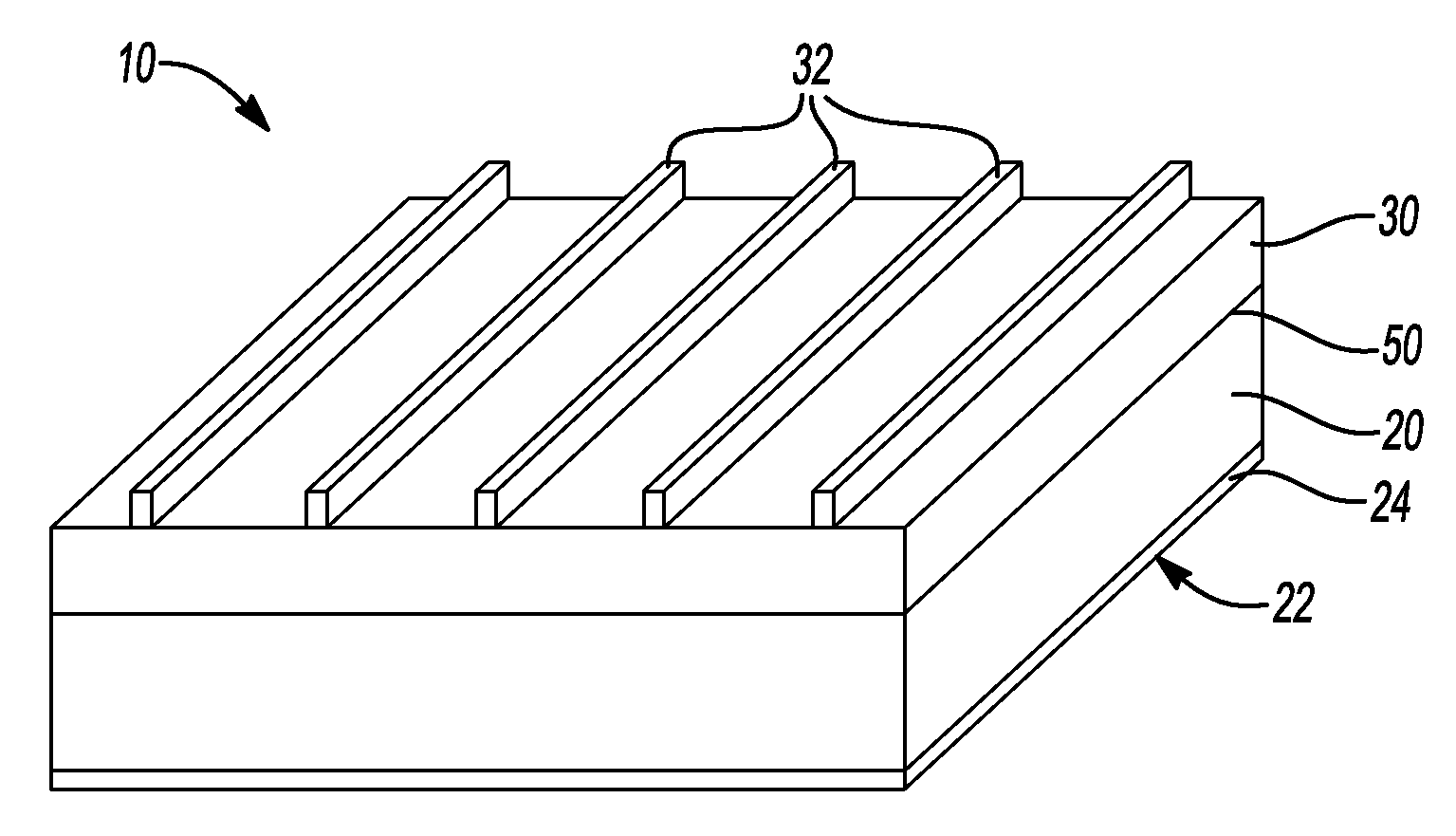
Silicon-based solar cell with eutectic composition
PatentInactiveUS20120152354A1
Innovation
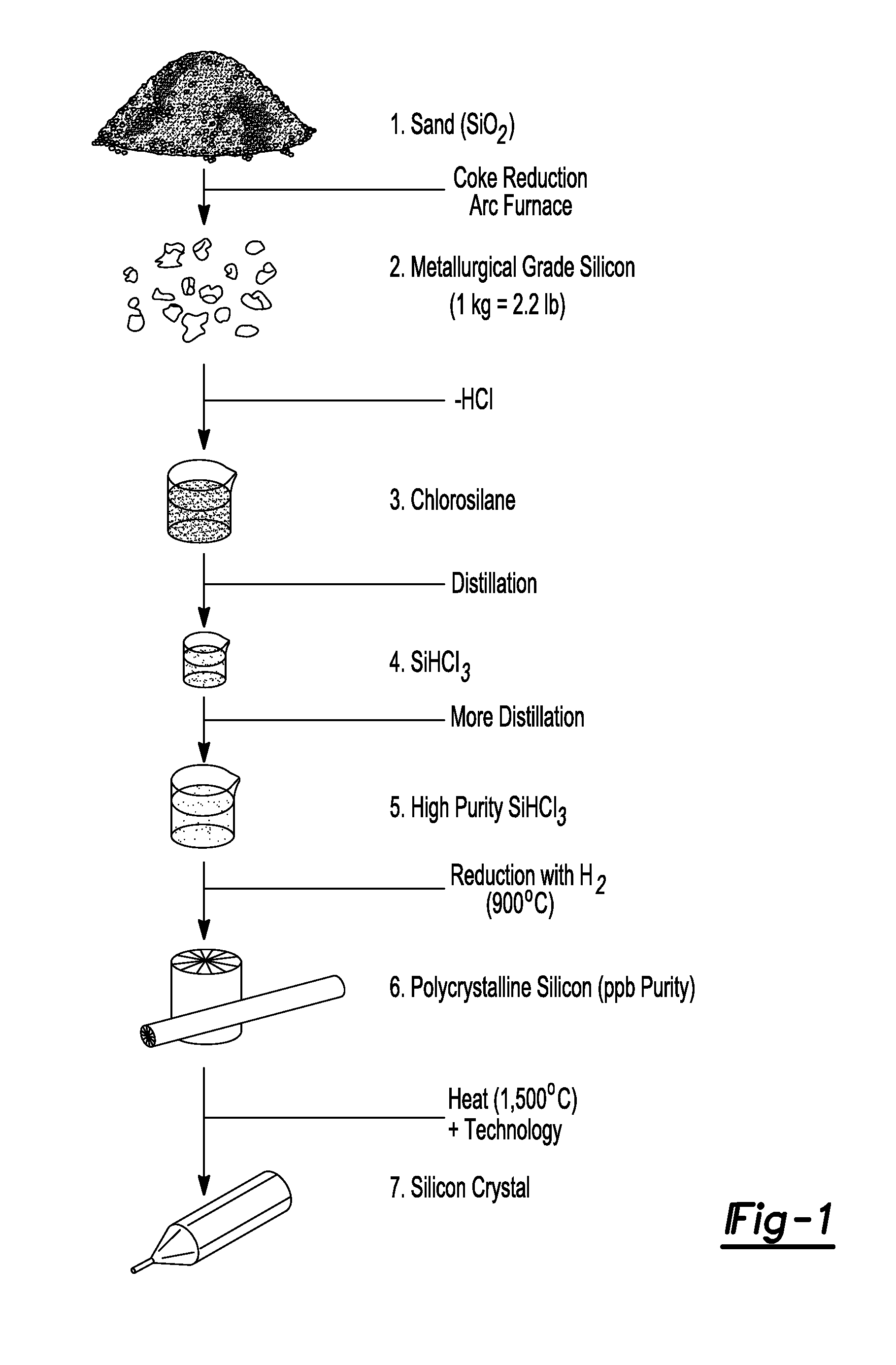
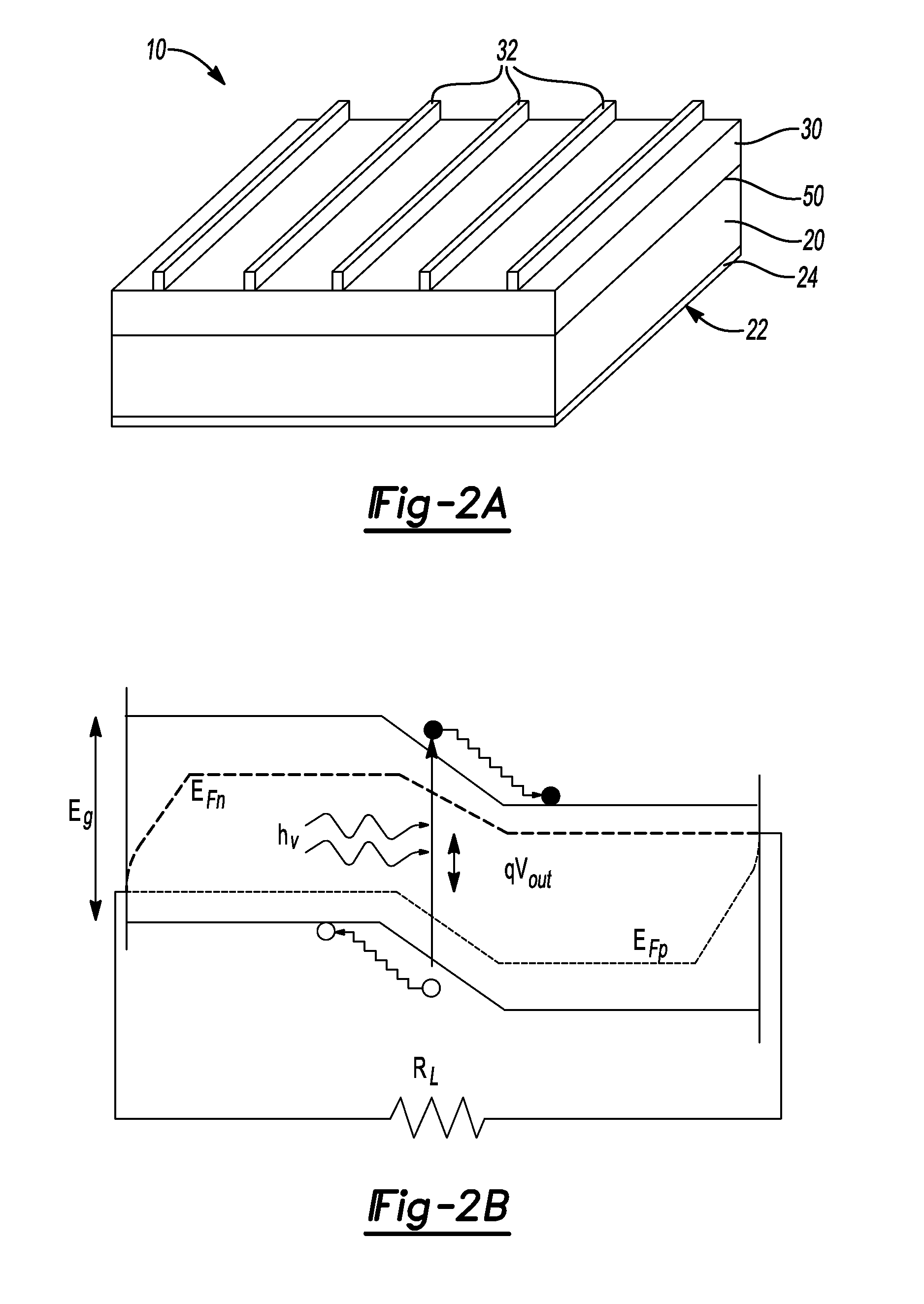
- The development of low-cost, high-efficiency micro- and nanostructured p-n heterojunction solar cells through eutectic solidification, which promotes the self-assembly of lamellar or rod-like domains in eutectic or near-eutectic compositions, allowing for the use of earth-abundant metallurgical-grade materials, eliminating the need for costly purification processes.

Eutectic for use as active layer in electrode for photoelectrochemical cells (PEC) and electrode containing it
PatentPendingEP4549413A1
Innovation
- The development of eutectic composites based on oxides such as TiO2, NiO, NiTiO3, Bi2O3, Bi2CuO4, V2O3, Bi12TiO20, and BiVO4 for use as active layers in electrodes for photoelectrochemical cells, which enhance charge dissipation, surface reactions, and light absorption, thereby improving hydrogen production efficiency.


Environmental Impact Assessment of Eutectic Materials
The environmental impact assessment of eutectic materials in renewable energy applications encompasses multiple dimensions of ecological consideration, from raw material extraction through end-of-life disposal. These materials, while offering significant performance advantages in thermal energy storage and heat transfer applications, present both opportunities and challenges for sustainable energy system development.
Life cycle assessment studies indicate that eutectic salt mixtures, commonly employed in concentrated solar power systems, demonstrate relatively favorable environmental profiles compared to conventional thermal storage media. The primary environmental benefits stem from their enhanced thermal properties, which enable higher energy storage densities and improved system efficiencies. This translates to reduced material requirements per unit of energy stored, potentially minimizing the overall environmental footprint of renewable energy installations.
However, the production phase of eutectic materials raises specific environmental concerns. The synthesis of nitrate-based eutectic salts requires energy-intensive processes, contributing to carbon emissions during manufacturing. Additionally, the extraction of constituent materials such as lithium, potassium, and sodium compounds can involve environmentally disruptive mining operations, particularly for lithium-based eutectics used in advanced thermal storage applications.
Water consumption and contamination risks represent critical environmental considerations. Certain eutectic formulations may pose groundwater contamination risks if not properly contained, especially in large-scale thermal storage facilities. The corrosive nature of some eutectic mixtures necessitates robust containment systems, which must be factored into environmental impact calculations.
Recycling and disposal pathways for eutectic materials vary significantly depending on composition. Inorganic salt-based eutectics generally offer better recyclability compared to organic eutectic mixtures, which may require specialized treatment processes. The development of circular economy approaches for eutectic material recovery is becoming increasingly important as deployment scales expand.
Comparative assessments suggest that despite manufacturing-phase impacts, eutectic materials contribute to net positive environmental outcomes when integrated into renewable energy systems, primarily through enhanced system performance and longevity that reduces overall resource consumption across the technology lifecycle.
Life cycle assessment studies indicate that eutectic salt mixtures, commonly employed in concentrated solar power systems, demonstrate relatively favorable environmental profiles compared to conventional thermal storage media. The primary environmental benefits stem from their enhanced thermal properties, which enable higher energy storage densities and improved system efficiencies. This translates to reduced material requirements per unit of energy stored, potentially minimizing the overall environmental footprint of renewable energy installations.
However, the production phase of eutectic materials raises specific environmental concerns. The synthesis of nitrate-based eutectic salts requires energy-intensive processes, contributing to carbon emissions during manufacturing. Additionally, the extraction of constituent materials such as lithium, potassium, and sodium compounds can involve environmentally disruptive mining operations, particularly for lithium-based eutectics used in advanced thermal storage applications.
Water consumption and contamination risks represent critical environmental considerations. Certain eutectic formulations may pose groundwater contamination risks if not properly contained, especially in large-scale thermal storage facilities. The corrosive nature of some eutectic mixtures necessitates robust containment systems, which must be factored into environmental impact calculations.
Recycling and disposal pathways for eutectic materials vary significantly depending on composition. Inorganic salt-based eutectics generally offer better recyclability compared to organic eutectic mixtures, which may require specialized treatment processes. The development of circular economy approaches for eutectic material recovery is becoming increasingly important as deployment scales expand.
Comparative assessments suggest that despite manufacturing-phase impacts, eutectic materials contribute to net positive environmental outcomes when integrated into renewable energy systems, primarily through enhanced system performance and longevity that reduces overall resource consumption across the technology lifecycle.
Cost-Benefit Analysis of Eutectic Energy Systems
The economic viability of eutectic energy systems presents a complex landscape of initial investments versus long-term operational benefits. Capital expenditure analysis reveals that eutectic-based thermal energy storage systems typically require 15-25% higher upfront costs compared to conventional storage technologies, primarily due to specialized containment materials and precise temperature control systems. However, the superior thermal conductivity and phase change characteristics of eutectic materials enable more compact system designs, potentially reducing infrastructure and installation costs by 10-15%.
Operational cost advantages become evident through enhanced energy density and thermal stability. Eutectic systems demonstrate 20-30% higher energy storage capacity per unit volume compared to single-component alternatives, translating to reduced facility footprint requirements and lower maintenance frequencies. The extended operational lifespan of eutectic materials, typically exceeding 25 years with minimal degradation, significantly improves the total cost of ownership metrics.
Economic benefits extend beyond direct cost savings through improved system efficiency. Eutectic materials' precise melting points and enhanced heat transfer properties enable renewable energy systems to achieve 8-12% higher round-trip efficiency rates. This efficiency gain translates to substantial revenue improvements in grid-scale applications, where even marginal performance enhancements generate significant financial returns over system lifetimes.
Market analysis indicates favorable return on investment trajectories, with payback periods ranging from 6-9 years for commercial applications and 4-6 years for utility-scale deployments. The declining costs of renewable energy generation further enhance the economic attractiveness of eutectic storage systems, as improved storage capabilities directly correlate with increased renewable energy utilization rates and reduced grid dependency costs.
Risk assessment reveals that while initial technology adoption carries premium pricing, the rapidly expanding market and manufacturing scale improvements project 15-20% cost reductions within the next five years, making eutectic energy systems increasingly competitive with traditional storage technologies.
Operational cost advantages become evident through enhanced energy density and thermal stability. Eutectic systems demonstrate 20-30% higher energy storage capacity per unit volume compared to single-component alternatives, translating to reduced facility footprint requirements and lower maintenance frequencies. The extended operational lifespan of eutectic materials, typically exceeding 25 years with minimal degradation, significantly improves the total cost of ownership metrics.
Economic benefits extend beyond direct cost savings through improved system efficiency. Eutectic materials' precise melting points and enhanced heat transfer properties enable renewable energy systems to achieve 8-12% higher round-trip efficiency rates. This efficiency gain translates to substantial revenue improvements in grid-scale applications, where even marginal performance enhancements generate significant financial returns over system lifetimes.
Market analysis indicates favorable return on investment trajectories, with payback periods ranging from 6-9 years for commercial applications and 4-6 years for utility-scale deployments. The declining costs of renewable energy generation further enhance the economic attractiveness of eutectic storage systems, as improved storage capabilities directly correlate with increased renewable energy utilization rates and reduced grid dependency costs.
Risk assessment reveals that while initial technology adoption carries premium pricing, the rapidly expanding market and manufacturing scale improvements project 15-20% cost reductions within the next five years, making eutectic energy systems increasingly competitive with traditional storage technologies.
Unlock deeper insights with PatSnap Eureka Quick Research — get a full tech report to explore trends and direct your research. Try now!
Generate Your Research Report Instantly with AI Agent
Supercharge your innovation with PatSnap Eureka AI Agent Platform!