

Quantify Eutectic Grain Size Using X-Ray Diffraction
MAR 9, 20269 MIN READ
Generate Your Research Report Instantly with AI Agent
PatSnap Eureka helps you evaluate technical feasibility & market potential.
XRD Eutectic Analysis Background and Objectives
Eutectic microstructures represent a fundamental class of materials characterized by the simultaneous crystallization of two or more phases from a liquid melt at a specific temperature and composition. These structures are ubiquitous in metallurgy, ceramics, and advanced materials, forming the backbone of numerous industrial applications ranging from cast irons and aluminum alloys to high-temperature ceramics and electronic materials. The grain size within eutectic structures directly influences critical material properties including mechanical strength, thermal conductivity, electrical performance, and corrosion resistance.
Traditional methods for eutectic grain size characterization have predominantly relied on optical and electron microscopy techniques, which provide direct visualization but suffer from inherent limitations. These conventional approaches are time-intensive, require extensive sample preparation, and often introduce subjective interpretation errors. Moreover, they typically analyze only small surface areas, potentially missing the bulk material characteristics that govern overall performance.
X-ray diffraction has emerged as a promising non-destructive alternative for quantitative microstructural analysis. The technique exploits the relationship between crystallite size and diffraction peak broadening, as described by the Scherrer equation and more sophisticated line profile analysis methods. When applied to eutectic systems, XRD can potentially provide statistically representative measurements of grain size distributions across multiple phases simultaneously, offering advantages in speed, objectivity, and bulk material characterization.
However, eutectic microstructures present unique challenges for XRD-based grain size analysis. The presence of multiple crystalline phases with potentially overlapping diffraction peaks complicates peak deconvolution and phase-specific measurements. Additionally, the complex morphologies typical of eutectic growth, including lamellar and rod-like structures, may not conform to the spherical grain assumptions underlying traditional XRD analysis models.
The primary objective of this research initiative is to develop and validate robust methodologies for quantifying eutectic grain sizes using X-ray diffraction techniques. This encompasses establishing optimal measurement protocols, developing appropriate data analysis algorithms for multi-phase systems, and correlating XRD-derived parameters with conventional microscopy measurements and material properties. The ultimate goal is to enable rapid, accurate, and non-destructive characterization of eutectic microstructures for quality control and materials development applications.
Traditional methods for eutectic grain size characterization have predominantly relied on optical and electron microscopy techniques, which provide direct visualization but suffer from inherent limitations. These conventional approaches are time-intensive, require extensive sample preparation, and often introduce subjective interpretation errors. Moreover, they typically analyze only small surface areas, potentially missing the bulk material characteristics that govern overall performance.
X-ray diffraction has emerged as a promising non-destructive alternative for quantitative microstructural analysis. The technique exploits the relationship between crystallite size and diffraction peak broadening, as described by the Scherrer equation and more sophisticated line profile analysis methods. When applied to eutectic systems, XRD can potentially provide statistically representative measurements of grain size distributions across multiple phases simultaneously, offering advantages in speed, objectivity, and bulk material characterization.
However, eutectic microstructures present unique challenges for XRD-based grain size analysis. The presence of multiple crystalline phases with potentially overlapping diffraction peaks complicates peak deconvolution and phase-specific measurements. Additionally, the complex morphologies typical of eutectic growth, including lamellar and rod-like structures, may not conform to the spherical grain assumptions underlying traditional XRD analysis models.
The primary objective of this research initiative is to develop and validate robust methodologies for quantifying eutectic grain sizes using X-ray diffraction techniques. This encompasses establishing optimal measurement protocols, developing appropriate data analysis algorithms for multi-phase systems, and correlating XRD-derived parameters with conventional microscopy measurements and material properties. The ultimate goal is to enable rapid, accurate, and non-destructive characterization of eutectic microstructures for quality control and materials development applications.
Market Demand for Eutectic Grain Size Characterization
The global materials characterization market has experienced substantial growth driven by increasing demands for precision in metallurgical analysis and quality control across multiple industries. Eutectic grain size characterization represents a critical segment within this broader market, as eutectic structures are fundamental to the performance characteristics of numerous engineering materials including aluminum alloys, cast irons, and advanced composite materials.
Aerospace and automotive industries constitute the primary demand drivers for eutectic grain size analysis technologies. These sectors require stringent material property validation to ensure component reliability and performance under extreme operating conditions. The aerospace industry particularly emphasizes precise microstructural characterization to meet certification requirements and optimize lightweight material designs. Similarly, automotive manufacturers increasingly rely on eutectic grain size measurements to enhance fuel efficiency through advanced lightweight alloys while maintaining structural integrity.
The semiconductor and electronics manufacturing sectors represent emerging high-growth markets for eutectic grain size characterization. As electronic devices continue miniaturization trends, solder joint reliability becomes increasingly critical. Eutectic solder compositions require precise grain size control to ensure optimal electrical conductivity and thermal performance in advanced packaging applications.
Traditional metallurgical industries including steel production, foundries, and metal processing facilities maintain steady demand for grain size analysis capabilities. These established markets prioritize cost-effective solutions that can integrate with existing quality control workflows while providing reliable measurement accuracy for process optimization and product consistency.
Research institutions and academic laboratories contribute to market demand through fundamental materials science investigations and advanced alloy development programs. These organizations often require high-precision analytical capabilities to support cutting-edge research initiatives and collaborative industry partnerships.
The market demonstrates strong regional variations with developed economies showing higher adoption rates of advanced characterization technologies. Emerging manufacturing hubs in Asia-Pacific regions exhibit rapid growth potential as local industries upgrade their quality control capabilities to meet international standards and compete in global markets.
Current market trends indicate increasing preference for non-destructive testing methods that can provide rapid results without compromising sample integrity. This preference aligns well with X-ray diffraction approaches for grain size quantification, positioning such technologies favorably within the competitive landscape of characterization solutions.
Aerospace and automotive industries constitute the primary demand drivers for eutectic grain size analysis technologies. These sectors require stringent material property validation to ensure component reliability and performance under extreme operating conditions. The aerospace industry particularly emphasizes precise microstructural characterization to meet certification requirements and optimize lightweight material designs. Similarly, automotive manufacturers increasingly rely on eutectic grain size measurements to enhance fuel efficiency through advanced lightweight alloys while maintaining structural integrity.
The semiconductor and electronics manufacturing sectors represent emerging high-growth markets for eutectic grain size characterization. As electronic devices continue miniaturization trends, solder joint reliability becomes increasingly critical. Eutectic solder compositions require precise grain size control to ensure optimal electrical conductivity and thermal performance in advanced packaging applications.
Traditional metallurgical industries including steel production, foundries, and metal processing facilities maintain steady demand for grain size analysis capabilities. These established markets prioritize cost-effective solutions that can integrate with existing quality control workflows while providing reliable measurement accuracy for process optimization and product consistency.
Research institutions and academic laboratories contribute to market demand through fundamental materials science investigations and advanced alloy development programs. These organizations often require high-precision analytical capabilities to support cutting-edge research initiatives and collaborative industry partnerships.
The market demonstrates strong regional variations with developed economies showing higher adoption rates of advanced characterization technologies. Emerging manufacturing hubs in Asia-Pacific regions exhibit rapid growth potential as local industries upgrade their quality control capabilities to meet international standards and compete in global markets.
Current market trends indicate increasing preference for non-destructive testing methods that can provide rapid results without compromising sample integrity. This preference aligns well with X-ray diffraction approaches for grain size quantification, positioning such technologies favorably within the competitive landscape of characterization solutions.
Current XRD Limitations in Eutectic Microstructure Analysis
X-ray diffraction faces significant challenges when applied to eutectic microstructure analysis, primarily due to the inherent complexity of these multi-phase systems. Traditional XRD techniques struggle to differentiate between the closely spaced diffraction peaks that arise from the fine-scale intermixing of eutectic phases, often resulting in peak overlap and reduced resolution that obscures critical microstructural information.
The fundamental limitation stems from the instrument's resolution capabilities when dealing with nanoscale and submicron eutectic structures. Conventional XRD systems typically achieve angular resolutions of 0.01-0.05 degrees, which proves insufficient for resolving the subtle peak shifts and broadening effects that characterize fine eutectic grain boundaries. This resolution constraint becomes particularly problematic when analyzing eutectic systems with similar lattice parameters or when dealing with solid solution phases.
Peak broadening analysis, a cornerstone technique for grain size determination through the Scherrer equation, encounters substantial difficulties in eutectic systems. The presence of multiple phases with varying crystallite sizes creates complex peak profiles that cannot be accurately deconvoluted using standard analytical approaches. The assumption of uniform strain distribution, fundamental to traditional XRD analysis, breaks down in eutectic structures where localized stress concentrations occur at phase interfaces.
Texture effects present another critical limitation, as eutectic growth often produces preferential crystallographic orientations that skew intensity distributions. This preferred orientation leads to systematic errors in quantitative phase analysis and grain size calculations, as the measured intensities no longer reflect true volume fractions or representative grain populations.
Sample preparation challenges further compound these analytical difficulties. The fine-scale nature of eutectic microstructures makes them susceptible to surface preparation artifacts, including preferential phase removal during polishing and residual stress introduction. These preparation-induced modifications can significantly alter the measured diffraction patterns, leading to erroneous grain size estimations.
Current XRD methodologies also struggle with the statistical sampling requirements necessary for accurate eutectic characterization. The heterogeneous nature of eutectic microstructures demands large sampling volumes to achieve representative measurements, yet conventional XRD techniques typically probe relatively small surface areas, potentially missing critical microstructural variations that influence bulk material properties.
The fundamental limitation stems from the instrument's resolution capabilities when dealing with nanoscale and submicron eutectic structures. Conventional XRD systems typically achieve angular resolutions of 0.01-0.05 degrees, which proves insufficient for resolving the subtle peak shifts and broadening effects that characterize fine eutectic grain boundaries. This resolution constraint becomes particularly problematic when analyzing eutectic systems with similar lattice parameters or when dealing with solid solution phases.
Peak broadening analysis, a cornerstone technique for grain size determination through the Scherrer equation, encounters substantial difficulties in eutectic systems. The presence of multiple phases with varying crystallite sizes creates complex peak profiles that cannot be accurately deconvoluted using standard analytical approaches. The assumption of uniform strain distribution, fundamental to traditional XRD analysis, breaks down in eutectic structures where localized stress concentrations occur at phase interfaces.
Texture effects present another critical limitation, as eutectic growth often produces preferential crystallographic orientations that skew intensity distributions. This preferred orientation leads to systematic errors in quantitative phase analysis and grain size calculations, as the measured intensities no longer reflect true volume fractions or representative grain populations.
Sample preparation challenges further compound these analytical difficulties. The fine-scale nature of eutectic microstructures makes them susceptible to surface preparation artifacts, including preferential phase removal during polishing and residual stress introduction. These preparation-induced modifications can significantly alter the measured diffraction patterns, leading to erroneous grain size estimations.
Current XRD methodologies also struggle with the statistical sampling requirements necessary for accurate eutectic characterization. The heterogeneous nature of eutectic microstructures demands large sampling volumes to achieve representative measurements, yet conventional XRD techniques typically probe relatively small surface areas, potentially missing critical microstructural variations that influence bulk material properties.
Existing XRD Methods for Eutectic Grain Quantification
01 X-ray diffraction methods for measuring eutectic grain size in cast alloys
X-ray diffraction techniques can be employed to determine the grain size of eutectic structures in cast alloys. This method involves analyzing the diffraction patterns produced when X-rays interact with the crystalline structure of the material. The broadening of diffraction peaks can be correlated with grain size through established mathematical relationships. This non-destructive technique is particularly useful for quality control and material characterization in metallurgical applications.- X-ray diffraction methods for measuring eutectic grain size in cast alloys: X-ray diffraction techniques can be employed to determine the grain size of eutectic structures in cast alloys. This method involves analyzing the diffraction patterns produced when X-rays interact with the crystalline structure of the material. The broadening of diffraction peaks can be correlated with grain size through established mathematical relationships. This non-destructive technique is particularly useful for quality control and characterization of eutectic microstructures in various metallic systems.
- Correlation between eutectic spacing and grain size determination: The eutectic spacing and grain size can be analyzed using X-ray diffraction by examining the interlamellar or interphase spacing within eutectic structures. The diffraction data provides information about the periodic arrangement of phases in the eutectic, which can be used to calculate both the spacing between eutectic phases and the overall grain dimensions. This approach is valuable for understanding the relationship between solidification conditions and resulting microstructural features.
- Application of Scherrer equation for eutectic grain size analysis: The Scherrer equation is a fundamental tool used in conjunction with X-ray diffraction to calculate crystallite or grain size from peak broadening in diffraction patterns. For eutectic structures, this method allows for quantitative determination of the size of individual phases within the eutectic mixture. The technique involves measuring the full width at half maximum of diffraction peaks and applying correction factors for instrumental broadening to obtain accurate grain size measurements.
- High-temperature X-ray diffraction for in-situ eutectic formation studies: In-situ high-temperature X-ray diffraction enables real-time monitoring of eutectic formation and grain growth during solidification processes. This technique allows researchers to observe phase transformations, eutectic reactions, and grain size evolution as they occur. The method provides valuable insights into the kinetics of eutectic solidification and the factors affecting final grain size, including cooling rates and alloy composition effects.
- Synchrotron X-ray diffraction for refined eutectic microstructure analysis: Advanced synchrotron X-ray diffraction techniques offer enhanced resolution and sensitivity for analyzing fine eutectic structures and grain sizes. The high-intensity and tunable wavelength of synchrotron radiation enables detailed characterization of complex eutectic morphologies and precise grain size measurements down to nanometer scales. This method is particularly effective for studying advanced materials with ultrafine eutectic structures and for three-dimensional grain mapping.
02 Characterization of eutectic microstructures using X-ray diffraction analysis
X-ray diffraction analysis provides detailed information about the phase composition and crystallographic orientation of eutectic microstructures. By examining the intensity and position of diffraction peaks, researchers can identify the constituent phases within the eutectic structure and assess their relative proportions. This technique enables the evaluation of solidification processes and the resulting microstructural features that influence material properties.Expand Specific Solutions03 Grain refinement assessment in eutectic alloys through X-ray diffraction
X-ray diffraction serves as an effective tool for evaluating grain refinement in eutectic alloys. The technique can detect changes in grain size resulting from various processing methods such as rapid solidification, inoculation, or heat treatment. By measuring the full width at half maximum of diffraction peaks and applying appropriate analysis methods, quantitative information about grain size distribution can be obtained, which is critical for optimizing mechanical properties.Expand Specific Solutions04 Advanced X-ray diffraction techniques for fine eutectic structure analysis
Advanced X-ray diffraction methodologies, including synchrotron radiation and high-resolution diffraction, enable precise characterization of fine eutectic structures. These techniques offer enhanced sensitivity and resolution for detecting subtle variations in grain size and crystallographic texture. The methods are particularly valuable for analyzing ultra-fine eutectic structures where conventional characterization techniques may be limited in their effectiveness.Expand Specific Solutions05 Correlation between X-ray diffraction parameters and eutectic grain morphology
The relationship between X-ray diffraction parameters and eutectic grain morphology can be established through systematic analysis. Diffraction data can reveal information about grain shape, size distribution, and preferred orientation within eutectic structures. This correlation is essential for understanding the solidification behavior and predicting the mechanical performance of eutectic alloys. The technique allows for comprehensive microstructural characterization without extensive sample preparation.Expand Specific Solutions
Key Players in XRD Equipment and Materials Analysis
The quantification of eutectic grain size using X-ray diffraction represents a mature analytical field within materials characterization, currently experiencing steady growth driven by advanced manufacturing demands. The market demonstrates moderate expansion, particularly in aerospace, automotive, and semiconductor sectors where precise microstructural control is critical. Technology maturity varies significantly across market players, with established leaders like Bruker AXS, JEOL Ltd., and Carl Zeiss X-ray Microscopy offering sophisticated commercial XRD systems with advanced grain analysis capabilities. Emerging specialists such as Xnovo Technology ApS provide innovative 3D crystallographic solutions, while major industrial players including GLOBALFOUNDRIES, Nissan Motor, and Alcoa drive application-specific developments. Academic institutions like Technical University of Denmark and University of Science & Technology Beijing contribute fundamental research advancements. The competitive landscape shows consolidation around proven technologies, with innovation focused on automation, resolution enhancement, and integration with complementary characterization techniques for comprehensive materials analysis workflows.
Carl Zeiss X-ray Microscopy, Inc.
Technical Solution: Carl Zeiss integrates X-ray microscopy with diffraction techniques to provide comprehensive eutectic grain size characterization. Their Xradia series combines high-resolution 3D X-ray imaging with diffraction capabilities, enabling both spatial and crystallographic analysis of eutectic structures. The system provides complementary information to traditional XRD by offering direct visualization of grain boundaries and morphology while simultaneously collecting diffraction data for quantitative size analysis. Advanced image processing algorithms correlate microscopy data with diffraction measurements to provide comprehensive grain size statistics and spatial distribution mapping.
Strengths: Unique combination of imaging and diffraction providing comprehensive microstructural characterization and spatial grain size mapping. Weaknesses: High system complexity and cost, requiring extensive training for optimal utilization of combined techniques.
Bruker AXS, Inc.
Technical Solution: Bruker AXS develops advanced X-ray diffraction systems specifically designed for quantitative microstructural analysis including eutectic grain size measurement. Their D8 ADVANCE series incorporates automated sample positioning, high-resolution detectors, and specialized software algorithms for peak profile analysis and grain size calculation using the Scherrer equation and Williamson-Hall methods. The system features integrated DIFFRAC.SUITE software with dedicated modules for quantitative phase analysis and microstructural characterization, enabling precise determination of crystallite size distributions in eutectic structures through line broadening analysis and Rietveld refinement techniques.
Strengths: Industry-leading XRD instrumentation with comprehensive software solutions and high measurement precision. Weaknesses: High equipment costs and requires specialized operator training for optimal results.
Advanced XRD Algorithms for Eutectic Structure Analysis
Method for measuring crystallite size with a two-dimensional X-ray diffractometer
PatentActiveUS7885383B1
Innovation
- A two-dimensional X-ray diffraction system performs quantitative γ-profile analysis on diffraction rings to determine crystallite size, extending the measurement range from below 100 nm to several millimeters by calibrating with a known sample and using the effective diffraction volume, grain size, and multiplicity of diffracting crystal planes.


Method and apparatus for rapid grain size analysis of polycrystalline materials
PatentInactiveUS6882739B2
Innovation
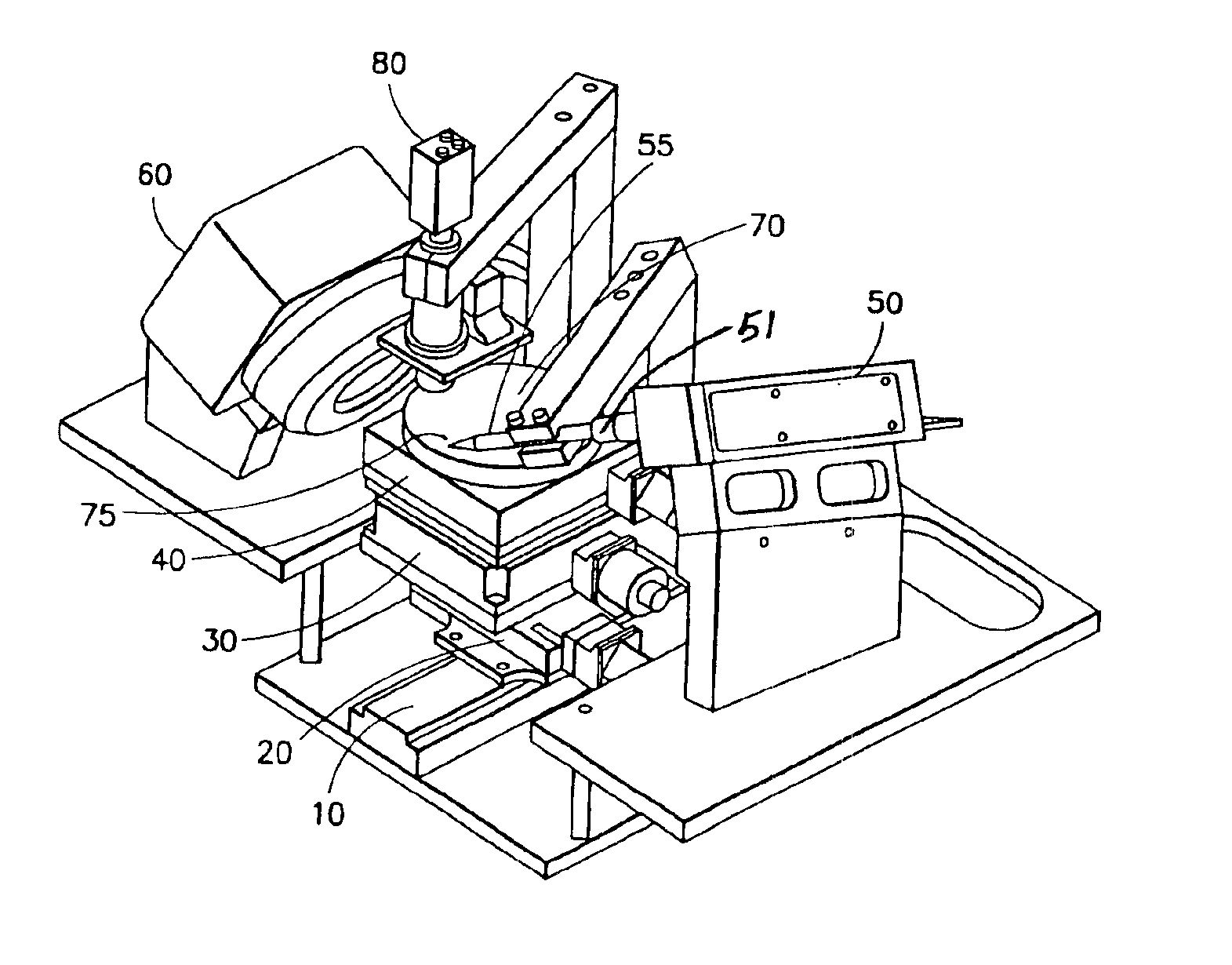
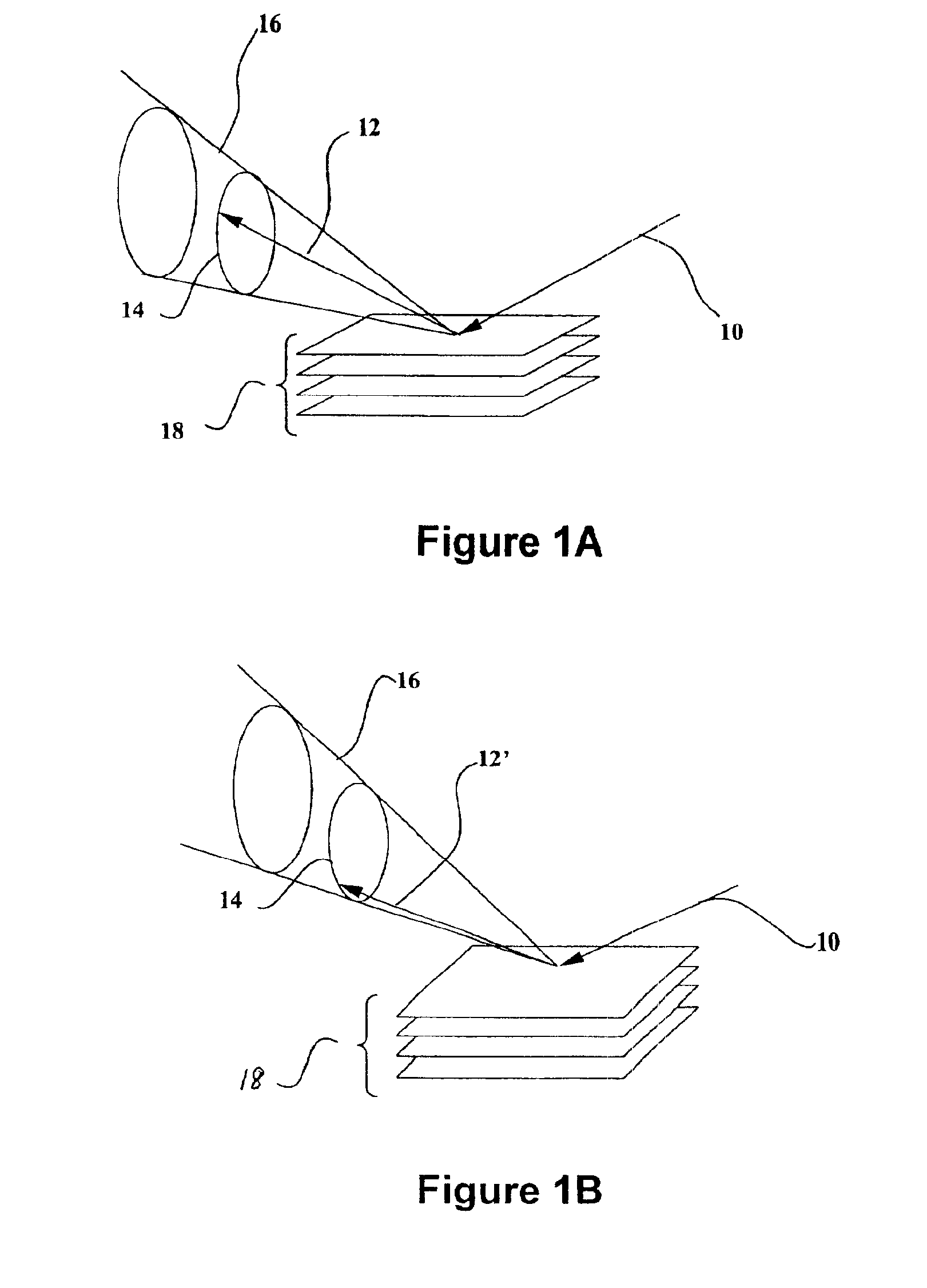
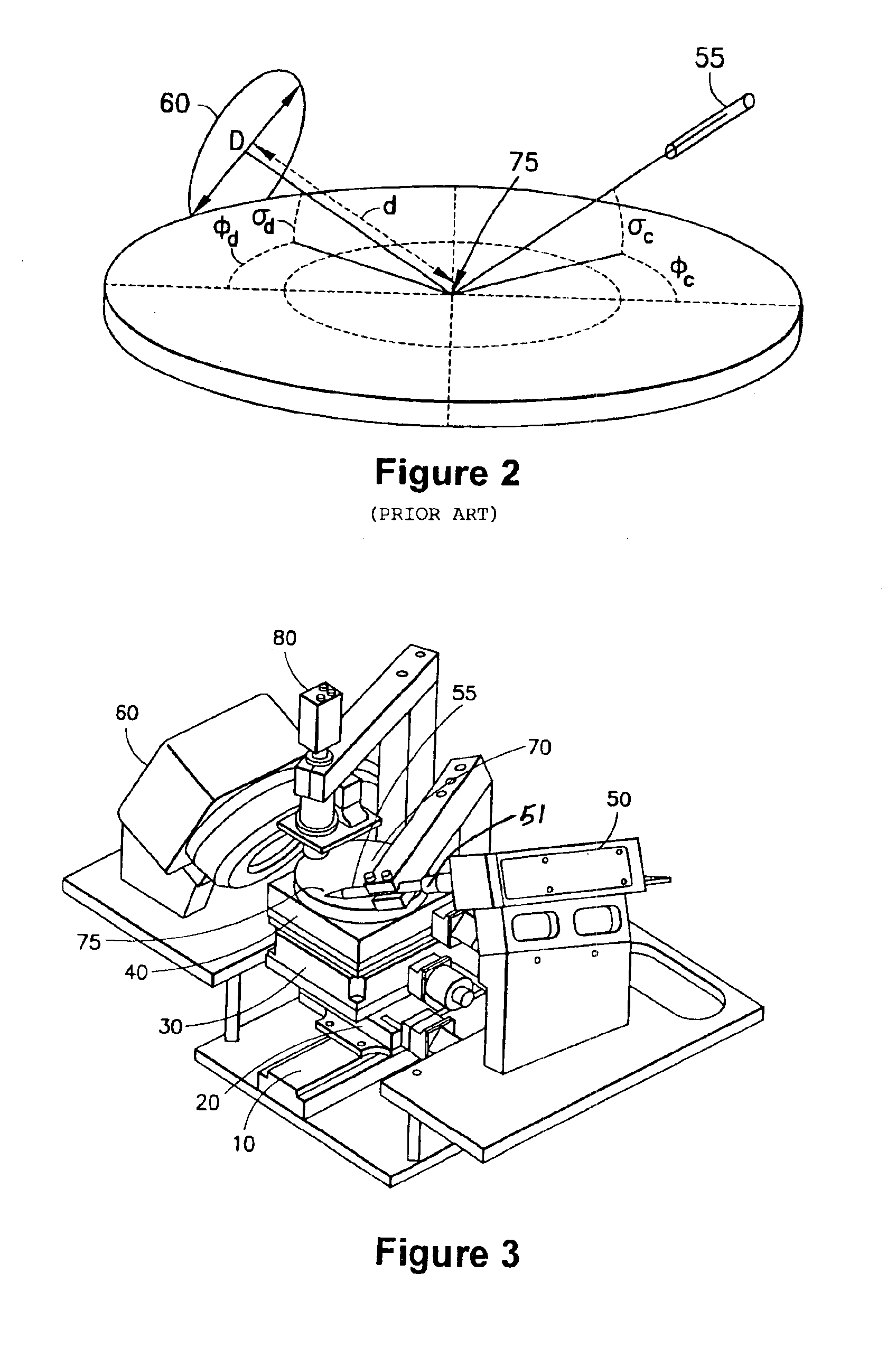
- A method and apparatus utilizing a collimated x-ray source and 2-dimensional area detector to capture diffraction arcs within a single data frame, followed by digital registration and filtering of data to remove noise and compensate for texture effects, enabling accurate determination of grain size and distribution across a wide range of grain sizes and material properties.

Standardization Requirements for XRD Grain Analysis
The standardization of X-ray diffraction grain analysis for eutectic microstructures requires comprehensive protocols that address the unique challenges posed by multi-phase systems. Current standardization efforts must establish unified measurement parameters, including optimal diffraction angles, scan rates, and resolution requirements specifically tailored for eutectic grain quantification. The complexity of eutectic structures, with their characteristic lamellar or rod-like morphologies, necessitates specialized analytical protocols that differ significantly from conventional single-phase grain size measurements.
International standardization bodies, including ASTM and ISO, are developing specific guidelines for XRD-based grain size analysis in eutectic systems. These standards must address critical factors such as peak deconvolution methods for overlapping diffraction patterns, appropriate background correction techniques, and standardized sample preparation procedures. The establishment of reference materials with known eutectic grain sizes is essential for calibration and validation purposes across different laboratories and equipment manufacturers.
Sample preparation standardization represents a critical component, requiring specific protocols for surface preparation, mounting techniques, and measurement geometry. The standards must define acceptable surface roughness limits, optimal sample thickness, and standardized etching procedures that reveal eutectic boundaries without introducing artifacts. Additionally, environmental conditions during measurement, including temperature and humidity controls, require standardization to ensure reproducible results.
Data analysis standardization encompasses the mathematical models used for grain size calculation from diffraction peak broadening. The Scherrer equation modifications for eutectic systems, Williamson-Hall plot applications, and Warren-Averbach analysis protocols need unified implementation guidelines. These standards must specify acceptable fitting algorithms, error calculation methods, and statistical approaches for handling measurement uncertainties inherent in complex eutectic microstructures.
Quality assurance protocols within the standardization framework require establishment of inter-laboratory comparison programs and proficiency testing schemes. These initiatives ensure consistent implementation of XRD grain analysis standards across different facilities and promote continuous improvement in measurement accuracy and precision for eutectic grain size quantification applications.
International standardization bodies, including ASTM and ISO, are developing specific guidelines for XRD-based grain size analysis in eutectic systems. These standards must address critical factors such as peak deconvolution methods for overlapping diffraction patterns, appropriate background correction techniques, and standardized sample preparation procedures. The establishment of reference materials with known eutectic grain sizes is essential for calibration and validation purposes across different laboratories and equipment manufacturers.
Sample preparation standardization represents a critical component, requiring specific protocols for surface preparation, mounting techniques, and measurement geometry. The standards must define acceptable surface roughness limits, optimal sample thickness, and standardized etching procedures that reveal eutectic boundaries without introducing artifacts. Additionally, environmental conditions during measurement, including temperature and humidity controls, require standardization to ensure reproducible results.
Data analysis standardization encompasses the mathematical models used for grain size calculation from diffraction peak broadening. The Scherrer equation modifications for eutectic systems, Williamson-Hall plot applications, and Warren-Averbach analysis protocols need unified implementation guidelines. These standards must specify acceptable fitting algorithms, error calculation methods, and statistical approaches for handling measurement uncertainties inherent in complex eutectic microstructures.
Quality assurance protocols within the standardization framework require establishment of inter-laboratory comparison programs and proficiency testing schemes. These initiatives ensure consistent implementation of XRD grain analysis standards across different facilities and promote continuous improvement in measurement accuracy and precision for eutectic grain size quantification applications.
Integration Challenges with Complementary Characterization
The integration of X-ray diffraction with complementary characterization techniques for eutectic grain size quantification presents several significant challenges that must be addressed to achieve reliable and comprehensive microstructural analysis. These challenges stem from the fundamental differences in measurement principles, spatial resolution capabilities, and data interpretation methodologies across various characterization platforms.
One primary challenge lies in the spatial resolution mismatch between XRD and other characterization methods. While XRD provides bulk average information over relatively large sample volumes, techniques such as scanning electron microscopy or transmission electron microscopy offer localized, high-resolution imaging capabilities. This disparity creates difficulties in correlating XRD-derived grain size measurements with direct microscopic observations, particularly when eutectic structures exhibit significant spatial heterogeneity or when grain size distributions are non-uniform across the sample.
Data standardization and calibration represent another critical integration challenge. Different characterization techniques often employ distinct measurement standards, reference materials, and calibration procedures. For instance, XRD grain size calculations rely on peak broadening analysis using the Scherrer equation or Williamson-Hall methods, while microscopy-based measurements depend on image analysis algorithms and statistical sampling approaches. Establishing consistent calibration protocols and reference standards across multiple techniques requires careful consideration of each method's inherent limitations and measurement uncertainties.
Sample preparation compatibility poses additional complications when integrating multiple characterization approaches. XRD measurements typically require powder samples or flat surfaces, while electron microscopy may necessitate specific sample geometries, surface treatments, or thin-film preparations. These varying sample preparation requirements can introduce artifacts or alter the original microstructure, potentially leading to inconsistent results across different characterization platforms.
Temporal and environmental factors during measurement also create integration challenges. XRD measurements may require extended acquisition times, during which sample conditions could change due to oxidation, phase transformations, or thermal effects. Coordinating measurements across multiple instruments while maintaining sample integrity and ensuring that all techniques probe the same microstructural state requires careful experimental planning and environmental control.
Data fusion and interpretation methodologies represent perhaps the most complex integration challenge. Combining quantitative XRD grain size data with complementary information from other techniques requires sophisticated analytical frameworks that can account for the different physical principles underlying each measurement. Developing robust algorithms and statistical approaches for integrating multi-modal characterization data while properly weighting the contributions and uncertainties from each technique remains an active area of research and development.
One primary challenge lies in the spatial resolution mismatch between XRD and other characterization methods. While XRD provides bulk average information over relatively large sample volumes, techniques such as scanning electron microscopy or transmission electron microscopy offer localized, high-resolution imaging capabilities. This disparity creates difficulties in correlating XRD-derived grain size measurements with direct microscopic observations, particularly when eutectic structures exhibit significant spatial heterogeneity or when grain size distributions are non-uniform across the sample.
Data standardization and calibration represent another critical integration challenge. Different characterization techniques often employ distinct measurement standards, reference materials, and calibration procedures. For instance, XRD grain size calculations rely on peak broadening analysis using the Scherrer equation or Williamson-Hall methods, while microscopy-based measurements depend on image analysis algorithms and statistical sampling approaches. Establishing consistent calibration protocols and reference standards across multiple techniques requires careful consideration of each method's inherent limitations and measurement uncertainties.
Sample preparation compatibility poses additional complications when integrating multiple characterization approaches. XRD measurements typically require powder samples or flat surfaces, while electron microscopy may necessitate specific sample geometries, surface treatments, or thin-film preparations. These varying sample preparation requirements can introduce artifacts or alter the original microstructure, potentially leading to inconsistent results across different characterization platforms.
Temporal and environmental factors during measurement also create integration challenges. XRD measurements may require extended acquisition times, during which sample conditions could change due to oxidation, phase transformations, or thermal effects. Coordinating measurements across multiple instruments while maintaining sample integrity and ensuring that all techniques probe the same microstructural state requires careful experimental planning and environmental control.
Data fusion and interpretation methodologies represent perhaps the most complex integration challenge. Combining quantitative XRD grain size data with complementary information from other techniques requires sophisticated analytical frameworks that can account for the different physical principles underlying each measurement. Developing robust algorithms and statistical approaches for integrating multi-modal characterization data while properly weighting the contributions and uncertainties from each technique remains an active area of research and development.
Unlock deeper insights with PatSnap Eureka Quick Research — get a full tech report to explore trends and direct your research. Try now!
Generate Your Research Report Instantly with AI Agent
Supercharge your innovation with PatSnap Eureka AI Agent Platform!