

Evaluate Multi Chip Module Thermal Performance in Drones
MAR 12, 20269 MIN READ
Generate Your Research Report Instantly with AI Agent
PatSnap Eureka helps you evaluate technical feasibility & market potential.
MCM Thermal Challenges in Drone Applications
Multi-chip modules in drone applications face unprecedented thermal challenges due to the convergence of high-performance computing demands and severe environmental constraints. The integration of multiple semiconductor dies within a single package creates localized heat generation hotspots that can exceed 100W/cm² in advanced flight control and processing units. These thermal densities are particularly problematic in drone platforms where traditional cooling solutions are impractical due to weight, power, and space limitations.
The primary thermal challenge stems from the heterogeneous nature of MCM architectures commonly deployed in drones. Flight control processors, communication chipsets, sensor fusion units, and power management circuits operate at different thermal profiles within the same module. This creates complex thermal gradients that can lead to performance throttling, reliability degradation, and premature component failure. The situation is exacerbated by the dynamic nature of drone operations, where thermal loads fluctuate rapidly based on flight patterns, environmental conditions, and computational workloads.
Altitude-dependent environmental factors introduce additional complexity to MCM thermal management. As drones ascend, ambient air density decreases significantly, reducing natural convective cooling effectiveness by up to 60% at typical operational altitudes. Simultaneously, solar radiation exposure can increase substrate temperatures by 20-30°C above ambient levels, creating thermal stress conditions that ground-based electronics rarely encounter.
Vibration and mechanical stress present unique challenges for MCM thermal interface materials and heat dissipation pathways. Traditional thermal management solutions such as heat sinks, thermal pads, and cooling fans must withstand continuous vibration loads while maintaining thermal conductivity performance. This mechanical environment often leads to thermal interface degradation, creating thermal resistance increases of 15-25% over operational lifetimes.
Power density constraints further complicate thermal management strategies. Drone MCMs must operate within strict power budgets to preserve flight time, yet computational demands continue to increase. This creates a thermal-electrical performance trade-off where thermal management solutions cannot consume significant power for active cooling, forcing reliance on passive thermal dissipation methods that may be insufficient for peak performance scenarios.
The miniaturization trend in drone electronics compounds these thermal challenges. As MCM packages become smaller and more densely packed, thermal spreading becomes increasingly difficult. Limited PCB real estate restricts the implementation of effective thermal vias, copper planes, and heat spreading structures, concentrating thermal energy within smaller volumes and creating more severe temperature gradients across critical components.
The primary thermal challenge stems from the heterogeneous nature of MCM architectures commonly deployed in drones. Flight control processors, communication chipsets, sensor fusion units, and power management circuits operate at different thermal profiles within the same module. This creates complex thermal gradients that can lead to performance throttling, reliability degradation, and premature component failure. The situation is exacerbated by the dynamic nature of drone operations, where thermal loads fluctuate rapidly based on flight patterns, environmental conditions, and computational workloads.
Altitude-dependent environmental factors introduce additional complexity to MCM thermal management. As drones ascend, ambient air density decreases significantly, reducing natural convective cooling effectiveness by up to 60% at typical operational altitudes. Simultaneously, solar radiation exposure can increase substrate temperatures by 20-30°C above ambient levels, creating thermal stress conditions that ground-based electronics rarely encounter.
Vibration and mechanical stress present unique challenges for MCM thermal interface materials and heat dissipation pathways. Traditional thermal management solutions such as heat sinks, thermal pads, and cooling fans must withstand continuous vibration loads while maintaining thermal conductivity performance. This mechanical environment often leads to thermal interface degradation, creating thermal resistance increases of 15-25% over operational lifetimes.
Power density constraints further complicate thermal management strategies. Drone MCMs must operate within strict power budgets to preserve flight time, yet computational demands continue to increase. This creates a thermal-electrical performance trade-off where thermal management solutions cannot consume significant power for active cooling, forcing reliance on passive thermal dissipation methods that may be insufficient for peak performance scenarios.
The miniaturization trend in drone electronics compounds these thermal challenges. As MCM packages become smaller and more densely packed, thermal spreading becomes increasingly difficult. Limited PCB real estate restricts the implementation of effective thermal vias, copper planes, and heat spreading structures, concentrating thermal energy within smaller volumes and creating more severe temperature gradients across critical components.
Market Demand for High-Performance Drone Electronics
The global drone electronics market is experiencing unprecedented growth driven by expanding applications across commercial, industrial, and defense sectors. Commercial drone operations in agriculture, logistics, surveillance, and infrastructure inspection demand increasingly sophisticated electronic systems capable of processing vast amounts of data while maintaining reliable performance under challenging environmental conditions. These applications require multi-chip modules that can handle complex computational tasks including real-time image processing, autonomous navigation, and advanced sensor fusion.
Military and defense applications represent a significant market segment where thermal performance of multi-chip modules becomes critical for mission success. Defense drones operating in extreme environments require electronics that maintain operational integrity across wide temperature ranges while delivering high computational performance for advanced radar systems, electronic warfare capabilities, and autonomous mission execution. The stringent reliability requirements in these applications drive demand for superior thermal management solutions.
The emergence of urban air mobility and delivery drone services is creating new market opportunities for high-performance drone electronics. Companies developing autonomous delivery systems require compact, lightweight electronic modules that can operate continuously in urban environments while processing complex navigation algorithms and maintaining communication links. These applications demand thermal solutions that prevent performance degradation during extended flight operations in varying weather conditions.
Industrial inspection and monitoring applications, particularly in oil and gas, power generation, and construction industries, require drone electronics capable of operating in harsh environments with extreme temperatures, humidity, and electromagnetic interference. Multi-chip modules in these applications must maintain consistent performance while processing high-resolution imaging data and sensor information for critical infrastructure assessment.
The growing adoption of artificial intelligence and machine learning capabilities in drone systems is driving demand for more powerful processing units that generate significant heat loads. Edge computing requirements for real-time decision making necessitate advanced thermal management solutions to prevent throttling and ensure consistent AI performance during flight operations.
Consumer and prosumer drone markets are evolving toward more sophisticated applications including professional photography, cinematography, and recreational racing, where high-performance electronics enable advanced flight modes and image processing capabilities. These markets demand cost-effective thermal solutions that maintain performance while meeting size and weight constraints essential for consumer acceptance.
Military and defense applications represent a significant market segment where thermal performance of multi-chip modules becomes critical for mission success. Defense drones operating in extreme environments require electronics that maintain operational integrity across wide temperature ranges while delivering high computational performance for advanced radar systems, electronic warfare capabilities, and autonomous mission execution. The stringent reliability requirements in these applications drive demand for superior thermal management solutions.
The emergence of urban air mobility and delivery drone services is creating new market opportunities for high-performance drone electronics. Companies developing autonomous delivery systems require compact, lightweight electronic modules that can operate continuously in urban environments while processing complex navigation algorithms and maintaining communication links. These applications demand thermal solutions that prevent performance degradation during extended flight operations in varying weather conditions.
Industrial inspection and monitoring applications, particularly in oil and gas, power generation, and construction industries, require drone electronics capable of operating in harsh environments with extreme temperatures, humidity, and electromagnetic interference. Multi-chip modules in these applications must maintain consistent performance while processing high-resolution imaging data and sensor information for critical infrastructure assessment.
The growing adoption of artificial intelligence and machine learning capabilities in drone systems is driving demand for more powerful processing units that generate significant heat loads. Edge computing requirements for real-time decision making necessitate advanced thermal management solutions to prevent throttling and ensure consistent AI performance during flight operations.
Consumer and prosumer drone markets are evolving toward more sophisticated applications including professional photography, cinematography, and recreational racing, where high-performance electronics enable advanced flight modes and image processing capabilities. These markets demand cost-effective thermal solutions that maintain performance while meeting size and weight constraints essential for consumer acceptance.
Current MCM Thermal Management Limitations in UAVs
Multi-chip modules in unmanned aerial vehicles face significant thermal management challenges that directly impact system reliability and performance. The compact nature of drone electronics creates a high power density environment where multiple processing units, sensors, and communication chips generate substantial heat within severely constrained spaces. Traditional thermal management approaches often prove inadequate when applied to the unique operational requirements of UAV systems.
The primary limitation stems from weight and size constraints inherent to drone design. Conventional cooling solutions such as large heat sinks, fans, or liquid cooling systems add unacceptable mass and bulk to weight-sensitive platforms. This forces designers to rely on passive cooling methods that may not provide sufficient thermal dissipation for high-performance MCM configurations, particularly during intensive computational tasks or extended flight operations.
Power density concentration presents another critical challenge in UAV MCM thermal management. Modern drone applications demand increasingly powerful processors for real-time image processing, autonomous navigation, and communication functions. When multiple high-performance chips are integrated into compact modules, localized hot spots can exceed safe operating temperatures, leading to thermal throttling, reduced performance, or permanent component damage.
Airflow limitations in sealed or semi-sealed drone enclosures further complicate thermal management strategies. Unlike ground-based systems that can utilize ambient air circulation, UAV electronics often operate within protective housings that shield components from environmental factors but restrict natural convection cooling. The limited internal air volume and restricted ventilation pathways create thermal bottlenecks that traditional cooling approaches cannot adequately address.
Environmental operating conditions add complexity to MCM thermal challenges in drone applications. UAVs must function across wide temperature ranges, from sub-zero conditions at altitude to elevated ground temperatures in direct sunlight. These varying ambient conditions affect baseline thermal loads and cooling efficiency, making it difficult to design consistent thermal management solutions that maintain optimal MCM performance across all operational scenarios.
Current thermal interface materials and heat spreading techniques show limitations when applied to the multi-layered, three-dimensional packaging typical of advanced MCMs. The thermal resistance between chip junctions and heat dissipation surfaces becomes increasingly problematic as integration density increases, creating thermal gradients that can cause mechanical stress and reliability issues in drone environments subject to vibration and thermal cycling.
The primary limitation stems from weight and size constraints inherent to drone design. Conventional cooling solutions such as large heat sinks, fans, or liquid cooling systems add unacceptable mass and bulk to weight-sensitive platforms. This forces designers to rely on passive cooling methods that may not provide sufficient thermal dissipation for high-performance MCM configurations, particularly during intensive computational tasks or extended flight operations.
Power density concentration presents another critical challenge in UAV MCM thermal management. Modern drone applications demand increasingly powerful processors for real-time image processing, autonomous navigation, and communication functions. When multiple high-performance chips are integrated into compact modules, localized hot spots can exceed safe operating temperatures, leading to thermal throttling, reduced performance, or permanent component damage.
Airflow limitations in sealed or semi-sealed drone enclosures further complicate thermal management strategies. Unlike ground-based systems that can utilize ambient air circulation, UAV electronics often operate within protective housings that shield components from environmental factors but restrict natural convection cooling. The limited internal air volume and restricted ventilation pathways create thermal bottlenecks that traditional cooling approaches cannot adequately address.
Environmental operating conditions add complexity to MCM thermal challenges in drone applications. UAVs must function across wide temperature ranges, from sub-zero conditions at altitude to elevated ground temperatures in direct sunlight. These varying ambient conditions affect baseline thermal loads and cooling efficiency, making it difficult to design consistent thermal management solutions that maintain optimal MCM performance across all operational scenarios.
Current thermal interface materials and heat spreading techniques show limitations when applied to the multi-layered, three-dimensional packaging typical of advanced MCMs. The thermal resistance between chip junctions and heat dissipation surfaces becomes increasingly problematic as integration density increases, creating thermal gradients that can cause mechanical stress and reliability issues in drone environments subject to vibration and thermal cycling.
Existing MCM Thermal Evaluation Methods for Drones
01 Heat dissipation structures and thermal interface materials
Multi-chip modules can incorporate specialized heat dissipation structures such as heat sinks, heat spreaders, and thermal vias to improve thermal performance. Thermal interface materials with high thermal conductivity are used between chips and heat dissipation components to enhance heat transfer efficiency. These structures help distribute heat more evenly across the module and facilitate heat removal to external cooling systems.- Heat dissipation structures and thermal interface materials: Multi-chip modules can incorporate specialized heat dissipation structures such as heat sinks, heat spreaders, and thermal vias to improve thermal performance. Thermal interface materials with high thermal conductivity are used between chips and heat dissipation components to enhance heat transfer efficiency. These structures help distribute heat more evenly across the module and facilitate heat removal to external cooling systems.
- Advanced packaging configurations for thermal management: Various packaging configurations are employed to optimize thermal performance in multi-chip modules. These include stacked chip arrangements, flip-chip bonding techniques, and three-dimensional packaging structures that minimize thermal resistance paths. The packaging design considers chip placement, interconnect routing, and substrate materials to achieve better heat distribution and dissipation.
- Substrate materials with enhanced thermal conductivity: The selection of substrate materials plays a critical role in multi-chip module thermal performance. High thermal conductivity substrates such as ceramic materials, metal matrix composites, or specialized laminate materials are utilized to provide efficient heat spreading and conduction paths. These materials help reduce hot spots and improve overall thermal management by facilitating rapid heat transfer away from active components.
- Active cooling systems integration: Active cooling solutions can be integrated into multi-chip module designs to enhance thermal performance. These systems may include microchannel coolers, thermoelectric coolers, or liquid cooling mechanisms that are directly incorporated into or attached to the module. Active cooling provides dynamic thermal management capabilities and can handle higher power densities compared to passive cooling alone.
- Thermal modeling and performance optimization: Computational thermal modeling and simulation techniques are employed to predict and optimize multi-chip module thermal performance. These methods analyze heat generation patterns, thermal resistance networks, and temperature distributions to identify potential thermal issues during the design phase. Performance optimization involves iterative design modifications based on thermal analysis results to achieve target operating temperatures and reliability requirements.
02 Advanced packaging configurations for thermal management
Various packaging configurations are employed to optimize thermal performance in multi-chip modules, including stacked die arrangements, flip-chip bonding, and three-dimensional integration. These configurations minimize thermal resistance paths and improve heat spreading capabilities. The packaging design considers chip placement, interconnect routing, and substrate materials to achieve better thermal characteristics.Expand Specific Solutions03 Substrate materials with enhanced thermal conductivity
The selection of substrate materials plays a critical role in multi-chip module thermal performance. High thermal conductivity substrates such as ceramic materials, metal matrix composites, or specialized laminates are utilized to provide efficient heat conduction paths. These materials help reduce junction temperatures and improve overall thermal management by facilitating heat spreading from hot spots to cooler regions.Expand Specific Solutions04 Active cooling systems integration
Active cooling solutions can be integrated with multi-chip modules to enhance thermal performance under high power conditions. These systems may include microchannel coolers, thermoelectric coolers, or liquid cooling mechanisms that are directly coupled to the module. The integration of active cooling enables higher power density and maintains optimal operating temperatures for the chips.Expand Specific Solutions05 Thermal modeling and performance optimization
Thermal modeling techniques are employed to predict and optimize the thermal performance of multi-chip modules during the design phase. Computational methods analyze heat generation, distribution, and dissipation patterns to identify potential thermal issues. Design optimization based on thermal simulation results helps achieve balanced thermal performance across all chips in the module while meeting reliability requirements.Expand Specific Solutions
Key Players in Drone MCM and Thermal Solutions
The multi-chip module thermal performance evaluation in drones represents a rapidly evolving technological domain within the mature drone industry, which has reached significant commercial scale driven by leaders like DJI and Parrot. The market demonstrates substantial growth potential, particularly in commercial and defense applications, with companies like Airbus, Alakai Technologies, and Autel Robotics expanding drone capabilities. Technology maturity varies significantly across players - while semiconductor giants Intel, IBM, and Infineon provide advanced thermal management solutions, and testing companies like Keysight offer sophisticated evaluation tools, the integration of multi-chip modules in drone applications remains in development phases. Academic institutions including HKUST, Beijing Institute of Technology, and Nanjing University of Aeronautics contribute fundamental research, while specialized companies like Zhejiang Yinlun focus on thermal management systems, indicating a competitive landscape spanning from established aerospace manufacturers to emerging drone specialists.
SZ DJI Technology Co., Ltd.
Technical Solution: DJI implements advanced thermal management systems in their drone MCM designs using multi-layer heat spreading techniques and intelligent thermal throttling algorithms. Their approach combines copper heat spreaders with graphite thermal interface materials to achieve thermal conductivity improvements of up to 40% compared to standard designs. The company utilizes real-time temperature monitoring across multiple chip zones with dynamic power scaling to prevent thermal runaway conditions. Their thermal simulation models incorporate airflow dynamics during flight operations, accounting for varying altitude and ambient temperature conditions. DJI's MCM thermal solutions also feature predictive thermal modeling that adjusts processing loads based on anticipated thermal conditions during flight missions.
Strengths: Extensive real-world flight testing data and proven thermal solutions in consumer drones. Weaknesses: Limited focus on high-performance computing applications requiring extreme thermal dissipation.
Keysight Technologies, Inc.
Technical Solution: Keysight provides comprehensive MCM thermal characterization solutions for drone applications through their advanced thermal measurement and simulation platforms. Their approach combines infrared thermal imaging with precision temperature sensors to create detailed thermal maps of multi-chip modules during operation. The company's thermal analysis software incorporates transient thermal modeling capabilities with microsecond resolution to capture rapid thermal changes during drone maneuvers. Keysight's methodology includes thermal impedance spectroscopy for material characterization and thermal path analysis. Their drone MCM evaluation framework features automated thermal cycling tests that simulate real-world flight conditions including altitude variations and temperature extremes. The platform integrates with electromagnetic simulation tools to account for RF heating effects in communication and navigation chips within the MCM.
Strengths: Comprehensive measurement and testing capabilities with high precision instrumentation. Weaknesses: Primarily a testing solution provider rather than MCM design implementer.
Core Innovations in Drone MCM Thermal Design
Multi-chip module three-dimensional thermal resistance network model construction method considering heat dissipation through holes
PatentActiveCN118862791A
Innovation
- By splitting the multi-chip module into single-chip equivalent units, a transverse thermal resistance network model is constructed, and combined with the longitudinal thermal resistance and the convection heat transfer thermal resistance at the bottom of the substrate, a three-dimensional thermal resistance network model is established to perform horizontal, vertical and thermal coupling. Heat transfer analysis.


System and Method for Measuring Thermal Reliability of Multi-Chip Modules
PatentActiveUS20140247857A1
Innovation
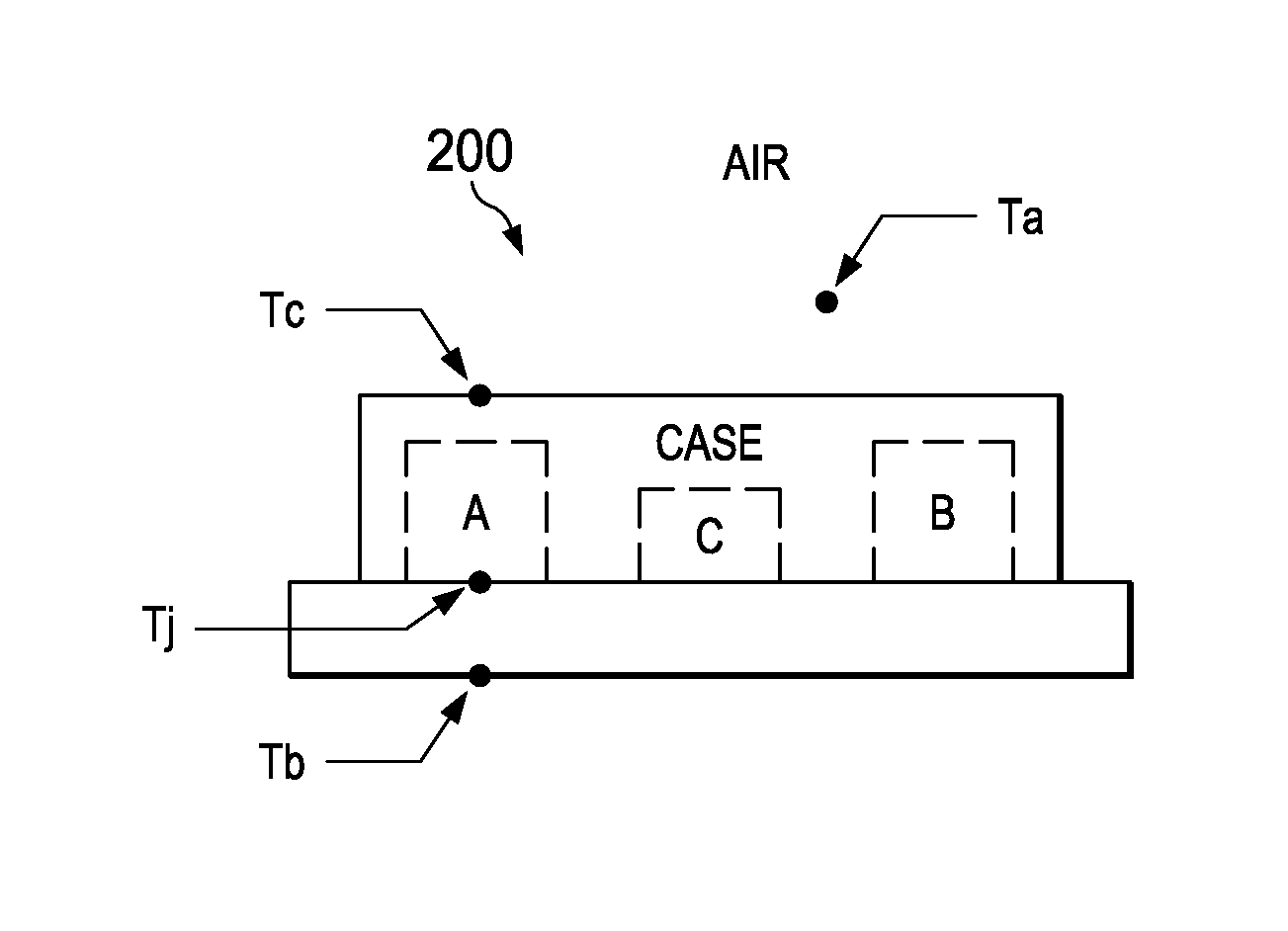
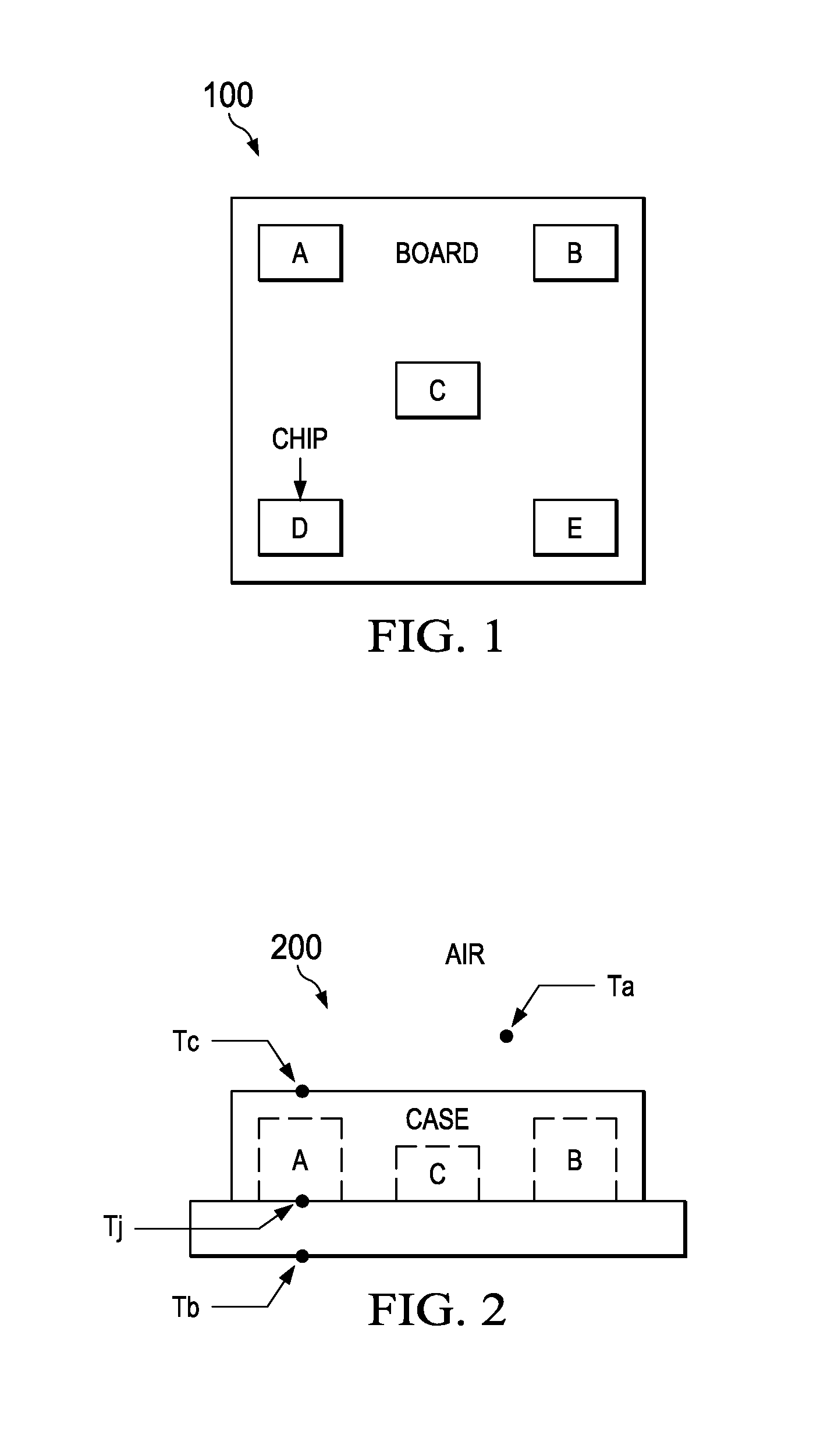
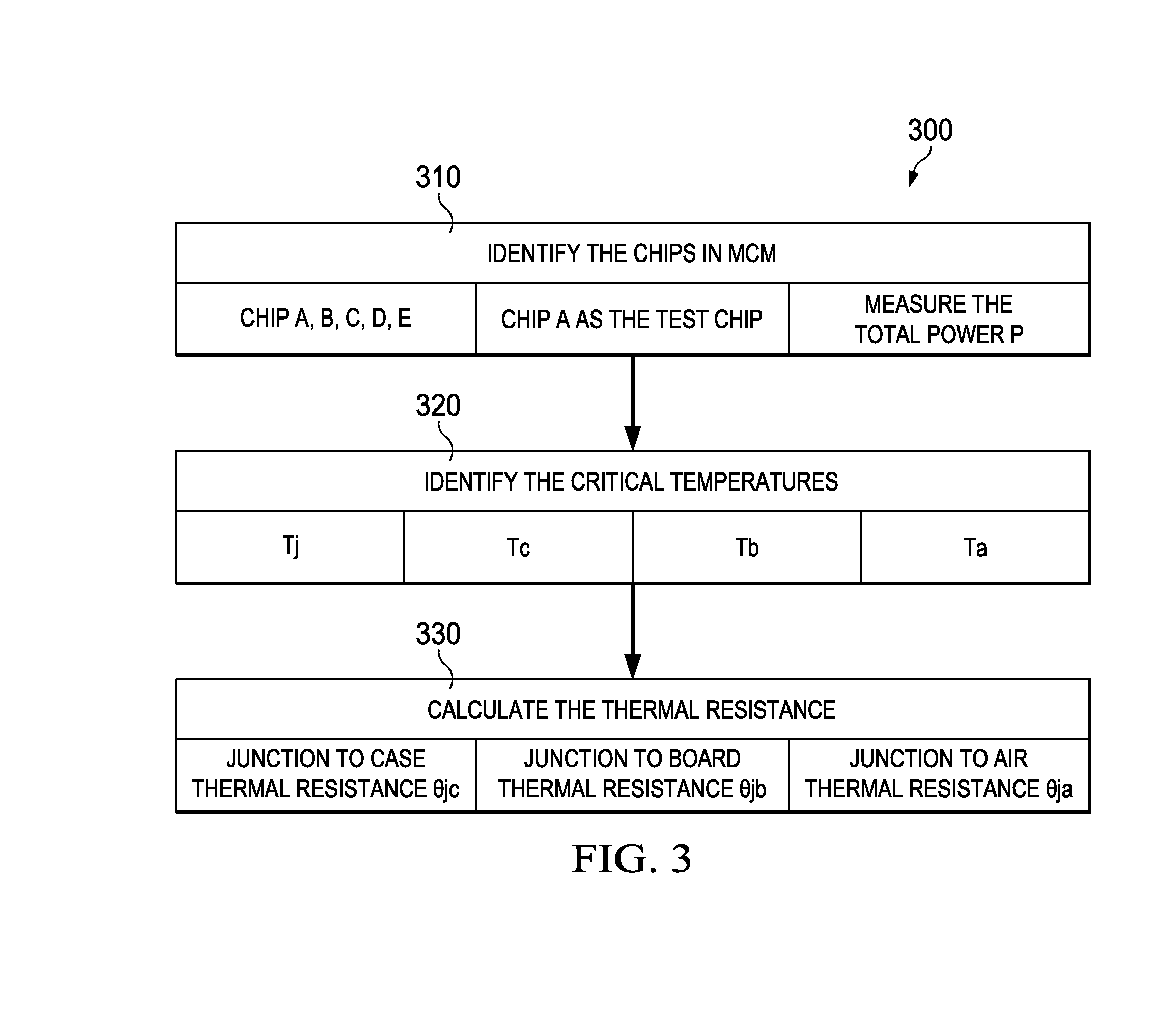
- A method and apparatus for testing thermal reliability of MCMs by selecting a chip with higher thermal risk, measuring predetermined temperature parameters, and calculating thermal resistance values to determine the thermal performance of the MCM, using a processor and storage medium with programming instructions to execute these steps.

Aviation Safety Standards for Drone Electronics
Aviation safety standards for drone electronics represent a critical framework governing the thermal management requirements of multi-chip modules in unmanned aerial systems. The Federal Aviation Administration (FAA) Part 107 regulations, along with RTCA DO-160 environmental conditions and test procedures, establish baseline requirements for electronic systems operating in aviation environments. These standards mandate that electronic components, including MCMs, must demonstrate reliable operation across specified temperature ranges typically spanning from -55°C to +125°C for commercial applications.
The European Union Aviation Safety Agency (EASA) has developed complementary regulations under the Easy Access Rules for Unmanned Aircraft Systems, which specifically address thermal performance criteria for drone electronics. These regulations require comprehensive thermal testing and validation of multi-chip modules to ensure safe operation during various flight conditions. The standards emphasize the importance of thermal derating, requiring electronic components to operate well below their maximum rated temperatures to maintain reliability margins.
International standards such as IPC-9701A for the performance test methods and qualification requirements of surface mount solder attachments directly impact MCM thermal design in drones. This standard establishes thermal cycling test protocols that simulate the temperature variations experienced during drone operations, including rapid altitude changes and varying ambient conditions. Compliance with these standards ensures that solder joints and interconnections within MCMs maintain structural integrity throughout the operational lifecycle.
Military specifications, particularly MIL-STD-810 for environmental engineering considerations, provide additional guidance for drone electronics operating in harsh conditions. These standards define thermal shock testing procedures and sustained temperature exposure limits that directly influence MCM design parameters. The standards also establish requirements for thermal interface materials and heat dissipation mechanisms to prevent component failure during critical flight operations.
Recent developments in aviation safety standards have begun incorporating specific provisions for artificial intelligence and autonomous flight systems, which typically employ high-performance MCMs generating significant thermal loads. These emerging standards require advanced thermal monitoring systems and fail-safe mechanisms to prevent thermal runaway conditions that could compromise flight safety. Compliance with these evolving standards necessitates sophisticated thermal management solutions integrated directly into MCM architectures.
The European Union Aviation Safety Agency (EASA) has developed complementary regulations under the Easy Access Rules for Unmanned Aircraft Systems, which specifically address thermal performance criteria for drone electronics. These regulations require comprehensive thermal testing and validation of multi-chip modules to ensure safe operation during various flight conditions. The standards emphasize the importance of thermal derating, requiring electronic components to operate well below their maximum rated temperatures to maintain reliability margins.
International standards such as IPC-9701A for the performance test methods and qualification requirements of surface mount solder attachments directly impact MCM thermal design in drones. This standard establishes thermal cycling test protocols that simulate the temperature variations experienced during drone operations, including rapid altitude changes and varying ambient conditions. Compliance with these standards ensures that solder joints and interconnections within MCMs maintain structural integrity throughout the operational lifecycle.
Military specifications, particularly MIL-STD-810 for environmental engineering considerations, provide additional guidance for drone electronics operating in harsh conditions. These standards define thermal shock testing procedures and sustained temperature exposure limits that directly influence MCM design parameters. The standards also establish requirements for thermal interface materials and heat dissipation mechanisms to prevent component failure during critical flight operations.
Recent developments in aviation safety standards have begun incorporating specific provisions for artificial intelligence and autonomous flight systems, which typically employ high-performance MCMs generating significant thermal loads. These emerging standards require advanced thermal monitoring systems and fail-safe mechanisms to prevent thermal runaway conditions that could compromise flight safety. Compliance with these evolving standards necessitates sophisticated thermal management solutions integrated directly into MCM architectures.
Environmental Impact of Drone Thermal Systems
The environmental implications of drone thermal systems represent a critical consideration in the development and deployment of unmanned aerial vehicles, particularly as the industry scales toward widespread commercial and industrial applications. Multi-chip module thermal management systems in drones contribute to environmental impact through multiple pathways, including energy consumption patterns, material lifecycle considerations, and operational efficiency effects.
Energy consumption represents the most direct environmental impact of drone thermal systems. Inefficient thermal management leads to increased power draw from cooling systems, fans, and heat dissipation mechanisms, directly reducing flight time and requiring more frequent battery charging cycles. This energy inefficiency translates to higher carbon footprint per operational hour, particularly when considering the electricity grid's carbon intensity in different regions.
The materials used in thermal management systems pose significant environmental challenges throughout their lifecycle. Advanced thermal interface materials, heat sinks, and cooling components often incorporate rare earth elements and specialized polymers that require energy-intensive extraction and manufacturing processes. The production of thermal pads, phase change materials, and metallic heat spreaders generates substantial embodied carbon before the drone even enters service.
Electronic waste generation becomes particularly concerning as thermal stress accelerates component degradation in multi-chip modules. Poor thermal management reduces the operational lifespan of expensive semiconductor components, leading to premature replacement cycles and increased electronic waste streams. The complex integration of thermal solutions with electronic systems makes recycling and component recovery more challenging.
Operational environmental benefits emerge when effective thermal management enables longer flight durations and improved payload capacity. Drones with superior thermal performance can complete missions more efficiently, reducing the total number of flights required for specific tasks. This efficiency gain becomes environmentally significant in applications such as precision agriculture, infrastructure monitoring, and delivery services where mission effectiveness directly correlates with environmental impact reduction.
The manufacturing footprint of thermal management systems varies significantly based on design complexity and material choices. Passive thermal solutions generally exhibit lower environmental impact compared to active cooling systems that require additional motors, pumps, or refrigeration components. However, passive systems may require larger heat sink structures or specialized materials that increase overall drone weight and manufacturing complexity.
Future environmental considerations include the development of bio-based thermal interface materials, recyclable heat sink designs, and thermal management systems optimized for circular economy principles. The integration of renewable energy sources for drone operations further amplifies the importance of thermal efficiency in achieving overall environmental sustainability goals.
Energy consumption represents the most direct environmental impact of drone thermal systems. Inefficient thermal management leads to increased power draw from cooling systems, fans, and heat dissipation mechanisms, directly reducing flight time and requiring more frequent battery charging cycles. This energy inefficiency translates to higher carbon footprint per operational hour, particularly when considering the electricity grid's carbon intensity in different regions.
The materials used in thermal management systems pose significant environmental challenges throughout their lifecycle. Advanced thermal interface materials, heat sinks, and cooling components often incorporate rare earth elements and specialized polymers that require energy-intensive extraction and manufacturing processes. The production of thermal pads, phase change materials, and metallic heat spreaders generates substantial embodied carbon before the drone even enters service.
Electronic waste generation becomes particularly concerning as thermal stress accelerates component degradation in multi-chip modules. Poor thermal management reduces the operational lifespan of expensive semiconductor components, leading to premature replacement cycles and increased electronic waste streams. The complex integration of thermal solutions with electronic systems makes recycling and component recovery more challenging.
Operational environmental benefits emerge when effective thermal management enables longer flight durations and improved payload capacity. Drones with superior thermal performance can complete missions more efficiently, reducing the total number of flights required for specific tasks. This efficiency gain becomes environmentally significant in applications such as precision agriculture, infrastructure monitoring, and delivery services where mission effectiveness directly correlates with environmental impact reduction.
The manufacturing footprint of thermal management systems varies significantly based on design complexity and material choices. Passive thermal solutions generally exhibit lower environmental impact compared to active cooling systems that require additional motors, pumps, or refrigeration components. However, passive systems may require larger heat sink structures or specialized materials that increase overall drone weight and manufacturing complexity.
Future environmental considerations include the development of bio-based thermal interface materials, recyclable heat sink designs, and thermal management systems optimized for circular economy principles. The integration of renewable energy sources for drone operations further amplifies the importance of thermal efficiency in achieving overall environmental sustainability goals.
Unlock deeper insights with PatSnap Eureka Quick Research — get a full tech report to explore trends and direct your research. Try now!
Generate Your Research Report Instantly with AI Agent
Supercharge your innovation with PatSnap Eureka AI Agent Platform!