Evaluate Rotary Engine Torque Enhancements
FEB 14, 20268 MIN READ
Generate Your Research Report Instantly with AI Agent
PatSnap Eureka helps you evaluate technical feasibility & market potential.
Rotary Engine Development Background and Torque Enhancement Goals
The rotary engine, also known as the Wankel engine, emerged in the 1950s as a revolutionary alternative to conventional reciprocating piston engines. Invented by Felix Wankel and developed by NSU and Mazda, this unique powerplant featured a triangular rotor spinning within an epitrochoidal chamber, eliminating the need for pistons, connecting rods, and crankshafts. The design promised significant advantages including compact size, lightweight construction, fewer moving parts, and exceptionally smooth operation due to the absence of reciprocating motion.
Despite its innovative design, the rotary engine faced persistent challenges that limited its widespread adoption. Primary concerns included higher fuel consumption compared to piston engines, increased emissions output, and notably, lower torque production characteristics. The engine's combustion chamber geometry and thermodynamic cycle inherently produced less torque per displacement unit, particularly at lower RPM ranges where most automotive applications require substantial pulling power.
Mazda became the primary advocate for rotary engine technology, successfully implementing it in various production vehicles from the 1960s through the 2010s. However, even Mazda's advanced iterations struggled with torque deficiency, leading to the discontinuation of the RX-8 in 2012. The company's recent announcement of renewed rotary engine development for hybrid applications has reignited interest in addressing fundamental torque limitations through modern engineering approaches.
Contemporary torque enhancement goals focus on multiple technological fronts. Advanced combustion optimization seeks to improve the engine's thermodynamic efficiency through precise fuel injection timing, multi-stage combustion strategies, and enhanced chamber design. Forced induction systems, including turbocharging and supercharging, represent another critical pathway for torque multiplication, though they must be carefully calibrated to work with the rotary engine's unique operating characteristics.
Modern computational fluid dynamics and advanced materials science offer unprecedented opportunities to redesign rotor profiles, optimize port configurations, and enhance sealing systems. These improvements aim to increase compression ratios, reduce internal losses, and maximize the effective utilization of combustion energy for torque generation.
The integration of hybrid electric systems presents a particularly promising avenue for torque enhancement. Electric motors can provide instant torque delivery to complement the rotary engine's high-RPM power characteristics, creating a synergistic powertrain that addresses traditional weaknesses while leveraging inherent strengths. This approach aligns with current automotive industry trends toward electrification while preserving the unique benefits of rotary engine technology.
Despite its innovative design, the rotary engine faced persistent challenges that limited its widespread adoption. Primary concerns included higher fuel consumption compared to piston engines, increased emissions output, and notably, lower torque production characteristics. The engine's combustion chamber geometry and thermodynamic cycle inherently produced less torque per displacement unit, particularly at lower RPM ranges where most automotive applications require substantial pulling power.
Mazda became the primary advocate for rotary engine technology, successfully implementing it in various production vehicles from the 1960s through the 2010s. However, even Mazda's advanced iterations struggled with torque deficiency, leading to the discontinuation of the RX-8 in 2012. The company's recent announcement of renewed rotary engine development for hybrid applications has reignited interest in addressing fundamental torque limitations through modern engineering approaches.
Contemporary torque enhancement goals focus on multiple technological fronts. Advanced combustion optimization seeks to improve the engine's thermodynamic efficiency through precise fuel injection timing, multi-stage combustion strategies, and enhanced chamber design. Forced induction systems, including turbocharging and supercharging, represent another critical pathway for torque multiplication, though they must be carefully calibrated to work with the rotary engine's unique operating characteristics.
Modern computational fluid dynamics and advanced materials science offer unprecedented opportunities to redesign rotor profiles, optimize port configurations, and enhance sealing systems. These improvements aim to increase compression ratios, reduce internal losses, and maximize the effective utilization of combustion energy for torque generation.
The integration of hybrid electric systems presents a particularly promising avenue for torque enhancement. Electric motors can provide instant torque delivery to complement the rotary engine's high-RPM power characteristics, creating a synergistic powertrain that addresses traditional weaknesses while leveraging inherent strengths. This approach aligns with current automotive industry trends toward electrification while preserving the unique benefits of rotary engine technology.
Market Demand Analysis for High-Torque Rotary Engine Applications
The automotive industry is experiencing a significant shift toward performance-oriented applications that demand higher torque output from compact powertrains. High-torque rotary engines present unique advantages in motorsports, where power-to-weight ratios are critical for competitive performance. Racing applications, particularly in endurance racing and specialized motorsport categories, continue to drive demand for rotary engine innovations that can deliver enhanced torque characteristics while maintaining the inherent benefits of rotary design.
Aviation markets represent another substantial demand driver for high-torque rotary engines. General aviation aircraft manufacturers increasingly seek lightweight, high-performance engines that can provide superior torque delivery for improved takeoff performance and operational efficiency. The rotary engine's smooth operation and reduced vibration characteristics make it particularly attractive for aircraft applications where reliability and performance are paramount.
Marine propulsion systems constitute a growing market segment for enhanced rotary engines. High-performance boats and personal watercraft require engines that can deliver substantial torque across varying operational conditions. The marine environment's demanding requirements for durability and consistent performance align well with rotary engine capabilities when properly enhanced for torque output.
Industrial applications present emerging opportunities for high-torque rotary engines, particularly in portable power generation and specialized machinery. Industries requiring compact, high-output power sources for remote operations or space-constrained environments show increasing interest in rotary engine solutions that can deliver enhanced torque performance.
The electric vehicle transition paradoxically creates new demand for high-torque rotary engines as range extenders and hybrid system components. These applications require engines that can operate efficiently at specific power points while providing substantial torque when needed, making enhanced rotary engines attractive for next-generation hybrid powertrains.
Recreational vehicle markets, including motorcycles and all-terrain vehicles, demonstrate sustained interest in rotary engine technology that can provide enhanced torque delivery in lightweight packages. These applications value the unique characteristics of rotary engines while requiring improved low-end torque performance for better drivability and user experience.
Aviation markets represent another substantial demand driver for high-torque rotary engines. General aviation aircraft manufacturers increasingly seek lightweight, high-performance engines that can provide superior torque delivery for improved takeoff performance and operational efficiency. The rotary engine's smooth operation and reduced vibration characteristics make it particularly attractive for aircraft applications where reliability and performance are paramount.
Marine propulsion systems constitute a growing market segment for enhanced rotary engines. High-performance boats and personal watercraft require engines that can deliver substantial torque across varying operational conditions. The marine environment's demanding requirements for durability and consistent performance align well with rotary engine capabilities when properly enhanced for torque output.
Industrial applications present emerging opportunities for high-torque rotary engines, particularly in portable power generation and specialized machinery. Industries requiring compact, high-output power sources for remote operations or space-constrained environments show increasing interest in rotary engine solutions that can deliver enhanced torque performance.
The electric vehicle transition paradoxically creates new demand for high-torque rotary engines as range extenders and hybrid system components. These applications require engines that can operate efficiently at specific power points while providing substantial torque when needed, making enhanced rotary engines attractive for next-generation hybrid powertrains.
Recreational vehicle markets, including motorcycles and all-terrain vehicles, demonstrate sustained interest in rotary engine technology that can provide enhanced torque delivery in lightweight packages. These applications value the unique characteristics of rotary engines while requiring improved low-end torque performance for better drivability and user experience.
Current Rotary Engine Torque Limitations and Technical Challenges
Rotary engines face fundamental torque limitations stemming from their unique combustion chamber geometry and operational characteristics. The elongated combustion chamber shape creates suboptimal flame propagation patterns, resulting in incomplete fuel combustion and reduced peak cylinder pressures compared to conventional piston engines. This geometric constraint directly impacts the engine's ability to generate maximum torque output, particularly at lower RPM ranges where torque delivery is most critical for vehicle performance.
The apex seal system presents one of the most significant technical challenges affecting torque generation. These seals must maintain compression across the rotor tips while accommodating thermal expansion and wear. Seal leakage leads to compression loss, directly reducing combustion efficiency and torque output. Current seal materials and designs struggle to achieve the longevity and sealing effectiveness required for consistent high-torque operation, with degradation occurring more rapidly under high-load conditions.
Thermal management issues severely constrain torque enhancement efforts in rotary engines. The engine's high surface-area-to-volume ratio in the combustion chamber creates excessive heat transfer to the housing, reducing thermal efficiency and limiting peak combustion pressures. This thermal challenge becomes more pronounced when attempting to increase boost pressure or compression ratios to enhance torque output, as higher temperatures accelerate component degradation and reduce reliability.
Port timing optimization represents another critical limitation in rotary engine torque development. Unlike piston engines with variable valve timing systems, rotary engines rely on fixed port geometries that create inherent compromises between low-end torque and high-RPM power delivery. The intake and exhaust port shapes and timing cannot be dynamically adjusted to optimize volumetric efficiency across the entire operating range, limiting torque enhancement potential.
Combustion instability at low RPM conditions further restricts torque output capabilities. The rotary engine's combustion process becomes less stable at lower speeds due to reduced turbulence and longer combustion duration relative to the available time window. This instability manifests as irregular pressure rise rates and incomplete combustion, preventing the engine from achieving its theoretical torque potential in the most demanding operating conditions where maximum torque is typically required.
The apex seal system presents one of the most significant technical challenges affecting torque generation. These seals must maintain compression across the rotor tips while accommodating thermal expansion and wear. Seal leakage leads to compression loss, directly reducing combustion efficiency and torque output. Current seal materials and designs struggle to achieve the longevity and sealing effectiveness required for consistent high-torque operation, with degradation occurring more rapidly under high-load conditions.
Thermal management issues severely constrain torque enhancement efforts in rotary engines. The engine's high surface-area-to-volume ratio in the combustion chamber creates excessive heat transfer to the housing, reducing thermal efficiency and limiting peak combustion pressures. This thermal challenge becomes more pronounced when attempting to increase boost pressure or compression ratios to enhance torque output, as higher temperatures accelerate component degradation and reduce reliability.
Port timing optimization represents another critical limitation in rotary engine torque development. Unlike piston engines with variable valve timing systems, rotary engines rely on fixed port geometries that create inherent compromises between low-end torque and high-RPM power delivery. The intake and exhaust port shapes and timing cannot be dynamically adjusted to optimize volumetric efficiency across the entire operating range, limiting torque enhancement potential.
Combustion instability at low RPM conditions further restricts torque output capabilities. The rotary engine's combustion process becomes less stable at lower speeds due to reduced turbulence and longer combustion duration relative to the available time window. This instability manifests as irregular pressure rise rates and incomplete combustion, preventing the engine from achieving its theoretical torque potential in the most demanding operating conditions where maximum torque is typically required.
Existing Rotary Engine Torque Enhancement Solutions
01 Rotary engine design with improved torque output
Innovations in rotary engine architecture focus on optimizing the rotor shape, housing geometry, and combustion chamber configuration to enhance torque generation. These designs aim to improve the mechanical advantage and power delivery characteristics throughout the engine cycle, resulting in more consistent and higher torque output across various operating speeds.- Rotary engine design with improved torque output: Innovations in rotary engine architecture focus on optimizing the rotor shape, housing geometry, and combustion chamber configuration to enhance torque generation. These designs aim to improve the mechanical advantage and power delivery characteristics throughout the engine cycle, resulting in more consistent and higher torque output across various operating speeds.
- Eccentric shaft and bearing systems for torque transmission: Advanced eccentric shaft designs and bearing arrangements are employed to efficiently transmit torque from the rotor to the output shaft. These systems minimize friction losses and improve the conversion of combustion pressure into rotational force. Specialized bearing configurations help maintain proper rotor positioning while handling high torque loads during operation.
- Apex seal and sealing systems affecting torque efficiency: Sealing mechanisms, particularly apex seals, play a critical role in maintaining compression and preventing gas leakage, which directly impacts torque output. Improved sealing designs reduce friction while maintaining effective gas sealing, allowing for better combustion efficiency and more consistent torque delivery. These systems balance durability with minimal resistance to rotor movement.
- Multi-rotor configurations for enhanced torque characteristics: Multiple rotor arrangements in rotary engines provide smoother torque delivery and increased overall torque output. These configurations distribute power pulses more evenly throughout the rotation cycle, reducing vibration and improving torque consistency. The phasing of multiple rotors can be optimized to achieve desired torque curves for specific applications.
- Intake and exhaust port optimization for torque improvement: Strategic positioning and sizing of intake and exhaust ports influence the volumetric efficiency and breathing characteristics of rotary engines, directly affecting torque production. Port timing and geometry are designed to maximize charge density and scavenging efficiency, enabling better combustion and increased torque across the operating range. These optimizations consider the unique rotational motion of the rotor.
02 Eccentric shaft and bearing systems for torque transmission
Advanced eccentric shaft designs and bearing arrangements are employed to efficiently transfer rotational force from the rotor to the output shaft. These systems minimize friction losses and mechanical stress while maximizing torque transmission efficiency. Improved bearing materials and lubrication systems contribute to enhanced durability and performance under high-torque conditions.Expand Specific Solutions03 Apex seal and sealing systems for maintaining compression
Enhanced sealing mechanisms, particularly apex seals and side seals, are critical for maintaining compression and preventing gas leakage in rotary engines. Improved seal designs and materials ensure consistent compression ratios, which directly impacts torque generation. These innovations address wear resistance and thermal stability to maintain optimal sealing performance throughout the engine's operational life.Expand Specific Solutions04 Variable geometry and multi-rotor configurations
Multi-rotor arrangements and variable geometry systems allow for scalable torque output and improved power characteristics. These configurations enable better balancing of forces and smoother torque delivery by utilizing multiple rotors operating in coordinated phases. Variable geometry features can adapt to different operating conditions to optimize torque across a wider range of speeds.Expand Specific Solutions05 Combustion optimization and fuel injection systems
Advanced fuel injection strategies and combustion chamber designs enhance the efficiency of the combustion process in rotary engines, leading to improved torque characteristics. These systems ensure optimal fuel-air mixture distribution and ignition timing to maximize pressure generation during the power phase. Innovations include direct injection systems and stratified charge combustion techniques tailored to rotary engine geometry.Expand Specific Solutions
Major Players in Rotary Engine Development and Manufacturing
The rotary engine torque enhancement market represents a niche but strategically important segment within the broader automotive powertrain industry, currently in a mature development phase with limited commercial applications. Market size remains constrained due to inherent technical challenges including sealing issues, fuel efficiency concerns, and emissions compliance difficulties. Technology maturity varies significantly across key players, with established automotive manufacturers like Toyota Motor Corp., Honda Motor Co., and Ford Global Technologies LLC possessing advanced research capabilities but limited commercial deployment. Japanese suppliers including DENSO Corp., Aisin AW Co., and Mitsubishi Electric Corp. demonstrate sophisticated component-level expertise in sealing systems and electronic controls. Chinese entities such as Chongqing Changan Automobile and various universities including Xi'an Jiaotong University are actively pursuing research initiatives, while industrial technology leaders like Robert Bosch GmbH and Panasonic Holdings Corp. contribute advanced materials and electronic management systems, collectively indicating moderate technological readiness despite persistent commercialization challenges.
Toyota Motor Corp.
Technical Solution: Toyota has developed advanced rotary engine torque enhancement technologies focusing on variable compression ratio systems and optimized combustion chamber designs. Their approach integrates electronic control units with precise fuel injection timing to maximize torque output across different RPM ranges. The company has implemented innovative sealing technologies to reduce blow-by losses and improve thermal efficiency, resulting in enhanced torque delivery. Toyota's rotary engine solutions also incorporate advanced materials for apex seals and rotor housings to withstand higher combustion pressures, enabling increased torque generation while maintaining reliability and durability standards.
Strengths: Proven reliability engineering, extensive R&D resources, strong integration capabilities. Weaknesses: Conservative approach may limit breakthrough innovations, higher development costs.
DENSO Corp.
Technical Solution: DENSO has developed specialized electronic control systems and precision components for rotary engine torque optimization. Their solutions include advanced ignition systems with multiple spark plug configurations designed specifically for rotary combustion chambers, ensuring complete fuel burn and maximum torque extraction. DENSO's rotary engine technologies feature sophisticated thermal management systems that maintain optimal operating temperatures for peak torque performance. The company has also created specialized fuel pumps and injection systems that deliver precise fuel metering required for rotary engine efficiency. Their electronic control modules incorporate machine learning algorithms to continuously optimize engine parameters for maximum torque output under varying operating conditions.
Strengths: Advanced electronic systems expertise, precision manufacturing capabilities, strong OEM relationships. Weaknesses: Component supplier role limits system-level integration control, dependent on market demand for rotary engines.
Core Patents in Rotary Engine Torque Optimization Technologies
System and method for customizing a rotary engine for marine vessel propulsion
PatentInactiveUS20050188943A1
Innovation
- Modifications to the Mazda RENESIS rotary engine, including the addition of a turbocharger, aftercooler, oil cooler, and engine control management system, specifically engineered to enhance performance at midrange engine speeds, shifting peak torque and power to a lower range suitable for marine propulsion, with components like a stainless steel turbocharger housing and a honeycomb aftercooler designed to minimize backpressure and maximize compression.
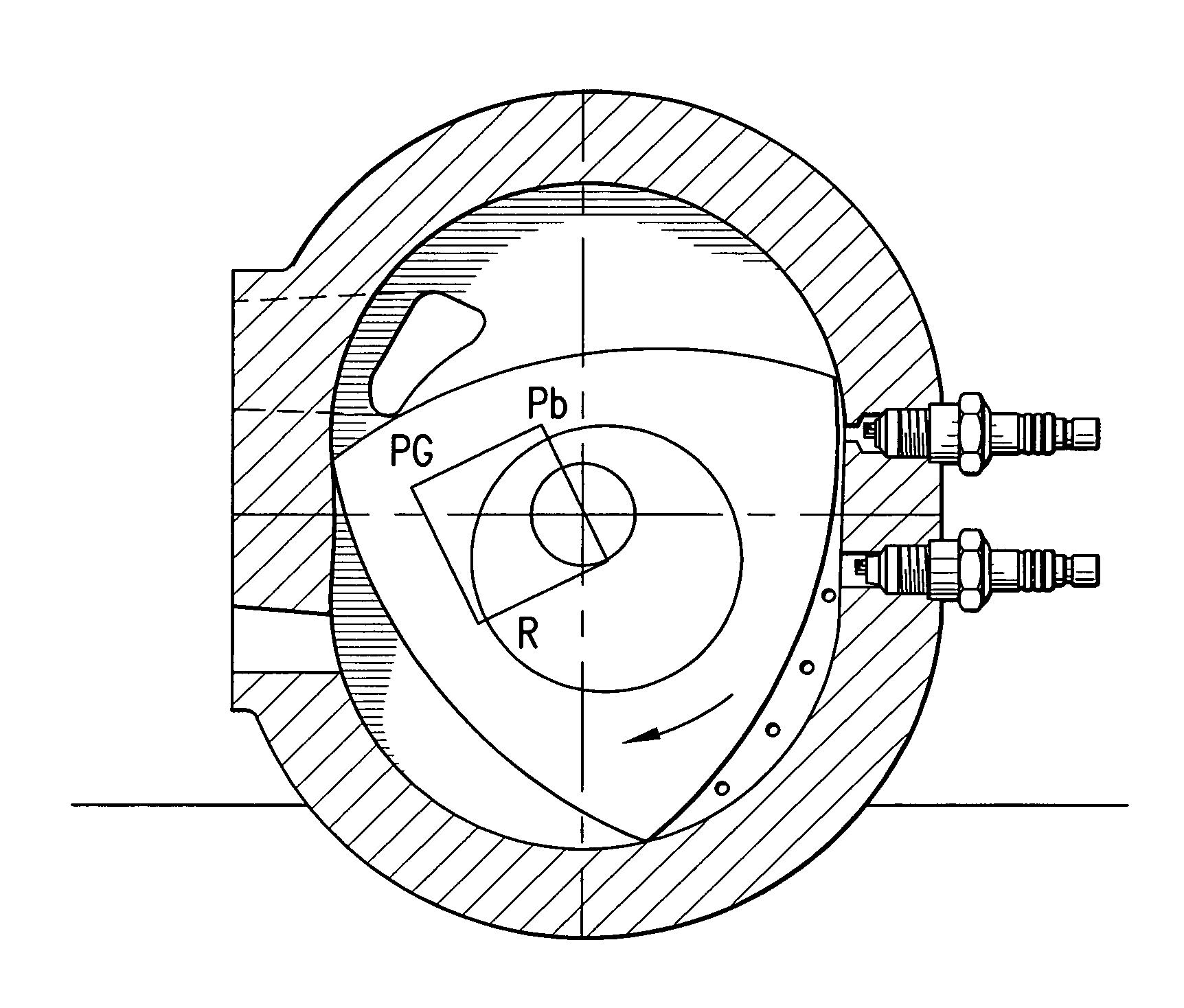
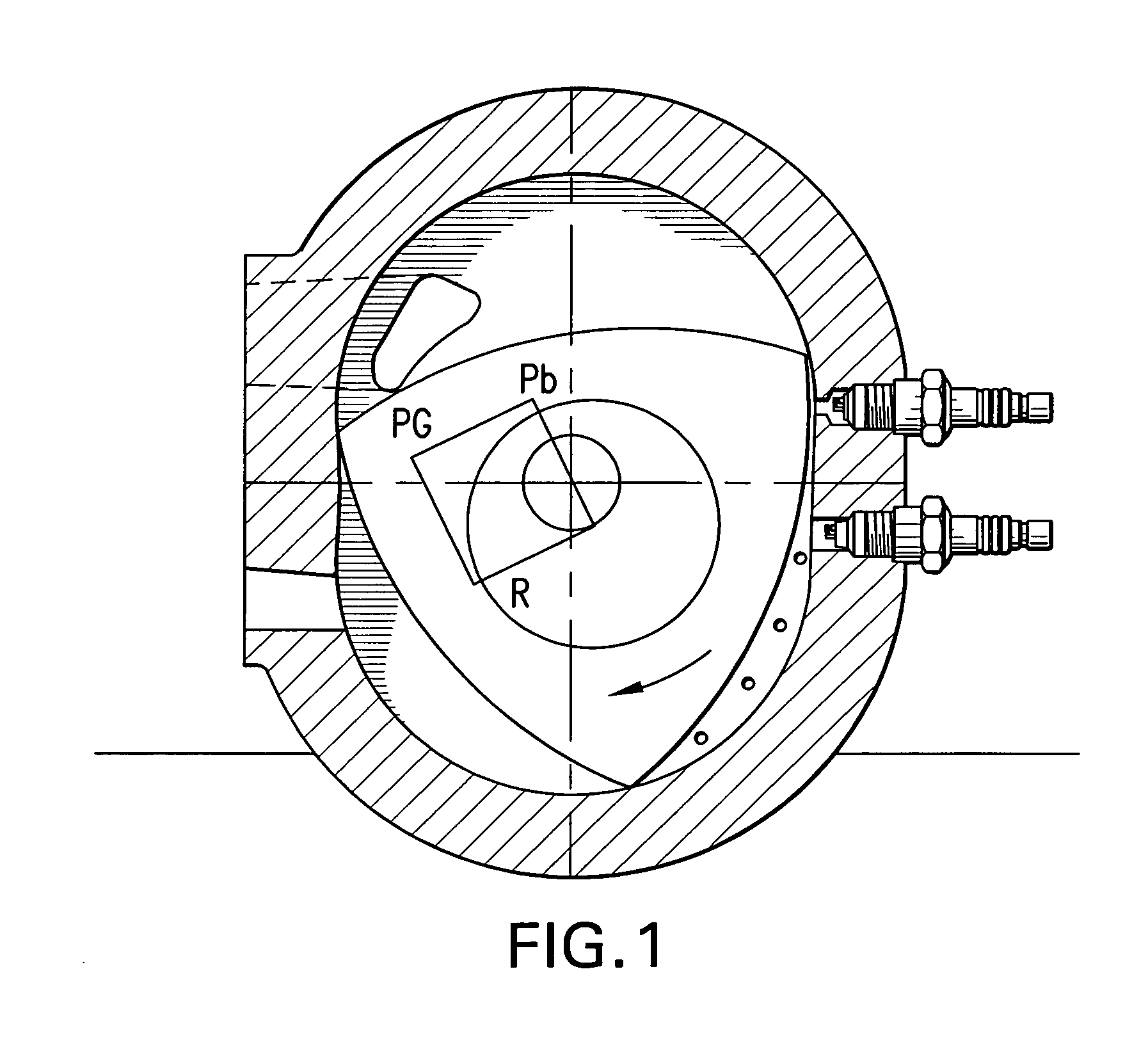
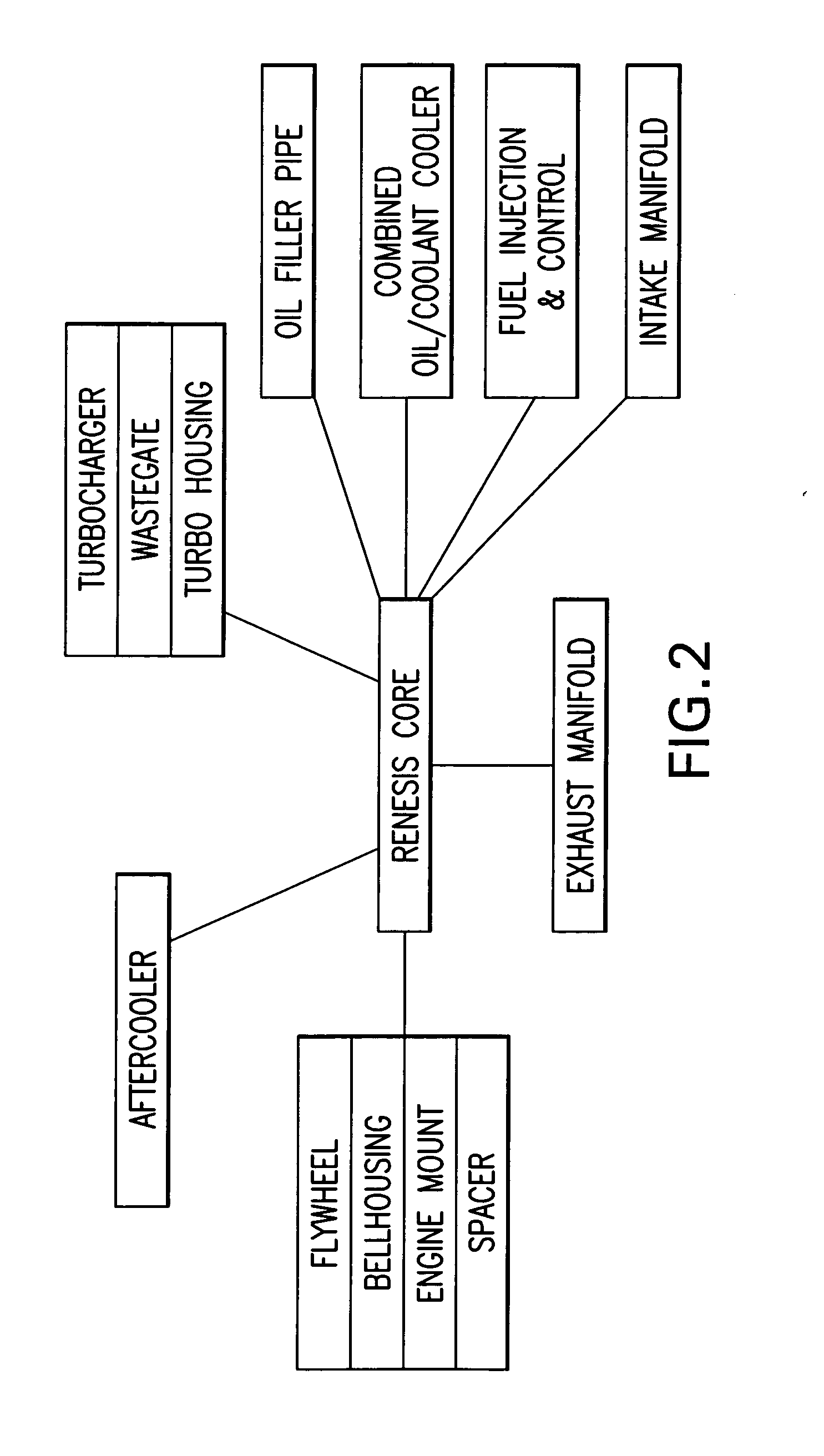

Rotary engine
PatentInactiveUS4064697A
Innovation
- Remote combustion chamber design that separates heat generation from pistons and cylinders, enabling operation in cooler atmosphere and significantly reducing component wear.
- Cam-controlled compression chamber valve system integrated with radially reciprocating pistons to improve combustion timing precision and torque output.
- Radial piston configuration that maximizes torque generation while minimizing fuel consumption and exhaust emissions compared to conventional rotary engines.
Environmental Regulations Impact on Rotary Engine Development
Environmental regulations have emerged as a pivotal force shaping rotary engine development trajectories, fundamentally altering research priorities and engineering approaches. The stringent emission standards implemented across major automotive markets, particularly the Euro 6 standards in Europe and Tier 3 regulations in North America, have created unprecedented challenges for rotary engine manufacturers seeking to maintain competitive torque performance while achieving compliance.
The inherent combustion characteristics of rotary engines, including their tendency toward incomplete fuel burning and higher hydrocarbon emissions, have necessitated comprehensive redesigns of traditional Wankel configurations. Regulatory pressure has accelerated the development of advanced sealing technologies and combustion chamber geometries specifically aimed at reducing NOx and particulate matter emissions without compromising the engine's signature high power-to-weight ratio.
Carbon dioxide emission targets have particularly influenced torque enhancement strategies, pushing developers toward hybrid-electric configurations that leverage rotary engines as range extenders rather than primary propulsion units. This regulatory-driven shift has opened new avenues for torque optimization, where rotary engines operate within narrower, more efficient RPM bands while electric motors provide low-end torque supplementation.
The implementation of Real Driving Emissions testing protocols has further complicated development efforts, requiring rotary engines to maintain consistent performance across diverse operating conditions. This has spurred innovations in variable compression ratio systems and adaptive fuel injection strategies that can dynamically adjust torque delivery based on emission requirements.
Future regulatory frameworks focusing on lifecycle carbon assessments and renewable fuel compatibility are already influencing next-generation rotary engine designs. Developers are increasingly exploring hydrogen combustion adaptations and synthetic fuel optimization, recognizing that regulatory compliance will ultimately determine the commercial viability of enhanced torque solutions in rotary engine applications.
The inherent combustion characteristics of rotary engines, including their tendency toward incomplete fuel burning and higher hydrocarbon emissions, have necessitated comprehensive redesigns of traditional Wankel configurations. Regulatory pressure has accelerated the development of advanced sealing technologies and combustion chamber geometries specifically aimed at reducing NOx and particulate matter emissions without compromising the engine's signature high power-to-weight ratio.
Carbon dioxide emission targets have particularly influenced torque enhancement strategies, pushing developers toward hybrid-electric configurations that leverage rotary engines as range extenders rather than primary propulsion units. This regulatory-driven shift has opened new avenues for torque optimization, where rotary engines operate within narrower, more efficient RPM bands while electric motors provide low-end torque supplementation.
The implementation of Real Driving Emissions testing protocols has further complicated development efforts, requiring rotary engines to maintain consistent performance across diverse operating conditions. This has spurred innovations in variable compression ratio systems and adaptive fuel injection strategies that can dynamically adjust torque delivery based on emission requirements.
Future regulatory frameworks focusing on lifecycle carbon assessments and renewable fuel compatibility are already influencing next-generation rotary engine designs. Developers are increasingly exploring hydrogen combustion adaptations and synthetic fuel optimization, recognizing that regulatory compliance will ultimately determine the commercial viability of enhanced torque solutions in rotary engine applications.
Manufacturing Cost Analysis for Enhanced Rotary Engines
The manufacturing cost structure for enhanced rotary engines presents a complex landscape of traditional automotive production challenges amplified by unique rotary-specific requirements. Enhanced torque variants introduce additional cost layers through specialized materials, precision manufacturing processes, and advanced sealing technologies that significantly impact overall production economics.
Material costs represent the most substantial component, typically accounting for 45-55% of total manufacturing expenses. Enhanced rotary engines require premium materials including specialized apex seals made from carbon-ceramic composites, high-temperature resistant rotor housings utilizing advanced aluminum alloys, and precision-machined eccentric shafts demanding superior metallurgical properties. These materials command price premiums of 30-40% over conventional engine components due to their specialized nature and limited supplier base.
Manufacturing process complexity drives labor and equipment costs substantially higher than traditional piston engines. The unique geometry of rotary components necessitates specialized machining centers capable of maintaining tolerances within 0.001 inches across complex curved surfaces. Rotor housing production requires multi-axis CNC machines with advanced cooling systems, while apex seal manufacturing demands specialized grinding and coating equipment. These capital investments typically increase facility setup costs by 60-80% compared to conventional engine production lines.
Quality control and testing procedures add significant cost overhead due to the critical nature of sealing systems in enhanced rotary designs. Each engine requires comprehensive leak testing, dynamic balancing verification, and thermal cycling validation. These processes typically consume 15-20% of total manufacturing time and require specialized testing equipment costing approximately $2-3 million per production line.
Scale economics present particular challenges for enhanced rotary engine production. Current market volumes remain insufficient to achieve optimal manufacturing efficiency, with break-even production typically requiring annual volumes exceeding 50,000 units. Most manufacturers currently operate at 20-30% of optimal capacity, resulting in per-unit costs 40-60% higher than theoretical minimum levels.
Supply chain considerations further complicate cost management, as many critical components rely on single-source suppliers with limited production capacity. This dependency creates vulnerability to supply disruptions and limits negotiating power for cost reduction initiatives.
Material costs represent the most substantial component, typically accounting for 45-55% of total manufacturing expenses. Enhanced rotary engines require premium materials including specialized apex seals made from carbon-ceramic composites, high-temperature resistant rotor housings utilizing advanced aluminum alloys, and precision-machined eccentric shafts demanding superior metallurgical properties. These materials command price premiums of 30-40% over conventional engine components due to their specialized nature and limited supplier base.
Manufacturing process complexity drives labor and equipment costs substantially higher than traditional piston engines. The unique geometry of rotary components necessitates specialized machining centers capable of maintaining tolerances within 0.001 inches across complex curved surfaces. Rotor housing production requires multi-axis CNC machines with advanced cooling systems, while apex seal manufacturing demands specialized grinding and coating equipment. These capital investments typically increase facility setup costs by 60-80% compared to conventional engine production lines.
Quality control and testing procedures add significant cost overhead due to the critical nature of sealing systems in enhanced rotary designs. Each engine requires comprehensive leak testing, dynamic balancing verification, and thermal cycling validation. These processes typically consume 15-20% of total manufacturing time and require specialized testing equipment costing approximately $2-3 million per production line.
Scale economics present particular challenges for enhanced rotary engine production. Current market volumes remain insufficient to achieve optimal manufacturing efficiency, with break-even production typically requiring annual volumes exceeding 50,000 units. Most manufacturers currently operate at 20-30% of optimal capacity, resulting in per-unit costs 40-60% higher than theoretical minimum levels.
Supply chain considerations further complicate cost management, as many critical components rely on single-source suppliers with limited production capacity. This dependency creates vulnerability to supply disruptions and limits negotiating power for cost reduction initiatives.
Unlock deeper insights with PatSnap Eureka Quick Research — get a full tech report to explore trends and direct your research. Try now!
Generate Your Research Report Instantly with AI Agent
Supercharge your innovation with PatSnap Eureka AI Agent Platform!