

How to Refine Rotary Engine Power Output
FEB 14, 20269 MIN READ
Generate Your Research Report Instantly with AI Agent
PatSnap Eureka helps you evaluate technical feasibility & market potential.
Rotary Engine Power Enhancement Background and Objectives
The rotary engine, also known as the Wankel engine, represents a unique approach to internal combustion engine design that has captivated engineers and automotive enthusiasts since its commercial introduction in the 1960s. Unlike conventional reciprocating piston engines, the rotary engine employs a triangular rotor that orbits within an epitrochoidal chamber, creating a continuous rotational motion that eliminates the need for connecting rods, crankshafts, and traditional valve systems.
The fundamental appeal of rotary engines lies in their exceptional power-to-weight ratio, compact design, and inherently smooth operation due to the absence of reciprocating masses. These characteristics have made them particularly attractive for applications requiring high power density, such as sports cars, aircraft, and specialized industrial equipment. The Mazda RX series vehicles demonstrated the technology's potential in automotive applications, while various aerospace companies have explored rotary engines for unmanned aerial vehicles and light aircraft.
However, the rotary engine's journey has been marked by persistent challenges that have limited its widespread adoption. Primary concerns include higher fuel consumption compared to conventional engines, increased emissions due to incomplete combustion in certain chamber regions, and durability issues related to apex seal wear and thermal management. These limitations have created a significant gap between the engine's theoretical potential and its practical performance in real-world applications.
The objective of refining rotary engine power output encompasses multiple interconnected goals that address both performance enhancement and operational efficiency. The primary technical objective focuses on maximizing power density while maintaining the engine's inherent advantages of compactness and smooth operation. This involves optimizing combustion chamber geometry, improving fuel-air mixing characteristics, and enhancing thermal efficiency through advanced materials and cooling strategies.
Secondary objectives include extending engine longevity through improved sealing technologies and wear-resistant materials, reducing emissions to meet increasingly stringent environmental regulations, and improving fuel economy to competitive levels with modern reciprocating engines. Additionally, the development aims to maintain manufacturing feasibility and cost-effectiveness to ensure commercial viability.
The ultimate goal is to unlock the rotary engine's full potential as a viable alternative powerplant that can compete effectively in modern automotive and aerospace markets while preserving its unique operational characteristics that distinguish it from conventional engine technologies.
The fundamental appeal of rotary engines lies in their exceptional power-to-weight ratio, compact design, and inherently smooth operation due to the absence of reciprocating masses. These characteristics have made them particularly attractive for applications requiring high power density, such as sports cars, aircraft, and specialized industrial equipment. The Mazda RX series vehicles demonstrated the technology's potential in automotive applications, while various aerospace companies have explored rotary engines for unmanned aerial vehicles and light aircraft.
However, the rotary engine's journey has been marked by persistent challenges that have limited its widespread adoption. Primary concerns include higher fuel consumption compared to conventional engines, increased emissions due to incomplete combustion in certain chamber regions, and durability issues related to apex seal wear and thermal management. These limitations have created a significant gap between the engine's theoretical potential and its practical performance in real-world applications.
The objective of refining rotary engine power output encompasses multiple interconnected goals that address both performance enhancement and operational efficiency. The primary technical objective focuses on maximizing power density while maintaining the engine's inherent advantages of compactness and smooth operation. This involves optimizing combustion chamber geometry, improving fuel-air mixing characteristics, and enhancing thermal efficiency through advanced materials and cooling strategies.
Secondary objectives include extending engine longevity through improved sealing technologies and wear-resistant materials, reducing emissions to meet increasingly stringent environmental regulations, and improving fuel economy to competitive levels with modern reciprocating engines. Additionally, the development aims to maintain manufacturing feasibility and cost-effectiveness to ensure commercial viability.
The ultimate goal is to unlock the rotary engine's full potential as a viable alternative powerplant that can compete effectively in modern automotive and aerospace markets while preserving its unique operational characteristics that distinguish it from conventional engine technologies.
Market Demand for High-Performance Rotary Engines
The global automotive industry is experiencing a significant shift toward high-performance powertrains, driven by increasing consumer demand for vehicles that deliver exceptional power-to-weight ratios and unique driving experiences. Rotary engines, with their inherently compact design and smooth power delivery characteristics, are positioned to capture a growing segment of this market, particularly among enthusiasts seeking alternatives to conventional reciprocating engines.
Sports car manufacturers and specialty vehicle producers represent the primary market segments driving demand for refined rotary engine technology. These manufacturers require powertrains that can deliver high specific power output while maintaining the distinctive characteristics that differentiate their products from mainstream offerings. The compact nature of rotary engines makes them particularly attractive for mid-engine sports cars and lightweight performance vehicles where space constraints are critical.
The aerospace sector presents another substantial market opportunity for high-performance rotary engines. Unmanned aerial vehicles, light aircraft, and auxiliary power units increasingly require compact, lightweight engines with excellent power-to-weight ratios. The aviation industry's stringent reliability requirements are driving demand for rotary engines with improved durability and consistent power output across varying operating conditions.
Emerging applications in hybrid powertrains and range extenders for electric vehicles are creating new market segments for rotary engines. The inherently smooth operation and compact packaging of rotary engines make them ideal candidates for these applications, where consistent power generation and minimal vibration are essential for vehicle refinement.
Market analysis indicates that performance-oriented consumers are willing to accept higher maintenance requirements and fuel consumption in exchange for unique engine characteristics and superior power density. This acceptance creates opportunities for manufacturers to develop premium rotary engine solutions that prioritize performance over conventional efficiency metrics.
The marine propulsion market also demonstrates growing interest in high-performance rotary engines, particularly for racing applications and high-speed recreational watercraft. The marine environment's demanding operating conditions require engines with robust power output capabilities and resistance to harsh operating environments.
Regional market dynamics show particularly strong demand in markets with established motorsports cultures and performance vehicle segments. These regions typically have the infrastructure and expertise necessary to support specialized engine technologies, creating favorable conditions for rotary engine adoption and development.
Sports car manufacturers and specialty vehicle producers represent the primary market segments driving demand for refined rotary engine technology. These manufacturers require powertrains that can deliver high specific power output while maintaining the distinctive characteristics that differentiate their products from mainstream offerings. The compact nature of rotary engines makes them particularly attractive for mid-engine sports cars and lightweight performance vehicles where space constraints are critical.
The aerospace sector presents another substantial market opportunity for high-performance rotary engines. Unmanned aerial vehicles, light aircraft, and auxiliary power units increasingly require compact, lightweight engines with excellent power-to-weight ratios. The aviation industry's stringent reliability requirements are driving demand for rotary engines with improved durability and consistent power output across varying operating conditions.
Emerging applications in hybrid powertrains and range extenders for electric vehicles are creating new market segments for rotary engines. The inherently smooth operation and compact packaging of rotary engines make them ideal candidates for these applications, where consistent power generation and minimal vibration are essential for vehicle refinement.
Market analysis indicates that performance-oriented consumers are willing to accept higher maintenance requirements and fuel consumption in exchange for unique engine characteristics and superior power density. This acceptance creates opportunities for manufacturers to develop premium rotary engine solutions that prioritize performance over conventional efficiency metrics.
The marine propulsion market also demonstrates growing interest in high-performance rotary engines, particularly for racing applications and high-speed recreational watercraft. The marine environment's demanding operating conditions require engines with robust power output capabilities and resistance to harsh operating environments.
Regional market dynamics show particularly strong demand in markets with established motorsports cultures and performance vehicle segments. These regions typically have the infrastructure and expertise necessary to support specialized engine technologies, creating favorable conditions for rotary engine adoption and development.
Current Rotary Engine Power Limitations and Technical Challenges
Rotary engines face several fundamental limitations that constrain their power output potential compared to conventional reciprocating engines. The primary challenge stems from the inherent design characteristics of the Wankel rotary mechanism, where combustion occurs in a continuously changing chamber volume. This creates suboptimal combustion conditions, resulting in incomplete fuel burning and reduced thermal efficiency typically ranging from 15-20%, significantly lower than modern piston engines achieving 35-40% efficiency.
Sealing technology represents one of the most critical technical barriers limiting rotary engine performance. The apex seals, which maintain compression between the rotor chambers and housing, experience extreme operating conditions with high temperatures, pressures, and continuous sliding contact. Current seal materials and designs struggle to maintain consistent compression ratios above 9:1, directly impacting power output potential. Seal wear leads to progressive compression loss, blow-by gases, and reduced combustion efficiency over the engine's operational life.
Thermal management poses another significant challenge due to the engine's unique heat distribution patterns. The combustion chamber experiences uneven heating, with the trailing spark plug area reaching temperatures exceeding 300°C higher than other regions. This thermal gradient creates material stress, limits compression ratios, and necessitates rich fuel mixtures for cooling, further reducing power efficiency. The housing material's thermal expansion characteristics directly affect seal clearances and combustion chamber geometry.
Combustion chamber geometry limitations restrict optimal flame propagation and burn rates. The elongated, crescent-shaped combustion space creates long flame travel distances and promotes incomplete combustion, particularly at higher engine speeds. The chamber's aspect ratio changes continuously during the combustion cycle, making it difficult to optimize ignition timing and fuel injection strategies for maximum power extraction across the entire operating range.
Port timing constraints inherent to the rotary design limit breathing efficiency and power potential. Unlike piston engines with variable valve timing systems, rotary engines rely on fixed port openings in the housing. This creates compromises between low-end torque and high-rpm power output, as port timing cannot be optimized for different operating conditions. The overlap between intake and exhaust port opening periods also contributes to fuel mixture dilution and reduced volumetric efficiency.
Manufacturing precision requirements for achieving optimal power output exceed those of conventional engines. The epitrochoid housing profile must maintain tolerances within micrometers to ensure proper rotor clearances and seal contact. Any deviation from ideal geometry results in compression loss, increased friction, and reduced power output, making consistent high-performance production challenging and expensive.
Sealing technology represents one of the most critical technical barriers limiting rotary engine performance. The apex seals, which maintain compression between the rotor chambers and housing, experience extreme operating conditions with high temperatures, pressures, and continuous sliding contact. Current seal materials and designs struggle to maintain consistent compression ratios above 9:1, directly impacting power output potential. Seal wear leads to progressive compression loss, blow-by gases, and reduced combustion efficiency over the engine's operational life.
Thermal management poses another significant challenge due to the engine's unique heat distribution patterns. The combustion chamber experiences uneven heating, with the trailing spark plug area reaching temperatures exceeding 300°C higher than other regions. This thermal gradient creates material stress, limits compression ratios, and necessitates rich fuel mixtures for cooling, further reducing power efficiency. The housing material's thermal expansion characteristics directly affect seal clearances and combustion chamber geometry.
Combustion chamber geometry limitations restrict optimal flame propagation and burn rates. The elongated, crescent-shaped combustion space creates long flame travel distances and promotes incomplete combustion, particularly at higher engine speeds. The chamber's aspect ratio changes continuously during the combustion cycle, making it difficult to optimize ignition timing and fuel injection strategies for maximum power extraction across the entire operating range.
Port timing constraints inherent to the rotary design limit breathing efficiency and power potential. Unlike piston engines with variable valve timing systems, rotary engines rely on fixed port openings in the housing. This creates compromises between low-end torque and high-rpm power output, as port timing cannot be optimized for different operating conditions. The overlap between intake and exhaust port opening periods also contributes to fuel mixture dilution and reduced volumetric efficiency.
Manufacturing precision requirements for achieving optimal power output exceed those of conventional engines. The epitrochoid housing profile must maintain tolerances within micrometers to ensure proper rotor clearances and seal contact. Any deviation from ideal geometry results in compression loss, increased friction, and reduced power output, making consistent high-performance production challenging and expensive.
Existing Power Output Optimization Solutions
01 Rotary engine design optimization for enhanced power output
Improvements in rotary engine design focus on optimizing the rotor geometry, housing configuration, and combustion chamber shape to maximize power output. These modifications enhance the compression ratio, improve fuel-air mixing, and increase the efficiency of the combustion process. Advanced rotor profiles and apex seal designs contribute to better sealing and reduced friction losses, resulting in higher power density and improved overall engine performance.- Rotary engine design optimization for enhanced power output: Improvements in rotary engine design focus on optimizing the rotor geometry, housing configuration, and combustion chamber shape to maximize power output. These design modifications aim to improve the volumetric efficiency and combustion characteristics of the engine. Advanced rotor profiles and apex seal designs contribute to better compression ratios and reduced gas leakage, resulting in increased power generation. Optimized port timing and intake/exhaust configurations further enhance the engine's breathing capability and overall performance.
- Turbocharging and supercharging systems for rotary engines: Forced induction systems such as turbochargers and superchargers can be integrated with rotary engines to significantly increase power output. These systems compress the intake air, allowing more fuel to be burned and generating higher power levels. The compact nature of rotary engines makes them particularly suitable for turbocharging applications. Advanced boost control systems and intercooling technologies help optimize the performance while maintaining engine reliability and preventing detonation.
- Fuel injection and combustion control strategies: Advanced fuel injection systems and combustion control strategies play a crucial role in maximizing rotary engine power output. Direct injection systems provide precise fuel metering and improved fuel atomization, leading to more efficient combustion. Electronic control units with sophisticated algorithms optimize ignition timing, fuel delivery, and air-fuel ratios across different operating conditions. Multi-stage injection strategies and stratified charge combustion techniques can enhance power output while improving fuel economy and reducing emissions.
- Cooling and thermal management systems: Effective cooling and thermal management are essential for maintaining high power output in rotary engines. Advanced cooling systems utilize optimized coolant flow paths and enhanced heat transfer surfaces to manage the thermal loads generated during high-power operation. Oil cooling systems with increased capacity help maintain proper lubrication and temperature control of critical components. Thermal barrier coatings and advanced materials enable the engine to operate at higher temperatures, improving thermal efficiency and power output.
- Sealing systems and friction reduction technologies: Improved sealing systems and friction reduction technologies are critical for enhancing rotary engine power output. Advanced apex seal designs with optimized materials and geometries minimize gas leakage while reducing friction losses. Low-friction coatings and surface treatments on rotor and housing surfaces decrease mechanical losses and improve efficiency. Enhanced side seal and corner seal configurations contribute to better compression and reduced blow-by, resulting in increased power generation and improved fuel efficiency.
02 Turbocharging and supercharging systems for rotary engines
Forced induction systems can be integrated with rotary engines to significantly increase power output. These systems compress the intake air, allowing more fuel to be burned and generating greater power from the same displacement. The compact nature of rotary engines makes them particularly suitable for turbocharging applications. Specialized designs address the unique challenges of applying forced induction to rotary engines, including managing heat and optimizing boost pressure across different operating conditions.Expand Specific Solutions03 Advanced fuel injection and ignition systems
Modern fuel injection technologies and ignition systems are employed to enhance rotary engine power output. Direct injection systems provide precise fuel metering and improved atomization, leading to more complete combustion and increased power. Multiple ignition points and advanced timing control strategies optimize the combustion process throughout the engine's operating range. These systems also contribute to better fuel efficiency and reduced emissions while maintaining high power output.Expand Specific Solutions04 Cooling and thermal management enhancements
Effective thermal management is critical for maintaining high power output in rotary engines. Advanced cooling systems utilize improved coolant flow patterns, enhanced heat exchanger designs, and optimized cooling jacket configurations to manage the high heat loads generated during operation. These systems prevent thermal degradation of engine components and allow the engine to operate at higher power levels without overheating. Innovative materials and coatings further improve heat dissipation and thermal stability.Expand Specific Solutions05 Port timing and exhaust system optimization
Modifications to port timing and exhaust system design play a crucial role in maximizing rotary engine power output. Optimized intake and exhaust port configurations improve volumetric efficiency and reduce pumping losses. Variable port timing mechanisms allow the engine to maintain optimal performance across a wide range of operating speeds. Advanced exhaust manifold designs and tuned exhaust systems enhance scavenging efficiency and reduce backpressure, contributing to increased power output and improved engine response.Expand Specific Solutions
Key Players in Rotary Engine Development Industry
The rotary engine power output refinement sector represents a niche but technologically significant market currently in the mature development stage, with limited commercial applications primarily in automotive and aerospace industries. The market remains relatively small due to inherent challenges including sealing issues, fuel efficiency concerns, and emissions regulations. Technology maturity varies significantly among key players, with automotive manufacturers like Toyota Motor Corp., Honda Motor Co., and Mazda Motor Corp. leading practical implementation efforts, particularly Mazda's continued Wankel engine development. Industrial giants such as Mitsubishi Power Ltd., DENSO Corp., and Hitachi Ltd. contribute advanced materials and precision manufacturing capabilities. Academic institutions including National University of Defense Technology and Jiangsu University provide fundamental research support. Despite decades of development, the technology faces persistent engineering challenges, limiting widespread adoption compared to conventional piston engines, though specialized applications continue driving incremental improvements.
Toyota Motor Corp.
Technical Solution: Toyota's rotary engine refinement strategy focuses on hybrid integration and hydrogen fuel applications. They have developed rotary engines as range extenders in hybrid electric vehicles, optimizing the engine for constant-speed operation to maximize efficiency. Their technology includes advanced combustion control systems, lightweight rotor designs using advanced alloys, and integrated electric motor assistance for improved power delivery. Toyota has also explored hydrogen-fueled rotary engines, leveraging the engine's ability to burn hydrogen cleanly while addressing traditional rotary engine efficiency concerns through electric hybridization and sophisticated thermal management systems.
Strengths: Hybrid integration expertise, hydrogen fuel capability, advanced materials technology. Weaknesses: Complex hybrid systems, higher manufacturing costs, limited rotary engine production experience compared to Mazda.
Honda Motor Co., Ltd.
Technical Solution: Honda approaches rotary engine power refinement through advanced combustion optimization and electronic control systems. Their technology focuses on stratified charge combustion, variable port timing mechanisms, and precision fuel injection systems. Honda has developed lightweight rotor assemblies using advanced composite materials and improved apex seal designs for better compression ratios. Their engine management systems incorporate real-time combustion analysis and adaptive control algorithms to optimize power output across different operating conditions. The company also integrates advanced cooling technologies and exhaust gas recirculation systems to improve overall engine efficiency and power delivery characteristics.
Strengths: Advanced electronic control systems, precision manufacturing capabilities, innovative combustion technologies. Weaknesses: Limited rotary engine market presence, high development costs, complex control systems requiring specialized maintenance.
Core Innovations in Rotary Engine Power Enhancement
Intake/outlet pipe optimization method for rotary engine
PatentActiveUS10598087B2
Innovation
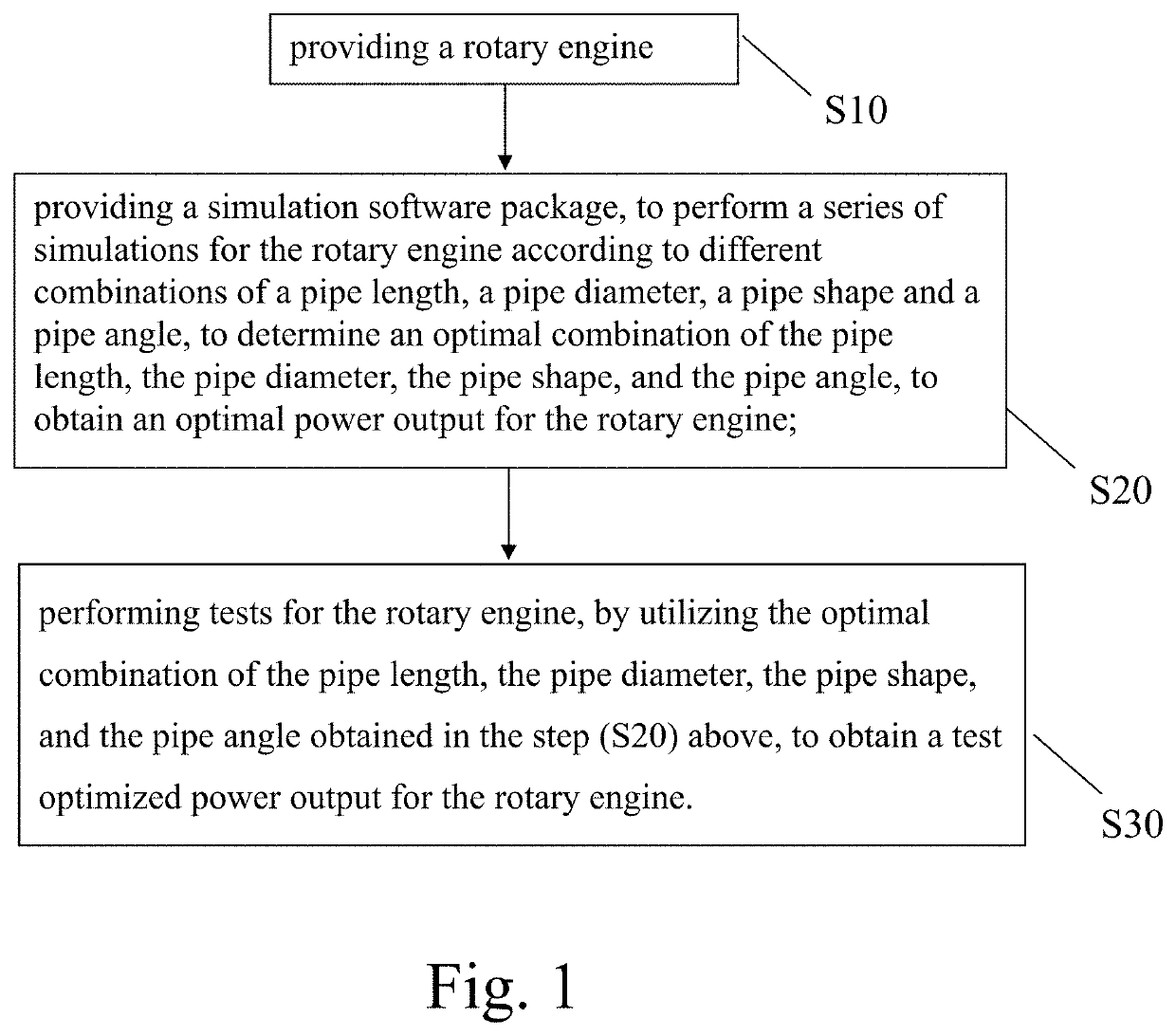
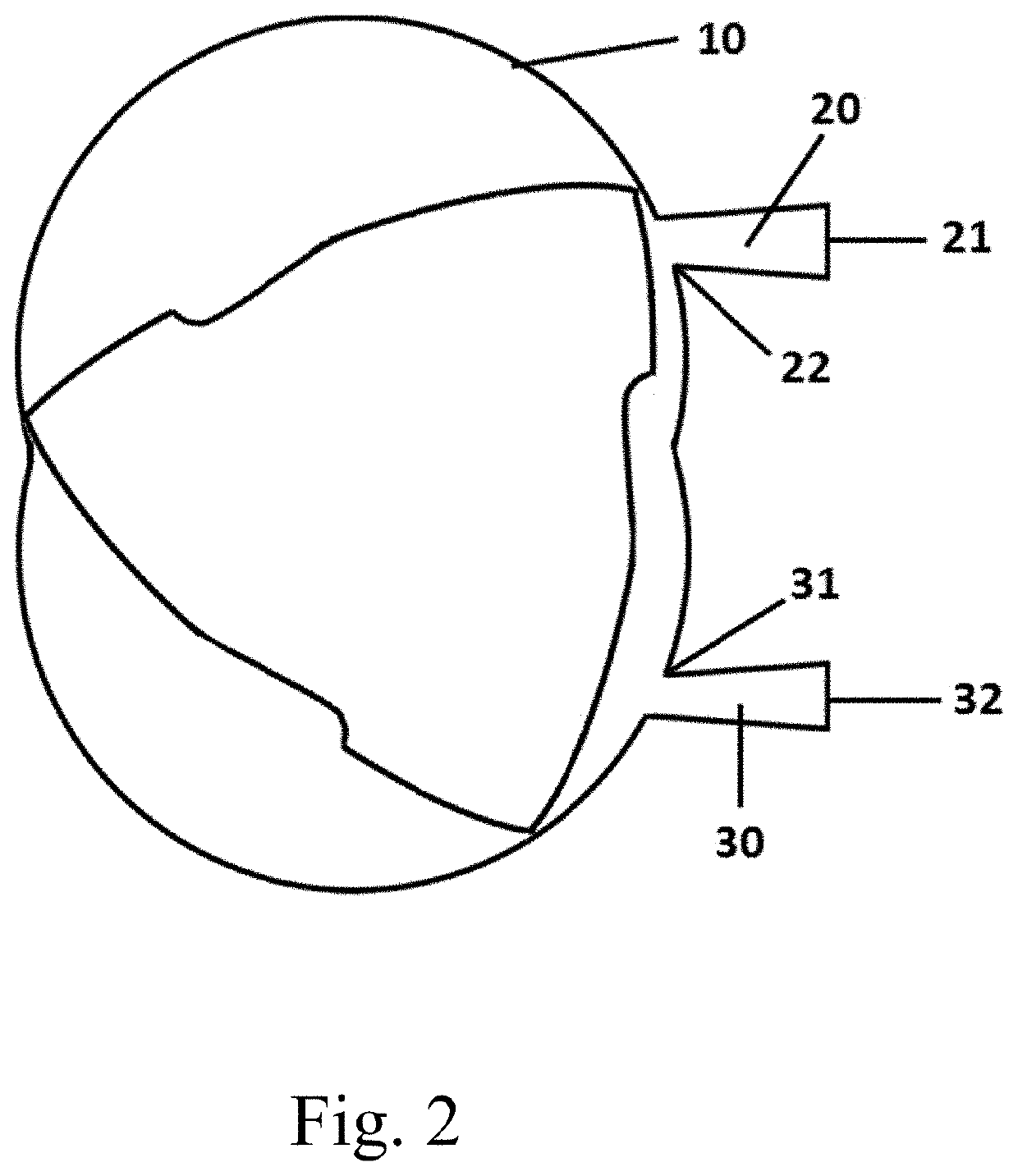
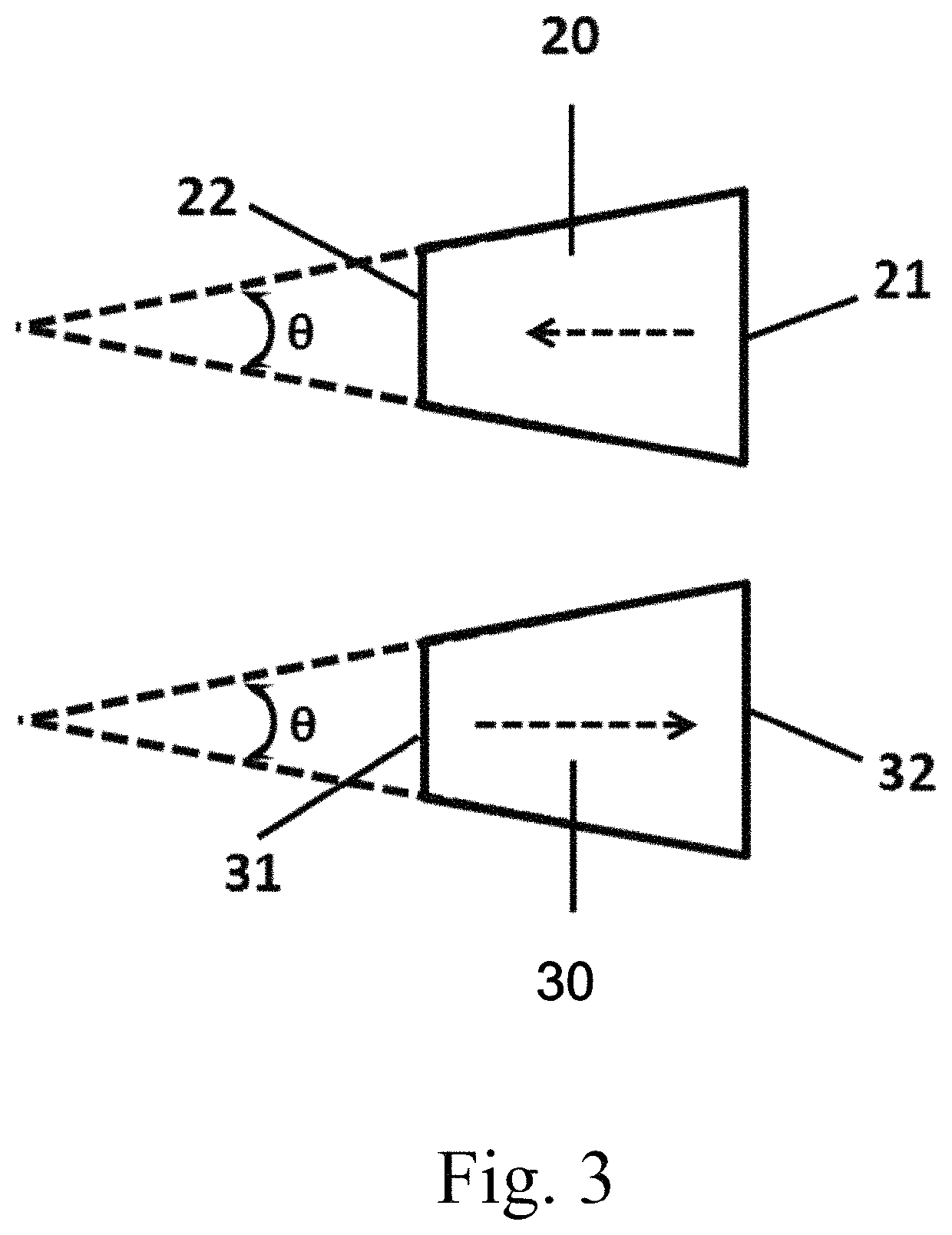
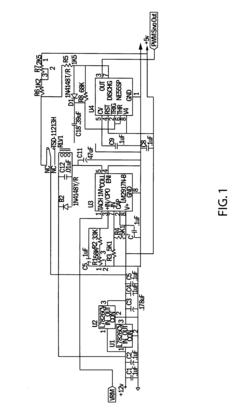
- An intake/outlet pipe optimization method using a simulation software package to determine optimal combinations of pipe length, diameter, shape, and angle, adjusting pressure waves to improve air intake and exhaust efficiency, implemented through tapered conical pipes with adjustable taper angles and lengths.

Volumetric efficiency in a charge cooled or air cooled wankel rotary engine
PatentInactiveUS20080056924A1
Innovation
- A one-piece side sealing system with improved manufacturing technology that reduces machining time, eliminates seal sticking, and enhances consistency, along with a custom electronic circuit for controlling the peripheral port and simplified rotor housing grinding and apex seal manufacturing processes.
Emission Standards Impact on Rotary Engine Development
The evolution of emission standards has fundamentally reshaped rotary engine development trajectories, creating both significant challenges and innovation opportunities for power output refinement. Since the implementation of the Clean Air Act in the 1970s, increasingly stringent regulations have forced manufacturers to balance performance optimization with environmental compliance, fundamentally altering traditional approaches to rotary engine design.
Early emission standards primarily focused on reducing hydrocarbon and carbon monoxide emissions, areas where rotary engines historically struggled due to their combustion chamber geometry and sealing characteristics. The Wankel engine's inherently long, narrow combustion chamber creates challenges in achieving complete fuel combustion, leading to higher unburned hydrocarbon emissions compared to conventional piston engines. These regulatory pressures initially hindered power output development as engineers prioritized emission reduction over performance enhancement.
The introduction of NOx emission limits in subsequent regulatory phases created additional complexity for rotary engine power refinement. Unlike piston engines, rotary engines operate with different thermal dynamics and combustion patterns, making traditional emission control technologies less effective. This regulatory environment necessitated innovative approaches to combustion optimization, including advanced fuel injection timing, improved sealing technologies, and sophisticated engine management systems that could maintain power output while meeting emission requirements.
Modern emission standards, particularly Euro 6 and EPA Tier 3 regulations, have intensified the challenge of developing high-performance rotary engines. These standards require significant reductions in particulate matter and NOx emissions while maintaining fuel efficiency standards. For rotary engine development, this has meant investing heavily in advanced combustion technologies, including direct injection systems, variable compression ratios, and hybrid powertrains that can supplement rotary engine output while reducing overall emissions.
The regulatory landscape has also influenced research priorities in rotary engine development, shifting focus toward alternative fuel compatibility and electrification integration. Hydrogen-fueled rotary engines and hybrid-electric configurations have emerged as promising solutions that can potentially deliver enhanced power output while meeting stringent emission requirements. These developments represent a paradigm shift in how manufacturers approach rotary engine power refinement within regulatory constraints.
Contemporary emission standards continue to drive innovation in rotary engine technology, with manufacturers exploring advanced materials, improved sealing systems, and sophisticated combustion control strategies. The regulatory environment has transformed emission compliance from a constraint into a catalyst for technological advancement, pushing the boundaries of rotary engine power output capabilities through innovative engineering solutions.
Early emission standards primarily focused on reducing hydrocarbon and carbon monoxide emissions, areas where rotary engines historically struggled due to their combustion chamber geometry and sealing characteristics. The Wankel engine's inherently long, narrow combustion chamber creates challenges in achieving complete fuel combustion, leading to higher unburned hydrocarbon emissions compared to conventional piston engines. These regulatory pressures initially hindered power output development as engineers prioritized emission reduction over performance enhancement.
The introduction of NOx emission limits in subsequent regulatory phases created additional complexity for rotary engine power refinement. Unlike piston engines, rotary engines operate with different thermal dynamics and combustion patterns, making traditional emission control technologies less effective. This regulatory environment necessitated innovative approaches to combustion optimization, including advanced fuel injection timing, improved sealing technologies, and sophisticated engine management systems that could maintain power output while meeting emission requirements.
Modern emission standards, particularly Euro 6 and EPA Tier 3 regulations, have intensified the challenge of developing high-performance rotary engines. These standards require significant reductions in particulate matter and NOx emissions while maintaining fuel efficiency standards. For rotary engine development, this has meant investing heavily in advanced combustion technologies, including direct injection systems, variable compression ratios, and hybrid powertrains that can supplement rotary engine output while reducing overall emissions.
The regulatory landscape has also influenced research priorities in rotary engine development, shifting focus toward alternative fuel compatibility and electrification integration. Hydrogen-fueled rotary engines and hybrid-electric configurations have emerged as promising solutions that can potentially deliver enhanced power output while meeting stringent emission requirements. These developments represent a paradigm shift in how manufacturers approach rotary engine power refinement within regulatory constraints.
Contemporary emission standards continue to drive innovation in rotary engine technology, with manufacturers exploring advanced materials, improved sealing systems, and sophisticated combustion control strategies. The regulatory environment has transformed emission compliance from a constraint into a catalyst for technological advancement, pushing the boundaries of rotary engine power output capabilities through innovative engineering solutions.
Fuel Efficiency Considerations in Rotary Power Design
Fuel efficiency represents a critical design parameter in rotary engine development, directly influencing both performance optimization and environmental compliance. The unique combustion chamber geometry of rotary engines creates distinct challenges for achieving optimal fuel consumption rates while maintaining power output levels. Unlike conventional piston engines, the elongated combustion chamber shape in rotary designs can lead to incomplete fuel burning and increased hydrocarbon emissions, necessitating specialized fuel delivery and mixing strategies.
The fuel injection timing and spray pattern optimization play pivotal roles in enhancing rotary engine efficiency. Advanced direct injection systems have demonstrated significant improvements by precisely controlling fuel delivery during the compression phase. Multi-point injection strategies, combined with variable injection timing, enable better fuel atomization and distribution across the combustion chamber's irregular geometry. These systems typically achieve 15-20% better fuel economy compared to traditional carburetor-based setups.
Combustion chamber design modifications significantly impact fuel utilization efficiency. The implementation of auxiliary combustion chambers or pre-chambers helps ensure more complete fuel burning by creating turbulent mixing zones. Strategic placement of spark plugs, often utilizing dual ignition systems, promotes faster flame propagation across the chamber, reducing unburned fuel residue and improving thermal efficiency from approximately 25% to 30-32%.
Air-fuel ratio management presents unique challenges in rotary engines due to varying chamber volumes throughout the rotation cycle. Adaptive fuel mapping systems that adjust mixture ratios based on engine load, speed, and temperature conditions have proven effective in optimizing efficiency. Lean-burn technologies, when properly implemented with enhanced ignition systems, can achieve significant fuel savings while maintaining acceptable power output levels.
Thermal management strategies directly correlate with fuel efficiency in rotary designs. Improved cooling system designs that maintain optimal operating temperatures prevent fuel vaporization issues and reduce the need for fuel enrichment during warm-up phases. Advanced materials and coatings for rotor and housing surfaces minimize heat loss while promoting complete combustion, contributing to overall fuel economy improvements of 8-12% in modern rotary engine applications.
The fuel injection timing and spray pattern optimization play pivotal roles in enhancing rotary engine efficiency. Advanced direct injection systems have demonstrated significant improvements by precisely controlling fuel delivery during the compression phase. Multi-point injection strategies, combined with variable injection timing, enable better fuel atomization and distribution across the combustion chamber's irregular geometry. These systems typically achieve 15-20% better fuel economy compared to traditional carburetor-based setups.
Combustion chamber design modifications significantly impact fuel utilization efficiency. The implementation of auxiliary combustion chambers or pre-chambers helps ensure more complete fuel burning by creating turbulent mixing zones. Strategic placement of spark plugs, often utilizing dual ignition systems, promotes faster flame propagation across the chamber, reducing unburned fuel residue and improving thermal efficiency from approximately 25% to 30-32%.
Air-fuel ratio management presents unique challenges in rotary engines due to varying chamber volumes throughout the rotation cycle. Adaptive fuel mapping systems that adjust mixture ratios based on engine load, speed, and temperature conditions have proven effective in optimizing efficiency. Lean-burn technologies, when properly implemented with enhanced ignition systems, can achieve significant fuel savings while maintaining acceptable power output levels.
Thermal management strategies directly correlate with fuel efficiency in rotary designs. Improved cooling system designs that maintain optimal operating temperatures prevent fuel vaporization issues and reduce the need for fuel enrichment during warm-up phases. Advanced materials and coatings for rotor and housing surfaces minimize heat loss while promoting complete combustion, contributing to overall fuel economy improvements of 8-12% in modern rotary engine applications.
Unlock deeper insights with PatSnap Eureka Quick Research — get a full tech report to explore trends and direct your research. Try now!
Generate Your Research Report Instantly with AI Agent
Supercharge your innovation with PatSnap Eureka AI Agent Platform!