Evaluate Web-Based Interest Trends for Xylitol Supplements
FEB 26, 20269 MIN READ
Generate Your Research Report Instantly with AI Agent
PatSnap Eureka helps you evaluate technical feasibility & market potential.
Xylitol Supplement Web Interest Background and Objectives
Xylitol, a five-carbon sugar alcohol, has emerged as a significant player in the dietary supplement and functional food markets over the past two decades. Originally discovered in birch bark by German chemist Emil Fischer in 1891, xylitol's commercial potential remained largely untapped until the mid-20th century when Finnish researchers demonstrated its remarkable dental health benefits. The compound's unique metabolic pathway, which bypasses insulin-dependent glucose metabolism, positioned it as an attractive alternative sweetener for diabetic populations and health-conscious consumers.
The digital transformation of consumer behavior has fundamentally altered how supplement markets develop and evolve. Web-based interest patterns now serve as leading indicators for market demand, consumer preferences, and emerging health trends. Unlike traditional market research methods that rely on retrospective data collection, digital analytics provide real-time insights into consumer curiosity, purchase intent, and product adoption cycles. This shift has made web-based trend analysis an essential tool for understanding supplement market dynamics.
The xylitol supplement sector represents a convergence of multiple health and wellness trends, including sugar reduction initiatives, dental health awareness, and metabolic health optimization. Consumer interest in xylitol extends beyond its traditional role as a sugar substitute, encompassing applications in oral care, digestive health, and weight management. This multifaceted appeal has created diverse consumer segments with varying information-seeking behaviors and purchase patterns.
Current market intelligence suggests that xylitol supplement interest exhibits distinct seasonal patterns, demographic variations, and geographic clustering. Understanding these web-based interest trends requires sophisticated analytical approaches that can differentiate between casual curiosity and genuine purchase intent. The challenge lies in interpreting search volume data, social media engagement metrics, and e-commerce behavior patterns to extract actionable market insights.
The primary objective of this analysis is to establish a comprehensive framework for monitoring and interpreting web-based interest trends specific to xylitol supplements. This involves developing methodologies to track search volume evolution, identify emerging consumer questions and concerns, and correlate digital engagement with actual market performance. The analysis aims to provide predictive capabilities that can inform product development, marketing strategies, and market entry decisions.
Secondary objectives include benchmarking xylitol supplement interest against competing sugar alcohols and alternative sweeteners, identifying key influencer networks and information sources that drive consumer awareness, and establishing baseline metrics for ongoing market surveillance. The ultimate goal is to transform disparate web-based signals into coherent market intelligence that supports strategic decision-making in the rapidly evolving supplement landscape.
The digital transformation of consumer behavior has fundamentally altered how supplement markets develop and evolve. Web-based interest patterns now serve as leading indicators for market demand, consumer preferences, and emerging health trends. Unlike traditional market research methods that rely on retrospective data collection, digital analytics provide real-time insights into consumer curiosity, purchase intent, and product adoption cycles. This shift has made web-based trend analysis an essential tool for understanding supplement market dynamics.
The xylitol supplement sector represents a convergence of multiple health and wellness trends, including sugar reduction initiatives, dental health awareness, and metabolic health optimization. Consumer interest in xylitol extends beyond its traditional role as a sugar substitute, encompassing applications in oral care, digestive health, and weight management. This multifaceted appeal has created diverse consumer segments with varying information-seeking behaviors and purchase patterns.
Current market intelligence suggests that xylitol supplement interest exhibits distinct seasonal patterns, demographic variations, and geographic clustering. Understanding these web-based interest trends requires sophisticated analytical approaches that can differentiate between casual curiosity and genuine purchase intent. The challenge lies in interpreting search volume data, social media engagement metrics, and e-commerce behavior patterns to extract actionable market insights.
The primary objective of this analysis is to establish a comprehensive framework for monitoring and interpreting web-based interest trends specific to xylitol supplements. This involves developing methodologies to track search volume evolution, identify emerging consumer questions and concerns, and correlate digital engagement with actual market performance. The analysis aims to provide predictive capabilities that can inform product development, marketing strategies, and market entry decisions.
Secondary objectives include benchmarking xylitol supplement interest against competing sugar alcohols and alternative sweeteners, identifying key influencer networks and information sources that drive consumer awareness, and establishing baseline metrics for ongoing market surveillance. The ultimate goal is to transform disparate web-based signals into coherent market intelligence that supports strategic decision-making in the rapidly evolving supplement landscape.
Market Demand Analysis for Xylitol Supplement Web Trends
The global xylitol supplements market has experienced substantial growth driven by increasing consumer awareness of oral health benefits and rising demand for sugar alternatives. Web-based interest trends indicate a significant shift toward natural sweeteners and functional supplements, with xylitol positioned as a premium ingredient in both dietary supplements and oral care products. The convergence of health consciousness and digital wellness communities has created a robust online ecosystem for xylitol-related products.
Consumer behavior analysis reveals distinct seasonal patterns in web searches and purchasing activities for xylitol supplements. Peak interest typically occurs during dental health awareness months and coincides with New Year wellness resolutions. Geographic distribution shows concentrated demand in North America and Europe, where regulatory frameworks support xylitol's health claims, while emerging markets in Asia-Pacific demonstrate accelerating adoption rates driven by urbanization and disposable income growth.
The demographic profile of xylitol supplement consumers skews toward health-conscious individuals aged 25-55, with particular strength among parents seeking cavity prevention solutions for children and diabetic populations requiring sugar alternatives. Social media engagement metrics demonstrate high conversion rates for educational content about xylitol's dental benefits, indicating strong correlation between information consumption and purchase intent.
E-commerce platforms report consistent year-over-year growth in xylitol supplement sales, with direct-to-consumer brands capturing significant market share through targeted digital marketing campaigns. The subscription model has gained traction, suggesting sustained consumer commitment rather than experimental purchasing behavior. Cross-selling opportunities with probiotics, vitamin D, and calcium supplements indicate broader integration into comprehensive oral health regimens.
Competitive intelligence from web analytics reveals intensifying brand competition, with established pharmaceutical companies and emerging nutraceutical startups vying for market position. Search engine optimization strategies increasingly focus on educational content marketing, reflecting consumer preference for evidence-based product information. The market demonstrates resilience to economic fluctuations, positioning xylitol supplements as essential rather than discretionary purchases within the broader wellness category.
Consumer behavior analysis reveals distinct seasonal patterns in web searches and purchasing activities for xylitol supplements. Peak interest typically occurs during dental health awareness months and coincides with New Year wellness resolutions. Geographic distribution shows concentrated demand in North America and Europe, where regulatory frameworks support xylitol's health claims, while emerging markets in Asia-Pacific demonstrate accelerating adoption rates driven by urbanization and disposable income growth.
The demographic profile of xylitol supplement consumers skews toward health-conscious individuals aged 25-55, with particular strength among parents seeking cavity prevention solutions for children and diabetic populations requiring sugar alternatives. Social media engagement metrics demonstrate high conversion rates for educational content about xylitol's dental benefits, indicating strong correlation between information consumption and purchase intent.
E-commerce platforms report consistent year-over-year growth in xylitol supplement sales, with direct-to-consumer brands capturing significant market share through targeted digital marketing campaigns. The subscription model has gained traction, suggesting sustained consumer commitment rather than experimental purchasing behavior. Cross-selling opportunities with probiotics, vitamin D, and calcium supplements indicate broader integration into comprehensive oral health regimens.
Competitive intelligence from web analytics reveals intensifying brand competition, with established pharmaceutical companies and emerging nutraceutical startups vying for market position. Search engine optimization strategies increasingly focus on educational content marketing, reflecting consumer preference for evidence-based product information. The market demonstrates resilience to economic fluctuations, positioning xylitol supplements as essential rather than discretionary purchases within the broader wellness category.
Current State of Web-Based Interest Tracking Technologies
Web-based interest tracking technologies have evolved significantly over the past decade, establishing sophisticated frameworks for monitoring consumer behavior and market trends across digital platforms. The current technological landscape encompasses multiple data collection methodologies, ranging from search engine analytics to social media sentiment analysis, each offering unique insights into consumer preferences and purchasing intentions.
Google Trends remains the dominant platform for tracking search-based interest patterns, providing normalized search volume data across geographic regions and time periods. This technology utilizes proprietary algorithms to process billions of search queries, offering relative interest scores that enable trend identification and comparative analysis. The platform's API integration capabilities allow for automated data extraction and real-time monitoring of keyword performance, making it particularly valuable for supplement market analysis.
Social media monitoring technologies represent another critical component of the current ecosystem. Platforms like Brandwatch, Hootsuite Insights, and Sprout Social employ natural language processing and machine learning algorithms to analyze conversations, mentions, and engagement patterns across multiple social networks. These tools can identify emerging trends, sentiment shifts, and influencer activities related to specific products like xylitol supplements.
Web scraping and data aggregation technologies have matured considerably, with tools like Scrapy, Beautiful Soup, and commercial solutions such as Import.io enabling systematic collection of product reviews, forum discussions, and e-commerce data. These technologies can track pricing trends, availability patterns, and consumer feedback across multiple online retailers and health-focused websites.
Advanced analytics platforms now integrate multiple data sources to provide comprehensive market intelligence. Tools like SEMrush, Ahrefs, and SimilarWeb combine search data, website traffic analytics, and competitive intelligence to offer holistic views of market interest and consumer behavior patterns.
Machine learning-powered sentiment analysis has become increasingly sophisticated, with technologies capable of processing unstructured text data from reviews, forums, and social media posts. These systems can identify subtle shifts in consumer attitudes toward specific supplement ingredients and health claims.
Real-time data processing capabilities have improved dramatically, with cloud-based solutions enabling continuous monitoring and alert systems for significant trend changes. This technological advancement allows for rapid response to emerging market opportunities or potential reputation issues.
Current limitations include data privacy regulations affecting tracking capabilities, platform-specific API restrictions, and the challenge of distinguishing between genuine consumer interest and artificially generated traffic or promotional activities.
Google Trends remains the dominant platform for tracking search-based interest patterns, providing normalized search volume data across geographic regions and time periods. This technology utilizes proprietary algorithms to process billions of search queries, offering relative interest scores that enable trend identification and comparative analysis. The platform's API integration capabilities allow for automated data extraction and real-time monitoring of keyword performance, making it particularly valuable for supplement market analysis.
Social media monitoring technologies represent another critical component of the current ecosystem. Platforms like Brandwatch, Hootsuite Insights, and Sprout Social employ natural language processing and machine learning algorithms to analyze conversations, mentions, and engagement patterns across multiple social networks. These tools can identify emerging trends, sentiment shifts, and influencer activities related to specific products like xylitol supplements.
Web scraping and data aggregation technologies have matured considerably, with tools like Scrapy, Beautiful Soup, and commercial solutions such as Import.io enabling systematic collection of product reviews, forum discussions, and e-commerce data. These technologies can track pricing trends, availability patterns, and consumer feedback across multiple online retailers and health-focused websites.
Advanced analytics platforms now integrate multiple data sources to provide comprehensive market intelligence. Tools like SEMrush, Ahrefs, and SimilarWeb combine search data, website traffic analytics, and competitive intelligence to offer holistic views of market interest and consumer behavior patterns.
Machine learning-powered sentiment analysis has become increasingly sophisticated, with technologies capable of processing unstructured text data from reviews, forums, and social media posts. These systems can identify subtle shifts in consumer attitudes toward specific supplement ingredients and health claims.
Real-time data processing capabilities have improved dramatically, with cloud-based solutions enabling continuous monitoring and alert systems for significant trend changes. This technological advancement allows for rapid response to emerging market opportunities or potential reputation issues.
Current limitations include data privacy regulations affecting tracking capabilities, platform-specific API restrictions, and the challenge of distinguishing between genuine consumer interest and artificially generated traffic or promotional activities.
Existing Web Interest Evaluation Solutions
01 Xylitol in oral care and dental health products
Xylitol is widely incorporated into oral care formulations including chewing gums, toothpastes, and mouth rinses due to its anti-cariogenic properties. It inhibits the growth of bacteria that cause tooth decay and promotes remineralization of tooth enamel. These products leverage xylitol's ability to reduce plaque formation and maintain oral pH balance, making it a preferred sweetener in dental health applications.- Xylitol in oral care and dental health products: Xylitol is widely incorporated into oral care formulations including chewing gums, toothpastes, and mouth rinses due to its anti-cariogenic properties. It inhibits the growth of bacteria that cause dental cavities and promotes remineralization of tooth enamel. These products leverage xylitol's ability to reduce plaque formation and maintain oral pH balance, making it a preferred sweetener in dental health supplements.
- Xylitol as a sugar substitute in food and beverage applications: Xylitol serves as a low-calorie sweetener in various food and beverage products, providing sweetness comparable to sucrose while having minimal impact on blood glucose levels. It is particularly beneficial for diabetic-friendly products and weight management formulations. The ingredient is used in confectionery, baked goods, and functional beverages to meet consumer demand for healthier alternatives to traditional sugars.
- Xylitol in pharmaceutical and nutraceutical formulations: Xylitol is utilized in pharmaceutical preparations and dietary supplements as an excipient, sweetening agent, and active ingredient. It enhances palatability of medicinal products while providing additional health benefits such as supporting metabolic health and immune function. The compound is incorporated into tablets, syrups, and nutritional supplements designed for various therapeutic applications.
- Xylitol production and manufacturing processes: Various biotechnological and chemical processes have been developed for efficient xylitol production from renewable resources. These methods include fermentation using specific microorganisms, enzymatic conversion, and chemical hydrogenation of xylose. Innovations focus on improving yield, reducing production costs, and utilizing agricultural waste materials as feedstock for sustainable xylitol manufacturing.
- Xylitol in functional foods and health-promoting compositions: Xylitol is incorporated into functional food products and health supplements targeting specific wellness benefits beyond basic nutrition. These formulations address digestive health, bone health, and metabolic support. The ingredient is combined with other bioactive compounds to create synergistic effects in products designed for health-conscious consumers seeking preventive healthcare solutions.
02 Xylitol as a sugar substitute in food and beverage applications
Xylitol serves as a low-calorie sweetener in various food and beverage products, providing sweetness comparable to sucrose while having minimal impact on blood glucose levels. It is particularly valuable in diabetic-friendly products and weight management formulations. The ingredient offers additional benefits such as moisture retention and texture enhancement in food products, making it suitable for confectionery, baked goods, and functional beverages.Expand Specific Solutions03 Pharmaceutical and nutraceutical formulations containing xylitol
Xylitol is utilized in pharmaceutical preparations as an excipient and active ingredient in dietary supplements. It functions as a bulking agent, sweetener, and stabilizer in tablet and capsule formulations. The compound demonstrates prebiotic effects and supports digestive health, leading to its inclusion in various nutraceutical products aimed at metabolic health and wellness applications.Expand Specific Solutions04 Xylitol in cosmetic and personal care formulations
Xylitol is incorporated into cosmetic and skincare products for its humectant properties and ability to enhance skin hydration. It helps maintain moisture balance and improves the texture of topical formulations. The ingredient also exhibits antimicrobial properties that contribute to product preservation and skin health benefits, making it valuable in lotions, creams, and other personal care items.Expand Specific Solutions05 Production methods and purification processes for xylitol
Various biotechnological and chemical processes have been developed for the efficient production and purification of xylitol from different raw materials. These methods include fermentation processes using specific microorganisms, enzymatic conversion of xylose, and crystallization techniques for obtaining high-purity xylitol. Innovations focus on improving yield, reducing production costs, and utilizing renewable biomass sources for sustainable manufacturing.Expand Specific Solutions
Key Players in Web Analytics and Supplement Industry
The xylitol supplements market represents a mature growth phase within the broader functional food and nutraceutical industry, driven by increasing consumer awareness of sugar alternatives and oral health benefits. The market demonstrates significant scale with established players spanning pharmaceutical manufacturing, agricultural processing, and biotechnology sectors. Technology maturity varies considerably across key participants: established giants like Cargill and Archer-Daniels-Midland leverage advanced industrial-scale production capabilities, while specialized pharmaceutical companies such as Tasly Pharmaceutical Group and Zhejiang Huakang Pharmaceutical focus on refined processing technologies. Research institutions including Zhejiang University and KAIST contribute to innovation in production optimization and applications. The competitive landscape shows consolidation around companies with strong supply chain integration and manufacturing expertise, indicating a technology-mature market with differentiation occurring through production efficiency, quality control, and targeted health applications rather than fundamental technological breakthroughs.
Cargill, Inc.
Technical Solution: Cargill operates as a leading global producer of xylitol through advanced fermentation and chemical synthesis processes. The company leverages biotechnology platforms to produce high-purity xylitol from agricultural feedstocks including corn cobs and birch wood. Their integrated supply chain approach combines raw material sourcing, processing, and distribution capabilities to serve the growing supplement market. Cargill's xylitol production utilizes proprietary purification technologies that ensure pharmaceutical-grade quality suitable for dietary supplements. The company has established strategic partnerships with supplement manufacturers and maintains comprehensive quality control systems throughout the production process.
Strengths: Established global supply chain, proven production capabilities, pharmaceutical-grade quality standards. Weaknesses: High production costs, dependence on agricultural feedstock availability.
Danisco US, Inc.
Technical Solution: Danisco specializes in biotechnology-based xylitol production using engineered microbial fermentation systems. The company has developed proprietary yeast strains optimized for xylitol biosynthesis from renewable biomass sources. Their technology platform focuses on sustainable production methods that reduce environmental impact while maintaining cost-effectiveness. Danisco's approach includes advanced downstream processing techniques for xylitol purification and crystallization, ensuring consistent product quality for supplement applications. The company provides technical support and application expertise to supplement manufacturers, helping optimize xylitol formulations for enhanced bioavailability and consumer acceptance.
Strengths: Advanced biotechnology platform, sustainable production methods, strong technical support capabilities. Weaknesses: Limited production scale compared to chemical synthesis methods, higher initial investment requirements.
Core Technologies in Digital Trend Analysis
A process for the conversion of xylose to xylitol using candida tropicalis
PatentInactiveIN1005DEL2010A
Innovation
- A novel fermentation process using a high-yielding strain of Candida tropicalis MTCC 5486, optimized with specific nutritional and environmental parameters, coupled with ion exchange chromatography and cooling crystallization for efficient xylitol recovery and purification, eliminating the need for expensive co-substrates and reducing fermentation time.
Materials and methods for the efficient production of xylitol
PatentInactiveUS20070072280A1
Innovation
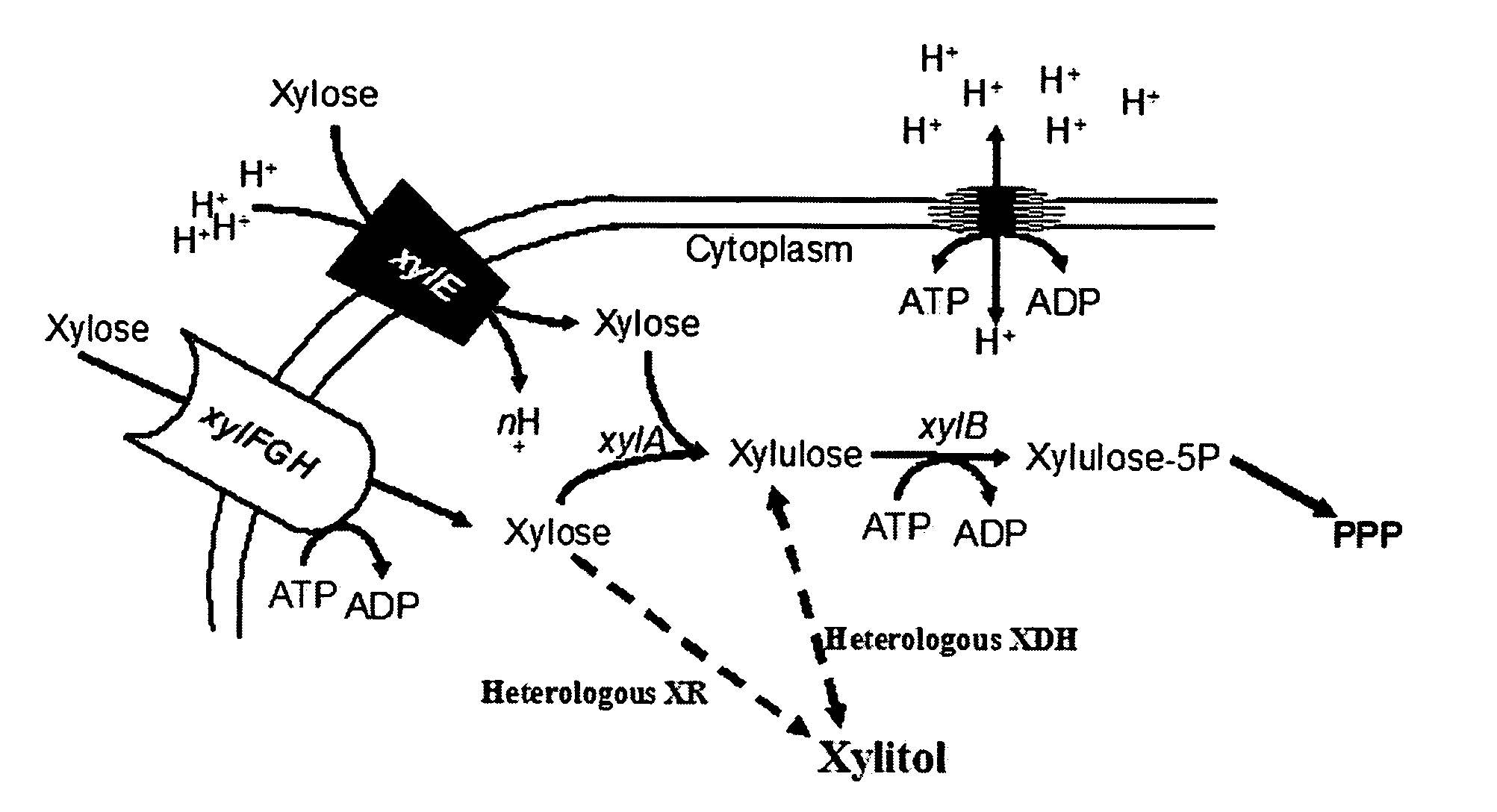
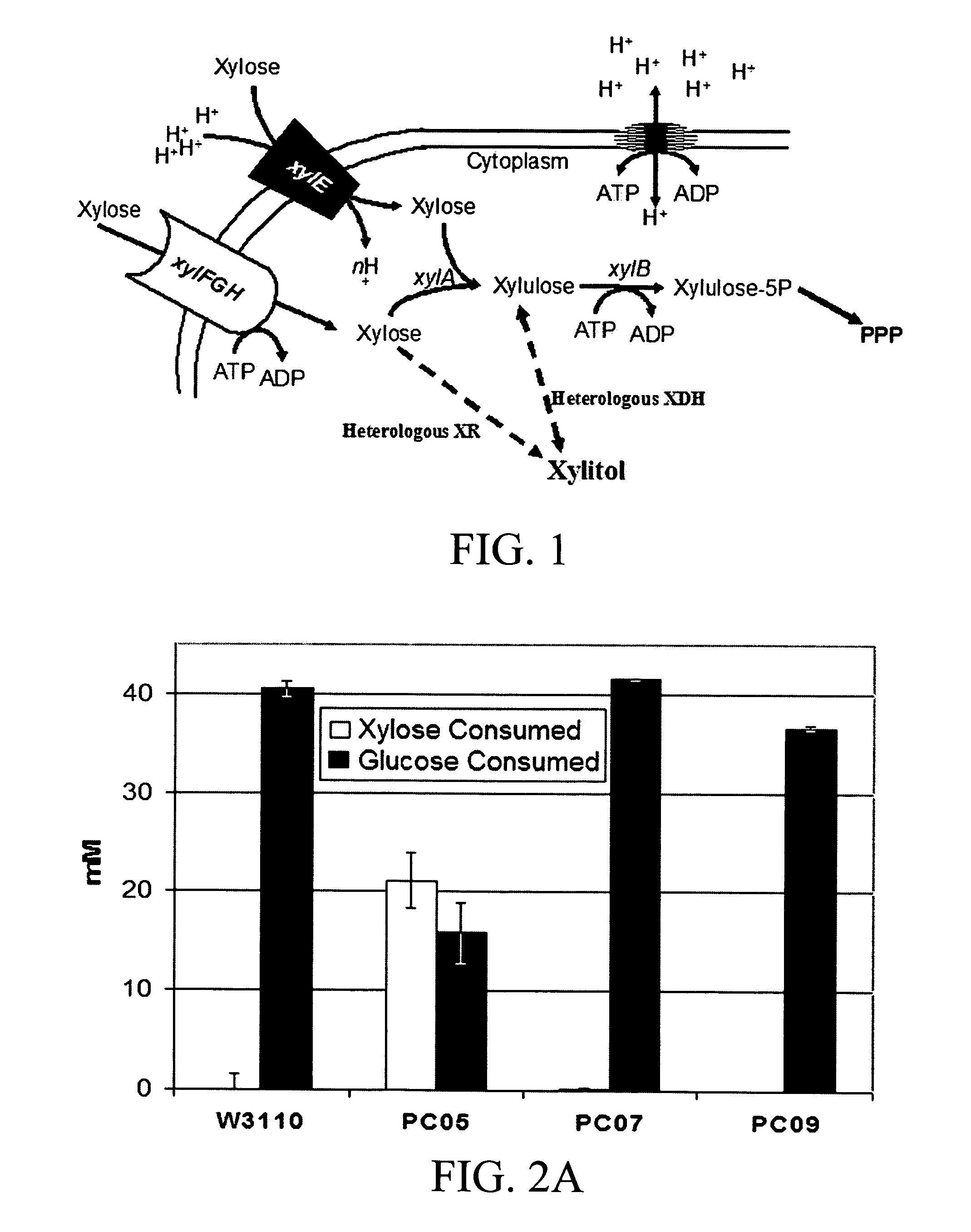
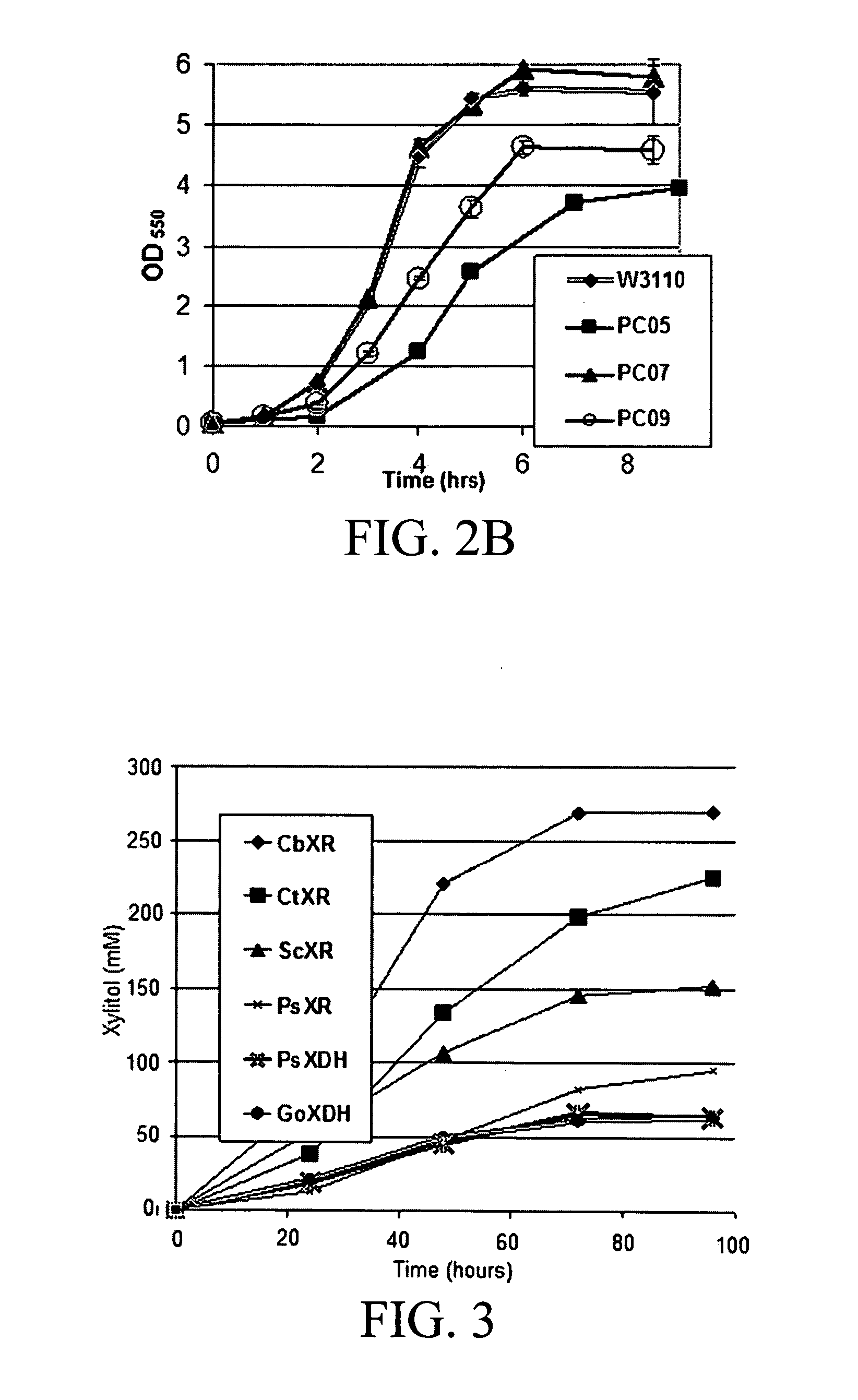
- Engineered E. coli strains are developed to express xylose reductase and xylitol dehydrogenase enzymes, utilizing a mutant crp gene and xylulokinase deletion to enable efficient xylose uptake and conversion to xylitol, even in the presence of carbon substrates like glucose, using a less energy-intensive mechanism.

Regulatory Framework for Supplement Marketing Analytics
The regulatory landscape governing supplement marketing analytics presents a complex framework that directly impacts how web-based interest trend analysis for xylitol supplements can be conducted and utilized. In the United States, the Federal Trade Commission (FTC) and Food and Drug Administration (FDA) establish primary oversight mechanisms that influence data collection methodologies and analytical approaches for supplement marketing research.
Under the Dietary Supplement Health and Education Act (DSHEA), marketing analytics must carefully distinguish between permissible structure-function claims and prohibited disease claims when analyzing consumer interest patterns. This regulatory distinction significantly affects how web-based trend data can be interpreted and applied in marketing strategies, requiring analytics frameworks to incorporate compliance screening mechanisms that filter content based on regulatory boundaries.
The FTC's substantiation requirements mandate that any marketing claims derived from web-based interest analysis must be supported by competent and reliable scientific evidence. This regulatory standard directly impacts analytical methodologies, necessitating robust data validation processes and statistical significance testing when drawing conclusions from online search trends, social media engagement patterns, and consumer behavior analytics.
European regulations under the European Food Safety Authority (EFSA) introduce additional complexity for global supplement marketing analytics. The Novel Food Regulation and health claims legislation require that analytical frameworks account for regional regulatory variations, particularly when evaluating cross-border interest trends and developing international marketing strategies based on web analytics data.
Privacy regulations including GDPR and CCPA impose strict constraints on data collection and processing methodologies used in web-based interest trend analysis. These frameworks mandate explicit consent mechanisms, data anonymization protocols, and user rights management systems that fundamentally alter how consumer interest data can be gathered, stored, and analyzed for marketing purposes.
Emerging regulatory trends indicate increasing scrutiny of digital marketing practices and algorithmic decision-making in supplement promotion. Regulatory bodies are developing new guidelines for social media marketing, influencer partnerships, and targeted advertising based on consumer interest analytics, requiring continuous adaptation of analytical frameworks to maintain compliance while preserving analytical effectiveness.
Under the Dietary Supplement Health and Education Act (DSHEA), marketing analytics must carefully distinguish between permissible structure-function claims and prohibited disease claims when analyzing consumer interest patterns. This regulatory distinction significantly affects how web-based trend data can be interpreted and applied in marketing strategies, requiring analytics frameworks to incorporate compliance screening mechanisms that filter content based on regulatory boundaries.
The FTC's substantiation requirements mandate that any marketing claims derived from web-based interest analysis must be supported by competent and reliable scientific evidence. This regulatory standard directly impacts analytical methodologies, necessitating robust data validation processes and statistical significance testing when drawing conclusions from online search trends, social media engagement patterns, and consumer behavior analytics.
European regulations under the European Food Safety Authority (EFSA) introduce additional complexity for global supplement marketing analytics. The Novel Food Regulation and health claims legislation require that analytical frameworks account for regional regulatory variations, particularly when evaluating cross-border interest trends and developing international marketing strategies based on web analytics data.
Privacy regulations including GDPR and CCPA impose strict constraints on data collection and processing methodologies used in web-based interest trend analysis. These frameworks mandate explicit consent mechanisms, data anonymization protocols, and user rights management systems that fundamentally alter how consumer interest data can be gathered, stored, and analyzed for marketing purposes.
Emerging regulatory trends indicate increasing scrutiny of digital marketing practices and algorithmic decision-making in supplement promotion. Regulatory bodies are developing new guidelines for social media marketing, influencer partnerships, and targeted advertising based on consumer interest analytics, requiring continuous adaptation of analytical frameworks to maintain compliance while preserving analytical effectiveness.
Data Privacy Considerations in Health Trend Monitoring
The collection and analysis of web-based interest trends for xylitol supplements necessitates careful consideration of data privacy regulations and ethical frameworks. Health-related search behaviors and supplement interest patterns constitute sensitive personal information that falls under various privacy protection schemes globally. Organizations monitoring these trends must navigate complex regulatory landscapes including GDPR in Europe, CCPA in California, and emerging health data protection laws worldwide.
Personal health information derived from search queries, browsing patterns, and supplement-related online activities requires explicit consent mechanisms and transparent data handling practices. The aggregation of xylitol supplement interest data must implement privacy-preserving techniques such as differential privacy, data anonymization, and pseudonymization to protect individual identities while maintaining analytical value. These approaches ensure that trend analysis remains statistically meaningful without compromising user privacy.
Cross-platform data integration presents additional privacy challenges when combining search engine data, social media interactions, and e-commerce behaviors related to xylitol supplements. Each platform maintains distinct privacy policies and user consent frameworks, requiring harmonized approaches to data collection and processing. Organizations must establish clear data governance protocols that address data retention periods, purpose limitations, and user rights including access, rectification, and deletion requests.
The international nature of web-based trend monitoring introduces jurisdictional complexities where data subjects may reside in different regulatory environments than data controllers or processors. Health trend monitoring systems must incorporate privacy-by-design principles, implementing technical and organizational measures that ensure compliance across multiple jurisdictions while maintaining the integrity of xylitol supplement trend analysis.
Emerging privacy technologies such as federated learning and homomorphic encryption offer promising solutions for conducting health trend analysis without centralizing sensitive data. These approaches enable collaborative research and trend identification while preserving individual privacy and meeting regulatory requirements. The implementation of such technologies requires careful evaluation of computational overhead, accuracy trade-offs, and integration complexity within existing monitoring infrastructures.
Personal health information derived from search queries, browsing patterns, and supplement-related online activities requires explicit consent mechanisms and transparent data handling practices. The aggregation of xylitol supplement interest data must implement privacy-preserving techniques such as differential privacy, data anonymization, and pseudonymization to protect individual identities while maintaining analytical value. These approaches ensure that trend analysis remains statistically meaningful without compromising user privacy.
Cross-platform data integration presents additional privacy challenges when combining search engine data, social media interactions, and e-commerce behaviors related to xylitol supplements. Each platform maintains distinct privacy policies and user consent frameworks, requiring harmonized approaches to data collection and processing. Organizations must establish clear data governance protocols that address data retention periods, purpose limitations, and user rights including access, rectification, and deletion requests.
The international nature of web-based trend monitoring introduces jurisdictional complexities where data subjects may reside in different regulatory environments than data controllers or processors. Health trend monitoring systems must incorporate privacy-by-design principles, implementing technical and organizational measures that ensure compliance across multiple jurisdictions while maintaining the integrity of xylitol supplement trend analysis.
Emerging privacy technologies such as federated learning and homomorphic encryption offer promising solutions for conducting health trend analysis without centralizing sensitive data. These approaches enable collaborative research and trend identification while preserving individual privacy and meeting regulatory requirements. The implementation of such technologies requires careful evaluation of computational overhead, accuracy trade-offs, and integration complexity within existing monitoring infrastructures.
Unlock deeper insights with PatSnap Eureka Quick Research — get a full tech report to explore trends and direct your research. Try now!
Generate Your Research Report Instantly with AI Agent
Supercharge your innovation with PatSnap Eureka AI Agent Platform!