Optimize Extraction Techniques for High-Purity Xylitol
FEB 26, 20269 MIN READ
Generate Your Research Report Instantly with AI Agent
PatSnap Eureka helps you evaluate technical feasibility & market potential.
Xylitol Extraction Technology Background and Objectives
Xylitol, a five-carbon sugar alcohol, has emerged as a critical alternative sweetener in the global food and pharmaceutical industries due to its unique properties including low glycemic index, dental health benefits, and caloric reduction compared to traditional sugars. The compound occurs naturally in various fruits and vegetables but in concentrations too low for commercial extraction, necessitating industrial production methods primarily through chemical conversion or biotechnological processes.
The historical development of xylitol extraction technology traces back to the 1890s when it was first isolated from birch bark by German chemist Emil Fischer. However, commercial production only became viable during World War II when Finland developed large-scale extraction processes from birch wood due to sugar shortages. The technology has since evolved from traditional acid hydrolysis of lignocellulosic materials to sophisticated enzymatic and fermentation-based approaches.
Current extraction methodologies face significant challenges in achieving high-purity xylitol while maintaining economic viability. Traditional chemical hydrolysis methods, while established, often result in complex product mixtures requiring extensive purification steps that increase production costs and reduce overall yield. The presence of impurities such as arabinose, glucose, and various organic acids complicates the separation process and affects final product quality.
Modern biotechnological approaches utilizing engineered microorganisms show promise but encounter obstacles in metabolic efficiency and downstream processing complexity. The conversion of xylose to xylitol through microbial fermentation requires precise control of environmental conditions and often suffers from product inhibition effects that limit achievable concentrations.
The primary objective of optimizing extraction techniques centers on developing integrated processes that maximize xylitol purity while minimizing production costs and environmental impact. This involves advancing separation technologies, improving catalyst systems for chemical conversion, and enhancing microbial strains for biotechnological production. Key performance indicators include achieving xylitol purity levels exceeding 99.5%, reducing energy consumption by at least 20% compared to conventional methods, and establishing scalable processes suitable for industrial implementation.
Secondary objectives encompass developing sustainable feedstock utilization strategies, particularly focusing on agricultural waste streams and non-food biomass sources to avoid competition with food supply chains. The integration of circular economy principles aims to create zero-waste production systems where by-products find valuable applications in other industrial sectors.
The historical development of xylitol extraction technology traces back to the 1890s when it was first isolated from birch bark by German chemist Emil Fischer. However, commercial production only became viable during World War II when Finland developed large-scale extraction processes from birch wood due to sugar shortages. The technology has since evolved from traditional acid hydrolysis of lignocellulosic materials to sophisticated enzymatic and fermentation-based approaches.
Current extraction methodologies face significant challenges in achieving high-purity xylitol while maintaining economic viability. Traditional chemical hydrolysis methods, while established, often result in complex product mixtures requiring extensive purification steps that increase production costs and reduce overall yield. The presence of impurities such as arabinose, glucose, and various organic acids complicates the separation process and affects final product quality.
Modern biotechnological approaches utilizing engineered microorganisms show promise but encounter obstacles in metabolic efficiency and downstream processing complexity. The conversion of xylose to xylitol through microbial fermentation requires precise control of environmental conditions and often suffers from product inhibition effects that limit achievable concentrations.
The primary objective of optimizing extraction techniques centers on developing integrated processes that maximize xylitol purity while minimizing production costs and environmental impact. This involves advancing separation technologies, improving catalyst systems for chemical conversion, and enhancing microbial strains for biotechnological production. Key performance indicators include achieving xylitol purity levels exceeding 99.5%, reducing energy consumption by at least 20% compared to conventional methods, and establishing scalable processes suitable for industrial implementation.
Secondary objectives encompass developing sustainable feedstock utilization strategies, particularly focusing on agricultural waste streams and non-food biomass sources to avoid competition with food supply chains. The integration of circular economy principles aims to create zero-waste production systems where by-products find valuable applications in other industrial sectors.
Market Demand Analysis for High-Purity Xylitol Products
The global xylitol market has experienced substantial growth driven by increasing consumer awareness of health and wellness, particularly regarding sugar alternatives. High-purity xylitol products command premium positioning within this expanding market due to their superior quality characteristics and broader application potential across multiple industries.
The food and beverage sector represents the largest consumption segment for high-purity xylitol, with particular strength in sugar-free confectionery, chewing gum, and functional beverages. Consumer demand has shifted significantly toward products with clean labels and natural sweetening solutions, creating sustained market pull for high-purity variants that meet stringent food safety standards.
Pharmaceutical applications constitute a rapidly growing demand segment, where high-purity xylitol serves as an excipient in oral care products, cough syrups, and pharmaceutical formulations. The pharmaceutical industry's strict purity requirements drive premium pricing for products meeting USP and EP specifications, creating attractive market opportunities for manufacturers capable of consistent high-purity production.
The oral care industry has emerged as a key growth driver, with dental professionals increasingly recommending xylitol-containing products for cavity prevention and oral health maintenance. This professional endorsement has translated into consumer acceptance and sustained demand growth for high-purity xylitol in toothpastes, mouthwashes, and dental chewing gums.
Market capacity continues expanding globally, with particularly strong growth observed in North American and European markets where regulatory frameworks support xylitol applications. Asian markets, especially China and India, demonstrate accelerating adoption rates as disposable income increases and health consciousness grows among urban populations.
Industry trends indicate increasing demand for organic and non-GMO certified high-purity xylitol products, reflecting broader consumer preferences for natural and sustainably produced ingredients. This trend creates differentiation opportunities for manufacturers implementing advanced extraction and purification technologies that preserve product integrity while meeting certification requirements.
The competitive landscape shows consolidation around suppliers capable of delivering consistent high-purity grades, with quality assurance and supply chain reliability becoming key differentiating factors in customer selection processes.
The food and beverage sector represents the largest consumption segment for high-purity xylitol, with particular strength in sugar-free confectionery, chewing gum, and functional beverages. Consumer demand has shifted significantly toward products with clean labels and natural sweetening solutions, creating sustained market pull for high-purity variants that meet stringent food safety standards.
Pharmaceutical applications constitute a rapidly growing demand segment, where high-purity xylitol serves as an excipient in oral care products, cough syrups, and pharmaceutical formulations. The pharmaceutical industry's strict purity requirements drive premium pricing for products meeting USP and EP specifications, creating attractive market opportunities for manufacturers capable of consistent high-purity production.
The oral care industry has emerged as a key growth driver, with dental professionals increasingly recommending xylitol-containing products for cavity prevention and oral health maintenance. This professional endorsement has translated into consumer acceptance and sustained demand growth for high-purity xylitol in toothpastes, mouthwashes, and dental chewing gums.
Market capacity continues expanding globally, with particularly strong growth observed in North American and European markets where regulatory frameworks support xylitol applications. Asian markets, especially China and India, demonstrate accelerating adoption rates as disposable income increases and health consciousness grows among urban populations.
Industry trends indicate increasing demand for organic and non-GMO certified high-purity xylitol products, reflecting broader consumer preferences for natural and sustainably produced ingredients. This trend creates differentiation opportunities for manufacturers implementing advanced extraction and purification technologies that preserve product integrity while meeting certification requirements.
The competitive landscape shows consolidation around suppliers capable of delivering consistent high-purity grades, with quality assurance and supply chain reliability becoming key differentiating factors in customer selection processes.
Current Xylitol Extraction Challenges and Technical Barriers
The extraction of high-purity xylitol faces significant technical barriers that limit industrial scalability and economic viability. Current extraction processes predominantly rely on traditional crystallization methods, which struggle to achieve consistent purity levels above 99% while maintaining cost-effectiveness. The primary challenge stems from the complex separation of xylitol from structurally similar polyols and residual sugars present in fermentation broths or hydrolysis solutions.
Conventional purification techniques encounter substantial difficulties in removing trace impurities, particularly arabitol, sorbitol, and residual xylose, which share similar physicochemical properties with xylitol. These impurities significantly impact the final product quality and limit applications in pharmaceutical and food-grade markets. The separation efficiency of current ion-exchange resins and chromatographic methods remains suboptimal, requiring multiple purification cycles that increase processing costs and reduce overall yield.
Temperature sensitivity presents another critical barrier, as xylitol degradation occurs at elevated temperatures commonly used in traditional concentration and crystallization processes. This thermal instability necessitates energy-intensive low-temperature operations, substantially increasing production costs and limiting throughput capacity. The challenge is further compounded by xylitol's hygroscopic nature, which complicates drying and storage processes.
Solvent recovery and recycling inefficiencies in current extraction systems create both economic and environmental constraints. Existing solvent-based extraction methods suffer from incomplete recovery rates, leading to increased operational costs and potential environmental concerns. The lack of selective solvents specifically optimized for xylitol extraction results in co-extraction of unwanted compounds, requiring additional purification steps.
Scale-up challenges represent a significant technical barrier, as laboratory-scale extraction methods often fail to maintain efficiency and purity standards when translated to industrial production. Process optimization parameters that work effectively at small scales frequently require substantial modifications for commercial implementation, leading to extended development timelines and increased capital investment requirements.
Current membrane separation technologies face limitations in achieving the required selectivity for high-purity xylitol extraction. Membrane fouling, limited flux rates, and insufficient rejection coefficients for similar-sized molecules restrict the effectiveness of ultrafiltration and nanofiltration approaches. These limitations necessitate frequent membrane replacement and cleaning cycles, impacting overall process economics and operational continuity.
Conventional purification techniques encounter substantial difficulties in removing trace impurities, particularly arabitol, sorbitol, and residual xylose, which share similar physicochemical properties with xylitol. These impurities significantly impact the final product quality and limit applications in pharmaceutical and food-grade markets. The separation efficiency of current ion-exchange resins and chromatographic methods remains suboptimal, requiring multiple purification cycles that increase processing costs and reduce overall yield.
Temperature sensitivity presents another critical barrier, as xylitol degradation occurs at elevated temperatures commonly used in traditional concentration and crystallization processes. This thermal instability necessitates energy-intensive low-temperature operations, substantially increasing production costs and limiting throughput capacity. The challenge is further compounded by xylitol's hygroscopic nature, which complicates drying and storage processes.
Solvent recovery and recycling inefficiencies in current extraction systems create both economic and environmental constraints. Existing solvent-based extraction methods suffer from incomplete recovery rates, leading to increased operational costs and potential environmental concerns. The lack of selective solvents specifically optimized for xylitol extraction results in co-extraction of unwanted compounds, requiring additional purification steps.
Scale-up challenges represent a significant technical barrier, as laboratory-scale extraction methods often fail to maintain efficiency and purity standards when translated to industrial production. Process optimization parameters that work effectively at small scales frequently require substantial modifications for commercial implementation, leading to extended development timelines and increased capital investment requirements.
Current membrane separation technologies face limitations in achieving the required selectivity for high-purity xylitol extraction. Membrane fouling, limited flux rates, and insufficient rejection coefficients for similar-sized molecules restrict the effectiveness of ultrafiltration and nanofiltration approaches. These limitations necessitate frequent membrane replacement and cleaning cycles, impacting overall process economics and operational continuity.
Existing High-Purity Xylitol Extraction Solutions
01 Crystallization methods for xylitol purification
Crystallization is a key technique for purifying xylitol from fermentation broths or chemical synthesis mixtures. The process involves controlling temperature, concentration, and cooling rates to achieve high-purity xylitol crystals. Multiple crystallization stages can be employed to remove impurities and increase product purity. The method is effective in separating xylitol from other polyols and residual sugars.- Crystallization methods for xylitol purification: Crystallization is a key technique for purifying xylitol from fermentation broths or chemical synthesis solutions. The process involves controlling temperature, concentration, and cooling rates to achieve high-purity xylitol crystals. Multiple crystallization stages can be employed to remove impurities and increase product purity. The method is effective in separating xylitol from other polyols and residual sugars.
- Chromatographic separation techniques for xylitol refinement: Chromatographic methods, including ion exchange and simulated moving bed chromatography, are utilized to achieve high-purity xylitol. These techniques effectively separate xylitol from similar molecular weight compounds and ionic impurities. The process parameters such as resin selection, flow rates, and eluent composition are optimized to maximize purity and yield. This approach is particularly suitable for pharmaceutical-grade xylitol production.
- Membrane filtration and concentration processes: Membrane-based technologies including ultrafiltration, nanofiltration, and reverse osmosis are employed to purify and concentrate xylitol solutions. These methods remove proteins, colorants, and other macromolecular impurities while concentrating the xylitol content. The membrane processes can be combined with other purification steps to achieve desired purity levels. This approach offers advantages in terms of energy efficiency and continuous operation.
- Decolorization and activated carbon treatment: Activated carbon treatment and decolorization processes are essential steps in xylitol purification to remove colored impurities, odor compounds, and trace organic contaminants. The treatment conditions including carbon dosage, contact time, and temperature are optimized to achieve maximum impurity removal while minimizing xylitol loss. Ion exchange resins may also be used in combination with activated carbon for enhanced purification. These methods significantly improve the visual quality and purity of the final xylitol product.
- Integrated purification systems and quality control: Comprehensive purification systems combine multiple unit operations including filtration, crystallization, drying, and quality testing to produce high-purity xylitol. The integrated approach optimizes the sequence and parameters of each purification step to maximize overall efficiency and product quality. Advanced analytical methods are employed to monitor and control purity throughout the process. Equipment design and automation play crucial roles in maintaining consistent product quality and meeting pharmaceutical or food-grade specifications.
02 Chromatographic separation techniques
Chromatographic methods, including ion exchange and simulated moving bed chromatography, are utilized to achieve high-purity xylitol. These techniques separate xylitol from other components based on differences in molecular properties and interactions with stationary phases. The process can effectively remove color bodies, salts, and other sugar alcohols to obtain pharmaceutical or food-grade xylitol with purity exceeding specific standards.Expand Specific Solutions03 Membrane filtration and separation processes
Membrane-based technologies such as ultrafiltration, nanofiltration, and reverse osmosis are employed for xylitol purification. These processes remove proteins, microorganisms, and high molecular weight impurities while concentrating xylitol solutions. Membrane separation offers advantages in energy efficiency and can be combined with other purification methods to achieve desired purity levels for various applications.Expand Specific Solutions04 Activated carbon decolorization and adsorption
Activated carbon treatment is used to remove color impurities, odors, and organic contaminants from xylitol solutions. The adsorption process involves contacting xylitol-containing liquids with activated carbon under controlled conditions of temperature, pH, and contact time. This method improves the appearance and purity of the final xylitol product by eliminating trace impurities that affect quality.Expand Specific Solutions05 Ion exchange resin treatment
Ion exchange resins are employed to remove ionic impurities, including salts, acids, and bases, from xylitol solutions. The process involves passing xylitol-containing liquids through columns packed with cation and anion exchange resins to achieve demineralization. This treatment enhances xylitol purity by eliminating charged contaminants and can be integrated into multi-step purification schemes for producing high-grade xylitol suitable for pharmaceutical and food applications.Expand Specific Solutions
Major Players in Xylitol Manufacturing Industry
The high-purity xylitol extraction technology sector represents a mature market experiencing steady growth, driven by increasing demand for sugar alternatives in food, pharmaceutical, and healthcare applications. The industry has evolved from early fermentation-based methods to sophisticated purification processes, with the global xylitol market valued at several billion dollars annually. Technology maturity varies significantly across players, with established manufacturers like Zhejiang Huakang Pharmaceutical, CJ CheilJedang, and Cargill leading through advanced industrial-scale production capabilities. Specialized companies such as Danisco Sweeteners (Anyang), Shandong Longli Biological, and Thomson Biotech (Xiamen) have developed proprietary purification technologies achieving pharmaceutical-grade purity levels. Research institutions including Zhejiang University, Jiangnan University, and Korea Advanced Institute of Science & Technology continue advancing extraction methodologies through biotechnological innovations. The competitive landscape shows consolidation among major producers while emerging players like zuChem focus on novel synthetic approaches, indicating a transition toward more efficient, environmentally sustainable extraction processes that meet stringent purity requirements for diverse applications.
CJ CheilJedang Corp.
Technical Solution: CJ CheilJedang has developed an integrated biorefinery approach for xylitol extraction utilizing genetically modified Escherichia coli strains with enhanced xylose reductase activity. Their process incorporates fed-batch fermentation with real-time pH and dissolved oxygen control, followed by multi-column chromatographic separation and spray-drying techniques. The company achieves consistent 99.7% purity through automated quality control systems and optimized downstream processing that reduces production time by 30% compared to conventional methods.
Strengths: Biotechnology innovation capabilities, cost-effective production methods, strong Asian market presence. Weaknesses: Regulatory challenges with GMO-based processes, limited global distribution network.
Cargill, Inc.
Technical Solution: Cargill employs advanced fermentation technology combined with multi-stage crystallization processes for high-purity xylitol production. Their proprietary method involves optimized microbial fermentation using engineered Candida tropicalis strains, followed by ion-exchange chromatography and selective crystallization to achieve 99.5% purity levels. The company integrates continuous monitoring systems and automated purification cascades to minimize impurities and maximize yield efficiency in large-scale production facilities.
Strengths: Global production scale, established supply chain infrastructure, proven industrial fermentation expertise. Weaknesses: High capital investment requirements, complex process control systems.
Core Patents in Advanced Xylitol Purification Technologies
A process for recovery of xylitol with high yield and purity
PatentInactiveIN421MUM2012A
Innovation
- A hybrid process integrating membrane filtration and negative hydrophobic interaction/reverse phase chromatography, followed by crystallization in a water immiscible or partially immiscible organic solvent, allowing for a single-step recovery of xylitol with high purity and yield.


Method of producing xylitol and arabinose at same time from hemicellulose hydrolysates
PatentInactiveUS20120021467A1
Innovation
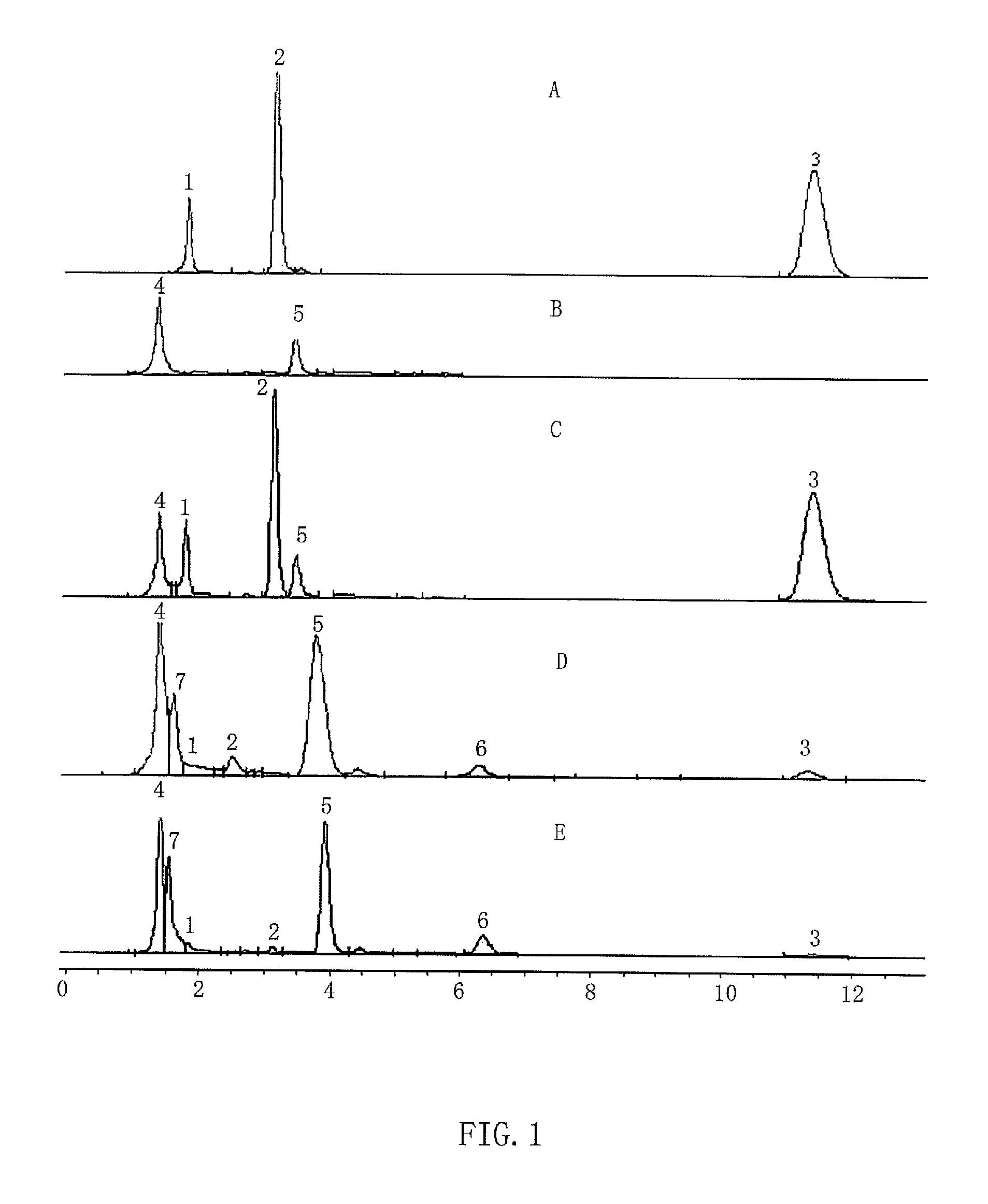
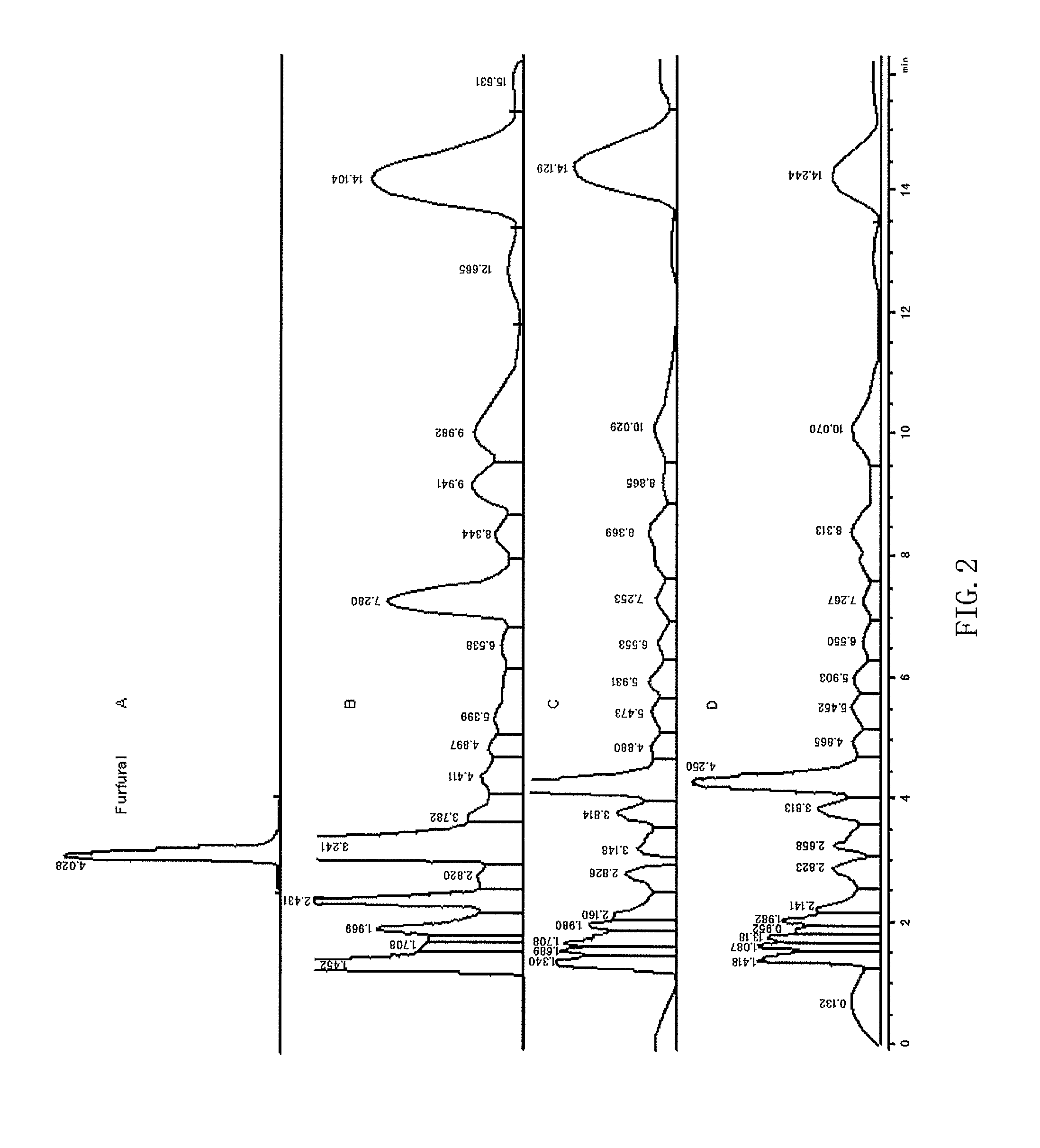
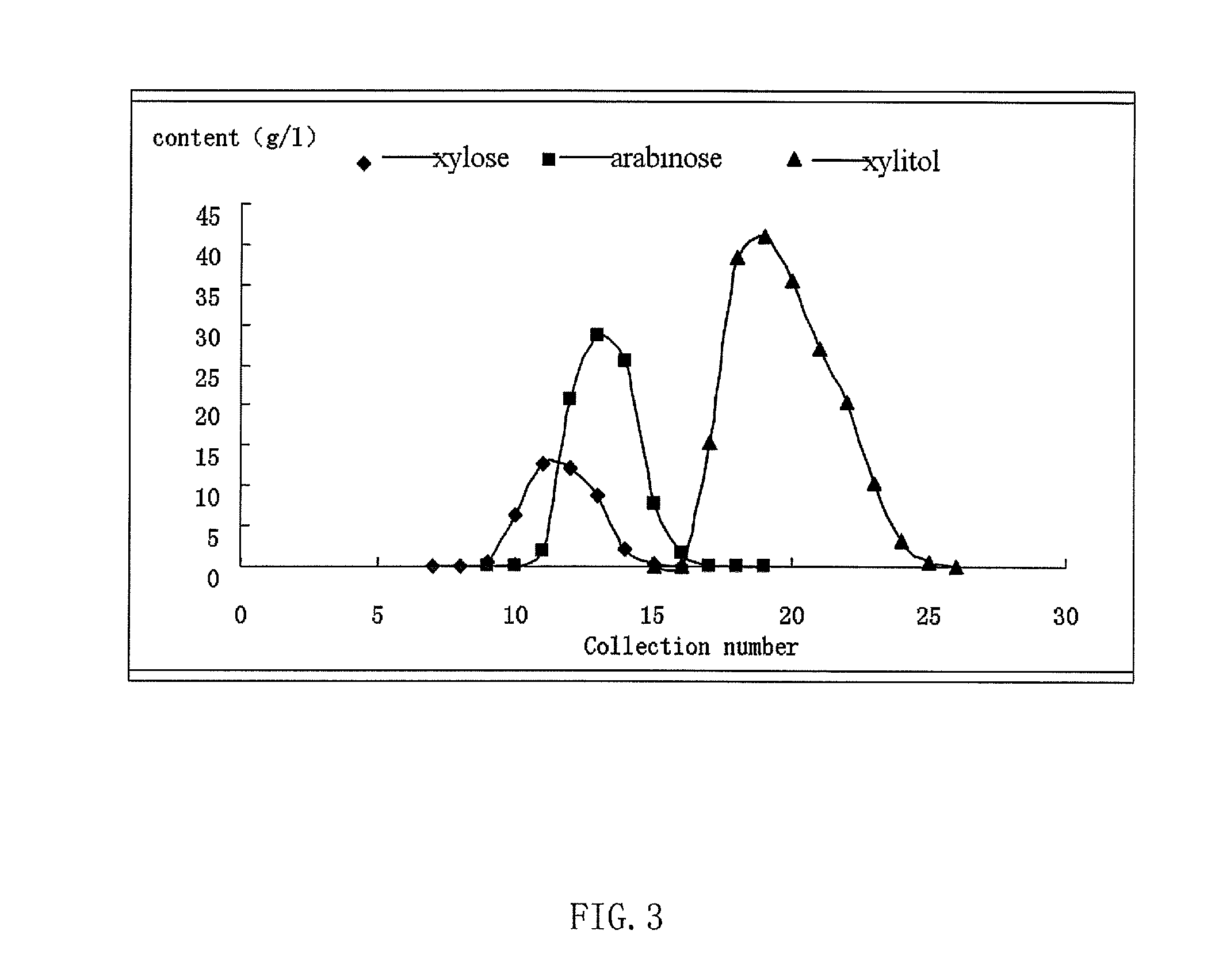
- Identification and utilization of specific yeast strains, such as Issatchenkia orientalis and Issatchenkia occidentalis, which can degrade toxic components in hemicellulose hydrolysates without consuming xylose, combined with Candida tropicalis for converting xylose into xylitol, simplifying the detoxification and production process.

Food Safety Regulations for Xylitol Production
Food safety regulations for xylitol production encompass a comprehensive framework of standards that govern every aspect of manufacturing high-purity xylitol. The regulatory landscape is primarily shaped by major food safety authorities including the FDA in the United States, EFSA in Europe, and corresponding agencies in Asia-Pacific regions. These organizations have established specific guidelines that address raw material sourcing, processing conditions, and final product specifications for xylitol intended for food applications.
The FDA recognizes xylitol as Generally Recognized as Safe (GRAS) under CFR Title 21, with specific provisions for its use in food products. European regulations under Regulation (EC) No 1333/2008 classify xylitol as an approved food additive with designated E-number E967. These regulations mandate strict adherence to purity standards, typically requiring xylitol content of at least 98.5% with specific limits on heavy metals, arsenic, and lead contamination.
Manufacturing facilities must comply with Good Manufacturing Practices (GMP) and Hazard Analysis Critical Control Points (HACCP) systems. These requirements include maintaining controlled environments with specified temperature and humidity ranges, implementing robust cleaning and sanitization protocols, and establishing comprehensive documentation systems for batch tracking and quality assurance.
Microbiological safety standards are particularly stringent for xylitol production, given its application in food products. Regulations specify maximum allowable levels for total aerobic bacteria, yeast, mold, and pathogenic organisms such as Salmonella and E. coli. Regular testing protocols must be implemented throughout the production process to ensure compliance with these microbiological criteria.
Labeling requirements mandate clear identification of xylitol content, potential allergen information, and appropriate usage guidelines. Special attention is given to products intended for diabetic consumers, requiring specific nutritional labeling that accurately reflects the glycemic impact and caloric content of xylitol-containing products.
International harmonization efforts through Codex Alimentarius have established global baseline standards, though regional variations exist in specific testing methodologies and acceptable limits for certain contaminants. Manufacturers seeking global market access must navigate these varying regulatory requirements while maintaining consistent product quality and safety standards across different jurisdictions.
The FDA recognizes xylitol as Generally Recognized as Safe (GRAS) under CFR Title 21, with specific provisions for its use in food products. European regulations under Regulation (EC) No 1333/2008 classify xylitol as an approved food additive with designated E-number E967. These regulations mandate strict adherence to purity standards, typically requiring xylitol content of at least 98.5% with specific limits on heavy metals, arsenic, and lead contamination.
Manufacturing facilities must comply with Good Manufacturing Practices (GMP) and Hazard Analysis Critical Control Points (HACCP) systems. These requirements include maintaining controlled environments with specified temperature and humidity ranges, implementing robust cleaning and sanitization protocols, and establishing comprehensive documentation systems for batch tracking and quality assurance.
Microbiological safety standards are particularly stringent for xylitol production, given its application in food products. Regulations specify maximum allowable levels for total aerobic bacteria, yeast, mold, and pathogenic organisms such as Salmonella and E. coli. Regular testing protocols must be implemented throughout the production process to ensure compliance with these microbiological criteria.
Labeling requirements mandate clear identification of xylitol content, potential allergen information, and appropriate usage guidelines. Special attention is given to products intended for diabetic consumers, requiring specific nutritional labeling that accurately reflects the glycemic impact and caloric content of xylitol-containing products.
International harmonization efforts through Codex Alimentarius have established global baseline standards, though regional variations exist in specific testing methodologies and acceptable limits for certain contaminants. Manufacturers seeking global market access must navigate these varying regulatory requirements while maintaining consistent product quality and safety standards across different jurisdictions.
Environmental Impact Assessment of Xylitol Processing
The environmental implications of xylitol processing encompass multiple dimensions of ecological impact, from raw material sourcing through final product disposal. Traditional xylitol extraction methods, particularly those utilizing harsh chemical solvents and high-temperature processes, generate significant environmental burdens through energy consumption, waste stream production, and potential ecosystem contamination.
Water resource utilization represents a critical environmental concern in xylitol processing operations. Conventional extraction techniques require substantial volumes of process water for biomass preparation, chemical dissolution, and product purification stages. The resulting wastewater often contains elevated levels of organic compounds, residual solvents, and suspended solids that necessitate extensive treatment before discharge. Advanced processing facilities typically implement multi-stage water treatment systems, though these add operational complexity and energy requirements.
Chemical solvent usage in traditional extraction methods poses considerable environmental risks through volatile organic compound emissions and hazardous waste generation. Methanol, ethanol, and other organic solvents commonly employed in purification processes contribute to air quality degradation and require specialized disposal protocols. The carbon footprint associated with solvent production, transportation, and waste management significantly amplifies the overall environmental impact of xylitol manufacturing operations.
Energy consumption patterns in xylitol processing facilities reflect the intensive nature of current extraction technologies. High-temperature distillation, crystallization, and drying operations demand substantial thermal energy inputs, typically derived from fossil fuel combustion. The associated greenhouse gas emissions contribute meaningfully to climate change impacts, particularly when processing facilities operate at industrial scales to meet growing market demand.
Emerging biotechnological approaches and green chemistry principles offer promising pathways for environmental impact reduction. Enzymatic extraction methods, supercritical fluid technologies, and membrane-based separation techniques demonstrate potential for minimizing chemical usage while reducing energy requirements. These innovative approaches align with circular economy principles by enabling more efficient resource utilization and waste stream minimization throughout the production lifecycle.
Water resource utilization represents a critical environmental concern in xylitol processing operations. Conventional extraction techniques require substantial volumes of process water for biomass preparation, chemical dissolution, and product purification stages. The resulting wastewater often contains elevated levels of organic compounds, residual solvents, and suspended solids that necessitate extensive treatment before discharge. Advanced processing facilities typically implement multi-stage water treatment systems, though these add operational complexity and energy requirements.
Chemical solvent usage in traditional extraction methods poses considerable environmental risks through volatile organic compound emissions and hazardous waste generation. Methanol, ethanol, and other organic solvents commonly employed in purification processes contribute to air quality degradation and require specialized disposal protocols. The carbon footprint associated with solvent production, transportation, and waste management significantly amplifies the overall environmental impact of xylitol manufacturing operations.
Energy consumption patterns in xylitol processing facilities reflect the intensive nature of current extraction technologies. High-temperature distillation, crystallization, and drying operations demand substantial thermal energy inputs, typically derived from fossil fuel combustion. The associated greenhouse gas emissions contribute meaningfully to climate change impacts, particularly when processing facilities operate at industrial scales to meet growing market demand.
Emerging biotechnological approaches and green chemistry principles offer promising pathways for environmental impact reduction. Enzymatic extraction methods, supercritical fluid technologies, and membrane-based separation techniques demonstrate potential for minimizing chemical usage while reducing energy requirements. These innovative approaches align with circular economy principles by enabling more efficient resource utilization and waste stream minimization throughout the production lifecycle.
Unlock deeper insights with PatSnap Eureka Quick Research — get a full tech report to explore trends and direct your research. Try now!
Generate Your Research Report Instantly with AI Agent
Supercharge your innovation with PatSnap Eureka AI Agent Platform!