Optimize Xylitol Application in High-Intensity Workouts
FEB 26, 20269 MIN READ
Generate Your Research Report Instantly with AI Agent
PatSnap Eureka helps you evaluate technical feasibility & market potential.
Xylitol Sports Nutrition Background and Performance Goals
Xylitol, a five-carbon sugar alcohol naturally occurring in various fruits and vegetables, has emerged as a significant compound in sports nutrition research over the past two decades. Originally discovered in 1891 and commercially produced since the 1960s primarily for dental applications, xylitol's role in athletic performance enhancement represents a relatively recent but rapidly evolving field of investigation.
The evolution of xylitol in sports nutrition began with observations of its unique metabolic properties. Unlike traditional sugars that require insulin for cellular uptake, xylitol can be metabolized through alternative pathways, offering potential advantages for sustained energy delivery during prolonged physical exertion. Early research in the 1990s focused primarily on its dental benefits for athletes, particularly in preventing exercise-induced oral health issues caused by frequent carbohydrate consumption.
The transition toward performance-oriented applications gained momentum in the early 2000s when researchers identified xylitol's potential role in glycogen metabolism and its ability to maintain stable blood glucose levels during extended exercise periods. This discovery marked a pivotal shift from viewing xylitol merely as a sugar substitute to recognizing it as a functional sports nutrition ingredient with distinct metabolic advantages.
Current technological objectives center on optimizing xylitol's bioavailability and timing of administration to maximize its ergogenic effects during high-intensity workouts. Research teams are investigating novel delivery mechanisms, including encapsulation technologies and combination formulations with other performance-enhancing compounds, to overcome traditional limitations such as gastrointestinal tolerance and absorption rates.
The primary performance goals driving current research include enhancing endurance capacity, improving recovery rates, and maintaining cognitive function during intense training sessions. Scientists are particularly focused on xylitol's potential to support mitochondrial function and reduce oxidative stress markers, which could translate to improved power output sustainability and reduced fatigue accumulation.
Advanced formulation strategies now target specific workout phases, with pre-exercise applications aimed at priming metabolic pathways, intra-workout protocols designed for sustained energy release, and post-exercise implementations focused on accelerated glycogen replenishment. These targeted approaches represent the current frontier in xylitol sports nutrition technology, moving beyond simple supplementation toward precision nutrition strategies tailored to individual metabolic profiles and training demands.
The evolution of xylitol in sports nutrition began with observations of its unique metabolic properties. Unlike traditional sugars that require insulin for cellular uptake, xylitol can be metabolized through alternative pathways, offering potential advantages for sustained energy delivery during prolonged physical exertion. Early research in the 1990s focused primarily on its dental benefits for athletes, particularly in preventing exercise-induced oral health issues caused by frequent carbohydrate consumption.
The transition toward performance-oriented applications gained momentum in the early 2000s when researchers identified xylitol's potential role in glycogen metabolism and its ability to maintain stable blood glucose levels during extended exercise periods. This discovery marked a pivotal shift from viewing xylitol merely as a sugar substitute to recognizing it as a functional sports nutrition ingredient with distinct metabolic advantages.
Current technological objectives center on optimizing xylitol's bioavailability and timing of administration to maximize its ergogenic effects during high-intensity workouts. Research teams are investigating novel delivery mechanisms, including encapsulation technologies and combination formulations with other performance-enhancing compounds, to overcome traditional limitations such as gastrointestinal tolerance and absorption rates.
The primary performance goals driving current research include enhancing endurance capacity, improving recovery rates, and maintaining cognitive function during intense training sessions. Scientists are particularly focused on xylitol's potential to support mitochondrial function and reduce oxidative stress markers, which could translate to improved power output sustainability and reduced fatigue accumulation.
Advanced formulation strategies now target specific workout phases, with pre-exercise applications aimed at priming metabolic pathways, intra-workout protocols designed for sustained energy release, and post-exercise implementations focused on accelerated glycogen replenishment. These targeted approaches represent the current frontier in xylitol sports nutrition technology, moving beyond simple supplementation toward precision nutrition strategies tailored to individual metabolic profiles and training demands.
Market Demand for High-Intensity Workout Nutrition Solutions
The global sports nutrition market has experienced unprecedented growth, driven by increasing health consciousness and the proliferation of high-intensity fitness regimens. This expansion reflects a fundamental shift in consumer behavior, where individuals prioritize performance optimization and recovery enhancement through targeted nutritional interventions. The market encompasses diverse product categories including protein supplements, energy drinks, pre-workout formulations, and specialized recovery aids.
High-intensity workout enthusiasts represent a particularly lucrative consumer segment, characterized by sophisticated nutritional knowledge and willingness to invest in premium products. These consumers actively seek solutions that address specific physiological challenges associated with intense training, including energy depletion, electrolyte imbalance, and prolonged recovery periods. Their purchasing decisions are increasingly influenced by scientific evidence supporting product efficacy and ingredient safety profiles.
The demand for natural, functional ingredients in sports nutrition has intensified significantly. Consumers demonstrate growing skepticism toward synthetic additives and artificial sweeteners, creating substantial market opportunities for naturally-derived alternatives. This trend aligns with broader clean-label movements across the food and beverage industry, where transparency and ingredient authenticity drive purchasing decisions.
Xylitol presents compelling advantages for high-intensity workout applications, addressing multiple consumer pain points simultaneously. Its unique metabolic properties offer sustained energy release without the glycemic spikes associated with conventional sugars, making it particularly attractive for endurance athletes and fitness enthusiasts managing blood sugar stability. Additionally, xylitol's dental health benefits resonate with health-conscious consumers who recognize the importance of oral hygiene in overall wellness.
The market potential for xylitol-enhanced workout nutrition products extends across multiple distribution channels, including specialty sports retailers, online platforms, and mainstream grocery chains. Professional athletes and fitness influencers increasingly advocate for natural performance enhancers, creating powerful marketing opportunities for xylitol-based formulations. This endorsement potential significantly amplifies market penetration possibilities.
Emerging research supporting xylitol's anti-inflammatory properties and potential role in exercise recovery positions it favorably against competing sweeteners and functional ingredients. The convergence of performance benefits, health advantages, and natural origin creates a compelling value proposition for manufacturers seeking differentiation in the crowded sports nutrition marketplace.
High-intensity workout enthusiasts represent a particularly lucrative consumer segment, characterized by sophisticated nutritional knowledge and willingness to invest in premium products. These consumers actively seek solutions that address specific physiological challenges associated with intense training, including energy depletion, electrolyte imbalance, and prolonged recovery periods. Their purchasing decisions are increasingly influenced by scientific evidence supporting product efficacy and ingredient safety profiles.
The demand for natural, functional ingredients in sports nutrition has intensified significantly. Consumers demonstrate growing skepticism toward synthetic additives and artificial sweeteners, creating substantial market opportunities for naturally-derived alternatives. This trend aligns with broader clean-label movements across the food and beverage industry, where transparency and ingredient authenticity drive purchasing decisions.
Xylitol presents compelling advantages for high-intensity workout applications, addressing multiple consumer pain points simultaneously. Its unique metabolic properties offer sustained energy release without the glycemic spikes associated with conventional sugars, making it particularly attractive for endurance athletes and fitness enthusiasts managing blood sugar stability. Additionally, xylitol's dental health benefits resonate with health-conscious consumers who recognize the importance of oral hygiene in overall wellness.
The market potential for xylitol-enhanced workout nutrition products extends across multiple distribution channels, including specialty sports retailers, online platforms, and mainstream grocery chains. Professional athletes and fitness influencers increasingly advocate for natural performance enhancers, creating powerful marketing opportunities for xylitol-based formulations. This endorsement potential significantly amplifies market penetration possibilities.
Emerging research supporting xylitol's anti-inflammatory properties and potential role in exercise recovery positions it favorably against competing sweeteners and functional ingredients. The convergence of performance benefits, health advantages, and natural origin creates a compelling value proposition for manufacturers seeking differentiation in the crowded sports nutrition marketplace.
Current State and Challenges of Xylitol in Sports Applications
Xylitol's integration into sports nutrition represents a relatively nascent field with significant untapped potential. Currently, the sugar alcohol is primarily recognized for its dental health benefits and low glycemic index properties, making it an attractive alternative sweetener in sports beverages and energy products. However, its application specifically for high-intensity workout optimization remains limited, with most commercial sports products still relying on traditional carbohydrate sources like glucose, fructose, and maltodextrin.
The existing research landscape reveals mixed findings regarding xylitol's efficacy in athletic performance enhancement. While some studies demonstrate its potential for sustained energy release and reduced gastrointestinal distress compared to conventional sugars, the evidence base remains fragmented. Most current applications focus on xylitol as a simple sweetening agent rather than leveraging its unique metabolic properties for performance optimization.
Several technical challenges impede broader adoption of xylitol in high-intensity sports applications. The primary concern centers on dosage optimization, as excessive xylitol consumption can trigger osmotic diarrhea and gastrointestinal discomfort, particularly problematic during intense physical activity. Current formulations struggle to balance effective dosing with digestive tolerance, limiting practical implementation in competitive sports environments.
Bioavailability and absorption kinetics present additional complexities. Xylitol's metabolic pathway differs significantly from conventional carbohydrates, requiring specialized formulation approaches to ensure optimal timing and delivery during high-intensity exercise phases. The lack of standardized protocols for xylitol integration into existing sports nutrition regimens creates uncertainty among manufacturers and athletes alike.
Manufacturing and stability challenges further constrain market penetration. Xylitol's hygroscopic nature complicates product formulation, particularly in powder-based supplements and energy bars exposed to varying environmental conditions. Additionally, the higher production costs compared to traditional sweeteners create economic barriers for widespread commercial adoption.
Regulatory considerations add another layer of complexity, as sports nutrition products containing xylitol must navigate varying international standards and labeling requirements. The absence of specific guidelines for xylitol use in athletic contexts creates regulatory uncertainty that manufacturers must carefully navigate.
The existing research landscape reveals mixed findings regarding xylitol's efficacy in athletic performance enhancement. While some studies demonstrate its potential for sustained energy release and reduced gastrointestinal distress compared to conventional sugars, the evidence base remains fragmented. Most current applications focus on xylitol as a simple sweetening agent rather than leveraging its unique metabolic properties for performance optimization.
Several technical challenges impede broader adoption of xylitol in high-intensity sports applications. The primary concern centers on dosage optimization, as excessive xylitol consumption can trigger osmotic diarrhea and gastrointestinal discomfort, particularly problematic during intense physical activity. Current formulations struggle to balance effective dosing with digestive tolerance, limiting practical implementation in competitive sports environments.
Bioavailability and absorption kinetics present additional complexities. Xylitol's metabolic pathway differs significantly from conventional carbohydrates, requiring specialized formulation approaches to ensure optimal timing and delivery during high-intensity exercise phases. The lack of standardized protocols for xylitol integration into existing sports nutrition regimens creates uncertainty among manufacturers and athletes alike.
Manufacturing and stability challenges further constrain market penetration. Xylitol's hygroscopic nature complicates product formulation, particularly in powder-based supplements and energy bars exposed to varying environmental conditions. Additionally, the higher production costs compared to traditional sweeteners create economic barriers for widespread commercial adoption.
Regulatory considerations add another layer of complexity, as sports nutrition products containing xylitol must navigate varying international standards and labeling requirements. The absence of specific guidelines for xylitol use in athletic contexts creates regulatory uncertainty that manufacturers must carefully navigate.
Existing Xylitol Formulations for Athletic Performance
01 Xylitol as a sweetening agent in food and beverage products
Xylitol can be used as a sugar substitute and sweetening agent in various food and beverage formulations. It provides sweetness comparable to sucrose while offering reduced caloric content. This sugar alcohol is particularly suitable for products targeting diabetic consumers or those seeking low-glycemic alternatives. Xylitol can be incorporated into confectionery, chewing gum, beverages, and baked goods to provide sweetness without contributing to tooth decay.- Xylitol as a sweetening agent in food and beverage products: Xylitol can be used as a sugar substitute and sweetening agent in various food and beverage formulations. It provides sweetness with fewer calories compared to traditional sugars and offers benefits such as reduced glycemic impact. Xylitol can be incorporated into confectionery products, chewing gums, beverages, and other food items to provide sweetness while maintaining desirable taste profiles and functional properties.
- Xylitol for oral care and dental health applications: Xylitol demonstrates significant benefits in oral care formulations due to its ability to inhibit bacterial growth and reduce dental caries. It can be incorporated into toothpastes, mouthwashes, dental gums, and other oral hygiene products. The compound helps prevent tooth decay by reducing the adhesion of bacteria to tooth surfaces and inhibiting acid production by oral bacteria, thereby promoting dental health and cavity prevention.
- Xylitol in pharmaceutical formulations and drug delivery systems: Xylitol can be utilized as an excipient and functional ingredient in pharmaceutical preparations. It serves as a bulking agent, sweetener, and stabilizer in various dosage forms including tablets, syrups, and oral suspensions. The compound provides improved palatability for medications, particularly in pediatric formulations, and can enhance the stability and bioavailability of active pharmaceutical ingredients in drug delivery systems.
- Production and purification methods for xylitol: Various methods have been developed for the efficient production and purification of xylitol from different raw materials. These include fermentation processes using microorganisms, enzymatic conversion of xylose, and chemical synthesis routes. Purification techniques involve crystallization, chromatographic separation, and filtration methods to obtain high-purity xylitol suitable for food, pharmaceutical, and industrial applications. Process optimization focuses on improving yield, reducing production costs, and ensuring product quality.
- Xylitol in cosmetic and personal care formulations: Xylitol can be incorporated into cosmetic and personal care products as a humectant, moisturizing agent, and skin conditioning ingredient. It helps maintain skin hydration by attracting and retaining moisture, improving the texture and feel of cosmetic formulations. Xylitol can be used in skincare products, lotions, creams, and other personal care items to enhance moisturization properties and provide a smooth, non-sticky feel on the skin.
02 Xylitol for oral care and dental health applications
Xylitol demonstrates significant benefits in oral care formulations due to its anti-cariogenic properties. It inhibits the growth of bacteria responsible for tooth decay and promotes remineralization of tooth enamel. This ingredient can be incorporated into toothpastes, mouthwashes, dental gums, and other oral hygiene products to prevent cavities and improve overall dental health. The non-fermentable nature of xylitol by oral bacteria makes it particularly effective in maintaining oral pH balance.Expand Specific Solutions03 Xylitol in pharmaceutical formulations and drug delivery systems
Xylitol serves as an excipient and functional ingredient in pharmaceutical preparations. It can be used as a coating agent, binder, or filler in tablet formulations. Its hygroscopic properties and pleasant taste make it suitable for oral dosage forms, particularly for pediatric and geriatric medications. Xylitol also functions as a stabilizer and preservative in liquid pharmaceutical formulations, enhancing the shelf life and palatability of medicinal products.Expand Specific Solutions04 Production and purification methods for xylitol
Various biotechnological and chemical processes have been developed for the efficient production of xylitol. These methods include fermentation using specific microorganisms, enzymatic conversion of xylose, and chemical hydrogenation processes. Purification techniques involve crystallization, chromatographic separation, and membrane filtration to obtain high-purity xylitol suitable for food, pharmaceutical, and industrial applications. Process optimization focuses on improving yield, reducing production costs, and minimizing environmental impact.Expand Specific Solutions05 Xylitol in cosmetic and personal care formulations
Xylitol functions as a humectant and moisturizing agent in cosmetic and personal care products. It helps maintain skin hydration by attracting and retaining moisture in the stratum corneum. This ingredient can be incorporated into skin creams, lotions, serums, and hair care products to improve texture and provide conditioning benefits. Xylitol also exhibits antimicrobial properties that can help preserve cosmetic formulations and support skin health.Expand Specific Solutions
Key Players in Sports Nutrition and Xylitol Industry
The xylitol optimization market for high-intensity workouts represents an emerging niche within the broader sports nutrition industry, currently in its early development stage with significant growth potential. The global sports nutrition market, valued at approximately $15 billion, is experiencing robust expansion driven by increasing fitness awareness and performance enhancement demands. Technology maturity varies considerably across market participants, with established players like Roquette Frères SA, CJ CheilJedang Corp., and Zhejiang Huakang Pharmaceutical demonstrating advanced polyol production capabilities and extensive R&D infrastructure. Academic institutions including Zhejiang University, Tianjin University, and Waseda University are contributing fundamental research on xylitol metabolism and exercise physiology. Meanwhile, multinational corporations such as DuPont de Nemours, Givaudan SA, and DSM IP Assets BV leverage sophisticated biotechnology platforms for ingredient optimization, while beverage giants like The Coca-Cola Company explore commercial applications in sports drinks and functional beverages.
CJ CheilJedang Corp.
Technical Solution: CJ CheilJedang has developed advanced fermentation-based xylitol production technology using genetically modified microorganisms to achieve high-yield xylitol synthesis. Their proprietary strain engineering enables production of pharmaceutical-grade xylitol with over 99% purity. For high-intensity workout applications, they have formulated xylitol-based sports nutrition products that provide sustained energy release while maintaining dental health benefits. Their research focuses on optimizing xylitol's glycemic response and electrolyte balance during intense physical activity, incorporating microencapsulation technology to enhance bioavailability and reduce gastrointestinal discomfort commonly associated with sugar alcohol consumption during exercise.
Strengths: Leading fermentation technology, high-purity production capabilities, established sports nutrition market presence. Weaknesses: Higher production costs compared to chemical synthesis methods, limited clinical data on workout-specific applications.
Roquette Frères SA
Technical Solution: Roquette has developed a comprehensive xylitol optimization platform specifically targeting sports and fitness applications. Their technology combines enzymatic conversion processes with advanced purification methods to produce xylitol with enhanced functional properties for athletic performance. They have created specialized xylitol formulations that incorporate branched-chain amino acids and electrolytes, designed to support muscle recovery and hydration during high-intensity workouts. Their research demonstrates that their optimized xylitol products can maintain blood glucose stability while providing 40% fewer calories than traditional sugars, making them ideal for endurance athletes and fitness enthusiasts seeking sustained energy without metabolic spikes.
Strengths: Extensive R&D capabilities, proven track record in functional ingredients, strong regulatory compliance. Weaknesses: Limited direct-to-consumer marketing, dependency on B2B partnerships for market penetration.
Core Patents in Xylitol Optimization for Exercise
Method for producing and optimizing the production of xylitol
PatentInactiveIN945MUM2007A
Innovation
- Optimization of physiological and nutritional factors for Candida species, including pH, temperature, agitation rate, inoculum density, and substrate concentration, using a combination of 'one variable at a time' and response surface methodology approaches to enhance xylitol production.


Materials and methods for the efficient production of xylitol
PatentInactiveUS20070072280A1
Innovation
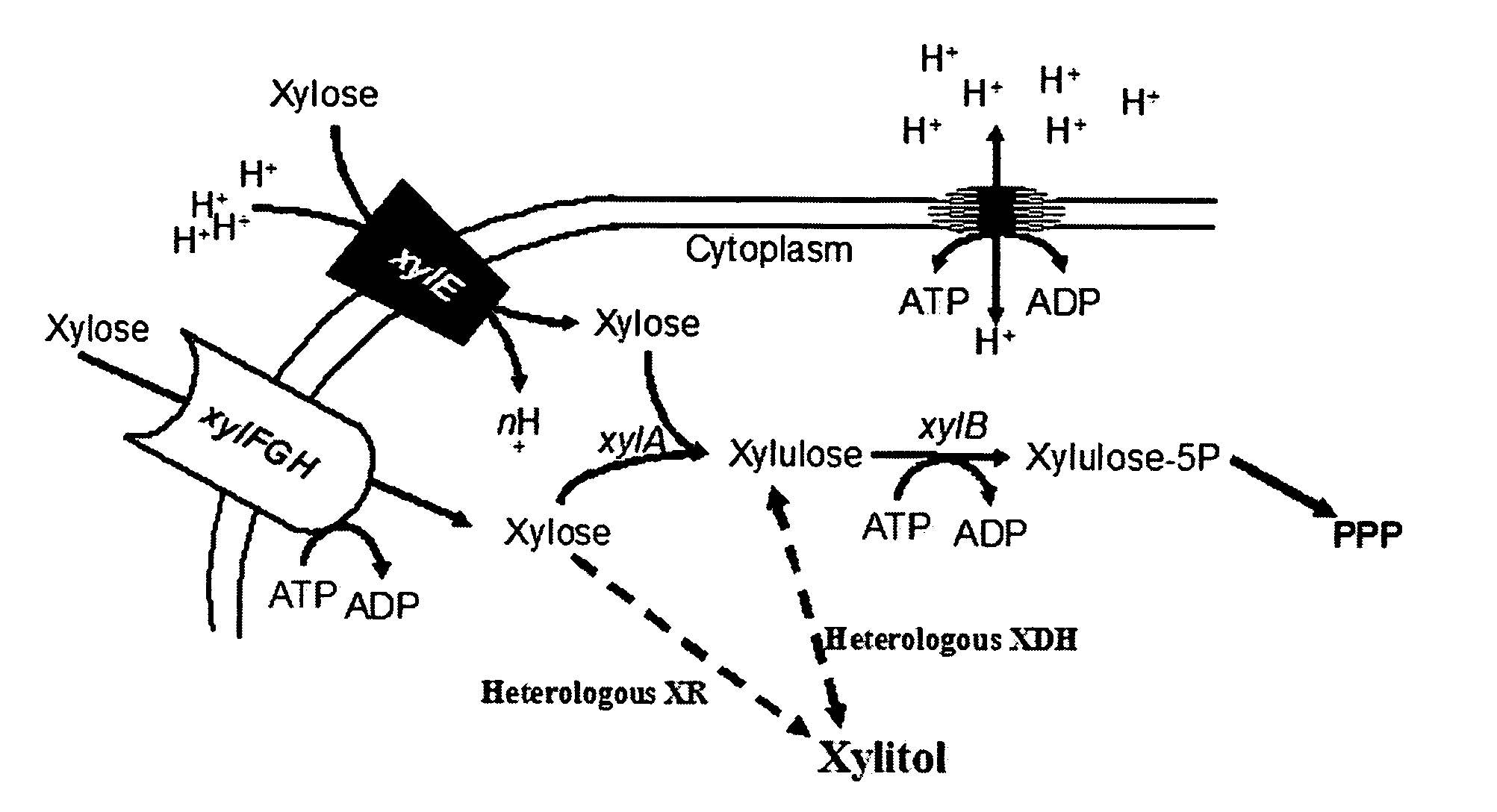
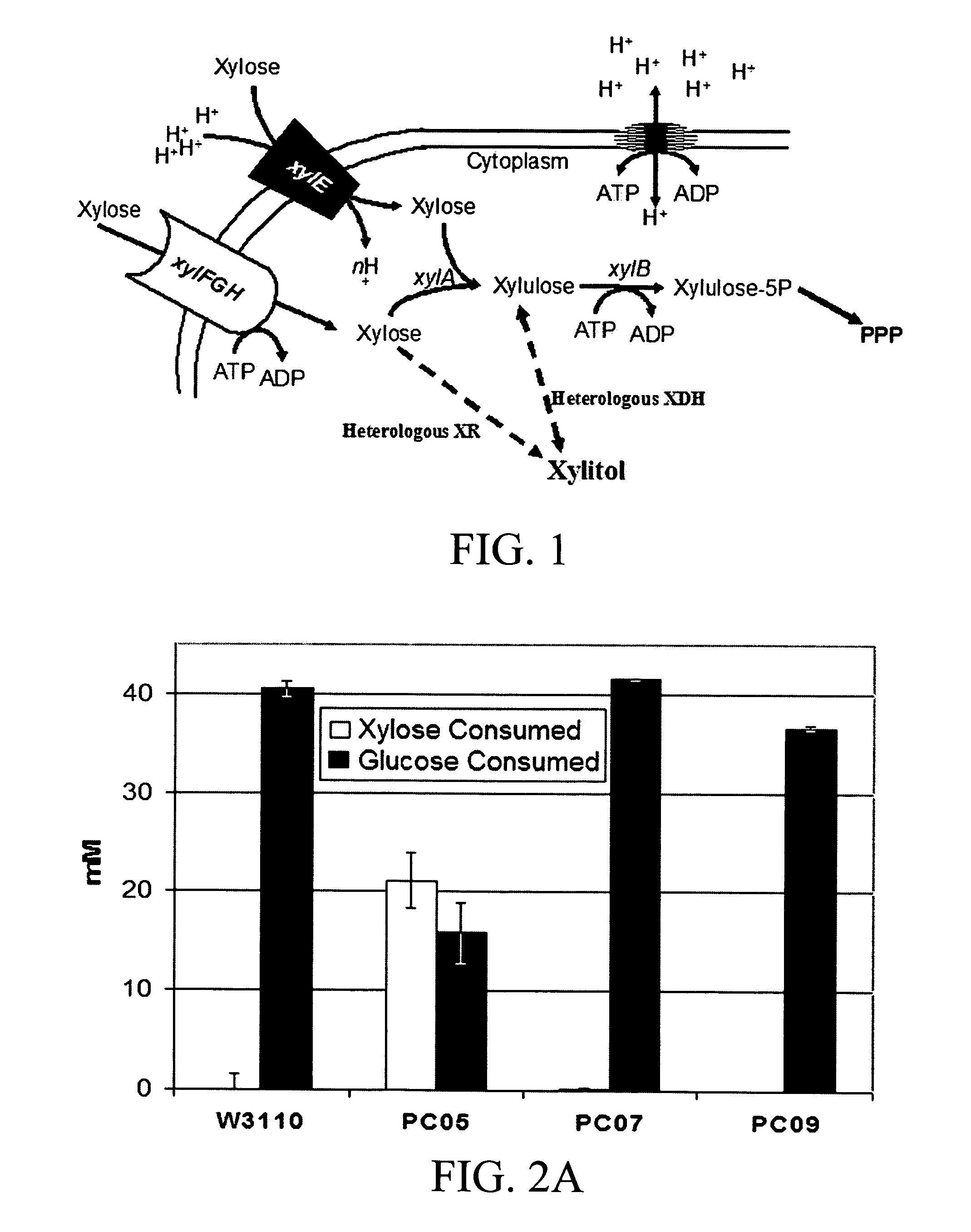
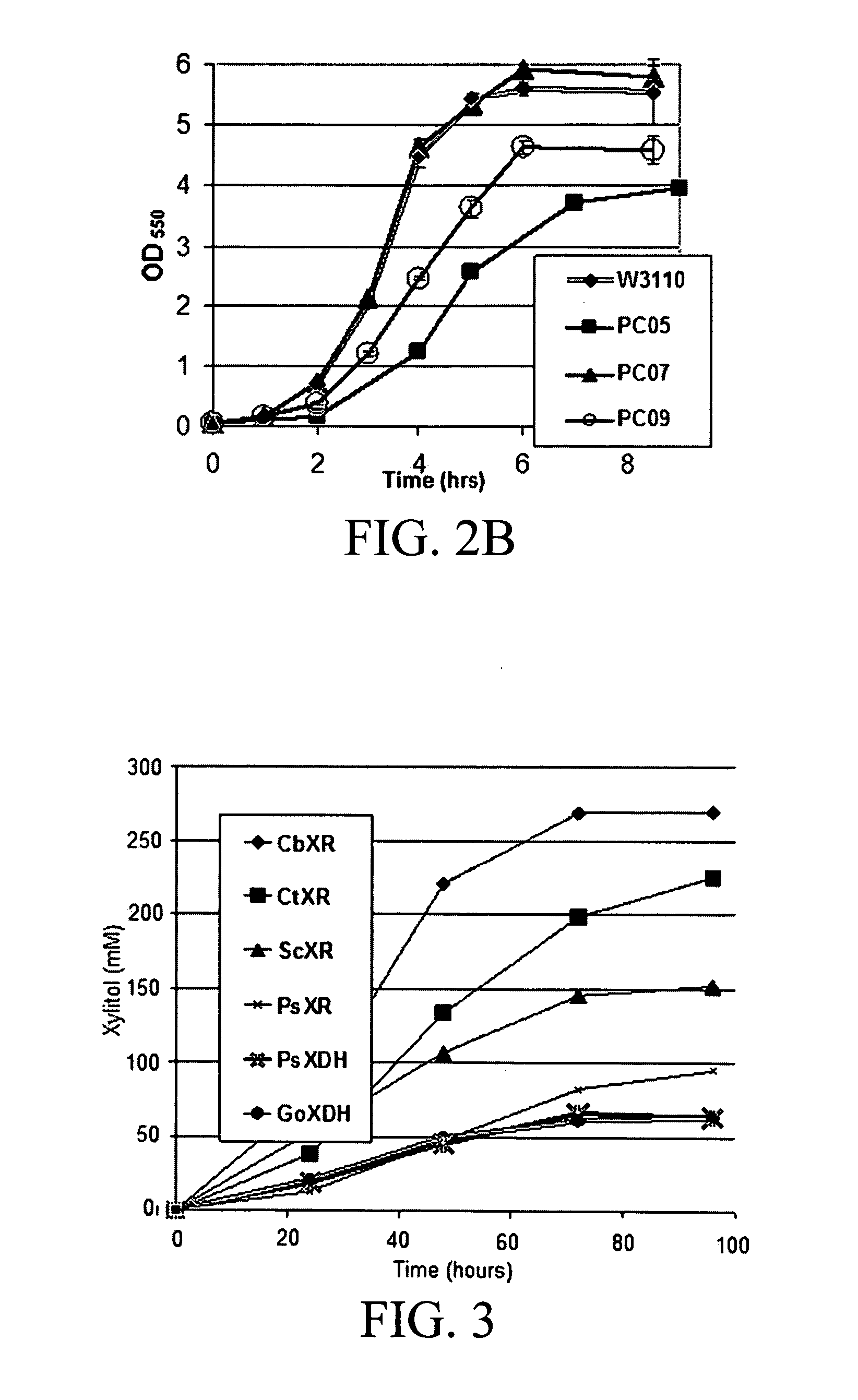
- Engineered E. coli strains are developed to express xylose reductase and xylitol dehydrogenase enzymes, utilizing a mutant crp gene and xylulokinase deletion to enable efficient xylose uptake and conversion to xylitol, even in the presence of carbon substrates like glucose, using a less energy-intensive mechanism.

Food Safety Regulations for Sports Nutrition Ingredients
The regulatory landscape for sports nutrition ingredients, particularly xylitol in high-intensity workout applications, is governed by multiple international and national food safety frameworks. The FDA classifies xylitol as Generally Recognized as Safe (GRAS) for food use, while the European Food Safety Authority (EFSA) has established specific guidelines for polyol sweeteners in sports nutrition products. These regulations mandate comprehensive safety assessments, including toxicological studies and maximum usage limits.
Current regulatory standards require sports nutrition manufacturers to adhere to Good Manufacturing Practices (GMP) and Hazard Analysis Critical Control Points (HACCP) protocols when incorporating xylitol into workout supplements. The FDA's New Dietary Ingredient (NDI) notification process may apply to novel xylitol formulations, particularly those targeting enhanced athletic performance or recovery applications.
International harmonization efforts through Codex Alimentarius have established baseline safety parameters for xylitol in functional foods, with specific attention to digestive tolerance thresholds. Most jurisdictions limit xylitol content to prevent gastrointestinal distress, typically capping single-serving amounts at 10-15 grams for sports nutrition products.
Labeling requirements mandate clear disclosure of xylitol content, potential laxative effects, and contraindications for individuals with specific metabolic conditions. The FDA requires warning statements when xylitol exceeds certain threshold levels, while EU regulations demand detailed nutritional information panels including polyol content declarations.
Emerging regulatory considerations focus on bioavailability studies and interaction assessments with other sports nutrition ingredients. Recent guidance documents emphasize the need for clinical evidence supporting performance claims, particularly regarding xylitol's role in energy metabolism during intense physical activity.
Quality control standards require rigorous testing for purity, heavy metals, and microbial contamination. Third-party certification programs like NSF International and Informed Sport have developed specific protocols for xylitol-containing sports supplements, ensuring compliance with anti-doping regulations and athlete safety requirements.
Current regulatory standards require sports nutrition manufacturers to adhere to Good Manufacturing Practices (GMP) and Hazard Analysis Critical Control Points (HACCP) protocols when incorporating xylitol into workout supplements. The FDA's New Dietary Ingredient (NDI) notification process may apply to novel xylitol formulations, particularly those targeting enhanced athletic performance or recovery applications.
International harmonization efforts through Codex Alimentarius have established baseline safety parameters for xylitol in functional foods, with specific attention to digestive tolerance thresholds. Most jurisdictions limit xylitol content to prevent gastrointestinal distress, typically capping single-serving amounts at 10-15 grams for sports nutrition products.
Labeling requirements mandate clear disclosure of xylitol content, potential laxative effects, and contraindications for individuals with specific metabolic conditions. The FDA requires warning statements when xylitol exceeds certain threshold levels, while EU regulations demand detailed nutritional information panels including polyol content declarations.
Emerging regulatory considerations focus on bioavailability studies and interaction assessments with other sports nutrition ingredients. Recent guidance documents emphasize the need for clinical evidence supporting performance claims, particularly regarding xylitol's role in energy metabolism during intense physical activity.
Quality control standards require rigorous testing for purity, heavy metals, and microbial contamination. Third-party certification programs like NSF International and Informed Sport have developed specific protocols for xylitol-containing sports supplements, ensuring compliance with anti-doping regulations and athlete safety requirements.
Bioavailability Enhancement Strategies for Xylitol
The bioavailability of xylitol represents a critical factor in optimizing its application for high-intensity workout scenarios. Current research indicates that xylitol's absorption rate ranges from 50-80% in the small intestine, with significant individual variations based on dosage, timing, and physiological factors. The polyol's unique metabolic pathway, which bypasses insulin-dependent glucose metabolism, makes it particularly attractive for sustained energy delivery during prolonged exercise sessions.
Encapsulation technologies have emerged as promising strategies to enhance xylitol bioavailability. Microencapsulation using alginate-chitosan matrices demonstrates improved controlled release profiles, extending the absorption window from 30-45 minutes to 60-90 minutes. This extended release pattern aligns better with the energy demands of high-intensity workouts, preventing the rapid depletion commonly observed with conventional xylitol formulations.
Nanotechnology applications show significant potential for bioavailability enhancement. Solid lipid nanoparticles (SLNs) loaded with xylitol exhibit 2.3-fold increased bioavailability compared to standard crystalline forms. The nanoscale delivery system facilitates enhanced intestinal permeation through improved surface area contact and reduced particle size effects. Additionally, lipid-based nanocarriers protect xylitol from premature degradation in the gastrointestinal tract.
Co-administration strategies with absorption enhancers present another viable approach. Combining xylitol with natural permeation enhancers such as piperine or quercetin increases intestinal absorption by 15-25%. These compounds temporarily modulate tight junction proteins, facilitating paracellular transport of xylitol molecules. The synergistic effect proves particularly beneficial during exercise-induced physiological stress when normal absorption mechanisms may be compromised.
pH-responsive delivery systems offer targeted release capabilities optimized for different segments of the digestive tract. Enteric-coated formulations protect xylitol from gastric degradation while ensuring optimal release in the alkaline environment of the small intestine. This approach minimizes gastrointestinal discomfort often associated with high xylitol doses while maximizing absorption efficiency.
Timing optimization represents a crucial bioavailability enhancement strategy. Pre-exercise administration 45-60 minutes before workout initiation allows for peak plasma concentrations to coincide with maximum energy demands. Split-dosing protocols, delivering smaller amounts at 20-minute intervals, maintain steady bioavailability levels throughout extended training sessions while reducing the risk of osmotic diarrhea commonly associated with large single doses.
Encapsulation technologies have emerged as promising strategies to enhance xylitol bioavailability. Microencapsulation using alginate-chitosan matrices demonstrates improved controlled release profiles, extending the absorption window from 30-45 minutes to 60-90 minutes. This extended release pattern aligns better with the energy demands of high-intensity workouts, preventing the rapid depletion commonly observed with conventional xylitol formulations.
Nanotechnology applications show significant potential for bioavailability enhancement. Solid lipid nanoparticles (SLNs) loaded with xylitol exhibit 2.3-fold increased bioavailability compared to standard crystalline forms. The nanoscale delivery system facilitates enhanced intestinal permeation through improved surface area contact and reduced particle size effects. Additionally, lipid-based nanocarriers protect xylitol from premature degradation in the gastrointestinal tract.
Co-administration strategies with absorption enhancers present another viable approach. Combining xylitol with natural permeation enhancers such as piperine or quercetin increases intestinal absorption by 15-25%. These compounds temporarily modulate tight junction proteins, facilitating paracellular transport of xylitol molecules. The synergistic effect proves particularly beneficial during exercise-induced physiological stress when normal absorption mechanisms may be compromised.
pH-responsive delivery systems offer targeted release capabilities optimized for different segments of the digestive tract. Enteric-coated formulations protect xylitol from gastric degradation while ensuring optimal release in the alkaline environment of the small intestine. This approach minimizes gastrointestinal discomfort often associated with high xylitol doses while maximizing absorption efficiency.
Timing optimization represents a crucial bioavailability enhancement strategy. Pre-exercise administration 45-60 minutes before workout initiation allows for peak plasma concentrations to coincide with maximum energy demands. Split-dosing protocols, delivering smaller amounts at 20-minute intervals, maintain steady bioavailability levels throughout extended training sessions while reducing the risk of osmotic diarrhea commonly associated with large single doses.
Unlock deeper insights with PatSnap Eureka Quick Research — get a full tech report to explore trends and direct your research. Try now!
Generate Your Research Report Instantly with AI Agent
Supercharge your innovation with PatSnap Eureka AI Agent Platform!