

Evaluating Flexibility in Digital Workforce Solutions
FEB 24, 20269 MIN READ
Generate Your Research Report Instantly with AI Agent
Patsnap Eureka helps you evaluate technical feasibility & market potential.
Digital Workforce Evolution and Flexibility Goals
The digital workforce landscape has undergone a profound transformation over the past two decades, evolving from simple automation tools to sophisticated intelligent systems capable of complex decision-making and adaptive learning. This evolution began with basic robotic process automation (RPA) in the early 2000s, which focused primarily on rule-based task execution. The subsequent integration of artificial intelligence, machine learning, and cognitive computing has fundamentally redefined the scope and capabilities of digital workforce solutions.
The historical progression reveals three distinct phases of development. The first phase emphasized task automation and efficiency gains through standardized processes. The second phase introduced cognitive capabilities, enabling digital workers to handle unstructured data and make contextual decisions. The current third phase focuses on adaptive intelligence and seamless human-digital collaboration, where flexibility has emerged as the paramount requirement for sustainable digital transformation.
Contemporary digital workforce solutions must demonstrate unprecedented levels of adaptability to address rapidly changing business environments, regulatory requirements, and market dynamics. The COVID-19 pandemic accelerated this need, forcing organizations to rapidly reconfigure their operational models and workforce deployment strategies. This shift highlighted the critical importance of flexible digital solutions that can scale dynamically, adapt to new processes, and integrate seamlessly with existing systems.
The primary technical objectives driving current development efforts center on achieving multi-dimensional flexibility. Process flexibility enables digital workers to adapt their operational parameters based on changing business rules and requirements. Scalability flexibility allows for rapid resource allocation and deallocation based on demand fluctuations. Integration flexibility ensures seamless connectivity with diverse enterprise systems and third-party applications.
Emerging goals also emphasize cognitive flexibility, where digital workforce solutions can learn from new scenarios, adjust their decision-making frameworks, and continuously improve performance without extensive reprogramming. This represents a significant departure from traditional automation approaches that required substantial technical intervention for modifications.
The strategic imperative for flexibility extends beyond operational efficiency to encompass competitive advantage and organizational resilience. Organizations increasingly recognize that rigid digital workforce implementations create technical debt and limit their ability to respond to market opportunities. Consequently, the evaluation framework for digital workforce solutions now prioritizes adaptability metrics alongside traditional performance indicators such as accuracy, speed, and cost reduction.
The historical progression reveals three distinct phases of development. The first phase emphasized task automation and efficiency gains through standardized processes. The second phase introduced cognitive capabilities, enabling digital workers to handle unstructured data and make contextual decisions. The current third phase focuses on adaptive intelligence and seamless human-digital collaboration, where flexibility has emerged as the paramount requirement for sustainable digital transformation.
Contemporary digital workforce solutions must demonstrate unprecedented levels of adaptability to address rapidly changing business environments, regulatory requirements, and market dynamics. The COVID-19 pandemic accelerated this need, forcing organizations to rapidly reconfigure their operational models and workforce deployment strategies. This shift highlighted the critical importance of flexible digital solutions that can scale dynamically, adapt to new processes, and integrate seamlessly with existing systems.
The primary technical objectives driving current development efforts center on achieving multi-dimensional flexibility. Process flexibility enables digital workers to adapt their operational parameters based on changing business rules and requirements. Scalability flexibility allows for rapid resource allocation and deallocation based on demand fluctuations. Integration flexibility ensures seamless connectivity with diverse enterprise systems and third-party applications.
Emerging goals also emphasize cognitive flexibility, where digital workforce solutions can learn from new scenarios, adjust their decision-making frameworks, and continuously improve performance without extensive reprogramming. This represents a significant departure from traditional automation approaches that required substantial technical intervention for modifications.
The strategic imperative for flexibility extends beyond operational efficiency to encompass competitive advantage and organizational resilience. Organizations increasingly recognize that rigid digital workforce implementations create technical debt and limit their ability to respond to market opportunities. Consequently, the evaluation framework for digital workforce solutions now prioritizes adaptability metrics alongside traditional performance indicators such as accuracy, speed, and cost reduction.
Market Demand for Flexible Digital Workforce Solutions
The global market for flexible digital workforce solutions has experienced unprecedented growth driven by fundamental shifts in organizational structures and work paradigms. Remote work adoption, accelerated by recent global events, has transformed from an optional benefit to a strategic necessity for businesses across industries. Organizations are increasingly recognizing that workforce flexibility directly correlates with talent acquisition capabilities, employee retention rates, and operational resilience.
Enterprise demand for digital workforce solutions spans multiple dimensions of flexibility, including temporal, geographical, and functional adaptability. Companies seek platforms that enable seamless collaboration across time zones, support diverse work arrangements, and facilitate rapid scaling of human resources based on project requirements. This demand is particularly pronounced in knowledge-intensive sectors such as technology, consulting, finance, and creative services, where output quality is less dependent on physical presence.
The market exhibits strong segmentation based on organizational size and industry vertical. Large enterprises prioritize comprehensive platforms offering advanced analytics, security features, and integration capabilities with existing enterprise systems. Mid-market companies focus on cost-effective solutions that provide essential flexibility features without extensive customization requirements. Small businesses and startups demonstrate preference for lightweight, subscription-based models that can scale with their growth trajectory.
Industry-specific requirements further shape market demand patterns. Healthcare organizations require solutions compliant with regulatory frameworks while maintaining care continuity. Financial services prioritize security and audit capabilities alongside flexibility features. Manufacturing companies seek hybrid solutions that coordinate both digital and physical workforce elements effectively.
Geographical market dynamics reveal varying adoption rates and feature preferences. North American markets lead in advanced analytics and AI-powered workforce optimization features. European markets emphasize data privacy compliance and worker rights protection within flexible arrangements. Asia-Pacific regions show rapid growth in mobile-first solutions and integration with local collaboration platforms.
The competitive landscape indicates sustained market expansion with increasing vendor specialization. Established enterprise software providers are enhancing existing platforms with flexibility features, while specialized startups focus on niche requirements such as gig economy integration or industry-specific compliance needs. This diversification suggests robust long-term market potential as organizations continue refining their digital workforce strategies.
Enterprise demand for digital workforce solutions spans multiple dimensions of flexibility, including temporal, geographical, and functional adaptability. Companies seek platforms that enable seamless collaboration across time zones, support diverse work arrangements, and facilitate rapid scaling of human resources based on project requirements. This demand is particularly pronounced in knowledge-intensive sectors such as technology, consulting, finance, and creative services, where output quality is less dependent on physical presence.
The market exhibits strong segmentation based on organizational size and industry vertical. Large enterprises prioritize comprehensive platforms offering advanced analytics, security features, and integration capabilities with existing enterprise systems. Mid-market companies focus on cost-effective solutions that provide essential flexibility features without extensive customization requirements. Small businesses and startups demonstrate preference for lightweight, subscription-based models that can scale with their growth trajectory.
Industry-specific requirements further shape market demand patterns. Healthcare organizations require solutions compliant with regulatory frameworks while maintaining care continuity. Financial services prioritize security and audit capabilities alongside flexibility features. Manufacturing companies seek hybrid solutions that coordinate both digital and physical workforce elements effectively.
Geographical market dynamics reveal varying adoption rates and feature preferences. North American markets lead in advanced analytics and AI-powered workforce optimization features. European markets emphasize data privacy compliance and worker rights protection within flexible arrangements. Asia-Pacific regions show rapid growth in mobile-first solutions and integration with local collaboration platforms.
The competitive landscape indicates sustained market expansion with increasing vendor specialization. Established enterprise software providers are enhancing existing platforms with flexibility features, while specialized startups focus on niche requirements such as gig economy integration or industry-specific compliance needs. This diversification suggests robust long-term market potential as organizations continue refining their digital workforce strategies.
Current State and Challenges of Digital Workforce Flexibility
Digital workforce solutions have experienced unprecedented growth in recent years, driven by the convergence of artificial intelligence, robotic process automation, and cloud computing technologies. Organizations worldwide are increasingly adopting these solutions to enhance operational efficiency, reduce costs, and maintain competitive advantages. However, the current landscape reveals significant disparities in flexibility capabilities across different platforms and implementations.
The global digital workforce market demonstrates a fragmented ecosystem where flexibility remains a primary concern for enterprise adoption. Current solutions range from rigid, rule-based automation systems to more adaptive AI-powered platforms. Many existing implementations struggle with scalability issues, particularly when organizations need to rapidly adjust workforce capacity in response to market fluctuations or seasonal demands.
Technical limitations present substantial barriers to achieving true flexibility in digital workforce deployments. Legacy system integration challenges persist as organizations attempt to connect modern digital workforce solutions with existing enterprise infrastructure. API compatibility issues, data format inconsistencies, and security protocol mismatches create significant implementation bottlenecks that limit operational agility.
Skill adaptability represents another critical challenge area. While human workers can naturally transition between different tasks and learn new competencies, current digital workforce solutions often require extensive reconfiguration or complete redeployment when business requirements change. This limitation significantly impacts organizational responsiveness and increases total cost of ownership.
Geographical distribution of advanced digital workforce capabilities shows concentration in developed markets, particularly North America, Western Europe, and parts of Asia-Pacific. Emerging markets face additional challenges including limited technical infrastructure, regulatory uncertainties, and skills gaps that further constrain flexibility implementation.
Governance and compliance frameworks add complexity layers that restrict flexibility potential. Organizations operating across multiple jurisdictions must navigate varying data protection regulations, labor laws, and industry-specific compliance requirements. These regulatory constraints often force organizations to implement less flexible, more standardized approaches that may not optimize operational efficiency.
The current state also reveals significant gaps in real-time adaptability and dynamic resource allocation capabilities. Most existing solutions require manual intervention or predetermined configuration changes to adjust capacity or functionality, limiting their ability to respond autonomously to changing business conditions or unexpected operational demands.
The global digital workforce market demonstrates a fragmented ecosystem where flexibility remains a primary concern for enterprise adoption. Current solutions range from rigid, rule-based automation systems to more adaptive AI-powered platforms. Many existing implementations struggle with scalability issues, particularly when organizations need to rapidly adjust workforce capacity in response to market fluctuations or seasonal demands.
Technical limitations present substantial barriers to achieving true flexibility in digital workforce deployments. Legacy system integration challenges persist as organizations attempt to connect modern digital workforce solutions with existing enterprise infrastructure. API compatibility issues, data format inconsistencies, and security protocol mismatches create significant implementation bottlenecks that limit operational agility.
Skill adaptability represents another critical challenge area. While human workers can naturally transition between different tasks and learn new competencies, current digital workforce solutions often require extensive reconfiguration or complete redeployment when business requirements change. This limitation significantly impacts organizational responsiveness and increases total cost of ownership.
Geographical distribution of advanced digital workforce capabilities shows concentration in developed markets, particularly North America, Western Europe, and parts of Asia-Pacific. Emerging markets face additional challenges including limited technical infrastructure, regulatory uncertainties, and skills gaps that further constrain flexibility implementation.
Governance and compliance frameworks add complexity layers that restrict flexibility potential. Organizations operating across multiple jurisdictions must navigate varying data protection regulations, labor laws, and industry-specific compliance requirements. These regulatory constraints often force organizations to implement less flexible, more standardized approaches that may not optimize operational efficiency.
The current state also reveals significant gaps in real-time adaptability and dynamic resource allocation capabilities. Most existing solutions require manual intervention or predetermined configuration changes to adjust capacity or functionality, limiting their ability to respond autonomously to changing business conditions or unexpected operational demands.
Existing Digital Workforce Flexibility Solutions
01 Automated workforce management and scheduling systems
Digital workforce solutions incorporate automated systems for managing and scheduling employees across different shifts, locations, and time zones. These systems utilize algorithms to optimize workforce allocation based on demand forecasting, employee availability, and skill sets. The flexibility is enhanced through real-time adjustments and dynamic scheduling capabilities that respond to changing business needs and workforce constraints.- Automated workforce management and scheduling systems: Digital workforce solutions incorporate automated systems for managing and scheduling employees across different shifts, locations, and time zones. These systems utilize algorithms to optimize workforce allocation based on demand forecasting, employee availability, and skill sets. The flexibility is enhanced through real-time adjustments and dynamic scheduling capabilities that respond to changing business needs and workforce constraints.
- Cloud-based workforce collaboration platforms: Cloud-based platforms enable distributed teams to collaborate effectively regardless of physical location. These solutions provide flexible access to work resources, communication tools, and project management capabilities through web-based interfaces. The systems support remote work arrangements and allow employees to connect from various devices, facilitating seamless transitions between office and remote work environments.
- Adaptive task allocation and workflow management: Systems that dynamically allocate tasks and manage workflows based on worker availability, skills, and current workload. These solutions employ intelligent routing mechanisms to distribute work items among human workers and automated agents. The flexibility is achieved through configurable rules, priority settings, and the ability to reassign tasks in response to changing circumstances or resource availability.
- Hybrid human-automation workforce integration: Solutions that seamlessly integrate human workers with robotic process automation and artificial intelligence systems. These platforms enable flexible workforce composition by allowing tasks to be performed by humans, bots, or a combination of both based on complexity and requirements. The systems include mechanisms for transitioning work between automated and manual processing, providing scalability and adaptability to varying workload demands.
- Mobile workforce enablement and field service management: Mobile-first solutions that empower field workers and remote employees with access to enterprise systems and real-time information. These platforms provide flexible work execution capabilities through mobile applications that support offline functionality, location-based services, and on-demand access to knowledge bases. The systems enable workers to receive assignments, update status, and complete tasks from any location while maintaining connectivity with central management systems.
02 Cloud-based workforce collaboration platforms
Cloud-based platforms enable flexible workforce collaboration by providing remote access to work resources, communication tools, and project management systems. These solutions support distributed teams and allow employees to work from various locations while maintaining connectivity and productivity. The platforms integrate multiple communication channels and provide seamless access to enterprise applications and data.Expand Specific Solutions03 Adaptive task allocation and workflow automation
Systems that dynamically allocate tasks to workforce members based on their skills, availability, and current workload. These solutions employ intelligent algorithms to match tasks with appropriate workers and automate routine workflows. The flexibility comes from the ability to reassign tasks in real-time and adjust workflows based on changing priorities and resource availability.Expand Specific Solutions04 Multi-channel workforce engagement interfaces
Digital solutions that provide multiple interfaces and channels for workforce engagement, including mobile applications, web portals, and voice-activated systems. These interfaces allow workers to access assignments, submit work, and communicate through their preferred devices and methods. The flexibility is achieved through cross-platform compatibility and adaptive user interfaces that accommodate different work styles and preferences.Expand Specific Solutions05 Scalable workforce capacity management
Solutions that enable organizations to scale their workforce capacity up or down based on demand fluctuations. These systems integrate with talent pools, contractor networks, and temporary staffing resources to provide flexible workforce expansion. The technology supports rapid onboarding, credential verification, and performance tracking for both permanent and contingent workers.Expand Specific Solutions
Key Players in Digital Workforce Platform Industry
The digital workforce solutions market is experiencing rapid growth as organizations increasingly adopt automation and AI-driven technologies to enhance operational flexibility. The industry is in a mature expansion phase, with the global market reaching significant scale driven by post-pandemic digital transformation needs. Technology maturity varies considerably across market segments. Established enterprise players like IBM, SAP SE, and Siemens AG offer comprehensive platforms with advanced AI and cloud capabilities, while specialized providers such as monday.com and ADP focus on specific workflow automation niches. Infrastructure giants including Alibaba Cloud, Fujitsu, and Toshiba provide foundational cloud and hardware technologies enabling flexible workforce solutions. The competitive landscape spans from traditional IT services companies to emerging SaaS platforms, with Chinese state enterprises and educational institutions increasingly participating in workforce digitization initiatives, indicating strong regional market development and skills advancement efforts.
SAP SE
Technical Solution: SAP provides digital workforce flexibility through SAP Intelligent Robotic Process Automation and SAP Work Zone solutions. Their platform combines process automation with collaborative workspaces, enabling organizations to create adaptive workflows that can be modified in real-time based on business needs. The solution includes low-code/no-code development capabilities, allowing business users to customize automation processes without extensive technical expertise. SAP's approach integrates with their broader ERP ecosystem, providing end-to-end visibility and control over digital workforce operations while supporting multi-tenant architectures for scalable deployment across different business units.
Strengths: Deep ERP integration, user-friendly interface, strong analytics capabilities. Weaknesses: Limited flexibility outside SAP ecosystem, dependency on SAP infrastructure for optimal performance.
monday.com Ltd.
Technical Solution: Monday.com delivers digital workforce flexibility through their Work OS platform, which provides customizable workflow management and team collaboration tools. Their solution enables organizations to create flexible project structures, automate routine tasks, and adapt workflows dynamically based on changing requirements. The platform features drag-and-drop interface for workflow customization, real-time collaboration tools, and integration capabilities with over 200 third-party applications. Monday.com's approach focuses on visual project management and team coordination, allowing organizations to maintain agility while scaling their digital workforce operations across different departments and projects.
Strengths: Intuitive user interface, extensive integration options, rapid deployment capabilities. Weaknesses: Limited advanced automation features, may require additional tools for complex enterprise workflows.
Core Innovations in Workforce Flexibility Technologies
Systems and methods for workforce management
PatentInactiveUS20080015912A1
Innovation
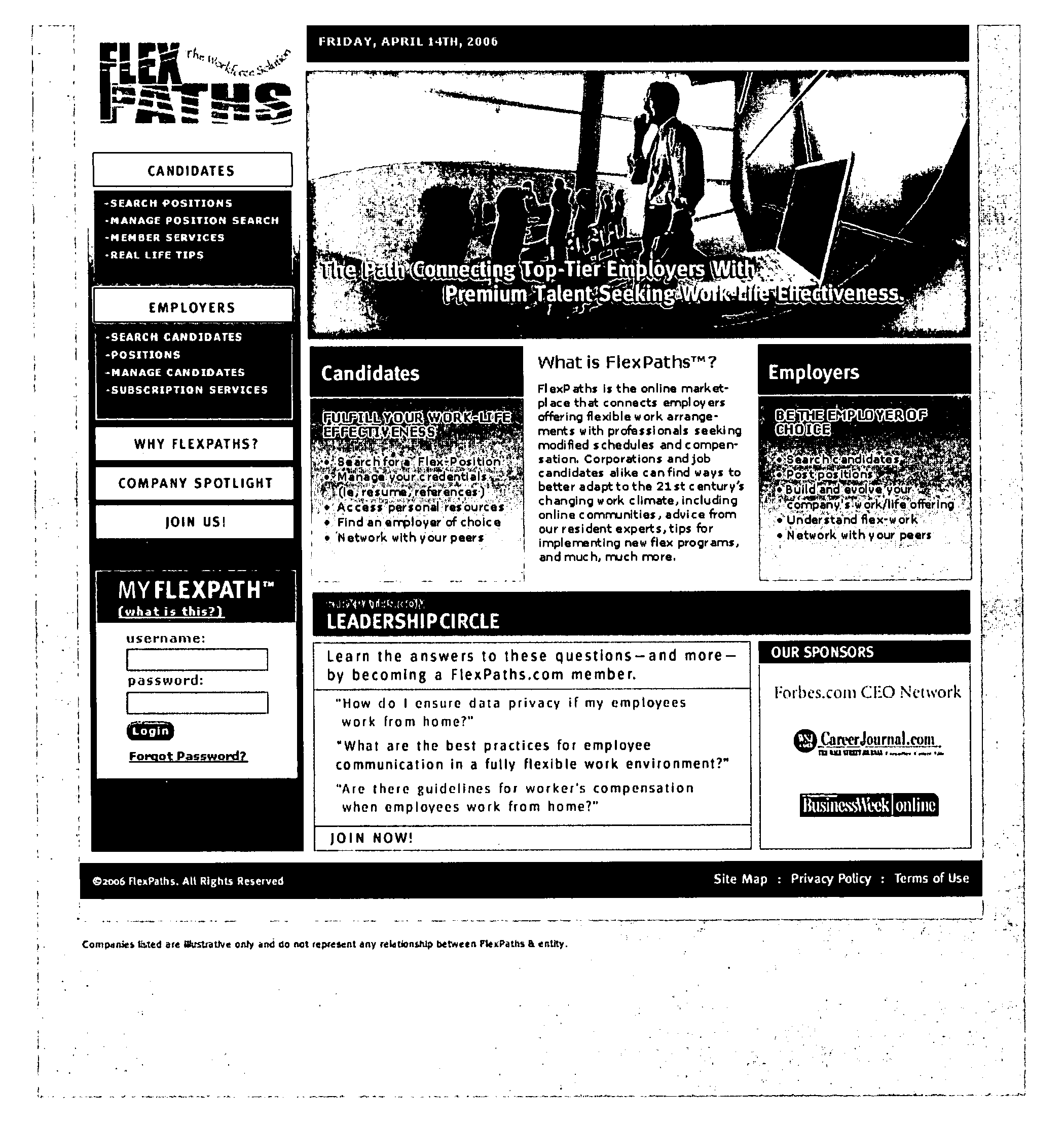
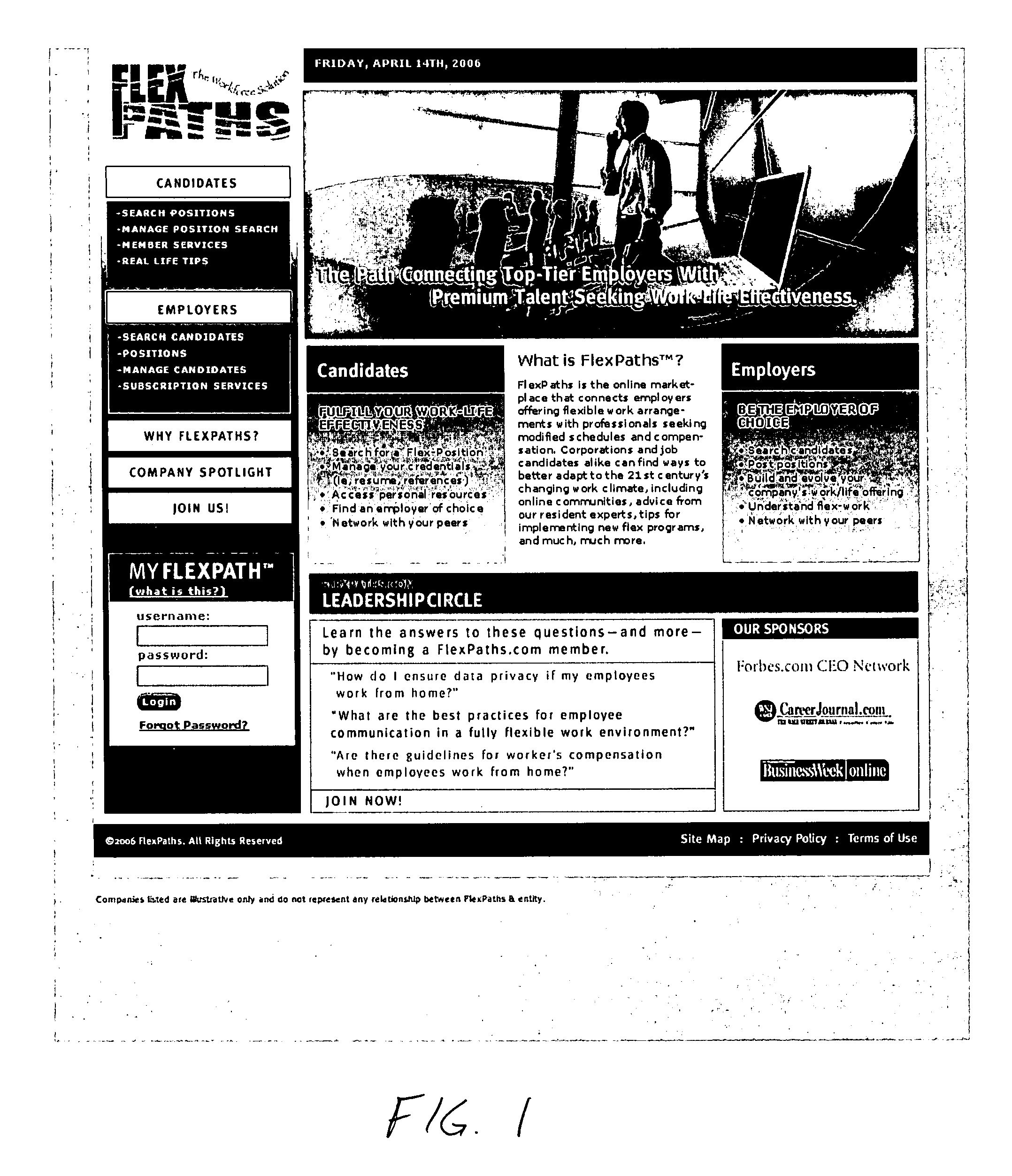
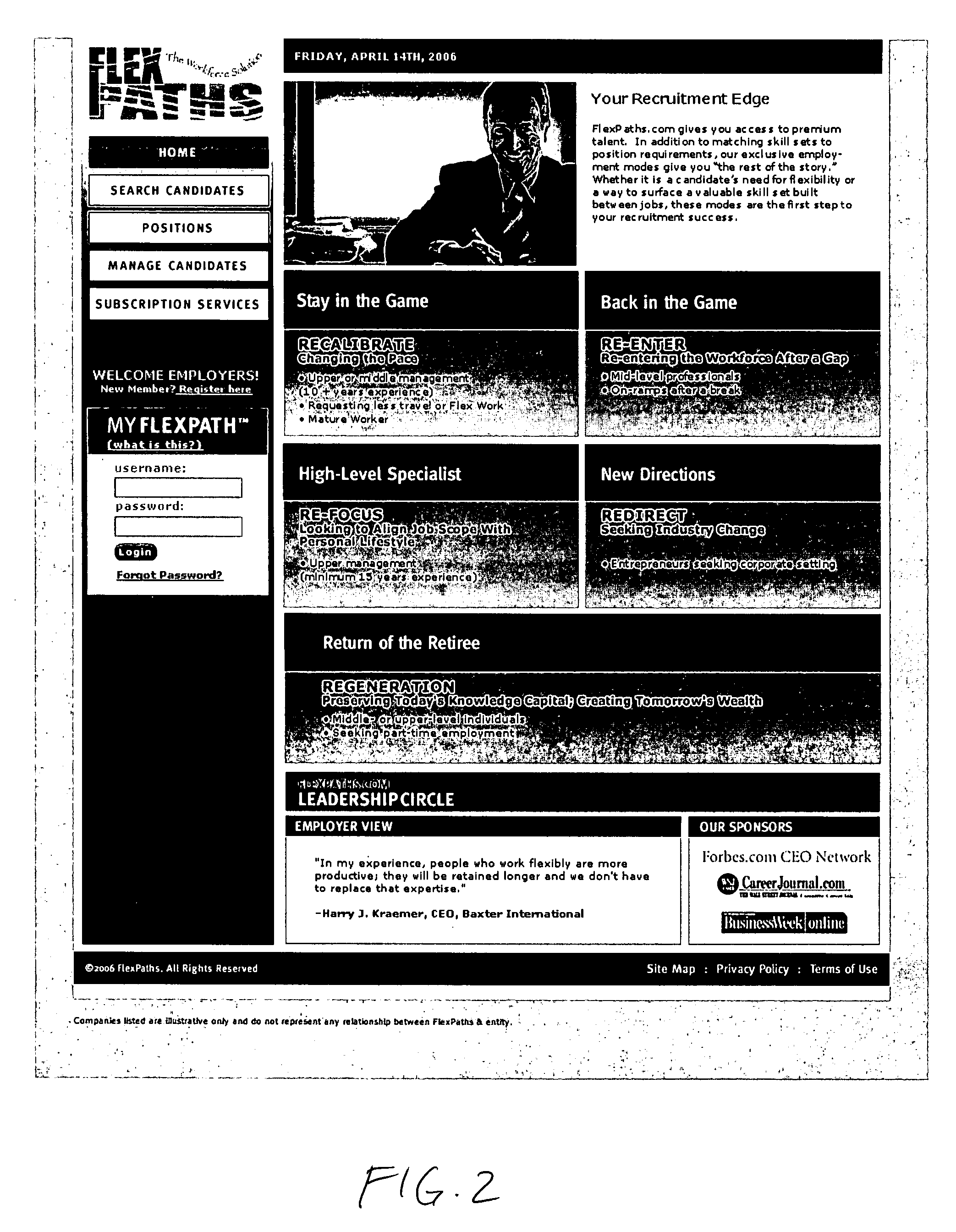
- A web-based system that connects employers offering flexible job positions with applicants, providing data on flexibility such as hours, benefits, and location, and allowing applicants to self-select or be assigned employment modes based on experience and lifestyle, enabling efficient job matching and statistical analysis of job flexibility within organizations.

Compliance and Labor Regulations for Digital Workforce
Digital workforce solutions operate within a complex regulatory landscape that varies significantly across jurisdictions, creating substantial compliance challenges for organizations implementing these technologies. The regulatory framework encompasses employment law, data protection regulations, tax obligations, and industry-specific requirements that must be carefully navigated to ensure legal operation.
Employment classification represents one of the most critical compliance considerations in digital workforce implementation. Organizations must determine whether digital workers constitute employees, independent contractors, or an entirely new category of workforce participants. This classification directly impacts tax withholding obligations, benefits provision, workers' compensation requirements, and adherence to minimum wage laws. The ambiguity surrounding digital workforce classification has prompted several jurisdictions to develop specific regulatory guidance, though consistency remains limited across different regions.
Data protection and privacy regulations impose stringent requirements on digital workforce solutions, particularly regarding the collection, processing, and storage of worker information. Compliance with frameworks such as GDPR in Europe, CCPA in California, and similar regulations worldwide necessitates robust data governance mechanisms. Organizations must implement appropriate consent mechanisms, data minimization practices, and breach notification procedures while ensuring cross-border data transfer compliance when digital workers operate across multiple jurisdictions.
Labor standards enforcement presents unique challenges in digital workforce environments, where traditional workplace monitoring and inspection mechanisms may not apply effectively. Regulatory bodies are developing new approaches to ensure compliance with working time regulations, health and safety requirements, and anti-discrimination laws in digital work settings. The distributed nature of digital workforce solutions complicates enforcement efforts and requires innovative compliance monitoring approaches.
Industry-specific regulations add additional complexity layers, particularly in sectors such as healthcare, financial services, and transportation where digital workforce solutions must comply with specialized licensing, certification, and operational requirements. These regulations often require specific qualifications, background checks, and ongoing compliance monitoring that must be integrated into digital workforce management systems.
The evolving nature of digital workforce regulations creates ongoing compliance risks, as legislative bodies worldwide continue developing new frameworks to address emerging challenges. Organizations must establish dynamic compliance monitoring systems capable of adapting to regulatory changes while maintaining operational efficiency and worker protection standards across their digital workforce operations.
Employment classification represents one of the most critical compliance considerations in digital workforce implementation. Organizations must determine whether digital workers constitute employees, independent contractors, or an entirely new category of workforce participants. This classification directly impacts tax withholding obligations, benefits provision, workers' compensation requirements, and adherence to minimum wage laws. The ambiguity surrounding digital workforce classification has prompted several jurisdictions to develop specific regulatory guidance, though consistency remains limited across different regions.
Data protection and privacy regulations impose stringent requirements on digital workforce solutions, particularly regarding the collection, processing, and storage of worker information. Compliance with frameworks such as GDPR in Europe, CCPA in California, and similar regulations worldwide necessitates robust data governance mechanisms. Organizations must implement appropriate consent mechanisms, data minimization practices, and breach notification procedures while ensuring cross-border data transfer compliance when digital workers operate across multiple jurisdictions.
Labor standards enforcement presents unique challenges in digital workforce environments, where traditional workplace monitoring and inspection mechanisms may not apply effectively. Regulatory bodies are developing new approaches to ensure compliance with working time regulations, health and safety requirements, and anti-discrimination laws in digital work settings. The distributed nature of digital workforce solutions complicates enforcement efforts and requires innovative compliance monitoring approaches.
Industry-specific regulations add additional complexity layers, particularly in sectors such as healthcare, financial services, and transportation where digital workforce solutions must comply with specialized licensing, certification, and operational requirements. These regulations often require specific qualifications, background checks, and ongoing compliance monitoring that must be integrated into digital workforce management systems.
The evolving nature of digital workforce regulations creates ongoing compliance risks, as legislative bodies worldwide continue developing new frameworks to address emerging challenges. Organizations must establish dynamic compliance monitoring systems capable of adapting to regulatory changes while maintaining operational efficiency and worker protection standards across their digital workforce operations.
Risk Assessment and Security in Flexible Digital Workforce
The implementation of flexible digital workforce solutions introduces a complex landscape of security vulnerabilities and operational risks that organizations must systematically evaluate and mitigate. As enterprises increasingly adopt remote work models, cloud-based collaboration platforms, and distributed computing environments, the traditional security perimeter has dissolved, creating new attack vectors and compliance challenges that require comprehensive risk assessment frameworks.
Cybersecurity threats in flexible digital workforce environments manifest across multiple dimensions, including endpoint security vulnerabilities, data transmission risks, and identity management complexities. Remote devices operating outside corporate firewalls face heightened exposure to malware, phishing attacks, and unauthorized access attempts. The proliferation of personal devices in bring-your-own-device policies compounds these risks, as organizations struggle to maintain consistent security standards across heterogeneous hardware and software configurations.
Data protection concerns become particularly acute when sensitive corporate information traverses multiple networks and storage systems. Cloud service dependencies introduce third-party risk factors, while cross-border data flows may trigger regulatory compliance issues under frameworks such as GDPR, CCPA, and industry-specific standards. Organizations must implement robust encryption protocols, secure communication channels, and comprehensive data loss prevention mechanisms to safeguard intellectual property and customer information.
Identity and access management represents a critical security pillar in distributed workforce architectures. Multi-factor authentication, zero-trust network models, and privileged access management systems become essential components for verifying user identities and controlling resource access. However, the complexity of managing permissions across diverse platforms and applications creates potential security gaps that malicious actors may exploit.
Operational continuity risks emerge from the interdependencies between various digital workforce components. System failures, network outages, or security breaches can cascade across interconnected platforms, potentially disrupting business operations and compromising service delivery. Organizations must develop comprehensive incident response plans, backup systems, and recovery procedures to maintain operational resilience in the face of security incidents or technical failures.
Regulatory compliance challenges intensify as flexible workforce solutions span multiple jurisdictions and regulatory domains. Organizations must navigate evolving privacy laws, industry regulations, and cross-border data transfer requirements while maintaining operational flexibility. This necessitates continuous monitoring of regulatory changes and adaptive compliance frameworks that can accommodate diverse legal requirements without constraining business agility.
Cybersecurity threats in flexible digital workforce environments manifest across multiple dimensions, including endpoint security vulnerabilities, data transmission risks, and identity management complexities. Remote devices operating outside corporate firewalls face heightened exposure to malware, phishing attacks, and unauthorized access attempts. The proliferation of personal devices in bring-your-own-device policies compounds these risks, as organizations struggle to maintain consistent security standards across heterogeneous hardware and software configurations.
Data protection concerns become particularly acute when sensitive corporate information traverses multiple networks and storage systems. Cloud service dependencies introduce third-party risk factors, while cross-border data flows may trigger regulatory compliance issues under frameworks such as GDPR, CCPA, and industry-specific standards. Organizations must implement robust encryption protocols, secure communication channels, and comprehensive data loss prevention mechanisms to safeguard intellectual property and customer information.
Identity and access management represents a critical security pillar in distributed workforce architectures. Multi-factor authentication, zero-trust network models, and privileged access management systems become essential components for verifying user identities and controlling resource access. However, the complexity of managing permissions across diverse platforms and applications creates potential security gaps that malicious actors may exploit.
Operational continuity risks emerge from the interdependencies between various digital workforce components. System failures, network outages, or security breaches can cascade across interconnected platforms, potentially disrupting business operations and compromising service delivery. Organizations must develop comprehensive incident response plans, backup systems, and recovery procedures to maintain operational resilience in the face of security incidents or technical failures.
Regulatory compliance challenges intensify as flexible workforce solutions span multiple jurisdictions and regulatory domains. Organizations must navigate evolving privacy laws, industry regulations, and cross-border data transfer requirements while maintaining operational flexibility. This necessitates continuous monitoring of regulatory changes and adaptive compliance frameworks that can accommodate diverse legal requirements without constraining business agility.
Unlock deeper insights with Patsnap Eureka Quick Research — get a full tech report to explore trends and direct your research. Try now!
Generate Your Research Report Instantly with AI Agent
Supercharge your innovation with Patsnap Eureka AI Agent Platform!