Evaluating Mechanical Loads On Aerogel Insulation Systems
APR 8, 20268 MIN READ
Generate Your Research Report Instantly with AI Agent
Patsnap Eureka helps you evaluate technical feasibility & market potential.
Aerogel Insulation Mechanical Load Assessment Background and Objectives
Aerogel materials represent one of the most significant breakthroughs in thermal insulation technology, characterized by their ultra-low density, exceptional thermal resistance, and unique nanoporous structure. Since their discovery in the 1930s, aerogels have evolved from laboratory curiosities to critical components in aerospace, industrial, and emerging commercial applications. The development trajectory has been marked by continuous improvements in manufacturing processes, cost reduction efforts, and enhanced mechanical properties to meet increasingly demanding application requirements.
The aerospace industry has been the primary driver of aerogel insulation technology advancement, where extreme temperature variations and weight constraints demand superior performance materials. Space missions require insulation systems that can withstand launch vibrations, thermal cycling, and long-term exposure to harsh environments while maintaining structural integrity. Similarly, industrial applications such as oil and gas pipelines, petrochemical processing facilities, and high-temperature manufacturing processes have created substantial demand for lightweight, high-performance insulation solutions.
Current market trends indicate expanding applications beyond traditional aerospace and industrial sectors, with growing interest in building construction, automotive, and renewable energy systems. This diversification has intensified the need for comprehensive understanding of aerogel mechanical behavior under various loading conditions, as different applications present unique mechanical stress profiles and performance requirements.
The primary objective of evaluating mechanical loads on aerogel insulation systems is to establish reliable design criteria and performance prediction models that ensure system integrity throughout operational lifecycles. This evaluation encompasses understanding failure mechanisms, determining safe operating limits, and developing optimization strategies for aerogel-based insulation architectures. The assessment aims to bridge the gap between material-level properties and system-level performance, enabling engineers to make informed decisions regarding aerogel implementation in critical applications.
Furthermore, the evaluation seeks to identify key parameters influencing mechanical performance, including environmental factors, loading rates, and multi-axial stress conditions. This comprehensive understanding will facilitate the development of improved aerogel formulations and installation methodologies, ultimately expanding the technology's applicability across diverse industrial sectors while ensuring safety and reliability standards are maintained.
The aerospace industry has been the primary driver of aerogel insulation technology advancement, where extreme temperature variations and weight constraints demand superior performance materials. Space missions require insulation systems that can withstand launch vibrations, thermal cycling, and long-term exposure to harsh environments while maintaining structural integrity. Similarly, industrial applications such as oil and gas pipelines, petrochemical processing facilities, and high-temperature manufacturing processes have created substantial demand for lightweight, high-performance insulation solutions.
Current market trends indicate expanding applications beyond traditional aerospace and industrial sectors, with growing interest in building construction, automotive, and renewable energy systems. This diversification has intensified the need for comprehensive understanding of aerogel mechanical behavior under various loading conditions, as different applications present unique mechanical stress profiles and performance requirements.
The primary objective of evaluating mechanical loads on aerogel insulation systems is to establish reliable design criteria and performance prediction models that ensure system integrity throughout operational lifecycles. This evaluation encompasses understanding failure mechanisms, determining safe operating limits, and developing optimization strategies for aerogel-based insulation architectures. The assessment aims to bridge the gap between material-level properties and system-level performance, enabling engineers to make informed decisions regarding aerogel implementation in critical applications.
Furthermore, the evaluation seeks to identify key parameters influencing mechanical performance, including environmental factors, loading rates, and multi-axial stress conditions. This comprehensive understanding will facilitate the development of improved aerogel formulations and installation methodologies, ultimately expanding the technology's applicability across diverse industrial sectors while ensuring safety and reliability standards are maintained.
Market Demand for High-Performance Aerogel Insulation Systems
The aerospace industry represents the largest and most demanding market segment for high-performance aerogel insulation systems, driven by stringent requirements for thermal protection in extreme environments. Commercial aviation manufacturers increasingly prioritize lightweight insulation solutions that can withstand significant mechanical loads while maintaining superior thermal performance. The growing emphasis on fuel efficiency and emission reduction has intensified demand for advanced materials that reduce overall aircraft weight without compromising safety or performance standards.
Space exploration and satellite applications constitute another rapidly expanding market segment, where aerogel insulation systems must endure extreme temperature variations and mechanical stresses during launch and operation. The commercial space industry's growth has created substantial opportunities for specialized aerogel products capable of protecting sensitive equipment and maintaining operational integrity under harsh conditions.
Industrial applications, particularly in petrochemical and energy sectors, demonstrate strong market demand for aerogel insulation systems that can handle both thermal and mechanical challenges. High-temperature processing facilities require insulation materials that maintain structural integrity under continuous thermal cycling and mechanical vibration. The increasing focus on energy efficiency and process optimization drives adoption of advanced insulation technologies that offer superior performance compared to traditional materials.
The building and construction sector shows emerging interest in high-performance aerogel insulation, especially for specialized applications requiring exceptional thermal properties in space-constrained environments. Green building initiatives and energy efficiency regulations create market pull for innovative insulation solutions that deliver superior performance per unit thickness.
Automotive applications, particularly in electric vehicle battery thermal management and high-performance engine compartments, represent a growing market opportunity. The automotive industry's transition toward electrification and improved fuel efficiency creates demand for lightweight, mechanically robust insulation systems that can withstand automotive operating conditions.
Market growth is further supported by increasing awareness of aerogel technology capabilities and declining production costs through manufacturing process improvements. The convergence of performance requirements and cost considerations positions high-performance aerogel insulation systems for significant market expansion across multiple industrial sectors.
Space exploration and satellite applications constitute another rapidly expanding market segment, where aerogel insulation systems must endure extreme temperature variations and mechanical stresses during launch and operation. The commercial space industry's growth has created substantial opportunities for specialized aerogel products capable of protecting sensitive equipment and maintaining operational integrity under harsh conditions.
Industrial applications, particularly in petrochemical and energy sectors, demonstrate strong market demand for aerogel insulation systems that can handle both thermal and mechanical challenges. High-temperature processing facilities require insulation materials that maintain structural integrity under continuous thermal cycling and mechanical vibration. The increasing focus on energy efficiency and process optimization drives adoption of advanced insulation technologies that offer superior performance compared to traditional materials.
The building and construction sector shows emerging interest in high-performance aerogel insulation, especially for specialized applications requiring exceptional thermal properties in space-constrained environments. Green building initiatives and energy efficiency regulations create market pull for innovative insulation solutions that deliver superior performance per unit thickness.
Automotive applications, particularly in electric vehicle battery thermal management and high-performance engine compartments, represent a growing market opportunity. The automotive industry's transition toward electrification and improved fuel efficiency creates demand for lightweight, mechanically robust insulation systems that can withstand automotive operating conditions.
Market growth is further supported by increasing awareness of aerogel technology capabilities and declining production costs through manufacturing process improvements. The convergence of performance requirements and cost considerations positions high-performance aerogel insulation systems for significant market expansion across multiple industrial sectors.
Current Mechanical Testing Standards and Limitations for Aerogels
The mechanical testing of aerogel insulation systems currently relies on several established standards, though these were primarily developed for conventional materials and may not fully capture the unique properties of aerogels. ASTM C165 serves as the primary standard for measuring compressive properties of thermal insulating materials, providing guidelines for sample preparation, loading rates, and data interpretation. However, this standard was designed for traditional foam and fibrous insulation materials, which exhibit significantly different mechanical behavior compared to aerogels' highly porous nanostructure.
ASTM D1621 offers another approach for testing rigid cellular plastics in compression, but its applicability to aerogel materials remains questionable due to the fundamental differences in material architecture. The standard assumes relatively uniform cellular structures, whereas aerogels possess complex three-dimensional networks with varying pore sizes and wall thicknesses that can lead to non-uniform stress distributions during testing.
Current testing protocols face significant limitations when applied to aerogel systems. The extremely low density and high porosity of aerogels, typically ranging from 95-99% void space, create challenges in achieving consistent and repeatable test results. Sample preparation becomes critical, as aerogels are highly susceptible to damage during handling and machining processes. The brittle nature of many aerogel formulations means that traditional gripping methods and loading fixtures may introduce stress concentrations that do not represent actual service conditions.
Loading rate sensitivity presents another major limitation in existing standards. Aerogels often exhibit time-dependent mechanical behavior due to their complex pore structure and potential viscoelastic properties of the solid matrix. Standard testing rates may not capture the full range of mechanical responses that occur under different loading scenarios in real applications, such as thermal cycling or dynamic loading conditions.
The lack of standardized procedures for testing aerogel composites and blanket forms further complicates mechanical evaluation. Many commercial aerogel insulation systems incorporate reinforcing fibers or are supplied as flexible blankets, requiring modified testing approaches that current standards do not adequately address. Environmental conditioning requirements also need refinement, as aerogels can be sensitive to humidity and temperature variations that significantly affect their mechanical properties.
Scale effects represent an additional challenge, as laboratory-scale specimens may not accurately represent the mechanical behavior of full-scale insulation systems. The heterogeneous nature of aerogel materials means that small test specimens might not capture the statistical variation in properties that occurs across larger installations.
ASTM D1621 offers another approach for testing rigid cellular plastics in compression, but its applicability to aerogel materials remains questionable due to the fundamental differences in material architecture. The standard assumes relatively uniform cellular structures, whereas aerogels possess complex three-dimensional networks with varying pore sizes and wall thicknesses that can lead to non-uniform stress distributions during testing.
Current testing protocols face significant limitations when applied to aerogel systems. The extremely low density and high porosity of aerogels, typically ranging from 95-99% void space, create challenges in achieving consistent and repeatable test results. Sample preparation becomes critical, as aerogels are highly susceptible to damage during handling and machining processes. The brittle nature of many aerogel formulations means that traditional gripping methods and loading fixtures may introduce stress concentrations that do not represent actual service conditions.
Loading rate sensitivity presents another major limitation in existing standards. Aerogels often exhibit time-dependent mechanical behavior due to their complex pore structure and potential viscoelastic properties of the solid matrix. Standard testing rates may not capture the full range of mechanical responses that occur under different loading scenarios in real applications, such as thermal cycling or dynamic loading conditions.
The lack of standardized procedures for testing aerogel composites and blanket forms further complicates mechanical evaluation. Many commercial aerogel insulation systems incorporate reinforcing fibers or are supplied as flexible blankets, requiring modified testing approaches that current standards do not adequately address. Environmental conditioning requirements also need refinement, as aerogels can be sensitive to humidity and temperature variations that significantly affect their mechanical properties.
Scale effects represent an additional challenge, as laboratory-scale specimens may not accurately represent the mechanical behavior of full-scale insulation systems. The heterogeneous nature of aerogel materials means that small test specimens might not capture the statistical variation in properties that occurs across larger installations.
Existing Mechanical Load Evaluation Solutions for Aerogels
01 Composite aerogel insulation panels with reinforcement layers
Aerogel insulation systems can be enhanced with reinforcement layers or composite structures to improve mechanical strength and load-bearing capacity. These systems typically incorporate fiber reinforcements, fabric layers, or structural matrices that are integrated with aerogel materials to create panels capable of withstanding compressive and tensile forces while maintaining thermal insulation properties. The composite design allows for better distribution of mechanical loads across the insulation system.- Composite aerogel insulation panels with reinforcement structures: Aerogel insulation systems can be enhanced with composite structures incorporating reinforcement materials such as fibers, meshes, or fabric layers to improve mechanical strength and load-bearing capacity. These reinforced panels maintain excellent thermal insulation properties while providing sufficient structural integrity to withstand compressive and tensile forces during installation and operation.
- Flexible aerogel blankets with mechanical durability: Flexible aerogel blanket systems are designed with enhanced mechanical properties to resist tearing, puncturing, and deformation under various loads. These systems typically incorporate fibrous batting or textile substrates that provide flexibility while maintaining structural integrity under mechanical stress, making them suitable for applications requiring conformability and durability.
- Aerogel insulation with protective coating layers: Protective coating systems applied to aerogel insulation materials enhance resistance to mechanical damage, abrasion, and impact loads. These coatings can include polymeric films, elastomeric layers, or hardened surface treatments that shield the fragile aerogel structure from external mechanical forces while preserving thermal performance.
- Sandwich structure aerogel insulation systems: Sandwich construction designs incorporate aerogel insulation between rigid or semi-rigid facing materials to create composite panels with improved load distribution and mechanical stability. The facing layers protect the aerogel core from direct mechanical loads while the overall system provides both thermal insulation and structural support capabilities.
- Aerogel insulation with compression-resistant formulations: Specialized aerogel formulations are developed with enhanced density gradients, cross-linked structures, or hybrid compositions to improve compression resistance and load-bearing performance. These materials are engineered to maintain their insulating properties and dimensional stability under sustained mechanical loads and cyclic compression conditions.
02 Aerogel blankets with flexible load-bearing structures
Flexible aerogel insulation systems utilize blanket or mat configurations that can accommodate mechanical deformation while maintaining structural integrity. These systems employ fibrous substrates or batting materials impregnated with aerogel particles, allowing the insulation to flex and compress under mechanical loads without permanent damage. The flexible nature enables installation in applications where movement or vibration is present.Expand Specific Solutions03 Aerogel insulation with protective outer layers for impact resistance
Aerogel insulation systems can be designed with protective outer layers or encapsulation materials that shield the fragile aerogel core from mechanical impacts and abrasion. These protective layers may consist of polymer films, metal foils, or rigid shells that absorb and distribute impact forces, preventing damage to the aerogel structure. This approach is particularly useful in applications where the insulation is exposed to external mechanical stresses.Expand Specific Solutions04 Densified aerogel materials for enhanced compressive strength
Aerogel materials can be processed through densification techniques to increase their mechanical strength and resistance to compressive loads. These methods involve controlled compression or chemical treatment of the aerogel structure to reduce porosity while maintaining acceptable thermal insulation performance. The resulting materials exhibit improved load-bearing capabilities suitable for applications requiring both insulation and structural support.Expand Specific Solutions05 Hybrid aerogel-foam insulation systems for load distribution
Hybrid insulation systems combine aerogel materials with foam or cellular structures to create composite systems that balance thermal performance with mechanical load distribution. These systems utilize the superior insulation properties of aerogels while leveraging the structural characteristics of foams to handle mechanical stresses. The hybrid approach allows for optimization of both thermal and mechanical properties in demanding applications.Expand Specific Solutions
Core Innovations in Aerogel Mechanical Property Testing
Sprayable Aerogel Insulation
PatentInactiveUS20080241490A1
Innovation
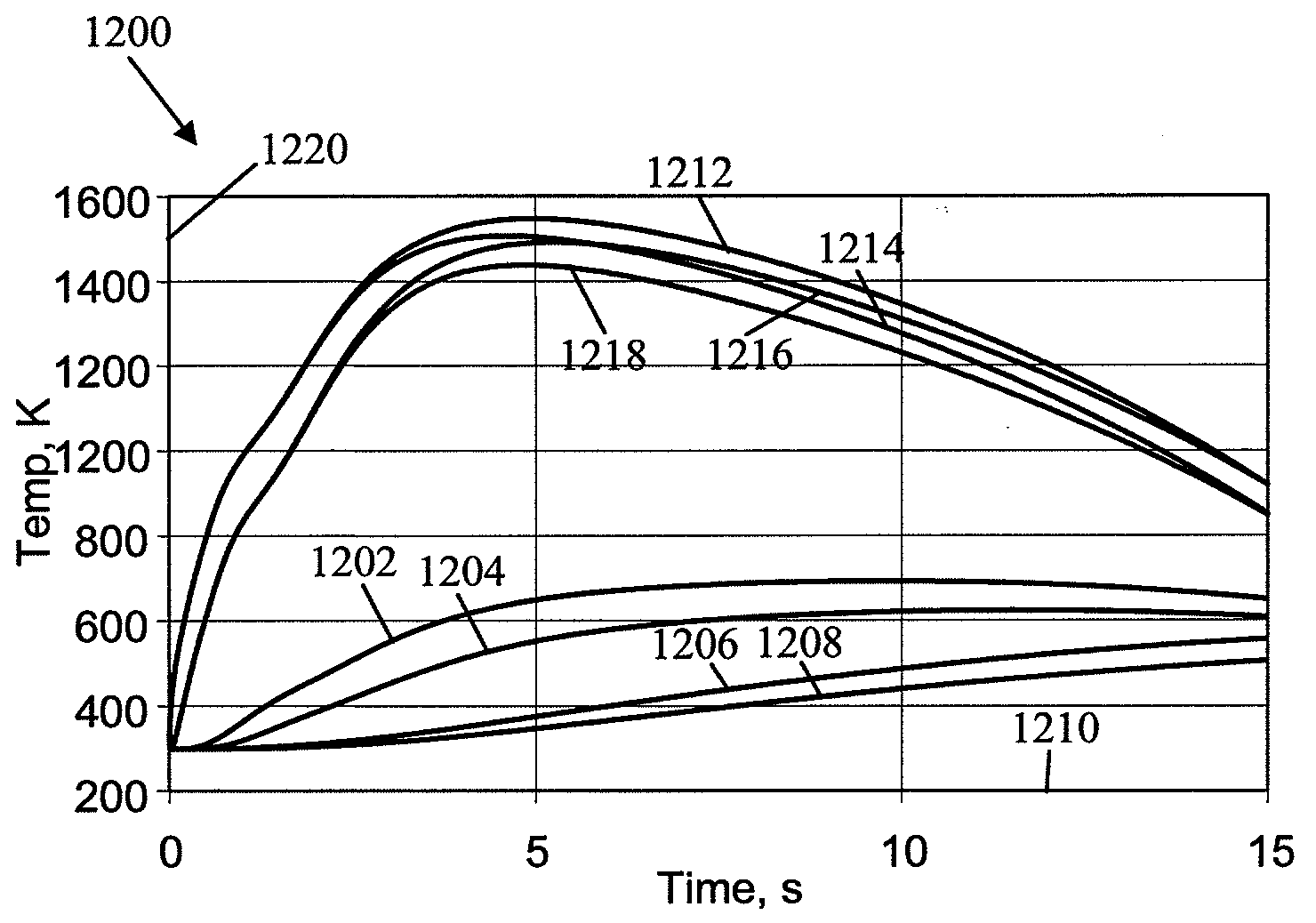
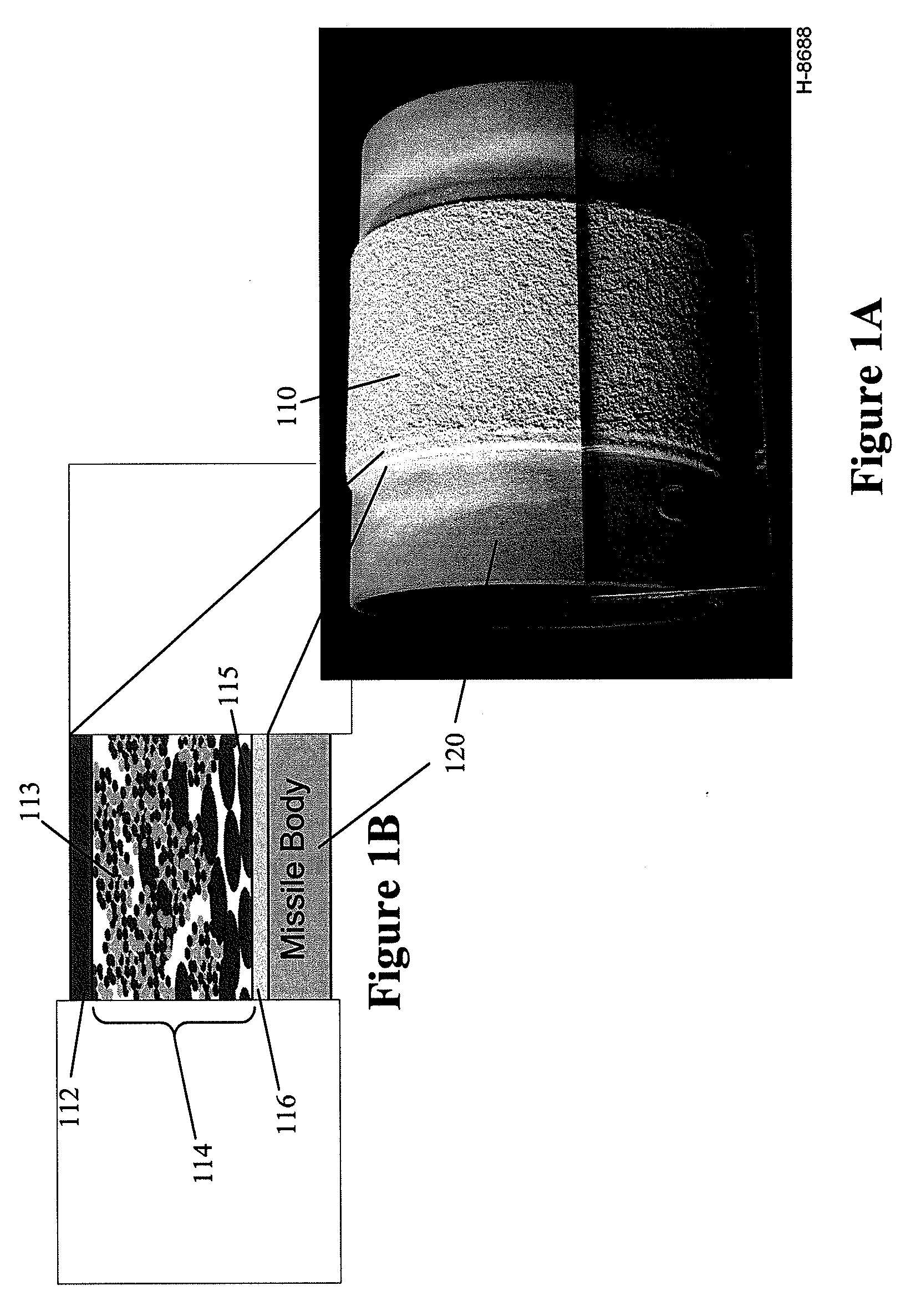
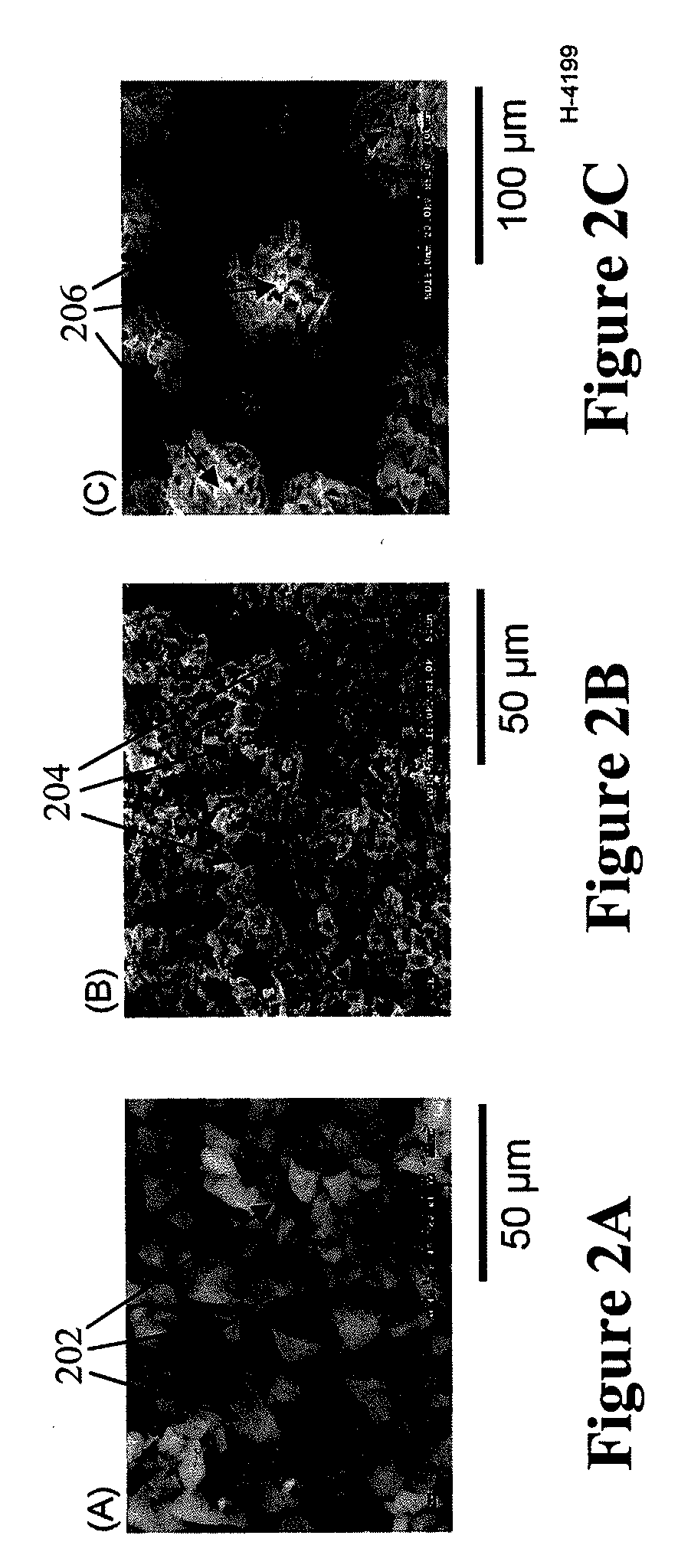
- A mechanically robust insulation structure is created by thermal spraying agglomerated aerogel particles combined with ceramic particles, which provides both mechanical integrity and insulation, using a graded or layered structure with controlled proportions of ceramic and aerogel materials, and employing thermal spraying technologies like plasma spraying.

Cryogenic insulation systems with nanoporous components
PatentWO2007044341A2
Innovation
- A cryogenic insulation system comprising a primary and secondary shell with a nanoporous aerogel material as the primary insulation component, optionally reinforced with fibrous elements, and potentially an intermediary shell, which provides both thermal insulation and mechanical integrity by maintaining low thermal conductivity even under compressive loads.
Safety Standards for Aerogel Insulation Applications
The establishment of comprehensive safety standards for aerogel insulation applications represents a critical framework for ensuring reliable performance under mechanical loading conditions. Current international standards primarily focus on thermal performance metrics, leaving significant gaps in mechanical safety requirements that must be addressed through systematic evaluation protocols.
Existing safety frameworks such as ASTM C1728 and ISO 15148 provide foundational guidelines for aerogel material characterization but lack specific provisions for mechanical load assessment in real-world applications. The development of enhanced safety standards requires integration of dynamic loading scenarios, fatigue resistance criteria, and failure mode analysis protocols that account for aerogel's unique microstructural properties.
Key safety parameters must encompass compressive strength thresholds, tensile failure limits, and cyclic loading endurance specifications. These standards should establish minimum performance criteria for aerogel systems subjected to thermal cycling, vibration loads, and installation stresses. Critical safety factors include defining acceptable deformation limits that maintain insulation integrity while preventing catastrophic failure modes.
The standardization process must address application-specific requirements across aerospace, industrial, and building sectors. Aerospace applications demand stringent vibration resistance standards, while industrial installations require protocols for pressure vessel and piping system integration. Building applications necessitate standards addressing seismic loading, wind pressure resistance, and long-term structural stability under varying environmental conditions.
Emerging safety considerations include the development of non-destructive testing protocols for in-service aerogel systems and establishment of inspection intervals based on loading history. Standards must also incorporate guidelines for system-level testing that evaluate aerogel performance within complete insulation assemblies, including interface bonding strength and thermal bridge prevention.
Future safety standard development should emphasize predictive modeling validation requirements and establish certification procedures for new aerogel formulations. The integration of digital monitoring systems and real-time load assessment capabilities represents an evolving area requiring standardized data collection and analysis protocols to ensure consistent safety evaluation across different applications and operating environments.
Existing safety frameworks such as ASTM C1728 and ISO 15148 provide foundational guidelines for aerogel material characterization but lack specific provisions for mechanical load assessment in real-world applications. The development of enhanced safety standards requires integration of dynamic loading scenarios, fatigue resistance criteria, and failure mode analysis protocols that account for aerogel's unique microstructural properties.
Key safety parameters must encompass compressive strength thresholds, tensile failure limits, and cyclic loading endurance specifications. These standards should establish minimum performance criteria for aerogel systems subjected to thermal cycling, vibration loads, and installation stresses. Critical safety factors include defining acceptable deformation limits that maintain insulation integrity while preventing catastrophic failure modes.
The standardization process must address application-specific requirements across aerospace, industrial, and building sectors. Aerospace applications demand stringent vibration resistance standards, while industrial installations require protocols for pressure vessel and piping system integration. Building applications necessitate standards addressing seismic loading, wind pressure resistance, and long-term structural stability under varying environmental conditions.
Emerging safety considerations include the development of non-destructive testing protocols for in-service aerogel systems and establishment of inspection intervals based on loading history. Standards must also incorporate guidelines for system-level testing that evaluate aerogel performance within complete insulation assemblies, including interface bonding strength and thermal bridge prevention.
Future safety standard development should emphasize predictive modeling validation requirements and establish certification procedures for new aerogel formulations. The integration of digital monitoring systems and real-time load assessment capabilities represents an evolving area requiring standardized data collection and analysis protocols to ensure consistent safety evaluation across different applications and operating environments.
Environmental Impact of Aerogel Production and Testing
The environmental implications of aerogel production and testing processes present significant considerations for sustainable implementation of these advanced insulation materials. Traditional aerogel manufacturing methods, particularly those involving supercritical drying, consume substantial energy resources and require specialized solvents that may pose environmental risks. The production process typically involves sol-gel chemistry followed by solvent extraction, where organic solvents like methanol or ethanol are commonly used, potentially generating volatile organic compound emissions if not properly managed.
Manufacturing facilities must address the carbon footprint associated with high-temperature and high-pressure processing conditions required for supercritical drying. Energy consumption during production can be substantial, with some estimates indicating that aerogel manufacturing requires 3-5 times more energy per unit volume compared to conventional insulation materials. However, this initial environmental cost is often offset by the superior thermal performance and longevity of aerogel systems, which can result in significant energy savings during operational phases.
Testing procedures for mechanical load evaluation also contribute to environmental considerations. Standardized testing protocols often require multiple sample preparations and destructive testing methods, leading to material waste. Accelerated aging tests and cyclic loading experiments generate aerogel debris that requires proper disposal protocols due to the material's fine particulate nature and potential respiratory concerns.
Recent developments in ambient pressure drying techniques and bio-based precursor materials are addressing these environmental challenges. Alternative synthesis routes using renewable feedstocks and water-based processing methods show promise for reducing the environmental impact. Additionally, recycling strategies for end-of-life aerogel materials are being developed, though the crosslinked silica network structure presents challenges for traditional recycling approaches.
The lifecycle assessment of aerogel insulation systems reveals that despite higher production-phase environmental impacts, the operational energy savings typically result in net positive environmental benefits over the material's service life, particularly in high-performance thermal management applications where mechanical reliability is critical.
Manufacturing facilities must address the carbon footprint associated with high-temperature and high-pressure processing conditions required for supercritical drying. Energy consumption during production can be substantial, with some estimates indicating that aerogel manufacturing requires 3-5 times more energy per unit volume compared to conventional insulation materials. However, this initial environmental cost is often offset by the superior thermal performance and longevity of aerogel systems, which can result in significant energy savings during operational phases.
Testing procedures for mechanical load evaluation also contribute to environmental considerations. Standardized testing protocols often require multiple sample preparations and destructive testing methods, leading to material waste. Accelerated aging tests and cyclic loading experiments generate aerogel debris that requires proper disposal protocols due to the material's fine particulate nature and potential respiratory concerns.
Recent developments in ambient pressure drying techniques and bio-based precursor materials are addressing these environmental challenges. Alternative synthesis routes using renewable feedstocks and water-based processing methods show promise for reducing the environmental impact. Additionally, recycling strategies for end-of-life aerogel materials are being developed, though the crosslinked silica network structure presents challenges for traditional recycling approaches.
The lifecycle assessment of aerogel insulation systems reveals that despite higher production-phase environmental impacts, the operational energy savings typically result in net positive environmental benefits over the material's service life, particularly in high-performance thermal management applications where mechanical reliability is critical.
Unlock deeper insights with Patsnap Eureka Quick Research — get a full tech report to explore trends and direct your research. Try now!
Generate Your Research Report Instantly with AI Agent
Supercharge your innovation with Patsnap Eureka AI Agent Platform!