

Front Suspension Maintenance Planning: Predictive Analytics Approach
MAR 31, 20269 MIN READ
Generate Your Research Report Instantly with AI Agent
Patsnap Eureka helps you evaluate technical feasibility & market potential.
Front Suspension Analytics Background and Objectives
The automotive industry has witnessed a paradigm shift from reactive to proactive maintenance strategies, driven by the increasing complexity of vehicle systems and the critical importance of safety components. Front suspension systems, comprising springs, shock absorbers, struts, control arms, and stabilizer bars, represent one of the most vital safety-critical assemblies in modern vehicles. These systems directly impact vehicle handling, ride comfort, tire wear patterns, and overall driving safety, making their optimal performance essential for both passenger safety and operational efficiency.
Traditional maintenance approaches for front suspension systems have relied heavily on scheduled maintenance intervals and reactive repairs following component failures. This conventional methodology often results in unexpected breakdowns, increased maintenance costs, and potential safety hazards. The emergence of predictive analytics technologies presents a transformative opportunity to revolutionize suspension maintenance planning through data-driven insights and proactive intervention strategies.
The integration of Internet of Things sensors, advanced data analytics, and machine learning algorithms has created unprecedented opportunities for real-time monitoring and predictive maintenance of automotive components. Modern vehicles generate vast amounts of operational data through embedded sensors, telematics systems, and onboard diagnostics, providing rich datasets for analytical processing and pattern recognition.
The primary objective of implementing predictive analytics in front suspension maintenance planning is to establish a comprehensive framework that enables early detection of component degradation, optimizes maintenance scheduling, and minimizes unexpected failures. This approach aims to transition from time-based maintenance intervals to condition-based maintenance strategies, where maintenance actions are triggered by actual component health status rather than predetermined schedules.
Key technical objectives include developing robust algorithms capable of processing multi-dimensional sensor data to identify early warning indicators of suspension component wear, establishing predictive models that can accurately forecast remaining useful life of critical components, and creating automated alert systems that enable proactive maintenance planning. Additionally, the framework seeks to optimize maintenance resource allocation, reduce vehicle downtime, and enhance overall fleet reliability through data-driven decision making processes that consider operational conditions, usage patterns, and environmental factors affecting suspension system performance.
Traditional maintenance approaches for front suspension systems have relied heavily on scheduled maintenance intervals and reactive repairs following component failures. This conventional methodology often results in unexpected breakdowns, increased maintenance costs, and potential safety hazards. The emergence of predictive analytics technologies presents a transformative opportunity to revolutionize suspension maintenance planning through data-driven insights and proactive intervention strategies.
The integration of Internet of Things sensors, advanced data analytics, and machine learning algorithms has created unprecedented opportunities for real-time monitoring and predictive maintenance of automotive components. Modern vehicles generate vast amounts of operational data through embedded sensors, telematics systems, and onboard diagnostics, providing rich datasets for analytical processing and pattern recognition.
The primary objective of implementing predictive analytics in front suspension maintenance planning is to establish a comprehensive framework that enables early detection of component degradation, optimizes maintenance scheduling, and minimizes unexpected failures. This approach aims to transition from time-based maintenance intervals to condition-based maintenance strategies, where maintenance actions are triggered by actual component health status rather than predetermined schedules.
Key technical objectives include developing robust algorithms capable of processing multi-dimensional sensor data to identify early warning indicators of suspension component wear, establishing predictive models that can accurately forecast remaining useful life of critical components, and creating automated alert systems that enable proactive maintenance planning. Additionally, the framework seeks to optimize maintenance resource allocation, reduce vehicle downtime, and enhance overall fleet reliability through data-driven decision making processes that consider operational conditions, usage patterns, and environmental factors affecting suspension system performance.
Market Demand for Predictive Suspension Maintenance
The automotive industry is experiencing a fundamental shift toward predictive maintenance strategies, driven by increasing vehicle complexity and rising maintenance costs. Traditional reactive maintenance approaches are proving inadequate for modern suspension systems, which incorporate sophisticated electronic components and advanced materials. Fleet operators and individual vehicle owners are increasingly seeking solutions that can anticipate maintenance needs before component failures occur, reducing unexpected breakdowns and associated costs.
Commercial vehicle operators represent the primary market segment driving demand for predictive suspension maintenance solutions. Long-haul trucking companies face significant operational pressures from unplanned maintenance events, which can result in costly delays and reduced fleet utilization. These operators are actively seeking technologies that can provide advance warning of suspension component degradation, enabling scheduled maintenance during planned downtime periods.
The passenger vehicle market is also demonstrating growing interest in predictive maintenance capabilities, particularly in the luxury and premium segments. Vehicle owners are becoming more sophisticated in their maintenance expectations, seeking proactive approaches that can extend component life and maintain optimal vehicle performance. This trend is amplified by the increasing adoption of connected vehicle technologies and telematics systems.
Regulatory pressures are creating additional market demand for predictive suspension maintenance solutions. Safety regulations in various jurisdictions are becoming more stringent regarding vehicle maintenance standards, particularly for commercial vehicles. Fleet operators must demonstrate compliance with maintenance requirements, making predictive analytics an attractive solution for maintaining detailed maintenance records and ensuring regulatory compliance.
The emergence of mobility-as-a-service platforms and ride-sharing operations has created new market dynamics. These business models depend heavily on vehicle availability and reliability, making predictive maintenance a critical operational capability. Service providers in this sector are willing to invest in advanced maintenance technologies to minimize vehicle downtime and maximize fleet efficiency.
Insurance companies are beginning to recognize the value proposition of predictive maintenance technologies, creating additional market pull. Insurers are exploring usage-based insurance models that incorporate maintenance data, potentially offering premium reductions for vehicles equipped with predictive maintenance systems. This trend is expected to accelerate adoption across multiple market segments.
The aftermarket service industry is also adapting to meet growing demand for predictive maintenance capabilities. Independent service providers and dealership networks are investing in diagnostic equipment and training to support predictive maintenance services, recognizing this as a competitive differentiator in an increasingly crowded market.
Commercial vehicle operators represent the primary market segment driving demand for predictive suspension maintenance solutions. Long-haul trucking companies face significant operational pressures from unplanned maintenance events, which can result in costly delays and reduced fleet utilization. These operators are actively seeking technologies that can provide advance warning of suspension component degradation, enabling scheduled maintenance during planned downtime periods.
The passenger vehicle market is also demonstrating growing interest in predictive maintenance capabilities, particularly in the luxury and premium segments. Vehicle owners are becoming more sophisticated in their maintenance expectations, seeking proactive approaches that can extend component life and maintain optimal vehicle performance. This trend is amplified by the increasing adoption of connected vehicle technologies and telematics systems.
Regulatory pressures are creating additional market demand for predictive suspension maintenance solutions. Safety regulations in various jurisdictions are becoming more stringent regarding vehicle maintenance standards, particularly for commercial vehicles. Fleet operators must demonstrate compliance with maintenance requirements, making predictive analytics an attractive solution for maintaining detailed maintenance records and ensuring regulatory compliance.
The emergence of mobility-as-a-service platforms and ride-sharing operations has created new market dynamics. These business models depend heavily on vehicle availability and reliability, making predictive maintenance a critical operational capability. Service providers in this sector are willing to invest in advanced maintenance technologies to minimize vehicle downtime and maximize fleet efficiency.
Insurance companies are beginning to recognize the value proposition of predictive maintenance technologies, creating additional market pull. Insurers are exploring usage-based insurance models that incorporate maintenance data, potentially offering premium reductions for vehicles equipped with predictive maintenance systems. This trend is expected to accelerate adoption across multiple market segments.
The aftermarket service industry is also adapting to meet growing demand for predictive maintenance capabilities. Independent service providers and dealership networks are investing in diagnostic equipment and training to support predictive maintenance services, recognizing this as a competitive differentiator in an increasingly crowded market.
Current State of Suspension Diagnostics and Challenges
The current landscape of suspension diagnostics predominantly relies on traditional maintenance approaches that are reactive rather than proactive. Most automotive service centers and fleet operators continue to depend on scheduled maintenance intervals, visual inspections, and driver-reported symptoms to identify suspension issues. This conventional methodology often results in unexpected failures, increased downtime, and higher repair costs due to cascading component damage.
Existing diagnostic tools in the market include basic vibration analyzers, alignment measurement systems, and manual inspection protocols. While these tools provide valuable insights, they typically require the vehicle to be stationary and often fail to capture the dynamic behavior of suspension components under real-world operating conditions. The diagnostic process remains largely dependent on technician expertise and experience, leading to inconsistent results and potential oversight of early-stage deterioration.
The integration of sensor technology in modern vehicles has introduced new possibilities for suspension monitoring. Accelerometers, strain gauges, and displacement sensors are increasingly being incorporated into vehicle systems. However, the data from these sensors is often underutilized for predictive maintenance purposes, primarily serving immediate control functions rather than long-term health assessment.
One of the primary challenges facing suspension diagnostics is the complexity of suspension systems themselves. Modern vehicles employ sophisticated multi-link configurations, adaptive damping systems, and electronic control units that interact in complex ways. The interdependencies between components make it difficult to isolate specific failure modes and predict their progression accurately.
Data interpretation represents another significant hurdle. Suspension behavior is influenced by numerous variables including road conditions, driving patterns, vehicle loading, and environmental factors. Distinguishing between normal operational variations and genuine deterioration signals requires advanced analytical capabilities that current diagnostic approaches often lack.
The absence of standardized diagnostic protocols across different vehicle manufacturers and suspension designs further complicates the diagnostic landscape. Each system may require unique diagnostic approaches, making it challenging to develop universal predictive maintenance solutions. Additionally, the lack of comprehensive historical failure data limits the ability to establish reliable predictive models.
Cost considerations also present substantial challenges. Implementing comprehensive diagnostic systems requires significant investment in sensor technology, data processing infrastructure, and analytical software. Many operators struggle to justify these upfront costs, particularly when the return on investment through reduced maintenance expenses is not immediately apparent.
Existing diagnostic tools in the market include basic vibration analyzers, alignment measurement systems, and manual inspection protocols. While these tools provide valuable insights, they typically require the vehicle to be stationary and often fail to capture the dynamic behavior of suspension components under real-world operating conditions. The diagnostic process remains largely dependent on technician expertise and experience, leading to inconsistent results and potential oversight of early-stage deterioration.
The integration of sensor technology in modern vehicles has introduced new possibilities for suspension monitoring. Accelerometers, strain gauges, and displacement sensors are increasingly being incorporated into vehicle systems. However, the data from these sensors is often underutilized for predictive maintenance purposes, primarily serving immediate control functions rather than long-term health assessment.
One of the primary challenges facing suspension diagnostics is the complexity of suspension systems themselves. Modern vehicles employ sophisticated multi-link configurations, adaptive damping systems, and electronic control units that interact in complex ways. The interdependencies between components make it difficult to isolate specific failure modes and predict their progression accurately.
Data interpretation represents another significant hurdle. Suspension behavior is influenced by numerous variables including road conditions, driving patterns, vehicle loading, and environmental factors. Distinguishing between normal operational variations and genuine deterioration signals requires advanced analytical capabilities that current diagnostic approaches often lack.
The absence of standardized diagnostic protocols across different vehicle manufacturers and suspension designs further complicates the diagnostic landscape. Each system may require unique diagnostic approaches, making it challenging to develop universal predictive maintenance solutions. Additionally, the lack of comprehensive historical failure data limits the ability to establish reliable predictive models.
Cost considerations also present substantial challenges. Implementing comprehensive diagnostic systems requires significant investment in sensor technology, data processing infrastructure, and analytical software. Many operators struggle to justify these upfront costs, particularly when the return on investment through reduced maintenance expenses is not immediately apparent.
Existing Predictive Suspension Maintenance Solutions
01 Predictive maintenance systems for suspension components
Advanced monitoring systems utilize sensors and data analytics to predict when front suspension components require maintenance. These systems collect real-time data on component wear, stress levels, and performance metrics to generate maintenance schedules. By analyzing patterns and trends, the systems can forecast potential failures before they occur, enabling proactive maintenance planning and reducing unexpected downtime.- Predictive maintenance systems for suspension components: Advanced monitoring systems utilize sensors and data analytics to predict when front suspension components require maintenance. These systems collect real-time data on component wear, stress levels, and performance metrics to generate maintenance schedules. By analyzing patterns and trends, the systems can forecast potential failures before they occur, enabling proactive maintenance planning and reducing unexpected downtime.
- Condition-based maintenance scheduling methods: Maintenance planning approaches that determine service intervals based on actual component condition rather than fixed time periods. These methods employ diagnostic tools and inspection protocols to assess the current state of suspension elements, including bushings, joints, and dampers. The condition assessment results are used to optimize maintenance timing, extending component life while ensuring safety and performance standards are met.
- Integrated vehicle health management systems: Comprehensive vehicle management platforms that incorporate suspension maintenance into broader fleet or vehicle health monitoring. These systems integrate multiple data sources including onboard diagnostics, service history, and operational parameters to create holistic maintenance plans. The platforms provide automated alerts, maintenance recommendations, and documentation capabilities to streamline the entire maintenance workflow.
- Automated inspection and diagnostic technologies: Technologies that automate the inspection process for front suspension systems, including robotic inspection devices, imaging systems, and automated measurement tools. These solutions reduce manual inspection time and improve accuracy in detecting wear, damage, or misalignment. The automated systems generate detailed reports and integrate findings directly into maintenance planning software for efficient scheduling.
- Maintenance optimization algorithms and software: Specialized algorithms and software platforms designed to optimize maintenance schedules for suspension systems by balancing cost, safety, and performance factors. These tools consider multiple variables including component lifecycle, usage patterns, environmental conditions, and resource availability. The optimization engines generate efficient maintenance plans that minimize total cost of ownership while maximizing vehicle availability and safety.
02 Condition-based maintenance scheduling methods
Maintenance planning approaches that determine service intervals based on actual component condition rather than fixed time periods. These methods employ diagnostic tools and inspection protocols to assess the current state of suspension elements, including bushings, joints, and dampers. The condition assessment results are used to optimize maintenance timing, extending component life while ensuring safety and performance standards are met.Expand Specific Solutions03 Integrated vehicle health management systems
Comprehensive systems that integrate suspension maintenance planning with overall vehicle health monitoring. These platforms combine data from multiple vehicle subsystems to create holistic maintenance strategies. The systems coordinate suspension service requirements with other maintenance activities, optimizing workshop scheduling and resource allocation while minimizing vehicle downtime through coordinated service planning.Expand Specific Solutions04 Automated inspection and diagnostic technologies
Technologies that automate the inspection and diagnosis of front suspension systems to support maintenance planning. These include automated measurement systems, imaging technologies, and diagnostic algorithms that evaluate component geometry, alignment, and wear patterns. The automated assessment provides consistent and accurate data for maintenance decision-making, reducing human error and improving the reliability of maintenance schedules.Expand Specific Solutions05 Digital maintenance documentation and tracking systems
Digital platforms for documenting, tracking, and managing suspension maintenance activities throughout the vehicle lifecycle. These systems maintain comprehensive service histories, track component replacements, and manage maintenance workflows. They provide technicians with access to maintenance procedures, specifications, and historical data, while enabling fleet managers to monitor compliance with maintenance schedules and analyze maintenance trends across multiple vehicles.Expand Specific Solutions
Key Players in Automotive Predictive Analytics Industry
The front suspension maintenance planning market utilizing predictive analytics is in its growth stage, driven by increasing vehicle complexity and demand for proactive maintenance strategies. The market demonstrates significant expansion potential as automotive manufacturers and fleet operators seek to reduce downtime and optimize maintenance costs through data-driven approaches. Technology maturity varies considerably across market participants, with established automotive giants like Toyota Motor Corp., Robert Bosch GmbH, and Continental Automotive GmbH leading in sensor integration and data collection capabilities. Technology companies such as Siemens AG and Honeywell International Technologies Ltd. contribute advanced analytics platforms, while emerging players like Averroes.ai Inc. focus on AI-powered visual inspection solutions. Traditional heavy industry manufacturers including Cummins Inc. and Boeing Co. bring extensive mechanical expertise, though newer entrants like Rivian Holdings LLC emphasize integrated digital-first approaches. The competitive landscape reflects a convergence of automotive engineering, IoT sensors, and machine learning technologies, with market leaders investing heavily in predictive maintenance ecosystems.
Siemens AG
Technical Solution: Siemens has developed a comprehensive Industrial IoT solution for predictive maintenance of vehicle suspension systems through their MindSphere platform. Their approach combines edge computing devices with cloud-based analytics to monitor suspension component health in real-time. The system utilizes advanced sensor fusion techniques, integrating data from accelerometers, gyroscopes, and strain sensors to create a comprehensive picture of suspension system performance. Siemens' predictive analytics engine employs machine learning algorithms including support vector machines and recurrent neural networks to analyze vibration signatures and identify anomalies that indicate impending component failures. Their solution incorporates digital twin technology to simulate suspension behavior under various load and road conditions, enabling more accurate predictions of component wear rates. The platform provides automated maintenance scheduling recommendations and integrates with existing fleet management systems to optimize maintenance operations. Siemens reports that their solution can predict suspension component failures with 90% accuracy up to 14 days in advance.
Strengths: Strong industrial IoT expertise, scalable cloud infrastructure, comprehensive digital twin capabilities. Weaknesses: Limited automotive-specific domain knowledge, higher complexity for smaller fleet operations, requires significant IT infrastructure investment.
Honeywell International Technologies Ltd.
Technical Solution: Honeywell has developed a predictive maintenance solution for front suspension systems that leverages their expertise in aerospace and industrial automation. Their approach combines wireless sensor networks with advanced analytics to monitor critical suspension parameters including damping performance, spring rates, and bushing condition. The system utilizes Honeywell's Forge IoT platform to collect and analyze data from multiple sensor types including vibration sensors, temperature probes, and pressure transducers installed on suspension components. Their machine learning algorithms employ time-series analysis and anomaly detection techniques to identify degradation patterns and predict component failures before they occur. The solution incorporates condition-based maintenance strategies that adjust service intervals based on actual component wear rather than predetermined schedules. Honeywell's predictive analytics platform can integrate with existing fleet management systems and provides mobile applications for technicians to receive real-time maintenance alerts and diagnostic information. The system has demonstrated the ability to reduce maintenance costs by 20% while improving vehicle uptime through proactive component replacement.
Strengths: Proven industrial automation experience, robust sensor technology, strong data analytics capabilities. Weaknesses: Limited automotive market presence, higher costs for smaller fleets, requires specialized technical expertise for implementation.
Core Innovations in Suspension Health Monitoring
Predictive, preventative and conditional maintenance method and system for commercial vehicle fleets
PatentActiveUS20220358794A1
Innovation
- A system and method that aggregates maintenance data, telematics data, and manufacturer-recommended service schedules using a predictive maintenance algorithm to forecast component failures, allowing for proactive scheduling and cost savings.


Maintenance recommendations using lifecycle clustering
PatentActiveUS20200391884A1
Innovation
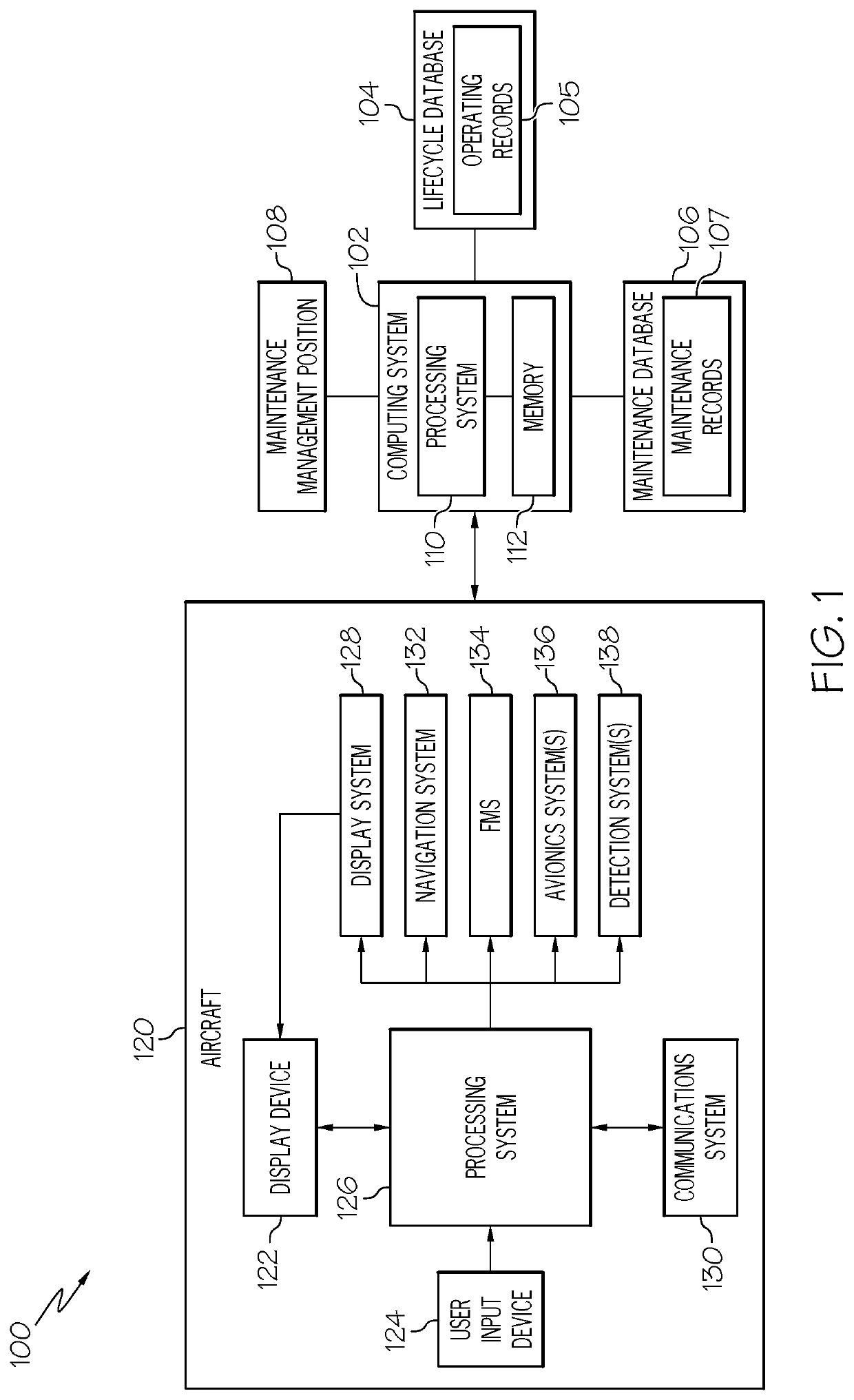
- A method and system that monitor vehicle components by obtaining measurement data, mapping them to degradation groups based on historical data, and using predictive maintenance models to determine maintenance recommendations, thereby scheduling maintenance only when necessary and optimizing component lifespan.


Safety Standards for Automotive Predictive Systems
The development of safety standards for automotive predictive systems represents a critical regulatory framework that ensures the reliability and trustworthiness of advanced maintenance planning technologies. Current international standards such as ISO 26262 for functional safety and ISO 21448 for Safety of the Intended Functionality (SOTIF) provide foundational guidelines for predictive analytics applications in automotive systems. These standards establish rigorous requirements for hazard analysis, risk assessment, and safety lifecycle management that directly impact front suspension maintenance prediction systems.
Regulatory bodies including the National Highway Traffic Safety Administration (NHTSA), European New Car Assessment Programme (Euro NCAP), and the International Organization for Standardization (ISO) have established comprehensive frameworks governing predictive system deployment. These organizations mandate specific validation protocols, testing procedures, and performance benchmarks that predictive maintenance systems must meet before market introduction. The standards emphasize fail-safe mechanisms, data integrity verification, and human-machine interface safety considerations.
Safety certification processes for predictive analytics systems require extensive validation through controlled testing environments and real-world scenarios. Systems must demonstrate consistent performance across diverse operating conditions, including extreme weather, varying road surfaces, and different vehicle loading scenarios. The certification framework mandates comprehensive documentation of algorithm decision-making processes, ensuring transparency and auditability of predictive recommendations.
Data security and privacy protection standards play increasingly important roles in automotive predictive systems regulation. Standards such as ISO/SAE 21434 for cybersecurity engineering establish requirements for protecting sensitive vehicle operational data and preventing unauthorized system access. These regulations ensure that predictive maintenance systems maintain data confidentiality while enabling effective performance monitoring and analysis.
Emerging regulatory trends focus on artificial intelligence governance and algorithmic accountability in automotive applications. New standards address bias prevention, explainable AI requirements, and continuous monitoring obligations for machine learning-based predictive systems. These evolving regulations emphasize the need for transparent decision-making processes and robust performance validation methodologies that can adapt to changing operational environments and maintain safety integrity throughout the system lifecycle.
Regulatory bodies including the National Highway Traffic Safety Administration (NHTSA), European New Car Assessment Programme (Euro NCAP), and the International Organization for Standardization (ISO) have established comprehensive frameworks governing predictive system deployment. These organizations mandate specific validation protocols, testing procedures, and performance benchmarks that predictive maintenance systems must meet before market introduction. The standards emphasize fail-safe mechanisms, data integrity verification, and human-machine interface safety considerations.
Safety certification processes for predictive analytics systems require extensive validation through controlled testing environments and real-world scenarios. Systems must demonstrate consistent performance across diverse operating conditions, including extreme weather, varying road surfaces, and different vehicle loading scenarios. The certification framework mandates comprehensive documentation of algorithm decision-making processes, ensuring transparency and auditability of predictive recommendations.
Data security and privacy protection standards play increasingly important roles in automotive predictive systems regulation. Standards such as ISO/SAE 21434 for cybersecurity engineering establish requirements for protecting sensitive vehicle operational data and preventing unauthorized system access. These regulations ensure that predictive maintenance systems maintain data confidentiality while enabling effective performance monitoring and analysis.
Emerging regulatory trends focus on artificial intelligence governance and algorithmic accountability in automotive applications. New standards address bias prevention, explainable AI requirements, and continuous monitoring obligations for machine learning-based predictive systems. These evolving regulations emphasize the need for transparent decision-making processes and robust performance validation methodologies that can adapt to changing operational environments and maintain safety integrity throughout the system lifecycle.
Cost-Benefit Analysis of Predictive Suspension Maintenance
The economic evaluation of predictive suspension maintenance reveals substantial financial advantages over traditional reactive maintenance approaches. Initial implementation costs typically range from $50,000 to $200,000 per fleet of 100 vehicles, encompassing sensor installation, data infrastructure, and analytics platform deployment. However, these upfront investments are offset by significant operational savings within 18-24 months of implementation.
Direct cost reductions manifest through decreased unplanned maintenance events, with predictive systems reducing emergency repairs by 60-75%. Traditional suspension failures often result in $800-1,500 per incident including parts, labor, and vehicle downtime. Predictive maintenance enables scheduled interventions at optimal cost points, reducing average repair costs by 35-40% through bulk purchasing, planned labor allocation, and prevention of cascading component failures.
Indirect benefits provide substantial additional value through improved vehicle availability and extended asset lifecycles. Fleet operators report 15-20% increases in vehicle uptime, translating to enhanced revenue generation capacity. Predictive maintenance extends suspension component lifespan by 25-30% through optimized replacement timing and prevention of secondary damage from worn components.
Risk mitigation represents another critical financial benefit, as predictive systems reduce safety-related incidents and associated liability costs. Insurance premiums may decrease by 5-10% for fleets demonstrating proactive maintenance capabilities. Additionally, regulatory compliance costs are minimized through consistent maintenance documentation and reduced failure rates.
The total cost of ownership analysis demonstrates a positive return on investment ranging from 200-350% over a five-year period. Break-even points typically occur within 20-30 months, with annual savings of $300-500 per vehicle thereafter. These metrics improve significantly for larger fleets and high-utilization vehicles, where the frequency of maintenance events amplifies the predictive system's value proposition.
Direct cost reductions manifest through decreased unplanned maintenance events, with predictive systems reducing emergency repairs by 60-75%. Traditional suspension failures often result in $800-1,500 per incident including parts, labor, and vehicle downtime. Predictive maintenance enables scheduled interventions at optimal cost points, reducing average repair costs by 35-40% through bulk purchasing, planned labor allocation, and prevention of cascading component failures.
Indirect benefits provide substantial additional value through improved vehicle availability and extended asset lifecycles. Fleet operators report 15-20% increases in vehicle uptime, translating to enhanced revenue generation capacity. Predictive maintenance extends suspension component lifespan by 25-30% through optimized replacement timing and prevention of secondary damage from worn components.
Risk mitigation represents another critical financial benefit, as predictive systems reduce safety-related incidents and associated liability costs. Insurance premiums may decrease by 5-10% for fleets demonstrating proactive maintenance capabilities. Additionally, regulatory compliance costs are minimized through consistent maintenance documentation and reduced failure rates.
The total cost of ownership analysis demonstrates a positive return on investment ranging from 200-350% over a five-year period. Break-even points typically occur within 20-30 months, with annual savings of $300-500 per vehicle thereafter. These metrics improve significantly for larger fleets and high-utilization vehicles, where the frequency of maintenance events amplifies the predictive system's value proposition.
Unlock deeper insights with Patsnap Eureka Quick Research — get a full tech report to explore trends and direct your research. Try now!
Generate Your Research Report Instantly with AI Agent
Supercharge your innovation with Patsnap Eureka AI Agent Platform!