
Harnessing Advanced Magnetic Materials for Shared Network Advantages
FEB 28, 20269 MIN READ
Generate Your Research Report Instantly with AI Agent
Patsnap Eureka helps you evaluate technical feasibility & market potential.
Advanced Magnetic Materials Background and Network Goals
Advanced magnetic materials have undergone remarkable evolution since the discovery of ferromagnetism, progressing from simple iron-based magnets to sophisticated engineered materials with tailored properties. The journey began with natural magnetite and evolved through the development of Alnico magnets in the 1930s, ferrite magnets in the 1950s, and revolutionary rare-earth magnets including samarium-cobalt and neodymium-iron-boron compounds in the latter half of the 20th century. Today's frontier encompasses nanostructured magnetic materials, metamagnetic compounds, and quantum-engineered magnetic systems that exhibit unprecedented control over magnetic properties at the atomic level.
The contemporary landscape of magnetic materials research focuses on achieving superior performance metrics including enhanced coercivity, increased energy products, improved temperature stability, and reduced dependence on critical rare-earth elements. Recent breakthroughs in magnetic material synthesis have enabled the development of exchange-coupled nanocomposites, high-entropy magnetic alloys, and two-dimensional magnetic materials that demonstrate exceptional properties for advanced applications.
Network infrastructure has simultaneously evolved to demand increasingly sophisticated magnetic components for data storage, signal processing, power management, and electromagnetic interference mitigation. Modern networks require magnetic materials that can operate reliably across wide temperature ranges, maintain stability under varying electromagnetic conditions, and provide consistent performance in high-frequency applications. The proliferation of 5G networks, edge computing, and Internet of Things devices has created unprecedented demands for magnetic materials with specific characteristics tailored to network applications.
The convergence of advanced magnetic materials with network technologies presents transformative opportunities for shared network advantages. Primary objectives include developing magnetic materials that enable more efficient power conversion and management across network infrastructure, reducing energy consumption while maintaining performance standards. Enhanced electromagnetic compatibility through advanced magnetic shielding materials represents another critical goal, ensuring reliable network operation in increasingly congested electromagnetic environments.
Data storage and processing capabilities constitute fundamental targets for magnetic material advancement in network applications. The development of ultra-high-density magnetic storage media, coupled with advanced read-write head technologies, aims to support the exponential growth in data generation and transmission requirements of modern networks. Additionally, magnetic materials play crucial roles in enabling faster switching speeds and reduced latency in network components.
The strategic integration of advanced magnetic materials into shared network infrastructure seeks to achieve cost reduction through improved material efficiency, enhanced reliability through superior environmental stability, and increased functionality through multifunctional magnetic components. These objectives align with broader industry trends toward sustainable technology development and resource optimization, positioning advanced magnetic materials as enablers of next-generation network capabilities that can be shared across multiple applications and user communities.
The contemporary landscape of magnetic materials research focuses on achieving superior performance metrics including enhanced coercivity, increased energy products, improved temperature stability, and reduced dependence on critical rare-earth elements. Recent breakthroughs in magnetic material synthesis have enabled the development of exchange-coupled nanocomposites, high-entropy magnetic alloys, and two-dimensional magnetic materials that demonstrate exceptional properties for advanced applications.
Network infrastructure has simultaneously evolved to demand increasingly sophisticated magnetic components for data storage, signal processing, power management, and electromagnetic interference mitigation. Modern networks require magnetic materials that can operate reliably across wide temperature ranges, maintain stability under varying electromagnetic conditions, and provide consistent performance in high-frequency applications. The proliferation of 5G networks, edge computing, and Internet of Things devices has created unprecedented demands for magnetic materials with specific characteristics tailored to network applications.
The convergence of advanced magnetic materials with network technologies presents transformative opportunities for shared network advantages. Primary objectives include developing magnetic materials that enable more efficient power conversion and management across network infrastructure, reducing energy consumption while maintaining performance standards. Enhanced electromagnetic compatibility through advanced magnetic shielding materials represents another critical goal, ensuring reliable network operation in increasingly congested electromagnetic environments.
Data storage and processing capabilities constitute fundamental targets for magnetic material advancement in network applications. The development of ultra-high-density magnetic storage media, coupled with advanced read-write head technologies, aims to support the exponential growth in data generation and transmission requirements of modern networks. Additionally, magnetic materials play crucial roles in enabling faster switching speeds and reduced latency in network components.
The strategic integration of advanced magnetic materials into shared network infrastructure seeks to achieve cost reduction through improved material efficiency, enhanced reliability through superior environmental stability, and increased functionality through multifunctional magnetic components. These objectives align with broader industry trends toward sustainable technology development and resource optimization, positioning advanced magnetic materials as enablers of next-generation network capabilities that can be shared across multiple applications and user communities.
Market Demand for Magnetic Material Network Applications
The telecommunications infrastructure sector represents the largest market segment driving demand for advanced magnetic materials in network applications. Network equipment manufacturers require high-performance magnetic components for power management systems, signal processing units, and electromagnetic interference shielding solutions. The proliferation of 5G networks has intensified requirements for materials with superior magnetic permeability and thermal stability, as base stations and network nodes operate under increasingly demanding conditions.
Data center expansion continues to fuel substantial demand for magnetic materials optimized for shared network environments. Cloud service providers and enterprise data centers seek magnetic components that enhance power efficiency while supporting high-density server configurations. The growing emphasis on energy efficiency in data centers has created specific market needs for soft magnetic materials that minimize core losses and enable compact transformer designs for power distribution systems.
The Internet of Things ecosystem presents an emerging market opportunity for specialized magnetic materials in network applications. Smart city initiatives, industrial automation systems, and connected device networks require miniaturized magnetic components that maintain performance reliability across distributed network architectures. This segment demands materials with consistent magnetic properties across varying environmental conditions and extended operational lifespans.
Automotive networking applications constitute a rapidly expanding market segment, particularly with the advancement of connected and autonomous vehicles. Vehicle-to-everything communication systems require magnetic materials that support high-frequency operations while withstanding automotive environmental stresses. The integration of multiple network protocols within vehicles has created demand for magnetic shielding materials that prevent cross-interference between communication systems.
Renewable energy grid integration represents a specialized but growing market for magnetic materials in network applications. Smart grid infrastructure requires advanced magnetic components for power conditioning, grid synchronization, and communication systems that enable distributed energy resource management. The transition toward decentralized energy systems has increased demand for magnetic materials that support bidirectional power flow and real-time grid communication protocols.
The defense and aerospace sectors maintain consistent demand for high-reliability magnetic materials in secure network applications. Military communication systems, satellite networks, and radar applications require magnetic components with exceptional performance stability under extreme conditions. This market segment prioritizes materials with proven reliability records and compliance with stringent qualification standards.
Data center expansion continues to fuel substantial demand for magnetic materials optimized for shared network environments. Cloud service providers and enterprise data centers seek magnetic components that enhance power efficiency while supporting high-density server configurations. The growing emphasis on energy efficiency in data centers has created specific market needs for soft magnetic materials that minimize core losses and enable compact transformer designs for power distribution systems.
The Internet of Things ecosystem presents an emerging market opportunity for specialized magnetic materials in network applications. Smart city initiatives, industrial automation systems, and connected device networks require miniaturized magnetic components that maintain performance reliability across distributed network architectures. This segment demands materials with consistent magnetic properties across varying environmental conditions and extended operational lifespans.
Automotive networking applications constitute a rapidly expanding market segment, particularly with the advancement of connected and autonomous vehicles. Vehicle-to-everything communication systems require magnetic materials that support high-frequency operations while withstanding automotive environmental stresses. The integration of multiple network protocols within vehicles has created demand for magnetic shielding materials that prevent cross-interference between communication systems.
Renewable energy grid integration represents a specialized but growing market for magnetic materials in network applications. Smart grid infrastructure requires advanced magnetic components for power conditioning, grid synchronization, and communication systems that enable distributed energy resource management. The transition toward decentralized energy systems has increased demand for magnetic materials that support bidirectional power flow and real-time grid communication protocols.
The defense and aerospace sectors maintain consistent demand for high-reliability magnetic materials in secure network applications. Military communication systems, satellite networks, and radar applications require magnetic components with exceptional performance stability under extreme conditions. This market segment prioritizes materials with proven reliability records and compliance with stringent qualification standards.
Current State of Magnetic Materials in Network Systems
The integration of magnetic materials in network systems has reached a critical juncture where traditional ferrite-based components are being challenged by emerging advanced materials. Current network infrastructure predominantly relies on conventional magnetic cores in transformers, inductors, and electromagnetic interference shielding applications. These systems typically employ nickel-zinc and manganese-zinc ferrites, which offer adequate performance for standard frequency ranges but exhibit limitations in high-frequency operations and power density requirements.
Recent developments have introduced nanocrystalline and amorphous magnetic alloys into network hardware, particularly in power management units and signal processing components. These materials demonstrate superior permeability characteristics and reduced core losses compared to traditional ferrites. Major network equipment manufacturers have begun incorporating iron-based amorphous ribbons and cobalt-based nanocrystalline materials in their latest generation products, achieving efficiency improvements of 15-20% in power conversion systems.
The deployment of rare earth permanent magnets in network cooling systems and actuators has become increasingly prevalent, despite supply chain concerns. Neodymium-iron-boron magnets enable more compact and efficient fan designs, while samarium-cobalt variants provide enhanced temperature stability for critical network nodes. However, the geopolitical implications of rare earth dependencies have prompted research into alternative magnetic material compositions.
Metamaterial-based magnetic structures represent an emerging frontier in network applications, particularly for antenna systems and electromagnetic compatibility solutions. These artificially engineered materials offer unprecedented control over magnetic permeability and can be tailored for specific frequency responses. Early implementations in 5G base stations and millimeter-wave communication systems have demonstrated promising results in beam steering and interference mitigation.
Current challenges include thermal management of high-performance magnetic materials, standardization of material specifications across different network equipment vendors, and cost optimization for large-scale deployment. The industry faces a transition period where legacy systems must coexist with advanced magnetic material implementations, creating compatibility and maintenance complexities that require careful engineering consideration.
Recent developments have introduced nanocrystalline and amorphous magnetic alloys into network hardware, particularly in power management units and signal processing components. These materials demonstrate superior permeability characteristics and reduced core losses compared to traditional ferrites. Major network equipment manufacturers have begun incorporating iron-based amorphous ribbons and cobalt-based nanocrystalline materials in their latest generation products, achieving efficiency improvements of 15-20% in power conversion systems.
The deployment of rare earth permanent magnets in network cooling systems and actuators has become increasingly prevalent, despite supply chain concerns. Neodymium-iron-boron magnets enable more compact and efficient fan designs, while samarium-cobalt variants provide enhanced temperature stability for critical network nodes. However, the geopolitical implications of rare earth dependencies have prompted research into alternative magnetic material compositions.
Metamaterial-based magnetic structures represent an emerging frontier in network applications, particularly for antenna systems and electromagnetic compatibility solutions. These artificially engineered materials offer unprecedented control over magnetic permeability and can be tailored for specific frequency responses. Early implementations in 5G base stations and millimeter-wave communication systems have demonstrated promising results in beam steering and interference mitigation.
Current challenges include thermal management of high-performance magnetic materials, standardization of material specifications across different network equipment vendors, and cost optimization for large-scale deployment. The industry faces a transition period where legacy systems must coexist with advanced magnetic material implementations, creating compatibility and maintenance complexities that require careful engineering consideration.
Existing Magnetic Material Solutions for Networks
01 Enhanced magnetic permeability and flux density in network structures
Advanced magnetic materials configured in network architectures demonstrate superior magnetic permeability and flux density compared to conventional designs. The network topology allows for optimized magnetic field distribution and reduced magnetic resistance, enabling more efficient energy transfer and storage. These structures utilize interconnected magnetic pathways that minimize flux leakage and maximize magnetic coupling efficiency across the network.- Enhanced magnetic permeability and flux density in network structures: Advanced magnetic materials configured in network architectures demonstrate superior magnetic permeability and flux density compared to conventional designs. The network topology allows for optimized magnetic field distribution and reduced magnetic resistance, enabling more efficient energy transfer and storage. These structures utilize interconnected magnetic pathways that minimize flux leakage and maximize magnetic coupling efficiency across the network.
- Improved thermal management and heat dissipation capabilities: Network configurations of magnetic materials provide enhanced thermal dissipation through distributed heat pathways and increased surface area exposure. The interconnected structure facilitates more uniform temperature distribution and prevents localized hotspots that can degrade magnetic properties. This thermal advantage extends operational lifetime and maintains stable magnetic performance under high-power conditions.
- Scalable and modular design for flexible applications: The network architecture enables modular construction where magnetic components can be added or reconfigured to meet specific application requirements. This scalability allows for easy adaptation to different power levels, frequency ranges, and spatial constraints. The modular approach also simplifies manufacturing, maintenance, and replacement of individual network elements without affecting the entire system.
- Reduced eddy current losses through structural optimization: Network-based magnetic material arrangements minimize eddy current formation by incorporating strategic gaps, insulation layers, and optimized geometric patterns. The distributed network structure naturally segments the magnetic pathways, reducing circulating currents that cause energy losses. This design approach is particularly effective in high-frequency applications where eddy current losses typically dominate.
- Enhanced mechanical stability and structural integrity: The interconnected network design provides superior mechanical strength and resistance to vibration, shock, and thermal expansion stresses. Load distribution across multiple connection points reduces stress concentration and prevents catastrophic failure modes. The network topology also allows for integration of reinforcement elements and composite structures that further enhance durability while maintaining magnetic performance.
02 Reduced core losses and improved energy efficiency
Network-based magnetic material configurations exhibit significantly lower core losses including hysteresis and eddy current losses. The distributed network architecture enables better heat dissipation and reduces localized magnetic saturation effects. This results in improved overall energy efficiency, particularly in high-frequency applications where conventional magnetic materials experience substantial losses.Expand Specific Solutions03 Scalability and modular design flexibility
The network approach to magnetic materials provides exceptional scalability and modular design capabilities. Individual magnetic elements can be arranged in various network topologies to meet specific application requirements without redesigning the entire system. This modularity facilitates easier manufacturing, maintenance, and customization for different power levels and operational frequencies.Expand Specific Solutions04 Improved thermal management and reliability
Advanced magnetic material networks offer superior thermal management characteristics through distributed heat generation and enhanced cooling pathways. The network structure provides multiple thermal dissipation routes, preventing hotspot formation and extending operational lifetime. This thermal advantage translates to higher reliability and stability under varying load conditions and ambient temperatures.Expand Specific Solutions05 Reduced electromagnetic interference and better signal integrity
Network configurations of magnetic materials provide inherent electromagnetic interference shielding and improved signal integrity. The distributed magnetic structure helps contain electromagnetic fields within designated pathways while minimizing radiation and crosstalk. This characteristic is particularly valuable in high-density electronic systems and communication applications where electromagnetic compatibility is critical.Expand Specific Solutions
Key Players in Advanced Magnetic Materials Industry
The advanced magnetic materials sector for shared network applications represents an emerging technology landscape currently in its early-to-mid development stage, with significant growth potential driven by increasing demand for wireless power solutions and network infrastructure optimization. The market demonstrates substantial expansion opportunities, particularly in telecommunications and consumer electronics, as evidenced by major players like Ericsson, Sony, and Qualcomm investing heavily in magnetic material innovations. Technology maturity varies significantly across the competitive landscape, with established giants such as TDK Corp., Robert Bosch, and Fujitsu leading in manufacturing capabilities and patent portfolios, while specialized firms like Energous Corp. and Haining Chongyue Technology focus on breakthrough wireless power transmission solutions. Research institutions including Beijing Institute of Technology and Penn State Research Foundation contribute foundational innovations, creating a dynamic ecosystem where traditional electronics manufacturers compete alongside emerging wireless technology specialists, positioning the sector for accelerated commercialization and widespread network integration.
Telefonaktiebolaget LM Ericsson
Technical Solution: Ericsson has developed magnetic metamaterial-based solutions for their 5G radio access network equipment to enhance shared spectrum efficiency. Their technology employs engineered magnetic structures with negative permeability characteristics to create compact, high-performance antenna arrays and RF components. The company's magnetic material innovations include tunable ferrite-based phase shifters and circulators that enable dynamic beamforming and interference mitigation in shared network scenarios. Ericsson's approach focuses on reducing the physical footprint of base station equipment while improving spectral efficiency through advanced magnetic material engineering, supporting up to 40% reduction in antenna size while maintaining performance.
Strengths: Deep network infrastructure expertise and strong focus on practical deployment solutions. Weaknesses: Limited in-house magnetic material manufacturing capabilities and dependence on external suppliers.
Robert Bosch GmbH
Technical Solution: Bosch has developed soft magnetic composite materials and amorphous magnetic alloys for power electronics applications in shared network infrastructure. Their technology focuses on high-efficiency power conversion systems using nanocrystalline magnetic cores that reduce energy losses by up to 30% compared to traditional silicon steel. The company's magnetic materials feature low coercivity and high saturation flux density, enabling compact transformer and inductor designs for network equipment power supplies. Bosch's approach emphasizes thermal management and long-term reliability in demanding network environments, with magnetic materials engineered to maintain performance stability over extended operational periods.
Strengths: Excellent power electronics integration and robust manufacturing processes with high reliability standards. Weaknesses: Limited focus on high-frequency applications and slower adoption of cutting-edge magnetic material research.
Core Innovations in Network-Optimized Magnetic Materials
Advanced magnetic metamaterial networks
PatentWO2023239582A1
Innovation
- The development of advanced magnetic metamaterial networks that utilize magnetoinductive (MI) arrays with magnetically coupled resonators to propagate MI surface waves, enabling spatially-engineered RF magnetic fields for wireless communication and power transfer, integrated into flexible and wearable forms for on-body applications.


Shared network-interface controller (NIC) using advanced switching (AS) turn-pool routing field to select from among multiple contexts for multiple processors
PatentInactiveUS7464174B1
Innovation
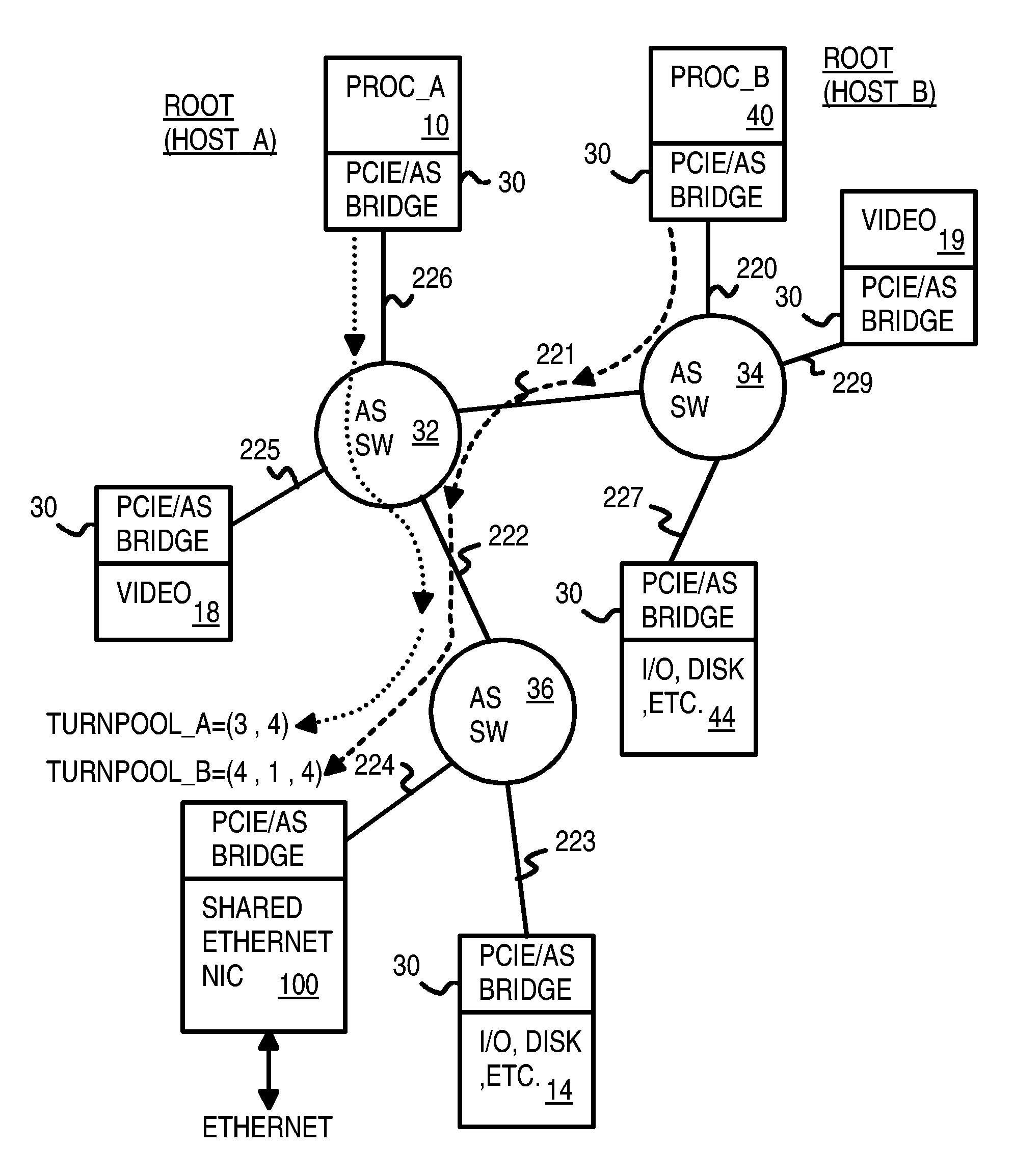
- A shared Ethernet NIC with separate command and data registers for each host, utilizing turnpool information to identify and route packets from different hosts, allowing each host to access its own set of registers and preventing contention.


Supply Chain Considerations for Magnetic Materials
The supply chain for advanced magnetic materials presents unique complexities that significantly impact the deployment of shared network infrastructure. Raw material sourcing represents the foundational challenge, as rare earth elements essential for high-performance magnetic materials are geographically concentrated in specific regions, creating potential bottlenecks and geopolitical dependencies. The extraction and processing of neodymium, dysprosium, and other critical elements require specialized facilities with stringent environmental controls, limiting the number of viable suppliers globally.
Manufacturing scalability poses another critical consideration for network operators seeking to implement magnetic material-based solutions across extensive infrastructure. The production of advanced magnetic components demands precise temperature control, specialized equipment, and highly skilled technicians, resulting in longer lead times compared to conventional network components. This manufacturing complexity directly affects inventory planning and deployment schedules for shared network initiatives.
Quality assurance throughout the magnetic materials supply chain requires enhanced monitoring protocols due to the materials' sensitivity to environmental factors and processing variations. Temperature fluctuations, humidity exposure, and magnetic field interference during transportation can degrade material properties, necessitating specialized packaging and handling procedures. These requirements increase logistics costs and complexity while demanding closer collaboration between suppliers and network operators.
Supply chain resilience becomes paramount given the critical role of magnetic materials in shared network performance. Establishing redundant supplier relationships and maintaining strategic inventory reserves helps mitigate risks associated with supply disruptions. However, the specialized nature of these materials limits alternative sourcing options, making supply chain diversification challenging.
Cost optimization strategies must balance material performance requirements with economic constraints. Bulk purchasing agreements can reduce unit costs but require significant capital investment and storage capabilities. Additionally, the rapid evolution of magnetic material technologies creates inventory obsolescence risks, requiring careful demand forecasting and supplier partnership models that accommodate technological advancement cycles while maintaining cost competitiveness for shared network deployments.
Manufacturing scalability poses another critical consideration for network operators seeking to implement magnetic material-based solutions across extensive infrastructure. The production of advanced magnetic components demands precise temperature control, specialized equipment, and highly skilled technicians, resulting in longer lead times compared to conventional network components. This manufacturing complexity directly affects inventory planning and deployment schedules for shared network initiatives.
Quality assurance throughout the magnetic materials supply chain requires enhanced monitoring protocols due to the materials' sensitivity to environmental factors and processing variations. Temperature fluctuations, humidity exposure, and magnetic field interference during transportation can degrade material properties, necessitating specialized packaging and handling procedures. These requirements increase logistics costs and complexity while demanding closer collaboration between suppliers and network operators.
Supply chain resilience becomes paramount given the critical role of magnetic materials in shared network performance. Establishing redundant supplier relationships and maintaining strategic inventory reserves helps mitigate risks associated with supply disruptions. However, the specialized nature of these materials limits alternative sourcing options, making supply chain diversification challenging.
Cost optimization strategies must balance material performance requirements with economic constraints. Bulk purchasing agreements can reduce unit costs but require significant capital investment and storage capabilities. Additionally, the rapid evolution of magnetic material technologies creates inventory obsolescence risks, requiring careful demand forecasting and supplier partnership models that accommodate technological advancement cycles while maintaining cost competitiveness for shared network deployments.
Environmental Impact of Advanced Magnetic Networks
The deployment of advanced magnetic materials in shared network infrastructures presents a complex environmental landscape that requires comprehensive assessment across multiple dimensions. These materials, while offering significant performance advantages, introduce unique environmental considerations that differ substantially from traditional network components.
Advanced magnetic networks utilizing rare earth elements and specialized alloys create environmental impacts primarily during the extraction and processing phases. Mining operations for neodymium, dysprosium, and other critical materials often result in significant ecological disruption, including soil contamination and water resource depletion. The processing of these materials requires energy-intensive refinement procedures that contribute to carbon emissions, particularly in regions where fossil fuel-based energy predominates.
The manufacturing phase of magnetic network components generates additional environmental burdens through chemical processing and precision fabrication requirements. Advanced magnetic materials often require controlled atmospheric conditions and specialized coating processes that utilize volatile organic compounds and other potentially harmful substances. However, the superior efficiency characteristics of these materials can offset initial environmental costs through reduced operational energy consumption.
Operational environmental benefits emerge as a defining characteristic of advanced magnetic networks. The enhanced efficiency of magnetic materials enables significant reductions in power consumption compared to conventional network infrastructure. Studies indicate that magnetic-based switching and routing systems can achieve 30-40% lower energy consumption while maintaining superior performance metrics. This efficiency translates directly into reduced carbon footprint during the operational lifecycle.
End-of-life considerations present both challenges and opportunities for environmental stewardship. Advanced magnetic materials retain their magnetic properties indefinitely, creating potential for extensive recycling and reuse applications. The high value of rare earth elements provides economic incentives for recovery programs, though current recycling infrastructure remains limited. Developing comprehensive recycling frameworks represents a critical pathway for minimizing long-term environmental impact while ensuring sustainable material supply chains for future network deployments.
The geographic distribution of environmental impacts varies significantly, with extraction concentrated in specific regions while operational benefits distribute globally across network deployments.
Advanced magnetic networks utilizing rare earth elements and specialized alloys create environmental impacts primarily during the extraction and processing phases. Mining operations for neodymium, dysprosium, and other critical materials often result in significant ecological disruption, including soil contamination and water resource depletion. The processing of these materials requires energy-intensive refinement procedures that contribute to carbon emissions, particularly in regions where fossil fuel-based energy predominates.
The manufacturing phase of magnetic network components generates additional environmental burdens through chemical processing and precision fabrication requirements. Advanced magnetic materials often require controlled atmospheric conditions and specialized coating processes that utilize volatile organic compounds and other potentially harmful substances. However, the superior efficiency characteristics of these materials can offset initial environmental costs through reduced operational energy consumption.
Operational environmental benefits emerge as a defining characteristic of advanced magnetic networks. The enhanced efficiency of magnetic materials enables significant reductions in power consumption compared to conventional network infrastructure. Studies indicate that magnetic-based switching and routing systems can achieve 30-40% lower energy consumption while maintaining superior performance metrics. This efficiency translates directly into reduced carbon footprint during the operational lifecycle.
End-of-life considerations present both challenges and opportunities for environmental stewardship. Advanced magnetic materials retain their magnetic properties indefinitely, creating potential for extensive recycling and reuse applications. The high value of rare earth elements provides economic incentives for recovery programs, though current recycling infrastructure remains limited. Developing comprehensive recycling frameworks represents a critical pathway for minimizing long-term environmental impact while ensuring sustainable material supply chains for future network deployments.
The geographic distribution of environmental impacts varies significantly, with extraction concentrated in specific regions while operational benefits distribute globally across network deployments.
Unlock deeper insights with Patsnap Eureka Quick Research — get a full tech report to explore trends and direct your research. Try now!
Generate Your Research Report Instantly with AI Agent
Supercharge your innovation with Patsnap Eureka AI Agent Platform!