
Heat Engine vs Battery Storage: Remote Power Selection
OCT 9, 20269 MIN READ
Generate Your Research Report Instantly with AI Agent
Patsnap Eureka helps you evaluate technical feasibility & market potential.
Remote Power System Background and Objectives
Remote power systems have become increasingly critical infrastructure components across diverse applications including telecommunications towers, weather monitoring stations, oil and gas facilities, and emergency backup installations in locations where grid connectivity is unreliable or unavailable. These systems must deliver consistent electrical power under challenging environmental conditions while minimizing operational costs and maintenance requirements. The fundamental challenge lies in selecting the optimal energy storage and conversion technology that balances efficiency, reliability, longevity, and total cost of ownership.
Historically, remote power solutions have evolved from simple diesel generators to sophisticated hybrid systems incorporating renewable energy sources. Early implementations relied heavily on fuel-based generators, which provided reliable power but incurred substantial fuel transportation costs and required frequent maintenance. The emergence of photovoltaic technology and wind turbines introduced renewable alternatives, yet these intermittent sources necessitated effective energy storage solutions to ensure continuous power availability during periods of low generation.
The contemporary debate centers on two primary energy storage approaches: heat engine systems and battery storage technologies. Heat engine solutions, including Stirling engines and organic Rankine cycle systems, convert thermal energy into electrical power through thermodynamic processes. These systems can utilize various heat sources including concentrated solar thermal energy, waste heat recovery, or combustion-based heating. Battery storage systems, conversely, store electrical energy electrochemically and have witnessed dramatic technological advancement with lithium-ion, flow batteries, and emerging solid-state technologies.
The primary objective of this technical investigation is to establish comprehensive evaluation criteria for selecting between heat engine and battery storage solutions in remote power applications. This requires analyzing performance metrics including energy density, conversion efficiency, operational temperature ranges, degradation rates, maintenance intervals, and lifecycle costs. Additionally, the research aims to identify specific application scenarios where each technology demonstrates distinct advantages, considering factors such as power demand profiles, environmental conditions, accessibility for maintenance, and integration requirements with renewable energy sources.
Understanding the technical and economic trade-offs between these competing technologies will enable informed decision-making for remote power system design, ultimately optimizing reliability and cost-effectiveness across diverse deployment contexts.
Historically, remote power solutions have evolved from simple diesel generators to sophisticated hybrid systems incorporating renewable energy sources. Early implementations relied heavily on fuel-based generators, which provided reliable power but incurred substantial fuel transportation costs and required frequent maintenance. The emergence of photovoltaic technology and wind turbines introduced renewable alternatives, yet these intermittent sources necessitated effective energy storage solutions to ensure continuous power availability during periods of low generation.
The contemporary debate centers on two primary energy storage approaches: heat engine systems and battery storage technologies. Heat engine solutions, including Stirling engines and organic Rankine cycle systems, convert thermal energy into electrical power through thermodynamic processes. These systems can utilize various heat sources including concentrated solar thermal energy, waste heat recovery, or combustion-based heating. Battery storage systems, conversely, store electrical energy electrochemically and have witnessed dramatic technological advancement with lithium-ion, flow batteries, and emerging solid-state technologies.
The primary objective of this technical investigation is to establish comprehensive evaluation criteria for selecting between heat engine and battery storage solutions in remote power applications. This requires analyzing performance metrics including energy density, conversion efficiency, operational temperature ranges, degradation rates, maintenance intervals, and lifecycle costs. Additionally, the research aims to identify specific application scenarios where each technology demonstrates distinct advantages, considering factors such as power demand profiles, environmental conditions, accessibility for maintenance, and integration requirements with renewable energy sources.
Understanding the technical and economic trade-offs between these competing technologies will enable informed decision-making for remote power system design, ultimately optimizing reliability and cost-effectiveness across diverse deployment contexts.
Market Analysis for Off-Grid Power Solutions
The off-grid power solutions market has experienced substantial growth driven by increasing demand for reliable electricity in remote locations where grid connectivity remains economically unfeasible or technically challenging. Key application sectors include telecommunications infrastructure, mining operations, oil and gas facilities, agricultural installations, and emergency backup systems. The expansion of cellular networks into underserved regions has particularly accelerated demand for autonomous power systems capable of operating continuously without grid support.
Geographic distribution of market demand shows concentration in developing economies across Sub-Saharan Africa, Southeast Asia, and Latin America, where grid penetration rates remain below global averages. Additionally, developed markets demonstrate growing interest in off-grid solutions for specialized applications such as environmental monitoring stations, border security installations, and disaster recovery operations. The mining and resource extraction industries represent significant demand centers, requiring megawatt-scale power solutions in isolated locations.
Market segmentation reveals distinct preferences between heat engine-based systems and battery storage solutions depending on power requirements and operational contexts. Applications requiring continuous baseload power above five kilowatts typically favor heat engine generators due to superior energy density of liquid fuels and established refueling infrastructure. Conversely, installations with intermittent power demands or stringent noise restrictions increasingly adopt battery storage systems, particularly when paired with renewable energy sources.
Industry trends indicate accelerating adoption of hybrid configurations combining both technologies to optimize fuel efficiency and operational flexibility. The declining cost trajectory of lithium-ion battery technology has expanded the economic viability threshold for battery-dominant systems, while advances in fuel cell technology and micro-turbine efficiency continue enhancing heat engine competitiveness. Regulatory pressures regarding emissions and noise pollution in certain jurisdictions are reshaping technology selection criteria, favoring cleaner alternatives despite potentially higher capital costs.
The total addressable market encompasses diverse customer segments with varying technical requirements, budget constraints, and operational priorities. Telecommunications operators prioritize system reliability and remote management capabilities, while industrial users emphasize total cost of ownership and fuel logistics. Understanding these nuanced market dynamics proves essential for technology selection and product positioning strategies.
Geographic distribution of market demand shows concentration in developing economies across Sub-Saharan Africa, Southeast Asia, and Latin America, where grid penetration rates remain below global averages. Additionally, developed markets demonstrate growing interest in off-grid solutions for specialized applications such as environmental monitoring stations, border security installations, and disaster recovery operations. The mining and resource extraction industries represent significant demand centers, requiring megawatt-scale power solutions in isolated locations.
Market segmentation reveals distinct preferences between heat engine-based systems and battery storage solutions depending on power requirements and operational contexts. Applications requiring continuous baseload power above five kilowatts typically favor heat engine generators due to superior energy density of liquid fuels and established refueling infrastructure. Conversely, installations with intermittent power demands or stringent noise restrictions increasingly adopt battery storage systems, particularly when paired with renewable energy sources.
Industry trends indicate accelerating adoption of hybrid configurations combining both technologies to optimize fuel efficiency and operational flexibility. The declining cost trajectory of lithium-ion battery technology has expanded the economic viability threshold for battery-dominant systems, while advances in fuel cell technology and micro-turbine efficiency continue enhancing heat engine competitiveness. Regulatory pressures regarding emissions and noise pollution in certain jurisdictions are reshaping technology selection criteria, favoring cleaner alternatives despite potentially higher capital costs.
The total addressable market encompasses diverse customer segments with varying technical requirements, budget constraints, and operational priorities. Telecommunications operators prioritize system reliability and remote management capabilities, while industrial users emphasize total cost of ownership and fuel logistics. Understanding these nuanced market dynamics proves essential for technology selection and product positioning strategies.
Heat Engine and Battery Storage Technology Status
Heat engine technology for remote power generation has evolved significantly over the past decades, with modern systems achieving thermal efficiencies ranging from 20% to 40% depending on the engine type and operating conditions. Stirling engines, internal combustion engines, and thermoelectric generators represent the primary heat engine solutions currently deployed in off-grid applications. These systems typically operate on various fuel sources including diesel, propane, natural gas, and increasingly, renewable fuels such as biodiesel and biogas.
Battery storage technology has experienced transformative advancement, particularly with the commercialization of lithium-ion chemistries in the early 2000s. Current battery systems offer energy densities between 150-250 Wh/kg for lithium-ion variants, with cycle life exceeding 3000-5000 cycles under optimal conditions. Lead-acid batteries, despite being mature technology, remain prevalent in cost-sensitive remote applications due to their lower initial capital requirements and established supply chains.
The integration of renewable energy sources has fundamentally altered the technical landscape for both technologies. Heat engines now frequently operate in hybrid configurations with solar or wind systems, providing dispatchable backup power. Battery storage systems have become essential components in renewable microgrids, enabling load shifting and power quality management. Advanced battery management systems now incorporate predictive algorithms and thermal management capabilities that extend operational lifespan and enhance safety.
Recent developments include micro-combined heat and power systems that achieve overall efficiencies above 85% through cogeneration, making heat engines increasingly attractive for applications requiring both electricity and thermal energy. Simultaneously, emerging battery technologies such as lithium iron phosphate and sodium-ion chemistries are addressing safety concerns and resource availability challenges inherent in conventional lithium-ion systems.
The operational temperature ranges present distinct technical considerations. Heat engines typically operate between 300°C to 1000°C depending on design, requiring robust materials and thermal management. Battery systems function optimally within narrow temperature windows of -20°C to 60°C, necessitating environmental controls in extreme climates. These fundamental differences significantly influence system design, maintenance requirements, and total cost of ownership for remote power applications.
Battery storage technology has experienced transformative advancement, particularly with the commercialization of lithium-ion chemistries in the early 2000s. Current battery systems offer energy densities between 150-250 Wh/kg for lithium-ion variants, with cycle life exceeding 3000-5000 cycles under optimal conditions. Lead-acid batteries, despite being mature technology, remain prevalent in cost-sensitive remote applications due to their lower initial capital requirements and established supply chains.
The integration of renewable energy sources has fundamentally altered the technical landscape for both technologies. Heat engines now frequently operate in hybrid configurations with solar or wind systems, providing dispatchable backup power. Battery storage systems have become essential components in renewable microgrids, enabling load shifting and power quality management. Advanced battery management systems now incorporate predictive algorithms and thermal management capabilities that extend operational lifespan and enhance safety.
Recent developments include micro-combined heat and power systems that achieve overall efficiencies above 85% through cogeneration, making heat engines increasingly attractive for applications requiring both electricity and thermal energy. Simultaneously, emerging battery technologies such as lithium iron phosphate and sodium-ion chemistries are addressing safety concerns and resource availability challenges inherent in conventional lithium-ion systems.
The operational temperature ranges present distinct technical considerations. Heat engines typically operate between 300°C to 1000°C depending on design, requiring robust materials and thermal management. Battery systems function optimally within narrow temperature windows of -20°C to 60°C, necessitating environmental controls in extreme climates. These fundamental differences significantly influence system design, maintenance requirements, and total cost of ownership for remote power applications.
Current Technical Solutions Comparison
01 Integration of secondary batteries with thermoelectric and waste heat generation systems
Secondary battery systems can be integrated with thermoelectric power generation devices to utilize waste heat generated during battery operation or from circuits. This approach optimizes energy efficiency, provides auxiliary power, and assists in battery thermal management to improve service life.- Heat engine systems integrated with thermal energy storage: Technologies involving heat engines powered by or integrated with phase change materials, latent-heat systems, or thermal storage media to store energy and generate power efficiently.
- Thermoelectric generation and waste heat recovery from batteries: Systems and methods utilizing thermoelectric devices to generate electric power from waste heat produced during secondary battery operations, thereby improving overall energy efficiency.
- Remote monitoring, diagnostics, and management of battery systems: Methods, apparatuses, and storage media for remote testing, power management, diagnostic evaluation, and maintenance of batteries in remote devices or microgrids.
- Thermal management and heat preservation for batteries and engines: Systems and methods designed to maintain optimal operating temperatures for batteries and power cabins, preventing cold/hot coolant mixing, ensuring heat preservation, and extending service life.
- Remote controllers with battery power monitoring and power supply mechanisms: Circuits, devices, and methods for indicating, detecting, or managing remaining battery power in remote control units, including low-voltage protection and alternative remote power supply configurations.
02 Heat engine systems driven by thermal storage materials and solar heat collection
Heat engines can be powered using phase change thermal storage materials, solar thermal collection, or reversible metal hydrides. Incorporating thermal energy storage into heat engine cycles helps stabilize power generation, store waste heat, and reduce energy costs.Expand Specific Solutions03 Remote microgrids and hybrid battery storage systems for remote power management
Advanced storage architectures and hybrid battery systems are utilized to evaluate and enhance the reliability of remote microgrids. They provide optimized power management and remote monitoring capabilities for off-grid or remote power applications.Expand Specific Solutions04 Battery thermal management and insulation systems for engines and vehicles
Specialized heat storage agents, insulation cabins, and heat exchange systems are employed to maintain power batteries and engines at optimal operating temperatures. Controlling thermal conditions prevents cold-start failures, extends battery life, and avoids capacity degradation.Expand Specific Solutions05 Remote controller power monitoring and battery management technologies
Remote control devices and electronic systems incorporate power level indicators, diagnostic routines, and low-voltage protection circuits. These technologies detect remaining battery power, adjust cut-off timing based on remote service usage, and prevent functional loss.Expand Specific Solutions
Major Players in Heat Engine and Energy Storage
The remote power selection between heat engines and battery storage represents a maturing technology landscape driven by diverse application requirements across telecommunications, transportation, and distributed energy systems. The market demonstrates significant growth potential as organizations seek reliable off-grid power solutions, with competition intensifying between traditional combustion-based approaches and emerging electrochemical storage technologies. Key players span multiple sectors: automotive giants like Tesla, Toyota Motor Corp., and GM Global Technology Operations LLC advance battery innovations; energy infrastructure leaders including Siemens Energy Global GmbH & Co. KG develop hybrid systems; battery specialists such as GS Yuasa Corp. and Samsung Electronics Co., Ltd. refine storage capabilities; while technology integrators like Microsoft Technology Licensing LLC and research institutions including Korea Institute of Energy Research and UT-Battelle LLC drive next-generation solutions. The competitive landscape reflects technology maturity transitioning from early adoption to mainstream deployment, with differentiation emerging through efficiency optimization, lifecycle economics, and environmental performance metrics.
Tesla, Inc.
Technical Solution: Tesla has developed integrated energy storage solutions combining battery systems with thermal management for remote power applications. Their approach utilizes lithium-ion battery packs with advanced Battery Management Systems (BMS) that optimize charge/discharge cycles and monitor cell-level performance in real-time. The system incorporates liquid cooling technology to maintain optimal operating temperatures in extreme environments. Tesla's Powerpack and Megapack solutions are specifically designed for grid-scale and remote installations, offering scalable capacity from 200kWh to multi-MWh configurations. The battery storage systems feature modular architecture allowing flexible deployment based on power requirements, with integrated inverters for AC/DC conversion. Their solution prioritizes high energy density, rapid response time, and minimal maintenance requirements, making it suitable for off-grid and remote power scenarios where reliability and autonomy are critical factors.
Strengths: High energy density, zero emissions during operation, rapid response time, scalable modular design, minimal maintenance. Weaknesses: High initial capital cost, performance degradation in extreme temperatures, limited lifespan requiring eventual replacement, dependency on charging infrastructure.
Siemens Energy Global GmbH & Co. KG
Technical Solution: Siemens Energy offers hybrid power solutions that integrate both heat engine generators and battery storage systems for remote power applications. Their approach combines gas turbine or reciprocating engine technology with energy storage to optimize fuel efficiency and power reliability. The heat engine component utilizes combined heat and power (CHP) systems that can operate on multiple fuel types including natural gas, diesel, and renewable fuels. Siemens' solution incorporates intelligent energy management systems that automatically switch between heat engine generation and battery discharge based on load demand, fuel availability, and operational costs. The battery storage component provides grid stabilization, peak shaving, and backup power during engine startup or maintenance periods. Their integrated control systems enable remote monitoring and predictive maintenance capabilities, essential for isolated installations where on-site technical support is limited.
Strengths: Fuel flexibility, proven reliability in harsh environments, long operational lifespan, ability to generate power continuously regardless of weather conditions. Weaknesses: Higher emissions compared to pure battery systems, requires fuel supply logistics, more complex maintenance requirements, slower response time compared to batteries.
Key Technologies in Hybrid Power Systems
Heat storage system utilized in heat engine drive system
PatentInactiveUS5385214A
Innovation
- A heat engine powered by a heat battery that stores water at critical temperatures and pressures, allowing for efficient heat energy absorption and release, combined with a heat exchange coil for quick operation and recharge capabilities, eliminating the need for combustion by-products.


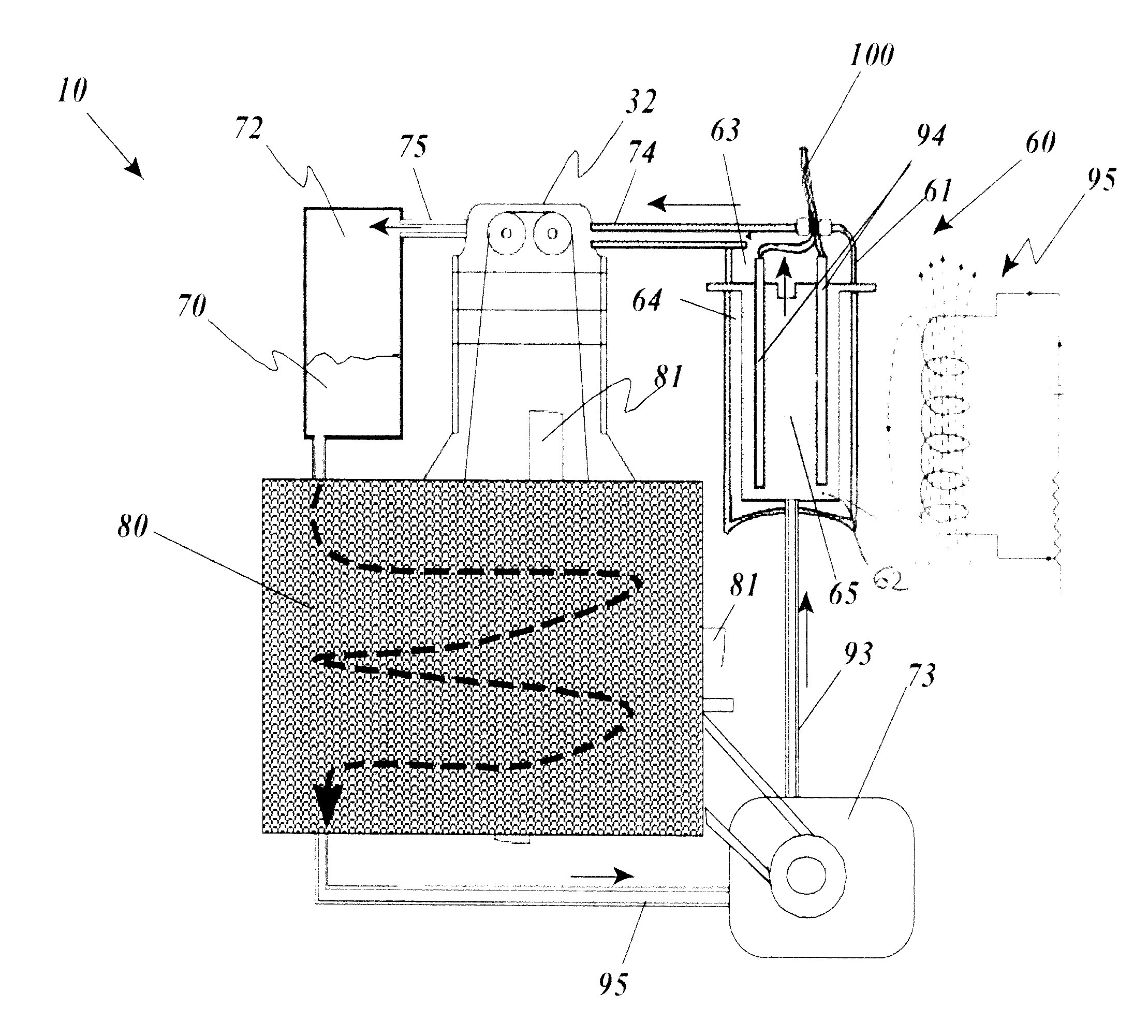
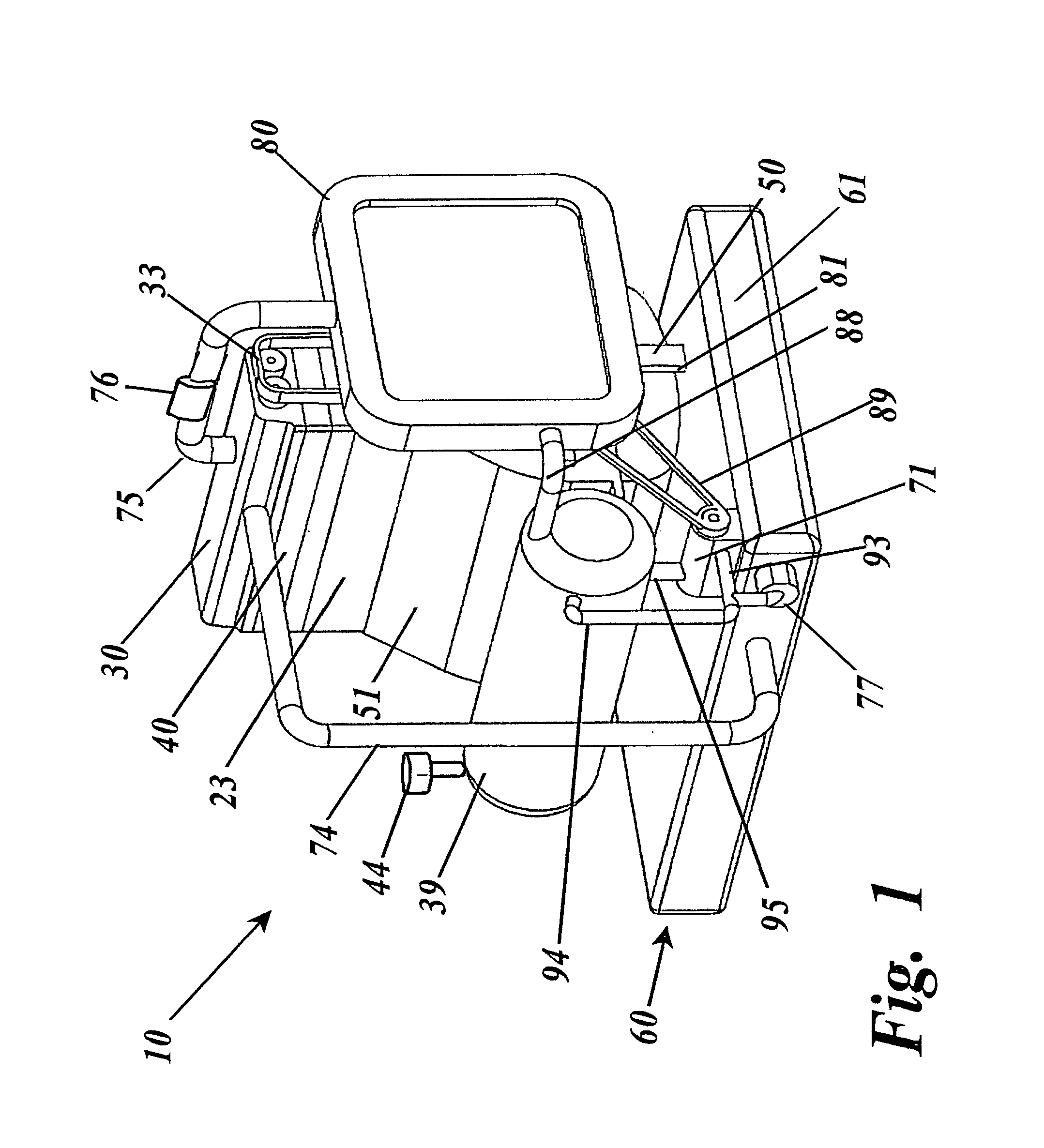
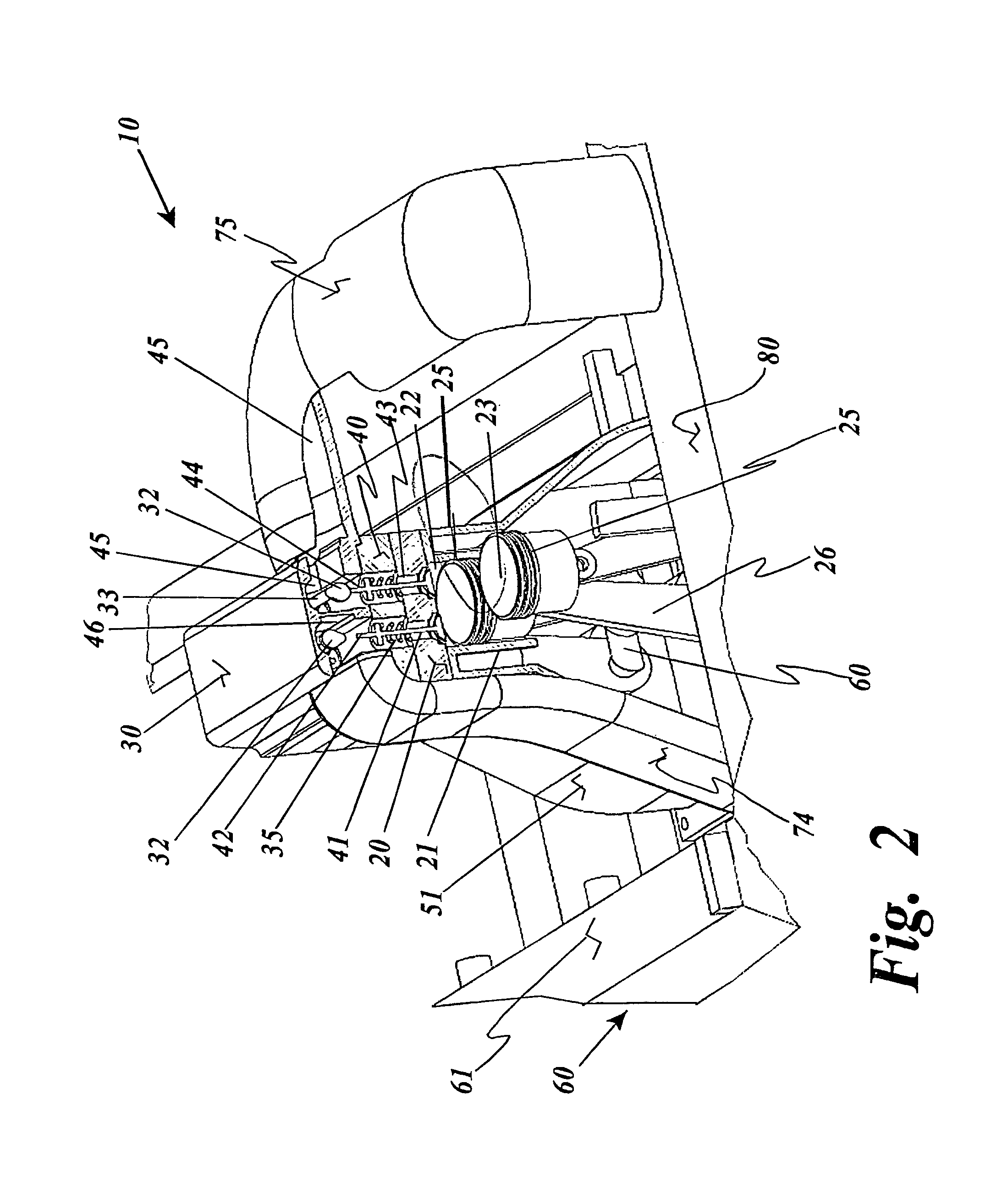
Thermal engine for operation with noncombustible fuels
PatentActiveUS9500158B1
Innovation
- A thermal engine utilizing an insulated thermal battery with a thermal mass to expand fluid from a liquid to a vapor phase, powered by heat stored in a ceramic composite or metal block, allowing for high efficiency and reuse of expansion fluid in a closed cycle or use of water as an expansion fluid in an open cycle, with the ability to be recharged by electric or electromagnetic induction heating.

Environmental Impact and Sustainability Assessment
The environmental implications of selecting between heat engine systems and battery storage for remote power applications present distinct sustainability profiles that warrant careful evaluation. Heat engines, particularly those utilizing fossil fuels, generate direct greenhouse gas emissions during operation, with carbon dioxide output ranging from 0.5 to 0.8 kg per kWh depending on fuel type and engine efficiency. Conversely, battery storage systems produce zero operational emissions, though their environmental burden concentrates in manufacturing and end-of-life phases. The lifecycle carbon footprint analysis reveals that diesel generators emit approximately 2-3 times more CO2 equivalent over a 10-year operational period compared to lithium-ion battery systems when grid charging sources include renewable energy components.
Resource depletion considerations further differentiate these technologies. Heat engines consume finite fossil fuel resources, with remote installations typically requiring fuel transportation that adds 15-25% additional emissions through logistics. Battery systems demand critical minerals including lithium, cobalt, and nickel, raising concerns about mining impacts and supply chain sustainability. However, emerging recycling technologies now recover up to 95% of battery materials, establishing circular economy pathways that heat engines cannot replicate.
Ecosystem disruption varies significantly between deployment scenarios. Heat engine installations require fuel storage infrastructure with associated soil and groundwater contamination risks from spills or leaks. Battery systems present lower operational environmental risks but involve toxic material handling concerns during manufacturing and disposal phases. Noise pollution from heat engines affects wildlife in remote areas, while battery systems operate silently, minimizing ecological disturbance.
The sustainability trajectory increasingly favors battery storage as renewable energy integration expands and battery recycling infrastructure matures. Regulatory frameworks worldwide are tightening emissions standards, with carbon pricing mechanisms adding 20-40% cost premiums to fossil fuel-based solutions in many jurisdictions. This regulatory evolution, combined with advancing battery chemistry toward more abundant materials like sodium-ion and solid-state technologies, positions battery storage as the more sustainable long-term solution for remote power applications despite current manufacturing environmental costs.
Resource depletion considerations further differentiate these technologies. Heat engines consume finite fossil fuel resources, with remote installations typically requiring fuel transportation that adds 15-25% additional emissions through logistics. Battery systems demand critical minerals including lithium, cobalt, and nickel, raising concerns about mining impacts and supply chain sustainability. However, emerging recycling technologies now recover up to 95% of battery materials, establishing circular economy pathways that heat engines cannot replicate.
Ecosystem disruption varies significantly between deployment scenarios. Heat engine installations require fuel storage infrastructure with associated soil and groundwater contamination risks from spills or leaks. Battery systems present lower operational environmental risks but involve toxic material handling concerns during manufacturing and disposal phases. Noise pollution from heat engines affects wildlife in remote areas, while battery systems operate silently, minimizing ecological disturbance.
The sustainability trajectory increasingly favors battery storage as renewable energy integration expands and battery recycling infrastructure matures. Regulatory frameworks worldwide are tightening emissions standards, with carbon pricing mechanisms adding 20-40% cost premiums to fossil fuel-based solutions in many jurisdictions. This regulatory evolution, combined with advancing battery chemistry toward more abundant materials like sodium-ion and solid-state technologies, positions battery storage as the more sustainable long-term solution for remote power applications despite current manufacturing environmental costs.
Cost-Benefit Analysis and ROI Evaluation
When evaluating heat engine systems versus battery storage for remote power applications, a comprehensive cost-benefit analysis reveals distinct financial profiles across initial investment, operational expenses, and long-term returns. Heat engine solutions typically require higher upfront capital expenditure due to complex mechanical components, fuel storage infrastructure, and installation requirements. Conversely, battery storage systems demand substantial initial investment in energy storage capacity and power electronics, with costs heavily influenced by battery chemistry selection and required storage duration.
Operational cost structures differ significantly between these technologies. Heat engines incur continuous fuel procurement and transportation expenses, particularly challenging in remote locations where logistics costs can exceed fuel prices. Maintenance requirements include regular servicing of moving parts, oil changes, and component replacements, typically necessitating skilled technicians. Battery systems present lower operational costs with minimal maintenance needs, though periodic capacity testing and thermal management consume resources. However, battery degradation necessitates eventual replacement, representing a major lifecycle cost occurring every five to fifteen years depending on technology and usage patterns.
The return on investment calculation must incorporate several critical factors beyond direct costs. Heat engines offer advantages in applications requiring extended runtime without external energy input, providing energy security independent of weather conditions. Their ability to generate power on demand eliminates concerns about charge depletion. Battery systems excel in scenarios with predictable energy patterns and available renewable energy sources for recharging, offering superior round-trip efficiency typically exceeding eighty percent compared to heat engines' twenty to forty percent thermal efficiency.
Environmental compliance costs increasingly impact ROI calculations. Carbon pricing mechanisms, emission regulations, and potential future restrictions on fossil fuel usage create financial uncertainties for heat engine deployments. Battery systems benefit from declining costs through technological advancement and manufacturing scale, with projections indicating continued price reductions. The optimal selection depends on specific operational parameters including duty cycle, power requirements, fuel accessibility, grid connectivity options, and regulatory environment, with hybrid configurations sometimes offering superior economic performance by leveraging complementary strengths of both technologies.
Operational cost structures differ significantly between these technologies. Heat engines incur continuous fuel procurement and transportation expenses, particularly challenging in remote locations where logistics costs can exceed fuel prices. Maintenance requirements include regular servicing of moving parts, oil changes, and component replacements, typically necessitating skilled technicians. Battery systems present lower operational costs with minimal maintenance needs, though periodic capacity testing and thermal management consume resources. However, battery degradation necessitates eventual replacement, representing a major lifecycle cost occurring every five to fifteen years depending on technology and usage patterns.
The return on investment calculation must incorporate several critical factors beyond direct costs. Heat engines offer advantages in applications requiring extended runtime without external energy input, providing energy security independent of weather conditions. Their ability to generate power on demand eliminates concerns about charge depletion. Battery systems excel in scenarios with predictable energy patterns and available renewable energy sources for recharging, offering superior round-trip efficiency typically exceeding eighty percent compared to heat engines' twenty to forty percent thermal efficiency.
Environmental compliance costs increasingly impact ROI calculations. Carbon pricing mechanisms, emission regulations, and potential future restrictions on fossil fuel usage create financial uncertainties for heat engine deployments. Battery systems benefit from declining costs through technological advancement and manufacturing scale, with projections indicating continued price reductions. The optimal selection depends on specific operational parameters including duty cycle, power requirements, fuel accessibility, grid connectivity options, and regulatory environment, with hybrid configurations sometimes offering superior economic performance by leveraging complementary strengths of both technologies.
Unlock deeper insights with Patsnap Eureka Quick Research — get a full tech report to explore trends and direct your research. Try now!
Generate Your Research Report Instantly with AI Agent
Supercharge your innovation with Patsnap Eureka AI Agent Platform!