How Dipropylene Glycol Helps in Consistent Texture Formulation?
JUL 8, 20259 MIN READ
Generate Your Research Report Instantly with AI Agent
Patsnap Eureka helps you evaluate technical feasibility & market potential.
DPG in Texture Formulation: Background and Objectives
Dipropylene glycol (DPG) has emerged as a crucial component in the formulation of consistent textures across various industries, particularly in personal care, cosmetics, and industrial applications. The evolution of DPG's role in texture formulation can be traced back to the mid-20th century when formulators began seeking versatile solvents and humectants that could enhance product stability and sensory attributes.
The primary objective of utilizing DPG in texture formulation is to achieve a balance between moisture retention, viscosity control, and sensory appeal. As consumer demands for high-performance products with superior feel and application properties have increased, the importance of DPG in meeting these expectations has grown significantly. This multifunctional ingredient has become indispensable in creating formulations that maintain consistent texture across a wide range of environmental conditions and over extended periods.
In the context of texture formulation, DPG serves several critical functions. It acts as a humectant, helping to retain moisture within the product and on the skin or surface of application. This moisture-retaining property is essential for maintaining the desired consistency and preventing issues such as drying out or separation. Additionally, DPG functions as a solvent, facilitating the incorporation of various active ingredients and fragrances into formulations while ensuring their uniform distribution.
The technical evolution of DPG usage in texture formulation has been driven by advancements in chemical engineering and a deeper understanding of molecular interactions. Researchers have explored the synergistic effects of combining DPG with other ingredients, leading to innovative formulations with enhanced stability and performance characteristics. This ongoing research has expanded the application scope of DPG, making it a versatile tool in the formulator's arsenal for addressing texture-related challenges.
Market trends have also played a significant role in shaping the objectives of DPG usage in texture formulation. The growing consumer preference for natural and sustainable products has led to increased focus on the eco-friendly aspects of DPG and its compatibility with other natural ingredients. Formulators are now tasked with developing products that not only deliver consistent texture but also align with sustainability goals and clean beauty standards.
Looking ahead, the future objectives for DPG in texture formulation include further optimization of its performance in extreme conditions, such as high humidity or temperature fluctuations. There is also a push towards developing formulations that can adapt to individual user needs, potentially leveraging DPG's properties to create smart, responsive textures. As the industry continues to evolve, the role of DPG in ensuring consistent texture formulation is expected to expand, driving innovation and meeting the ever-changing demands of consumers and regulatory bodies alike.
The primary objective of utilizing DPG in texture formulation is to achieve a balance between moisture retention, viscosity control, and sensory appeal. As consumer demands for high-performance products with superior feel and application properties have increased, the importance of DPG in meeting these expectations has grown significantly. This multifunctional ingredient has become indispensable in creating formulations that maintain consistent texture across a wide range of environmental conditions and over extended periods.
In the context of texture formulation, DPG serves several critical functions. It acts as a humectant, helping to retain moisture within the product and on the skin or surface of application. This moisture-retaining property is essential for maintaining the desired consistency and preventing issues such as drying out or separation. Additionally, DPG functions as a solvent, facilitating the incorporation of various active ingredients and fragrances into formulations while ensuring their uniform distribution.
The technical evolution of DPG usage in texture formulation has been driven by advancements in chemical engineering and a deeper understanding of molecular interactions. Researchers have explored the synergistic effects of combining DPG with other ingredients, leading to innovative formulations with enhanced stability and performance characteristics. This ongoing research has expanded the application scope of DPG, making it a versatile tool in the formulator's arsenal for addressing texture-related challenges.
Market trends have also played a significant role in shaping the objectives of DPG usage in texture formulation. The growing consumer preference for natural and sustainable products has led to increased focus on the eco-friendly aspects of DPG and its compatibility with other natural ingredients. Formulators are now tasked with developing products that not only deliver consistent texture but also align with sustainability goals and clean beauty standards.
Looking ahead, the future objectives for DPG in texture formulation include further optimization of its performance in extreme conditions, such as high humidity or temperature fluctuations. There is also a push towards developing formulations that can adapt to individual user needs, potentially leveraging DPG's properties to create smart, responsive textures. As the industry continues to evolve, the role of DPG in ensuring consistent texture formulation is expected to expand, driving innovation and meeting the ever-changing demands of consumers and regulatory bodies alike.
Market Demand for Consistent Texture Products
The market demand for consistent texture products has been steadily growing across various industries, particularly in cosmetics, personal care, and food sectors. Consumers increasingly expect products with smooth, uniform textures that maintain their quality throughout their shelf life. This demand is driven by the rising consumer awareness of product quality and the desire for premium experiences.
In the cosmetics and personal care industry, consistent texture is crucial for products such as lotions, creams, and serums. Consumers seek products that apply smoothly, absorb quickly, and provide a luxurious feel on the skin. The global skincare market, which heavily relies on consistent texture formulations, has been experiencing significant growth, with projections indicating continued expansion in the coming years.
The food industry also places a high value on consistent texture, especially in products like sauces, dressings, and dairy alternatives. Consumers expect these products to maintain their texture and mouthfeel throughout storage and usage. The demand for plant-based alternatives, which often require careful formulation to achieve the desired texture, has further intensified the need for consistent texture solutions.
Manufacturers face challenges in meeting these demands, as factors such as temperature fluctuations, ingredient interactions, and processing conditions can affect product texture. This has led to increased research and development efforts focused on texture stabilization and improvement, with dipropylene glycol emerging as a key ingredient in many formulations.
The pharmaceutical industry is another sector where consistent texture is critical, particularly in topical medications and oral suspensions. Patients and healthcare providers rely on these products to maintain their intended properties for accurate dosing and effective application. The growing emphasis on patient compliance and medication adherence has further underscored the importance of consistent texture in pharmaceutical formulations.
As consumers become more discerning, there is a rising demand for natural and clean label products that still deliver consistent texture. This trend has pushed formulators to explore innovative solutions that can provide texture stability without relying on synthetic additives. The challenge lies in balancing consumer preferences for natural ingredients with the technical requirements for consistent texture across various product categories.
The market for texture-enhancing ingredients, including dipropylene glycol, is expected to grow as manufacturers strive to meet these evolving consumer demands. The ability to formulate products with consistent texture is becoming a key differentiator in competitive markets, driving investment in research and development of advanced formulation techniques and ingredients.
In the cosmetics and personal care industry, consistent texture is crucial for products such as lotions, creams, and serums. Consumers seek products that apply smoothly, absorb quickly, and provide a luxurious feel on the skin. The global skincare market, which heavily relies on consistent texture formulations, has been experiencing significant growth, with projections indicating continued expansion in the coming years.
The food industry also places a high value on consistent texture, especially in products like sauces, dressings, and dairy alternatives. Consumers expect these products to maintain their texture and mouthfeel throughout storage and usage. The demand for plant-based alternatives, which often require careful formulation to achieve the desired texture, has further intensified the need for consistent texture solutions.
Manufacturers face challenges in meeting these demands, as factors such as temperature fluctuations, ingredient interactions, and processing conditions can affect product texture. This has led to increased research and development efforts focused on texture stabilization and improvement, with dipropylene glycol emerging as a key ingredient in many formulations.
The pharmaceutical industry is another sector where consistent texture is critical, particularly in topical medications and oral suspensions. Patients and healthcare providers rely on these products to maintain their intended properties for accurate dosing and effective application. The growing emphasis on patient compliance and medication adherence has further underscored the importance of consistent texture in pharmaceutical formulations.
As consumers become more discerning, there is a rising demand for natural and clean label products that still deliver consistent texture. This trend has pushed formulators to explore innovative solutions that can provide texture stability without relying on synthetic additives. The challenge lies in balancing consumer preferences for natural ingredients with the technical requirements for consistent texture across various product categories.
The market for texture-enhancing ingredients, including dipropylene glycol, is expected to grow as manufacturers strive to meet these evolving consumer demands. The ability to formulate products with consistent texture is becoming a key differentiator in competitive markets, driving investment in research and development of advanced formulation techniques and ingredients.
Current Challenges in Texture Formulation
Texture formulation in cosmetic and personal care products faces several significant challenges that impact product consistency, stability, and consumer satisfaction. One of the primary issues is achieving and maintaining the desired texture across various environmental conditions and throughout the product's shelf life. Temperature fluctuations, humidity changes, and exposure to light can all affect the texture, leading to inconsistencies in the final product.
Another major challenge is the compatibility of ingredients within the formulation. Different components may interact unexpectedly, causing separation, graininess, or changes in viscosity over time. This is particularly problematic when incorporating active ingredients or natural extracts, which can be sensitive to pH changes or oxidation, potentially altering the overall texture of the product.
The demand for multi-functional products adds another layer of complexity to texture formulation. Formulators must balance the need for various benefits (e.g., moisturizing, anti-aging, sun protection) while maintaining a pleasant texture and sensory experience. This often requires the use of multiple ingredients that may have conflicting effects on the product's texture.
Scaling up production from laboratory to industrial levels presents its own set of challenges. Texture properties that are easily achieved in small batches may be difficult to replicate consistently in large-scale manufacturing processes. Variations in mixing techniques, equipment, and even slight differences in raw material batches can lead to textural inconsistencies in the final product.
Consumer expectations and market trends also pose challenges for texture formulation. There is a growing demand for "clean" and "natural" products, which often limits the use of synthetic texturizing agents and stabilizers. Formulators must find alternative, natural ingredients that can provide similar textural properties without compromising the product's performance or shelf stability.
Regulatory compliance adds another dimension to the challenges in texture formulation. Different regions have varying regulations regarding permitted ingredients and their concentrations, which can impact the choice of texturizing agents and overall formulation strategy. Formulators must navigate these regulatory landscapes while still delivering products with consistent and appealing textures across global markets.
Lastly, the challenge of creating inclusive formulations that cater to diverse skin types and conditions while maintaining consistent texture is becoming increasingly important. Products need to perform well on different skin tones, types, and in various climates, which requires careful consideration of how texture interacts with these variables.
Another major challenge is the compatibility of ingredients within the formulation. Different components may interact unexpectedly, causing separation, graininess, or changes in viscosity over time. This is particularly problematic when incorporating active ingredients or natural extracts, which can be sensitive to pH changes or oxidation, potentially altering the overall texture of the product.
The demand for multi-functional products adds another layer of complexity to texture formulation. Formulators must balance the need for various benefits (e.g., moisturizing, anti-aging, sun protection) while maintaining a pleasant texture and sensory experience. This often requires the use of multiple ingredients that may have conflicting effects on the product's texture.
Scaling up production from laboratory to industrial levels presents its own set of challenges. Texture properties that are easily achieved in small batches may be difficult to replicate consistently in large-scale manufacturing processes. Variations in mixing techniques, equipment, and even slight differences in raw material batches can lead to textural inconsistencies in the final product.
Consumer expectations and market trends also pose challenges for texture formulation. There is a growing demand for "clean" and "natural" products, which often limits the use of synthetic texturizing agents and stabilizers. Formulators must find alternative, natural ingredients that can provide similar textural properties without compromising the product's performance or shelf stability.
Regulatory compliance adds another dimension to the challenges in texture formulation. Different regions have varying regulations regarding permitted ingredients and their concentrations, which can impact the choice of texturizing agents and overall formulation strategy. Formulators must navigate these regulatory landscapes while still delivering products with consistent and appealing textures across global markets.
Lastly, the challenge of creating inclusive formulations that cater to diverse skin types and conditions while maintaining consistent texture is becoming increasingly important. Products need to perform well on different skin tones, types, and in various climates, which requires careful consideration of how texture interacts with these variables.
Existing DPG-based Texture Solutions
01 Use of dipropylene glycol in cosmetic formulations
Dipropylene glycol is commonly used in cosmetic formulations to improve texture and enhance the solubility of other ingredients. It acts as a humectant and solvent, contributing to the overall texture and feel of the product. Its ability to attract and retain moisture helps in creating smooth and easily spreadable formulations.- Use of dipropylene glycol in cosmetic formulations: Dipropylene glycol is commonly used in cosmetic formulations to improve texture and enhance the solubility of active ingredients. It acts as a humectant and solvent, contributing to the smooth and creamy texture of various cosmetic products.
- Dipropylene glycol as a texture modifier in personal care products: In personal care products, dipropylene glycol serves as a texture modifier, helping to achieve desired consistency and feel. It can improve the spreadability of creams and lotions, enhancing the overall user experience.
- Application of dipropylene glycol in hair care formulations: Dipropylene glycol is utilized in hair care products to improve texture and manageability. It can help in creating smooth, silky textures in shampoos, conditioners, and styling products, while also assisting in the even distribution of active ingredients.
- Dipropylene glycol in fragrance and perfume compositions: In fragrance and perfume formulations, dipropylene glycol is used as a solvent and fixative. It helps in achieving the desired texture and consistency of the final product, while also enhancing the longevity of the fragrance.
- Use of dipropylene glycol in skincare products: Dipropylene glycol is incorporated into skincare formulations to improve texture and enhance the delivery of active ingredients. It can contribute to the smooth application of creams and serums, while also helping to maintain skin hydration.
02 Dipropylene glycol as a texture modifier in personal care products
In personal care products, dipropylene glycol serves as a texture modifier, helping to achieve desired consistency and viscosity. It can be used to create various textures ranging from light and fluid to rich and creamy, depending on the concentration and combination with other ingredients. This versatility makes it valuable in formulating a wide range of products.Expand Specific Solutions03 Role of dipropylene glycol in fragrance and flavor applications
Dipropylene glycol is widely used in fragrance and flavor applications due to its ability to dissolve and carry aromatic compounds. It helps in stabilizing and extending the release of fragrances and flavors, contributing to the overall sensory experience of the product. Its low odor profile makes it suitable for use in a variety of scented products.Expand Specific Solutions04 Dipropylene glycol in hair care formulations
In hair care products, dipropylene glycol is used to improve the texture and manageability of formulations. It can help in creating smooth, non-greasy textures in hair styling products, conditioners, and treatments. Its moisturizing properties also contribute to hair hydration and softness, enhancing the overall performance of hair care products.Expand Specific Solutions05 Dipropylene glycol in skincare and moisturizing products
Dipropylene glycol plays a significant role in skincare and moisturizing products due to its humectant properties. It helps to attract and retain moisture in the skin, contributing to improved hydration and a smoother skin texture. Its ability to enhance the penetration of other active ingredients makes it valuable in various skincare formulations.Expand Specific Solutions
Key Players in DPG and Formulation Industry
The market for dipropylene glycol in consistent texture formulation is in a growth phase, driven by increasing demand for high-performance personal care and cosmetic products. The global market size is estimated to be in the billions, with steady annual growth projected. Technologically, the field is moderately mature, with ongoing innovations focused on enhancing product performance and sustainability. Key players like L'Oréal, Colgate-Palmolive, and Beiersdorf are investing in R&D to develop advanced formulations, while specialty chemical companies such as BASF and Symrise are supplying innovative ingredients. Emerging companies like COSMAX and Gattefossé are also making significant contributions, indicating a competitive and dynamic landscape.
China Petroleum & Chemical Corp.
Technical Solution: China Petroleum & Chemical Corp. (Sinopec) has developed advanced formulation techniques using Dipropylene Glycol (DPG) to enhance texture consistency in various products. Their approach involves utilizing DPG as a solvent and humectant in cosmetic and personal care formulations. The company's research has shown that DPG can improve the stability of emulsions and suspensions, leading to more consistent textures across a range of temperatures and storage conditions[1]. Sinopec's formulation process incorporates DPG at concentrations typically ranging from 3-10%, depending on the specific product requirements. This allows for optimal moisture retention and texture enhancement without compromising other product attributes[3]. Additionally, Sinopec has developed proprietary blending techniques that leverage DPG's ability to solubilize both water-soluble and oil-soluble ingredients, resulting in smoother, more homogeneous formulations[5].
Strengths: Extensive experience in chemical formulations, access to large-scale production capabilities, and strong research and development resources. Weaknesses: Primarily focused on petrochemicals, which may limit specialized expertise in cosmetic formulations compared to dedicated cosmetic companies.
L'Oréal SA
Technical Solution: L'Oréal SA has pioneered innovative uses of Dipropylene Glycol (DPG) in their cosmetic formulations to achieve consistent textures across their diverse product range. Their approach involves using DPG as a multifunctional ingredient that acts as a solvent, humectant, and viscosity modifier. L'Oréal's research has demonstrated that DPG can significantly improve the stability and sensory properties of emulsions, particularly in leave-on skin care products[2]. The company typically incorporates DPG at concentrations of 2-8% in their formulations, carefully balancing its benefits with other ingredients to optimize product performance[4]. L'Oréal has also developed proprietary emulsion systems that leverage DPG's ability to enhance the compatibility between oil and water phases, resulting in smoother, more uniform textures that remain stable over time[6]. Furthermore, their formulation experts have found that DPG can help reduce the tackiness often associated with high-glycerin formulations, leading to improved consumer acceptance[8].
Strengths: Extensive expertise in cosmetic formulations, strong research and innovation capabilities, and global market presence. Weaknesses: Higher production costs due to premium positioning, which may limit accessibility to some market segments.
Core Innovations in DPG Application
Composition containing a steroid and a glycol
PatentWO2003011244A1
Innovation
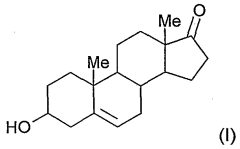
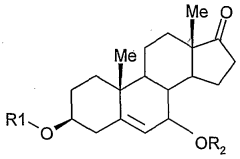
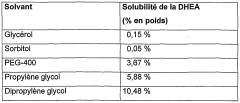
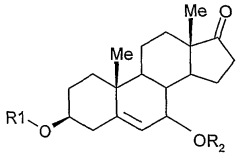
- Incorporating dipropylene glycol as a solubilizer for DHEA and its derivatives, which can be mixed at various temperatures to prevent recrystallization and enhance solubility, allowing for stable and effective topical formulations without compromising cosmetic properties.
Serums for reducing lipid peroxidation
PatentPendingUS20230372231A1
Innovation
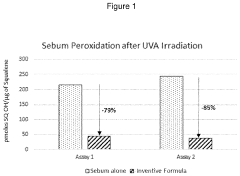
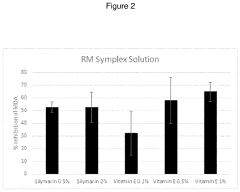
- A cosmetic composition comprising 0.1 to 1.8 wt.% Silybum Marianum Extract, 0.1 to 20 wt.% skin actives, 3 to 15 wt.% Propylene Glycol, 8 to 18 wt.% Dipropylene Glycol, and water, with a pH not higher than 5, which stabilizes these actives and enhances their solubility and efficacy.
Regulatory Aspects of DPG Usage
The regulatory landscape surrounding the use of Dipropylene Glycol (DPG) in consistent texture formulation is complex and varies across different regions and industries. In the United States, the Food and Drug Administration (FDA) has approved DPG for use in food and cosmetic products, classifying it as Generally Recognized as Safe (GRAS). This designation allows for its widespread application in various consumer goods, including personal care products and food additives.
The European Union, through the European Chemicals Agency (ECHA), has also evaluated DPG and deemed it safe for use in consumer products. Under the Registration, Evaluation, Authorization and Restriction of Chemicals (REACH) regulation, DPG has been registered and assessed for its potential environmental and health impacts. This regulatory framework ensures that manufacturers and importers provide detailed safety information and risk assessments for chemicals used in the EU market.
In the cosmetics industry, the use of DPG is regulated by the EU Cosmetics Regulation (EC) No 1223/2009. This regulation sets specific limits on the concentration of DPG in various cosmetic formulations to ensure consumer safety. Similarly, in the food industry, DPG is regulated under the Food Additives Regulation (EC) No 1333/2008, which specifies permitted uses and maximum levels in different food categories.
Japan's Ministry of Health, Labour and Welfare has also approved DPG for use in cosmetics and food products, subject to specific concentration limits and application guidelines. The Japanese Standards for Cosmetic Ingredients (JSCI) provide detailed requirements for the use of DPG in cosmetic formulations.
Globally, the International Fragrance Association (IFRA) has established guidelines for the safe use of DPG in fragrance compounds, which are widely adopted by the perfume and personal care industries. These guidelines help ensure consistent safety standards across different markets and applications.
Manufacturers using DPG in their formulations must adhere to Good Manufacturing Practices (GMP) and maintain detailed documentation of their production processes and quality control measures. This includes regular testing for purity and potential contaminants, as well as proper labeling of products containing DPG.
As environmental concerns grow, regulatory bodies are increasingly focusing on the sustainability aspects of chemical usage. While DPG is generally considered to have a low environmental impact, manufacturers are encouraged to consider eco-friendly alternatives and implement responsible disposal practices.
The European Union, through the European Chemicals Agency (ECHA), has also evaluated DPG and deemed it safe for use in consumer products. Under the Registration, Evaluation, Authorization and Restriction of Chemicals (REACH) regulation, DPG has been registered and assessed for its potential environmental and health impacts. This regulatory framework ensures that manufacturers and importers provide detailed safety information and risk assessments for chemicals used in the EU market.
In the cosmetics industry, the use of DPG is regulated by the EU Cosmetics Regulation (EC) No 1223/2009. This regulation sets specific limits on the concentration of DPG in various cosmetic formulations to ensure consumer safety. Similarly, in the food industry, DPG is regulated under the Food Additives Regulation (EC) No 1333/2008, which specifies permitted uses and maximum levels in different food categories.
Japan's Ministry of Health, Labour and Welfare has also approved DPG for use in cosmetics and food products, subject to specific concentration limits and application guidelines. The Japanese Standards for Cosmetic Ingredients (JSCI) provide detailed requirements for the use of DPG in cosmetic formulations.
Globally, the International Fragrance Association (IFRA) has established guidelines for the safe use of DPG in fragrance compounds, which are widely adopted by the perfume and personal care industries. These guidelines help ensure consistent safety standards across different markets and applications.
Manufacturers using DPG in their formulations must adhere to Good Manufacturing Practices (GMP) and maintain detailed documentation of their production processes and quality control measures. This includes regular testing for purity and potential contaminants, as well as proper labeling of products containing DPG.
As environmental concerns grow, regulatory bodies are increasingly focusing on the sustainability aspects of chemical usage. While DPG is generally considered to have a low environmental impact, manufacturers are encouraged to consider eco-friendly alternatives and implement responsible disposal practices.
Environmental Impact of DPG in Formulations
The environmental impact of Dipropylene Glycol (DPG) in formulations is a crucial consideration for manufacturers and consumers alike. DPG, while effective in creating consistent textures, has both positive and negative environmental implications that must be carefully evaluated.
One of the primary environmental benefits of DPG is its low volatility, which reduces the emission of volatile organic compounds (VOCs) into the atmosphere. This characteristic makes DPG a more environmentally friendly option compared to some other solvents used in formulations. Additionally, DPG is biodegradable, breaking down into harmless components over time, which minimizes its long-term environmental impact.
However, the production of DPG does have some environmental drawbacks. The manufacturing process typically involves the use of propylene oxide, which is derived from fossil fuels. This reliance on non-renewable resources contributes to carbon emissions and the depletion of finite resources. Furthermore, the energy-intensive production process of DPG can lead to increased greenhouse gas emissions if not managed properly.
In aquatic environments, DPG has been found to have low toxicity to fish and other aquatic organisms. This is a positive attribute, as it reduces the potential harm to ecosystems if the compound is released into water bodies. However, it is essential to note that large-scale releases or continuous exposure could still have detrimental effects on aquatic life.
The disposal of products containing DPG also requires consideration. While biodegradable, improper disposal can lead to soil and water contamination. Manufacturers and consumers must be educated on proper disposal methods to minimize environmental impact. Recycling programs for products containing DPG can help mitigate these concerns and promote a more circular economy.
From a regulatory perspective, DPG is generally considered to have a favorable environmental profile. It is not classified as a hazardous air pollutant or a priority pollutant under various environmental regulations. This status simplifies compliance for manufacturers and reduces the regulatory burden associated with its use in formulations.
As the demand for environmentally friendly products grows, there is increasing pressure on manufacturers to find alternatives to petrochemical-based ingredients like DPG. Research into bio-based alternatives derived from renewable resources is ongoing, aiming to further reduce the environmental footprint of formulations while maintaining the desired texture consistency.
In conclusion, while DPG offers several environmental advantages in formulations, including low volatility and biodegradability, its production and potential for improper disposal present challenges. Balancing these factors is crucial for manufacturers striving to create environmentally responsible products without compromising on texture quality.
One of the primary environmental benefits of DPG is its low volatility, which reduces the emission of volatile organic compounds (VOCs) into the atmosphere. This characteristic makes DPG a more environmentally friendly option compared to some other solvents used in formulations. Additionally, DPG is biodegradable, breaking down into harmless components over time, which minimizes its long-term environmental impact.
However, the production of DPG does have some environmental drawbacks. The manufacturing process typically involves the use of propylene oxide, which is derived from fossil fuels. This reliance on non-renewable resources contributes to carbon emissions and the depletion of finite resources. Furthermore, the energy-intensive production process of DPG can lead to increased greenhouse gas emissions if not managed properly.
In aquatic environments, DPG has been found to have low toxicity to fish and other aquatic organisms. This is a positive attribute, as it reduces the potential harm to ecosystems if the compound is released into water bodies. However, it is essential to note that large-scale releases or continuous exposure could still have detrimental effects on aquatic life.
The disposal of products containing DPG also requires consideration. While biodegradable, improper disposal can lead to soil and water contamination. Manufacturers and consumers must be educated on proper disposal methods to minimize environmental impact. Recycling programs for products containing DPG can help mitigate these concerns and promote a more circular economy.
From a regulatory perspective, DPG is generally considered to have a favorable environmental profile. It is not classified as a hazardous air pollutant or a priority pollutant under various environmental regulations. This status simplifies compliance for manufacturers and reduces the regulatory burden associated with its use in formulations.
As the demand for environmentally friendly products grows, there is increasing pressure on manufacturers to find alternatives to petrochemical-based ingredients like DPG. Research into bio-based alternatives derived from renewable resources is ongoing, aiming to further reduce the environmental footprint of formulations while maintaining the desired texture consistency.
In conclusion, while DPG offers several environmental advantages in formulations, including low volatility and biodegradability, its production and potential for improper disposal present challenges. Balancing these factors is crucial for manufacturers striving to create environmentally responsible products without compromising on texture quality.
Unlock deeper insights with Patsnap Eureka Quick Research — get a full tech report to explore trends and direct your research. Try now!
Generate Your Research Report Instantly with AI Agent
Supercharge your innovation with Patsnap Eureka AI Agent Platform!