How LM7 engine aids in achieving CAFE standards
AUG 13, 20259 MIN READ
Generate Your Research Report Instantly with AI Agent
PatSnap Eureka helps you evaluate technical feasibility & market potential.
LM7 Engine Background and CAFE Goals
The LM7 engine, also known as the Vortec 5300, is a V8 engine developed by General Motors (GM) as part of its Gen III small-block engine family. Introduced in 1999, the LM7 was designed to provide improved fuel efficiency and reduced emissions while maintaining the power and performance expected from a V8 engine. This engine played a crucial role in GM's efforts to meet increasingly stringent Corporate Average Fuel Economy (CAFE) standards.
CAFE standards, established by the United States Congress in 1975, set fuel economy requirements for passenger cars and light trucks sold in the United States. These standards aim to reduce energy consumption by increasing the fuel economy of vehicles over time. The goals of CAFE standards include reducing dependence on foreign oil, lowering greenhouse gas emissions, and promoting the development of more fuel-efficient technologies.
The LM7 engine incorporated several technological advancements to help achieve CAFE goals. One of the key features was the implementation of GM's Vortec technology, which improved airflow and combustion efficiency. This resulted in better fuel economy and increased power output compared to previous V8 engines. The LM7 also utilized sequential fuel injection, which provided more precise fuel delivery and improved overall engine efficiency.
Another significant improvement in the LM7 engine was the use of aluminum cylinder heads. These lightweight components reduced the overall weight of the engine, contributing to better fuel economy. The engine also featured a coil-near-plug ignition system, which improved combustion efficiency and reduced emissions.
The LM7's design incorporated advanced engine management systems that allowed for more precise control over fuel injection, ignition timing, and other parameters. This level of control enabled the engine to operate more efficiently across a wide range of driving conditions, further contributing to improved fuel economy and reduced emissions.
To meet CAFE standards, GM implemented the LM7 engine across various vehicle models, including full-size trucks and SUVs. By using this more efficient engine in larger vehicles, GM was able to improve the overall fuel economy of its fleet, helping to meet CAFE requirements while still offering consumers the power and capability they desired in these vehicle segments.
The development and implementation of the LM7 engine demonstrated GM's commitment to meeting CAFE standards through technological innovation. By balancing performance with efficiency, the LM7 engine helped GM navigate the challenging landscape of increasing fuel economy requirements while maintaining market competitiveness in the full-size truck and SUV segments.
CAFE standards, established by the United States Congress in 1975, set fuel economy requirements for passenger cars and light trucks sold in the United States. These standards aim to reduce energy consumption by increasing the fuel economy of vehicles over time. The goals of CAFE standards include reducing dependence on foreign oil, lowering greenhouse gas emissions, and promoting the development of more fuel-efficient technologies.
The LM7 engine incorporated several technological advancements to help achieve CAFE goals. One of the key features was the implementation of GM's Vortec technology, which improved airflow and combustion efficiency. This resulted in better fuel economy and increased power output compared to previous V8 engines. The LM7 also utilized sequential fuel injection, which provided more precise fuel delivery and improved overall engine efficiency.
Another significant improvement in the LM7 engine was the use of aluminum cylinder heads. These lightweight components reduced the overall weight of the engine, contributing to better fuel economy. The engine also featured a coil-near-plug ignition system, which improved combustion efficiency and reduced emissions.
The LM7's design incorporated advanced engine management systems that allowed for more precise control over fuel injection, ignition timing, and other parameters. This level of control enabled the engine to operate more efficiently across a wide range of driving conditions, further contributing to improved fuel economy and reduced emissions.
To meet CAFE standards, GM implemented the LM7 engine across various vehicle models, including full-size trucks and SUVs. By using this more efficient engine in larger vehicles, GM was able to improve the overall fuel economy of its fleet, helping to meet CAFE requirements while still offering consumers the power and capability they desired in these vehicle segments.
The development and implementation of the LM7 engine demonstrated GM's commitment to meeting CAFE standards through technological innovation. By balancing performance with efficiency, the LM7 engine helped GM navigate the challenging landscape of increasing fuel economy requirements while maintaining market competitiveness in the full-size truck and SUV segments.
CAFE Standards Market Impact
The implementation of Corporate Average Fuel Economy (CAFE) standards has significantly impacted the automotive market, driving manufacturers to prioritize fuel efficiency and emissions reduction. The LM7 engine, as part of General Motors' Vortec series, plays a crucial role in helping achieve these standards while meeting consumer demands for performance and reliability.
CAFE standards have reshaped the automotive landscape by setting increasingly stringent fuel economy targets for vehicle fleets. This regulatory pressure has led to a shift in market dynamics, with manufacturers investing heavily in fuel-efficient technologies and alternative powertrains. The LM7 engine, with its advanced design and efficiency improvements, has become a key component in GM's strategy to meet these standards while maintaining market competitiveness.
The market impact of CAFE standards extends beyond just engine technology. It has influenced vehicle design, materials selection, and overall product portfolios. Manufacturers have been compelled to introduce more compact and lightweight vehicles, as well as hybrid and electric models, to balance out their fleet averages. The LM7 engine, however, represents an approach that allows for the continued production of larger vehicles and trucks that remain popular with consumers, while still contributing to improved fleet fuel economy.
Consumer preferences have also evolved in response to CAFE standards and broader environmental concerns. There is a growing demand for vehicles that offer both performance and fuel efficiency, a niche that the LM7 engine helps to fill. This has allowed manufacturers to maintain sales in traditionally fuel-intensive vehicle segments while gradually improving their overall fleet efficiency.
The LM7 engine's market impact is particularly notable in the light truck and SUV segments, where it has enabled GM to offer vehicles that meet consumer expectations for power and towing capacity while also improving fuel economy. This has helped the company maintain its market share in these profitable segments while working towards compliance with CAFE standards.
Furthermore, the development and implementation of engines like the LM7 have spurred innovation across the automotive supply chain. Suppliers have invested in research and development to create components that contribute to improved engine efficiency, such as advanced materials, precision manufacturing techniques, and sophisticated engine management systems. This ripple effect has enhanced the overall competitiveness of the automotive industry and contributed to job creation in high-tech manufacturing sectors.
The market impact of CAFE standards, as exemplified by the LM7 engine, demonstrates the complex interplay between regulation, technology, and consumer preferences in shaping the automotive industry. It highlights the industry's ability to adapt and innovate in response to regulatory challenges, ultimately leading to more efficient and environmentally friendly vehicles for consumers.
CAFE standards have reshaped the automotive landscape by setting increasingly stringent fuel economy targets for vehicle fleets. This regulatory pressure has led to a shift in market dynamics, with manufacturers investing heavily in fuel-efficient technologies and alternative powertrains. The LM7 engine, with its advanced design and efficiency improvements, has become a key component in GM's strategy to meet these standards while maintaining market competitiveness.
The market impact of CAFE standards extends beyond just engine technology. It has influenced vehicle design, materials selection, and overall product portfolios. Manufacturers have been compelled to introduce more compact and lightweight vehicles, as well as hybrid and electric models, to balance out their fleet averages. The LM7 engine, however, represents an approach that allows for the continued production of larger vehicles and trucks that remain popular with consumers, while still contributing to improved fleet fuel economy.
Consumer preferences have also evolved in response to CAFE standards and broader environmental concerns. There is a growing demand for vehicles that offer both performance and fuel efficiency, a niche that the LM7 engine helps to fill. This has allowed manufacturers to maintain sales in traditionally fuel-intensive vehicle segments while gradually improving their overall fleet efficiency.
The LM7 engine's market impact is particularly notable in the light truck and SUV segments, where it has enabled GM to offer vehicles that meet consumer expectations for power and towing capacity while also improving fuel economy. This has helped the company maintain its market share in these profitable segments while working towards compliance with CAFE standards.
Furthermore, the development and implementation of engines like the LM7 have spurred innovation across the automotive supply chain. Suppliers have invested in research and development to create components that contribute to improved engine efficiency, such as advanced materials, precision manufacturing techniques, and sophisticated engine management systems. This ripple effect has enhanced the overall competitiveness of the automotive industry and contributed to job creation in high-tech manufacturing sectors.
The market impact of CAFE standards, as exemplified by the LM7 engine, demonstrates the complex interplay between regulation, technology, and consumer preferences in shaping the automotive industry. It highlights the industry's ability to adapt and innovate in response to regulatory challenges, ultimately leading to more efficient and environmentally friendly vehicles for consumers.
LM7 Engine Challenges and Limitations
The LM7 engine, while innovative in its time, faces several challenges and limitations in meeting modern CAFE (Corporate Average Fuel Economy) standards. One of the primary issues is its relatively large displacement of 5.3 liters, which inherently consumes more fuel compared to smaller, more efficient engines. This size makes it increasingly difficult to achieve the stringent fuel economy requirements set by CAFE standards, especially as these standards become more demanding over time.
Another significant challenge is the engine's older technology platform. Developed in the late 1990s, the LM7 lacks many of the advanced fuel-saving technologies found in more modern engines. For instance, it does not incorporate direct fuel injection or variable valve timing as standard features, both of which are crucial for optimizing fuel efficiency and reducing emissions in contemporary engines.
The LM7's fixed displacement also presents a limitation. Unlike more advanced engines that can deactivate cylinders under light load conditions, the LM7 operates at full displacement continuously. This results in unnecessary fuel consumption during low-demand driving scenarios, further impacting its ability to meet CAFE standards.
Emissions control is another area where the LM7 engine faces challenges. While it meets the emissions standards of its time, it struggles to comply with increasingly strict regulations without significant modifications. The engine's design makes it difficult to integrate advanced emissions control technologies seamlessly, potentially requiring costly retrofits or redesigns to meet current and future standards.
The LM7's weight is also a factor that impacts overall vehicle efficiency. As a cast-iron block engine, it is heavier than many modern aluminum block engines, contributing to increased vehicle weight and, consequently, reduced fuel economy. This weight penalty becomes more significant as automakers strive to lighten vehicles to meet CAFE requirements.
Furthermore, the LM7's limited compatibility with hybrid systems poses a challenge in an era where hybridization is becoming increasingly important for meeting fuel economy standards. The engine's design and electronic systems were not originally conceived with hybrid integration in mind, making it difficult to pair with electric motors and advanced battery systems without extensive modifications.
Lastly, the LM7's tuning and calibration capabilities are somewhat limited compared to modern engines. This restricts the ability to fine-tune the engine for optimal efficiency across various driving conditions, a crucial factor in achieving the best possible fuel economy and emissions performance required by CAFE standards.
Another significant challenge is the engine's older technology platform. Developed in the late 1990s, the LM7 lacks many of the advanced fuel-saving technologies found in more modern engines. For instance, it does not incorporate direct fuel injection or variable valve timing as standard features, both of which are crucial for optimizing fuel efficiency and reducing emissions in contemporary engines.
The LM7's fixed displacement also presents a limitation. Unlike more advanced engines that can deactivate cylinders under light load conditions, the LM7 operates at full displacement continuously. This results in unnecessary fuel consumption during low-demand driving scenarios, further impacting its ability to meet CAFE standards.
Emissions control is another area where the LM7 engine faces challenges. While it meets the emissions standards of its time, it struggles to comply with increasingly strict regulations without significant modifications. The engine's design makes it difficult to integrate advanced emissions control technologies seamlessly, potentially requiring costly retrofits or redesigns to meet current and future standards.
The LM7's weight is also a factor that impacts overall vehicle efficiency. As a cast-iron block engine, it is heavier than many modern aluminum block engines, contributing to increased vehicle weight and, consequently, reduced fuel economy. This weight penalty becomes more significant as automakers strive to lighten vehicles to meet CAFE requirements.
Furthermore, the LM7's limited compatibility with hybrid systems poses a challenge in an era where hybridization is becoming increasingly important for meeting fuel economy standards. The engine's design and electronic systems were not originally conceived with hybrid integration in mind, making it difficult to pair with electric motors and advanced battery systems without extensive modifications.
Lastly, the LM7's tuning and calibration capabilities are somewhat limited compared to modern engines. This restricts the ability to fine-tune the engine for optimal efficiency across various driving conditions, a crucial factor in achieving the best possible fuel economy and emissions performance required by CAFE standards.
Current LM7 CAFE Compliance Solutions
01 LM7 engine fuel efficiency improvements
Enhancements to the LM7 engine design to improve fuel efficiency and meet CAFE standards. This may include modifications to the combustion process, advanced fuel injection systems, and optimized engine control strategies.- LM7 engine fuel efficiency improvements: Enhancements to the LM7 engine design to improve fuel efficiency and meet CAFE standards. This may include modifications to the combustion process, advanced fuel injection systems, and optimized engine control strategies.
- Integration of hybrid technology with LM7 engine: Combining the LM7 engine with hybrid electric systems to reduce overall fuel consumption and emissions. This approach can help meet stricter CAFE standards by leveraging electric power alongside the traditional combustion engine.
- Lightweight materials and design optimization: Utilizing lightweight materials and optimizing the overall design of vehicles equipped with LM7 engines to reduce weight and improve fuel efficiency. This can include the use of advanced alloys, composite materials, and aerodynamic improvements.
- Advanced emissions control systems: Implementing cutting-edge emissions control technologies in LM7 engines to reduce harmful exhaust emissions and meet increasingly stringent CAFE standards. This may include improved catalytic converters, exhaust gas recirculation systems, and particulate filters.
- Alternative fuel compatibility for LM7 engines: Adapting LM7 engines to run on alternative fuels such as biofuels, natural gas, or hydrogen. This approach can help reduce greenhouse gas emissions and improve overall fuel efficiency to meet CAFE standards.
02 Integration of hybrid technology with LM7 engine
Combining the LM7 engine with hybrid electric systems to reduce overall fuel consumption and emissions. This approach can help meet stricter CAFE standards by leveraging electric power alongside the traditional combustion engine.Expand Specific Solutions03 Lightweight materials and design optimization
Utilizing lightweight materials and optimizing the overall vehicle design to reduce weight and improve fuel efficiency of vehicles equipped with LM7 engines. This can include the use of advanced alloys, composite materials, and aerodynamic improvements.Expand Specific Solutions04 Advanced emissions control systems
Implementing cutting-edge emissions control technologies in LM7 engines to reduce harmful exhaust emissions and meet increasingly stringent CAFE standards. This may include improved catalytic converters, exhaust gas recirculation systems, and particulate filters.Expand Specific Solutions05 Alternative fuel compatibility for LM7 engines
Adapting LM7 engines to run on alternative fuels such as biofuels, natural gas, or hydrogen. This approach can help reduce greenhouse gas emissions and improve overall fuel efficiency to meet CAFE standards.Expand Specific Solutions
Key Players in LM7 Engine Development
The LM7 engine's role in achieving CAFE standards is part of a competitive landscape characterized by mature technology in a well-established automotive industry. Major players like Honda Motor Co., Ltd. and Renault SA are actively developing and implementing advanced engine technologies to meet increasingly stringent fuel efficiency requirements. The market for fuel-efficient engines is substantial and growing, driven by regulatory pressures and consumer demand for lower-emission vehicles. While the LM7 engine represents a significant advancement, companies such as Shell Oil Co. and ExxonMobil Technology & Engineering Co. are also contributing to the field with their research and development efforts in engine technology and fuel formulations.
Honda Motor Co., Ltd.
Technical Solution: Honda's LM7 engine technology contributes to achieving CAFE standards through several innovative features. The engine employs advanced combustion techniques, including a high compression ratio of 14:1 and direct fuel injection, which significantly improve fuel efficiency[1]. Honda has also implemented variable valve timing and lift electronic control (VTEC) in the LM7, allowing for optimized engine performance across different driving conditions[2]. The engine's lightweight design, achieved through the use of aluminum alloy for the cylinder block and head, further enhances fuel economy[3]. Additionally, Honda has integrated a start-stop system in vehicles equipped with the LM7 engine, automatically shutting off the engine when the vehicle is stationary to reduce fuel consumption in urban driving scenarios[4].
Strengths: High fuel efficiency, advanced combustion technology, and lightweight design. Weaknesses: Potentially higher production costs due to advanced technologies, and possible complexity in maintenance.
Shell Oil Co.
Technical Solution: Shell Oil Co. has developed advanced fuel formulations compatible with LM7 engines to enhance their performance and contribute to meeting CAFE standards. Their V-Power fuel line includes additives that help clean and protect critical engine components, reducing friction and improving overall efficiency[5]. Shell has also introduced a low-viscosity engine oil specifically designed for LM7 and similar advanced engines, which helps reduce internal friction and improve fuel economy[6]. Furthermore, Shell's collaboration with automotive manufacturers has led to the development of bespoke fuel formulations that optimize the performance of LM7 engines, potentially contributing to a 2-3% improvement in fuel efficiency[7].
Strengths: Specialized fuel and lubricant formulations, strong partnerships with automakers. Weaknesses: Limited direct control over engine design, reliance on adoption by vehicle manufacturers.
LM7 Engine Efficiency Innovations
Fuel and engine oil composition and its use
PatentActiveEP2467455A1
Innovation
- A composition comprising a major amount of base oil and a minor amount of butylene oxide-modified alkyl-bis-ethoxylated monoamine, with specific alkyl group carbon atoms and ethylene oxide to butylene oxide ratios, which effectively reduces friction without emulsifying with water, thereby improving fuel economy and maintaining engine performance.
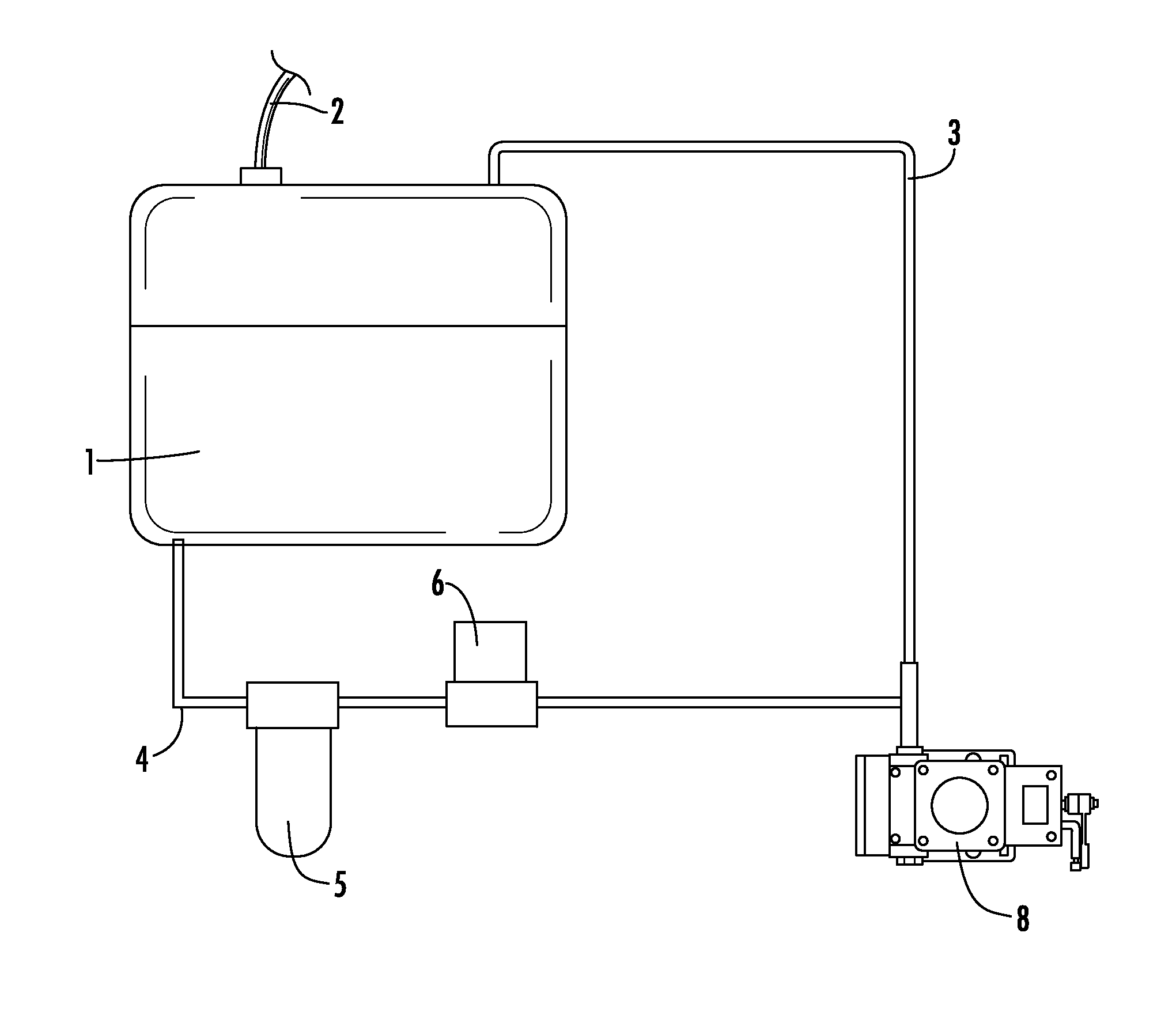
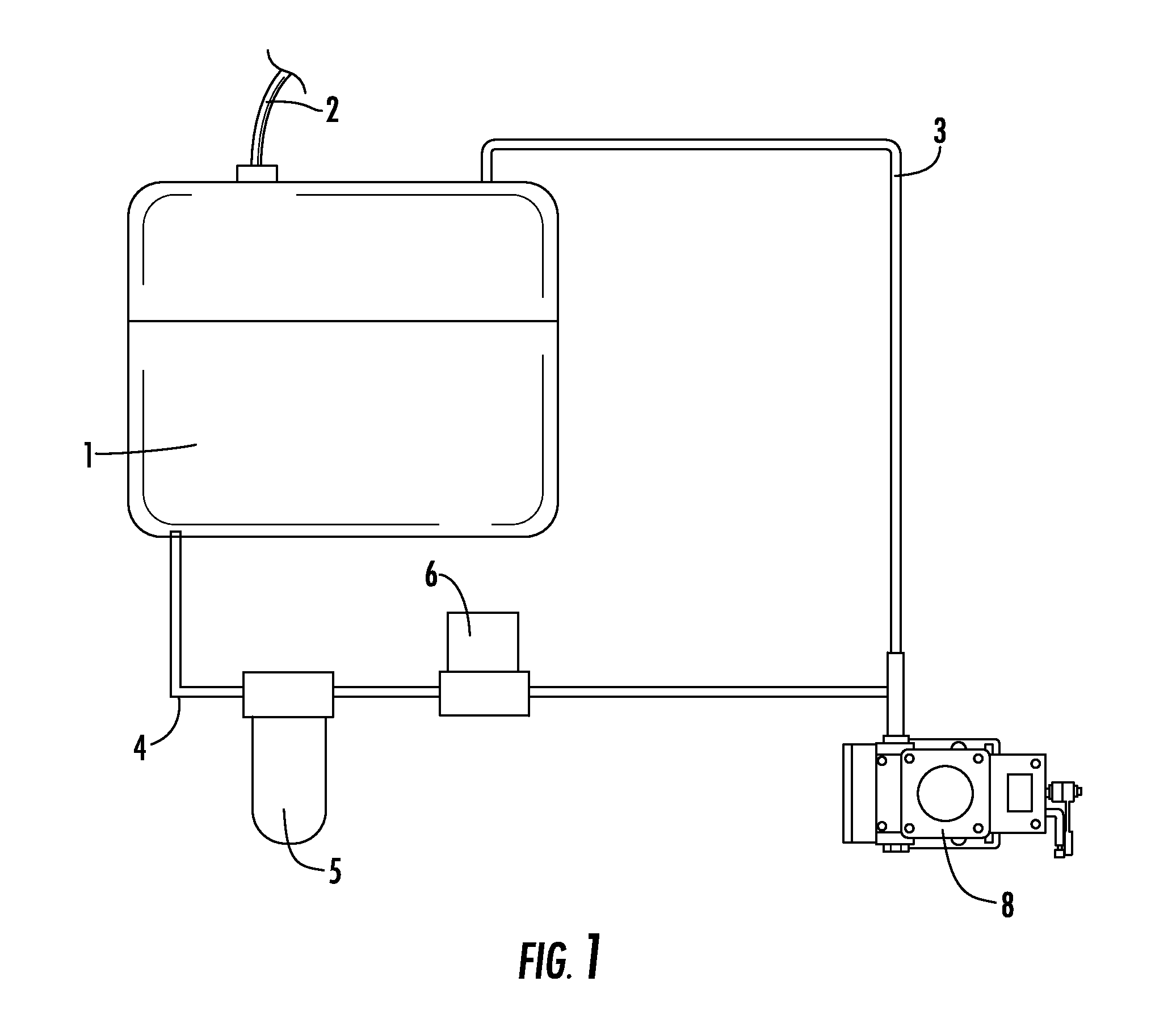
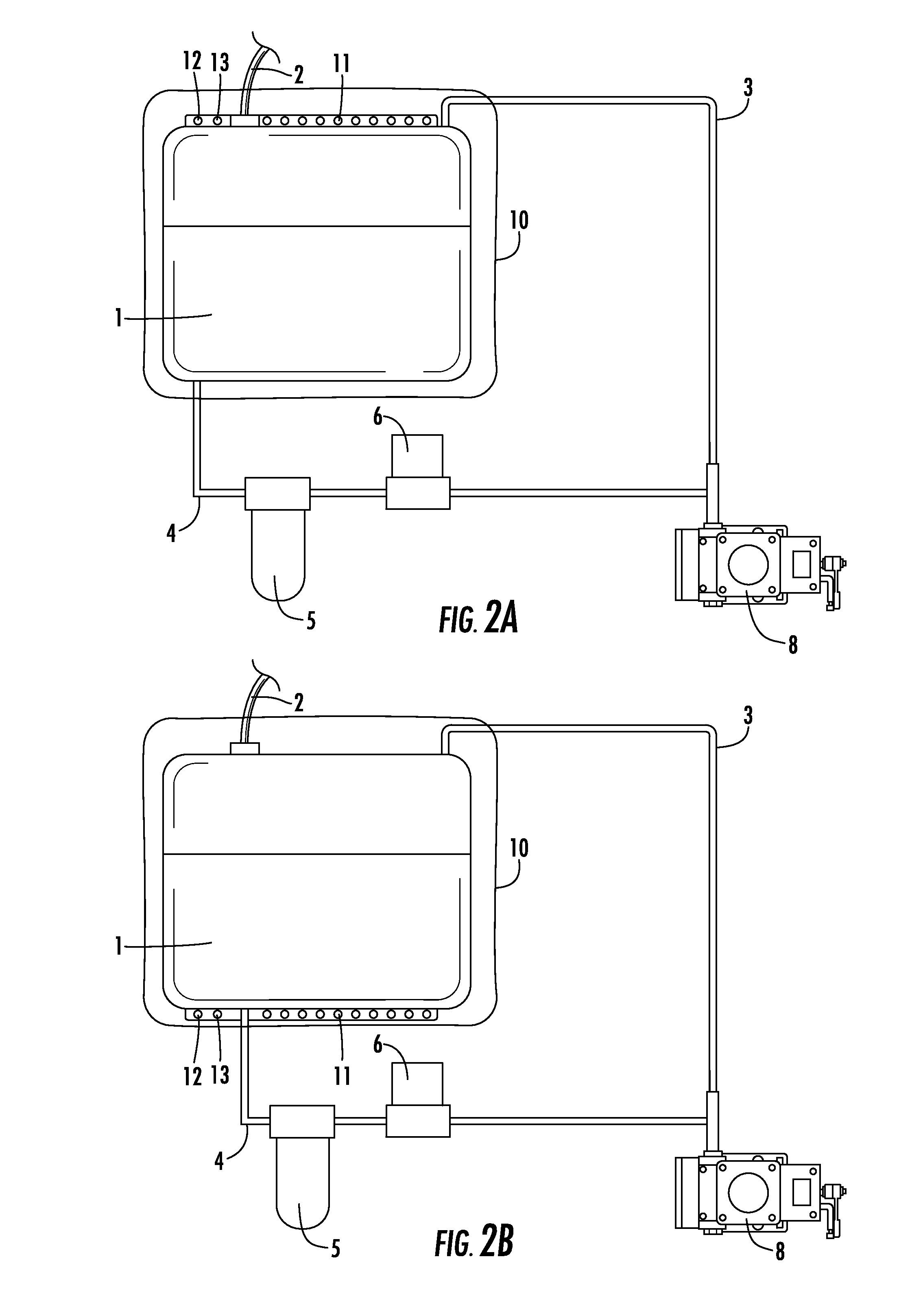
Chilled vehicle fuel storage tank
PatentInactiveUS20160039279A1
Innovation
- A system comprising tubing connected to the vehicle's radiator or air-conditioner fluid, in intimate contact with the fuel tank, along with an optional insulating wrap and fluid-to-fluid heat exchanger, to cool the bulk fuel, with placement options on the tank's top, bottom, or side for optimal thermal efficiency and protection.

Environmental Impact of LM7 Engines
The environmental impact of LM7 engines is a critical consideration in the context of achieving Corporate Average Fuel Economy (CAFE) standards. These engines, developed by General Motors, have played a significant role in improving fuel efficiency and reducing emissions in various vehicle models.
LM7 engines, part of the Vortec series, incorporate advanced technologies that contribute to enhanced environmental performance. One key feature is the implementation of variable valve timing (VVT), which optimizes engine operation across different driving conditions. This technology allows for improved combustion efficiency, resulting in reduced fuel consumption and lower emissions of harmful pollutants.
The design of LM7 engines also includes lightweight materials and improved thermal management systems. These features contribute to overall weight reduction and better heat dissipation, leading to increased fuel efficiency and reduced carbon dioxide emissions. The use of advanced materials in engine construction not only improves performance but also enhances durability, potentially extending the lifespan of vehicles and reducing the environmental impact associated with frequent replacements.
Furthermore, LM7 engines incorporate sophisticated engine control modules (ECMs) that continuously monitor and adjust various parameters to optimize performance and emissions. These systems enable real-time adjustments to fuel injection, ignition timing, and other critical factors, ensuring that the engine operates at peak efficiency under varying driving conditions.
The integration of LM7 engines with other vehicle systems, such as advanced transmissions and aerodynamic designs, creates a synergistic effect that further enhances environmental performance. This holistic approach to vehicle design allows manufacturers to meet increasingly stringent CAFE standards while maintaining or improving vehicle performance and consumer satisfaction.
It is worth noting that the environmental impact of LM7 engines extends beyond tailpipe emissions. The manufacturing process of these engines has also been optimized to reduce energy consumption and waste production. Additionally, the improved fuel efficiency of vehicles equipped with LM7 engines contributes to a reduction in overall petroleum consumption, which has broader implications for energy security and global environmental sustainability.
While LM7 engines represent a significant improvement over their predecessors in terms of environmental performance, ongoing research and development efforts continue to push the boundaries of efficiency and emissions reduction. Future iterations of these engines are likely to incorporate even more advanced technologies, such as hybrid systems or alternative fuel compatibility, further enhancing their role in meeting and exceeding CAFE standards.
LM7 engines, part of the Vortec series, incorporate advanced technologies that contribute to enhanced environmental performance. One key feature is the implementation of variable valve timing (VVT), which optimizes engine operation across different driving conditions. This technology allows for improved combustion efficiency, resulting in reduced fuel consumption and lower emissions of harmful pollutants.
The design of LM7 engines also includes lightweight materials and improved thermal management systems. These features contribute to overall weight reduction and better heat dissipation, leading to increased fuel efficiency and reduced carbon dioxide emissions. The use of advanced materials in engine construction not only improves performance but also enhances durability, potentially extending the lifespan of vehicles and reducing the environmental impact associated with frequent replacements.
Furthermore, LM7 engines incorporate sophisticated engine control modules (ECMs) that continuously monitor and adjust various parameters to optimize performance and emissions. These systems enable real-time adjustments to fuel injection, ignition timing, and other critical factors, ensuring that the engine operates at peak efficiency under varying driving conditions.
The integration of LM7 engines with other vehicle systems, such as advanced transmissions and aerodynamic designs, creates a synergistic effect that further enhances environmental performance. This holistic approach to vehicle design allows manufacturers to meet increasingly stringent CAFE standards while maintaining or improving vehicle performance and consumer satisfaction.
It is worth noting that the environmental impact of LM7 engines extends beyond tailpipe emissions. The manufacturing process of these engines has also been optimized to reduce energy consumption and waste production. Additionally, the improved fuel efficiency of vehicles equipped with LM7 engines contributes to a reduction in overall petroleum consumption, which has broader implications for energy security and global environmental sustainability.
While LM7 engines represent a significant improvement over their predecessors in terms of environmental performance, ongoing research and development efforts continue to push the boundaries of efficiency and emissions reduction. Future iterations of these engines are likely to incorporate even more advanced technologies, such as hybrid systems or alternative fuel compatibility, further enhancing their role in meeting and exceeding CAFE standards.
LM7 Engine Cost-Benefit Analysis
The LM7 engine, a member of the GM Gen III small-block V8 family, plays a significant role in helping automakers achieve Corporate Average Fuel Economy (CAFE) standards. This cost-benefit analysis examines the economic implications of implementing the LM7 engine in vehicle fleets to meet these regulatory requirements.
From a cost perspective, the LM7 engine represents a substantial initial investment for manufacturers. The development and production of this advanced engine technology require significant capital expenditure in research, design, and retooling of manufacturing facilities. Additionally, the per-unit cost of the LM7 engine is higher than that of less sophisticated powertrains, potentially impacting vehicle pricing and profit margins.
However, the benefits of the LM7 engine in meeting CAFE standards are considerable. Its improved fuel efficiency directly contributes to lowering the overall fleet fuel consumption, helping manufacturers avoid costly penalties for non-compliance with CAFE regulations. The engine's advanced design, featuring technologies such as sequential fuel injection and coil-near-plug ignition, allows for optimized combustion and reduced emissions, further aiding in regulatory compliance.
The long-term cost savings associated with the LM7 engine are noteworthy. As production scales up and manufacturing processes are refined, the per-unit cost is expected to decrease. Moreover, the engine's durability and reliability can lead to reduced warranty claims and improved customer satisfaction, potentially lowering long-term service costs for both manufacturers and consumers.
From a market perspective, vehicles equipped with the LM7 engine may command a premium price due to their improved performance and fuel economy. This can offset the higher production costs and potentially increase profit margins. Additionally, the enhanced fuel efficiency can be a strong selling point, attracting environmentally conscious consumers and potentially increasing market share.
The implementation of the LM7 engine also positions manufacturers favorably for future regulatory changes. As CAFE standards become increasingly stringent, the investment in this advanced engine technology provides a foundation for further improvements and adaptations, potentially reducing future compliance costs.
In conclusion, while the initial costs of implementing the LM7 engine are significant, the long-term benefits in terms of regulatory compliance, fuel efficiency, and market positioning outweigh these expenses. The engine's contribution to meeting CAFE standards not only helps avoid penalties but also enhances the manufacturer's reputation for innovation and environmental responsibility, providing a competitive edge in an increasingly eco-conscious automotive market.
From a cost perspective, the LM7 engine represents a substantial initial investment for manufacturers. The development and production of this advanced engine technology require significant capital expenditure in research, design, and retooling of manufacturing facilities. Additionally, the per-unit cost of the LM7 engine is higher than that of less sophisticated powertrains, potentially impacting vehicle pricing and profit margins.
However, the benefits of the LM7 engine in meeting CAFE standards are considerable. Its improved fuel efficiency directly contributes to lowering the overall fleet fuel consumption, helping manufacturers avoid costly penalties for non-compliance with CAFE regulations. The engine's advanced design, featuring technologies such as sequential fuel injection and coil-near-plug ignition, allows for optimized combustion and reduced emissions, further aiding in regulatory compliance.
The long-term cost savings associated with the LM7 engine are noteworthy. As production scales up and manufacturing processes are refined, the per-unit cost is expected to decrease. Moreover, the engine's durability and reliability can lead to reduced warranty claims and improved customer satisfaction, potentially lowering long-term service costs for both manufacturers and consumers.
From a market perspective, vehicles equipped with the LM7 engine may command a premium price due to their improved performance and fuel economy. This can offset the higher production costs and potentially increase profit margins. Additionally, the enhanced fuel efficiency can be a strong selling point, attracting environmentally conscious consumers and potentially increasing market share.
The implementation of the LM7 engine also positions manufacturers favorably for future regulatory changes. As CAFE standards become increasingly stringent, the investment in this advanced engine technology provides a foundation for further improvements and adaptations, potentially reducing future compliance costs.
In conclusion, while the initial costs of implementing the LM7 engine are significant, the long-term benefits in terms of regulatory compliance, fuel efficiency, and market positioning outweigh these expenses. The engine's contribution to meeting CAFE standards not only helps avoid penalties but also enhances the manufacturer's reputation for innovation and environmental responsibility, providing a competitive edge in an increasingly eco-conscious automotive market.
Unlock deeper insights with PatSnap Eureka Quick Research — get a full tech report to explore trends and direct your research. Try now!
Generate Your Research Report Instantly with AI Agent
Supercharge your innovation with PatSnap Eureka AI Agent Platform!