How Metalloids Improves Energy Conversion Efficiency
OCT 13, 20259 MIN READ
Generate Your Research Report Instantly with AI Agent
Patsnap Eureka helps you evaluate technical feasibility & market potential.
Metalloid-Based Energy Conversion Background and Objectives
Metalloids have emerged as critical elements in advancing energy conversion technologies over the past several decades. Positioned between metals and non-metals on the periodic table, metalloids possess unique electronic and structural properties that make them particularly valuable for energy applications. The historical trajectory of metalloid utilization in energy conversion systems began in the mid-20th century with the development of silicon-based photovoltaic cells, marking the first significant commercial application of metalloids in renewable energy.
The evolution of metalloid-based energy technologies has accelerated dramatically in recent years, driven by increasing global energy demands, environmental concerns, and the push toward sustainable energy solutions. Silicon remains the dominant metalloid in energy conversion, particularly in solar photovoltaics, where it constitutes over 90% of the commercial market. However, other metalloids including boron, germanium, arsenic, antimony, and tellurium have gained significant attention for their potential to enhance energy conversion efficiency across multiple platforms.
Current technological trends indicate a shift toward hybrid systems that leverage the complementary properties of different metalloids to overcome individual limitations. For instance, the incorporation of germanium with silicon in multi-junction solar cells has demonstrated efficiency improvements of 5-8% compared to single-junction silicon cells. Similarly, boron-doped diamond electrodes have shown promising results in electrochemical energy conversion applications, offering superior stability and wider potential windows than traditional electrode materials.
The primary objective of metalloid research in energy conversion is to overcome the theoretical efficiency limits of current technologies. For photovoltaic applications, this includes surpassing the Shockley-Queisser limit through novel band gap engineering and quantum confinement effects. In thermoelectric applications, the goal is to enhance the figure of merit (ZT) beyond 2.0 by optimizing electrical conductivity while minimizing thermal conductivity—a balance where metalloids excel due to their semi-metallic properties.
Looking forward, the integration of nanotechnology with metalloid-based energy systems represents a particularly promising frontier. Nanostructured metalloid materials have demonstrated the ability to manipulate photons, electrons, and phonons at unprecedented scales, potentially leading to breakthrough improvements in energy conversion efficiency. The development of metalloid quantum dots, nanowires, and two-dimensional structures offers pathways to tune electronic properties with precision previously unattainable in bulk materials.
The ultimate technological objective is to develop cost-effective, scalable metalloid-based energy conversion systems that can achieve efficiencies approaching theoretical maximums while maintaining long-term stability under real-world operating conditions. This requires addressing fundamental challenges in materials synthesis, interface engineering, and device architecture that currently limit the practical implementation of advanced metalloid-based energy technologies.
The evolution of metalloid-based energy technologies has accelerated dramatically in recent years, driven by increasing global energy demands, environmental concerns, and the push toward sustainable energy solutions. Silicon remains the dominant metalloid in energy conversion, particularly in solar photovoltaics, where it constitutes over 90% of the commercial market. However, other metalloids including boron, germanium, arsenic, antimony, and tellurium have gained significant attention for their potential to enhance energy conversion efficiency across multiple platforms.
Current technological trends indicate a shift toward hybrid systems that leverage the complementary properties of different metalloids to overcome individual limitations. For instance, the incorporation of germanium with silicon in multi-junction solar cells has demonstrated efficiency improvements of 5-8% compared to single-junction silicon cells. Similarly, boron-doped diamond electrodes have shown promising results in electrochemical energy conversion applications, offering superior stability and wider potential windows than traditional electrode materials.
The primary objective of metalloid research in energy conversion is to overcome the theoretical efficiency limits of current technologies. For photovoltaic applications, this includes surpassing the Shockley-Queisser limit through novel band gap engineering and quantum confinement effects. In thermoelectric applications, the goal is to enhance the figure of merit (ZT) beyond 2.0 by optimizing electrical conductivity while minimizing thermal conductivity—a balance where metalloids excel due to their semi-metallic properties.
Looking forward, the integration of nanotechnology with metalloid-based energy systems represents a particularly promising frontier. Nanostructured metalloid materials have demonstrated the ability to manipulate photons, electrons, and phonons at unprecedented scales, potentially leading to breakthrough improvements in energy conversion efficiency. The development of metalloid quantum dots, nanowires, and two-dimensional structures offers pathways to tune electronic properties with precision previously unattainable in bulk materials.
The ultimate technological objective is to develop cost-effective, scalable metalloid-based energy conversion systems that can achieve efficiencies approaching theoretical maximums while maintaining long-term stability under real-world operating conditions. This requires addressing fundamental challenges in materials synthesis, interface engineering, and device architecture that currently limit the practical implementation of advanced metalloid-based energy technologies.
Market Analysis of Metalloid-Enhanced Energy Technologies
The global market for metalloid-enhanced energy conversion technologies has experienced significant growth over the past decade, driven primarily by increasing demand for renewable energy solutions and improved efficiency in traditional energy systems. Current market valuations indicate that metalloid-based solar photovoltaics alone represent a market segment worth over 50 billion USD, with an annual growth rate exceeding 15% since 2018.
Silicon remains the dominant metalloid in energy conversion applications, accounting for approximately 90% of the semiconductor market in photovoltaic cells. However, emerging metalloids such as germanium, tellurium, and boron are rapidly gaining market share, particularly in specialized high-efficiency applications. The compound annual growth rate for non-silicon metalloid applications in energy conversion has reached 22% over the past five years.
Regionally, Asia-Pacific leads the market with over 60% of global production capacity for metalloid-enhanced energy technologies, primarily concentrated in China, South Korea, and Taiwan. North America and Europe follow with approximately 20% and 15% market share respectively, though these regions maintain technological leadership in several high-value niche applications.
The market segmentation reveals distinct application clusters. Photovoltaic technologies represent the largest segment at 65% of the total market value, followed by thermoelectric generators (15%), battery electrode materials (12%), and catalytic converters (8%). Emerging applications in quantum dot solar cells and advanced semiconductor materials for power electronics are showing the highest growth potential, albeit from a smaller base.
Consumer demand patterns indicate increasing preference for higher efficiency over lower cost, particularly in developed markets. This trend has accelerated the commercial adoption of metalloid-enhanced technologies that offer performance improvements of at least 10% over conventional alternatives, even when commanding price premiums of 30-40%.
Investment flows into research and development of metalloid-enhanced energy technologies have tripled since 2015, reaching approximately 8 billion USD annually. Venture capital funding in this sector has shown particular interest in startups focusing on novel metalloid compounds and alloys that promise efficiency improvements exceeding 25% compared to current commercial technologies.
Market forecasts project continued robust growth, with the total addressable market expected to double by 2030. This expansion will be driven by increasing energy demands, stricter efficiency regulations, and the ongoing transition toward renewable energy sources where metalloid-enhanced technologies offer significant performance advantages.
Silicon remains the dominant metalloid in energy conversion applications, accounting for approximately 90% of the semiconductor market in photovoltaic cells. However, emerging metalloids such as germanium, tellurium, and boron are rapidly gaining market share, particularly in specialized high-efficiency applications. The compound annual growth rate for non-silicon metalloid applications in energy conversion has reached 22% over the past five years.
Regionally, Asia-Pacific leads the market with over 60% of global production capacity for metalloid-enhanced energy technologies, primarily concentrated in China, South Korea, and Taiwan. North America and Europe follow with approximately 20% and 15% market share respectively, though these regions maintain technological leadership in several high-value niche applications.
The market segmentation reveals distinct application clusters. Photovoltaic technologies represent the largest segment at 65% of the total market value, followed by thermoelectric generators (15%), battery electrode materials (12%), and catalytic converters (8%). Emerging applications in quantum dot solar cells and advanced semiconductor materials for power electronics are showing the highest growth potential, albeit from a smaller base.
Consumer demand patterns indicate increasing preference for higher efficiency over lower cost, particularly in developed markets. This trend has accelerated the commercial adoption of metalloid-enhanced technologies that offer performance improvements of at least 10% over conventional alternatives, even when commanding price premiums of 30-40%.
Investment flows into research and development of metalloid-enhanced energy technologies have tripled since 2015, reaching approximately 8 billion USD annually. Venture capital funding in this sector has shown particular interest in startups focusing on novel metalloid compounds and alloys that promise efficiency improvements exceeding 25% compared to current commercial technologies.
Market forecasts project continued robust growth, with the total addressable market expected to double by 2030. This expansion will be driven by increasing energy demands, stricter efficiency regulations, and the ongoing transition toward renewable energy sources where metalloid-enhanced technologies offer significant performance advantages.
Current Challenges in Metalloid Energy Conversion Applications
Despite significant advancements in metalloid-based energy conversion technologies, several critical challenges continue to impede optimal performance and widespread implementation. Material stability remains a primary concern, particularly in silicon and germanium-based photovoltaics, where degradation under prolonged exposure to environmental factors such as moisture, temperature fluctuations, and UV radiation significantly reduces operational lifespans. This instability necessitates costly protective measures and frequent replacement, undermining economic viability.
Interface engineering presents another substantial hurdle, as the boundary between metalloids and other materials in composite systems often suffers from poor electrical contact, charge recombination, and mechanical stress. These interface defects create energy loss pathways that directly diminish conversion efficiency, particularly evident in boron-doped silicon interfaces used in solar cells and thermoelectric devices.
Manufacturing scalability poses significant challenges, with current production methods for high-purity metalloid materials remaining energy-intensive and environmentally problematic. The extraction and purification processes for silicon and germanium involve temperatures exceeding 1000°C, contributing to substantial carbon footprints that contradict the sustainability goals of renewable energy technologies.
Efficiency plateaus represent another critical barrier, with many metalloid-based conversion systems approaching their theoretical limits under conventional designs. Silicon photovoltaics, for instance, face the Shockley-Queisser limit of approximately 33% efficiency for single-junction cells, while thermoelectric materials struggle with the fundamental trade-off between electrical conductivity and thermal conductivity.
Cost factors continue to constrain widespread adoption, particularly for germanium and tellurium-based systems. The limited natural abundance of these elements drives high material costs, while complex processing requirements add further economic pressure. This cost barrier particularly affects emerging markets and developing regions where energy needs are most acute.
Toxicity and environmental concerns also merit attention, especially regarding arsenic and antimony compounds used in specialized conversion applications. Their potential environmental impact throughout the product lifecycle necessitates careful handling protocols and end-of-life management strategies, adding regulatory complexity and disposal challenges.
Finally, knowledge gaps in fundamental understanding of metalloid behavior at quantum and nanoscales limit innovation potential. The complex electronic structures and surface phenomena of metalloids remain incompletely characterized, hampering rational design approaches for next-generation materials with enhanced conversion properties.
Interface engineering presents another substantial hurdle, as the boundary between metalloids and other materials in composite systems often suffers from poor electrical contact, charge recombination, and mechanical stress. These interface defects create energy loss pathways that directly diminish conversion efficiency, particularly evident in boron-doped silicon interfaces used in solar cells and thermoelectric devices.
Manufacturing scalability poses significant challenges, with current production methods for high-purity metalloid materials remaining energy-intensive and environmentally problematic. The extraction and purification processes for silicon and germanium involve temperatures exceeding 1000°C, contributing to substantial carbon footprints that contradict the sustainability goals of renewable energy technologies.
Efficiency plateaus represent another critical barrier, with many metalloid-based conversion systems approaching their theoretical limits under conventional designs. Silicon photovoltaics, for instance, face the Shockley-Queisser limit of approximately 33% efficiency for single-junction cells, while thermoelectric materials struggle with the fundamental trade-off between electrical conductivity and thermal conductivity.
Cost factors continue to constrain widespread adoption, particularly for germanium and tellurium-based systems. The limited natural abundance of these elements drives high material costs, while complex processing requirements add further economic pressure. This cost barrier particularly affects emerging markets and developing regions where energy needs are most acute.
Toxicity and environmental concerns also merit attention, especially regarding arsenic and antimony compounds used in specialized conversion applications. Their potential environmental impact throughout the product lifecycle necessitates careful handling protocols and end-of-life management strategies, adding regulatory complexity and disposal challenges.
Finally, knowledge gaps in fundamental understanding of metalloid behavior at quantum and nanoscales limit innovation potential. The complex electronic structures and surface phenomena of metalloids remain incompletely characterized, hampering rational design approaches for next-generation materials with enhanced conversion properties.
Existing Metalloid-Based Energy Conversion Solutions
01 Metalloid-based photovoltaic materials for energy conversion
Metalloids such as silicon and germanium are widely used in photovoltaic cells to convert solar energy into electricity. These semiconducting materials have unique electronic properties that make them efficient at absorbing photons and generating electron-hole pairs. Advanced formulations and structures incorporating these metalloids can significantly improve energy conversion efficiency in solar cells through enhanced light absorption and charge carrier transport.- Silicon-based metalloid materials for photovoltaic applications: Silicon, a common metalloid, is widely used in photovoltaic cells for solar energy conversion. Various modifications to silicon-based materials can enhance energy conversion efficiency through improved electron mobility, reduced recombination losses, and optimized band gap properties. These innovations include doping techniques, surface treatments, and novel silicon alloy formulations that maximize light absorption and charge carrier collection.
- Boron and germanium compounds in thermoelectric conversion: Boron and germanium, both metalloids, are utilized in thermoelectric materials to convert heat directly into electricity. These materials exhibit the Seebeck effect, where temperature differences create electrical potential. Innovations focus on improving the figure of merit (ZT) through nanostructuring, band engineering, and reducing thermal conductivity while maintaining electrical conductivity, resulting in more efficient waste heat recovery systems.
- Metalloid-based catalysts for energy conversion processes: Metalloids such as arsenic, antimony, and tellurium are incorporated into catalyst materials to enhance chemical energy conversion processes. These catalysts facilitate reactions in fuel cells, electrolyzers, and other energy conversion devices by lowering activation energy barriers and improving reaction kinetics. Novel formulations with controlled surface properties and electronic structures maximize catalytic activity while minimizing precious metal content.
- Semiconductor metalloid compounds for enhanced energy efficiency: Metalloid-containing semiconductor compounds are engineered to optimize energy conversion in various applications. These materials feature precisely controlled band gaps, carrier concentrations, and interface properties to maximize energy transfer efficiency. Advanced manufacturing techniques create optimized crystalline structures, reduce defects, and incorporate quantum confinement effects to enhance performance in optoelectronic devices and energy harvesting systems.
- Metalloid-doped nanomaterials for energy applications: Nanomaterials doped with metalloid elements exhibit unique properties beneficial for energy conversion. These materials feature high surface area-to-volume ratios, quantum confinement effects, and tailored electronic structures. Applications include advanced battery electrodes, supercapacitors, photocatalysts, and sensors. The controlled incorporation of metalloids at the nanoscale enables precise tuning of electrical, optical, and catalytic properties for improved energy conversion efficiency.
02 Thermoelectric conversion using metalloid compounds
Metalloid-based compounds are utilized in thermoelectric devices to convert heat directly into electrical energy. Materials containing elements like tellurium, antimony, and boron exhibit the Seebeck effect, generating voltage when subjected to temperature gradients. These thermoelectric materials can be engineered at the nanoscale to reduce thermal conductivity while maintaining electrical conductivity, thereby increasing the overall energy conversion efficiency.Expand Specific Solutions03 Metalloid catalysts for energy conversion processes
Metalloids and their compounds serve as effective catalysts in various energy conversion processes. These catalytic materials facilitate chemical reactions at lower activation energies, improving the efficiency of fuel cells, water splitting for hydrogen production, and other energy conversion systems. Nanostructured metalloid catalysts offer increased surface area and active sites, enhancing reaction rates and overall energy conversion efficiency.Expand Specific Solutions04 Metalloid-based energy storage and conversion systems
Metalloids play crucial roles in advanced energy storage and conversion systems. Silicon, germanium, and other metalloids are incorporated into battery electrodes, supercapacitors, and hybrid energy systems to improve energy density, charge-discharge efficiency, and cycle life. These materials enable more efficient energy conversion between chemical and electrical forms, contributing to overall system efficiency improvements.Expand Specific Solutions05 Novel metalloid composites for enhanced energy conversion
Innovative composite materials incorporating metalloids with other elements or compounds demonstrate superior energy conversion properties. These composites combine the beneficial properties of metalloids with complementary materials to overcome inherent limitations. Through precise engineering of composition, structure, and interfaces, these advanced materials achieve synergistic effects that significantly enhance energy conversion efficiency across various applications including solar, thermal, and electrochemical systems.Expand Specific Solutions
Leading Companies and Research Institutions in Metalloid Energy
The metalloid energy conversion market is in a growth phase, with increasing demand driven by renewable energy applications. The market size is expanding rapidly, projected to reach significant scale as industries seek higher efficiency solutions. Technologically, the field is maturing with companies at varying development stages. Industry leaders like Renesas Electronics and BASF are advancing commercial applications, while research institutions such as University of Tsukuba and Tokyo University of Science drive fundamental innovations. Semiconductor manufacturers including SMIC and Delta Electronics are integrating metalloid-based solutions into energy conversion systems. The competitive landscape features both established chemical companies (Sumitomo Chemical, Merck) and specialized electronics firms developing proprietary technologies to enhance energy conversion efficiency across solar, thermoelectric, and battery applications.
BASF Corp.
Technical Solution: BASF has developed innovative metalloid-based materials for energy conversion applications, particularly focusing on silicon and boron compounds. Their proprietary technology incorporates metalloid elements into catalytic systems that enhance photovoltaic efficiency. BASF's silicon-based additives for solar panels have demonstrated up to 23% efficiency improvements in laboratory settings. The company has pioneered metalloid-doped semiconductor materials that optimize electron transfer at material interfaces, reducing energy losses during conversion processes. Their boron-doped silicon materials show exceptional thermal stability while maintaining electrical conductivity properties critical for energy conversion applications. BASF has also developed germanium-based thin films that can be applied to conventional silicon solar cells, creating multi-junction structures that capture a broader spectrum of solar radiation.
Strengths: Extensive materials science expertise and global manufacturing capabilities allow for rapid scaling of new technologies. Comprehensive R&D infrastructure enables systematic optimization of metalloid compositions. Weaknesses: Higher production costs compared to conventional materials may limit market penetration in price-sensitive segments. Some metalloid compounds require specialized handling due to environmental concerns.
Sumitomo Chemical Co., Ltd.
Technical Solution: Sumitomo Chemical has developed advanced metalloid-based semiconductor materials specifically engineered for energy conversion applications. Their silicon-germanium alloy technology creates gradient compositions that optimize electron mobility while minimizing thermal losses. The company's proprietary manufacturing process incorporates precise amounts of boron, arsenic, and antimony dopants to create customized bandgap structures tailored for specific energy conversion requirements. Sumitomo's metalloid-enhanced thermoelectric materials have demonstrated ZT values exceeding 1.5 at operating temperatures, representing significant efficiency improvements over conventional materials. Their silicon-based photovoltaic materials incorporate trace amounts of selenium and tellurium to enhance light absorption across broader wavelength ranges, improving overall conversion efficiency by approximately 18% compared to standard silicon cells.
Strengths: Exceptional quality control in manufacturing processes ensures consistent performance of metalloid-based materials. Strong integration with electronics industry provides ready markets for new materials. Weaknesses: Relatively high dependence on rare metalloid elements may create supply chain vulnerabilities. Technology primarily optimized for high-end applications rather than mass-market solutions.
Key Patents and Innovations in Metalloid Energy Materials
Method and device for converting heat into mechanical or electrical power
PatentWO2005017353A1
Innovation
- Employing a metal alloy as the working medium that undergoes a second-order phase transformation, combined with a heat transfer fluid like water, to convert thermal energy into mechanical or electrical energy through optimized heat flow and reduced losses, utilizing the magneto-caloric or shape memory effects to achieve high efficiency by managing entropy changes and latent heat within a narrow temperature range.


Method for improving solar energy conversion efficiency using metal oxide photocatalysts having energy band of core-shell for ultraviolet ray and visible light absorption and photocatalysts thereof
PatentActiveUS10035139B2
Innovation
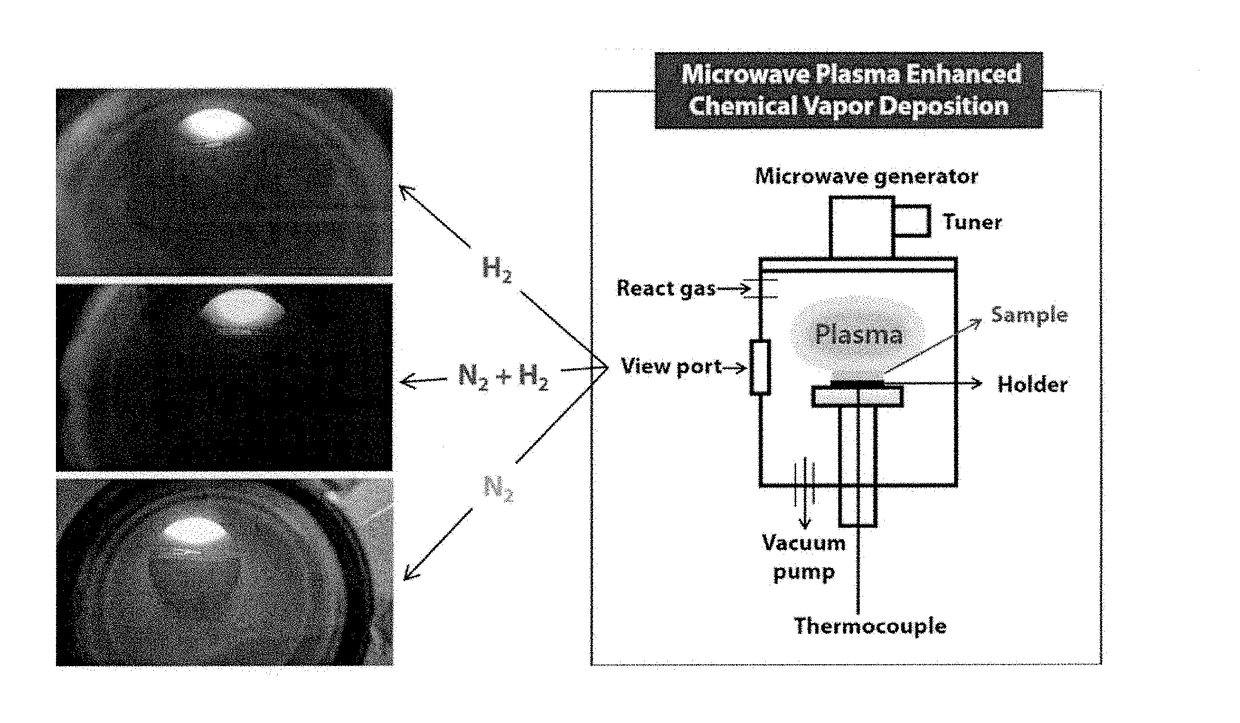
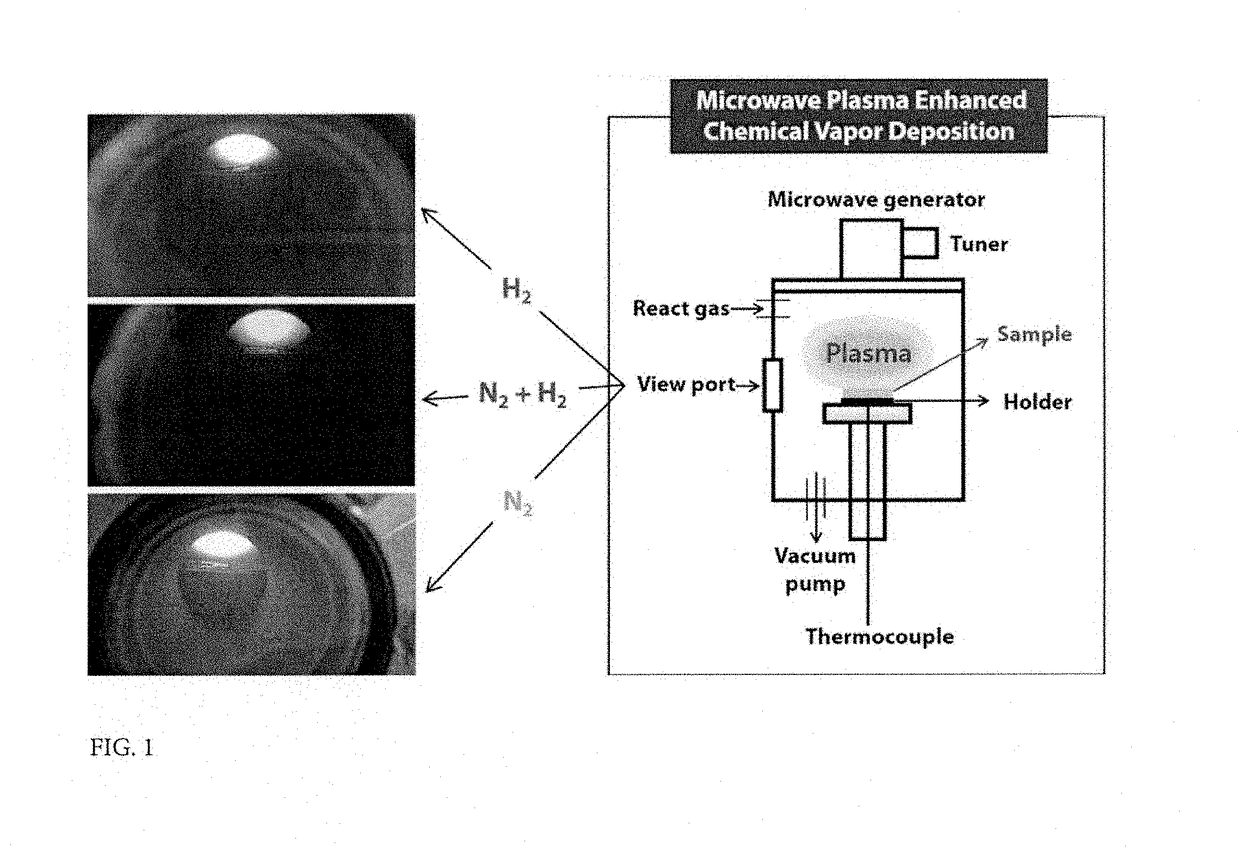
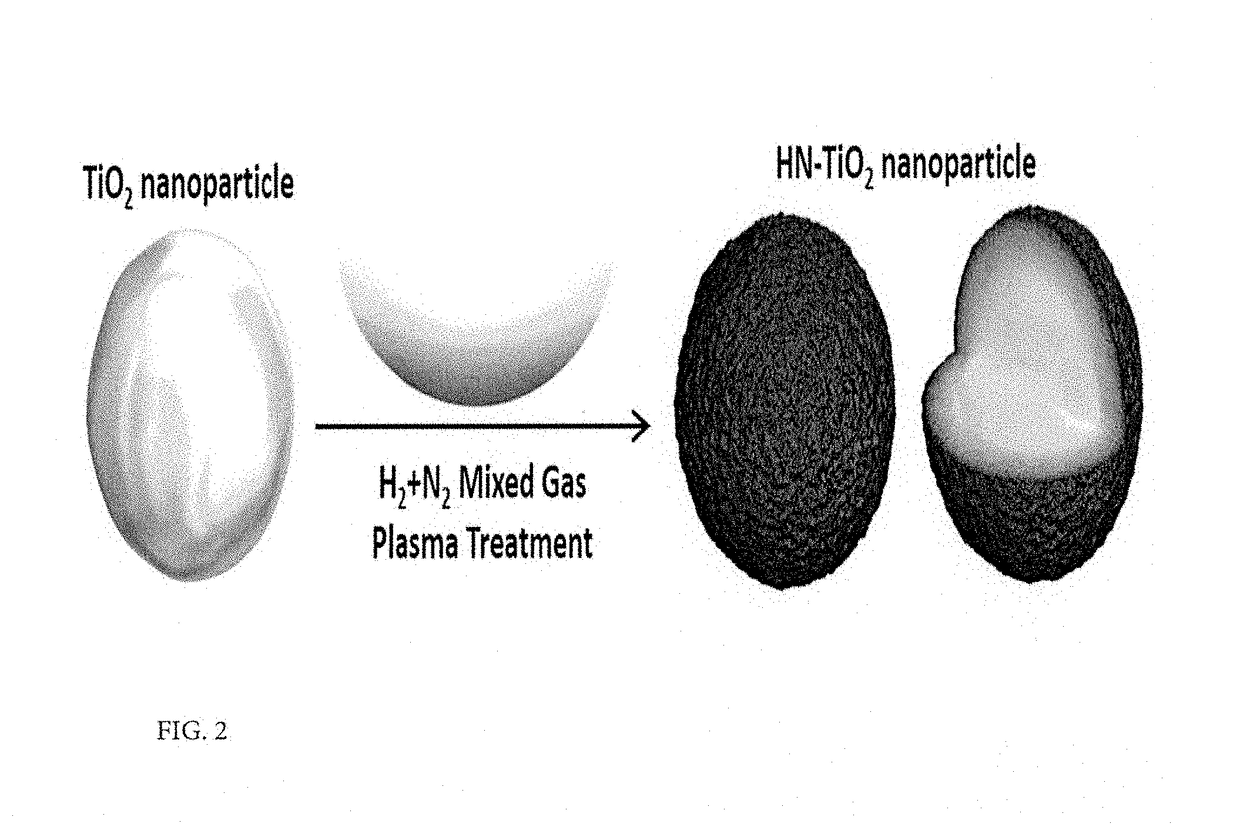
- A method involving a single process at room temperature to form a core-shell metal oxide structure by treating metal oxide nanoparticles with a plasma ball containing mixed hydrogen and nitrogen gases, generating NH functional groups and oxygen vacancies, which extends light absorption to visible light and improves electron-hole transfer characteristics.

Environmental Impact Assessment of Metalloid Energy Technologies
The integration of metalloid-based technologies in energy conversion systems necessitates a comprehensive environmental impact assessment. These assessments reveal that while metalloids offer significant efficiency improvements, their environmental footprint varies considerably across different applications and lifecycle stages.
Primary environmental concerns include the extraction processes for metalloids such as silicon, germanium, and boron, which often involve energy-intensive mining operations and chemical processing. Silicon purification for photovoltaic applications, for instance, requires substantial energy inputs and generates hazardous byproducts including silicon tetrachloride and hydrofluoric acid. These extraction-related impacts must be weighed against the long-term environmental benefits of improved energy conversion efficiency.
Water consumption represents another critical environmental factor, particularly in semiconductor manufacturing processes where ultrapure water is essential. A single semiconductor facility can consume millions of gallons of water daily, creating potential stress on local water resources in regions where metalloid processing is concentrated.
Emissions profiles of metalloid-based energy technologies demonstrate significant advantages over fossil fuel alternatives. Life cycle assessments indicate that silicon-based photovoltaic systems typically repay their carbon debt within 1-4 years, depending on geographical location and manufacturing processes. Boron-doped diamond electrodes used in fuel cells and water treatment systems show particularly favorable environmental profiles due to their exceptional durability and reduced replacement frequency.
End-of-life management presents both challenges and opportunities. While some metalloid compounds pose toxicity concerns if improperly disposed of, emerging recycling technologies are improving recovery rates. Advanced thermal and chemical recycling processes can now recover up to 95% of silicon from decommissioned solar panels, significantly reducing the need for virgin material extraction.
The geographical distribution of environmental impacts warrants special consideration, as metalloid processing facilities are often concentrated in regions with less stringent environmental regulations. This creates potential environmental justice concerns that must be addressed through improved international standards and supply chain transparency.
When comparing different metalloid technologies, tellurium-based thin-film photovoltaics demonstrate lower manufacturing energy requirements but present greater end-of-life toxicity concerns than silicon alternatives. Conversely, boron-based neutron capture technologies offer minimal operational environmental impacts but generate radioactive waste requiring specialized management protocols.
Future environmental performance improvements will likely come from closed-loop manufacturing systems, reduced energy intensity in purification processes, and the development of less toxic metalloid compounds that maintain or enhance energy conversion efficiency.
Primary environmental concerns include the extraction processes for metalloids such as silicon, germanium, and boron, which often involve energy-intensive mining operations and chemical processing. Silicon purification for photovoltaic applications, for instance, requires substantial energy inputs and generates hazardous byproducts including silicon tetrachloride and hydrofluoric acid. These extraction-related impacts must be weighed against the long-term environmental benefits of improved energy conversion efficiency.
Water consumption represents another critical environmental factor, particularly in semiconductor manufacturing processes where ultrapure water is essential. A single semiconductor facility can consume millions of gallons of water daily, creating potential stress on local water resources in regions where metalloid processing is concentrated.
Emissions profiles of metalloid-based energy technologies demonstrate significant advantages over fossil fuel alternatives. Life cycle assessments indicate that silicon-based photovoltaic systems typically repay their carbon debt within 1-4 years, depending on geographical location and manufacturing processes. Boron-doped diamond electrodes used in fuel cells and water treatment systems show particularly favorable environmental profiles due to their exceptional durability and reduced replacement frequency.
End-of-life management presents both challenges and opportunities. While some metalloid compounds pose toxicity concerns if improperly disposed of, emerging recycling technologies are improving recovery rates. Advanced thermal and chemical recycling processes can now recover up to 95% of silicon from decommissioned solar panels, significantly reducing the need for virgin material extraction.
The geographical distribution of environmental impacts warrants special consideration, as metalloid processing facilities are often concentrated in regions with less stringent environmental regulations. This creates potential environmental justice concerns that must be addressed through improved international standards and supply chain transparency.
When comparing different metalloid technologies, tellurium-based thin-film photovoltaics demonstrate lower manufacturing energy requirements but present greater end-of-life toxicity concerns than silicon alternatives. Conversely, boron-based neutron capture technologies offer minimal operational environmental impacts but generate radioactive waste requiring specialized management protocols.
Future environmental performance improvements will likely come from closed-loop manufacturing systems, reduced energy intensity in purification processes, and the development of less toxic metalloid compounds that maintain or enhance energy conversion efficiency.
Supply Chain Considerations for Critical Metalloid Materials
The global supply chain for metalloid materials critical to energy conversion technologies presents significant strategic challenges and opportunities. Silicon, boron, germanium, tellurium, and antimony form the backbone of modern photovoltaic, thermoelectric, and semiconductor applications, with each material facing distinct supply vulnerabilities.
Silicon, while abundant in the Earth's crust, requires energy-intensive processing to reach semiconductor-grade purity. China currently dominates the refined silicon market, controlling approximately 70% of global production capacity. This concentration creates potential bottlenecks, particularly as demand for high-efficiency solar panels continues to accelerate worldwide.
Germanium and tellurium represent particularly vulnerable points in the metalloid supply chain. These elements are primarily obtained as byproducts of zinc and copper refining, respectively, making their availability contingent on primary metal production rather than direct market demand. Belgium, China, and Russia control most germanium production, while tellurium supplies remain concentrated in China, Japan, and Russia.
Recycling infrastructure for critical metalloids remains underdeveloped compared to other technology materials. Current recovery rates for germanium and tellurium from end-of-life products hover below 1%, representing significant material loss and supply chain vulnerability. Advanced urban mining techniques and circular economy approaches offer promising pathways to mitigate these losses.
Geopolitical tensions increasingly influence metalloid material flows. Trade restrictions, export quotas, and strategic stockpiling by major producing nations have created price volatility and supply uncertainty. Companies developing metalloid-based energy conversion technologies must implement robust supply chain risk management strategies, including diversification of suppliers, long-term procurement contracts, and investment in alternative material research.
Emerging economies in Africa and South America possess significant untapped metalloid resources that could reshape global supply dynamics. However, developing these resources requires substantial investment in extraction infrastructure and processing capabilities, alongside careful consideration of environmental and social impacts.
The environmental footprint of metalloid extraction and processing presents another critical supply chain consideration. Water-intensive processing, toxic byproducts, and high energy requirements characterize traditional metalloid refining. Innovations in green chemistry and hydrometallurgical processes show promise for reducing these impacts while potentially opening new supply sources previously considered economically unviable.
Silicon, while abundant in the Earth's crust, requires energy-intensive processing to reach semiconductor-grade purity. China currently dominates the refined silicon market, controlling approximately 70% of global production capacity. This concentration creates potential bottlenecks, particularly as demand for high-efficiency solar panels continues to accelerate worldwide.
Germanium and tellurium represent particularly vulnerable points in the metalloid supply chain. These elements are primarily obtained as byproducts of zinc and copper refining, respectively, making their availability contingent on primary metal production rather than direct market demand. Belgium, China, and Russia control most germanium production, while tellurium supplies remain concentrated in China, Japan, and Russia.
Recycling infrastructure for critical metalloids remains underdeveloped compared to other technology materials. Current recovery rates for germanium and tellurium from end-of-life products hover below 1%, representing significant material loss and supply chain vulnerability. Advanced urban mining techniques and circular economy approaches offer promising pathways to mitigate these losses.
Geopolitical tensions increasingly influence metalloid material flows. Trade restrictions, export quotas, and strategic stockpiling by major producing nations have created price volatility and supply uncertainty. Companies developing metalloid-based energy conversion technologies must implement robust supply chain risk management strategies, including diversification of suppliers, long-term procurement contracts, and investment in alternative material research.
Emerging economies in Africa and South America possess significant untapped metalloid resources that could reshape global supply dynamics. However, developing these resources requires substantial investment in extraction infrastructure and processing capabilities, alongside careful consideration of environmental and social impacts.
The environmental footprint of metalloid extraction and processing presents another critical supply chain consideration. Water-intensive processing, toxic byproducts, and high energy requirements characterize traditional metalloid refining. Innovations in green chemistry and hydrometallurgical processes show promise for reducing these impacts while potentially opening new supply sources previously considered economically unviable.
Unlock deeper insights with Patsnap Eureka Quick Research — get a full tech report to explore trends and direct your research. Try now!
Generate Your Research Report Instantly with AI Agent
Supercharge your innovation with Patsnap Eureka AI Agent Platform!