

How Persistent Memory Benefits Real-Time Collaborative Platforms
MAY 13, 20269 MIN READ
Generate Your Research Report Instantly with AI Agent
PatSnap Eureka helps you evaluate technical feasibility & market potential.
Persistent Memory Technology Background and Real-Time Goals
Persistent memory represents a revolutionary storage technology that bridges the traditional gap between volatile memory and non-volatile storage, fundamentally transforming how data-intensive applications operate. This technology combines the speed characteristics of DRAM with the persistence capabilities of traditional storage devices, creating a new tier in the memory hierarchy that maintains data integrity across system restarts and power failures.
The evolution of persistent memory began with early battery-backed SRAM solutions in the 1980s, progressing through flash-based approaches, and culminating in modern technologies such as Intel's 3D XPoint and emerging storage-class memory solutions. These technologies deliver sub-microsecond latencies while providing byte-addressable access patterns, enabling applications to directly manipulate persistent data structures without traditional file system overhead.
Real-time collaborative platforms face unprecedented challenges in managing concurrent user interactions while maintaining data consistency and system responsiveness. Traditional architectures rely on complex caching mechanisms and database transactions that introduce latency bottlenecks, particularly when handling simultaneous edits from multiple users across distributed environments.
The primary technical objectives for integrating persistent memory into collaborative platforms center on achieving deterministic response times for user operations, eliminating data loss scenarios during system failures, and reducing the complexity of state management across distributed nodes. These goals directly address the fundamental requirements of modern collaborative applications where user experience depends on instantaneous feedback and guaranteed data persistence.
Persistent memory technology enables collaborative platforms to maintain active working sets directly in persistent storage, eliminating the traditional write-through penalties associated with ensuring data durability. This capability transforms conflict resolution algorithms, operational transformation processes, and state synchronization mechanisms by providing atomic persistence operations at memory speeds.
The convergence of persistent memory capabilities with real-time collaborative requirements creates opportunities for novel architectural approaches that can deliver both the performance characteristics users expect and the reliability guarantees that enterprise applications demand, setting the foundation for next-generation collaborative computing environments.
The evolution of persistent memory began with early battery-backed SRAM solutions in the 1980s, progressing through flash-based approaches, and culminating in modern technologies such as Intel's 3D XPoint and emerging storage-class memory solutions. These technologies deliver sub-microsecond latencies while providing byte-addressable access patterns, enabling applications to directly manipulate persistent data structures without traditional file system overhead.
Real-time collaborative platforms face unprecedented challenges in managing concurrent user interactions while maintaining data consistency and system responsiveness. Traditional architectures rely on complex caching mechanisms and database transactions that introduce latency bottlenecks, particularly when handling simultaneous edits from multiple users across distributed environments.
The primary technical objectives for integrating persistent memory into collaborative platforms center on achieving deterministic response times for user operations, eliminating data loss scenarios during system failures, and reducing the complexity of state management across distributed nodes. These goals directly address the fundamental requirements of modern collaborative applications where user experience depends on instantaneous feedback and guaranteed data persistence.
Persistent memory technology enables collaborative platforms to maintain active working sets directly in persistent storage, eliminating the traditional write-through penalties associated with ensuring data durability. This capability transforms conflict resolution algorithms, operational transformation processes, and state synchronization mechanisms by providing atomic persistence operations at memory speeds.
The convergence of persistent memory capabilities with real-time collaborative requirements creates opportunities for novel architectural approaches that can deliver both the performance characteristics users expect and the reliability guarantees that enterprise applications demand, setting the foundation for next-generation collaborative computing environments.
Market Demand for Enhanced Collaborative Platform Performance
The global collaborative software market has experienced unprecedented growth, driven by the fundamental shift toward remote and hybrid work models. Organizations across industries are increasingly dependent on real-time collaborative platforms to maintain productivity, facilitate seamless communication, and enable distributed teams to work effectively. This transformation has created substantial demand for platforms that can deliver instantaneous responses, support concurrent user interactions, and maintain data consistency across multiple touchpoints.
Performance bottlenecks in collaborative platforms directly impact user experience and organizational efficiency. Traditional storage architectures often struggle to meet the stringent latency requirements of real-time collaboration, where millisecond delays can disrupt workflow continuity. Users expect immediate synchronization of document edits, instant messaging delivery, and seamless video conferencing experiences. When platforms fail to deliver these performance standards, organizations face reduced productivity, user frustration, and potential competitive disadvantages.
Enterprise customers are particularly demanding regarding collaborative platform performance, as their complex workflows involve multiple simultaneous users accessing shared resources. Large-scale deployments require platforms capable of handling thousands of concurrent connections while maintaining consistent response times. The inability to scale effectively during peak usage periods has become a critical differentiator in vendor selection processes.
The market has witnessed increasing adoption of collaborative platforms in mission-critical applications, including financial trading floors, healthcare coordination systems, and emergency response centers. These environments demand ultra-low latency and high reliability, creating premium market segments willing to invest significantly in performance-optimized solutions. Platform providers that can demonstrate superior performance characteristics gain substantial competitive advantages in these high-value markets.
Cloud service providers and software vendors are responding to these demands by investing heavily in infrastructure improvements and performance optimization technologies. The emergence of edge computing, advanced caching mechanisms, and next-generation storage solutions reflects the industry's commitment to addressing performance challenges. Organizations are increasingly evaluating collaborative platforms based on quantifiable performance metrics rather than feature sets alone, indicating a mature market focused on operational excellence and user experience quality.
Performance bottlenecks in collaborative platforms directly impact user experience and organizational efficiency. Traditional storage architectures often struggle to meet the stringent latency requirements of real-time collaboration, where millisecond delays can disrupt workflow continuity. Users expect immediate synchronization of document edits, instant messaging delivery, and seamless video conferencing experiences. When platforms fail to deliver these performance standards, organizations face reduced productivity, user frustration, and potential competitive disadvantages.
Enterprise customers are particularly demanding regarding collaborative platform performance, as their complex workflows involve multiple simultaneous users accessing shared resources. Large-scale deployments require platforms capable of handling thousands of concurrent connections while maintaining consistent response times. The inability to scale effectively during peak usage periods has become a critical differentiator in vendor selection processes.
The market has witnessed increasing adoption of collaborative platforms in mission-critical applications, including financial trading floors, healthcare coordination systems, and emergency response centers. These environments demand ultra-low latency and high reliability, creating premium market segments willing to invest significantly in performance-optimized solutions. Platform providers that can demonstrate superior performance characteristics gain substantial competitive advantages in these high-value markets.
Cloud service providers and software vendors are responding to these demands by investing heavily in infrastructure improvements and performance optimization technologies. The emergence of edge computing, advanced caching mechanisms, and next-generation storage solutions reflects the industry's commitment to addressing performance challenges. Organizations are increasingly evaluating collaborative platforms based on quantifiable performance metrics rather than feature sets alone, indicating a mature market focused on operational excellence and user experience quality.
Current State and Challenges of Memory Systems in Real-Time Apps
Real-time collaborative platforms currently rely on traditional memory hierarchies that create significant bottlenecks for performance-critical applications. Conventional DRAM-based systems face fundamental limitations in handling the simultaneous read-write operations required by multiple users collaborating in real-time environments. These platforms must manage concurrent data streams, maintain consistency across distributed sessions, and ensure minimal latency for user interactions.
The primary challenge lies in the volatile nature of traditional memory systems, which require constant data persistence mechanisms that introduce latency overhead. Current architectures typically employ complex caching strategies and frequent database synchronization to maintain data integrity, resulting in performance degradation during peak collaborative activities. Memory bandwidth limitations become particularly pronounced when handling rich media content, real-time document editing, or multi-user gaming scenarios.
Existing memory systems struggle with the dual requirements of high-speed access and data durability. Traditional approaches force developers to choose between performance and persistence, leading to architectural compromises that impact user experience. The frequent context switching between memory and storage layers creates unpredictable latency spikes that disrupt real-time collaboration workflows.
Current solutions often implement complex middleware layers to bridge the gap between volatile memory and persistent storage. These intermediary systems introduce additional complexity and potential failure points while consuming valuable system resources. The overhead associated with maintaining consistency across multiple memory tiers significantly impacts the responsiveness that real-time collaborative applications demand.
Memory contention represents another critical challenge, particularly in multi-tenant collaborative environments where numerous users simultaneously access shared resources. Traditional memory management techniques struggle to provide fair resource allocation while maintaining the low-latency requirements essential for seamless collaboration. The lack of native persistence in conventional memory architectures forces applications to implement elaborate backup and recovery mechanisms that further complicate system design and reduce overall efficiency.
These limitations have created a clear need for innovative memory solutions that can provide both the speed of volatile memory and the reliability of persistent storage, positioning persistent memory technologies as a potential solution to address these fundamental architectural challenges.
The primary challenge lies in the volatile nature of traditional memory systems, which require constant data persistence mechanisms that introduce latency overhead. Current architectures typically employ complex caching strategies and frequent database synchronization to maintain data integrity, resulting in performance degradation during peak collaborative activities. Memory bandwidth limitations become particularly pronounced when handling rich media content, real-time document editing, or multi-user gaming scenarios.
Existing memory systems struggle with the dual requirements of high-speed access and data durability. Traditional approaches force developers to choose between performance and persistence, leading to architectural compromises that impact user experience. The frequent context switching between memory and storage layers creates unpredictable latency spikes that disrupt real-time collaboration workflows.
Current solutions often implement complex middleware layers to bridge the gap between volatile memory and persistent storage. These intermediary systems introduce additional complexity and potential failure points while consuming valuable system resources. The overhead associated with maintaining consistency across multiple memory tiers significantly impacts the responsiveness that real-time collaborative applications demand.
Memory contention represents another critical challenge, particularly in multi-tenant collaborative environments where numerous users simultaneously access shared resources. Traditional memory management techniques struggle to provide fair resource allocation while maintaining the low-latency requirements essential for seamless collaboration. The lack of native persistence in conventional memory architectures forces applications to implement elaborate backup and recovery mechanisms that further complicate system design and reduce overall efficiency.
These limitations have created a clear need for innovative memory solutions that can provide both the speed of volatile memory and the reliability of persistent storage, positioning persistent memory technologies as a potential solution to address these fundamental architectural challenges.
Current Memory Solutions for Real-Time Collaborative Systems
01 Non-volatile memory architecture and data persistence
Persistent memory technologies provide non-volatile storage capabilities that maintain data integrity even during power failures or system shutdowns. These architectures combine the speed of traditional RAM with the persistence of storage devices, enabling faster boot times and improved system reliability. The technology allows for immediate data recovery and reduces the risk of data loss in critical applications.- Non-volatile memory architecture and data persistence: Persistent memory technologies provide non-volatile storage capabilities that maintain data integrity even during power failures or system shutdowns. These architectures combine the speed of traditional RAM with the persistence of storage devices, enabling faster boot times and improved system reliability. The technology allows for immediate data availability upon system restart without the need for lengthy data reconstruction processes.
- Memory management and allocation optimization: Advanced memory management techniques optimize the allocation and utilization of persistent memory resources. These methods include intelligent caching strategies, memory pooling, and dynamic allocation algorithms that maximize performance while ensuring data consistency. The optimization techniques reduce memory fragmentation and improve overall system throughput by efficiently managing both volatile and non-volatile memory segments.
- Data integrity and error correction mechanisms: Robust error detection and correction systems ensure data reliability in persistent memory environments. These mechanisms include advanced error correction codes, data validation protocols, and redundancy schemes that protect against data corruption and hardware failures. The systems continuously monitor memory integrity and automatically recover from errors to maintain consistent data states across power cycles.
- Performance enhancement and access optimization: Performance optimization techniques accelerate data access patterns and reduce latency in persistent memory systems. These enhancements include prefetching algorithms, cache coherency protocols, and parallel processing methods that maximize bandwidth utilization. The optimizations enable applications to achieve near-DRAM performance levels while maintaining the persistence characteristics of non-volatile storage.
- Application integration and programming interfaces: Standardized programming interfaces and integration frameworks enable seamless adoption of persistent memory technologies in existing applications. These interfaces provide abstraction layers that simplify development while exposing the unique capabilities of persistent storage. The frameworks support various programming models and ensure compatibility across different hardware platforms and operating systems.
02 Memory management and allocation optimization
Advanced memory management techniques optimize the allocation and utilization of persistent memory resources. These methods include intelligent caching strategies, memory pooling, and dynamic allocation algorithms that maximize performance while ensuring data persistence. The optimization techniques help reduce memory fragmentation and improve overall system efficiency by managing both volatile and non-volatile memory segments effectively.Expand Specific Solutions03 Data integrity and error correction mechanisms
Persistent memory systems incorporate sophisticated error detection and correction mechanisms to ensure data reliability over extended periods. These include advanced error correction codes, data validation techniques, and redundancy schemes that protect against bit errors and data corruption. The mechanisms provide automatic recovery capabilities and maintain data consistency across power cycles and system failures.Expand Specific Solutions04 Performance enhancement and access optimization
Persistent memory technologies offer significant performance improvements through optimized access patterns and reduced latency operations. These enhancements include direct memory access capabilities, improved bandwidth utilization, and streamlined data pathways that eliminate traditional storage bottlenecks. The optimizations enable faster application startup times and improved overall system responsiveness.Expand Specific Solutions05 Application integration and programming interfaces
Specialized programming interfaces and integration frameworks enable applications to effectively utilize persistent memory capabilities. These interfaces provide standardized methods for accessing persistent storage, managing memory-mapped files, and implementing transactional operations. The frameworks simplify application development while ensuring optimal utilization of persistent memory features across different computing environments.Expand Specific Solutions
Key Players in Persistent Memory and Collaboration Software
The persistent memory technology for real-time collaborative platforms represents an emerging market in the early growth stage, driven by increasing demand for low-latency data processing and seamless user experiences. The market shows significant potential as organizations prioritize real-time collaboration capabilities, particularly accelerated by remote work trends. Technology maturity varies considerably across market players, with established semiconductor leaders like Intel Corp., Micron Technology, and AMD demonstrating advanced persistent memory solutions including Intel Optane and Micron's 3D XPoint technologies. Major cloud infrastructure providers such as Microsoft Corp., Amazon Technologies, and VMware LLC are integrating these technologies into their collaborative platforms. Asian technology giants including Huawei Technologies, SK hynix, and ZTE Corp. are rapidly advancing their persistent memory capabilities, while specialized companies like AtomBeam Technologies focus on data compression innovations. Research institutions such as Tsinghua University and KAIST contribute fundamental research, indicating strong academic-industry collaboration driving technological advancement in this competitive landscape.
Intel Corp.
Technical Solution: Intel has developed comprehensive persistent memory solutions with Intel Optane DC Persistent Memory, which provides byte-addressable storage that persists data across power cycles. Their technology enables real-time collaborative platforms to maintain session state, user data, and application context without traditional storage I/O bottlenecks. The Optane technology offers near-DRAM performance with storage-class persistence, allowing collaborative applications to recover instantly from system failures while maintaining data consistency. Intel's Memory and Storage Tool provides management capabilities for optimizing persistent memory usage in collaborative workloads, enabling applications to leverage both volatile and non-volatile memory pools effectively.
Strengths: Market-leading persistent memory technology with proven enterprise deployment, excellent performance characteristics bridging DRAM and storage gap. Weaknesses: Higher cost compared to traditional storage solutions, limited ecosystem support, and discontinued Optane product line affecting long-term availability.
Amazon Technologies, Inc.
Technical Solution: Amazon has implemented persistent memory technologies within AWS infrastructure to enhance real-time collaborative services like Amazon WorkDocs and collaborative computing platforms. Their approach utilizes persistent memory for maintaining session state, caching frequently accessed collaborative data, and providing fast recovery mechanisms for distributed collaborative applications. AWS offers EC2 instances with persistent memory capabilities that enable collaborative platforms to reduce latency in multi-user scenarios while ensuring data durability. Amazon's implementation focuses on leveraging persistent memory for maintaining consistency in distributed collaborative workloads, providing APIs that allow applications to persist critical state information with minimal performance overhead compared to traditional storage systems.
Strengths: Massive cloud infrastructure scale, extensive experience with distributed collaborative systems, and strong integration with existing AWS services ecosystem. Weaknesses: Primarily focused on cloud-based solutions limiting on-premises deployment options, dependency on underlying hardware vendor technologies for persistent memory capabilities.
Core Persistent Memory Innovations for Collaboration
Method and apparatus for persistent real-time collaboration
PatentInactiveUS20050165859A1
Innovation
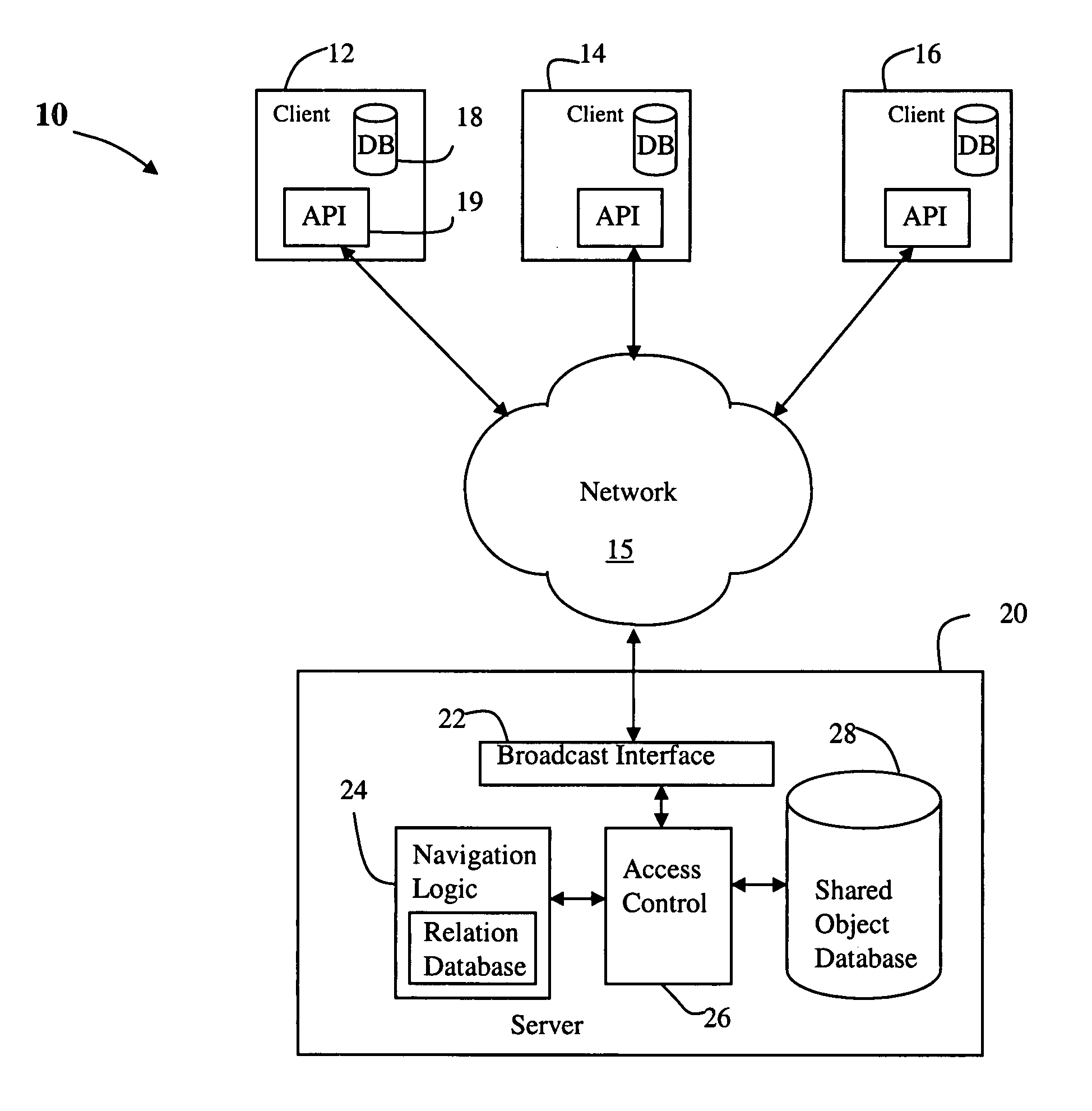
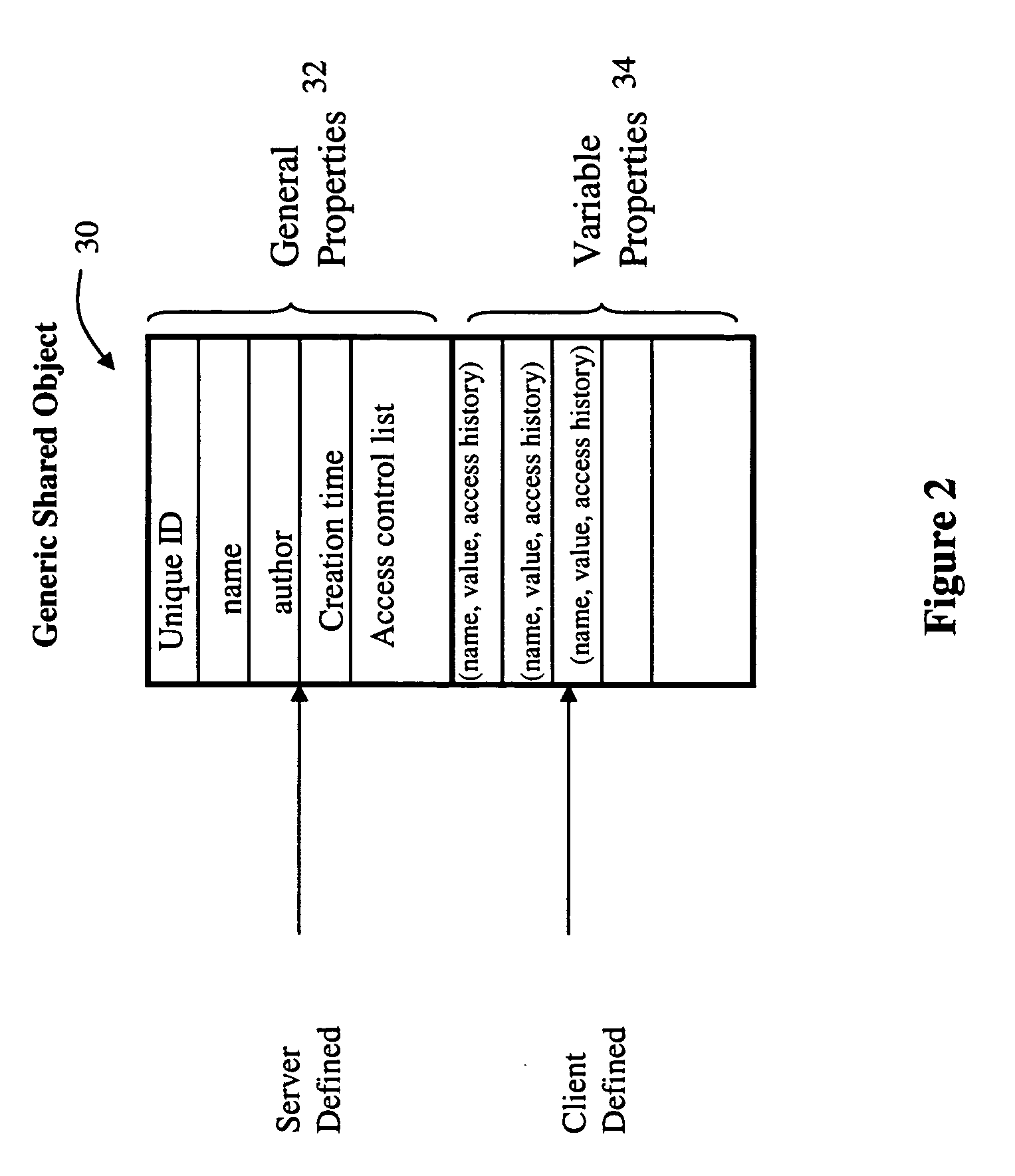
- A server-based system that utilizes a storage device with an object data structure for persistent information sharing, allowing clients to access and modify objects while broadcasting changes, enabling seamless transitions between synchronous and asynchronous collaboration through a centralized data structure and API for managing shared objects.

Method and apparatus for providing persistence to remote non-volatile memory
PatentActiveUS11847048B2
Innovation
- The solution involves using local persistent memory for early confirmation of remote NVM writes, providing two indications - early persist completion (EPC) and full persist completion (FPC) - to reduce latency and improve performance by allowing dependent instructions to continue executing efficiently, while also supporting global ordering of persistent operations.


Data Privacy and Security Considerations for Persistent Memory
The integration of persistent memory into real-time collaborative platforms introduces significant data privacy and security considerations that organizations must carefully address. Unlike traditional volatile memory, persistent memory retains data even after system shutdowns, creating new attack vectors and privacy risks that require comprehensive security frameworks.
Data encryption represents the primary defense mechanism for persistent memory implementations. Organizations must implement both at-rest and in-transit encryption protocols, with particular attention to key management systems that can handle the unique characteristics of persistent storage. Hardware-based encryption engines integrated within persistent memory modules offer superior performance compared to software-based solutions, reducing the computational overhead that could impact real-time collaboration performance.
Access control mechanisms become more complex in persistent memory environments due to the blurred boundaries between memory and storage. Traditional memory protection schemes must be extended to accommodate persistent data structures, requiring fine-grained permission systems that can operate at both process and user levels. Role-based access control (RBAC) frameworks need adaptation to handle the temporal aspects of collaborative data that may persist across multiple sessions.
Memory forensics presents unique challenges as persistent memory creates detailed traces of collaborative activities. Organizations must implement data sanitization protocols that ensure complete removal of sensitive information from persistent memory regions. This includes addressing potential data remnants in wear-leveling algorithms and error correction mechanisms inherent in persistent memory technologies.
Privacy compliance frameworks such as GDPR and CCPA require special consideration in persistent memory deployments. The right to erasure becomes technically complex when data persists in memory structures, necessitating specialized deletion algorithms that can guarantee complete data removal. Organizations must also implement data minimization strategies that limit the scope of persistent data to essential collaborative functions.
Side-channel attacks pose elevated risks in persistent memory systems, where timing analysis and power consumption patterns could reveal sensitive collaborative data. Implementing countermeasures such as constant-time algorithms and noise injection becomes critical for protecting against sophisticated adversaries attempting to extract information from memory access patterns.
Multi-tenancy security requires robust isolation mechanisms to prevent data leakage between different collaborative groups or organizations sharing persistent memory resources. Hardware-assisted virtualization features and memory protection keys provide essential building blocks for creating secure collaborative environments while maintaining the performance benefits of persistent memory technologies.
Data encryption represents the primary defense mechanism for persistent memory implementations. Organizations must implement both at-rest and in-transit encryption protocols, with particular attention to key management systems that can handle the unique characteristics of persistent storage. Hardware-based encryption engines integrated within persistent memory modules offer superior performance compared to software-based solutions, reducing the computational overhead that could impact real-time collaboration performance.
Access control mechanisms become more complex in persistent memory environments due to the blurred boundaries between memory and storage. Traditional memory protection schemes must be extended to accommodate persistent data structures, requiring fine-grained permission systems that can operate at both process and user levels. Role-based access control (RBAC) frameworks need adaptation to handle the temporal aspects of collaborative data that may persist across multiple sessions.
Memory forensics presents unique challenges as persistent memory creates detailed traces of collaborative activities. Organizations must implement data sanitization protocols that ensure complete removal of sensitive information from persistent memory regions. This includes addressing potential data remnants in wear-leveling algorithms and error correction mechanisms inherent in persistent memory technologies.
Privacy compliance frameworks such as GDPR and CCPA require special consideration in persistent memory deployments. The right to erasure becomes technically complex when data persists in memory structures, necessitating specialized deletion algorithms that can guarantee complete data removal. Organizations must also implement data minimization strategies that limit the scope of persistent data to essential collaborative functions.
Side-channel attacks pose elevated risks in persistent memory systems, where timing analysis and power consumption patterns could reveal sensitive collaborative data. Implementing countermeasures such as constant-time algorithms and noise injection becomes critical for protecting against sophisticated adversaries attempting to extract information from memory access patterns.
Multi-tenancy security requires robust isolation mechanisms to prevent data leakage between different collaborative groups or organizations sharing persistent memory resources. Hardware-assisted virtualization features and memory protection keys provide essential building blocks for creating secure collaborative environments while maintaining the performance benefits of persistent memory technologies.
Performance Benchmarking Standards for Real-Time Systems
Establishing comprehensive performance benchmarking standards for real-time systems incorporating persistent memory technologies requires a fundamental shift from traditional metrics-based evaluation approaches. Current benchmarking frameworks primarily focus on volatile memory systems and fail to capture the unique characteristics of persistent memory in collaborative environments. The development of specialized standards must address latency consistency, data persistence guarantees, and concurrent access patterns that define real-time collaborative platforms.
The foundation of effective benchmarking standards lies in defining precise measurement methodologies for persistent memory operations. Unlike traditional storage systems, persistent memory exhibits hybrid characteristics that demand new evaluation criteria. Key performance indicators must encompass both read and write latencies under various load conditions, memory bandwidth utilization during concurrent collaborative sessions, and data consistency maintenance across distributed nodes. These metrics require standardized testing environments that simulate realistic collaborative workloads with multiple simultaneous users performing complex operations.
Temporal consistency represents a critical dimension in benchmarking real-time collaborative systems with persistent memory. Standards must establish clear definitions for acceptable response times during peak collaboration periods, measuring not only average performance but also worst-case latency scenarios. The benchmarking framework should incorporate stress testing protocols that evaluate system behavior under extreme conditions, including sudden user influxes, large file synchronizations, and network partition recovery scenarios.
Data integrity and persistence verification constitute essential components of comprehensive benchmarking standards. Testing protocols must validate that collaborative changes are correctly persisted across system failures and that recovery mechanisms maintain data consistency without compromising real-time performance requirements. These standards should define specific test cases for power failure scenarios, network interruptions, and concurrent modification conflicts that commonly occur in collaborative environments.
Scalability benchmarking requires standardized methodologies for evaluating system performance across varying user loads and data volumes. The standards must establish baseline performance expectations for different collaboration scenarios, from small team document editing to large-scale distributed development environments. Testing frameworks should incorporate automated scaling protocols that measure performance degradation patterns as system load increases, providing clear guidelines for capacity planning and resource allocation in persistent memory-enabled collaborative platforms.
The foundation of effective benchmarking standards lies in defining precise measurement methodologies for persistent memory operations. Unlike traditional storage systems, persistent memory exhibits hybrid characteristics that demand new evaluation criteria. Key performance indicators must encompass both read and write latencies under various load conditions, memory bandwidth utilization during concurrent collaborative sessions, and data consistency maintenance across distributed nodes. These metrics require standardized testing environments that simulate realistic collaborative workloads with multiple simultaneous users performing complex operations.
Temporal consistency represents a critical dimension in benchmarking real-time collaborative systems with persistent memory. Standards must establish clear definitions for acceptable response times during peak collaboration periods, measuring not only average performance but also worst-case latency scenarios. The benchmarking framework should incorporate stress testing protocols that evaluate system behavior under extreme conditions, including sudden user influxes, large file synchronizations, and network partition recovery scenarios.
Data integrity and persistence verification constitute essential components of comprehensive benchmarking standards. Testing protocols must validate that collaborative changes are correctly persisted across system failures and that recovery mechanisms maintain data consistency without compromising real-time performance requirements. These standards should define specific test cases for power failure scenarios, network interruptions, and concurrent modification conflicts that commonly occur in collaborative environments.
Scalability benchmarking requires standardized methodologies for evaluating system performance across varying user loads and data volumes. The standards must establish baseline performance expectations for different collaboration scenarios, from small team document editing to large-scale distributed development environments. Testing frameworks should incorporate automated scaling protocols that measure performance degradation patterns as system load increases, providing clear guidelines for capacity planning and resource allocation in persistent memory-enabled collaborative platforms.
Unlock deeper insights with PatSnap Eureka Quick Research — get a full tech report to explore trends and direct your research. Try now!
Generate Your Research Report Instantly with AI Agent
Supercharge your innovation with PatSnap Eureka AI Agent Platform!