

How Persistent Memory Improves Throughput in Video Encoding Systems
MAY 13, 20269 MIN READ
Generate Your Research Report Instantly with AI Agent
PatSnap Eureka helps you evaluate technical feasibility & market potential.
Persistent Memory Video Encoding Background and Objectives
Video encoding has undergone significant transformation since the early days of digital media processing. Traditional video encoding systems have long struggled with the fundamental bottleneck of storage I/O operations, where frequent data transfers between volatile memory and persistent storage create substantial latency overhead. The evolution from hardware-based encoders to software-defined solutions has amplified these challenges, as modern high-resolution video formats demand increasingly sophisticated compression algorithms that generate massive intermediate datasets.
The emergence of persistent memory technologies represents a paradigm shift in addressing these longstanding performance limitations. Unlike conventional storage hierarchies that rely on distinct volatile and non-volatile memory tiers, persistent memory bridges this gap by providing byte-addressable storage with near-DRAM performance characteristics while maintaining data persistence across system restarts. This technological advancement has opened new possibilities for reimagining video encoding architectures.
Current video encoding workflows typically involve multiple stages of data movement between system memory, cache layers, and storage devices. Each frame processing cycle requires loading raw video data, performing complex mathematical transformations, storing intermediate results, and writing compressed output streams. These operations create significant memory bandwidth contention and introduce unpredictable latency spikes that directly impact overall encoding throughput.
The primary objective of integrating persistent memory into video encoding systems centers on eliminating traditional I/O bottlenecks while maintaining data integrity and system reliability. By leveraging persistent memory's unique characteristics, encoding systems can achieve substantial throughput improvements through reduced data movement overhead, enhanced parallel processing capabilities, and optimized memory utilization patterns.
Key technical goals include developing memory-centric encoding algorithms that minimize data copying operations, implementing efficient buffer management strategies that exploit persistent memory's dual nature, and creating fault-tolerant processing pipelines that can recover gracefully from system interruptions without losing computational progress. These objectives align with broader industry trends toward in-memory computing and storage-class memory adoption across high-performance computing applications.
The emergence of persistent memory technologies represents a paradigm shift in addressing these longstanding performance limitations. Unlike conventional storage hierarchies that rely on distinct volatile and non-volatile memory tiers, persistent memory bridges this gap by providing byte-addressable storage with near-DRAM performance characteristics while maintaining data persistence across system restarts. This technological advancement has opened new possibilities for reimagining video encoding architectures.
Current video encoding workflows typically involve multiple stages of data movement between system memory, cache layers, and storage devices. Each frame processing cycle requires loading raw video data, performing complex mathematical transformations, storing intermediate results, and writing compressed output streams. These operations create significant memory bandwidth contention and introduce unpredictable latency spikes that directly impact overall encoding throughput.
The primary objective of integrating persistent memory into video encoding systems centers on eliminating traditional I/O bottlenecks while maintaining data integrity and system reliability. By leveraging persistent memory's unique characteristics, encoding systems can achieve substantial throughput improvements through reduced data movement overhead, enhanced parallel processing capabilities, and optimized memory utilization patterns.
Key technical goals include developing memory-centric encoding algorithms that minimize data copying operations, implementing efficient buffer management strategies that exploit persistent memory's dual nature, and creating fault-tolerant processing pipelines that can recover gracefully from system interruptions without losing computational progress. These objectives align with broader industry trends toward in-memory computing and storage-class memory adoption across high-performance computing applications.
Market Demand for High-Throughput Video Processing Solutions
The global video processing market is experiencing unprecedented growth driven by the exponential increase in video content consumption across multiple platforms. Streaming services, social media platforms, and enterprise applications are generating massive volumes of video data that require efficient encoding and processing capabilities. This surge in demand has created significant pressure on existing infrastructure to deliver higher throughput while maintaining quality standards.
Cloud service providers and content delivery networks are particularly driving demand for high-performance video encoding solutions. Major streaming platforms process millions of hours of content daily, requiring systems capable of handling multiple concurrent encoding tasks with minimal latency. The shift toward higher resolution formats, including 4K and 8K content, has further intensified the need for enhanced processing capabilities that can manage larger data volumes efficiently.
Enterprise video applications represent another substantial growth segment, with video conferencing, surveillance systems, and broadcast media requiring real-time processing capabilities. The proliferation of remote work and digital communication has accelerated adoption of video-intensive applications, creating sustained demand for robust encoding infrastructure that can scale dynamically with usage patterns.
Gaming and virtual reality applications are emerging as significant demand drivers, requiring ultra-low latency video processing for immersive experiences. These applications demand consistent high throughput to maintain seamless user experiences, pushing the boundaries of traditional encoding system performance. The gaming industry's growth has created specialized requirements for real-time video processing that traditional storage architectures struggle to meet effectively.
The increasing adoption of artificial intelligence and machine learning in video processing workflows has created additional performance requirements. AI-enhanced encoding techniques require rapid access to large datasets and intermediate processing results, making memory performance a critical bottleneck in modern video processing pipelines.
Market analysis indicates that organizations are actively seeking solutions that can deliver measurable improvements in encoding throughput while reducing operational costs. The demand for persistent memory technologies in video encoding systems reflects the industry's recognition that traditional storage hierarchies cannot adequately support the performance requirements of next-generation video processing workloads.
Cloud service providers and content delivery networks are particularly driving demand for high-performance video encoding solutions. Major streaming platforms process millions of hours of content daily, requiring systems capable of handling multiple concurrent encoding tasks with minimal latency. The shift toward higher resolution formats, including 4K and 8K content, has further intensified the need for enhanced processing capabilities that can manage larger data volumes efficiently.
Enterprise video applications represent another substantial growth segment, with video conferencing, surveillance systems, and broadcast media requiring real-time processing capabilities. The proliferation of remote work and digital communication has accelerated adoption of video-intensive applications, creating sustained demand for robust encoding infrastructure that can scale dynamically with usage patterns.
Gaming and virtual reality applications are emerging as significant demand drivers, requiring ultra-low latency video processing for immersive experiences. These applications demand consistent high throughput to maintain seamless user experiences, pushing the boundaries of traditional encoding system performance. The gaming industry's growth has created specialized requirements for real-time video processing that traditional storage architectures struggle to meet effectively.
The increasing adoption of artificial intelligence and machine learning in video processing workflows has created additional performance requirements. AI-enhanced encoding techniques require rapid access to large datasets and intermediate processing results, making memory performance a critical bottleneck in modern video processing pipelines.
Market analysis indicates that organizations are actively seeking solutions that can deliver measurable improvements in encoding throughput while reducing operational costs. The demand for persistent memory technologies in video encoding systems reflects the industry's recognition that traditional storage hierarchies cannot adequately support the performance requirements of next-generation video processing workloads.
Current State and Bottlenecks in Video Encoding Performance
Video encoding systems currently face significant performance bottlenecks that limit their ability to meet the growing demands of high-resolution content processing. Modern video encoders must handle increasingly complex algorithms such as H.265/HEVC and AV1, which require substantial computational resources and memory bandwidth to achieve optimal compression ratios while maintaining quality standards.
The primary bottleneck in contemporary video encoding lies in memory subsystem performance, particularly the latency and bandwidth limitations of traditional DRAM-based storage hierarchies. Video encoding workloads exhibit irregular memory access patterns with frequent random reads and writes to reference frames, motion vectors, and intermediate processing buffers. These access patterns create substantial pressure on the memory subsystem, often resulting in CPU and GPU cores waiting for data transfers rather than performing actual encoding computations.
Current encoding systems typically rely on multi-level cache hierarchies combined with DDR4 or DDR5 DRAM, which introduces latency penalties of 100-300 nanoseconds for main memory access. During motion estimation and compensation phases, encoders frequently access large reference frame datasets that exceed cache capacity, forcing expensive main memory transactions. This memory wall effect becomes particularly pronounced in multi-threaded encoding scenarios where multiple processing cores compete for limited memory bandwidth.
Another critical constraint involves the temporary storage requirements for intermediate encoding data. Modern encoders generate substantial amounts of transient data during rate-distortion optimization, transform coefficient processing, and entropy coding stages. Traditional storage solutions force this data through the standard memory hierarchy, creating additional bandwidth contention and limiting the parallelization potential of encoding algorithms.
The throughput limitations are further exacerbated by the increasing adoption of real-time encoding applications, including live streaming, video conferencing, and cloud-based transcoding services. These applications demand consistent, predictable performance with minimal latency variation, requirements that current memory architectures struggle to satisfy under varying workload conditions.
Power consumption represents an additional bottleneck, as frequent data movement between processing units and main memory consumes significant energy. This constraint becomes particularly relevant in mobile devices and data center environments where power efficiency directly impacts operational costs and thermal management requirements.
The primary bottleneck in contemporary video encoding lies in memory subsystem performance, particularly the latency and bandwidth limitations of traditional DRAM-based storage hierarchies. Video encoding workloads exhibit irregular memory access patterns with frequent random reads and writes to reference frames, motion vectors, and intermediate processing buffers. These access patterns create substantial pressure on the memory subsystem, often resulting in CPU and GPU cores waiting for data transfers rather than performing actual encoding computations.
Current encoding systems typically rely on multi-level cache hierarchies combined with DDR4 or DDR5 DRAM, which introduces latency penalties of 100-300 nanoseconds for main memory access. During motion estimation and compensation phases, encoders frequently access large reference frame datasets that exceed cache capacity, forcing expensive main memory transactions. This memory wall effect becomes particularly pronounced in multi-threaded encoding scenarios where multiple processing cores compete for limited memory bandwidth.
Another critical constraint involves the temporary storage requirements for intermediate encoding data. Modern encoders generate substantial amounts of transient data during rate-distortion optimization, transform coefficient processing, and entropy coding stages. Traditional storage solutions force this data through the standard memory hierarchy, creating additional bandwidth contention and limiting the parallelization potential of encoding algorithms.
The throughput limitations are further exacerbated by the increasing adoption of real-time encoding applications, including live streaming, video conferencing, and cloud-based transcoding services. These applications demand consistent, predictable performance with minimal latency variation, requirements that current memory architectures struggle to satisfy under varying workload conditions.
Power consumption represents an additional bottleneck, as frequent data movement between processing units and main memory consumes significant energy. This constraint becomes particularly relevant in mobile devices and data center environments where power efficiency directly impacts operational costs and thermal management requirements.
Existing Memory Solutions for Video Encoding Optimization
01 Memory access optimization techniques
Various techniques are employed to optimize memory access patterns and reduce latency in persistent memory systems. These methods focus on improving data locality, reducing memory fragmentation, and implementing efficient caching mechanisms to enhance overall throughput performance.- Memory access optimization techniques: Various techniques are employed to optimize memory access patterns and reduce latency in persistent memory systems. These methods focus on improving data locality, reducing memory bandwidth bottlenecks, and implementing efficient caching mechanisms to enhance overall system performance.
- Parallel processing and multi-threading for memory operations: Implementation of parallel processing architectures and multi-threading capabilities to increase concurrent memory operations. These approaches utilize multiple processing units and threads to perform simultaneous read and write operations, significantly improving throughput performance in persistent memory systems.
- Data compression and encoding methods: Advanced compression algorithms and encoding techniques are applied to reduce the amount of data transferred to and from persistent memory. These methods help maximize effective throughput by minimizing bandwidth usage while maintaining data integrity and reducing storage overhead.
- Buffer management and write optimization: Sophisticated buffer management systems and write optimization strategies are implemented to improve persistent memory throughput. These techniques include write coalescing, buffer pooling, and intelligent scheduling algorithms that optimize the timing and ordering of memory operations.
- Hardware acceleration and controller optimization: Specialized hardware accelerators and optimized memory controllers are designed to enhance persistent memory performance. These solutions include dedicated processing units, improved interface protocols, and hardware-level optimizations that directly increase data transfer rates and reduce processing overhead.
02 Data management and storage algorithms
Advanced algorithms are developed for managing data storage and retrieval in persistent memory environments. These approaches include wear leveling, garbage collection optimization, and intelligent data placement strategies that maximize throughput while maintaining data integrity and system reliability.Expand Specific Solutions03 Hardware-software interface optimization
Optimization techniques focus on the interface between hardware and software components to improve persistent memory throughput. These methods involve driver optimizations, interrupt handling improvements, and direct memory access enhancements that reduce overhead and increase data transfer rates.Expand Specific Solutions04 Parallel processing and concurrent access methods
Techniques for enabling multiple simultaneous operations on persistent memory to increase overall system throughput. These approaches include multi-threading optimizations, lock-free data structures, and parallel I/O operations that allow for efficient concurrent access without performance degradation.Expand Specific Solutions05 Error correction and reliability mechanisms
Implementation of robust error detection and correction systems that maintain high throughput while ensuring data reliability in persistent memory. These mechanisms include advanced error correction codes, redundancy schemes, and fault tolerance methods that prevent performance bottlenecks during error handling operations.Expand Specific Solutions
Key Players in Persistent Memory and Video Encoding Industry
The persistent memory technology for video encoding systems represents a rapidly evolving market segment within the broader data-centric computing landscape. The industry is transitioning from traditional storage architectures to memory-centric designs, driven by increasing demand for real-time video processing and streaming applications. Major technology leaders including Intel, Huawei, Samsung Electronics, and Qualcomm are actively developing persistent memory solutions, while consumer electronics giants like Apple, Canon, and LG Electronics focus on implementation across devices. The market demonstrates significant growth potential, particularly in mobile and automotive sectors represented by companies like MediaTek, Hyundai Motor, and Kia Corp. Technology maturity varies across segments, with established players like Intel and Samsung leading in hardware development, while emerging companies such as ByteDance subsidiaries and Manteia Data Technology drive software optimization innovations.
Huawei Technologies Co., Ltd.
Technical Solution: Huawei has implemented persistent memory technologies in their video processing infrastructure, focusing on storage-class memory integration for enhanced video encoding performance. Their approach utilizes non-volatile memory express (NVMe) persistent memory modules combined with intelligent caching algorithms to optimize data flow in video encoding pipelines. The system maintains frequently accessed encoding parameters, motion vectors, and reference frames in persistent memory, reducing reconstruction overhead and improving throughput for real-time video processing applications. Huawei's solution includes custom memory management software that automatically identifies and prioritizes critical encoding data for persistent storage, enabling faster processing of multiple concurrent video streams while maintaining encoding quality standards.
Strengths: Integrated hardware-software optimization, strong focus on telecommunications and media processing applications. Weaknesses: Limited global market presence due to regulatory restrictions, dependency on third-party memory technologies.
Intel Corp.
Technical Solution: Intel has developed comprehensive persistent memory solutions including Intel Optane DC Persistent Memory modules that bridge the gap between DRAM and storage in video encoding systems. Their technology enables direct access to large datasets without traditional I/O bottlenecks, significantly improving encoding throughput by maintaining frame buffers and intermediate processing data in persistent memory. The architecture supports byte-addressable access with near-DRAM performance while providing data persistence across system restarts. Intel's implementation includes optimized memory controllers and software stacks specifically designed for media processing workloads, allowing video encoders to process multiple high-resolution streams simultaneously with reduced latency and improved overall system throughput.
Strengths: Industry-leading persistent memory technology with proven performance gains, comprehensive software ecosystem support. Weaknesses: Higher cost compared to traditional memory solutions, limited adoption due to market positioning.
Core Innovations in Persistent Memory for Video Systems
Persistent memory storage engine device based on log structure and control method thereof
PatentActiveUS20210019257A1
Innovation
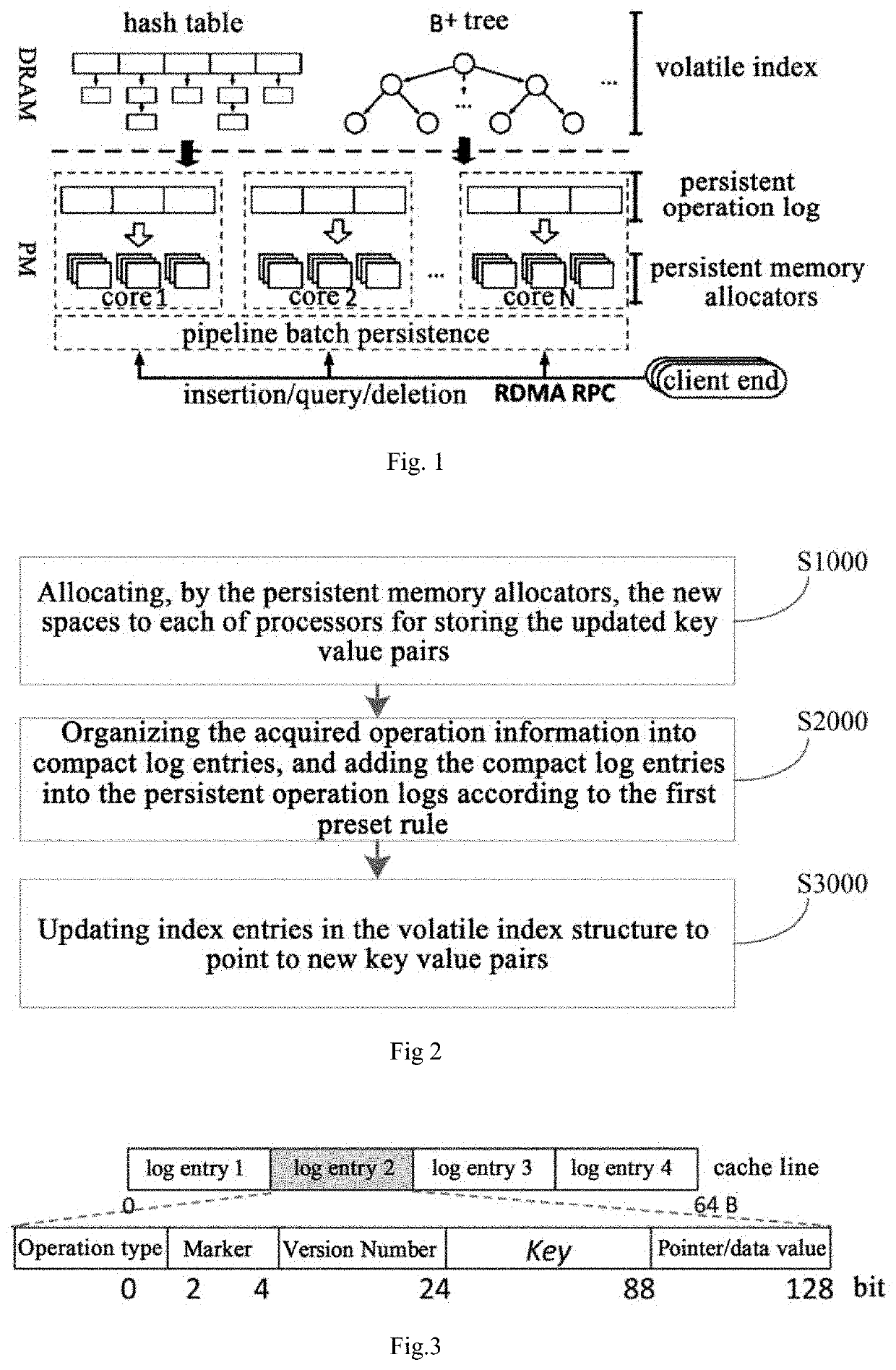
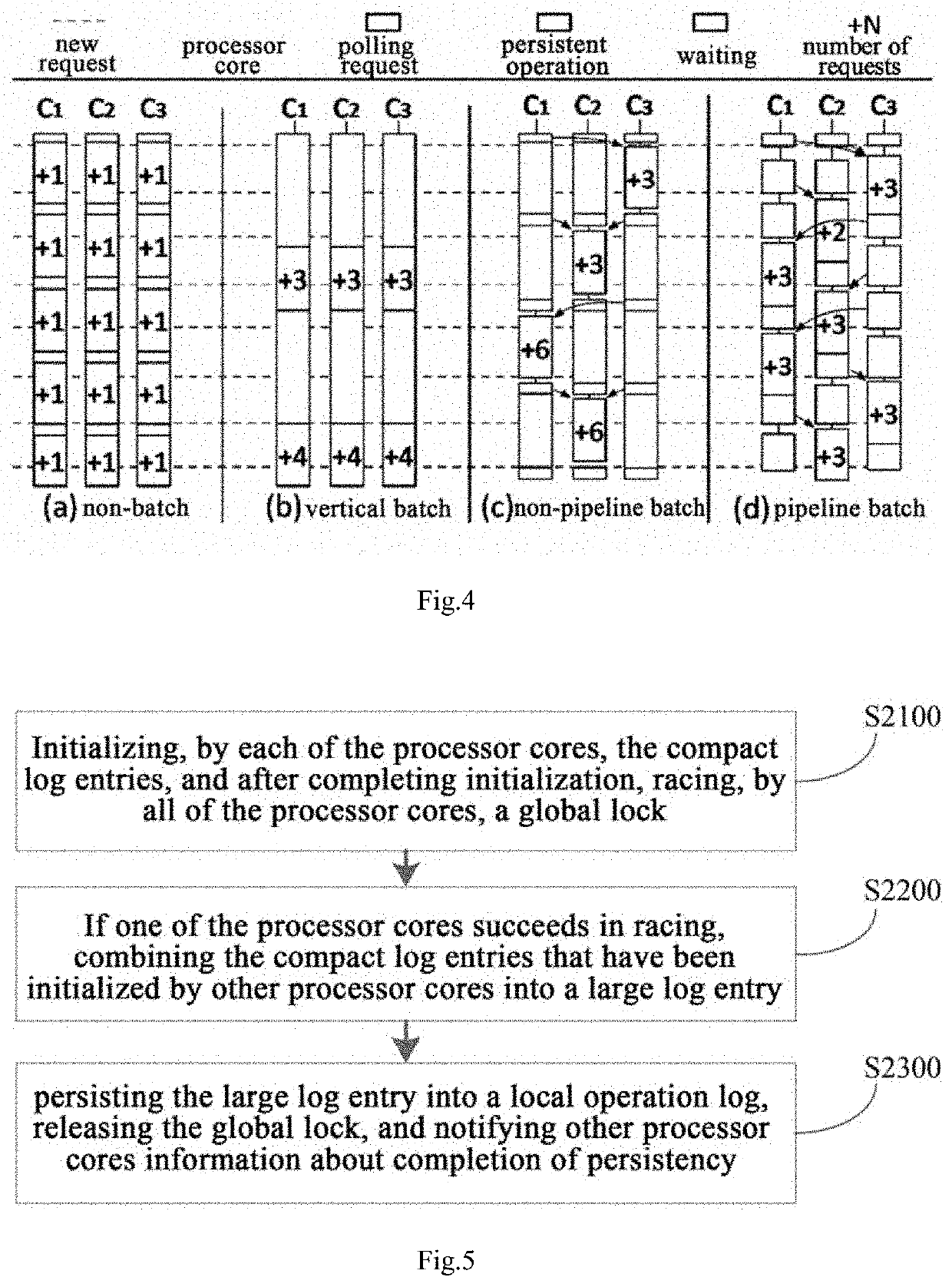
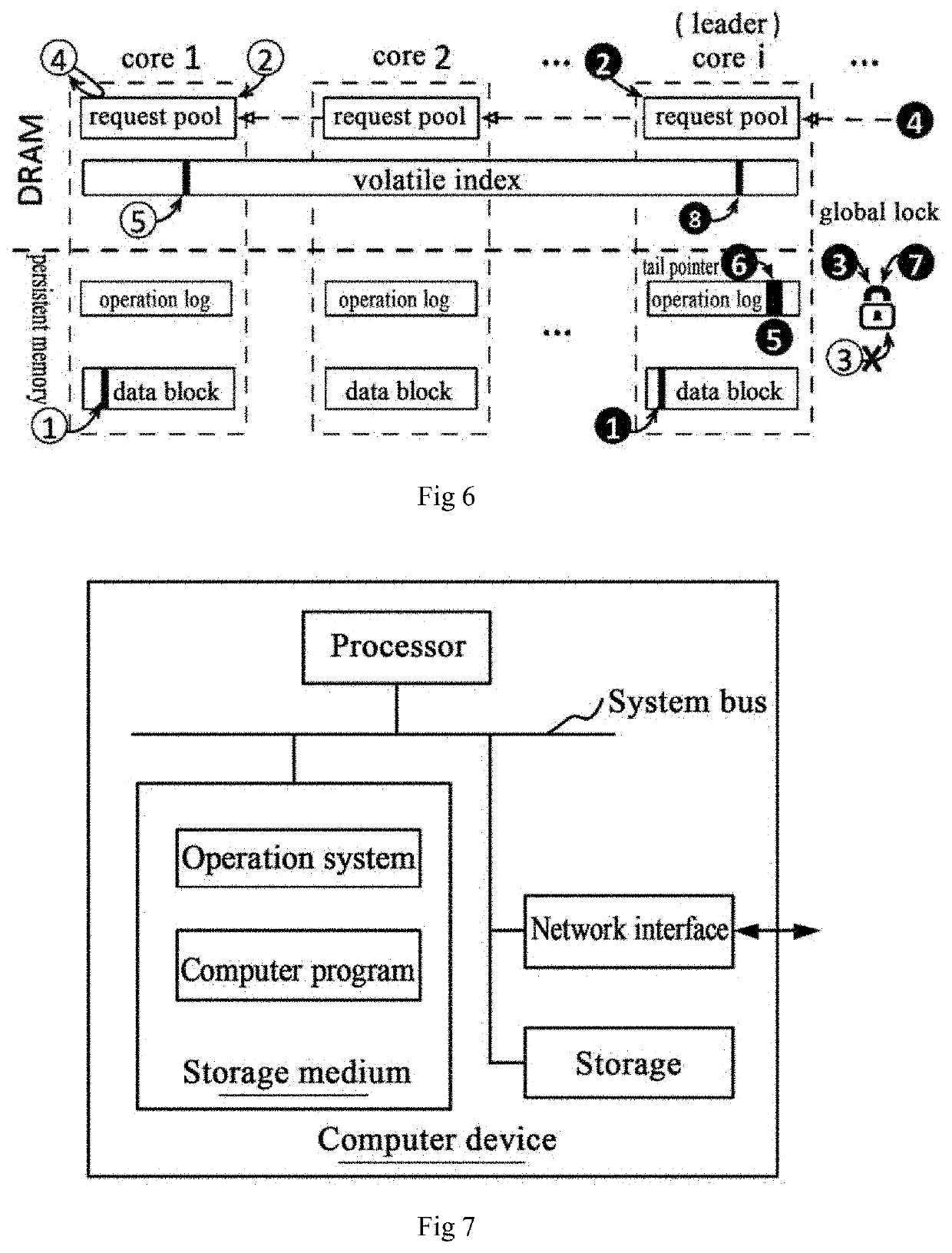
- A redesigned log-structured persistent memory key-value storage engine that includes persistent memory allocators, operation logs, and a volatile index structure, utilizing batch persistency and pipeline batch persistence technology to reduce latency while maintaining high system throughput, with global locking and memory region management to synchronize processor cores and optimize memory allocation.
Video encoding with fast motion estimation
PatentInactiveEP1514425A2
Innovation
- The proposed video encoding techniques reduce processing cycles and memory transfers by using a candidate memory that stores a search space in a column-wise fashion, allowing for parallel comparisons and incremental updates, thereby increasing encoding speed and reducing power consumption.
Performance Benchmarking Standards for Video Encoding
Establishing standardized performance benchmarking frameworks for video encoding systems utilizing persistent memory requires comprehensive evaluation methodologies that accurately measure throughput improvements. Current industry standards primarily focus on traditional storage-based encoding metrics, creating a gap in assessing persistent memory's unique characteristics and performance benefits.
The foundation of effective benchmarking lies in defining consistent measurement parameters that account for persistent memory's dual nature as both storage and memory. Standard metrics should encompass encoding throughput measured in frames per second, latency reduction percentages, and memory bandwidth utilization rates. These benchmarks must differentiate between various encoding scenarios, including real-time streaming, batch processing, and multi-resolution encoding workflows.
Industry organizations such as the Video Electronics Standards Association and International Telecommunication Union have begun developing preliminary guidelines for persistent memory integration in video processing systems. However, these standards remain fragmented and lack comprehensive coverage of throughput-specific measurements. The absence of unified benchmarking protocols creates challenges in comparing different persistent memory implementations across various encoding platforms.
Critical benchmarking parameters should include buffer management efficiency, data persistence overhead, and concurrent encoding stream handling capabilities. Standardized test suites must evaluate performance across different video codecs, including H.264, H.265, and emerging AV1 standards, while considering varying resolution formats from 1080p to 8K content processing.
Reproducible testing environments require specific hardware configurations, including persistent memory capacity specifications, CPU architectures, and encoding software versions. Benchmark results should account for thermal throttling effects, power consumption variations, and sustained performance over extended encoding sessions.
The development of automated benchmarking tools becomes essential for consistent performance evaluation across different deployment scenarios. These tools should generate standardized reports comparing persistent memory-enhanced systems against traditional storage-based encoding infrastructures, providing quantifiable metrics for throughput improvements and system efficiency gains.
Future benchmarking standards must evolve to accommodate emerging persistent memory technologies and next-generation video encoding algorithms, ensuring long-term relevance and applicability across diverse implementation environments.
The foundation of effective benchmarking lies in defining consistent measurement parameters that account for persistent memory's dual nature as both storage and memory. Standard metrics should encompass encoding throughput measured in frames per second, latency reduction percentages, and memory bandwidth utilization rates. These benchmarks must differentiate between various encoding scenarios, including real-time streaming, batch processing, and multi-resolution encoding workflows.
Industry organizations such as the Video Electronics Standards Association and International Telecommunication Union have begun developing preliminary guidelines for persistent memory integration in video processing systems. However, these standards remain fragmented and lack comprehensive coverage of throughput-specific measurements. The absence of unified benchmarking protocols creates challenges in comparing different persistent memory implementations across various encoding platforms.
Critical benchmarking parameters should include buffer management efficiency, data persistence overhead, and concurrent encoding stream handling capabilities. Standardized test suites must evaluate performance across different video codecs, including H.264, H.265, and emerging AV1 standards, while considering varying resolution formats from 1080p to 8K content processing.
Reproducible testing environments require specific hardware configurations, including persistent memory capacity specifications, CPU architectures, and encoding software versions. Benchmark results should account for thermal throttling effects, power consumption variations, and sustained performance over extended encoding sessions.
The development of automated benchmarking tools becomes essential for consistent performance evaluation across different deployment scenarios. These tools should generate standardized reports comparing persistent memory-enhanced systems against traditional storage-based encoding infrastructures, providing quantifiable metrics for throughput improvements and system efficiency gains.
Future benchmarking standards must evolve to accommodate emerging persistent memory technologies and next-generation video encoding algorithms, ensuring long-term relevance and applicability across diverse implementation environments.
Energy Efficiency Considerations in Memory-Intensive Video Processing
Energy efficiency has emerged as a critical consideration in memory-intensive video processing systems, particularly as data centers and edge computing devices face increasing pressure to reduce power consumption while maintaining high performance. The integration of persistent memory technologies in video encoding workflows presents both opportunities and challenges for optimizing energy utilization across the entire processing pipeline.
Traditional video encoding systems rely heavily on volatile memory hierarchies that consume substantial power through constant refresh cycles and data movement between storage tiers. The introduction of persistent memory fundamentally alters this energy profile by eliminating the need for continuous DRAM refresh operations and reducing the frequency of expensive disk I/O operations. This architectural shift can result in energy savings of 15-30% in typical video processing workloads, depending on the specific encoding parameters and system configuration.
The energy benefits of persistent memory become particularly pronounced in scenarios involving large video files or real-time streaming applications. By maintaining frequently accessed video frames and intermediate processing data in persistent memory, systems can avoid the energy-intensive process of repeatedly loading data from traditional storage devices. This approach significantly reduces the overall power draw of the memory subsystem while simultaneously improving processing throughput.
However, persistent memory technologies also introduce new energy considerations that must be carefully managed. Write operations to persistent memory typically consume more energy than equivalent DRAM writes, requiring sophisticated algorithms to optimize the frequency and pattern of data persistence. Advanced wear-leveling and data placement strategies become essential for maintaining energy efficiency over extended operational periods.
Modern video encoding systems are increasingly implementing dynamic power management techniques that leverage the unique characteristics of persistent memory. These include adaptive data placement algorithms that prioritize frequently accessed video segments in lower-power memory regions, and intelligent caching mechanisms that minimize unnecessary write operations to persistent storage layers.
The thermal characteristics of persistent memory also play a crucial role in overall system energy efficiency. Unlike traditional storage devices, persistent memory generates heat patterns that are more closely aligned with processor thermal profiles, enabling more effective cooling strategies and reducing the energy overhead associated with thermal management in high-density video processing environments.
Traditional video encoding systems rely heavily on volatile memory hierarchies that consume substantial power through constant refresh cycles and data movement between storage tiers. The introduction of persistent memory fundamentally alters this energy profile by eliminating the need for continuous DRAM refresh operations and reducing the frequency of expensive disk I/O operations. This architectural shift can result in energy savings of 15-30% in typical video processing workloads, depending on the specific encoding parameters and system configuration.
The energy benefits of persistent memory become particularly pronounced in scenarios involving large video files or real-time streaming applications. By maintaining frequently accessed video frames and intermediate processing data in persistent memory, systems can avoid the energy-intensive process of repeatedly loading data from traditional storage devices. This approach significantly reduces the overall power draw of the memory subsystem while simultaneously improving processing throughput.
However, persistent memory technologies also introduce new energy considerations that must be carefully managed. Write operations to persistent memory typically consume more energy than equivalent DRAM writes, requiring sophisticated algorithms to optimize the frequency and pattern of data persistence. Advanced wear-leveling and data placement strategies become essential for maintaining energy efficiency over extended operational periods.
Modern video encoding systems are increasingly implementing dynamic power management techniques that leverage the unique characteristics of persistent memory. These include adaptive data placement algorithms that prioritize frequently accessed video segments in lower-power memory regions, and intelligent caching mechanisms that minimize unnecessary write operations to persistent storage layers.
The thermal characteristics of persistent memory also play a crucial role in overall system energy efficiency. Unlike traditional storage devices, persistent memory generates heat patterns that are more closely aligned with processor thermal profiles, enabling more effective cooling strategies and reducing the energy overhead associated with thermal management in high-density video processing environments.
Unlock deeper insights with PatSnap Eureka Quick Research — get a full tech report to explore trends and direct your research. Try now!
Generate Your Research Report Instantly with AI Agent
Supercharge your innovation with PatSnap Eureka AI Agent Platform!