

How to Adjust Vanadium Battery Parameters for Stability
APR 27, 20269 MIN READ
Generate Your Research Report Instantly with AI Agent
PatSnap Eureka helps you evaluate technical feasibility & market potential.
Vanadium Battery Technology Background and Stability Goals
Vanadium redox flow batteries (VRFBs) emerged in the 1980s as a promising energy storage technology, building upon the fundamental principles of redox flow battery systems developed in the 1970s. The technology leverages the unique property of vanadium's ability to exist in four different oxidation states, enabling both positive and negative electrolytes to utilize the same element, thereby eliminating cross-contamination issues that plague other flow battery chemistries.
The evolution of VRFB technology has been driven by the increasing demand for large-scale energy storage solutions, particularly in renewable energy integration and grid stabilization applications. Early developments focused on basic electrochemical principles, while subsequent advances have concentrated on optimizing electrolyte formulations, membrane technologies, and system architectures to enhance overall performance and reliability.
Current technological trends indicate a shift toward improving energy density, reducing system costs, and extending operational lifespans. The development trajectory shows increasing emphasis on advanced materials science, including novel electrode materials, high-performance membranes, and optimized electrolyte compositions. These advancements aim to address fundamental challenges such as capacity fade, electrolyte imbalance, and temperature sensitivity.
The primary stability goals for vanadium battery systems encompass multiple interconnected objectives. Electrochemical stability remains paramount, focusing on maintaining consistent voltage profiles and minimizing capacity degradation over extended cycling periods. Thermal stability targets involve establishing optimal operating temperature ranges and developing effective thermal management strategies to prevent electrolyte precipitation and membrane degradation.
Long-term operational stability represents another critical goal, emphasizing the maintenance of electrolyte balance, prevention of side reactions, and mitigation of component degradation. These objectives collectively aim to achieve commercial viability through extended system lifespans exceeding 20 years with minimal performance deterioration.
The integration of advanced monitoring and control systems has become essential for achieving these stability goals, enabling real-time parameter adjustment and predictive maintenance strategies that enhance overall system reliability and performance consistency.
The evolution of VRFB technology has been driven by the increasing demand for large-scale energy storage solutions, particularly in renewable energy integration and grid stabilization applications. Early developments focused on basic electrochemical principles, while subsequent advances have concentrated on optimizing electrolyte formulations, membrane technologies, and system architectures to enhance overall performance and reliability.
Current technological trends indicate a shift toward improving energy density, reducing system costs, and extending operational lifespans. The development trajectory shows increasing emphasis on advanced materials science, including novel electrode materials, high-performance membranes, and optimized electrolyte compositions. These advancements aim to address fundamental challenges such as capacity fade, electrolyte imbalance, and temperature sensitivity.
The primary stability goals for vanadium battery systems encompass multiple interconnected objectives. Electrochemical stability remains paramount, focusing on maintaining consistent voltage profiles and minimizing capacity degradation over extended cycling periods. Thermal stability targets involve establishing optimal operating temperature ranges and developing effective thermal management strategies to prevent electrolyte precipitation and membrane degradation.
Long-term operational stability represents another critical goal, emphasizing the maintenance of electrolyte balance, prevention of side reactions, and mitigation of component degradation. These objectives collectively aim to achieve commercial viability through extended system lifespans exceeding 20 years with minimal performance deterioration.
The integration of advanced monitoring and control systems has become essential for achieving these stability goals, enabling real-time parameter adjustment and predictive maintenance strategies that enhance overall system reliability and performance consistency.
Market Demand for Stable Vanadium Flow Battery Systems
The global energy storage market is experiencing unprecedented growth driven by the urgent need for grid stabilization and renewable energy integration. Vanadium flow batteries have emerged as a critical technology for large-scale energy storage applications, particularly where long-duration storage and high cycle stability are paramount. The market demand for stable vanadium flow battery systems is intensifying as utilities and industrial operators seek reliable solutions for peak shaving, load balancing, and grid frequency regulation.
Grid operators worldwide are increasingly recognizing the superior safety profile and longevity advantages of vanadium flow batteries compared to lithium-ion alternatives. The ability to maintain consistent performance over thousands of charge-discharge cycles without significant capacity degradation makes these systems particularly attractive for utility-scale deployments. This reliability factor is driving substantial interest from power companies managing renewable energy portfolios with high variability.
The renewable energy sector represents the largest growth driver for stable vanadium flow battery systems. Solar and wind installations require robust energy storage solutions to manage intermittency issues and ensure consistent power delivery. The market demand is particularly strong in regions with aggressive renewable energy targets and grid modernization initiatives. Countries implementing large-scale solar and wind projects are actively seeking storage technologies that can provide decades of reliable service with minimal maintenance requirements.
Industrial applications constitute another significant demand segment, especially in manufacturing facilities requiring uninterrupted power supply and energy cost optimization. The chemical and metallurgical industries show particular interest due to their familiarity with vanadium chemistry and the potential for integrating battery systems with existing vanadium production processes. These sectors value the predictable performance characteristics and operational stability that properly configured vanadium flow batteries can deliver.
Emerging markets in developing economies are driving additional demand as they build modern electrical infrastructure. These regions often prioritize technologies with proven long-term stability and lower total cost of ownership over the system lifecycle. The scalability and modularity of vanadium flow battery systems align well with phased infrastructure development approaches common in these markets.
The telecommunications and data center sectors represent growing niche markets where system reliability and consistent performance are non-negotiable requirements. These applications demand battery systems with exceptional stability parameters and predictable behavior under varying load conditions, creating specific market opportunities for optimized vanadium flow battery solutions.
Grid operators worldwide are increasingly recognizing the superior safety profile and longevity advantages of vanadium flow batteries compared to lithium-ion alternatives. The ability to maintain consistent performance over thousands of charge-discharge cycles without significant capacity degradation makes these systems particularly attractive for utility-scale deployments. This reliability factor is driving substantial interest from power companies managing renewable energy portfolios with high variability.
The renewable energy sector represents the largest growth driver for stable vanadium flow battery systems. Solar and wind installations require robust energy storage solutions to manage intermittency issues and ensure consistent power delivery. The market demand is particularly strong in regions with aggressive renewable energy targets and grid modernization initiatives. Countries implementing large-scale solar and wind projects are actively seeking storage technologies that can provide decades of reliable service with minimal maintenance requirements.
Industrial applications constitute another significant demand segment, especially in manufacturing facilities requiring uninterrupted power supply and energy cost optimization. The chemical and metallurgical industries show particular interest due to their familiarity with vanadium chemistry and the potential for integrating battery systems with existing vanadium production processes. These sectors value the predictable performance characteristics and operational stability that properly configured vanadium flow batteries can deliver.
Emerging markets in developing economies are driving additional demand as they build modern electrical infrastructure. These regions often prioritize technologies with proven long-term stability and lower total cost of ownership over the system lifecycle. The scalability and modularity of vanadium flow battery systems align well with phased infrastructure development approaches common in these markets.
The telecommunications and data center sectors represent growing niche markets where system reliability and consistent performance are non-negotiable requirements. These applications demand battery systems with exceptional stability parameters and predictable behavior under varying load conditions, creating specific market opportunities for optimized vanadium flow battery solutions.
Current Stability Challenges in Vanadium Battery Operations
Vanadium redox flow batteries face significant stability challenges that directly impact their commercial viability and long-term performance. The primary stability concern stems from electrolyte degradation, where vanadium ions undergo unwanted side reactions that reduce the battery's capacity over time. This degradation is particularly pronounced at higher temperatures and extreme states of charge, leading to precipitation of vanadium compounds and irreversible capacity loss.
Thermal management represents another critical stability challenge in vanadium battery operations. Temperature fluctuations cause electrolyte viscosity changes and affect ion mobility, resulting in inconsistent performance and potential membrane damage. The optimal operating temperature range of 10-40°C is often difficult to maintain in real-world applications, especially in outdoor installations where ambient conditions vary significantly.
Membrane fouling and degradation pose substantial operational challenges that compromise battery stability. The ion-exchange membranes used in vanadium batteries are susceptible to chemical attack from the acidic electrolyte environment, leading to increased crossover rates and reduced coulombic efficiency. Over time, this membrane deterioration results in self-discharge rates that can exceed acceptable limits for grid-scale applications.
Electrolyte imbalance emerges as a persistent stability issue during long-term operation. Unequal volumes of electrolyte in the positive and negative tanks, caused by water transport across the membrane and evaporation, create capacity mismatches that reduce overall system efficiency. This imbalance is exacerbated by parasitic reactions that consume active vanadium species without contributing to energy storage.
Corrosion of system components, particularly in the highly acidic vanadium electrolyte environment, presents ongoing stability challenges. Carbon-based electrodes and metallic components in the flow system are susceptible to oxidative degradation, leading to contamination of the electrolyte and reduced battery performance. The formation of corrosion products can also cause blockages in the flow channels and pumping systems.
State-of-charge monitoring difficulties compound stability challenges by making it difficult to maintain optimal operating conditions. Inaccurate SOC estimation can lead to overcharging or deep discharge conditions that accelerate electrolyte degradation and reduce battery lifespan. The complex relationship between electrolyte composition, temperature, and actual energy content makes precise monitoring technically challenging in commercial systems.
Thermal management represents another critical stability challenge in vanadium battery operations. Temperature fluctuations cause electrolyte viscosity changes and affect ion mobility, resulting in inconsistent performance and potential membrane damage. The optimal operating temperature range of 10-40°C is often difficult to maintain in real-world applications, especially in outdoor installations where ambient conditions vary significantly.
Membrane fouling and degradation pose substantial operational challenges that compromise battery stability. The ion-exchange membranes used in vanadium batteries are susceptible to chemical attack from the acidic electrolyte environment, leading to increased crossover rates and reduced coulombic efficiency. Over time, this membrane deterioration results in self-discharge rates that can exceed acceptable limits for grid-scale applications.
Electrolyte imbalance emerges as a persistent stability issue during long-term operation. Unequal volumes of electrolyte in the positive and negative tanks, caused by water transport across the membrane and evaporation, create capacity mismatches that reduce overall system efficiency. This imbalance is exacerbated by parasitic reactions that consume active vanadium species without contributing to energy storage.
Corrosion of system components, particularly in the highly acidic vanadium electrolyte environment, presents ongoing stability challenges. Carbon-based electrodes and metallic components in the flow system are susceptible to oxidative degradation, leading to contamination of the electrolyte and reduced battery performance. The formation of corrosion products can also cause blockages in the flow channels and pumping systems.
State-of-charge monitoring difficulties compound stability challenges by making it difficult to maintain optimal operating conditions. Inaccurate SOC estimation can lead to overcharging or deep discharge conditions that accelerate electrolyte degradation and reduce battery lifespan. The complex relationship between electrolyte composition, temperature, and actual energy content makes precise monitoring technically challenging in commercial systems.
Existing Parameter Adjustment Solutions for VFB Stability
01 Electrolyte composition optimization for enhanced stability
Optimization of vanadium electrolyte composition through the addition of stabilizing agents, pH adjusters, and supporting electrolytes to prevent precipitation, reduce side reactions, and maintain ionic conductivity over extended cycling periods. These formulations help maintain the chemical stability of vanadium ions in different oxidation states and prevent degradation during charge-discharge cycles.- Electrolyte composition optimization for enhanced stability: Optimization of vanadium electrolyte composition through the use of specific additives, stabilizers, and pH control agents to prevent precipitation, reduce side reactions, and maintain ionic conductivity over extended cycling periods. These formulations help minimize capacity fade and extend battery operational life by controlling the chemical environment within the battery system.
- Membrane and separator technology improvements: Development of advanced ion-exchange membranes and separators with enhanced selectivity, reduced crossover, and improved chemical resistance to vanadium species. These components are critical for maintaining charge balance, preventing capacity loss, and ensuring long-term operational stability by minimizing unwanted ion migration between battery compartments.
- Electrode material enhancement and surface modification: Modification of electrode materials through surface treatments, coatings, or composite structures to improve electrochemical activity, reduce corrosion, and enhance electron transfer kinetics. These improvements contribute to better cycling stability, reduced degradation, and maintained performance over numerous charge-discharge cycles.
- Temperature control and thermal management systems: Implementation of thermal management strategies including cooling systems, temperature monitoring, and heat dissipation mechanisms to maintain optimal operating temperatures. Proper temperature control prevents thermal runaway, reduces electrolyte degradation, and ensures consistent battery performance across varying environmental conditions.
- Battery management and monitoring systems: Integration of sophisticated battery management systems that monitor key parameters such as state of charge, voltage levels, flow rates, and system health indicators. These systems enable predictive maintenance, optimize operating conditions, and implement protective measures to prevent conditions that could compromise battery stability and longevity.
02 Membrane materials and separator technologies
Development of advanced ion-exchange membranes and separators that provide selective permeability for vanadium ions while preventing crossover contamination between positive and negative electrolytes. These materials are designed to maintain structural integrity and chemical resistance under acidic conditions and temperature variations, ensuring long-term battery stability.Expand Specific Solutions03 Electrode modification and surface treatment
Enhancement of carbon-based electrodes through surface modifications, catalyst coatings, and structural optimization to improve electrochemical activity and reduce degradation. These treatments increase the electrode's resistance to corrosion, enhance charge transfer kinetics, and maintain stable performance throughout the battery's operational lifetime.Expand Specific Solutions04 Temperature control and thermal management systems
Implementation of thermal management strategies including cooling systems, temperature monitoring, and heat dissipation mechanisms to maintain optimal operating temperatures. These systems prevent thermal runaway, reduce electrolyte evaporation, and ensure consistent battery performance across varying environmental conditions.Expand Specific Solutions05 Battery management and monitoring systems
Integration of advanced battery management systems that monitor key parameters such as state of charge, electrolyte levels, flow rates, and system health indicators. These systems enable predictive maintenance, automatic balancing of electrolyte concentrations, and real-time optimization of operating conditions to maximize battery lifespan and stability.Expand Specific Solutions
Key Players in Vanadium Flow Battery Industry
The vanadium battery parameter adjustment technology is in a rapidly evolving growth stage, driven by increasing demand for large-scale energy storage solutions. The market demonstrates significant expansion potential as renewable energy integration accelerates globally. Technology maturity varies considerably across the competitive landscape, with established players like Dalian Rongke Power Co Ltd and LG Chem Ltd leading commercial deployment, while research institutions including the Institute of Process Engineering Chinese Academy of Sciences and Dalian Institute of Chemical Physics advance fundamental parameter optimization techniques. Companies such as Hunan Vanadium Valley New Energy Technology and Lishen (Qingdao) New Energy represent emerging commercial entities focusing on specialized vanadium battery applications. The sector benefits from strong academic-industry collaboration, particularly through institutions like Tohoku University and Wuhan University of Science & Technology, which contribute to electrolyte composition and system stability research, positioning the technology for broader market adoption.
Battelle Memorial Institute
Technical Solution: Battelle has developed comprehensive vanadium battery optimization protocols focusing on system-level parameter control and stability enhancement. Their approach integrates advanced control algorithms that continuously monitor and adjust electrolyte flow rates, temperature profiles, and charge-discharge parameters to maintain optimal performance. The institute's technology includes predictive maintenance systems that use sensor data to anticipate parameter drift and implement corrective measures before performance degradation occurs. Their research emphasizes electrolyte management strategies, including automated rebalancing systems and contamination detection protocols that ensure long-term stability and consistent performance across varying operating conditions.
Strengths: Extensive research infrastructure and multi-disciplinary expertise in energy storage systems. Weaknesses: Focus primarily on research and development rather than commercial manufacturing and deployment.
Dalian Rongke Power Co Ltd
Technical Solution: Dalian Rongke Power has developed comprehensive vanadium redox flow battery (VRFB) systems with advanced parameter optimization techniques. Their approach focuses on electrolyte concentration management, maintaining optimal vanadium ion ratios across different oxidation states (V2+, V3+, V4+, V5+) to ensure system stability. The company implements real-time monitoring systems that continuously adjust flow rates, temperature control, and state-of-charge balancing to prevent capacity degradation. Their proprietary electrolyte rebalancing technology automatically corrects ion migration imbalances that occur during charge-discharge cycles, extending battery lifespan significantly.
Strengths: Leading market position in large-scale VRFB deployments with proven track record. Weaknesses: High initial capital costs and complex maintenance requirements for parameter monitoring systems.
Core Technologies in Vanadium Battery Parameter Optimization
Electrolyte for oxidation-reduction secondary battery comprising vanadium ions, and secondary battery comprising same
PatentWO2025009917A1
Innovation
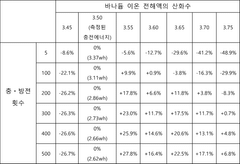
- An electrolyte solution with vanadium ions is developed, where the oxidation number of vanadium is adjusted to be between 3.50 and 4.00, specifically between 3.55 and 3.75, using vanadium oxide and an acidic solution, and an electrochemical method is employed to achieve the desired oxidation state, enhancing the energy density and stability of the battery.

Vanadium battery SOC balance system structure and control method thereof
PatentPendingUS20230207844A1
Innovation
- A vanadium battery SOC balance system structure with an SOC detection module, state detection module, and control module, along with controllable switches in balance pipelines between electrolyte tanks, automatically adjusts charging and discharging to balance SOC values and reduce current flow, using circulating pumps to manage electrolyte flow.


Safety Standards for Vanadium Battery Operations
Safety standards for vanadium battery operations represent a critical framework that directly influences parameter adjustment strategies for achieving system stability. These standards encompass multiple layers of protection protocols, ranging from electrolyte handling procedures to thermal management requirements, each establishing specific operational boundaries that must be considered when optimizing battery performance parameters.
The International Electrotechnical Commission (IEC) and Underwriters Laboratories (UL) have developed comprehensive safety protocols specifically addressing vanadium redox flow battery systems. These standards mandate specific voltage thresholds, current density limits, and temperature operating ranges that serve as fundamental constraints for parameter optimization. Compliance with IEC 62932 series standards requires maintaining electrolyte temperatures below 65°C during operation, directly impacting charging current profiles and flow rate adjustments.
Electrolyte safety protocols constitute a cornerstone of vanadium battery safety standards, establishing strict guidelines for handling highly acidic vanadium solutions. These protocols specify maximum allowable vanadium concentrations, typically limiting V³⁺/V⁴⁺ ratios to prevent precipitation and ensure operational safety. The standards also mandate continuous monitoring of electrolyte pH levels, requiring immediate parameter adjustments when pH deviates beyond the 0.5-2.0 range to prevent corrosion and maintain system integrity.
Thermal safety requirements embedded within these standards directly influence cooling system design and operational parameter limits. Standards specify maximum allowable temperature gradients across cell stacks, typically limiting variations to 5°C to prevent thermal stress and ensure uniform electrochemical reactions. These thermal constraints necessitate careful coordination between charging rates, flow velocities, and cooling system capacity during parameter optimization processes.
Emergency response protocols integrated into safety standards establish automatic shutdown procedures triggered by parameter deviations beyond safe operating limits. These protocols define specific threshold values for voltage imbalances, temperature excursions, and pressure variations that initiate protective measures. Understanding these emergency thresholds is essential for establishing appropriate parameter adjustment ranges that maintain system stability while avoiding unnecessary safety shutdowns.
Personnel safety standards mandate specific training requirements and protective equipment protocols for operators involved in parameter adjustment procedures. These standards emphasize the importance of proper ventilation systems, emergency eyewash stations, and specialized protective clothing when handling vanadium electrolytes during maintenance and optimization activities.
The International Electrotechnical Commission (IEC) and Underwriters Laboratories (UL) have developed comprehensive safety protocols specifically addressing vanadium redox flow battery systems. These standards mandate specific voltage thresholds, current density limits, and temperature operating ranges that serve as fundamental constraints for parameter optimization. Compliance with IEC 62932 series standards requires maintaining electrolyte temperatures below 65°C during operation, directly impacting charging current profiles and flow rate adjustments.
Electrolyte safety protocols constitute a cornerstone of vanadium battery safety standards, establishing strict guidelines for handling highly acidic vanadium solutions. These protocols specify maximum allowable vanadium concentrations, typically limiting V³⁺/V⁴⁺ ratios to prevent precipitation and ensure operational safety. The standards also mandate continuous monitoring of electrolyte pH levels, requiring immediate parameter adjustments when pH deviates beyond the 0.5-2.0 range to prevent corrosion and maintain system integrity.
Thermal safety requirements embedded within these standards directly influence cooling system design and operational parameter limits. Standards specify maximum allowable temperature gradients across cell stacks, typically limiting variations to 5°C to prevent thermal stress and ensure uniform electrochemical reactions. These thermal constraints necessitate careful coordination between charging rates, flow velocities, and cooling system capacity during parameter optimization processes.
Emergency response protocols integrated into safety standards establish automatic shutdown procedures triggered by parameter deviations beyond safe operating limits. These protocols define specific threshold values for voltage imbalances, temperature excursions, and pressure variations that initiate protective measures. Understanding these emergency thresholds is essential for establishing appropriate parameter adjustment ranges that maintain system stability while avoiding unnecessary safety shutdowns.
Personnel safety standards mandate specific training requirements and protective equipment protocols for operators involved in parameter adjustment procedures. These standards emphasize the importance of proper ventilation systems, emergency eyewash stations, and specialized protective clothing when handling vanadium electrolytes during maintenance and optimization activities.
Environmental Impact of Vanadium Battery Electrolytes
The environmental implications of vanadium battery electrolytes represent a critical consideration in the broader context of energy storage sustainability. Unlike conventional lithium-ion batteries that rely on finite lithium reserves and toxic materials, vanadium redox flow batteries utilize vanadium-based electrolytes that present both environmental advantages and challenges requiring careful assessment.
Vanadium electrolytes demonstrate superior environmental characteristics compared to many alternative battery chemistries. The primary environmental benefit stems from vanadium's recyclability and reusability. Unlike batteries that degrade through irreversible chemical reactions, vanadium electrolytes maintain their chemical integrity throughout charge-discharge cycles, enabling near-complete recovery and reprocessing at end-of-life. This circular economy potential significantly reduces long-term environmental burden and resource depletion concerns.
The extraction and processing of vanadium, however, present notable environmental considerations. Vanadium is primarily obtained as a byproduct of steel production or through mining of vanadium-bearing ores. The mining processes can generate environmental impacts including habitat disruption, water contamination, and air quality degradation. Additionally, the chemical processing required to produce battery-grade vanadium electrolytes involves energy-intensive procedures and potentially hazardous chemical treatments.
Electrolyte leakage and containment represent another environmental concern requiring systematic evaluation. While vanadium compounds are generally less toxic than heavy metals found in other battery systems, concentrated vanadium solutions can still pose risks to soil and groundwater if improperly contained. The acidic nature of typical vanadium electrolytes, often containing sulfuric acid, adds complexity to environmental risk assessment and requires robust containment systems.
Manufacturing processes for vanadium electrolytes generate various environmental outputs including chemical waste streams, energy consumption, and potential atmospheric emissions. The purification processes necessary to achieve battery-grade vanadium purity levels involve multiple chemical treatment steps, each contributing to the overall environmental footprint of the electrolyte production chain.
End-of-life management presents both opportunities and challenges for vanadium battery electrolytes. The inherent stability of vanadium ions enables efficient recycling processes, potentially achieving recovery rates exceeding 95%. However, the infrastructure for large-scale vanadium electrolyte recycling remains underdeveloped, requiring significant investment in specialized processing facilities and logistics networks to realize the full environmental benefits of vanadium recyclability.
Vanadium electrolytes demonstrate superior environmental characteristics compared to many alternative battery chemistries. The primary environmental benefit stems from vanadium's recyclability and reusability. Unlike batteries that degrade through irreversible chemical reactions, vanadium electrolytes maintain their chemical integrity throughout charge-discharge cycles, enabling near-complete recovery and reprocessing at end-of-life. This circular economy potential significantly reduces long-term environmental burden and resource depletion concerns.
The extraction and processing of vanadium, however, present notable environmental considerations. Vanadium is primarily obtained as a byproduct of steel production or through mining of vanadium-bearing ores. The mining processes can generate environmental impacts including habitat disruption, water contamination, and air quality degradation. Additionally, the chemical processing required to produce battery-grade vanadium electrolytes involves energy-intensive procedures and potentially hazardous chemical treatments.
Electrolyte leakage and containment represent another environmental concern requiring systematic evaluation. While vanadium compounds are generally less toxic than heavy metals found in other battery systems, concentrated vanadium solutions can still pose risks to soil and groundwater if improperly contained. The acidic nature of typical vanadium electrolytes, often containing sulfuric acid, adds complexity to environmental risk assessment and requires robust containment systems.
Manufacturing processes for vanadium electrolytes generate various environmental outputs including chemical waste streams, energy consumption, and potential atmospheric emissions. The purification processes necessary to achieve battery-grade vanadium purity levels involve multiple chemical treatment steps, each contributing to the overall environmental footprint of the electrolyte production chain.
End-of-life management presents both opportunities and challenges for vanadium battery electrolytes. The inherent stability of vanadium ions enables efficient recycling processes, potentially achieving recovery rates exceeding 95%. However, the infrastructure for large-scale vanadium electrolyte recycling remains underdeveloped, requiring significant investment in specialized processing facilities and logistics networks to realize the full environmental benefits of vanadium recyclability.
Unlock deeper insights with PatSnap Eureka Quick Research — get a full tech report to explore trends and direct your research. Try now!
Generate Your Research Report Instantly with AI Agent
Supercharge your innovation with PatSnap Eureka AI Agent Platform!