

How to Analyze Persistent Memory Scalability in Multi-Core Processors
MAY 13, 20269 MIN READ
Generate Your Research Report Instantly with AI Agent
PatSnap Eureka helps you evaluate technical feasibility & market potential.
Persistent Memory Multi-Core Background and Objectives
Persistent memory represents a revolutionary storage technology that bridges the traditional gap between volatile memory and non-volatile storage, offering byte-addressable access with data persistence capabilities. This emerging technology combines the speed advantages of DRAM with the durability characteristics of traditional storage devices, fundamentally transforming how computing systems handle data processing and storage operations.
The evolution of persistent memory technologies has progressed through several distinct phases, beginning with early battery-backed SRAM solutions in the 1980s, advancing through flash-based implementations, and culminating in modern technologies such as Intel's 3D XPoint and emerging storage-class memory solutions. Each evolutionary step has addressed specific limitations in latency, endurance, and capacity while maintaining the core objective of providing fast, persistent data access.
Multi-core processor architectures have simultaneously evolved to maximize computational throughput through parallel processing capabilities. However, the integration of persistent memory into multi-core environments introduces complex scalability challenges that traditional memory hierarchies were not designed to address. These challenges encompass cache coherency protocols, memory consistency models, and concurrent access patterns that can significantly impact system performance as core counts increase.
The primary objective of analyzing persistent memory scalability in multi-core processors centers on understanding how persistent memory performance characteristics change as the number of processing cores increases. This analysis aims to identify bottlenecks in memory subsystem design, evaluate the effectiveness of current cache coherency protocols with persistent memory, and assess the impact of concurrent persistent memory operations on overall system throughput.
Secondary objectives include developing methodologies for measuring persistent memory scalability metrics, establishing benchmarking frameworks that accurately reflect real-world workload patterns, and identifying optimization opportunities within both hardware and software layers. The analysis seeks to provide actionable insights for system architects designing next-generation computing platforms that leverage persistent memory technologies effectively across varying core configurations.
Understanding these scalability dynamics is crucial for enterprise applications requiring high-performance persistent data processing, including in-memory databases, real-time analytics systems, and high-frequency trading platforms where both performance and data durability are critical requirements.
The evolution of persistent memory technologies has progressed through several distinct phases, beginning with early battery-backed SRAM solutions in the 1980s, advancing through flash-based implementations, and culminating in modern technologies such as Intel's 3D XPoint and emerging storage-class memory solutions. Each evolutionary step has addressed specific limitations in latency, endurance, and capacity while maintaining the core objective of providing fast, persistent data access.
Multi-core processor architectures have simultaneously evolved to maximize computational throughput through parallel processing capabilities. However, the integration of persistent memory into multi-core environments introduces complex scalability challenges that traditional memory hierarchies were not designed to address. These challenges encompass cache coherency protocols, memory consistency models, and concurrent access patterns that can significantly impact system performance as core counts increase.
The primary objective of analyzing persistent memory scalability in multi-core processors centers on understanding how persistent memory performance characteristics change as the number of processing cores increases. This analysis aims to identify bottlenecks in memory subsystem design, evaluate the effectiveness of current cache coherency protocols with persistent memory, and assess the impact of concurrent persistent memory operations on overall system throughput.
Secondary objectives include developing methodologies for measuring persistent memory scalability metrics, establishing benchmarking frameworks that accurately reflect real-world workload patterns, and identifying optimization opportunities within both hardware and software layers. The analysis seeks to provide actionable insights for system architects designing next-generation computing platforms that leverage persistent memory technologies effectively across varying core configurations.
Understanding these scalability dynamics is crucial for enterprise applications requiring high-performance persistent data processing, including in-memory databases, real-time analytics systems, and high-frequency trading platforms where both performance and data durability are critical requirements.
Market Demand for Scalable Persistent Memory Solutions
The enterprise computing landscape is experiencing unprecedented demand for scalable persistent memory solutions, driven by the exponential growth of data-intensive applications and the need for real-time processing capabilities. Organizations across industries are grappling with the limitations of traditional storage hierarchies, where the performance gap between volatile memory and non-volatile storage creates significant bottlenecks in multi-core processor environments.
Data centers and cloud service providers represent the largest market segment for scalable persistent memory technologies. These organizations require solutions that can handle massive concurrent workloads while maintaining data persistence across system failures. The increasing adoption of in-memory databases, real-time analytics platforms, and high-frequency trading systems has created substantial demand for memory technologies that combine the speed of DRAM with the persistence of traditional storage.
The artificial intelligence and machine learning sectors are emerging as critical drivers of market demand. Training large-scale neural networks and processing vast datasets require memory systems that can scale efficiently across multiple processor cores while preserving intermediate computational states. The ability to maintain training checkpoints and model parameters in persistent memory significantly reduces recovery times and improves overall system reliability.
Financial services institutions are actively seeking persistent memory solutions to support high-throughput transaction processing systems. The requirement for immediate data consistency and fault tolerance in trading platforms, payment processing systems, and risk management applications has intensified the need for scalable memory architectures that can maintain performance under heavy concurrent access patterns.
The telecommunications industry is driving demand through the deployment of edge computing infrastructure and network function virtualization. These applications require low-latency data processing capabilities with guaranteed data persistence, particularly in scenarios where network connectivity may be intermittent or unreliable.
Manufacturing and industrial automation sectors are increasingly adopting persistent memory solutions for real-time control systems and predictive maintenance applications. The need to process sensor data continuously while maintaining historical records for analysis has created specific requirements for memory systems that can scale across distributed multi-core processing environments.
The growing complexity of modern software applications, particularly those utilizing microservices architectures and containerized deployments, has further amplified market demand. These distributed systems require memory solutions that can efficiently handle inter-process communication and shared state management across multiple processor cores while ensuring data durability and consistency.
Data centers and cloud service providers represent the largest market segment for scalable persistent memory technologies. These organizations require solutions that can handle massive concurrent workloads while maintaining data persistence across system failures. The increasing adoption of in-memory databases, real-time analytics platforms, and high-frequency trading systems has created substantial demand for memory technologies that combine the speed of DRAM with the persistence of traditional storage.
The artificial intelligence and machine learning sectors are emerging as critical drivers of market demand. Training large-scale neural networks and processing vast datasets require memory systems that can scale efficiently across multiple processor cores while preserving intermediate computational states. The ability to maintain training checkpoints and model parameters in persistent memory significantly reduces recovery times and improves overall system reliability.
Financial services institutions are actively seeking persistent memory solutions to support high-throughput transaction processing systems. The requirement for immediate data consistency and fault tolerance in trading platforms, payment processing systems, and risk management applications has intensified the need for scalable memory architectures that can maintain performance under heavy concurrent access patterns.
The telecommunications industry is driving demand through the deployment of edge computing infrastructure and network function virtualization. These applications require low-latency data processing capabilities with guaranteed data persistence, particularly in scenarios where network connectivity may be intermittent or unreliable.
Manufacturing and industrial automation sectors are increasingly adopting persistent memory solutions for real-time control systems and predictive maintenance applications. The need to process sensor data continuously while maintaining historical records for analysis has created specific requirements for memory systems that can scale across distributed multi-core processing environments.
The growing complexity of modern software applications, particularly those utilizing microservices architectures and containerized deployments, has further amplified market demand. These distributed systems require memory solutions that can efficiently handle inter-process communication and shared state management across multiple processor cores while ensuring data durability and consistency.
Current State and Challenges of PM Scalability Analysis
Persistent memory scalability analysis in multi-core processors currently faces significant methodological and technical limitations that hinder comprehensive performance evaluation. The existing analytical frameworks primarily rely on traditional memory hierarchy models that inadequately capture the unique characteristics of persistent memory technologies such as Intel Optane DC Persistent Memory and emerging storage-class memory solutions.
Current analysis methodologies predominantly focus on single-threaded performance metrics, failing to address the complex interactions between multiple cores accessing persistent memory simultaneously. Most existing tools and benchmarks were originally designed for volatile memory systems and lack the sophistication to measure persistent memory-specific parameters such as write durability overhead, cache flush latencies, and memory ordering constraints that become critical in multi-core environments.
The scalability analysis landscape is fragmented across different research institutions and industry players, with limited standardization in measurement approaches. Academic research often employs simulation-based models that may not accurately reflect real-world hardware behavior, while industry solutions tend to focus on specific use cases rather than comprehensive scalability assessment. This disconnect creates gaps in understanding how persistent memory performance scales across varying core counts and workload patterns.
A major challenge lies in the complexity of measuring true scalability due to the interdependencies between hardware architecture, software stack, and application behavior. Traditional scalability metrics such as throughput per core and latency scaling become insufficient when persistent memory introduces additional variables like write amplification, wear leveling, and consistency guarantees that vary significantly under concurrent access patterns.
The current state also reveals inadequate tooling for real-time scalability monitoring in production environments. Most analysis approaches require offline processing or synthetic workload generation, limiting their applicability for dynamic scalability assessment. Furthermore, the lack of standardized benchmarks specifically designed for persistent memory scalability evaluation makes it difficult to compare results across different systems and configurations.
Geographical distribution of expertise shows concentration in North America and Asia, with limited collaborative frameworks for sharing scalability analysis methodologies. This fragmentation impedes the development of comprehensive industry standards and best practices for persistent memory scalability evaluation in multi-core processor environments.
Current analysis methodologies predominantly focus on single-threaded performance metrics, failing to address the complex interactions between multiple cores accessing persistent memory simultaneously. Most existing tools and benchmarks were originally designed for volatile memory systems and lack the sophistication to measure persistent memory-specific parameters such as write durability overhead, cache flush latencies, and memory ordering constraints that become critical in multi-core environments.
The scalability analysis landscape is fragmented across different research institutions and industry players, with limited standardization in measurement approaches. Academic research often employs simulation-based models that may not accurately reflect real-world hardware behavior, while industry solutions tend to focus on specific use cases rather than comprehensive scalability assessment. This disconnect creates gaps in understanding how persistent memory performance scales across varying core counts and workload patterns.
A major challenge lies in the complexity of measuring true scalability due to the interdependencies between hardware architecture, software stack, and application behavior. Traditional scalability metrics such as throughput per core and latency scaling become insufficient when persistent memory introduces additional variables like write amplification, wear leveling, and consistency guarantees that vary significantly under concurrent access patterns.
The current state also reveals inadequate tooling for real-time scalability monitoring in production environments. Most analysis approaches require offline processing or synthetic workload generation, limiting their applicability for dynamic scalability assessment. Furthermore, the lack of standardized benchmarks specifically designed for persistent memory scalability evaluation makes it difficult to compare results across different systems and configurations.
Geographical distribution of expertise shows concentration in North America and Asia, with limited collaborative frameworks for sharing scalability analysis methodologies. This fragmentation impedes the development of comprehensive industry standards and best practices for persistent memory scalability evaluation in multi-core processor environments.
Existing PM Scalability Analysis Methodologies
01 Memory architecture optimization for persistent storage
Advanced memory architectures are designed to optimize persistent storage systems by implementing specialized controllers, memory hierarchies, and data organization structures. These architectures focus on improving data retention, access patterns, and overall system performance while maintaining scalability across different memory configurations.- Memory architecture optimization for persistent storage: Advanced memory architectures are designed to optimize persistent storage systems by implementing specialized data structures and access patterns. These architectures focus on improving the efficiency of data persistence operations while maintaining high performance levels. The optimization includes memory layout strategies, data organization methods, and access pattern improvements that enhance overall system scalability.
- Distributed memory management systems: Distributed memory management approaches enable scalable persistent memory solutions across multiple nodes or processing units. These systems implement coordination mechanisms, load balancing strategies, and distributed data consistency protocols. The management systems handle memory allocation, deallocation, and synchronization across distributed environments to achieve better scalability performance.
- Cache coherency and consistency protocols: Cache coherency mechanisms ensure data consistency across multiple memory hierarchies in persistent memory systems. These protocols manage data synchronization between different cache levels and persistent storage layers. The consistency protocols handle concurrent access scenarios, maintain data integrity, and optimize performance while scaling across multiple processing units or memory domains.
- Memory allocation and garbage collection optimization: Advanced memory allocation strategies and garbage collection techniques are implemented to improve persistent memory scalability. These optimizations include dynamic memory management, efficient space utilization algorithms, and automated cleanup processes. The techniques focus on reducing memory fragmentation, improving allocation speed, and maintaining consistent performance as memory usage scales up.
- Hardware-software co-design for memory scalability: Hardware-software co-design approaches integrate specialized hardware components with optimized software layers to achieve better persistent memory scalability. These solutions include custom memory controllers, specialized instruction sets, and hardware-accelerated memory operations. The co-design methodology ensures optimal utilization of hardware capabilities while providing software interfaces that scale efficiently with increasing memory demands.
02 Data management and allocation strategies
Sophisticated data management techniques are employed to handle memory allocation, garbage collection, and data placement in persistent memory systems. These strategies include dynamic allocation algorithms, wear leveling mechanisms, and intelligent data migration to ensure optimal performance and longevity of memory devices.Expand Specific Solutions03 Memory interface and protocol enhancements
Enhanced memory interfaces and communication protocols are developed to support high-bandwidth, low-latency access to persistent memory. These improvements include advanced signaling methods, error correction mechanisms, and standardized protocols that enable seamless integration with existing computing systems.Expand Specific Solutions04 Virtualization and abstraction layers
Virtualization technologies create abstraction layers that allow applications to interact with persistent memory through standardized interfaces. These layers provide memory pooling, resource sharing, and transparent access mechanisms that enable multiple applications to efficiently utilize persistent memory resources.Expand Specific Solutions05 Performance monitoring and optimization systems
Comprehensive monitoring and optimization systems track memory usage patterns, performance metrics, and system health indicators. These systems implement adaptive algorithms that dynamically adjust memory configurations, predict performance bottlenecks, and optimize resource utilization to maintain scalable performance.Expand Specific Solutions
Key Players in Persistent Memory and Multi-Core Industry
The persistent memory scalability analysis in multi-core processors represents an emerging technology domain currently in its early-to-mid development stage. The market shows significant growth potential driven by increasing demands for high-performance computing and data-intensive applications. Technology maturity varies considerably across key players, with established semiconductor giants like Intel, IBM, and Huawei leading in hardware innovations, while companies such as SAP, Oracle, and CA Technologies focus on software optimization solutions. Academic institutions including MIT, Tsinghua University, and Chinese Academy of Sciences contribute fundamental research breakthroughs. The competitive landscape features a mix of mature corporations with substantial R&D investments and specialized firms like Flow Computing developing novel parallel processing architectures, indicating a dynamic ecosystem where both incremental improvements and disruptive innovations coexist in addressing scalability challenges.
International Business Machines Corp.
Technical Solution: IBM has developed advanced persistent memory management systems focusing on enterprise-scale multi-core processor environments. Their approach emphasizes software-defined memory architectures that can dynamically allocate persistent memory resources across multiple processor cores. IBM's solutions include sophisticated memory virtualization technologies and advanced caching mechanisms that optimize persistent memory access patterns in high-performance computing environments. The company has implemented innovative memory compression algorithms and intelligent prefetching mechanisms to maximize persistent memory throughput in multi-core scenarios while maintaining data consistency and reliability across distributed computing workloads.
Strengths: Enterprise-grade reliability and advanced memory virtualization capabilities. Weaknesses: Complex implementation requiring specialized expertise and higher integration costs.
Huawei Technologies Co., Ltd.
Technical Solution: Huawei has developed proprietary persistent memory solutions integrated with their Kunpeng processors, focusing on cloud-native and edge computing scenarios. Their approach combines hardware-accelerated persistent memory controllers with intelligent memory management software that optimizes data placement across multiple cores. Huawei's solution includes advanced memory pooling technologies that enable dynamic scaling of persistent memory resources based on workload demands. The company has implemented machine learning-based memory access prediction algorithms that proactively manage data movement between volatile and persistent memory layers, ensuring optimal performance in multi-core processor environments while reducing latency and power consumption.
Strengths: Integrated hardware-software co-design with AI-driven optimization capabilities. Weaknesses: Limited market presence outside China and ecosystem dependency on proprietary technologies.
Core Innovations in Multi-Core PM Performance Analysis
Data storage access method, device and apparatus for persistent memory
PatentActiveUS11086560B2
Innovation
- A data storage access method that utilizes a user library operating in user mode and a kernel thread operating in kernel mode, allowing third-party applications to access persistent memory space directly for read operations through the user library and using the kernel thread for non-read operations, with communication through a shared message pool for batch processing and concurrent write support.


System and method for capacity planning for systems with multithreaded multicore multiprocessor resources
PatentInactiveUS20120130680A1
Innovation
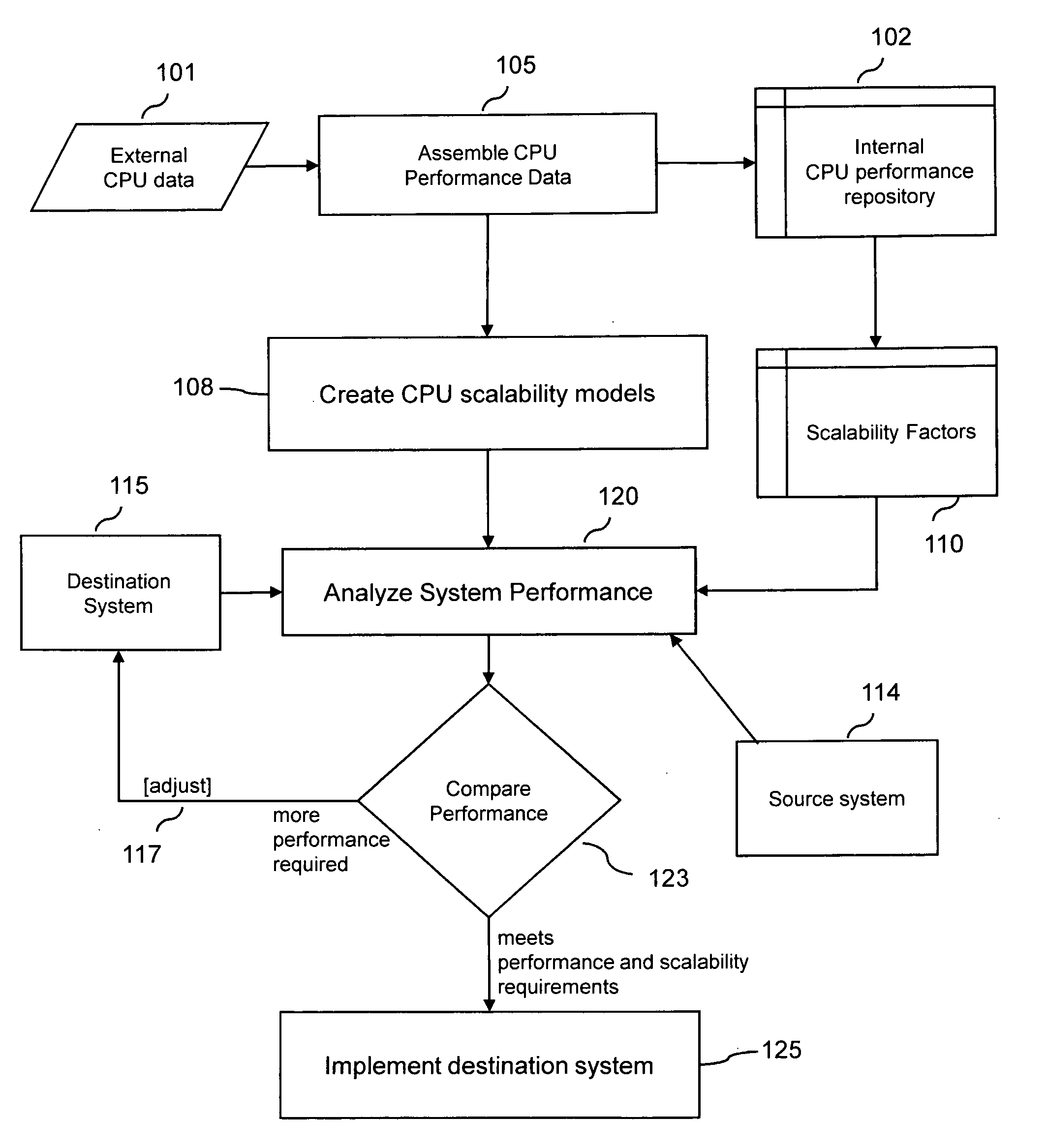
- A method is developed to gather CPU performance data and create scalability models that predict system performance by using discrete event simulation and queuing theory, incorporating scalability factors for linear and exponential scaling across various processor and operating system configurations.

Memory Architecture Standards and Compliance
Memory architecture standards play a crucial role in ensuring persistent memory scalability across multi-core processor environments. The Joint Electron Device Engineering Council (JEDEC) has established fundamental specifications for emerging memory technologies, including DDR5 and upcoming DDR6 standards that directly impact persistent memory integration. These standards define electrical characteristics, timing parameters, and interface protocols that govern how persistent memory modules interact with multi-core processors.
The Storage Networking Industry Association (SNIA) has developed the NVM Programming Model specification, which provides standardized interfaces for persistent memory access patterns. This model establishes consistent APIs and programming paradigms that enable applications to leverage persistent memory capabilities while maintaining compatibility across different hardware platforms. The specification addresses critical aspects such as atomic operations, cache coherency protocols, and memory ordering requirements essential for multi-core scalability.
Intel's Advanced Configuration and Power Interface (ACPI) extensions for persistent memory have become industry benchmarks for system-level integration. These extensions define standardized methods for discovering, configuring, and managing persistent memory resources in multi-processor systems. The ACPI 6.0 and later versions include specific provisions for NVDIMM namespace management and error handling protocols that ensure reliable operation across multiple processor cores.
Compliance with Open Compute Project (OCP) memory specifications has emerged as a critical factor for enterprise-grade persistent memory deployments. OCP standards address thermal management, power delivery, and mechanical form factors that directly influence scalability in high-density multi-core server environments. These specifications ensure interoperability between different vendor solutions while maintaining performance consistency.
The Compute Express Link (CXL) consortium has introduced revolutionary standards for memory expansion and coherency protocols. CXL 2.0 and 3.0 specifications enable direct attachment of persistent memory devices to processor memory hierarchies, providing cache-coherent access patterns that significantly enhance multi-core scalability. These standards define memory pooling capabilities and dynamic resource allocation mechanisms that optimize persistent memory utilization across processor cores.
Regulatory compliance frameworks, including Common Criteria evaluations and FIPS 140-2 certifications, impose additional constraints on persistent memory implementations. These security standards require specific encryption protocols and access control mechanisms that can impact scalability performance in multi-core environments, necessitating careful architectural considerations during system design phases.
The Storage Networking Industry Association (SNIA) has developed the NVM Programming Model specification, which provides standardized interfaces for persistent memory access patterns. This model establishes consistent APIs and programming paradigms that enable applications to leverage persistent memory capabilities while maintaining compatibility across different hardware platforms. The specification addresses critical aspects such as atomic operations, cache coherency protocols, and memory ordering requirements essential for multi-core scalability.
Intel's Advanced Configuration and Power Interface (ACPI) extensions for persistent memory have become industry benchmarks for system-level integration. These extensions define standardized methods for discovering, configuring, and managing persistent memory resources in multi-processor systems. The ACPI 6.0 and later versions include specific provisions for NVDIMM namespace management and error handling protocols that ensure reliable operation across multiple processor cores.
Compliance with Open Compute Project (OCP) memory specifications has emerged as a critical factor for enterprise-grade persistent memory deployments. OCP standards address thermal management, power delivery, and mechanical form factors that directly influence scalability in high-density multi-core server environments. These specifications ensure interoperability between different vendor solutions while maintaining performance consistency.
The Compute Express Link (CXL) consortium has introduced revolutionary standards for memory expansion and coherency protocols. CXL 2.0 and 3.0 specifications enable direct attachment of persistent memory devices to processor memory hierarchies, providing cache-coherent access patterns that significantly enhance multi-core scalability. These standards define memory pooling capabilities and dynamic resource allocation mechanisms that optimize persistent memory utilization across processor cores.
Regulatory compliance frameworks, including Common Criteria evaluations and FIPS 140-2 certifications, impose additional constraints on persistent memory implementations. These security standards require specific encryption protocols and access control mechanisms that can impact scalability performance in multi-core environments, necessitating careful architectural considerations during system design phases.
Performance Benchmarking Frameworks for PM Systems
Performance benchmarking frameworks for persistent memory systems represent a critical infrastructure component for evaluating scalability characteristics in multi-core processor environments. These frameworks provide standardized methodologies to measure, compare, and analyze the performance implications of persistent memory technologies across diverse workload scenarios and system configurations.
Contemporary benchmarking frameworks for PM systems encompass several distinct categories, each targeting specific performance aspects. Synthetic benchmarking tools like Intel Memory Latency Checker and custom microbenchmarks focus on fundamental memory access patterns, measuring latency, bandwidth, and consistency characteristics under controlled conditions. These tools enable precise isolation of PM-specific performance behaviors, particularly crucial for understanding scalability bottlenecks in multi-core scenarios.
Application-level benchmarking frameworks such as YCSB-PM, LinkBench-PM, and TPC-based variants provide realistic workload simulation capabilities. These frameworks incorporate persistent memory semantics into established benchmark suites, enabling comprehensive evaluation of how PM scalability impacts real-world applications. They typically support configurable thread counts, data persistence patterns, and consistency models to simulate multi-core scaling scenarios effectively.
Specialized PM benchmarking frameworks like PMDK benchmarks, Whisper, and NVMBench offer targeted evaluation capabilities for persistent memory-specific operations. These frameworks emphasize durability guarantees, crash consistency verification, and performance characterization of PM-aware programming models. They provide essential metrics for understanding how persistence overhead scales with increasing core counts and concurrent access patterns.
Modern benchmarking frameworks increasingly incorporate automated scalability analysis features, including performance regression detection, bottleneck identification, and scaling efficiency calculations. Advanced frameworks support distributed benchmarking across multiple nodes, enabling evaluation of PM scalability in large-scale multi-core systems. Integration with performance profiling tools and hardware performance counters provides detailed insights into cache behavior, memory controller utilization, and interconnect efficiency.
The evolution toward standardized benchmarking protocols ensures reproducible results across different PM technologies and system configurations. Emerging frameworks emphasize cloud-native deployment models, containerized execution environments, and automated result analysis pipelines, facilitating comprehensive scalability assessment in production-like environments while maintaining scientific rigor in performance evaluation methodologies.
Contemporary benchmarking frameworks for PM systems encompass several distinct categories, each targeting specific performance aspects. Synthetic benchmarking tools like Intel Memory Latency Checker and custom microbenchmarks focus on fundamental memory access patterns, measuring latency, bandwidth, and consistency characteristics under controlled conditions. These tools enable precise isolation of PM-specific performance behaviors, particularly crucial for understanding scalability bottlenecks in multi-core scenarios.
Application-level benchmarking frameworks such as YCSB-PM, LinkBench-PM, and TPC-based variants provide realistic workload simulation capabilities. These frameworks incorporate persistent memory semantics into established benchmark suites, enabling comprehensive evaluation of how PM scalability impacts real-world applications. They typically support configurable thread counts, data persistence patterns, and consistency models to simulate multi-core scaling scenarios effectively.
Specialized PM benchmarking frameworks like PMDK benchmarks, Whisper, and NVMBench offer targeted evaluation capabilities for persistent memory-specific operations. These frameworks emphasize durability guarantees, crash consistency verification, and performance characterization of PM-aware programming models. They provide essential metrics for understanding how persistence overhead scales with increasing core counts and concurrent access patterns.
Modern benchmarking frameworks increasingly incorporate automated scalability analysis features, including performance regression detection, bottleneck identification, and scaling efficiency calculations. Advanced frameworks support distributed benchmarking across multiple nodes, enabling evaluation of PM scalability in large-scale multi-core systems. Integration with performance profiling tools and hardware performance counters provides detailed insights into cache behavior, memory controller utilization, and interconnect efficiency.
The evolution toward standardized benchmarking protocols ensures reproducible results across different PM technologies and system configurations. Emerging frameworks emphasize cloud-native deployment models, containerized execution environments, and automated result analysis pipelines, facilitating comprehensive scalability assessment in production-like environments while maintaining scientific rigor in performance evaluation methodologies.
Unlock deeper insights with PatSnap Eureka Quick Research — get a full tech report to explore trends and direct your research. Try now!
Generate Your Research Report Instantly with AI Agent
Supercharge your innovation with PatSnap Eureka AI Agent Platform!