

How To Avoid Overloading Failures In High-Torque Planetary Gearboxes
MAY 25, 20269 MIN READ
Generate Your Research Report Instantly with AI Agent
PatSnap Eureka helps you evaluate technical feasibility & market potential.
High-Torque Planetary Gearbox Overload Background and Objectives
High-torque planetary gearboxes have emerged as critical components in modern industrial applications, particularly in wind turbines, heavy machinery, and aerospace systems where exceptional power density and reliability are paramount. These sophisticated mechanical systems have evolved significantly since their initial development in the early 20th century, transitioning from simple gear arrangements to complex multi-stage configurations capable of handling enormous torque loads while maintaining compact form factors.
The historical development of planetary gearbox technology can be traced through several distinct phases. Early implementations focused primarily on basic speed reduction applications, but the increasing demands of industrial automation and renewable energy sectors have driven continuous innovation in materials science, manufacturing precision, and design optimization. The integration of advanced metallurgy, surface treatments, and computer-aided design has enabled modern planetary gearboxes to achieve torque capacities exceeding several million Newton-meters.
Contemporary applications of high-torque planetary gearboxes span diverse industries, with wind energy representing the most demanding operational environment. These systems must withstand variable wind loads, temperature fluctuations, and continuous operation for decades while maintaining efficiency levels above 95%. Similarly, industrial applications in mining, steel production, and marine propulsion require gearboxes that can reliably transmit massive torque loads without catastrophic failure.
The primary technical objective driving current research efforts centers on eliminating overload-induced failures that result in costly downtime and safety hazards. Overloading represents the most significant failure mode in high-torque applications, often manifesting as gear tooth fractures, bearing seizures, or housing deformation. These failures typically occur when instantaneous torque demands exceed the gearbox's design capacity, leading to stress concentrations that propagate rapidly through critical components.
Achieving overload prevention requires a multifaceted approach encompassing advanced load monitoring systems, predictive maintenance algorithms, and intelligent torque limiting mechanisms. The ultimate goal involves developing gearbox systems that can autonomously detect impending overload conditions and implement protective measures before damage occurs, thereby extending operational life and reducing maintenance costs while ensuring continuous system availability in mission-critical applications.
The historical development of planetary gearbox technology can be traced through several distinct phases. Early implementations focused primarily on basic speed reduction applications, but the increasing demands of industrial automation and renewable energy sectors have driven continuous innovation in materials science, manufacturing precision, and design optimization. The integration of advanced metallurgy, surface treatments, and computer-aided design has enabled modern planetary gearboxes to achieve torque capacities exceeding several million Newton-meters.
Contemporary applications of high-torque planetary gearboxes span diverse industries, with wind energy representing the most demanding operational environment. These systems must withstand variable wind loads, temperature fluctuations, and continuous operation for decades while maintaining efficiency levels above 95%. Similarly, industrial applications in mining, steel production, and marine propulsion require gearboxes that can reliably transmit massive torque loads without catastrophic failure.
The primary technical objective driving current research efforts centers on eliminating overload-induced failures that result in costly downtime and safety hazards. Overloading represents the most significant failure mode in high-torque applications, often manifesting as gear tooth fractures, bearing seizures, or housing deformation. These failures typically occur when instantaneous torque demands exceed the gearbox's design capacity, leading to stress concentrations that propagate rapidly through critical components.
Achieving overload prevention requires a multifaceted approach encompassing advanced load monitoring systems, predictive maintenance algorithms, and intelligent torque limiting mechanisms. The ultimate goal involves developing gearbox systems that can autonomously detect impending overload conditions and implement protective measures before damage occurs, thereby extending operational life and reducing maintenance costs while ensuring continuous system availability in mission-critical applications.
Market Demand for Reliable High-Torque Transmission Systems
The global market for reliable high-torque transmission systems has experienced substantial growth driven by increasing demands across multiple industrial sectors. Wind energy generation represents one of the most significant demand drivers, as turbines require robust planetary gearboxes capable of handling extreme torque loads while maintaining operational reliability over decades. The offshore wind sector particularly emphasizes reliability due to the high costs associated with maintenance and downtime in marine environments.
Heavy industrial machinery applications constitute another major market segment demanding enhanced transmission reliability. Mining equipment, steel production facilities, and large-scale manufacturing operations require gearboxes that can withstand continuous high-torque operations without failure. Equipment downtime in these sectors results in substantial financial losses, creating strong market pressure for transmission systems with improved overload protection capabilities.
The construction and infrastructure development sectors have generated increasing demand for reliable high-torque systems in crane operations, tunnel boring machines, and heavy lifting equipment. These applications often involve unpredictable load variations and shock loads that can cause overloading failures, making reliability a critical purchasing criterion for equipment manufacturers and operators.
Marine propulsion systems represent a specialized but significant market segment where transmission reliability directly impacts vessel safety and operational efficiency. Ship operators increasingly prioritize gearbox systems with advanced overload protection mechanisms to prevent catastrophic failures during critical operations.
Market trends indicate a shift toward predictive maintenance and condition monitoring integration within transmission systems. End users are demanding gearboxes equipped with sensors and monitoring capabilities that can detect potential overloading conditions before failures occur. This trend reflects the broader industrial movement toward Industry 4.0 and smart manufacturing practices.
The automotive industry's transition toward electric vehicles has created new demands for high-torque transmission systems in electric drive applications. These systems require different overload protection strategies compared to traditional automotive transmissions, as electric motors can deliver maximum torque instantaneously.
Regional market dynamics show particularly strong demand growth in Asia-Pacific regions, driven by rapid industrialization and renewable energy expansion. European markets emphasize compliance with stringent reliability standards, while North American markets focus on operational efficiency and total cost of ownership considerations.
Heavy industrial machinery applications constitute another major market segment demanding enhanced transmission reliability. Mining equipment, steel production facilities, and large-scale manufacturing operations require gearboxes that can withstand continuous high-torque operations without failure. Equipment downtime in these sectors results in substantial financial losses, creating strong market pressure for transmission systems with improved overload protection capabilities.
The construction and infrastructure development sectors have generated increasing demand for reliable high-torque systems in crane operations, tunnel boring machines, and heavy lifting equipment. These applications often involve unpredictable load variations and shock loads that can cause overloading failures, making reliability a critical purchasing criterion for equipment manufacturers and operators.
Marine propulsion systems represent a specialized but significant market segment where transmission reliability directly impacts vessel safety and operational efficiency. Ship operators increasingly prioritize gearbox systems with advanced overload protection mechanisms to prevent catastrophic failures during critical operations.
Market trends indicate a shift toward predictive maintenance and condition monitoring integration within transmission systems. End users are demanding gearboxes equipped with sensors and monitoring capabilities that can detect potential overloading conditions before failures occur. This trend reflects the broader industrial movement toward Industry 4.0 and smart manufacturing practices.
The automotive industry's transition toward electric vehicles has created new demands for high-torque transmission systems in electric drive applications. These systems require different overload protection strategies compared to traditional automotive transmissions, as electric motors can deliver maximum torque instantaneously.
Regional market dynamics show particularly strong demand growth in Asia-Pacific regions, driven by rapid industrialization and renewable energy expansion. European markets emphasize compliance with stringent reliability standards, while North American markets focus on operational efficiency and total cost of ownership considerations.
Current Overload Failure Challenges in Planetary Gearboxes
High-torque planetary gearboxes face significant overload failure challenges that stem from the complex interaction of mechanical, thermal, and material factors. The primary failure mode occurs when transmitted torque exceeds the design capacity, leading to catastrophic damage in critical components including gear teeth, bearings, and carrier structures.
Gear tooth failures represent the most prevalent overload challenge, manifesting as tooth breakage, pitting, and spalling under excessive load conditions. The concentrated stress at the tooth root during overload events often exceeds material yield strength, resulting in fatigue crack initiation and propagation. This phenomenon is particularly pronounced in planetary configurations where multiple gear meshes simultaneously distribute load, creating stress concentration points that become failure initiation sites.
Bearing overload failures constitute another critical challenge, especially in the planet carrier and sun gear support systems. Excessive radial and axial forces during overload conditions cause bearing race deformation, roller skidding, and premature wear. The confined space within planetary arrangements limits bearing size optimization, making these components particularly vulnerable to overload scenarios.
Carrier structure failures emerge as a significant concern in high-torque applications, where the planet carrier experiences complex multi-directional loading. Overload conditions induce bending moments and torsional stresses that can exceed the carrier's structural capacity, leading to deflection-induced misalignment and subsequent cascading failures throughout the gearbox system.
Thermal overload challenges compound mechanical stress issues, as excessive heat generation during overload events degrades lubricant properties and reduces material strength. The compact design of planetary gearboxes limits heat dissipation pathways, creating thermal hotspots that accelerate component degradation and reduce overall system reliability.
Manufacturing tolerances and assembly variations further exacerbate overload susceptibility by creating uneven load distribution among planet gears. This load sharing imbalance concentrates stress on individual components, reducing the effective overload capacity below theoretical design limits and creating unpredictable failure patterns that complicate reliability assessment and maintenance planning strategies.
Gear tooth failures represent the most prevalent overload challenge, manifesting as tooth breakage, pitting, and spalling under excessive load conditions. The concentrated stress at the tooth root during overload events often exceeds material yield strength, resulting in fatigue crack initiation and propagation. This phenomenon is particularly pronounced in planetary configurations where multiple gear meshes simultaneously distribute load, creating stress concentration points that become failure initiation sites.
Bearing overload failures constitute another critical challenge, especially in the planet carrier and sun gear support systems. Excessive radial and axial forces during overload conditions cause bearing race deformation, roller skidding, and premature wear. The confined space within planetary arrangements limits bearing size optimization, making these components particularly vulnerable to overload scenarios.
Carrier structure failures emerge as a significant concern in high-torque applications, where the planet carrier experiences complex multi-directional loading. Overload conditions induce bending moments and torsional stresses that can exceed the carrier's structural capacity, leading to deflection-induced misalignment and subsequent cascading failures throughout the gearbox system.
Thermal overload challenges compound mechanical stress issues, as excessive heat generation during overload events degrades lubricant properties and reduces material strength. The compact design of planetary gearboxes limits heat dissipation pathways, creating thermal hotspots that accelerate component degradation and reduce overall system reliability.
Manufacturing tolerances and assembly variations further exacerbate overload susceptibility by creating uneven load distribution among planet gears. This load sharing imbalance concentrates stress on individual components, reducing the effective overload capacity below theoretical design limits and creating unpredictable failure patterns that complicate reliability assessment and maintenance planning strategies.
Existing Overload Prevention Solutions for Planetary Gearboxes
01 Overload protection mechanisms and safety devices
Implementation of protective systems designed to prevent damage from excessive torque loads in planetary gearboxes. These mechanisms include torque limiters, clutch systems, and automatic shutdown features that activate when predetermined load thresholds are exceeded. Such protection systems help prevent catastrophic failures by disconnecting or reducing power transmission during overload conditions.- Overload protection mechanisms and safety devices: Implementation of protective systems that prevent damage to planetary gearboxes during overload conditions. These mechanisms include torque limiters, clutch systems, and automatic disconnect devices that engage when predetermined load thresholds are exceeded. Such systems help prevent catastrophic failure by isolating the gearbox from excessive forces and maintaining operational integrity under stress conditions.
- Enhanced gear tooth design and material optimization: Advanced gear tooth profiles and high-strength materials specifically engineered to withstand higher torque loads without failure. This includes specialized heat treatment processes, surface hardening techniques, and optimized tooth geometry that distributes stress more effectively across the gear interface. These improvements increase the load-carrying capacity and extend the operational life of planetary gearbox systems.
- Load distribution and bearing system improvements: Innovative bearing arrangements and load distribution mechanisms that better manage high-torque applications in planetary gearboxes. These systems utilize advanced bearing technologies, improved lubrication systems, and optimized load paths to reduce stress concentrations and prevent premature failure. The designs focus on distributing loads more evenly across multiple contact points.
- Monitoring and diagnostic systems for failure prevention: Real-time monitoring technologies that detect early signs of overload conditions and potential failures in planetary gearboxes. These systems incorporate sensors, vibration analysis, temperature monitoring, and predictive maintenance algorithms to identify stress patterns and warn operators before critical failures occur. Such preventive measures enable timely intervention and maintenance scheduling.
- Structural reinforcement and housing design optimization: Strengthened gearbox housings and structural components designed to handle extreme torque conditions without deformation or failure. These improvements include reinforced mounting systems, optimized housing geometries, and enhanced structural integrity features that maintain alignment and support under high-load conditions. The designs focus on preventing housing distortion that could lead to gear misalignment and subsequent failure.
02 Enhanced gear tooth design and material optimization
Advanced gear tooth profiles and high-strength materials specifically engineered to withstand higher torque loads and resist failure modes. This includes optimized tooth geometry, surface treatments, and the use of specialized alloys or composite materials that provide improved fatigue resistance and load-carrying capacity under extreme operating conditions.Expand Specific Solutions03 Load distribution and stress management systems
Techniques for distributing loads more evenly across planetary gear components to prevent localized stress concentrations that can lead to failure. These systems include multiple planet gear configurations, flexible mounting arrangements, and load-sharing mechanisms that ensure balanced force distribution throughout the gearbox assembly.Expand Specific Solutions04 Monitoring and diagnostic systems for failure prevention
Real-time monitoring technologies that track operational parameters such as torque, temperature, vibration, and wear patterns to predict and prevent overload failures. These systems utilize sensors, data analysis algorithms, and predictive maintenance protocols to identify potential failure conditions before they result in catastrophic damage.Expand Specific Solutions05 Lubrication and thermal management solutions
Advanced lubrication systems and thermal management techniques designed to maintain optimal operating conditions under high-torque loads. These solutions include specialized lubricants, cooling systems, and heat dissipation methods that prevent overheating and reduce friction-related failures during overload conditions.Expand Specific Solutions
Key Players in High-Torque Gearbox and Protection Systems
The high-torque planetary gearbox industry is experiencing significant growth driven by increasing demand from automotive, aerospace, and renewable energy sectors. The market demonstrates a mature competitive landscape with established players like Robert Bosch GmbH, General Electric Company, and Rolls-Royce Plc leading through advanced engineering capabilities. Technology maturity varies across segments, with automotive applications showing high standardization while aerospace and wind power applications continue evolving. Key players including SEW-EURODRIVE, Nanjing High-Speed Gear Manufacturing, and Tsubakimoto Chain Co. are advancing load distribution optimization, material science innovations, and predictive maintenance systems to address overloading failures. The competitive environment reflects a consolidating market where technological differentiation in torque capacity, reliability, and smart monitoring capabilities determines market positioning and customer preference.
Robert Bosch GmbH
Technical Solution: Bosch implements advanced load monitoring systems with integrated torque sensors and predictive analytics to prevent overloading in planetary gearboxes. Their solution combines real-time torque measurement with machine learning algorithms to predict potential failure points before they occur. The system features adaptive load distribution control that automatically adjusts power transmission when approaching critical torque thresholds. Additionally, Bosch incorporates enhanced lubrication systems with temperature and viscosity monitoring to maintain optimal operating conditions under high-torque scenarios.
Strengths: Industry-leading sensor technology and comprehensive system integration capabilities. Weaknesses: High implementation costs and complexity requiring specialized maintenance expertise.
General Electric Company
Technical Solution: GE develops sophisticated condition monitoring systems utilizing vibration analysis, acoustic emission detection, and thermal imaging to identify early signs of overloading in planetary gearboxes. Their approach includes advanced finite element analysis for optimal gear design and implementation of smart lubrication systems that adapt viscosity and flow rates based on operating conditions. GE also incorporates digital twin technology to simulate gearbox behavior under various load conditions, enabling predictive maintenance strategies that prevent overloading failures before they occur in critical applications like wind turbines and industrial machinery.
Strengths: Cutting-edge digital monitoring technology and extensive experience in high-power applications. Weaknesses: Complex systems requiring significant technical expertise and substantial initial investment costs.
Core Innovations in Torque Limiting and Load Distribution
Friction type overload protection structure for planetary transmission
PatentInactiveCN113028019A
Innovation
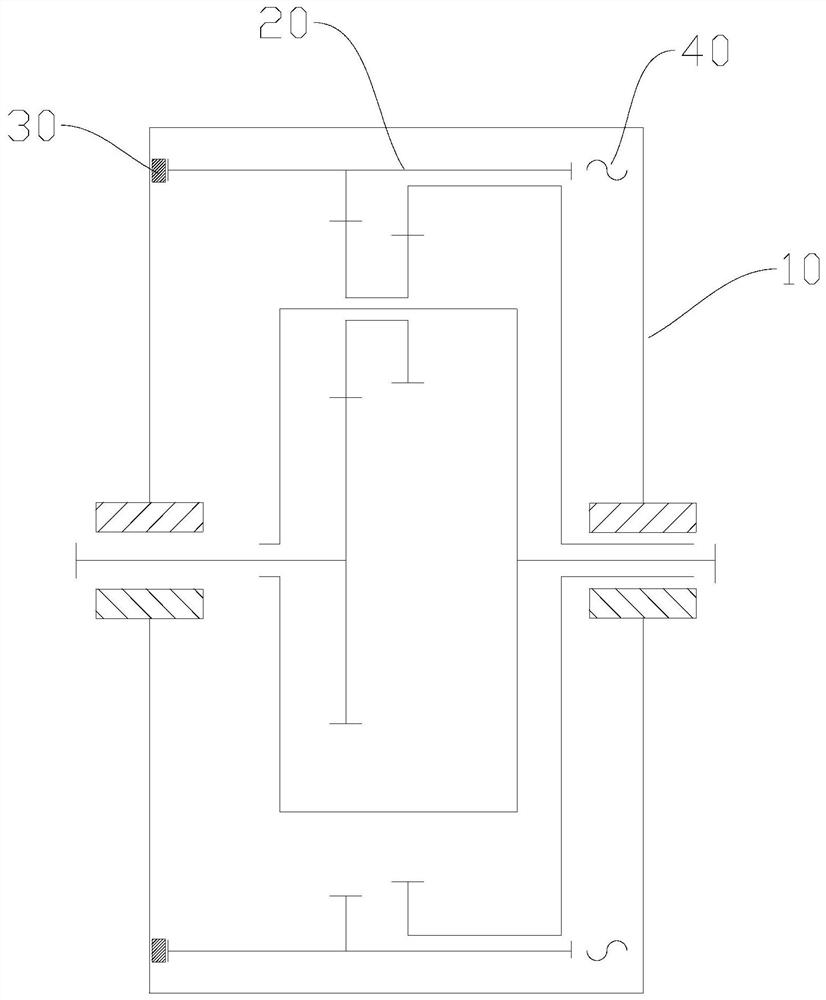
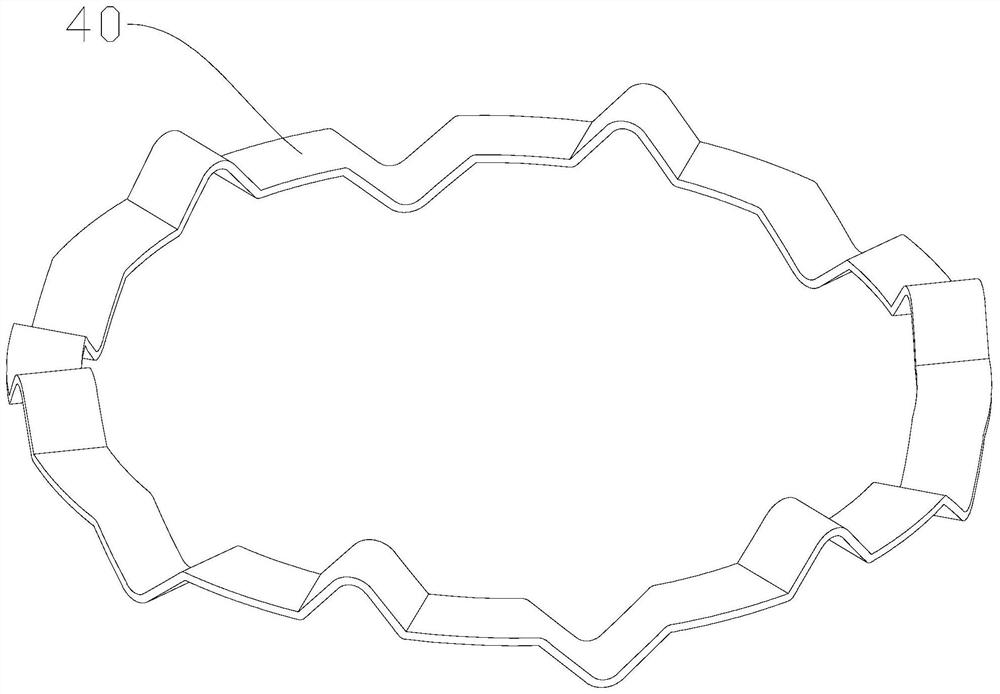
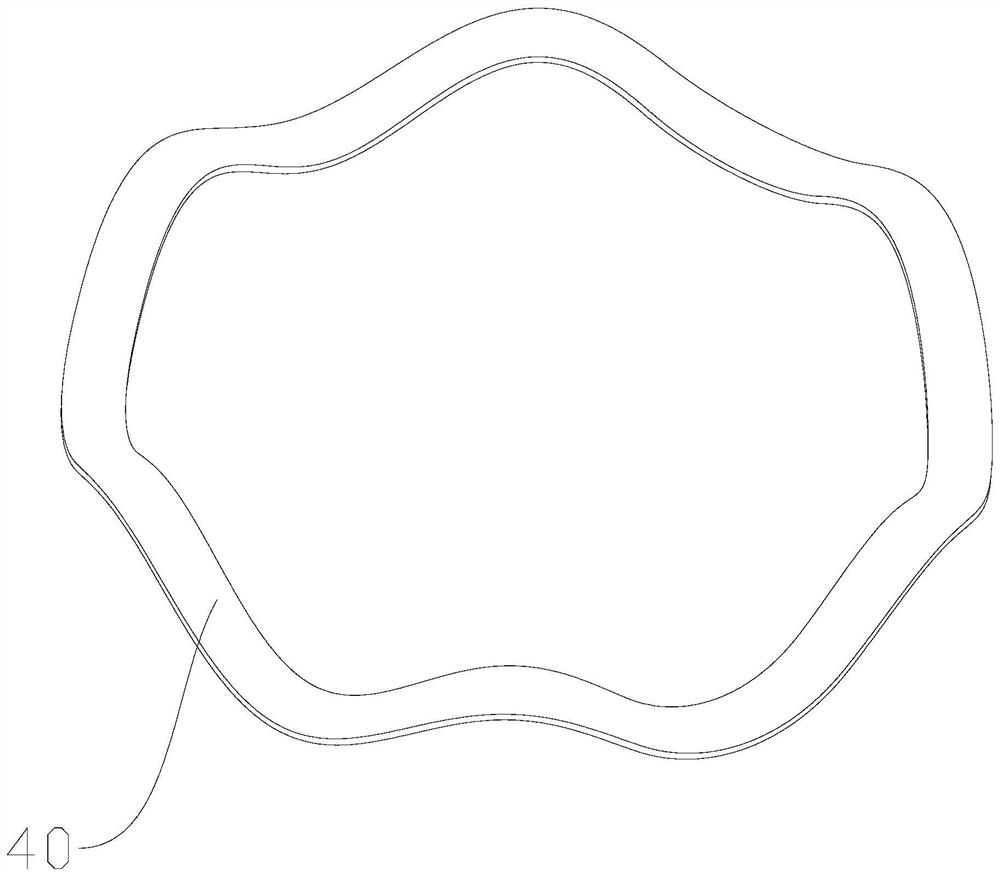
- A friction-type overload protection structure is adopted. By setting a friction pad and elastic parts between the ring gear and the base body, the elastic force of the elastic parts is used to make the friction pad provide static friction to limit the rotation of the ring gear, prevent overload damage, and recover after the impact is eliminated. The stationary state ensures the normal operation of the planetary transmission mechanism.

Planetary gear reduction device with torque limiter function
PatentInactiveUS20040058777A1
Innovation
- Incorporating a torque limiting mechanism within the reduction gear train using a combination of planetary bevel gears, flange gears, compression springs, or friction surfaces to disconnect torque transmission when excessive torque is generated, allowing for a simple and compact design with a built-in safety feature.


Safety Standards for High-Torque Mechanical Systems
High-torque planetary gearboxes operate under extreme mechanical stress conditions, necessitating comprehensive safety standards to prevent catastrophic overloading failures. The development of robust safety frameworks has become increasingly critical as industrial applications demand higher power densities and operational reliability. Current safety standards encompass multiple layers of protection, from design specifications to operational monitoring protocols.
International safety standards such as ISO 6336 and AGMA 2001 provide fundamental guidelines for gear design and load capacity calculations in high-torque applications. These standards establish minimum safety factors, typically ranging from 1.25 to 2.0 for different failure modes, including tooth bending fatigue, contact stress, and scuffing resistance. The standards also mandate specific material requirements, heat treatment specifications, and quality control procedures to ensure consistent performance under extreme loading conditions.
Modern safety protocols incorporate real-time monitoring systems that continuously assess operational parameters against predetermined safety thresholds. These systems utilize advanced sensor technologies to monitor torque levels, temperature variations, vibration patterns, and lubrication conditions. When parameters exceed safe operating limits, automated protection systems can initiate emergency shutdown procedures or reduce load levels to prevent permanent damage.
Fail-safe design principles have become integral to safety standards for high-torque mechanical systems. These principles require redundant load paths, progressive failure modes, and containment systems to prevent secondary damage in case of primary component failure. Emergency braking systems, torque limiters, and overload clutches serve as critical safety components that activate when predetermined torque thresholds are exceeded.
Maintenance and inspection protocols form another crucial aspect of safety standards. Regular condition monitoring, predictive maintenance schedules, and mandatory inspection intervals help identify potential failure modes before they result in catastrophic events. These protocols often include non-destructive testing methods, oil analysis programs, and detailed documentation requirements to track system health over time.
International safety standards such as ISO 6336 and AGMA 2001 provide fundamental guidelines for gear design and load capacity calculations in high-torque applications. These standards establish minimum safety factors, typically ranging from 1.25 to 2.0 for different failure modes, including tooth bending fatigue, contact stress, and scuffing resistance. The standards also mandate specific material requirements, heat treatment specifications, and quality control procedures to ensure consistent performance under extreme loading conditions.
Modern safety protocols incorporate real-time monitoring systems that continuously assess operational parameters against predetermined safety thresholds. These systems utilize advanced sensor technologies to monitor torque levels, temperature variations, vibration patterns, and lubrication conditions. When parameters exceed safe operating limits, automated protection systems can initiate emergency shutdown procedures or reduce load levels to prevent permanent damage.
Fail-safe design principles have become integral to safety standards for high-torque mechanical systems. These principles require redundant load paths, progressive failure modes, and containment systems to prevent secondary damage in case of primary component failure. Emergency braking systems, torque limiters, and overload clutches serve as critical safety components that activate when predetermined torque thresholds are exceeded.
Maintenance and inspection protocols form another crucial aspect of safety standards. Regular condition monitoring, predictive maintenance schedules, and mandatory inspection intervals help identify potential failure modes before they result in catastrophic events. These protocols often include non-destructive testing methods, oil analysis programs, and detailed documentation requirements to track system health over time.
Predictive Maintenance Technologies for Gearbox Reliability
Predictive maintenance technologies have emerged as critical solutions for enhancing gearbox reliability and preventing catastrophic overloading failures in high-torque planetary systems. These advanced monitoring approaches enable early detection of potential failure modes before they escalate into costly breakdowns, fundamentally transforming maintenance strategies from reactive to proactive paradigms.
Vibration analysis represents the cornerstone of predictive maintenance for planetary gearboxes, utilizing accelerometers and velocity sensors to monitor characteristic frequency patterns. Advanced signal processing techniques, including envelope analysis and cepstrum analysis, can identify gear mesh frequencies, bearing defect frequencies, and planetary carrier rotational patterns. Machine learning algorithms enhance these capabilities by establishing baseline signatures and detecting subtle deviations that indicate developing faults such as tooth wear, misalignment, or bearing degradation.
Acoustic emission monitoring provides complementary insights by detecting high-frequency stress waves generated during crack initiation and propagation. This technology proves particularly valuable for identifying early-stage gear tooth failures and bearing race defects that may not yet manifest in traditional vibration signatures. Real-time acoustic emission analysis enables immediate detection of sudden load spikes that could lead to overloading conditions.
Oil analysis technologies offer crucial insights into gearbox internal conditions through particle counting, spectrographic analysis, and ferrography. These techniques identify wear debris characteristics, contamination levels, and lubricant degradation patterns. Advanced sensors can monitor oil viscosity, temperature, and dielectric properties in real-time, providing continuous assessment of lubrication effectiveness and thermal management performance.
Temperature monitoring systems utilize infrared thermography and embedded thermal sensors to detect hotspots indicating excessive friction, inadequate lubrication, or overloading conditions. Thermal imaging can identify uneven load distribution across planetary gear sets, while continuous temperature monitoring enables detection of gradual thermal degradation trends.
Torque and load monitoring systems provide direct measurement of operational stresses, enabling real-time assessment of loading conditions relative to design limits. Strain gauge technology and wireless telemetry systems allow continuous monitoring of gear tooth stresses and housing deformations, providing immediate alerts when overloading thresholds are approached.
Integration platforms combine multiple monitoring technologies through industrial IoT frameworks, enabling comprehensive condition assessment and predictive analytics. Cloud-based systems utilize big data analytics and artificial intelligence to correlate multiple sensor inputs, predict remaining useful life, and optimize maintenance scheduling for maximum reliability and operational efficiency.
Vibration analysis represents the cornerstone of predictive maintenance for planetary gearboxes, utilizing accelerometers and velocity sensors to monitor characteristic frequency patterns. Advanced signal processing techniques, including envelope analysis and cepstrum analysis, can identify gear mesh frequencies, bearing defect frequencies, and planetary carrier rotational patterns. Machine learning algorithms enhance these capabilities by establishing baseline signatures and detecting subtle deviations that indicate developing faults such as tooth wear, misalignment, or bearing degradation.
Acoustic emission monitoring provides complementary insights by detecting high-frequency stress waves generated during crack initiation and propagation. This technology proves particularly valuable for identifying early-stage gear tooth failures and bearing race defects that may not yet manifest in traditional vibration signatures. Real-time acoustic emission analysis enables immediate detection of sudden load spikes that could lead to overloading conditions.
Oil analysis technologies offer crucial insights into gearbox internal conditions through particle counting, spectrographic analysis, and ferrography. These techniques identify wear debris characteristics, contamination levels, and lubricant degradation patterns. Advanced sensors can monitor oil viscosity, temperature, and dielectric properties in real-time, providing continuous assessment of lubrication effectiveness and thermal management performance.
Temperature monitoring systems utilize infrared thermography and embedded thermal sensors to detect hotspots indicating excessive friction, inadequate lubrication, or overloading conditions. Thermal imaging can identify uneven load distribution across planetary gear sets, while continuous temperature monitoring enables detection of gradual thermal degradation trends.
Torque and load monitoring systems provide direct measurement of operational stresses, enabling real-time assessment of loading conditions relative to design limits. Strain gauge technology and wireless telemetry systems allow continuous monitoring of gear tooth stresses and housing deformations, providing immediate alerts when overloading thresholds are approached.
Integration platforms combine multiple monitoring technologies through industrial IoT frameworks, enabling comprehensive condition assessment and predictive analytics. Cloud-based systems utilize big data analytics and artificial intelligence to correlate multiple sensor inputs, predict remaining useful life, and optimize maintenance scheduling for maximum reliability and operational efficiency.
Unlock deeper insights with PatSnap Eureka Quick Research — get a full tech report to explore trends and direct your research. Try now!
Generate Your Research Report Instantly with AI Agent
Supercharge your innovation with PatSnap Eureka AI Agent Platform!