

How to Customize Programmable Matter for Optical Absorption Rates
JUN 3, 20269 MIN READ
Generate Your Research Report Instantly with AI Agent
PatSnap Eureka helps you evaluate technical feasibility & market potential.
Programmable Matter Optical Customization Background and Objectives
Programmable matter represents a revolutionary paradigm in materials science, where physical materials can dynamically alter their properties through computational control. This emerging field combines principles from nanotechnology, robotics, and materials engineering to create substances capable of changing shape, stiffness, conductivity, and crucially for this research focus, optical properties including absorption rates. The concept originated from theoretical frameworks in the 1990s and has evolved through advances in smart materials, metamaterials, and micro-robotics.
The historical development of programmable matter traces back to early research in shape-memory alloys and electroactive polymers, progressing through the development of modular robotics and self-assembling systems. Recent breakthroughs in nanoscale manufacturing and computational materials science have accelerated progress toward practical implementations. Key milestones include the demonstration of programmable metamaterials with tunable electromagnetic properties and the development of liquid crystal elastomers capable of controlled deformation.
Current technological evolution focuses on achieving precise control over material properties at multiple scales, from molecular-level interactions to macroscopic behavior. The integration of sensing, computation, and actuation within material structures enables real-time adaptation to environmental conditions or user requirements. This convergence of disciplines has opened new possibilities for materials that can optimize their optical characteristics dynamically.
The primary objective of customizing programmable matter for optical absorption rates centers on developing materials capable of selectively absorbing specific wavelengths of electromagnetic radiation on demand. This capability would enable applications ranging from adaptive camouflage systems and energy harvesting devices to advanced optical computing components and biomedical imaging enhancement tools.
Technical goals include achieving rapid response times for optical property changes, maintaining stability across multiple switching cycles, and enabling precise control over absorption spectra. The research aims to establish scalable manufacturing processes for such materials while ensuring compatibility with existing optical systems and maintaining cost-effectiveness for practical deployment across various industries.
The historical development of programmable matter traces back to early research in shape-memory alloys and electroactive polymers, progressing through the development of modular robotics and self-assembling systems. Recent breakthroughs in nanoscale manufacturing and computational materials science have accelerated progress toward practical implementations. Key milestones include the demonstration of programmable metamaterials with tunable electromagnetic properties and the development of liquid crystal elastomers capable of controlled deformation.
Current technological evolution focuses on achieving precise control over material properties at multiple scales, from molecular-level interactions to macroscopic behavior. The integration of sensing, computation, and actuation within material structures enables real-time adaptation to environmental conditions or user requirements. This convergence of disciplines has opened new possibilities for materials that can optimize their optical characteristics dynamically.
The primary objective of customizing programmable matter for optical absorption rates centers on developing materials capable of selectively absorbing specific wavelengths of electromagnetic radiation on demand. This capability would enable applications ranging from adaptive camouflage systems and energy harvesting devices to advanced optical computing components and biomedical imaging enhancement tools.
Technical goals include achieving rapid response times for optical property changes, maintaining stability across multiple switching cycles, and enabling precise control over absorption spectra. The research aims to establish scalable manufacturing processes for such materials while ensuring compatibility with existing optical systems and maintaining cost-effectiveness for practical deployment across various industries.
Market Demand for Adaptive Optical Materials
The global market for adaptive optical materials is experiencing unprecedented growth driven by diverse industrial applications requiring dynamic light management capabilities. Traditional static optical materials are increasingly inadequate for modern technological demands, creating substantial opportunities for programmable matter solutions that can adjust optical absorption rates in real-time.
Defense and aerospace sectors represent the largest market segment, with military applications demanding advanced camouflage systems and adaptive stealth technologies. These applications require materials capable of rapid spectral response changes across multiple wavelengths, from visible light to infrared radiation. The growing emphasis on next-generation warfare technologies and unmanned systems continues to fuel investment in this sector.
Consumer electronics markets are driving significant demand for adaptive display technologies and smart glass applications. Smartphones, tablets, and wearable devices increasingly require materials that can optimize screen visibility under varying lighting conditions while managing power consumption. The proliferation of augmented reality and virtual reality devices further amplifies this demand, as these technologies require precise optical control for immersive user experiences.
Automotive industry adoption of adaptive optical materials is accelerating, particularly in electric and autonomous vehicles. Smart windows that can dynamically adjust transparency and heat absorption are becoming essential for energy efficiency and passenger comfort. Advanced driver assistance systems also require sophisticated optical sensors with programmable absorption characteristics for reliable performance across diverse environmental conditions.
Building and construction sectors are embracing smart building technologies that incorporate adaptive optical materials for energy management. Dynamic window systems that respond to solar intensity and occupancy patterns offer significant energy savings potential. Green building certifications increasingly favor technologies that demonstrate measurable environmental benefits through intelligent light and heat management.
Medical and biotechnology applications present emerging market opportunities, particularly in diagnostic imaging and therapeutic devices. Programmable optical materials enable precise control over light delivery in photodynamic therapy and advanced microscopy systems. The growing emphasis on personalized medicine drives demand for adaptable optical components in medical devices.
Industrial manufacturing processes increasingly require precise optical control for quality assurance and process optimization. Laser processing, 3D printing, and semiconductor manufacturing benefit from materials with programmable absorption characteristics that can adapt to specific processing requirements and environmental variations.
Defense and aerospace sectors represent the largest market segment, with military applications demanding advanced camouflage systems and adaptive stealth technologies. These applications require materials capable of rapid spectral response changes across multiple wavelengths, from visible light to infrared radiation. The growing emphasis on next-generation warfare technologies and unmanned systems continues to fuel investment in this sector.
Consumer electronics markets are driving significant demand for adaptive display technologies and smart glass applications. Smartphones, tablets, and wearable devices increasingly require materials that can optimize screen visibility under varying lighting conditions while managing power consumption. The proliferation of augmented reality and virtual reality devices further amplifies this demand, as these technologies require precise optical control for immersive user experiences.
Automotive industry adoption of adaptive optical materials is accelerating, particularly in electric and autonomous vehicles. Smart windows that can dynamically adjust transparency and heat absorption are becoming essential for energy efficiency and passenger comfort. Advanced driver assistance systems also require sophisticated optical sensors with programmable absorption characteristics for reliable performance across diverse environmental conditions.
Building and construction sectors are embracing smart building technologies that incorporate adaptive optical materials for energy management. Dynamic window systems that respond to solar intensity and occupancy patterns offer significant energy savings potential. Green building certifications increasingly favor technologies that demonstrate measurable environmental benefits through intelligent light and heat management.
Medical and biotechnology applications present emerging market opportunities, particularly in diagnostic imaging and therapeutic devices. Programmable optical materials enable precise control over light delivery in photodynamic therapy and advanced microscopy systems. The growing emphasis on personalized medicine drives demand for adaptable optical components in medical devices.
Industrial manufacturing processes increasingly require precise optical control for quality assurance and process optimization. Laser processing, 3D printing, and semiconductor manufacturing benefit from materials with programmable absorption characteristics that can adapt to specific processing requirements and environmental variations.
Current State and Challenges in Programmable Matter Optics
Programmable matter represents a revolutionary paradigm in materials science, where physical structures can dynamically alter their properties through computational control. In the optical domain, this technology has achieved significant milestones in basic reconfiguration capabilities, yet substantial challenges persist in achieving precise optical absorption customization. Current implementations primarily rely on metamaterial architectures and liquid crystal-based systems that can modify their optical properties through external stimuli.
The field has progressed from theoretical concepts to functional prototypes capable of basic optical modulation. Research institutions worldwide have demonstrated programmable optical materials using various approaches, including electroactive polymers, shape-memory alloys, and micro-electromechanical systems integrated with optical elements. However, these systems typically operate within limited spectral ranges and offer coarse-grained control over absorption characteristics.
A fundamental challenge lies in achieving real-time, wavelength-specific absorption tuning across broad spectral ranges. Current programmable matter systems struggle with the temporal response requirements necessary for dynamic optical applications. The switching speeds of existing materials often fall short of practical requirements, particularly for applications demanding microsecond-level response times. Additionally, maintaining optical coherence while reconfiguring material properties presents significant technical hurdles.
Spatial resolution limitations represent another critical constraint. Existing programmable optical materials typically operate at millimeter or larger scales, while many applications require sub-wavelength precision for effective optical manipulation. The integration of control electronics with optical elements introduces parasitic effects that can degrade optical performance, creating trade-offs between programmability and optical fidelity.
Energy efficiency concerns further complicate implementation strategies. Many current approaches require continuous power input to maintain specific optical states, limiting their practical deployment in energy-constrained environments. The thermal management challenges associated with active optical control systems also impact long-term stability and performance consistency.
Manufacturing scalability poses additional obstacles to widespread adoption. Current fabrication techniques for programmable optical materials often involve complex multi-step processes that are difficult to scale economically. The integration of sensing, processing, and actuation capabilities within individual material elements requires sophisticated manufacturing approaches that remain largely experimental.
Standardization and interoperability challenges hinder systematic development efforts. The absence of unified control protocols and material characterization standards complicates collaborative research and commercial development initiatives across different research groups and institutions.
The field has progressed from theoretical concepts to functional prototypes capable of basic optical modulation. Research institutions worldwide have demonstrated programmable optical materials using various approaches, including electroactive polymers, shape-memory alloys, and micro-electromechanical systems integrated with optical elements. However, these systems typically operate within limited spectral ranges and offer coarse-grained control over absorption characteristics.
A fundamental challenge lies in achieving real-time, wavelength-specific absorption tuning across broad spectral ranges. Current programmable matter systems struggle with the temporal response requirements necessary for dynamic optical applications. The switching speeds of existing materials often fall short of practical requirements, particularly for applications demanding microsecond-level response times. Additionally, maintaining optical coherence while reconfiguring material properties presents significant technical hurdles.
Spatial resolution limitations represent another critical constraint. Existing programmable optical materials typically operate at millimeter or larger scales, while many applications require sub-wavelength precision for effective optical manipulation. The integration of control electronics with optical elements introduces parasitic effects that can degrade optical performance, creating trade-offs between programmability and optical fidelity.
Energy efficiency concerns further complicate implementation strategies. Many current approaches require continuous power input to maintain specific optical states, limiting their practical deployment in energy-constrained environments. The thermal management challenges associated with active optical control systems also impact long-term stability and performance consistency.
Manufacturing scalability poses additional obstacles to widespread adoption. Current fabrication techniques for programmable optical materials often involve complex multi-step processes that are difficult to scale economically. The integration of sensing, processing, and actuation capabilities within individual material elements requires sophisticated manufacturing approaches that remain largely experimental.
Standardization and interoperability challenges hinder systematic development efforts. The absence of unified control protocols and material characterization standards complicates collaborative research and commercial development initiatives across different research groups and institutions.
Existing Solutions for Optical Absorption Control
01 Optical absorption control through material structure modification
Programmable matter systems can control optical absorption rates by modifying the internal structure and composition of materials at the molecular or nanoscale level. This approach involves dynamically changing the material properties to achieve desired absorption characteristics across different wavelengths of light. The structural modifications can include altering particle size, density, and arrangement to optimize light interaction.- Optical absorption control through material structure modification: Technologies for controlling optical absorption rates in programmable matter through structural modifications at the molecular or nanoscale level. These approaches involve altering the physical arrangement and composition of materials to achieve desired absorption characteristics across different wavelengths of light.
- Dynamic optical property adjustment mechanisms: Systems and methods for real-time adjustment of optical absorption properties in programmable materials. These mechanisms enable materials to change their light absorption characteristics in response to external stimuli or control signals, allowing for adaptive optical behavior.
- Wavelength-selective absorption enhancement: Techniques for enhancing absorption rates at specific wavelengths while maintaining transparency or reduced absorption at others. These methods involve the use of specialized coatings, filters, or material compositions that selectively interact with particular portions of the electromagnetic spectrum.
- Programmable optical metamaterials and nanostructures: Development of metamaterials and nanostructured surfaces that can be programmed to exhibit specific optical absorption behaviors. These materials utilize engineered periodic structures or patterns to manipulate light-matter interactions and achieve controlled absorption rates.
- Measurement and characterization of absorption properties: Methods and apparatus for measuring, monitoring, and characterizing optical absorption rates in programmable matter systems. These techniques enable precise determination of absorption coefficients and provide feedback for optimization of material properties and performance.
02 Wavelength-selective absorption mechanisms
Advanced programmable materials can be designed to selectively absorb specific wavelengths while transmitting others. This selective absorption capability is achieved through engineered optical properties that can be tuned based on application requirements. The technology enables precise control over which portions of the electromagnetic spectrum are absorbed or reflected.Expand Specific Solutions03 Dynamic absorption rate adjustment systems
Programmable matter incorporates systems that can dynamically adjust optical absorption rates in real-time based on environmental conditions or control signals. These systems utilize feedback mechanisms and adaptive algorithms to maintain optimal absorption characteristics. The adjustment capability allows for responsive behavior to changing optical requirements.Expand Specific Solutions04 Multi-layer optical absorption architectures
Complex programmable matter designs employ multi-layered structures where each layer contributes to the overall optical absorption profile. These architectures enable sophisticated control over light penetration depth and absorption distribution throughout the material volume. The layered approach allows for gradient absorption effects and enhanced optical performance.Expand Specific Solutions05 Programmable optical metamaterial properties
Metamaterial-based programmable matter systems can exhibit engineered optical properties not found in natural materials, including negative refractive indices and enhanced absorption coefficients. These systems can be programmed to switch between different optical states, enabling variable absorption rates on demand. The metamaterial approach provides unprecedented control over electromagnetic wave interaction.Expand Specific Solutions
Key Players in Programmable Matter and Optical Materials
The programmable matter optical absorption customization field represents an emerging technology sector in its early development stage, characterized by nascent market formation and significant technical challenges. The market remains relatively small but shows promising growth potential as applications in adaptive optics, smart materials, and responsive surfaces gain traction. Technology maturity varies considerably across the competitive landscape, with established players like Philips, Siemens, and Intel leveraging their extensive R&D capabilities and manufacturing expertise to advance programmable material solutions. Chemical giants including Bayer, Mitsui Chemicals, and Adeka bring deep materials science knowledge, while specialized optics companies such as EssilorLuxottica and OSRAM contribute optical engineering expertise. Research institutions like ETRI and University of Maryland provide foundational scientific breakthroughs, though commercial viability remains limited. The fragmented competitive environment suggests the technology is still consolidating, with no dominant market leaders yet established in this specialized programmable matter application domain.
Koninklijke Philips NV
Technical Solution: Philips focuses on programmable matter for medical and lighting applications, developing smart materials with controllable optical absorption for therapeutic and diagnostic purposes. Their technology employs liquid crystal elastomers and photochromic polymers that can be programmed to exhibit specific absorption characteristics in response to external stimuli such as temperature, pH, or electromagnetic fields. The company's programmable optical materials are designed for applications in smart medical devices, adaptive lighting systems, and optical sensors. Their approach enables reversible switching of absorption rates across visible and near-infrared spectra, with particular emphasis on biocompatible materials for medical implants and wearable devices.
Strengths: Strong biocompatibility focus, extensive medical device expertise, proven regulatory approval processes. Weaknesses: Limited to specific wavelength ranges, slower response times compared to electronic switching, material degradation over multiple switching cycles.
FUJIFILM Corp.
Technical Solution: FUJIFILM develops programmable optical materials based on advanced polymer chemistry and nanotechnology for imaging and display applications. Their programmable matter platform utilizes photosensitive polymers and nanoparticle composites that can be programmed through controlled exposure to specific wavelengths of light, creating materials with customized optical absorption properties. The company's technology enables the creation of gradient absorption profiles and spatially-varying optical characteristics within a single material system. Their approach is particularly focused on applications in optical filters, imaging sensors, and display technologies where precise control of light absorption and transmission is critical for performance optimization.
Strengths: Advanced materials chemistry expertise, proven optical film manufacturing, excellent spatial resolution control. Weaknesses: Primarily photo-programmable rather than electrically tunable, limited reversibility of programming, requires specialized exposure equipment for customization.
Core Technologies in Programmable Optical Absorption
Non-volatile programmable optical element employing f-centers
PatentActiveUS20100039848A1
Innovation
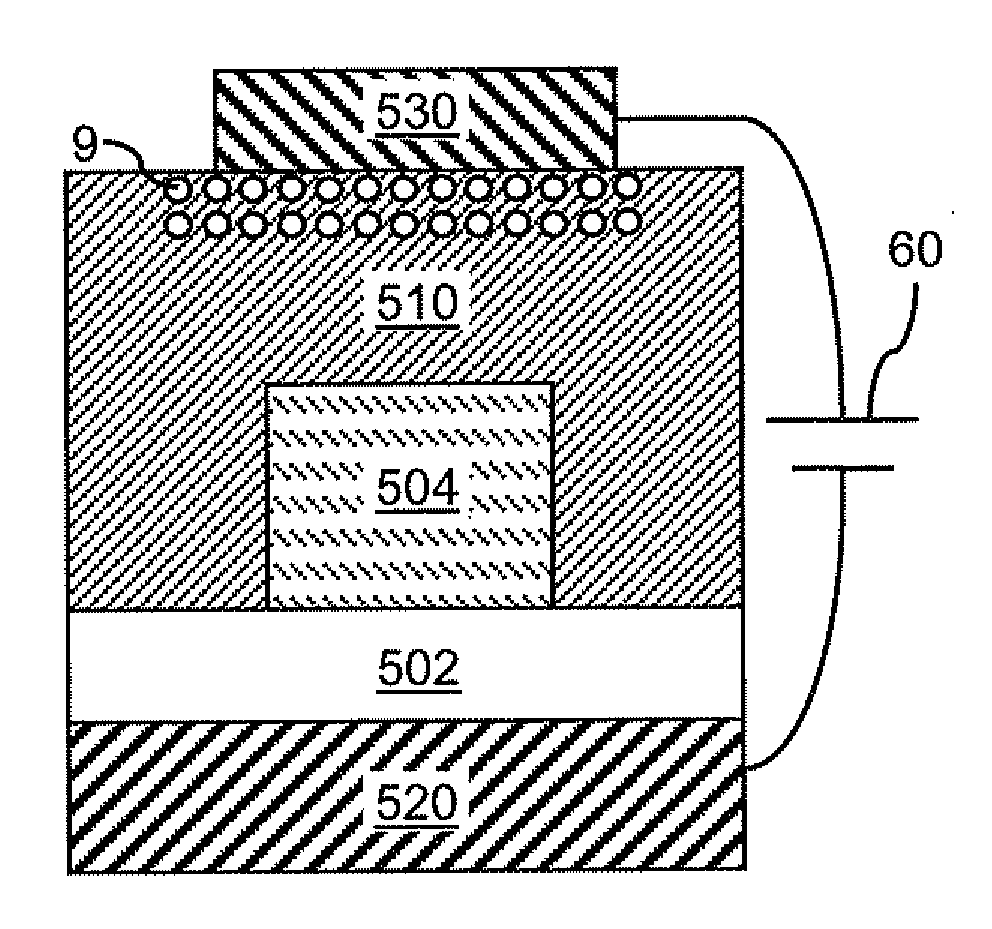
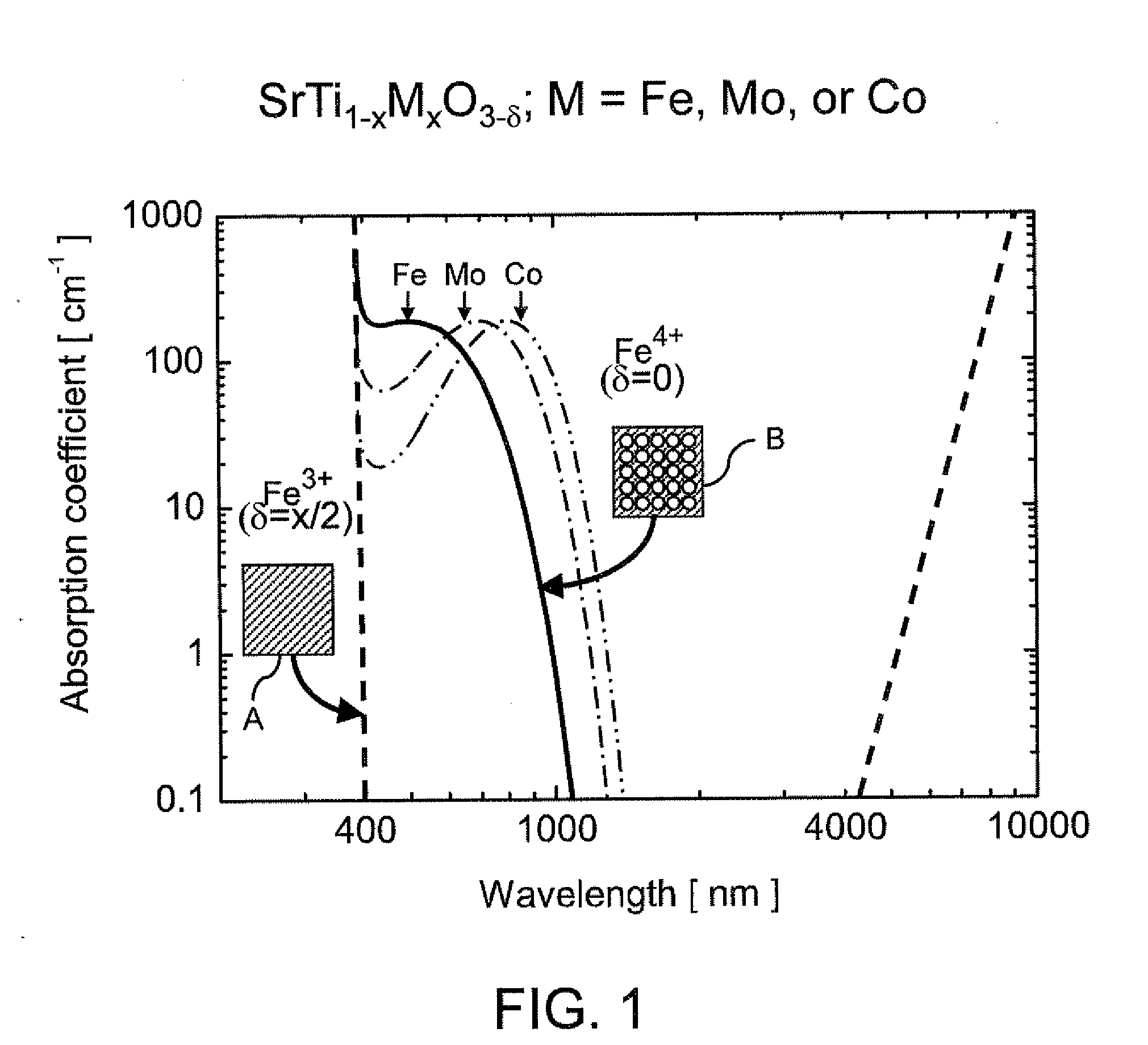
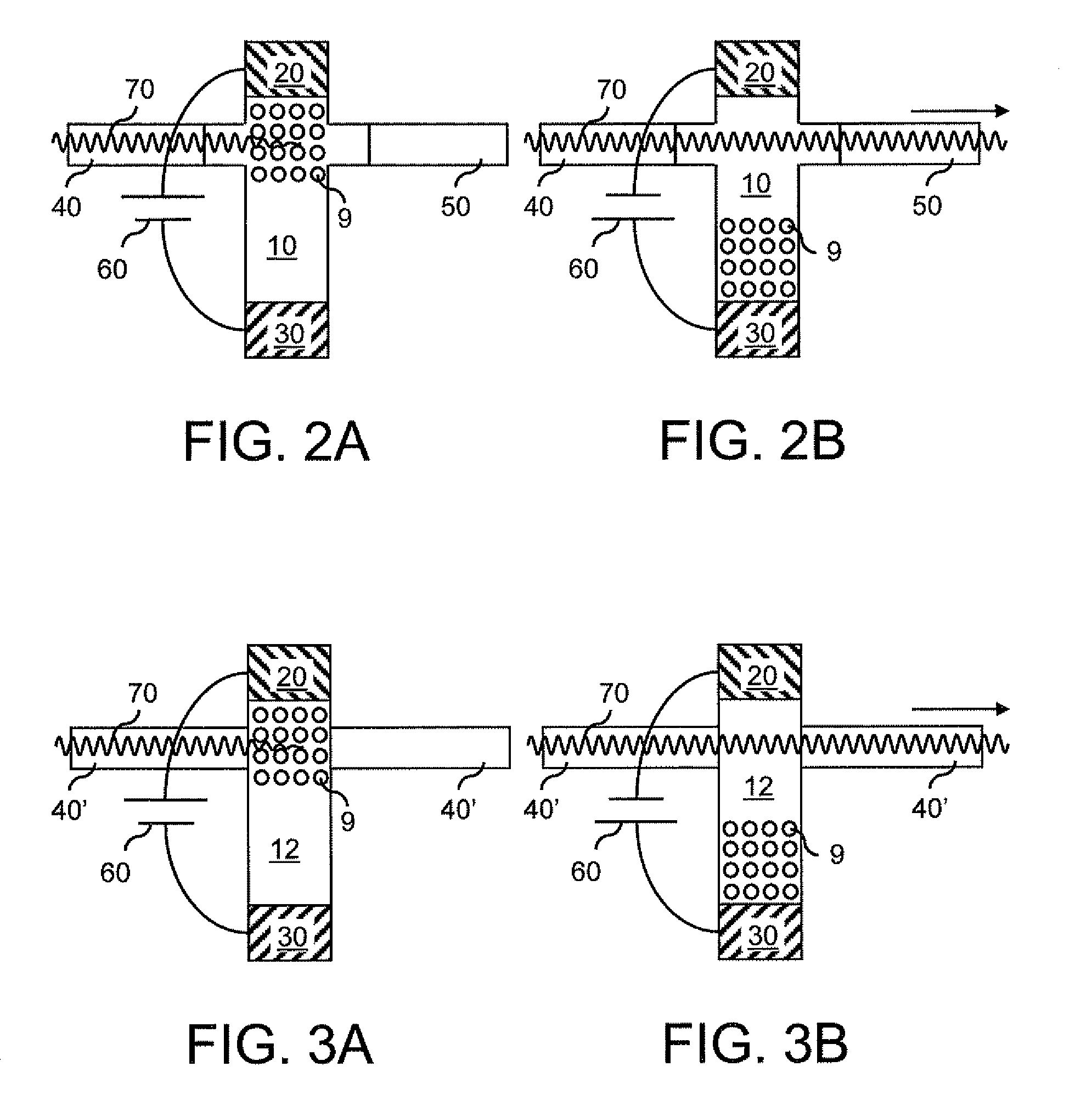
- A non-volatile programmable optical element utilizing doped transition metal oxide materials with F-centers, where F-centers are electrostatically moved to alter absorption profiles, enabling low-power operation and integration into BEOL structures without birefringence, suitable for both visible and infrared wavelengths.

Non-volatile programmable optical element with absorption coefficient modulation
PatentInactiveUS7580596B1
Innovation
- A non-volatile programmable optical element that modulates the absorption coefficient of a transition metal oxide material with mobile oxygen vacancies, allowing for electrostatic control of oxygen vacancy profiles to alter absorption characteristics, enabling low power operation and integration into BEOL structures without birefringence, suitable for both visible and infrared wavelength spectra.


Safety Standards for Programmable Optical Materials
The development of safety standards for programmable optical materials represents a critical regulatory framework essential for the widespread adoption of customizable optical absorption technologies. Current safety protocols primarily focus on traditional optical materials, creating significant gaps in addressing the unique risks associated with dynamically reconfigurable optical systems. These materials present novel challenges due to their ability to alter optical properties in real-time, potentially creating unexpected hazardous conditions such as concentrated light exposure or unpredictable reflection patterns.
International standardization bodies including ISO, IEC, and ANSI are actively developing comprehensive safety frameworks specifically tailored to programmable optical materials. The emerging standards encompass multiple safety domains: photobiological safety addressing retinal and skin exposure risks, electromagnetic compatibility ensuring minimal interference with surrounding systems, and thermal safety protocols managing heat generation during rapid optical property transitions. These standards establish maximum permissible exposure limits for various wavelengths and define mandatory safety interlocks for high-power applications.
Material biocompatibility standards are particularly crucial for programmable optical materials intended for medical or wearable applications. Current draft regulations require extensive cytotoxicity testing, skin sensitization assessments, and long-term biocompatibility studies. The standards mandate that programmable materials maintain their safety profiles across all possible optical configurations, ensuring that dynamic property changes do not compromise biological safety margins.
Operational safety protocols focus on fail-safe mechanisms and predictable behavior under fault conditions. The standards require programmable optical materials to default to safe optical states during system failures, implement redundant safety monitoring systems, and provide clear visual or audible warnings during potentially hazardous operations. Additionally, certification processes demand comprehensive documentation of all possible optical states and their associated risk profiles.
Environmental safety considerations address the lifecycle impact of programmable optical materials, including manufacturing processes, operational emissions, and end-of-life disposal. The standards establish guidelines for sustainable material selection, energy efficiency requirements during operation, and protocols for safe material recycling or disposal to prevent environmental contamination from advanced optical compounds.
International standardization bodies including ISO, IEC, and ANSI are actively developing comprehensive safety frameworks specifically tailored to programmable optical materials. The emerging standards encompass multiple safety domains: photobiological safety addressing retinal and skin exposure risks, electromagnetic compatibility ensuring minimal interference with surrounding systems, and thermal safety protocols managing heat generation during rapid optical property transitions. These standards establish maximum permissible exposure limits for various wavelengths and define mandatory safety interlocks for high-power applications.
Material biocompatibility standards are particularly crucial for programmable optical materials intended for medical or wearable applications. Current draft regulations require extensive cytotoxicity testing, skin sensitization assessments, and long-term biocompatibility studies. The standards mandate that programmable materials maintain their safety profiles across all possible optical configurations, ensuring that dynamic property changes do not compromise biological safety margins.
Operational safety protocols focus on fail-safe mechanisms and predictable behavior under fault conditions. The standards require programmable optical materials to default to safe optical states during system failures, implement redundant safety monitoring systems, and provide clear visual or audible warnings during potentially hazardous operations. Additionally, certification processes demand comprehensive documentation of all possible optical states and their associated risk profiles.
Environmental safety considerations address the lifecycle impact of programmable optical materials, including manufacturing processes, operational emissions, and end-of-life disposal. The standards establish guidelines for sustainable material selection, energy efficiency requirements during operation, and protocols for safe material recycling or disposal to prevent environmental contamination from advanced optical compounds.
Energy Efficiency in Programmable Matter Systems
Energy efficiency represents a critical performance metric for programmable matter systems, particularly when customizing optical absorption rates. The dynamic reconfiguration capabilities inherent in programmable matter require substantial energy input for morphological changes, material property adjustments, and maintaining desired optical characteristics. Optimizing energy consumption while achieving precise optical absorption customization presents a fundamental challenge that directly impacts system viability and scalability.
The energy demands of programmable matter systems stem from multiple operational layers. Actuation mechanisms, whether based on electromagnetic fields, thermal gradients, or chemical reactions, consume significant power during reconfiguration processes. Additionally, maintaining specific optical properties often requires continuous energy input to sustain molecular arrangements or nanostructure configurations that enable desired absorption rates across different wavelengths.
Power management strategies become increasingly complex when considering real-time optical absorption adjustments. Systems must balance the energy cost of frequent reconfigurations against the benefits of adaptive optical performance. This trade-off is particularly pronounced in applications requiring rapid response to changing environmental conditions or dynamic optical requirements, where energy efficiency directly correlates with operational sustainability.
Advanced energy harvesting techniques offer promising solutions for self-sustaining programmable matter systems. Integration of photovoltaic elements within the programmable structure can capture incident light energy, potentially offsetting power consumption during optical property modifications. Similarly, thermoelectric conversion mechanisms can harness temperature differentials generated during reconfiguration processes, creating closed-loop energy recovery systems.
Computational efficiency plays a crucial role in overall energy optimization. Intelligent algorithms that predict optimal reconfiguration pathways can minimize unnecessary energy expenditure while achieving target optical absorption characteristics. Machine learning approaches enable systems to learn from previous configurations, reducing trial-and-error energy losses and improving overall operational efficiency.
Energy storage and distribution within programmable matter architectures require innovative approaches to support localized optical customization. Distributed energy storage systems, potentially utilizing supercapacitor networks or novel battery technologies integrated at the microscale, can provide rapid energy delivery for localized optical property adjustments while maintaining overall system efficiency and responsiveness to dynamic optical requirements.
The energy demands of programmable matter systems stem from multiple operational layers. Actuation mechanisms, whether based on electromagnetic fields, thermal gradients, or chemical reactions, consume significant power during reconfiguration processes. Additionally, maintaining specific optical properties often requires continuous energy input to sustain molecular arrangements or nanostructure configurations that enable desired absorption rates across different wavelengths.
Power management strategies become increasingly complex when considering real-time optical absorption adjustments. Systems must balance the energy cost of frequent reconfigurations against the benefits of adaptive optical performance. This trade-off is particularly pronounced in applications requiring rapid response to changing environmental conditions or dynamic optical requirements, where energy efficiency directly correlates with operational sustainability.
Advanced energy harvesting techniques offer promising solutions for self-sustaining programmable matter systems. Integration of photovoltaic elements within the programmable structure can capture incident light energy, potentially offsetting power consumption during optical property modifications. Similarly, thermoelectric conversion mechanisms can harness temperature differentials generated during reconfiguration processes, creating closed-loop energy recovery systems.
Computational efficiency plays a crucial role in overall energy optimization. Intelligent algorithms that predict optimal reconfiguration pathways can minimize unnecessary energy expenditure while achieving target optical absorption characteristics. Machine learning approaches enable systems to learn from previous configurations, reducing trial-and-error energy losses and improving overall operational efficiency.
Energy storage and distribution within programmable matter architectures require innovative approaches to support localized optical customization. Distributed energy storage systems, potentially utilizing supercapacitor networks or novel battery technologies integrated at the microscale, can provide rapid energy delivery for localized optical property adjustments while maintaining overall system efficiency and responsiveness to dynamic optical requirements.
Unlock deeper insights with PatSnap Eureka Quick Research — get a full tech report to explore trends and direct your research. Try now!
Generate Your Research Report Instantly with AI Agent
Supercharge your innovation with PatSnap Eureka AI Agent Platform!