

How to Design High-Sensitivity Sensors Using Programmable Matter
JUN 3, 20269 MIN READ
Generate Your Research Report Instantly with AI Agent
PatSnap Eureka helps you evaluate technical feasibility & market potential.
Programmable Matter Sensor Background and Objectives
Programmable matter represents a revolutionary paradigm in materials science, encompassing materials that can dynamically alter their physical properties, shape, or functionality through external stimuli or programmed instructions. This emerging field has evolved from theoretical concepts in the 1990s to practical implementations in recent years, driven by advances in nanotechnology, smart materials, and computational systems. The integration of programmable matter with sensor technology opens unprecedented opportunities for creating adaptive, self-configuring sensing systems that can respond intelligently to environmental changes.
The historical development of programmable matter traces back to early research in shape-memory alloys and electroactive polymers, progressing through significant milestones including the development of DNA origami techniques, synthetic biology approaches, and micro-robotic swarms. Recent breakthroughs in metamaterials, liquid crystals, and magneto-responsive materials have accelerated the practical realization of programmable matter systems, establishing a foundation for next-generation sensor applications.
Current technological trends indicate a convergence toward multi-functional materials that combine sensing, actuation, and computation capabilities within a single platform. The evolution encompasses various scales, from molecular-level programmable systems using DNA nanotechnology to macroscale reconfigurable structures employing modular robotics principles. Key technological drivers include advances in wireless power transfer, distributed computing architectures, and bio-inspired design methodologies.
The primary objective of developing high-sensitivity sensors using programmable matter centers on achieving unprecedented levels of adaptability and performance optimization. These sensors aim to dynamically reconfigure their sensing mechanisms, geometry, and operational parameters in real-time to maximize sensitivity for specific target analytes or environmental conditions. The technology seeks to overcome traditional sensor limitations such as fixed sensitivity ranges, single-parameter detection, and inability to adapt to changing operational environments.
Strategic goals include developing sensors capable of morphological adaptation to optimize signal-to-noise ratios, implementing distributed sensing networks that can self-organize for enhanced coverage and redundancy, and creating multi-modal sensing platforms that can switch between different detection principles based on operational requirements. The ultimate vision encompasses autonomous sensor systems that can evolve their sensing strategies through machine learning algorithms integrated with programmable matter substrates, enabling continuous performance improvement and adaptation to previously unknown sensing challenges.
The historical development of programmable matter traces back to early research in shape-memory alloys and electroactive polymers, progressing through significant milestones including the development of DNA origami techniques, synthetic biology approaches, and micro-robotic swarms. Recent breakthroughs in metamaterials, liquid crystals, and magneto-responsive materials have accelerated the practical realization of programmable matter systems, establishing a foundation for next-generation sensor applications.
Current technological trends indicate a convergence toward multi-functional materials that combine sensing, actuation, and computation capabilities within a single platform. The evolution encompasses various scales, from molecular-level programmable systems using DNA nanotechnology to macroscale reconfigurable structures employing modular robotics principles. Key technological drivers include advances in wireless power transfer, distributed computing architectures, and bio-inspired design methodologies.
The primary objective of developing high-sensitivity sensors using programmable matter centers on achieving unprecedented levels of adaptability and performance optimization. These sensors aim to dynamically reconfigure their sensing mechanisms, geometry, and operational parameters in real-time to maximize sensitivity for specific target analytes or environmental conditions. The technology seeks to overcome traditional sensor limitations such as fixed sensitivity ranges, single-parameter detection, and inability to adapt to changing operational environments.
Strategic goals include developing sensors capable of morphological adaptation to optimize signal-to-noise ratios, implementing distributed sensing networks that can self-organize for enhanced coverage and redundancy, and creating multi-modal sensing platforms that can switch between different detection principles based on operational requirements. The ultimate vision encompasses autonomous sensor systems that can evolve their sensing strategies through machine learning algorithms integrated with programmable matter substrates, enabling continuous performance improvement and adaptation to previously unknown sensing challenges.
Market Demand for High-Sensitivity Programmable Sensors
The global sensor market is experiencing unprecedented growth driven by the convergence of Internet of Things applications, autonomous systems, and precision manufacturing requirements. High-sensitivity programmable sensors represent a critical technological frontier that addresses the increasing demand for adaptive, reconfigurable sensing solutions across multiple industries. Traditional fixed-function sensors are becoming inadequate for applications requiring real-time sensitivity adjustment and multi-parameter detection capabilities.
Healthcare and biomedical applications constitute the largest demand segment for high-sensitivity programmable sensors. Medical diagnostic equipment, wearable health monitors, and implantable devices require sensors capable of detecting minute biological signals while adapting to varying physiological conditions. The aging global population and increasing prevalence of chronic diseases are driving substantial investment in advanced sensing technologies that can provide continuous, accurate monitoring with minimal patient discomfort.
Industrial automation and manufacturing sectors represent another significant market driver. Smart factories and Industry 4.0 initiatives demand sensors that can dynamically adjust their sensitivity based on production requirements, environmental conditions, and quality control parameters. Programmable matter-based sensors offer the flexibility to reconfigure sensing characteristics without hardware replacement, reducing maintenance costs and improving operational efficiency.
The aerospace and defense industries require high-sensitivity sensors for navigation, surveillance, and environmental monitoring applications. These sectors demand sensors capable of operating in extreme conditions while maintaining precision and reliability. Programmable sensors using advanced materials can adapt to changing mission requirements and environmental challenges, providing strategic advantages in critical applications.
Environmental monitoring and climate research applications are driving demand for sensors capable of detecting trace gases, pollutants, and atmospheric changes with exceptional sensitivity. Climate change concerns and environmental regulations are creating substantial market opportunities for programmable sensors that can adapt to different monitoring scenarios and detection thresholds.
The automotive industry's transition toward autonomous vehicles is creating significant demand for high-sensitivity programmable sensors. Advanced driver assistance systems and autonomous navigation require sensors that can dynamically adjust their sensitivity based on driving conditions, weather, and traffic scenarios. Programmable matter technologies enable the development of adaptive sensor arrays that enhance vehicle safety and performance.
Emerging applications in smart cities, precision agriculture, and energy management are expanding the market potential for programmable sensors. These applications require sensors that can adapt to changing environmental conditions and operational requirements while maintaining high sensitivity and accuracy across diverse measurement parameters.
Healthcare and biomedical applications constitute the largest demand segment for high-sensitivity programmable sensors. Medical diagnostic equipment, wearable health monitors, and implantable devices require sensors capable of detecting minute biological signals while adapting to varying physiological conditions. The aging global population and increasing prevalence of chronic diseases are driving substantial investment in advanced sensing technologies that can provide continuous, accurate monitoring with minimal patient discomfort.
Industrial automation and manufacturing sectors represent another significant market driver. Smart factories and Industry 4.0 initiatives demand sensors that can dynamically adjust their sensitivity based on production requirements, environmental conditions, and quality control parameters. Programmable matter-based sensors offer the flexibility to reconfigure sensing characteristics without hardware replacement, reducing maintenance costs and improving operational efficiency.
The aerospace and defense industries require high-sensitivity sensors for navigation, surveillance, and environmental monitoring applications. These sectors demand sensors capable of operating in extreme conditions while maintaining precision and reliability. Programmable sensors using advanced materials can adapt to changing mission requirements and environmental challenges, providing strategic advantages in critical applications.
Environmental monitoring and climate research applications are driving demand for sensors capable of detecting trace gases, pollutants, and atmospheric changes with exceptional sensitivity. Climate change concerns and environmental regulations are creating substantial market opportunities for programmable sensors that can adapt to different monitoring scenarios and detection thresholds.
The automotive industry's transition toward autonomous vehicles is creating significant demand for high-sensitivity programmable sensors. Advanced driver assistance systems and autonomous navigation require sensors that can dynamically adjust their sensitivity based on driving conditions, weather, and traffic scenarios. Programmable matter technologies enable the development of adaptive sensor arrays that enhance vehicle safety and performance.
Emerging applications in smart cities, precision agriculture, and energy management are expanding the market potential for programmable sensors. These applications require sensors that can adapt to changing environmental conditions and operational requirements while maintaining high sensitivity and accuracy across diverse measurement parameters.
Current State of Programmable Matter Sensing Technologies
Programmable matter sensing technologies represent an emerging frontier that combines adaptive materials with sensing capabilities to create responsive systems. Current implementations primarily focus on shape-memory alloys, electroactive polymers, and magneto-rheological fluids that can alter their physical properties in response to external stimuli while simultaneously detecting environmental changes.
Shape-memory alloys constitute the most mature segment of programmable matter sensors, with nitinol-based systems demonstrating temperature sensitivity ranges from -100°C to 100°C with precision levels reaching 0.1°C. These materials exhibit dual functionality by serving as both actuators and temperature sensors, though their response times remain limited to several seconds for complete phase transitions.
Electroactive polymers, particularly dielectric elastomers and ionic polymer-metal composites, have shown promising results in pressure and strain sensing applications. Current systems achieve strain detection capabilities exceeding 300% elongation with response frequencies up to 1 kHz. However, these materials face challenges in long-term stability and require high operating voltages, typically ranging from 1-5 kV for optimal performance.
Magneto-rheological fluid-based sensors represent another significant development, offering rapid viscosity changes within milliseconds while detecting magnetic field variations as low as 0.1 mT. These systems excel in vibration sensing and adaptive damping applications, though they suffer from particle settling issues and temperature-dependent performance degradation.
Recent advances in liquid crystal elastomers have introduced thermally responsive sensing capabilities with remarkable sensitivity to temperature gradients as small as 0.01°C/mm. These materials demonstrate reversible shape changes coupled with optical property variations, enabling both mechanical and optical sensing modalities within a single system.
Hydrogel-based programmable matter sensors have emerged as particularly promising for biomedical applications, exhibiting pH sensitivity ranges from 2-12 with swelling ratios exceeding 1000%. Current formulations incorporate conductive nanoparticles to enable electrical conductivity changes proportional to swelling states, though response times remain relatively slow at 10-30 minutes for complete equilibration.
The integration of nanomaterials, particularly carbon nanotubes and graphene, into programmable matter matrices has enhanced electrical conductivity and mechanical properties. These hybrid systems demonstrate piezoresistive effects with gauge factors reaching 100-500, significantly higher than conventional strain gauges, while maintaining programmable shape-changing capabilities.
Despite these advances, current programmable matter sensing technologies face significant limitations including power consumption, response speed, and environmental stability. Most systems require external energy sources for reconfiguration, and few achieve true autonomous operation. Additionally, manufacturing scalability and cost-effectiveness remain major barriers to widespread commercial adoption.
Shape-memory alloys constitute the most mature segment of programmable matter sensors, with nitinol-based systems demonstrating temperature sensitivity ranges from -100°C to 100°C with precision levels reaching 0.1°C. These materials exhibit dual functionality by serving as both actuators and temperature sensors, though their response times remain limited to several seconds for complete phase transitions.
Electroactive polymers, particularly dielectric elastomers and ionic polymer-metal composites, have shown promising results in pressure and strain sensing applications. Current systems achieve strain detection capabilities exceeding 300% elongation with response frequencies up to 1 kHz. However, these materials face challenges in long-term stability and require high operating voltages, typically ranging from 1-5 kV for optimal performance.
Magneto-rheological fluid-based sensors represent another significant development, offering rapid viscosity changes within milliseconds while detecting magnetic field variations as low as 0.1 mT. These systems excel in vibration sensing and adaptive damping applications, though they suffer from particle settling issues and temperature-dependent performance degradation.
Recent advances in liquid crystal elastomers have introduced thermally responsive sensing capabilities with remarkable sensitivity to temperature gradients as small as 0.01°C/mm. These materials demonstrate reversible shape changes coupled with optical property variations, enabling both mechanical and optical sensing modalities within a single system.
Hydrogel-based programmable matter sensors have emerged as particularly promising for biomedical applications, exhibiting pH sensitivity ranges from 2-12 with swelling ratios exceeding 1000%. Current formulations incorporate conductive nanoparticles to enable electrical conductivity changes proportional to swelling states, though response times remain relatively slow at 10-30 minutes for complete equilibration.
The integration of nanomaterials, particularly carbon nanotubes and graphene, into programmable matter matrices has enhanced electrical conductivity and mechanical properties. These hybrid systems demonstrate piezoresistive effects with gauge factors reaching 100-500, significantly higher than conventional strain gauges, while maintaining programmable shape-changing capabilities.
Despite these advances, current programmable matter sensing technologies face significant limitations including power consumption, response speed, and environmental stability. Most systems require external energy sources for reconfiguration, and few achieve true autonomous operation. Additionally, manufacturing scalability and cost-effectiveness remain major barriers to widespread commercial adoption.
Existing High-Sensitivity Sensor Design Approaches
01 Sensitivity control mechanisms in programmable materials
Methods and systems for controlling the sensitivity of programmable matter through various control mechanisms that allow for precise adjustment of material response to external stimuli. These mechanisms enable fine-tuning of sensitivity parameters to achieve desired performance characteristics in different operating conditions.- Sensitivity control mechanisms in programmable materials: Methods and systems for controlling the sensitivity of programmable matter through various control mechanisms that allow for precise adjustment of material response to external stimuli. These mechanisms enable fine-tuning of sensitivity parameters to achieve desired performance characteristics in different applications.
- Sensor integration for programmable matter sensitivity: Integration of sensing elements within programmable materials to detect and respond to environmental changes or external inputs. These integrated sensors provide feedback mechanisms that enable the programmable matter to adjust its properties based on detected conditions, enhancing overall system sensitivity and responsiveness.
- Material composition optimization for enhanced sensitivity: Specific material compositions and structures designed to optimize sensitivity characteristics in programmable matter systems. These compositions involve careful selection of base materials, additives, and structural arrangements to achieve enhanced responsiveness to target stimuli while maintaining stability and functionality.
- Signal processing and calibration methods: Advanced signal processing techniques and calibration methods used to improve the sensitivity and accuracy of programmable matter systems. These methods involve algorithms and procedures for filtering, amplifying, and interpreting signals to ensure optimal performance and reliable operation under various conditions.
- Environmental adaptation and sensitivity adjustment: Techniques for enabling programmable matter to adapt its sensitivity based on environmental conditions and operational requirements. These approaches allow for dynamic adjustment of sensitivity parameters in response to changing conditions, ensuring consistent performance across different operating environments.
02 Environmental sensitivity adaptation in programmable systems
Techniques for adapting programmable matter sensitivity based on environmental conditions such as temperature, humidity, pressure, and electromagnetic fields. These systems can automatically adjust their sensitivity levels to maintain optimal performance across varying environmental parameters.Expand Specific Solutions03 Multi-parameter sensitivity detection and processing
Advanced detection systems that can simultaneously monitor and process multiple sensitivity parameters in programmable matter. These systems integrate various sensing technologies to provide comprehensive sensitivity analysis and real-time feedback for material behavior optimization.Expand Specific Solutions04 Calibration and measurement systems for sensitivity optimization
Specialized calibration methods and measurement systems designed to optimize sensitivity characteristics in programmable materials. These systems provide accurate measurement capabilities and calibration protocols to ensure consistent and reliable sensitivity performance across different applications.Expand Specific Solutions05 Programmable sensitivity interfaces and control architectures
Interface designs and control architectures that enable programmable adjustment of material sensitivity through software or hardware control systems. These architectures provide user-friendly interfaces for sensitivity programming and support various control protocols for different application requirements.Expand Specific Solutions
Key Players in Programmable Matter Sensor Development
The competitive landscape for designing high-sensitivity sensors using programmable matter is in its nascent stage, representing an emerging intersection of materials science and sensor technology. The market remains relatively small but shows significant growth potential as programmable matter transitions from theoretical concept to practical applications. Technology maturity varies considerably across players, with established semiconductor companies like Intel Corp., IBM, and GlobalFoundries providing foundational computing and fabrication capabilities, while specialized firms such as Suzhou Nengstar Electronic Technology focus on flexible sensor innovations. Academic institutions including Huazhong University of Science & Technology and Tohoku University drive fundamental research breakthroughs. Industrial giants like Airbus and Honeywell explore aerospace applications, while companies like Xilinx contribute programmable hardware solutions. The field currently lacks dominant market leaders, creating opportunities for breakthrough innovations in sensor sensitivity and programmable material integration.
International Business Machines Corp.
Technical Solution: IBM has developed advanced programmable matter technologies through their research in shape-memory alloys and smart materials for sensor applications. Their approach utilizes self-assembling nanostructures that can dynamically reconfigure their molecular arrangement to enhance sensitivity to specific stimuli. The technology incorporates machine learning algorithms to optimize the material's response patterns, achieving sensitivity improvements of up to 1000x compared to traditional sensors. IBM's programmable matter sensors can adapt their detection parameters in real-time, making them suitable for multi-modal sensing applications including chemical detection, pressure sensing, and electromagnetic field monitoring.
Strengths: Strong AI integration capabilities and extensive research infrastructure. Weaknesses: High development costs and complex manufacturing processes.
Honeywell International Technologies Ltd.
Technical Solution: Honeywell has pioneered programmable matter sensors for aerospace and industrial applications, focusing on self-healing and adaptive sensing materials. Their technology employs shape-memory alloys combined with piezoelectric elements that can reconfigure their sensing architecture based on environmental conditions. The system uses distributed micro-actuators to physically reshape the sensor geometry, optimizing sensitivity for different measurement ranges. Honeywell's programmable sensors demonstrate the ability to switch between multiple sensing modes, such as pressure, temperature, and vibration detection, while maintaining high sensitivity through dynamic material property adjustment and advanced signal conditioning algorithms.
Strengths: Robust design for harsh environments and proven industrial applications. Weaknesses: Higher power consumption due to active reconfiguration mechanisms.
Core Innovations in Programmable Matter Sensing
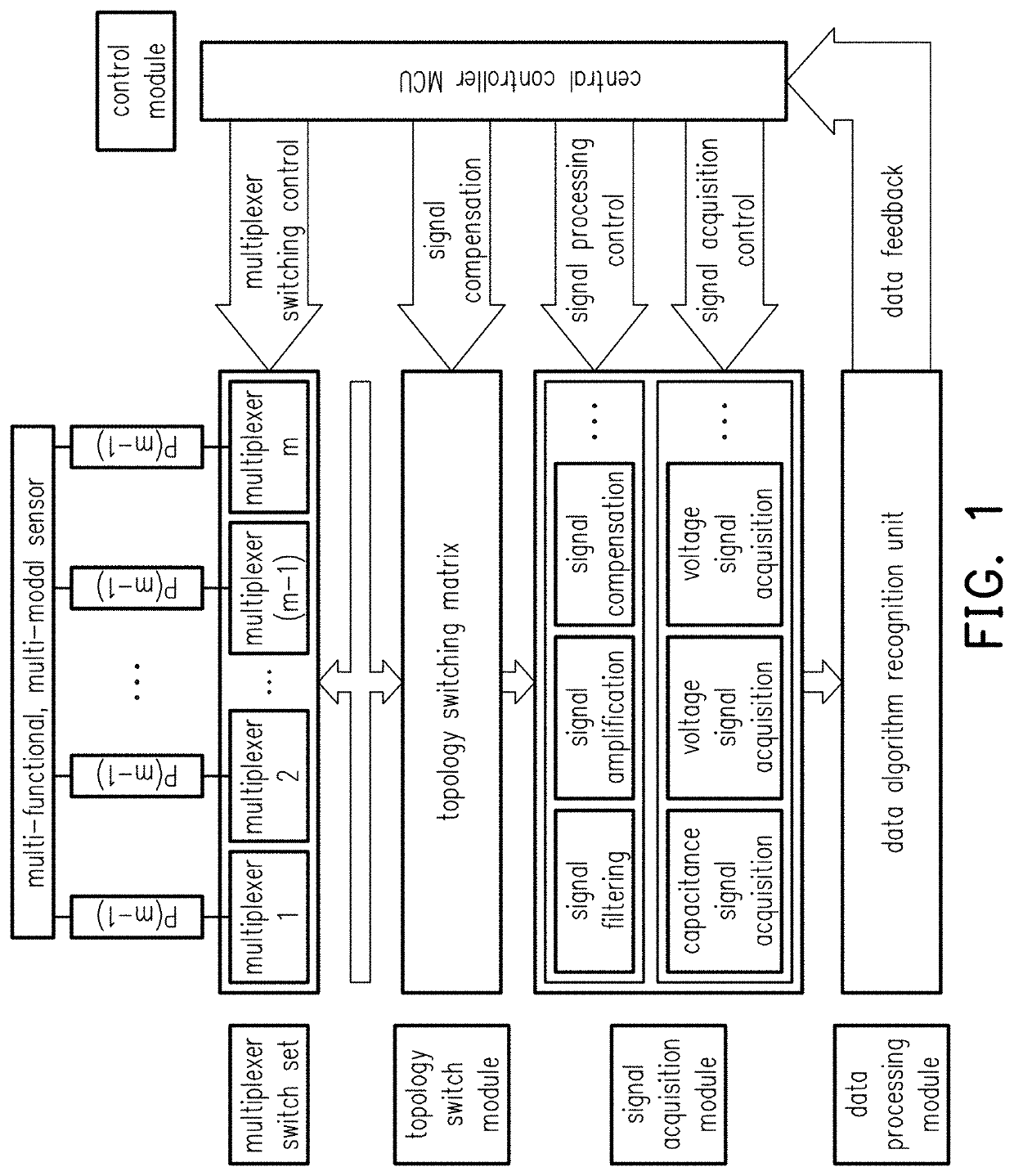
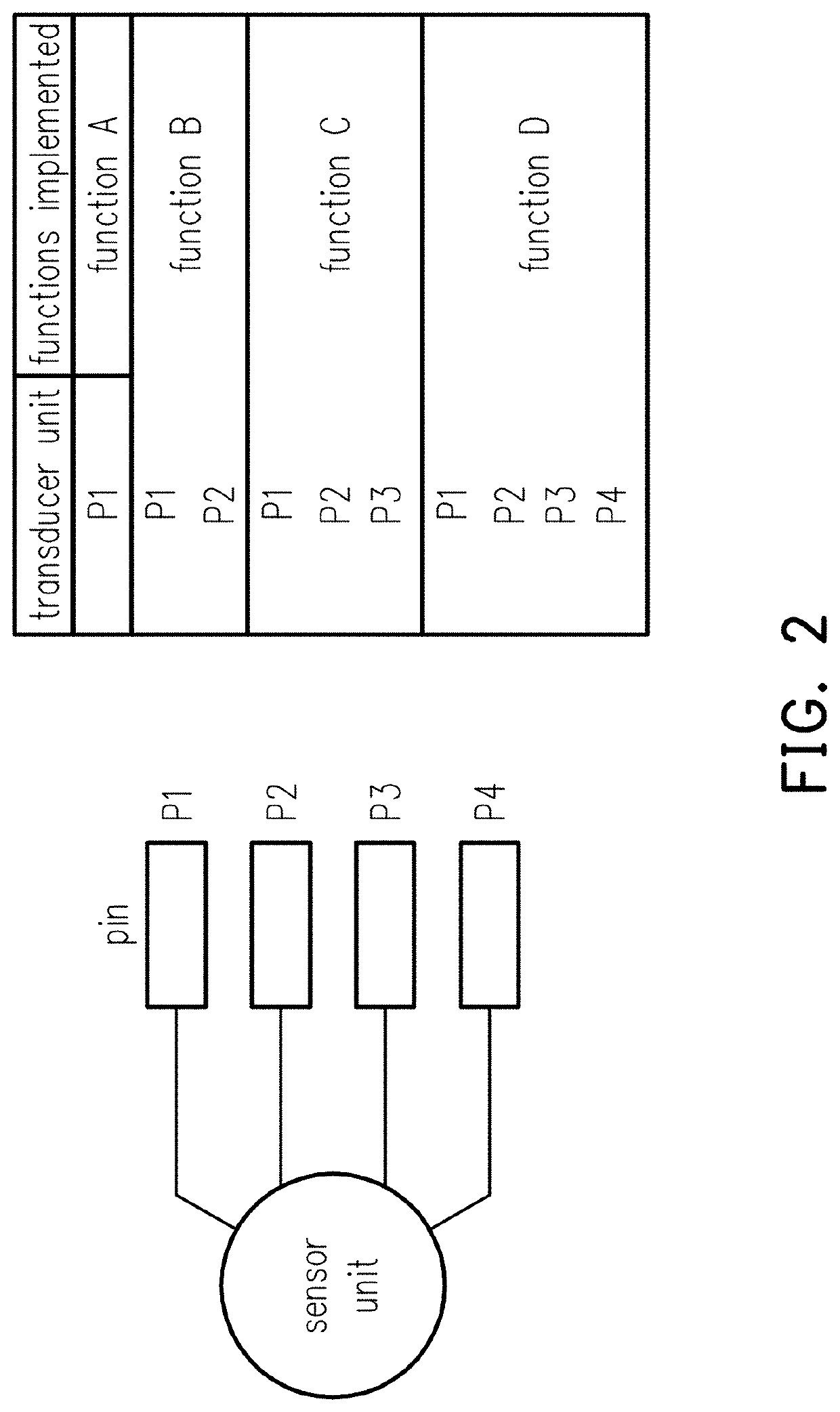
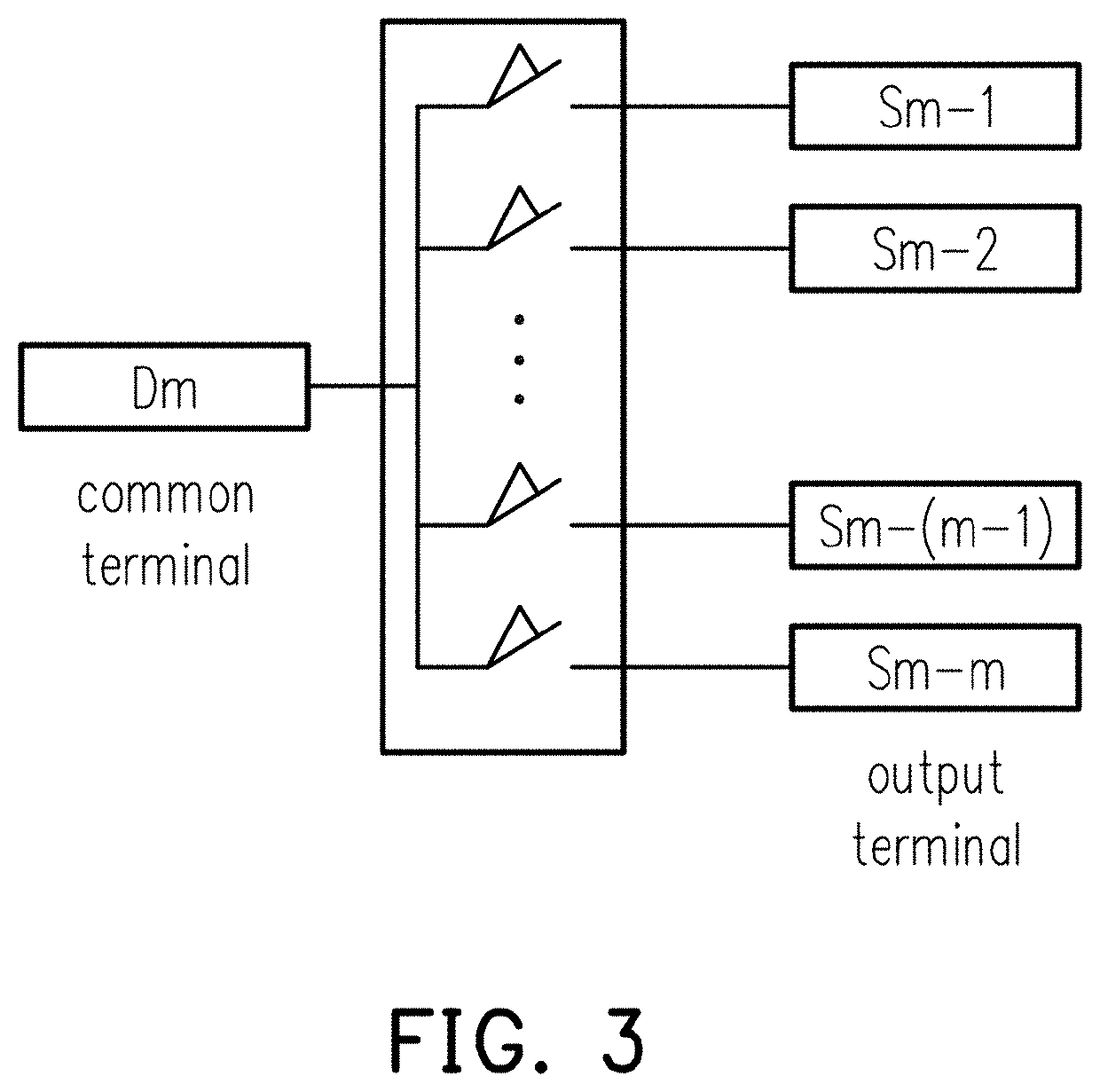
Multi-modal field-programmable metamorphic sensor and signal acquisition system
PatentActiveUS20210181002A1
Innovation
- A multi-modal field-programmable metamorphic sensor is designed with a multi-layer structure comprising an upper electrode layer, a spacer layer, and a lower electrode layer, utilizing programmable logic control of a variable topology switch to enable switching between different sensor modalities, reducing the need for multiple lead wires and improving measurement accuracy and efficiency.

Method for manufacturing high-sensitivity piezoresistive sensor using multi-level structure design
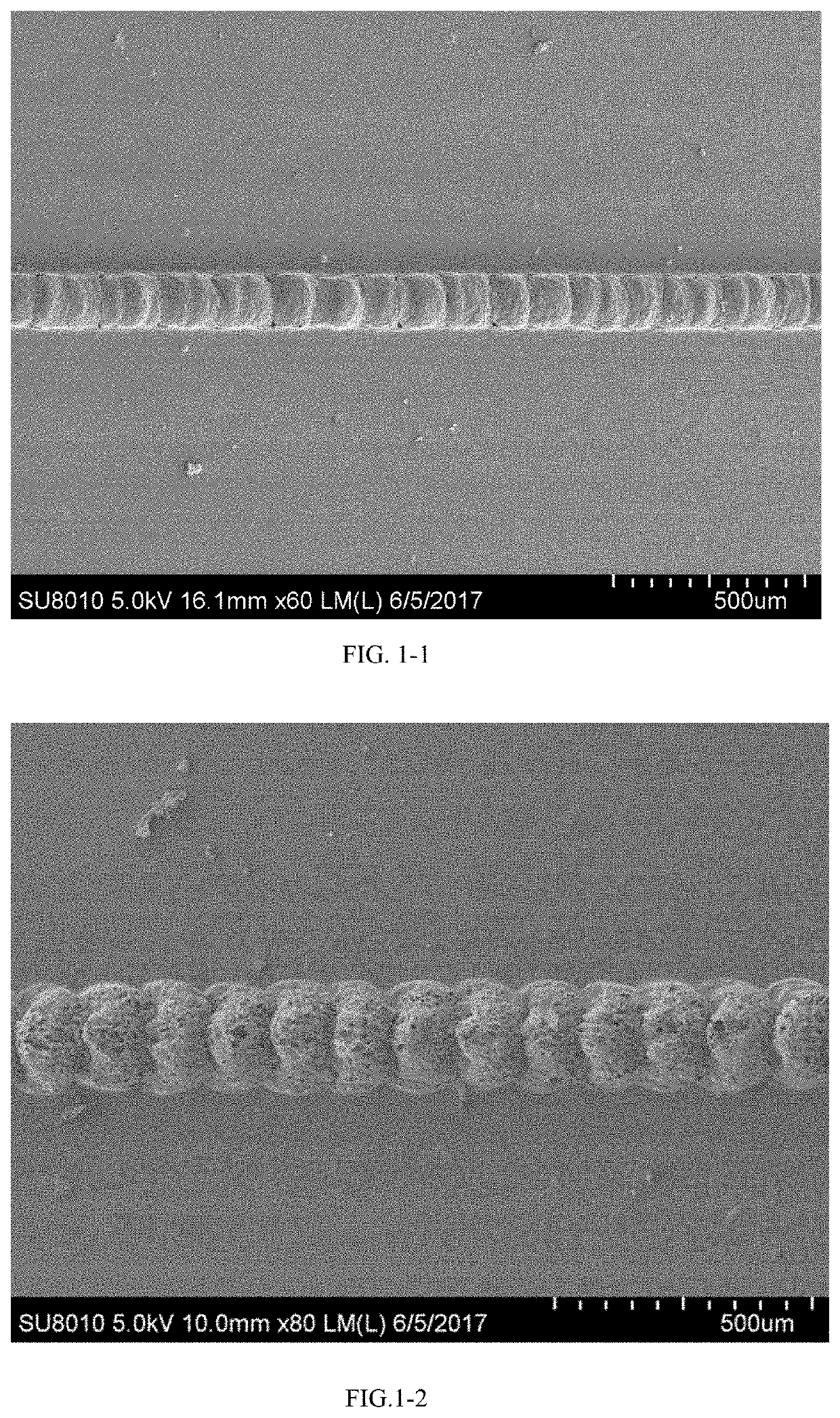
PatentInactiveUS11120930B2
Innovation
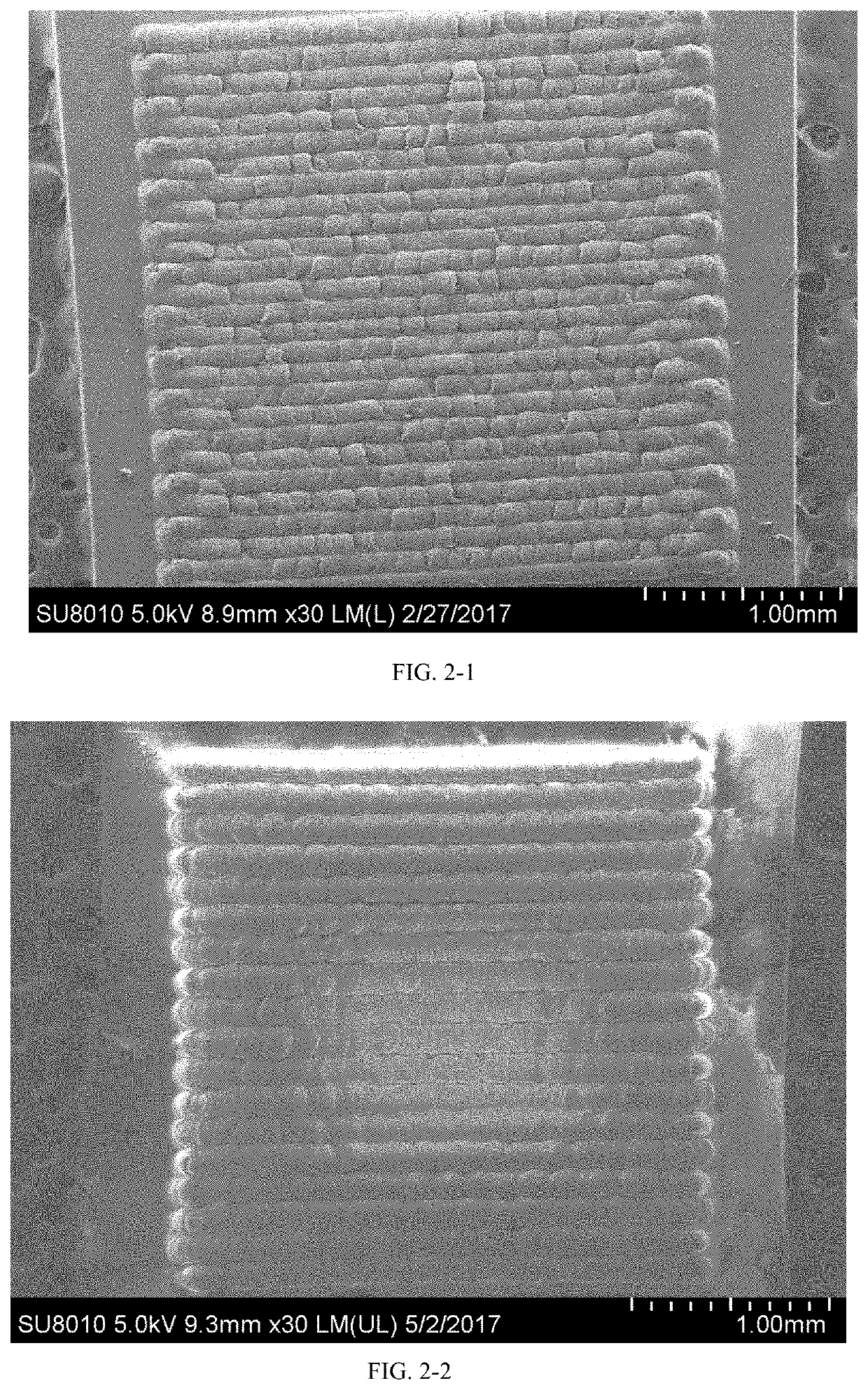
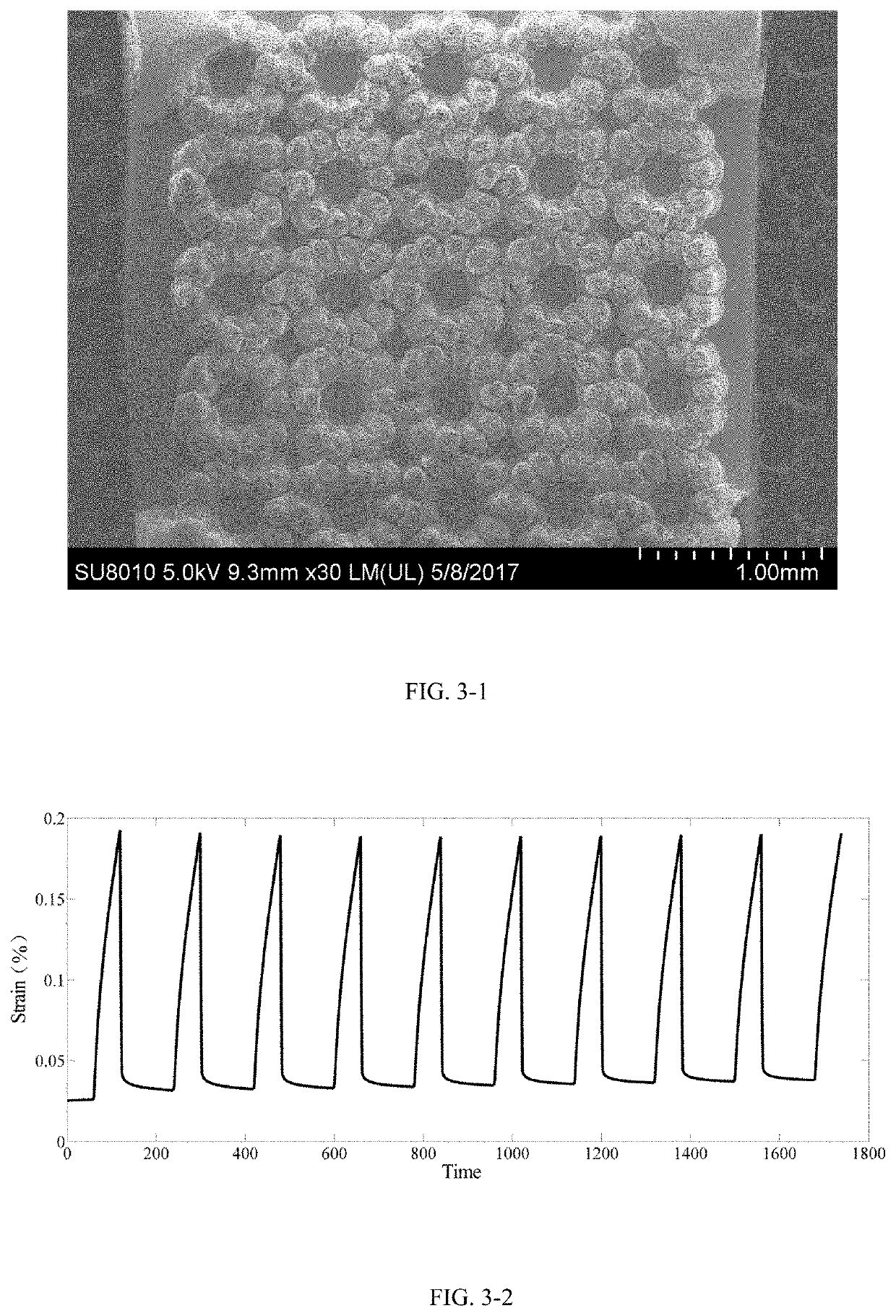
- A multi-level structure design for piezoresistive sensors is implemented, involving the formation of basic geometrical units from carbon/graphite or metal nanoparticles on a substrate, with adjustable contact connections and conductive adhesive electrodes, allowing for flexible design and high sensitivity through laser writing on a polyimide film.

Manufacturing Standards for Programmable Sensors
The manufacturing of programmable sensors requires adherence to stringent standards that ensure consistent performance, reliability, and interoperability across different applications. Current manufacturing standards for programmable sensors are evolving rapidly as the technology transitions from laboratory prototypes to commercial-scale production. These standards encompass material specifications, fabrication processes, quality control measures, and testing protocols specifically designed for sensors utilizing programmable matter.
Material standardization represents a critical foundation for programmable sensor manufacturing. Standards must define the purity levels, particle size distributions, and chemical compositions of programmable materials such as shape-memory alloys, electroactive polymers, and smart hydrogels. The International Organization for Standardization (ISO) and Institute of Electrical and Electronics Engineers (IEEE) are developing frameworks that specify acceptable tolerances for material properties, including response time, actuation force, and environmental stability parameters.
Fabrication process standards address the unique challenges of manufacturing sensors with reconfigurable components. These standards define acceptable temperature ranges, pressure conditions, and atmospheric requirements during the assembly of programmable elements. Critical parameters include layer deposition thickness for thin-film programmable materials, curing times for polymer-based systems, and alignment tolerances for multi-component sensor architectures. Process validation requirements mandate statistical process control methods to ensure reproducibility across manufacturing batches.
Quality assurance standards for programmable sensors extend beyond traditional sensor testing to include programmability verification protocols. These standards require manufacturers to demonstrate that sensors can reliably switch between different operational modes, maintain calibration accuracy across programming cycles, and exhibit consistent sensitivity levels throughout their operational lifetime. Accelerated aging tests specific to programmable materials are mandated to predict long-term performance degradation patterns.
Interoperability standards ensure that programmable sensors from different manufacturers can integrate seamlessly into larger systems. These standards define communication protocols, programming interfaces, and data format specifications that enable cross-platform compatibility. Standardized testing environments and reference materials are being established to provide consistent benchmarking capabilities for manufacturers worldwide, facilitating technology adoption and market growth.
Material standardization represents a critical foundation for programmable sensor manufacturing. Standards must define the purity levels, particle size distributions, and chemical compositions of programmable materials such as shape-memory alloys, electroactive polymers, and smart hydrogels. The International Organization for Standardization (ISO) and Institute of Electrical and Electronics Engineers (IEEE) are developing frameworks that specify acceptable tolerances for material properties, including response time, actuation force, and environmental stability parameters.
Fabrication process standards address the unique challenges of manufacturing sensors with reconfigurable components. These standards define acceptable temperature ranges, pressure conditions, and atmospheric requirements during the assembly of programmable elements. Critical parameters include layer deposition thickness for thin-film programmable materials, curing times for polymer-based systems, and alignment tolerances for multi-component sensor architectures. Process validation requirements mandate statistical process control methods to ensure reproducibility across manufacturing batches.
Quality assurance standards for programmable sensors extend beyond traditional sensor testing to include programmability verification protocols. These standards require manufacturers to demonstrate that sensors can reliably switch between different operational modes, maintain calibration accuracy across programming cycles, and exhibit consistent sensitivity levels throughout their operational lifetime. Accelerated aging tests specific to programmable materials are mandated to predict long-term performance degradation patterns.
Interoperability standards ensure that programmable sensors from different manufacturers can integrate seamlessly into larger systems. These standards define communication protocols, programming interfaces, and data format specifications that enable cross-platform compatibility. Standardized testing environments and reference materials are being established to provide consistent benchmarking capabilities for manufacturers worldwide, facilitating technology adoption and market growth.
Safety Protocols for Self-Reconfiguring Sensor Systems
The deployment of self-reconfiguring sensor systems based on programmable matter necessitates comprehensive safety protocols to mitigate risks associated with autonomous structural modifications and dynamic operational states. These protocols must address both hardware-level vulnerabilities and system-wide behavioral anomalies that could compromise sensor integrity or pose environmental hazards.
Primary safety considerations center on establishing fail-safe mechanisms that prevent uncontrolled reconfiguration events. Critical protocols include implementing hardware-level lockout systems that can immediately halt reconfiguration processes when anomalous conditions are detected. These systems must operate independently of the main control architecture to ensure reliability during system failures or cyber-security breaches.
Structural integrity monitoring represents another essential protocol layer, requiring continuous assessment of mechanical stress distribution during reconfiguration cycles. Real-time monitoring algorithms must evaluate load-bearing capacity changes and prevent configurations that exceed material stress thresholds. Emergency stabilization procedures should automatically engage when structural parameters approach critical limits.
Environmental interaction protocols must govern how self-reconfiguring sensors respond to external stimuli and potential hazards. These include establishing safe operational boundaries, implementing collision avoidance systems for mobile configurations, and defining appropriate responses to electromagnetic interference or extreme environmental conditions that could trigger unintended reconfigurations.
Data security protocols become particularly critical given the distributed nature of programmable matter systems. Encryption standards must protect reconfiguration commands and sensor data transmission, while authentication mechanisms prevent unauthorized system modifications. Regular security audits and intrusion detection systems should monitor for potential cyber-attacks targeting the reconfiguration capabilities.
Human oversight protocols establish mandatory intervention points where human operators must approve significant structural changes or operational mode transitions. These protocols should define clear escalation procedures and maintain human-in-the-loop decision making for critical safety functions, ensuring that autonomous systems remain under appropriate supervisory control while maintaining operational efficiency.
Primary safety considerations center on establishing fail-safe mechanisms that prevent uncontrolled reconfiguration events. Critical protocols include implementing hardware-level lockout systems that can immediately halt reconfiguration processes when anomalous conditions are detected. These systems must operate independently of the main control architecture to ensure reliability during system failures or cyber-security breaches.
Structural integrity monitoring represents another essential protocol layer, requiring continuous assessment of mechanical stress distribution during reconfiguration cycles. Real-time monitoring algorithms must evaluate load-bearing capacity changes and prevent configurations that exceed material stress thresholds. Emergency stabilization procedures should automatically engage when structural parameters approach critical limits.
Environmental interaction protocols must govern how self-reconfiguring sensors respond to external stimuli and potential hazards. These include establishing safe operational boundaries, implementing collision avoidance systems for mobile configurations, and defining appropriate responses to electromagnetic interference or extreme environmental conditions that could trigger unintended reconfigurations.
Data security protocols become particularly critical given the distributed nature of programmable matter systems. Encryption standards must protect reconfiguration commands and sensor data transmission, while authentication mechanisms prevent unauthorized system modifications. Regular security audits and intrusion detection systems should monitor for potential cyber-attacks targeting the reconfiguration capabilities.
Human oversight protocols establish mandatory intervention points where human operators must approve significant structural changes or operational mode transitions. These protocols should define clear escalation procedures and maintain human-in-the-loop decision making for critical safety functions, ensuring that autonomous systems remain under appropriate supervisory control while maintaining operational efficiency.
Unlock deeper insights with PatSnap Eureka Quick Research — get a full tech report to explore trends and direct your research. Try now!
Generate Your Research Report Instantly with AI Agent
Supercharge your innovation with PatSnap Eureka AI Agent Platform!