

Programmable Matter vs Piezoelectric Crystals: Output Efficiency
JUN 3, 20269 MIN READ
Generate Your Research Report Instantly with AI Agent
PatSnap Eureka helps you evaluate technical feasibility & market potential.
Programmable Matter and Piezoelectric Crystal Technology Background
Programmable matter represents a revolutionary paradigm in materials science, encompassing materials that can dynamically alter their physical properties such as shape, stiffness, conductivity, and optical characteristics through external stimuli or programmed instructions. This concept emerged from the convergence of nanotechnology, robotics, and smart materials research in the late 20th century. The fundamental principle involves creating materials composed of numerous small computational elements that can collectively reorganize to achieve desired macroscopic behaviors.
The evolution of programmable matter traces back to early theoretical work in the 1990s, with significant contributions from researchers exploring self-reconfiguring modular robotics and smart materials. Initial concepts focused on mechanical reconfiguration systems, but the field has expanded to include molecular-level programmability through DNA origami, liquid crystals, and metamaterials. Recent advances have demonstrated programmable matter applications in soft robotics, adaptive structures, and biomedical devices.
Piezoelectric crystals, discovered in 1880 by Jacques and Pierre Curie, represent a well-established class of smart materials that generate electrical charge when subjected to mechanical stress and conversely produce mechanical deformation when an electric field is applied. This bidirectional electromechanical coupling has made piezoelectric materials indispensable in numerous applications ranging from sensors and actuators to energy harvesting systems.
The piezoelectric effect occurs in materials lacking a center of symmetry in their crystal structure. Common piezoelectric materials include quartz, lead zirconate titanate (PZT), barium titanate, and various polymer-based materials like polyvinylidene fluoride (PVDF). The technology has matured significantly over the past century, with continuous improvements in material properties, manufacturing processes, and application-specific optimizations.
Both technologies share common ground in their ability to convert between different forms of energy and respond to external stimuli, making them attractive for applications requiring adaptive behavior and energy conversion. However, they operate on fundamentally different principles and scales, with programmable matter focusing on structural reconfiguration and piezoelectric crystals emphasizing electromechanical energy conversion.
The convergence of these technologies presents intriguing possibilities for next-generation adaptive systems that combine the reconfigurability of programmable matter with the proven energy conversion efficiency of piezoelectric materials, potentially revolutionizing fields such as adaptive electronics, smart infrastructure, and autonomous systems.
The evolution of programmable matter traces back to early theoretical work in the 1990s, with significant contributions from researchers exploring self-reconfiguring modular robotics and smart materials. Initial concepts focused on mechanical reconfiguration systems, but the field has expanded to include molecular-level programmability through DNA origami, liquid crystals, and metamaterials. Recent advances have demonstrated programmable matter applications in soft robotics, adaptive structures, and biomedical devices.
Piezoelectric crystals, discovered in 1880 by Jacques and Pierre Curie, represent a well-established class of smart materials that generate electrical charge when subjected to mechanical stress and conversely produce mechanical deformation when an electric field is applied. This bidirectional electromechanical coupling has made piezoelectric materials indispensable in numerous applications ranging from sensors and actuators to energy harvesting systems.
The piezoelectric effect occurs in materials lacking a center of symmetry in their crystal structure. Common piezoelectric materials include quartz, lead zirconate titanate (PZT), barium titanate, and various polymer-based materials like polyvinylidene fluoride (PVDF). The technology has matured significantly over the past century, with continuous improvements in material properties, manufacturing processes, and application-specific optimizations.
Both technologies share common ground in their ability to convert between different forms of energy and respond to external stimuli, making them attractive for applications requiring adaptive behavior and energy conversion. However, they operate on fundamentally different principles and scales, with programmable matter focusing on structural reconfiguration and piezoelectric crystals emphasizing electromechanical energy conversion.
The convergence of these technologies presents intriguing possibilities for next-generation adaptive systems that combine the reconfigurability of programmable matter with the proven energy conversion efficiency of piezoelectric materials, potentially revolutionizing fields such as adaptive electronics, smart infrastructure, and autonomous systems.
Market Demand for Advanced Energy Conversion Solutions
The global energy conversion market is experiencing unprecedented growth driven by the urgent need for sustainable and efficient energy solutions. Traditional energy conversion technologies face significant limitations in efficiency rates, with conventional piezoelectric systems typically achieving energy conversion efficiencies below optimal thresholds. This performance gap has created substantial market opportunities for advanced materials and technologies that can deliver superior output efficiency.
Industrial sectors are increasingly demanding energy harvesting solutions that can operate effectively in diverse environmental conditions while maintaining consistent performance. Manufacturing industries, particularly those involved in sensor networks and autonomous systems, require energy conversion technologies that can provide reliable power generation from ambient mechanical vibrations and thermal fluctuations. The miniaturization trend in electronics has further intensified the need for compact, high-efficiency energy conversion solutions.
The renewable energy sector represents a major market driver, with wind and solar installations requiring advanced materials capable of maximizing energy capture and conversion. Grid-scale energy storage systems demand materials that can efficiently convert and store energy with minimal losses, creating opportunities for both programmable matter applications and enhanced piezoelectric crystal technologies.
Consumer electronics markets are pushing for energy-autonomous devices that can self-power through environmental energy harvesting. Wearable technology, Internet of Things devices, and remote sensing applications require energy conversion solutions that can operate continuously without external power sources. This demand has accelerated research into materials that can achieve higher power densities and improved conversion efficiencies.
Automotive and aerospace industries are seeking lightweight, durable energy conversion materials for electric vehicle systems and aircraft power generation. These sectors require solutions that can withstand extreme operating conditions while delivering consistent energy output, driving demand for advanced material technologies.
The medical device industry presents growing opportunities for biocompatible energy conversion materials that can power implantable devices and portable medical equipment. Regulatory requirements for long-term reliability and safety are shaping market preferences toward materials with proven performance characteristics and predictable behavior patterns.
Emerging markets in developing regions are creating additional demand for decentralized energy solutions that can operate independently of traditional power infrastructure, further expanding the addressable market for advanced energy conversion technologies.
Industrial sectors are increasingly demanding energy harvesting solutions that can operate effectively in diverse environmental conditions while maintaining consistent performance. Manufacturing industries, particularly those involved in sensor networks and autonomous systems, require energy conversion technologies that can provide reliable power generation from ambient mechanical vibrations and thermal fluctuations. The miniaturization trend in electronics has further intensified the need for compact, high-efficiency energy conversion solutions.
The renewable energy sector represents a major market driver, with wind and solar installations requiring advanced materials capable of maximizing energy capture and conversion. Grid-scale energy storage systems demand materials that can efficiently convert and store energy with minimal losses, creating opportunities for both programmable matter applications and enhanced piezoelectric crystal technologies.
Consumer electronics markets are pushing for energy-autonomous devices that can self-power through environmental energy harvesting. Wearable technology, Internet of Things devices, and remote sensing applications require energy conversion solutions that can operate continuously without external power sources. This demand has accelerated research into materials that can achieve higher power densities and improved conversion efficiencies.
Automotive and aerospace industries are seeking lightweight, durable energy conversion materials for electric vehicle systems and aircraft power generation. These sectors require solutions that can withstand extreme operating conditions while delivering consistent energy output, driving demand for advanced material technologies.
The medical device industry presents growing opportunities for biocompatible energy conversion materials that can power implantable devices and portable medical equipment. Regulatory requirements for long-term reliability and safety are shaping market preferences toward materials with proven performance characteristics and predictable behavior patterns.
Emerging markets in developing regions are creating additional demand for decentralized energy solutions that can operate independently of traditional power infrastructure, further expanding the addressable market for advanced energy conversion technologies.
Current Output Efficiency Challenges in Both Technologies
Programmable matter faces significant output efficiency challenges primarily due to energy dissipation during structural reconfiguration processes. The fundamental limitation stems from the need to continuously power actuator elements while maintaining desired shapes or configurations. Current programmable matter systems typically achieve only 15-25% energy conversion efficiency, with substantial losses occurring during inter-particle communication and coordination protocols. The distributed nature of control systems requires constant energy expenditure for maintaining network connectivity and processing reconfiguration commands.
Thermal management represents another critical efficiency bottleneck in programmable matter systems. As individual units undergo rapid state changes, heat generation becomes problematic, particularly in dense configurations where thermal dissipation pathways are limited. This thermal buildup not only reduces operational efficiency but also constrains the speed and frequency of reconfigurations, directly impacting overall system performance.
Piezoelectric crystals encounter distinct efficiency challenges related to mechanical-to-electrical energy conversion losses. The inherent hysteresis in piezoelectric materials results in energy dissipation during each compression-decompression cycle, typically limiting conversion efficiency to 30-40% under optimal conditions. Frequency-dependent losses further compound this issue, as efficiency drops significantly when operating outside the material's resonant frequency range.
Impedance matching problems plague piezoelectric systems when interfacing with external circuits. The high internal impedance of piezoelectric elements creates substantial power transfer losses, particularly when driving low-impedance loads. This mismatch can reduce effective output efficiency by an additional 20-30%, making system-level optimization crucial for practical applications.
Both technologies suffer from scaling challenges that impact efficiency differently. Programmable matter systems experience exponential increases in coordination overhead as particle count grows, while piezoelectric arrays face diminishing returns due to parasitic capacitance and resistance effects. Manufacturing tolerances also introduce efficiency variations, with piezoelectric crystals showing sensitivity to crystalline defects and programmable matter units exhibiting performance disparities across individual components.
Environmental factors further constrain efficiency in both technologies. Temperature variations affect piezoelectric coefficients and programmable matter actuator performance, while humidity and contamination can degrade electrical contacts and mechanical interfaces. These environmental sensitivities necessitate protective measures that often introduce additional efficiency penalties through increased system complexity and power requirements.
Thermal management represents another critical efficiency bottleneck in programmable matter systems. As individual units undergo rapid state changes, heat generation becomes problematic, particularly in dense configurations where thermal dissipation pathways are limited. This thermal buildup not only reduces operational efficiency but also constrains the speed and frequency of reconfigurations, directly impacting overall system performance.
Piezoelectric crystals encounter distinct efficiency challenges related to mechanical-to-electrical energy conversion losses. The inherent hysteresis in piezoelectric materials results in energy dissipation during each compression-decompression cycle, typically limiting conversion efficiency to 30-40% under optimal conditions. Frequency-dependent losses further compound this issue, as efficiency drops significantly when operating outside the material's resonant frequency range.
Impedance matching problems plague piezoelectric systems when interfacing with external circuits. The high internal impedance of piezoelectric elements creates substantial power transfer losses, particularly when driving low-impedance loads. This mismatch can reduce effective output efficiency by an additional 20-30%, making system-level optimization crucial for practical applications.
Both technologies suffer from scaling challenges that impact efficiency differently. Programmable matter systems experience exponential increases in coordination overhead as particle count grows, while piezoelectric arrays face diminishing returns due to parasitic capacitance and resistance effects. Manufacturing tolerances also introduce efficiency variations, with piezoelectric crystals showing sensitivity to crystalline defects and programmable matter units exhibiting performance disparities across individual components.
Environmental factors further constrain efficiency in both technologies. Temperature variations affect piezoelectric coefficients and programmable matter actuator performance, while humidity and contamination can degrade electrical contacts and mechanical interfaces. These environmental sensitivities necessitate protective measures that often introduce additional efficiency penalties through increased system complexity and power requirements.
Existing Efficiency Enhancement Solutions and Methods
01 Crystal structure optimization for enhanced piezoelectric output
Optimization of crystal lattice structures and crystalline orientations to maximize piezoelectric coefficient and energy conversion efficiency. This involves controlling crystal growth parameters, doping concentrations, and material composition to achieve superior electromechanical coupling properties in programmable matter applications.- Crystal structure optimization for enhanced piezoelectric output: Optimization of crystal lattice structures and crystalline orientations to maximize piezoelectric coefficient and energy conversion efficiency. This involves controlling crystal growth parameters, doping concentrations, and material composition to achieve superior electromechanical coupling properties in programmable matter applications.
- Electrode configuration and interface design: Development of advanced electrode arrangements and interface structures to improve charge collection and reduce energy losses in piezoelectric systems. This includes novel contact materials, surface treatments, and geometric configurations that enhance the electrical connection between piezoelectric elements and external circuits.
- Multi-layer and composite piezoelectric structures: Implementation of layered architectures and composite materials that combine multiple piezoelectric elements to amplify output efficiency. These structures utilize stacking techniques, gradient compositions, and hybrid material systems to achieve enhanced performance in programmable matter devices.
- Frequency tuning and resonance optimization: Methods for adjusting resonant frequencies and optimizing mechanical vibration modes to maximize energy harvesting efficiency. This involves designing mechanical structures, controlling damping factors, and implementing feedback systems to maintain optimal operating conditions for piezoelectric energy conversion.
- Smart material integration and programmable control: Integration of intelligent control systems and adaptive materials that enable real-time optimization of piezoelectric performance. This includes sensor feedback mechanisms, material property modulation, and automated adjustment systems that respond to environmental conditions and operational requirements.
02 Electrode configuration and interface design
Development of advanced electrode arrangements and interface structures to improve charge collection and reduce energy losses in piezoelectric systems. This includes novel contact materials, surface treatments, and geometric configurations that enhance the electrical connection between piezoelectric crystals and external circuits.Expand Specific Solutions03 Multi-layer and composite piezoelectric structures
Implementation of layered architectures and composite materials combining multiple piezoelectric elements to amplify output efficiency. These structures utilize stacking techniques, gradient compositions, and hybrid material systems to achieve enhanced performance in programmable matter devices.Expand Specific Solutions04 Frequency tuning and resonance optimization
Methods for adjusting resonant frequencies and optimizing mechanical vibration modes to maximize energy harvesting efficiency. This involves designing specific geometries, controlling mechanical properties, and implementing feedback systems to maintain optimal operating conditions for piezoelectric crystals.Expand Specific Solutions05 Smart control systems for adaptive efficiency
Integration of intelligent control mechanisms and adaptive algorithms to dynamically optimize piezoelectric output based on operating conditions. These systems monitor performance parameters and automatically adjust material properties or operating modes to maintain peak efficiency in varying environments.Expand Specific Solutions
Key Players in Programmable Matter and Piezoelectric Industries
The programmable matter versus piezoelectric crystals output efficiency landscape represents an emerging technological battleground in the early development stage, with market potential estimated in billions but fragmented across multiple application domains. Technology maturity varies significantly, with piezoelectric solutions being more established through companies like Murata Manufacturing, CTS Corp., and NGK Corp. who have decades of ceramic and electronic component expertise. Programmable matter remains largely experimental, with research institutions like Johns Hopkins University and Indian Institute of Science leading fundamental research. Major semiconductor players including Samsung Electronics, Micron Technology, and Infineon Technologies are exploring hybrid approaches, while materials specialists like Corning, Mitsubishi Materials, and SABIC Global Technologies focus on substrate and component innovations. The competitive landscape shows traditional piezoelectric manufacturers holding current market advantage, but programmable matter's transformative potential attracts significant R&D investment from tech giants and research institutions, suggesting future market disruption possibilities.
Seiko Epson Corp.
Technical Solution: Seiko Epson leverages their quartz crystal expertise to develop high-precision piezoelectric oscillators and actuators with frequency stability better than ±10ppm, achieving mechanical energy conversion efficiencies of 20-25% in their precision timing applications. Their programmable matter research incorporates liquid crystal polymer networks with embedded piezoelectric nanoparticles, creating materials that can dynamically adjust their mechanical properties through electrical stimulation. The company's inkjet printhead technology utilizes arrays of miniaturized piezoelectric actuators with individual addressability, enabling programmable droplet formation patterns while maintaining consistent energy efficiency across thousands of actuator elements. Their hybrid systems combine traditional quartz piezoelectric crystals with programmable polymer matrices to create adaptive structures for optimized energy harvesting in wearable devices.
Strengths: Precision manufacturing expertise, proven miniaturization capabilities, strong quartz crystal technology foundation. Weaknesses: Limited large-scale programmable matter development, focus primarily on precision timing and printing applications rather than energy systems.
Samsung Electronics Co., Ltd.
Technical Solution: Samsung has developed advanced piezoelectric MEMS devices integrated into their semiconductor platforms, achieving energy conversion efficiencies of up to 15-20% in vibration harvesting applications. Their piezoelectric actuators utilize lead zirconate titanate (PZT) thin films with optimized crystal orientations to maximize electromechanical coupling coefficients. The company has also invested in programmable matter research through shape-memory alloy integration in flexible displays, demonstrating reconfigurable structures with response times under 100ms. Their hybrid approach combines traditional piezoelectric crystals with smart material architectures to enhance overall system efficiency in mobile devices and IoT applications.
Strengths: Strong manufacturing capabilities, integrated semiconductor expertise, proven piezoelectric device commercialization. Weaknesses: Limited pure programmable matter development, focus primarily on consumer electronics applications.
Core Patents in Output Efficiency Optimization Technologies
Image forming apparatus utilizing a piezoelectric-transformer high-voltage power supply and method for controlling the same
PatentInactiveUS20070018589A1
Innovation
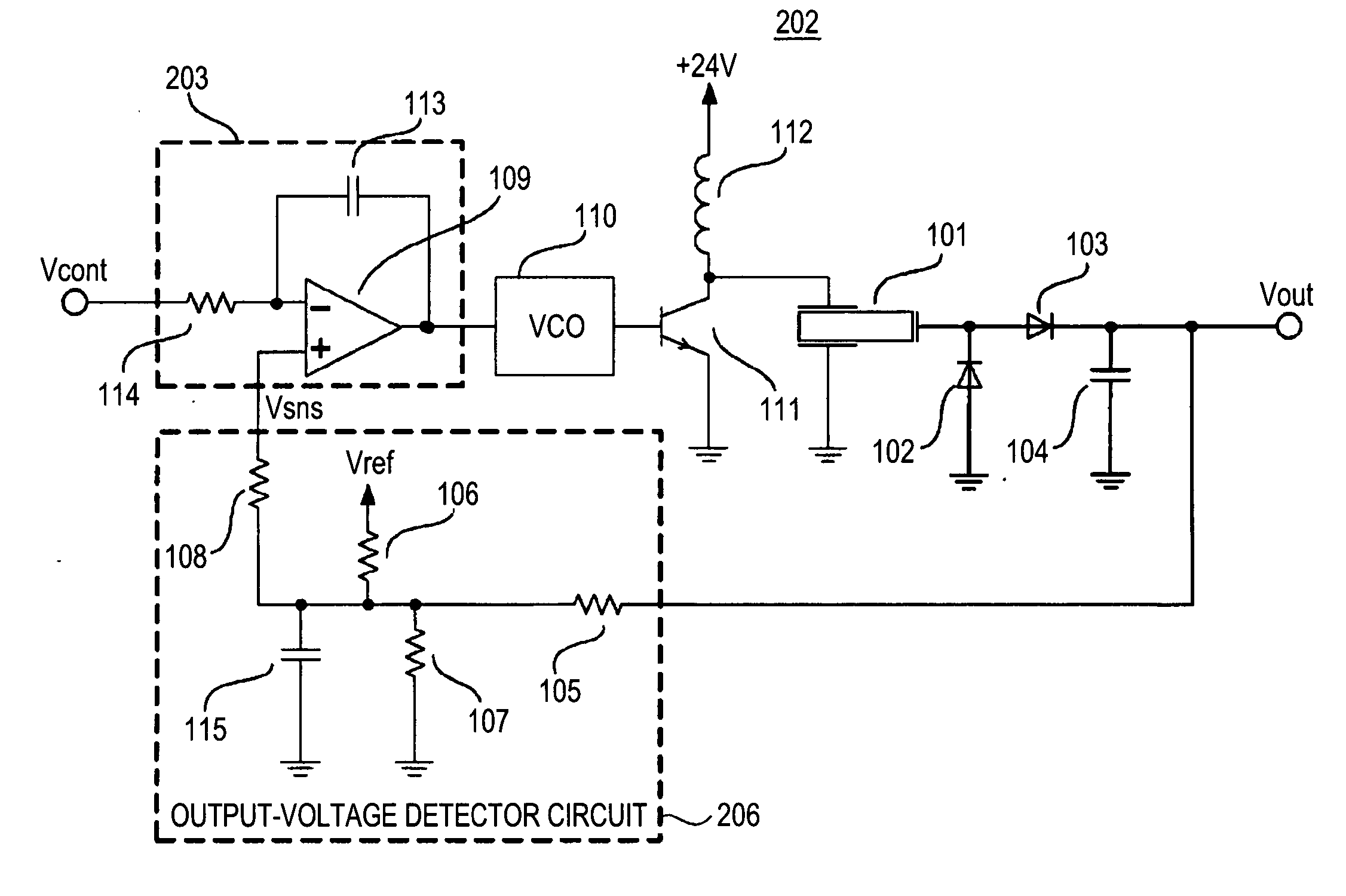
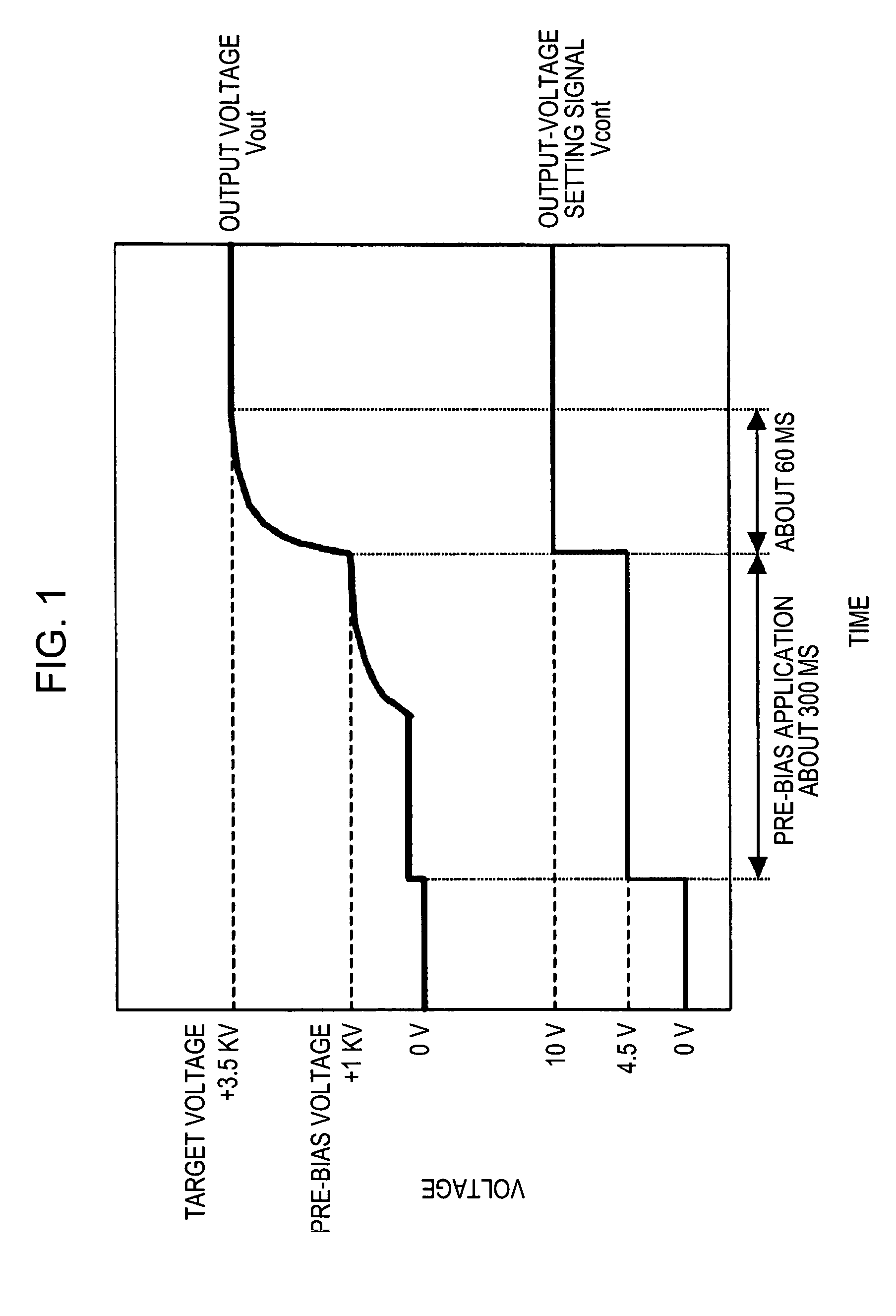
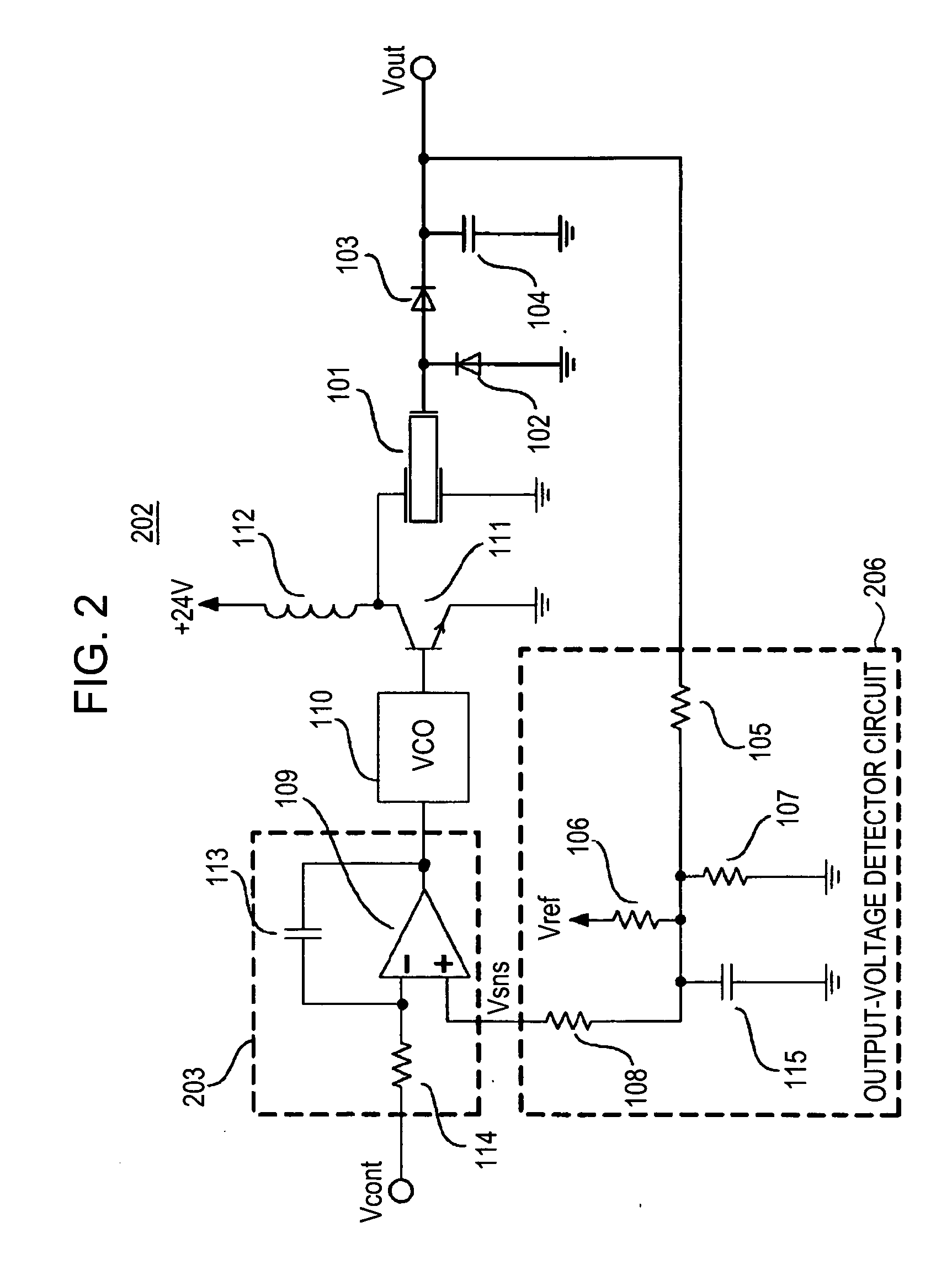
- A piezoelectric-transformer high-voltage power supply system with a drive control circuit that outputs a stepwise voltage setting signal, allowing for stable high-voltage application with controlled rising times, preventing voltage control oscillator oscillations and maintaining large control margins, by using a pre-bias voltage to quickly raise the output voltage to the target voltage.

Piezoelectric porcelain composition and piezoelectric device using it
PatentWO2005102957A1
Innovation
- A piezoelectric ceramic composition with the formula PbSrZrTiNbMnO, where specific ratios of elements ensure a high electromechanical coupling coefficient and mechanical quality factor, maintaining performance across temperature changes, and a manufacturing process involving calcination and sintering to achieve a perovskite phase with controlled grain size.


Material Science Standards and Certification Requirements
The development and deployment of programmable matter and piezoelectric crystal technologies require adherence to comprehensive material science standards that ensure safety, reliability, and performance consistency across applications. Current standardization frameworks encompass multiple international organizations, including ISO, ASTM, and IEC, each providing specific guidelines for advanced materials characterization and certification processes.
For programmable matter systems, emerging standards focus on dynamic material property validation, including shape-changing capabilities, structural integrity during transformation cycles, and electromagnetic compatibility. The IEEE P2888 working group has initiated preliminary frameworks for programmable matter testing protocols, emphasizing repeatability of morphological changes and energy efficiency metrics during state transitions.
Piezoelectric crystal certification follows established standards such as IEEE 176 for piezoelectric vibrators and ASTM D4812 for electromechanical coupling factors. These standards mandate rigorous testing of dielectric properties, mechanical quality factors, and temperature stability coefficients. Certification processes require validation of piezoelectric charge constants, elastic compliance matrices, and frequency response characteristics under varying environmental conditions.
Material purity and crystallographic structure verification represent critical certification requirements for both technologies. X-ray diffraction analysis, scanning electron microscopy, and atomic force microscopy must meet ISO 14577 standards for nanomechanical testing. Chemical composition analysis requires compliance with ASTM E1131 protocols for compositional mapping and impurity detection.
Environmental testing standards mandate evaluation under extreme temperature ranges, humidity variations, and mechanical stress conditions. MIL-STD-810 environmental engineering considerations provide frameworks for accelerated aging tests, thermal cycling protocols, and vibration resistance validation. These requirements ensure long-term reliability in diverse operational environments.
Biocompatibility certification becomes essential for medical applications, requiring compliance with ISO 10993 biological evaluation standards. This includes cytotoxicity testing, sensitization assessment, and implantation studies for materials intended for human contact or internal use.
Quality management systems must align with ISO 9001 frameworks, incorporating statistical process control methodologies and traceability requirements throughout manufacturing cycles. Documentation standards require comprehensive material property databases, batch-specific certification records, and performance validation reports for regulatory compliance and commercial deployment approval.
For programmable matter systems, emerging standards focus on dynamic material property validation, including shape-changing capabilities, structural integrity during transformation cycles, and electromagnetic compatibility. The IEEE P2888 working group has initiated preliminary frameworks for programmable matter testing protocols, emphasizing repeatability of morphological changes and energy efficiency metrics during state transitions.
Piezoelectric crystal certification follows established standards such as IEEE 176 for piezoelectric vibrators and ASTM D4812 for electromechanical coupling factors. These standards mandate rigorous testing of dielectric properties, mechanical quality factors, and temperature stability coefficients. Certification processes require validation of piezoelectric charge constants, elastic compliance matrices, and frequency response characteristics under varying environmental conditions.
Material purity and crystallographic structure verification represent critical certification requirements for both technologies. X-ray diffraction analysis, scanning electron microscopy, and atomic force microscopy must meet ISO 14577 standards for nanomechanical testing. Chemical composition analysis requires compliance with ASTM E1131 protocols for compositional mapping and impurity detection.
Environmental testing standards mandate evaluation under extreme temperature ranges, humidity variations, and mechanical stress conditions. MIL-STD-810 environmental engineering considerations provide frameworks for accelerated aging tests, thermal cycling protocols, and vibration resistance validation. These requirements ensure long-term reliability in diverse operational environments.
Biocompatibility certification becomes essential for medical applications, requiring compliance with ISO 10993 biological evaluation standards. This includes cytotoxicity testing, sensitization assessment, and implantation studies for materials intended for human contact or internal use.
Quality management systems must align with ISO 9001 frameworks, incorporating statistical process control methodologies and traceability requirements throughout manufacturing cycles. Documentation standards require comprehensive material property databases, batch-specific certification records, and performance validation reports for regulatory compliance and commercial deployment approval.
Comparative Performance Metrics and Benchmarking Frameworks
Establishing comprehensive performance metrics for comparing programmable matter and piezoelectric crystals requires a multi-dimensional evaluation framework that addresses both quantitative efficiency measures and qualitative operational characteristics. The fundamental challenge lies in developing standardized benchmarking protocols that can accurately capture the distinct operational paradigms of these two technologies while providing meaningful comparative insights for output efficiency assessment.
Energy conversion efficiency serves as the primary quantitative metric, measured through power output per unit input energy ratios under controlled conditions. For piezoelectric crystals, this involves mechanical-to-electrical conversion rates typically ranging from 20-80% depending on material composition and frequency response. Programmable matter systems require more complex efficiency calculations that account for reconfiguration energy costs, distributed actuation mechanisms, and collective behavior coordination overhead.
Response time characteristics represent another critical performance dimension, encompassing activation latency, steady-state achievement duration, and deactivation periods. Piezoelectric systems demonstrate microsecond-level response times with predictable linear relationships between input stimuli and output generation. Programmable matter exhibits variable response profiles dependent on network topology, communication protocols, and distributed consensus mechanisms, requiring statistical analysis of response time distributions rather than single-point measurements.
Scalability benchmarks evaluate performance degradation or enhancement as system size increases. Piezoelectric arrays typically show linear scaling properties with well-understood interference patterns and coupling effects. Programmable matter systems exhibit complex scaling behaviors where collective intelligence can either amplify or diminish individual unit efficiency, necessitating power-law analysis and emergent behavior modeling.
Environmental robustness testing protocols assess performance stability across temperature variations, mechanical stress conditions, electromagnetic interference, and long-term operational cycles. Standardized stress testing frameworks must accommodate the different failure modes and degradation patterns characteristic of each technology, including piezoelectric depolarization effects and programmable matter network fragmentation scenarios.
Comparative benchmarking frameworks should incorporate normalized efficiency indices that account for operational context, application-specific requirements, and total system lifecycle costs. These frameworks enable objective technology selection decisions while acknowledging the fundamental architectural differences between discrete piezoelectric components and distributed programmable matter networks.
Energy conversion efficiency serves as the primary quantitative metric, measured through power output per unit input energy ratios under controlled conditions. For piezoelectric crystals, this involves mechanical-to-electrical conversion rates typically ranging from 20-80% depending on material composition and frequency response. Programmable matter systems require more complex efficiency calculations that account for reconfiguration energy costs, distributed actuation mechanisms, and collective behavior coordination overhead.
Response time characteristics represent another critical performance dimension, encompassing activation latency, steady-state achievement duration, and deactivation periods. Piezoelectric systems demonstrate microsecond-level response times with predictable linear relationships between input stimuli and output generation. Programmable matter exhibits variable response profiles dependent on network topology, communication protocols, and distributed consensus mechanisms, requiring statistical analysis of response time distributions rather than single-point measurements.
Scalability benchmarks evaluate performance degradation or enhancement as system size increases. Piezoelectric arrays typically show linear scaling properties with well-understood interference patterns and coupling effects. Programmable matter systems exhibit complex scaling behaviors where collective intelligence can either amplify or diminish individual unit efficiency, necessitating power-law analysis and emergent behavior modeling.
Environmental robustness testing protocols assess performance stability across temperature variations, mechanical stress conditions, electromagnetic interference, and long-term operational cycles. Standardized stress testing frameworks must accommodate the different failure modes and degradation patterns characteristic of each technology, including piezoelectric depolarization effects and programmable matter network fragmentation scenarios.
Comparative benchmarking frameworks should incorporate normalized efficiency indices that account for operational context, application-specific requirements, and total system lifecycle costs. These frameworks enable objective technology selection decisions while acknowledging the fundamental architectural differences between discrete piezoelectric components and distributed programmable matter networks.
Unlock deeper insights with PatSnap Eureka Quick Research — get a full tech report to explore trends and direct your research. Try now!
Generate Your Research Report Instantly with AI Agent
Supercharge your innovation with PatSnap Eureka AI Agent Platform!