

How to Customize Spike Coding for Specific Applications
APR 24, 20269 MIN READ
Generate Your Research Report Instantly with AI Agent
Patsnap Eureka helps you evaluate technical feasibility & market potential.
Spike Coding Background and Application Goals
Spike coding represents a fundamental paradigm in neuromorphic computing that mimics the temporal information processing mechanisms of biological neural networks. Unlike traditional artificial neural networks that rely on continuous activation values, spike coding utilizes discrete temporal events to encode and transmit information. This approach draws inspiration from how biological neurons communicate through action potentials, creating a more energy-efficient and temporally precise computational framework.
The historical development of spike coding traces back to early neuroscience research in the 1950s and 1960s, when scientists first began understanding how neurons encode information through spike timing patterns. The transition from theoretical neuroscience concepts to practical computational applications gained momentum in the 1990s with the emergence of spiking neural networks. The field experienced significant acceleration in the 2000s as researchers recognized the potential for creating brain-inspired computing architectures that could overcome the limitations of traditional von Neumann computing systems.
Modern spike coding has evolved beyond simple rate-based encoding to encompass sophisticated temporal coding schemes including time-to-first-spike, inter-spike interval coding, and population vector coding. These diverse encoding strategies enable the representation of complex information patterns while maintaining the inherent advantages of event-driven processing. The development trajectory shows a clear progression from basic integrate-and-fire models to complex multi-compartment neuron models that capture intricate temporal dynamics.
The primary technical objectives driving spike coding research center on achieving ultra-low power consumption, real-time processing capabilities, and adaptive learning mechanisms. These goals align with the growing demand for edge computing solutions that can process sensory data with minimal energy overhead. The technology aims to bridge the gap between biological intelligence and artificial systems by leveraging temporal sparsity and event-driven computation.
Contemporary applications span diverse domains including robotics, autonomous systems, sensory processing, and brain-computer interfaces. The customization potential lies in adapting encoding schemes, network topologies, and learning algorithms to specific application requirements, enabling optimized performance for particular use cases while maintaining the fundamental advantages of spike-based computation.
The historical development of spike coding traces back to early neuroscience research in the 1950s and 1960s, when scientists first began understanding how neurons encode information through spike timing patterns. The transition from theoretical neuroscience concepts to practical computational applications gained momentum in the 1990s with the emergence of spiking neural networks. The field experienced significant acceleration in the 2000s as researchers recognized the potential for creating brain-inspired computing architectures that could overcome the limitations of traditional von Neumann computing systems.
Modern spike coding has evolved beyond simple rate-based encoding to encompass sophisticated temporal coding schemes including time-to-first-spike, inter-spike interval coding, and population vector coding. These diverse encoding strategies enable the representation of complex information patterns while maintaining the inherent advantages of event-driven processing. The development trajectory shows a clear progression from basic integrate-and-fire models to complex multi-compartment neuron models that capture intricate temporal dynamics.
The primary technical objectives driving spike coding research center on achieving ultra-low power consumption, real-time processing capabilities, and adaptive learning mechanisms. These goals align with the growing demand for edge computing solutions that can process sensory data with minimal energy overhead. The technology aims to bridge the gap between biological intelligence and artificial systems by leveraging temporal sparsity and event-driven computation.
Contemporary applications span diverse domains including robotics, autonomous systems, sensory processing, and brain-computer interfaces. The customization potential lies in adapting encoding schemes, network topologies, and learning algorithms to specific application requirements, enabling optimized performance for particular use cases while maintaining the fundamental advantages of spike-based computation.
Market Demand for Neuromorphic Computing Solutions
The neuromorphic computing market is experiencing unprecedented growth driven by the increasing demand for energy-efficient artificial intelligence solutions across multiple industries. Traditional von Neumann architectures face significant limitations in handling the massive parallel processing requirements of modern AI applications, creating substantial market opportunities for brain-inspired computing paradigms that leverage customized spike coding mechanisms.
Healthcare and medical device sectors represent one of the most promising markets for neuromorphic solutions utilizing specialized spike coding. Neural prosthetics, brain-computer interfaces, and real-time medical monitoring systems require ultra-low power consumption and real-time processing capabilities that traditional processors cannot efficiently deliver. The ability to customize spike coding patterns for specific neural signal interpretation and medical device applications has created substantial demand from medical technology companies seeking competitive advantages in portable and implantable devices.
Autonomous vehicle manufacturers and robotics companies constitute another major market segment driving demand for customizable neuromorphic computing solutions. These applications require real-time sensory processing, adaptive learning capabilities, and robust decision-making systems that can operate under strict power and latency constraints. Customized spike coding enables these systems to process visual, auditory, and sensor data more efficiently than conventional digital signal processing approaches.
The Internet of Things and edge computing markets are increasingly seeking neuromorphic solutions that can perform intelligent processing at the network edge without relying on cloud connectivity. Smart sensors, industrial monitoring systems, and consumer electronics require adaptive processing capabilities that can learn and respond to environmental changes while maintaining minimal power consumption. Customizable spike coding allows these devices to optimize their processing patterns for specific application requirements and operational environments.
Defense and aerospace industries represent high-value market segments with specific requirements for radiation-hardened, low-power computing solutions capable of autonomous operation in challenging environments. These applications demand highly specialized spike coding implementations that can maintain reliable performance under extreme conditions while providing adaptive intelligence capabilities for mission-critical operations.
The growing emphasis on sustainable computing and carbon footprint reduction across industries has created additional market demand for neuromorphic solutions. Organizations seeking to reduce their computational energy consumption while maintaining or improving performance capabilities are increasingly evaluating neuromorphic alternatives to traditional computing architectures, particularly those offering application-specific spike coding optimizations.
Healthcare and medical device sectors represent one of the most promising markets for neuromorphic solutions utilizing specialized spike coding. Neural prosthetics, brain-computer interfaces, and real-time medical monitoring systems require ultra-low power consumption and real-time processing capabilities that traditional processors cannot efficiently deliver. The ability to customize spike coding patterns for specific neural signal interpretation and medical device applications has created substantial demand from medical technology companies seeking competitive advantages in portable and implantable devices.
Autonomous vehicle manufacturers and robotics companies constitute another major market segment driving demand for customizable neuromorphic computing solutions. These applications require real-time sensory processing, adaptive learning capabilities, and robust decision-making systems that can operate under strict power and latency constraints. Customized spike coding enables these systems to process visual, auditory, and sensor data more efficiently than conventional digital signal processing approaches.
The Internet of Things and edge computing markets are increasingly seeking neuromorphic solutions that can perform intelligent processing at the network edge without relying on cloud connectivity. Smart sensors, industrial monitoring systems, and consumer electronics require adaptive processing capabilities that can learn and respond to environmental changes while maintaining minimal power consumption. Customizable spike coding allows these devices to optimize their processing patterns for specific application requirements and operational environments.
Defense and aerospace industries represent high-value market segments with specific requirements for radiation-hardened, low-power computing solutions capable of autonomous operation in challenging environments. These applications demand highly specialized spike coding implementations that can maintain reliable performance under extreme conditions while providing adaptive intelligence capabilities for mission-critical operations.
The growing emphasis on sustainable computing and carbon footprint reduction across industries has created additional market demand for neuromorphic solutions. Organizations seeking to reduce their computational energy consumption while maintaining or improving performance capabilities are increasingly evaluating neuromorphic alternatives to traditional computing architectures, particularly those offering application-specific spike coding optimizations.
Current State of Spike Coding Customization
The current landscape of spike coding customization presents a complex ecosystem of evolving methodologies and implementation strategies. Traditional spike coding approaches have primarily focused on generic temporal encoding schemes, but recent developments demonstrate a significant shift toward application-specific optimization frameworks. Contemporary research reveals that customization efforts are concentrated in three primary domains: neuromorphic computing applications, bio-signal processing systems, and real-time sensory data encoding platforms.
Existing customization frameworks predominantly rely on parameter tuning methodologies rather than fundamental architectural modifications. Most current implementations utilize adaptive threshold mechanisms, variable refractory periods, and dynamic spike generation rules to achieve application-specific performance. However, these approaches often lack systematic design principles, resulting in suboptimal performance across diverse application scenarios.
The geographical distribution of spike coding customization research shows concentrated activity in North America and Europe, with emerging contributions from Asia-Pacific regions. Leading research institutions have developed proprietary customization toolkits, but standardized methodologies remain fragmented across different research communities. This fragmentation creates significant barriers for cross-platform compatibility and reproducible research outcomes.
Current technical challenges center around the trade-off between encoding efficiency and computational complexity. Many existing customization approaches suffer from increased processing overhead, limiting their applicability in resource-constrained environments. Additionally, the lack of unified performance metrics makes it difficult to evaluate the effectiveness of different customization strategies across various application domains.
Recent advances in machine learning-assisted spike coding customization show promising results, with several research groups developing automated parameter optimization systems. These systems utilize reinforcement learning and evolutionary algorithms to identify optimal spike coding configurations for specific applications. However, most of these solutions remain in experimental stages and lack comprehensive validation across real-world deployment scenarios.
The integration of hardware-software co-design principles represents another significant development in current customization efforts. Several neuromorphic chip manufacturers have introduced programmable spike coding units that enable runtime customization capabilities. These hardware-accelerated solutions demonstrate improved performance characteristics but require specialized development expertise and significant implementation costs.
Despite these advances, current spike coding customization methodologies face substantial limitations in scalability and generalizability. Most existing solutions are tailored for narrow application domains and struggle to maintain performance when deployed across diverse operational contexts.
Existing customization frameworks predominantly rely on parameter tuning methodologies rather than fundamental architectural modifications. Most current implementations utilize adaptive threshold mechanisms, variable refractory periods, and dynamic spike generation rules to achieve application-specific performance. However, these approaches often lack systematic design principles, resulting in suboptimal performance across diverse application scenarios.
The geographical distribution of spike coding customization research shows concentrated activity in North America and Europe, with emerging contributions from Asia-Pacific regions. Leading research institutions have developed proprietary customization toolkits, but standardized methodologies remain fragmented across different research communities. This fragmentation creates significant barriers for cross-platform compatibility and reproducible research outcomes.
Current technical challenges center around the trade-off between encoding efficiency and computational complexity. Many existing customization approaches suffer from increased processing overhead, limiting their applicability in resource-constrained environments. Additionally, the lack of unified performance metrics makes it difficult to evaluate the effectiveness of different customization strategies across various application domains.
Recent advances in machine learning-assisted spike coding customization show promising results, with several research groups developing automated parameter optimization systems. These systems utilize reinforcement learning and evolutionary algorithms to identify optimal spike coding configurations for specific applications. However, most of these solutions remain in experimental stages and lack comprehensive validation across real-world deployment scenarios.
The integration of hardware-software co-design principles represents another significant development in current customization efforts. Several neuromorphic chip manufacturers have introduced programmable spike coding units that enable runtime customization capabilities. These hardware-accelerated solutions demonstrate improved performance characteristics but require specialized development expertise and significant implementation costs.
Despite these advances, current spike coding customization methodologies face substantial limitations in scalability and generalizability. Most existing solutions are tailored for narrow application domains and struggle to maintain performance when deployed across diverse operational contexts.
Existing Spike Coding Customization Methods
01 Spike encoding methods for neural networks
Various spike encoding techniques are used to convert analog signals or data into spike trains for processing in spiking neural networks. These methods include rate coding, temporal coding, and population coding schemes that transform input information into sequences of spikes with specific timing patterns. The encoding strategies enable efficient information representation and processing in neuromorphic computing systems.- Spiking neural network architectures and implementations: This category covers the fundamental architectures and hardware implementations of spiking neural networks that utilize spike coding mechanisms. These systems process information through discrete spike events that mimic biological neural activity, enabling efficient computation and pattern recognition. The implementations include various network topologies, neuron models, and synaptic plasticity mechanisms designed to encode and decode information through temporal spike patterns.
- Temporal spike encoding and decoding methods: This classification focuses on techniques for encoding input data into spike trains and decoding spike patterns back into meaningful outputs. Various temporal coding schemes are employed to represent information through the precise timing of spikes, inter-spike intervals, or spike rate modulation. These methods enable efficient information transmission and processing in neuromorphic systems while maintaining biological plausibility.
- Spike-based learning algorithms and plasticity rules: This category encompasses learning mechanisms and plasticity rules specifically designed for spike-based neural networks. These algorithms leverage spike timing-dependent plasticity and other biologically-inspired learning rules to adjust synaptic weights based on the temporal correlation of pre- and post-synaptic spikes. The methods enable unsupervised and supervised learning in spiking neural networks for various applications.
- Neuromorphic hardware and circuit designs for spike processing: This classification covers specialized hardware circuits and neuromorphic chip designs optimized for spike-based computation. These implementations include analog and digital circuits that efficiently generate, transmit, and process spike events with low power consumption. The designs often incorporate event-driven architectures and asynchronous communication protocols to maximize energy efficiency.
- Applications of spike coding in signal processing and pattern recognition: This category focuses on practical applications of spike coding techniques in various domains including sensory signal processing, pattern recognition, and data classification. These applications leverage the temporal dynamics and sparse representation capabilities of spike-based systems to achieve efficient processing of audio, visual, and other sensory data. The implementations demonstrate advantages in terms of power efficiency and real-time processing capabilities.
02 Spike-based communication protocols
Communication systems utilizing spike-based signaling for data transmission and processing. These protocols leverage the temporal characteristics of spike trains to encode and transmit information efficiently. The methods include synchronization mechanisms, spike timing-dependent protocols, and event-driven communication schemes that reduce power consumption while maintaining data integrity.Expand Specific Solutions03 Hardware implementations for spike processing
Circuit designs and hardware architectures specifically developed for generating, processing, and detecting spike signals. These implementations include analog and digital circuits, neuromorphic chips, and specialized processors that efficiently handle spike-based computations. The hardware solutions provide low-latency processing and energy-efficient operation for spike-based systems.Expand Specific Solutions04 Spike decoding and interpretation algorithms
Algorithms and methods for decoding spike trains back into meaningful information or control signals. These techniques analyze spike timing, frequency, and patterns to extract encoded data. The decoding approaches include statistical methods, machine learning algorithms, and pattern recognition techniques that enable accurate information retrieval from spike sequences.Expand Specific Solutions05 Applications in biological signal processing
Systems and methods applying spike coding techniques to biological signal processing, including neural signal recording, brain-computer interfaces, and biomedical monitoring. These applications utilize spike-based representations to process and analyze biological data such as neural activity patterns, enabling real-time monitoring and interpretation of physiological signals.Expand Specific Solutions
Key Players in Neuromorphic and Spike Coding
The spike coding customization landscape is in an emerging growth phase, with the market expanding rapidly as neuromorphic computing gains traction across diverse applications. The technology demonstrates moderate maturity, transitioning from research to commercial implementation. Key players span multiple sectors: technology giants like Huawei, Microsoft, IBM, and Oracle drive enterprise solutions; telecommunications leaders including China Mobile and ZTE focus on network applications; academic institutions such as Tsinghua University, Fudan University, and Zhejiang University advance fundamental research; while specialized companies like Innatera Nanosystems pioneer neuromorphic processors. Chinese companies dominate the competitive landscape, reflecting significant regional investment in AI and neuromorphic technologies. The market shows strong potential for customized spike coding solutions across telecommunications, consumer electronics, and industrial automation sectors.
Huawei Technologies Co., Ltd.
Technical Solution: Huawei has developed comprehensive spike coding solutions for neuromorphic computing applications, focusing on adaptive spike encoding algorithms that can be customized for different neural network architectures. Their approach includes temporal spike pattern optimization for mobile AI processors, implementing rate-based and temporal-based spike coding schemes that can be dynamically adjusted based on application requirements. The company has integrated spike coding into their Ascend AI chips, enabling efficient processing of spiking neural networks for edge computing scenarios. Their customization framework allows developers to modify spike generation parameters, timing windows, and encoding densities to optimize performance for specific tasks such as computer vision, speech recognition, and sensor data processing.
Strengths: Strong hardware-software integration with Ascend chips, comprehensive development tools, and proven deployment in mobile devices. Weaknesses: Limited open-source availability and primarily focused on proprietary ecosystem integration.
Tsinghua University
Technical Solution: Tsinghua University has developed advanced spike coding customization methodologies through their neuromorphic computing research programs. Their approach focuses on bio-inspired spike encoding algorithms that can be adapted for specific computational tasks and hardware constraints. The research includes development of configurable spike generation models, temporal pattern optimization techniques, and application-specific encoding strategies for various domains including computer vision, robotics, and brain-computer interfaces. Their framework provides tools for customizing spike timing precision, frequency modulation schemes, and population-based encoding methods. The university's research emphasizes both theoretical foundations and practical implementation of customizable spike coding systems, with particular attention to energy efficiency and real-time processing requirements.
Strengths: Strong theoretical research foundation, innovative bio-inspired approaches, and comprehensive academic resources. Weaknesses: Limited commercial implementation and primarily research-focused rather than production-ready solutions.
Core Patents in Application-Specific Spike Coding
Creating and operating software applications
PatentActiveUS20170075664A1
Innovation
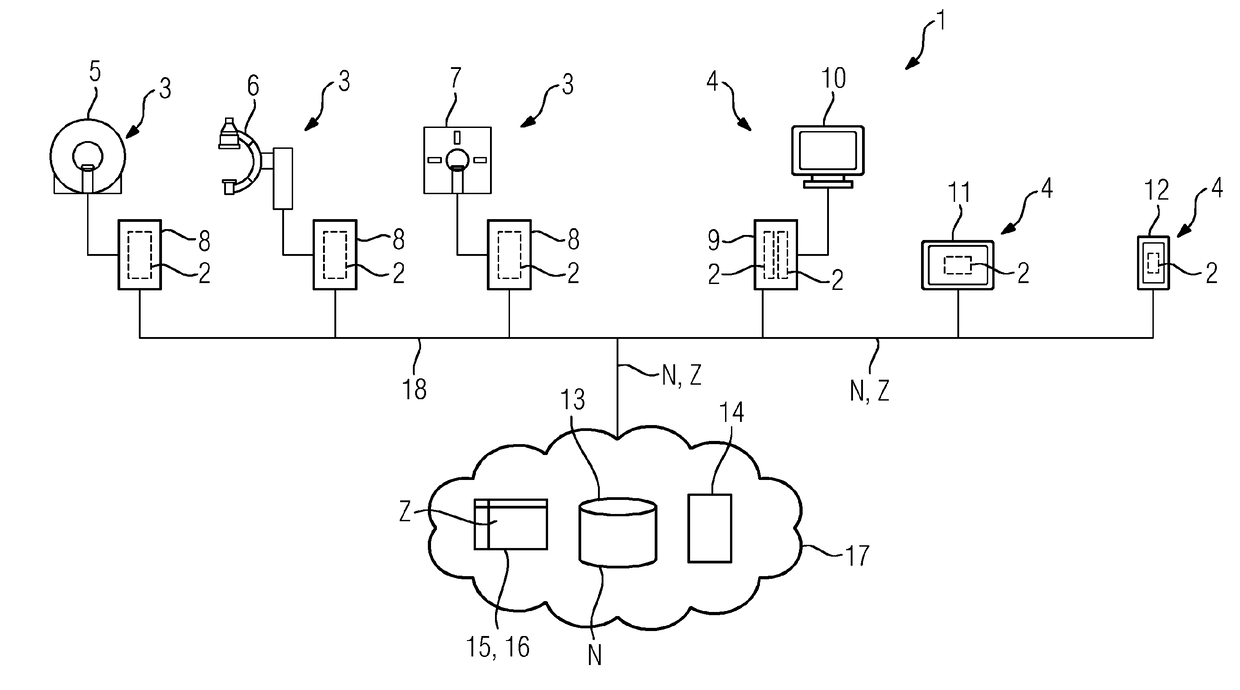
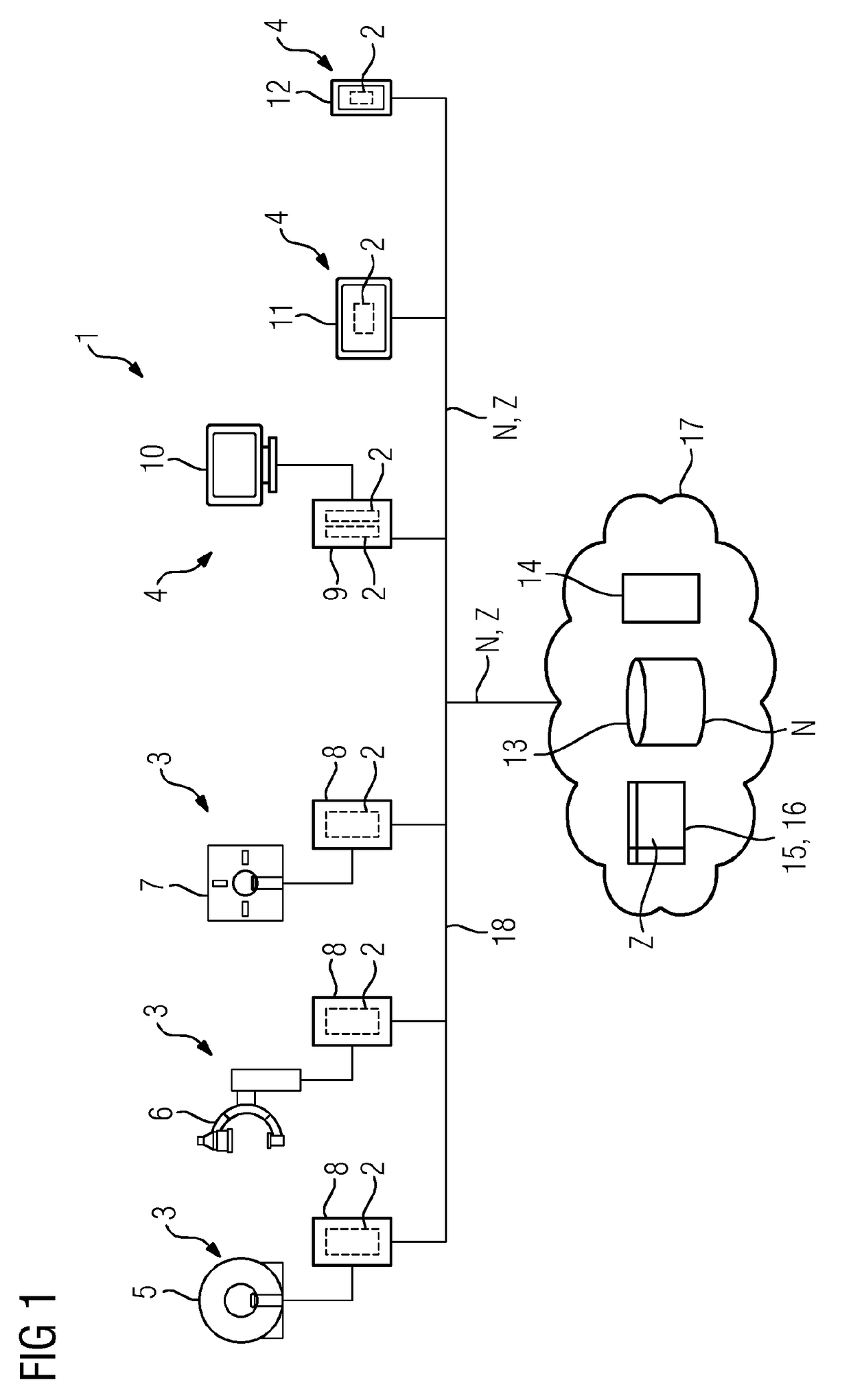
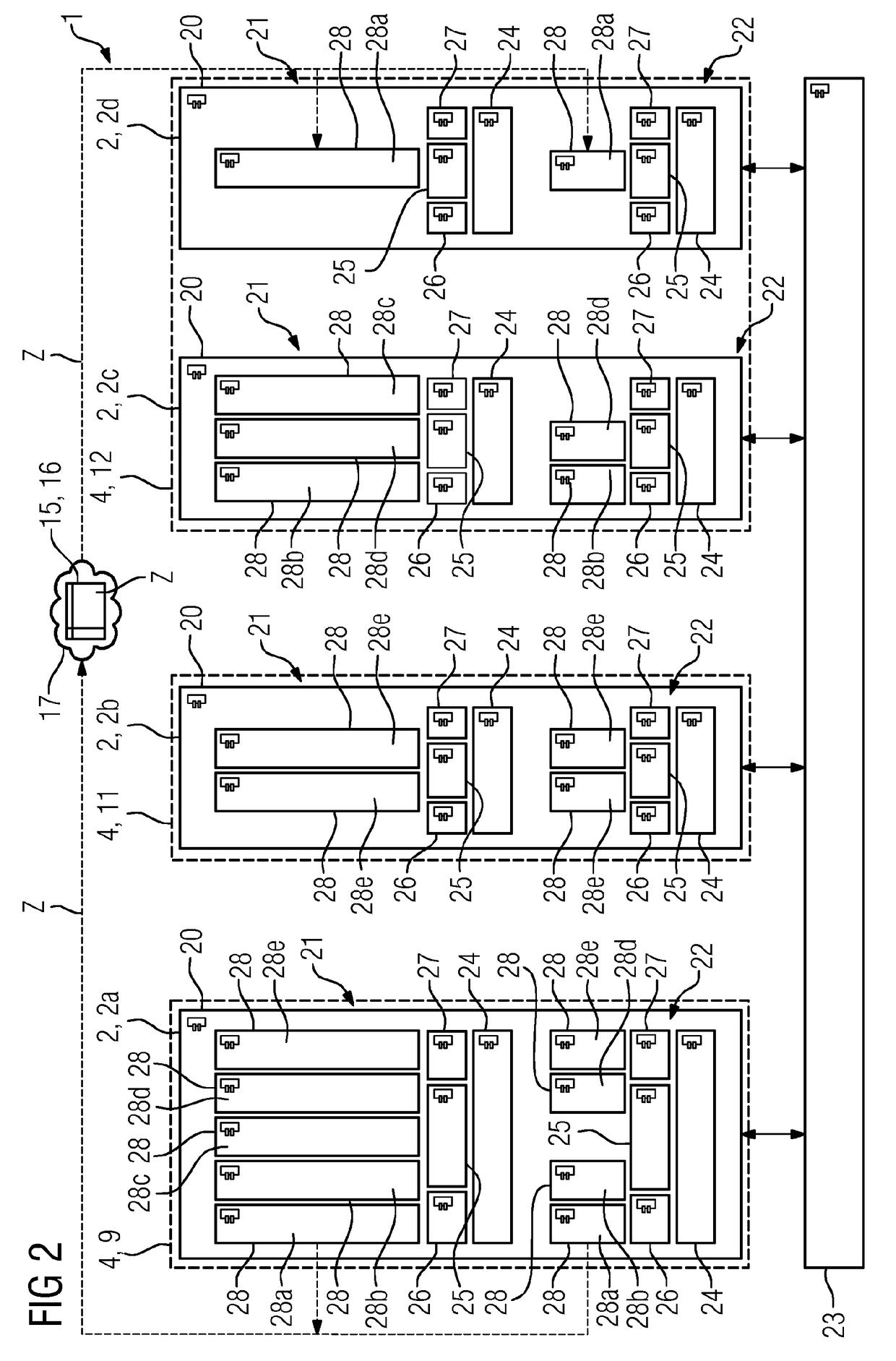
- A system utilizing 'spikes' - delimited software structures that can be instantiated across multiple applications and devices, featuring a specific part for device-dependent configuration and a generic part for device-independent state management, allowing seamless workflow continuation and optimized user interface adaptation.

Coding of an event in an analog data flow with a first event detection spike and a second delayed spike
PatentPendingUS20250335754A1
Innovation
- A data flow coding method involving a first spiking neuron transmitting an event detection signal and a second spiking neuron generating a delayed spike based on the event's amplitude, with a neural network processing the coded signals.


Hardware Implementation Considerations
Hardware implementation of customized spike coding systems presents unique challenges that significantly impact the practical deployment of neuromorphic applications. The selection of appropriate hardware platforms fundamentally determines the performance characteristics, power consumption, and scalability of spike-based solutions. Traditional digital processors, while offering flexibility for prototyping and algorithm development, often struggle with the temporal precision and parallel processing requirements inherent in spike coding schemes.
Neuromorphic chips represent the most promising hardware foundation for spike coding implementations, offering dedicated circuitry optimized for event-driven computation. These specialized processors, such as Intel's Loihi and IBM's TrueNorth, provide native support for spike timing dynamics and distributed processing architectures. However, customizing spike coding for specific applications requires careful consideration of the underlying hardware constraints, including limited memory bandwidth, fixed connectivity patterns, and quantized synaptic weights.
Field-Programmable Gate Arrays (FPGAs) emerge as a compelling middle ground, enabling custom spike coding implementations while maintaining reasonable development timelines. The reconfigurable nature of FPGAs allows designers to optimize data paths, memory hierarchies, and processing elements specifically for their target spike coding schemes. This flexibility proves particularly valuable when implementing novel encoding strategies or adapting existing algorithms for domain-specific requirements.
Memory architecture considerations become critical when implementing spike coding systems, as the temporal nature of spike trains demands efficient storage and retrieval mechanisms. Ring buffers and circular memory structures often provide optimal solutions for managing spike history, while specialized addressing schemes can accelerate pattern matching and temporal correlation computations. The choice between on-chip and off-chip memory significantly affects both latency and power consumption characteristics.
Power optimization strategies must account for the event-driven nature of spike coding, where computational activity directly correlates with input stimulus intensity. Dynamic voltage and frequency scaling techniques can exploit the sparse activation patterns typical in spike-based systems, while clock gating and power islands help minimize static power consumption during periods of low neural activity.
Interfacing considerations encompass both input sensor integration and output actuator control, requiring careful attention to timing synchronization and signal conditioning. Real-time constraints often necessitate dedicated hardware accelerators for critical spike processing functions, while maintaining sufficient flexibility for algorithm updates and parameter tuning throughout the system lifecycle.
Neuromorphic chips represent the most promising hardware foundation for spike coding implementations, offering dedicated circuitry optimized for event-driven computation. These specialized processors, such as Intel's Loihi and IBM's TrueNorth, provide native support for spike timing dynamics and distributed processing architectures. However, customizing spike coding for specific applications requires careful consideration of the underlying hardware constraints, including limited memory bandwidth, fixed connectivity patterns, and quantized synaptic weights.
Field-Programmable Gate Arrays (FPGAs) emerge as a compelling middle ground, enabling custom spike coding implementations while maintaining reasonable development timelines. The reconfigurable nature of FPGAs allows designers to optimize data paths, memory hierarchies, and processing elements specifically for their target spike coding schemes. This flexibility proves particularly valuable when implementing novel encoding strategies or adapting existing algorithms for domain-specific requirements.
Memory architecture considerations become critical when implementing spike coding systems, as the temporal nature of spike trains demands efficient storage and retrieval mechanisms. Ring buffers and circular memory structures often provide optimal solutions for managing spike history, while specialized addressing schemes can accelerate pattern matching and temporal correlation computations. The choice between on-chip and off-chip memory significantly affects both latency and power consumption characteristics.
Power optimization strategies must account for the event-driven nature of spike coding, where computational activity directly correlates with input stimulus intensity. Dynamic voltage and frequency scaling techniques can exploit the sparse activation patterns typical in spike-based systems, while clock gating and power islands help minimize static power consumption during periods of low neural activity.
Interfacing considerations encompass both input sensor integration and output actuator control, requiring careful attention to timing synchronization and signal conditioning. Real-time constraints often necessitate dedicated hardware accelerators for critical spike processing functions, while maintaining sufficient flexibility for algorithm updates and parameter tuning throughout the system lifecycle.
Energy Efficiency Optimization Strategies
Energy efficiency optimization represents a critical consideration when customizing spike coding for specific applications, as neuromorphic systems derive their primary advantage from ultra-low power consumption compared to traditional computing architectures. The inherent event-driven nature of spike-based processing enables significant energy savings, but achieving optimal efficiency requires careful consideration of coding strategies tailored to application requirements.
Temporal sparsity optimization forms the foundation of energy-efficient spike coding customization. Applications with naturally sparse input patterns, such as vision-based object detection or audio processing, benefit from coding schemes that maximize the intervals between spike events. By adjusting threshold parameters and refractory periods, developers can reduce unnecessary spike generation while maintaining information fidelity. This approach proves particularly effective in surveillance systems where extended periods of inactivity are common.
Precision-aware coding strategies offer another avenue for energy optimization by matching spike precision to application requirements. High-precision applications like medical signal processing may require dense spike trains with fine temporal resolution, while simpler classification tasks can operate effectively with reduced spike density. Implementing adaptive precision mechanisms allows systems to dynamically adjust energy consumption based on real-time processing demands.
Network topology optimization plays a crucial role in minimizing energy consumption during spike propagation. Customizing connectivity patterns to reduce unnecessary synaptic connections while preserving essential information pathways significantly decreases power requirements. Applications with hierarchical processing structures, such as sensory data analysis, benefit from optimized routing strategies that minimize spike transmission distances and reduce overall network activity.
Hardware-software co-optimization emerges as a key strategy for application-specific energy efficiency. Customizing spike coding parameters to match underlying neuromorphic hardware characteristics, including memory access patterns and processing unit utilization, can yield substantial energy savings. This approach requires deep understanding of both application requirements and hardware constraints to achieve optimal performance-power trade-offs.
Dynamic power management techniques enable further energy optimization through adaptive spike rate control and selective circuit activation. Applications with varying computational loads benefit from coding schemes that can scale energy consumption proportionally to processing requirements, ensuring efficient operation across diverse operational scenarios while maintaining acceptable performance levels.
Temporal sparsity optimization forms the foundation of energy-efficient spike coding customization. Applications with naturally sparse input patterns, such as vision-based object detection or audio processing, benefit from coding schemes that maximize the intervals between spike events. By adjusting threshold parameters and refractory periods, developers can reduce unnecessary spike generation while maintaining information fidelity. This approach proves particularly effective in surveillance systems where extended periods of inactivity are common.
Precision-aware coding strategies offer another avenue for energy optimization by matching spike precision to application requirements. High-precision applications like medical signal processing may require dense spike trains with fine temporal resolution, while simpler classification tasks can operate effectively with reduced spike density. Implementing adaptive precision mechanisms allows systems to dynamically adjust energy consumption based on real-time processing demands.
Network topology optimization plays a crucial role in minimizing energy consumption during spike propagation. Customizing connectivity patterns to reduce unnecessary synaptic connections while preserving essential information pathways significantly decreases power requirements. Applications with hierarchical processing structures, such as sensory data analysis, benefit from optimized routing strategies that minimize spike transmission distances and reduce overall network activity.
Hardware-software co-optimization emerges as a key strategy for application-specific energy efficiency. Customizing spike coding parameters to match underlying neuromorphic hardware characteristics, including memory access patterns and processing unit utilization, can yield substantial energy savings. This approach requires deep understanding of both application requirements and hardware constraints to achieve optimal performance-power trade-offs.
Dynamic power management techniques enable further energy optimization through adaptive spike rate control and selective circuit activation. Applications with varying computational loads benefit from coding schemes that can scale energy consumption proportionally to processing requirements, ensuring efficient operation across diverse operational scenarios while maintaining acceptable performance levels.
Unlock deeper insights with Patsnap Eureka Quick Research — get a full tech report to explore trends and direct your research. Try now!
Generate Your Research Report Instantly with AI Agent
Supercharge your innovation with Patsnap Eureka AI Agent Platform!