

How to Decrease Production Time in Smart Factories
MAR 19, 20269 MIN READ
Generate Your Research Report Instantly with AI Agent
PatSnap Eureka helps you evaluate technical feasibility & market potential.
Smart Factory Production Time Optimization Background and Goals
Smart factories represent the next evolutionary step in manufacturing, emerging from the convergence of Internet of Things (IoT), artificial intelligence, robotics, and advanced data analytics. This technological transformation has fundamentally altered traditional production paradigms, shifting from rigid, linear manufacturing processes to dynamic, interconnected systems capable of real-time adaptation and optimization.
The historical development of smart manufacturing can be traced through several distinct phases. The first industrial revolution introduced mechanization, followed by mass production techniques in the second phase. The third revolution brought computerization and automation, while the current fourth industrial revolution, or Industry 4.0, emphasizes cyber-physical systems and intelligent manufacturing networks. Each phase has progressively reduced human intervention while increasing production efficiency and quality control.
Contemporary smart factories face mounting pressure to minimize production time while maintaining quality standards and cost-effectiveness. Global supply chain disruptions, increasing customer demands for customization, and intensifying market competition have created an urgent need for manufacturers to optimize their production cycles. The ability to rapidly respond to market changes and deliver products faster than competitors has become a critical differentiator in today's manufacturing landscape.
The primary objective of production time optimization in smart factories centers on achieving maximum throughput with minimal resource consumption. This involves eliminating bottlenecks, reducing setup times, minimizing material handling delays, and optimizing workflow sequences. Advanced technologies such as predictive maintenance, real-time quality monitoring, and autonomous material handling systems serve as key enablers for these optimization goals.
Strategic goals encompass both immediate operational improvements and long-term competitive advantages. Short-term objectives include reducing cycle times, minimizing changeover periods, and eliminating production delays through enhanced coordination between manufacturing cells. Long-term goals focus on developing adaptive manufacturing systems capable of self-optimization, implementing predictive analytics for proactive decision-making, and creating flexible production networks that can rapidly reconfigure based on demand patterns.
The ultimate vision involves creating fully autonomous production environments where artificial intelligence continuously monitors, analyzes, and optimizes every aspect of the manufacturing process, resulting in unprecedented levels of efficiency and responsiveness to market demands.
The historical development of smart manufacturing can be traced through several distinct phases. The first industrial revolution introduced mechanization, followed by mass production techniques in the second phase. The third revolution brought computerization and automation, while the current fourth industrial revolution, or Industry 4.0, emphasizes cyber-physical systems and intelligent manufacturing networks. Each phase has progressively reduced human intervention while increasing production efficiency and quality control.
Contemporary smart factories face mounting pressure to minimize production time while maintaining quality standards and cost-effectiveness. Global supply chain disruptions, increasing customer demands for customization, and intensifying market competition have created an urgent need for manufacturers to optimize their production cycles. The ability to rapidly respond to market changes and deliver products faster than competitors has become a critical differentiator in today's manufacturing landscape.
The primary objective of production time optimization in smart factories centers on achieving maximum throughput with minimal resource consumption. This involves eliminating bottlenecks, reducing setup times, minimizing material handling delays, and optimizing workflow sequences. Advanced technologies such as predictive maintenance, real-time quality monitoring, and autonomous material handling systems serve as key enablers for these optimization goals.
Strategic goals encompass both immediate operational improvements and long-term competitive advantages. Short-term objectives include reducing cycle times, minimizing changeover periods, and eliminating production delays through enhanced coordination between manufacturing cells. Long-term goals focus on developing adaptive manufacturing systems capable of self-optimization, implementing predictive analytics for proactive decision-making, and creating flexible production networks that can rapidly reconfigure based on demand patterns.
The ultimate vision involves creating fully autonomous production environments where artificial intelligence continuously monitors, analyzes, and optimizes every aspect of the manufacturing process, resulting in unprecedented levels of efficiency and responsiveness to market demands.
Market Demand for Rapid Manufacturing Solutions
The global manufacturing landscape is experiencing unprecedented pressure to accelerate production cycles while maintaining quality standards. Traditional manufacturing approaches are increasingly inadequate for meeting the demands of modern supply chains, where time-to-market has become a critical competitive differentiator. Industries ranging from automotive to consumer electronics are seeking solutions that can dramatically reduce production lead times without compromising product integrity.
Consumer expectations have fundamentally shifted toward personalized products and rapid delivery, creating a market environment where manufacturers must respond with agility previously considered impossible. The rise of e-commerce and direct-to-consumer business models has intensified these pressures, as customers now expect customized products delivered within days rather than weeks or months. This shift has created substantial market opportunities for technologies and solutions that enable rapid manufacturing capabilities.
Supply chain disruptions experienced globally have highlighted the vulnerability of traditional manufacturing models that rely on lengthy production cycles and extensive inventory buffers. Companies are actively seeking manufacturing solutions that can respond quickly to demand fluctuations and supply chain interruptions. This has generated significant demand for smart factory technologies that can compress production timelines while maintaining operational flexibility.
The semiconductor industry exemplifies this trend, where product lifecycles continue to shrink while complexity increases. Manufacturers in this sector are investing heavily in rapid manufacturing solutions to reduce time-to-market for new products and respond quickly to changing customer specifications. Similar patterns are emerging across aerospace, medical device manufacturing, and industrial equipment sectors.
Investment in rapid manufacturing technologies has accelerated as companies recognize the strategic value of production speed. Organizations are prioritizing solutions that integrate advanced automation, artificial intelligence, and real-time optimization to achieve dramatic reductions in production time. The market demand extends beyond pure speed improvements to encompass solutions that enable rapid reconfiguration of production lines for different products.
Emerging markets are driving additional demand as they seek to establish competitive manufacturing capabilities without the legacy constraints of traditional production systems. These markets represent significant opportunities for rapid manufacturing solutions that can enable leapfrog development in industrial capabilities.
Consumer expectations have fundamentally shifted toward personalized products and rapid delivery, creating a market environment where manufacturers must respond with agility previously considered impossible. The rise of e-commerce and direct-to-consumer business models has intensified these pressures, as customers now expect customized products delivered within days rather than weeks or months. This shift has created substantial market opportunities for technologies and solutions that enable rapid manufacturing capabilities.
Supply chain disruptions experienced globally have highlighted the vulnerability of traditional manufacturing models that rely on lengthy production cycles and extensive inventory buffers. Companies are actively seeking manufacturing solutions that can respond quickly to demand fluctuations and supply chain interruptions. This has generated significant demand for smart factory technologies that can compress production timelines while maintaining operational flexibility.
The semiconductor industry exemplifies this trend, where product lifecycles continue to shrink while complexity increases. Manufacturers in this sector are investing heavily in rapid manufacturing solutions to reduce time-to-market for new products and respond quickly to changing customer specifications. Similar patterns are emerging across aerospace, medical device manufacturing, and industrial equipment sectors.
Investment in rapid manufacturing technologies has accelerated as companies recognize the strategic value of production speed. Organizations are prioritizing solutions that integrate advanced automation, artificial intelligence, and real-time optimization to achieve dramatic reductions in production time. The market demand extends beyond pure speed improvements to encompass solutions that enable rapid reconfiguration of production lines for different products.
Emerging markets are driving additional demand as they seek to establish competitive manufacturing capabilities without the legacy constraints of traditional production systems. These markets represent significant opportunities for rapid manufacturing solutions that can enable leapfrog development in industrial capabilities.
Current State and Bottlenecks in Smart Factory Production
Smart factories worldwide have achieved significant automation levels through the integration of IoT sensors, robotics, artificial intelligence, and advanced manufacturing execution systems. Current implementations typically feature interconnected production lines with real-time data collection capabilities, predictive maintenance systems, and automated quality control mechanisms. Leading manufacturers have successfully deployed digital twin technologies and cloud-based analytics platforms to optimize production workflows.
Despite technological advances, smart factories continue to face substantial production time challenges that limit their efficiency potential. Equipment downtime remains a critical bottleneck, with unplanned maintenance events causing production delays averaging 15-20% of total operational time. Legacy system integration issues create data silos that prevent seamless information flow between different manufacturing stages, resulting in coordination delays and suboptimal resource allocation.
Supply chain disruptions represent another significant constraint, particularly affecting just-in-time manufacturing models. Raw material shortages and logistics delays can halt entire production lines, while inventory management systems often lack the agility to respond quickly to demand fluctuations. These disruptions are amplified in globally distributed manufacturing networks where coordination complexity increases exponentially.
Human-machine interface inefficiencies continue to impede production speed in many smart factory environments. Workers require extensive training to operate sophisticated automated systems, and the transition between manual and automated processes often creates workflow interruptions. Additionally, decision-making bottlenecks occur when human oversight is required for complex production scenarios that exceed current AI capabilities.
Data processing and analysis limitations constitute emerging bottlenecks as factories generate increasingly large volumes of operational data. Real-time analytics systems struggle to process complex datasets quickly enough to enable immediate production adjustments. Network latency and bandwidth constraints further compound these issues, particularly in facilities relying on cloud-based processing for critical production decisions.
Quality control processes, while more sophisticated than traditional methods, still introduce time delays through multi-stage inspection protocols. Current automated quality systems often require production line stops for detailed component analysis, and false positive rates in defect detection systems can trigger unnecessary production interruptions that accumulate significant time losses across manufacturing cycles.
Despite technological advances, smart factories continue to face substantial production time challenges that limit their efficiency potential. Equipment downtime remains a critical bottleneck, with unplanned maintenance events causing production delays averaging 15-20% of total operational time. Legacy system integration issues create data silos that prevent seamless information flow between different manufacturing stages, resulting in coordination delays and suboptimal resource allocation.
Supply chain disruptions represent another significant constraint, particularly affecting just-in-time manufacturing models. Raw material shortages and logistics delays can halt entire production lines, while inventory management systems often lack the agility to respond quickly to demand fluctuations. These disruptions are amplified in globally distributed manufacturing networks where coordination complexity increases exponentially.
Human-machine interface inefficiencies continue to impede production speed in many smart factory environments. Workers require extensive training to operate sophisticated automated systems, and the transition between manual and automated processes often creates workflow interruptions. Additionally, decision-making bottlenecks occur when human oversight is required for complex production scenarios that exceed current AI capabilities.
Data processing and analysis limitations constitute emerging bottlenecks as factories generate increasingly large volumes of operational data. Real-time analytics systems struggle to process complex datasets quickly enough to enable immediate production adjustments. Network latency and bandwidth constraints further compound these issues, particularly in facilities relying on cloud-based processing for critical production decisions.
Quality control processes, while more sophisticated than traditional methods, still introduce time delays through multi-stage inspection protocols. Current automated quality systems often require production line stops for detailed component analysis, and false positive rates in defect detection systems can trigger unnecessary production interruptions that accumulate significant time losses across manufacturing cycles.
Existing Solutions for Production Time Reduction
01 Real-time production monitoring and scheduling systems
Smart factory systems implement real-time monitoring technologies to track production progress and optimize scheduling. These systems utilize sensors, data collection devices, and analytical tools to monitor manufacturing processes continuously. By analyzing production data in real-time, the systems can identify bottlenecks, predict delays, and automatically adjust schedules to minimize production time. Advanced algorithms process information from multiple production lines simultaneously to coordinate workflows and reduce idle time between operations.- Real-time production monitoring and scheduling systems: Smart factory systems incorporate real-time monitoring technologies to track production progress and optimize scheduling. These systems utilize sensors, data collection devices, and analytical tools to monitor manufacturing processes continuously. By implementing automated scheduling algorithms and production tracking mechanisms, factories can reduce idle time, minimize bottlenecks, and improve overall production efficiency. The integration of IoT devices and cloud-based platforms enables dynamic adjustment of production schedules based on real-time data.
- Predictive maintenance and equipment optimization: Implementation of predictive maintenance systems helps reduce unplanned downtime and optimize equipment utilization in smart factories. These systems analyze equipment performance data, identify potential failures before they occur, and schedule maintenance activities during planned downtime periods. Machine learning algorithms process historical and real-time data to predict equipment degradation patterns, enabling proactive maintenance strategies that minimize production interruptions and extend equipment lifespan.
- Automated material handling and logistics management: Smart factories employ automated material handling systems and intelligent logistics management to reduce production time. These systems include automated guided vehicles, robotic material transport, and intelligent warehouse management solutions. By optimizing material flow, reducing manual handling time, and implementing just-in-time delivery mechanisms, factories can significantly decrease waiting times and improve production continuity. Integration with supply chain management systems ensures timely availability of materials.
- Digital twin technology and simulation optimization: Digital twin technology creates virtual replicas of production processes to simulate and optimize manufacturing operations before implementation. This approach allows manufacturers to test different production scenarios, identify potential bottlenecks, and optimize process parameters without disrupting actual production. Simulation tools help in capacity planning, process design, and workflow optimization, leading to reduced production time through better planning and resource allocation.
- Integrated production control and quality management systems: Integration of production control systems with quality management enables real-time quality monitoring and reduces rework time. These systems combine automated inspection technologies, statistical process control, and feedback mechanisms to detect and correct quality issues during production. By implementing closed-loop control systems that automatically adjust process parameters based on quality data, factories can reduce defect rates, minimize inspection time, and eliminate delays caused by quality-related issues.
02 Automated production line integration and control
Integration of automated equipment and robotic systems enables seamless coordination across production stages to reduce cycle times. These systems employ centralized control platforms that manage multiple automated devices, conveyors, and assembly stations. The automation reduces manual intervention, minimizes human error, and ensures consistent production speeds. Machine-to-machine communication protocols allow different equipment to synchronize operations, eliminating waiting times and improving overall throughput efficiency.Expand Specific Solutions03 Predictive maintenance and downtime reduction
Smart factories employ predictive maintenance technologies to anticipate equipment failures before they occur, thereby reducing unplanned downtime. These systems use machine learning algorithms and sensor data to monitor equipment health indicators such as vibration, temperature, and performance metrics. By predicting when maintenance is needed, production schedules can be optimized to perform maintenance during planned intervals rather than experiencing unexpected breakdowns that halt production and extend manufacturing time.Expand Specific Solutions04 Digital twin simulation and process optimization
Digital twin technology creates virtual replicas of physical production systems to simulate and optimize manufacturing processes before implementation. These virtual models allow manufacturers to test different production scenarios, identify inefficiencies, and optimize parameters without disrupting actual production. By simulating various configurations and workflows, manufacturers can determine the most time-efficient production methods and implement them to reduce overall production time significantly.Expand Specific Solutions05 Supply chain integration and material flow optimization
Smart factory systems integrate supply chain management with production processes to ensure timely material availability and optimize material flow. These systems track inventory levels in real-time, automatically trigger reordering when supplies run low, and coordinate delivery schedules with production needs. By ensuring materials arrive exactly when needed and flow efficiently through the production process, waiting times are eliminated and production cycles are shortened. Advanced logistics algorithms optimize material routing within the factory to minimize transportation time between workstations.Expand Specific Solutions
Key Players in Smart Manufacturing and Automation Industry
The smart factory production time optimization landscape is in a mature growth phase, driven by increasing demand for manufacturing efficiency and digital transformation initiatives. The market demonstrates significant scale with established players spanning automotive, semiconductor, and industrial automation sectors. Technology maturity varies across different solution areas, with companies like Hyundai Motor, Kia Corp., and Honda Motor leading automotive manufacturing optimization, while semiconductor giants including Taiwan Semiconductor Manufacturing, Samsung Electronics, Intel Corp., and Advanced Micro Devices drive precision manufacturing technologies. Industrial automation specialists such as Hitachi Ltd., Sony Group Corp., and Applied Materials provide comprehensive smart factory solutions. Chinese companies like Gree Electric Appliances and Semiconductor Manufacturing International represent emerging regional capabilities. The competitive landscape shows convergence between traditional manufacturers and technology providers, indicating a maturing ecosystem where established industrial players collaborate with semiconductor and automation specialists to achieve production time reduction through integrated IoT, AI, and advanced manufacturing technologies.
Hitachi Ltd.
Technical Solution: Hitachi's Lumada IoT platform delivers integrated smart factory solutions that combine operational technology (OT) and information technology (IT) to optimize manufacturing processes. Their approach includes advanced process control systems, predictive maintenance algorithms, and real-time production optimization tools. Hitachi implements digital manufacturing solutions that use AI and machine learning to analyze production data and automatically adjust parameters to maintain optimal performance. Their collaborative intelligence systems enable human-machine collaboration, where AI provides recommendations while human operators make final decisions. The platform supports end-to-end visibility across the entire production value chain, enabling manufacturers to identify and eliminate inefficiencies.
Strengths: Strong industrial automation background, comprehensive OT/IT integration capabilities, proven reliability in critical manufacturing environments. Weaknesses: Limited software ecosystem compared to pure-play tech companies, slower innovation cycles.
Intel Corp.
Technical Solution: Intel's smart factory strategy focuses on edge computing solutions and AI-powered manufacturing optimization. Their approach leverages Intel processors and edge AI accelerators to enable real-time decision making on factory floors, reducing latency and improving response times. The company implements computer vision systems for automated quality inspection, reducing defect rates by 25-40%. Intel's manufacturing execution systems (MES) integrate with enterprise resource planning (ERP) systems to optimize material flow and production scheduling. Their predictive analytics platform uses machine learning to forecast equipment failures and optimize maintenance schedules, significantly reducing unplanned downtime.
Strengths: Leading edge computing technology, strong AI processing capabilities, proven semiconductor manufacturing expertise. Weaknesses: Limited focus on mechanical manufacturing processes, high technology complexity.
Core Technologies in Production Efficiency Enhancement
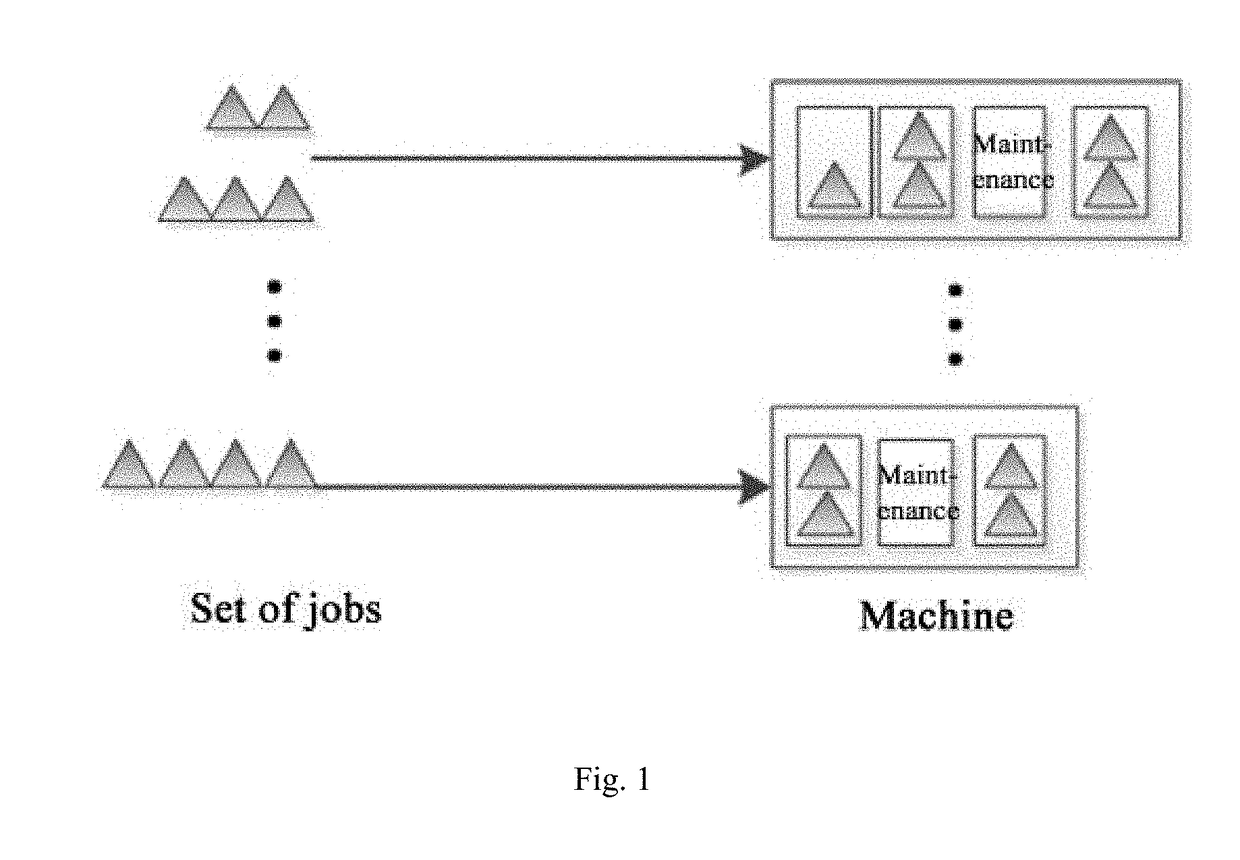
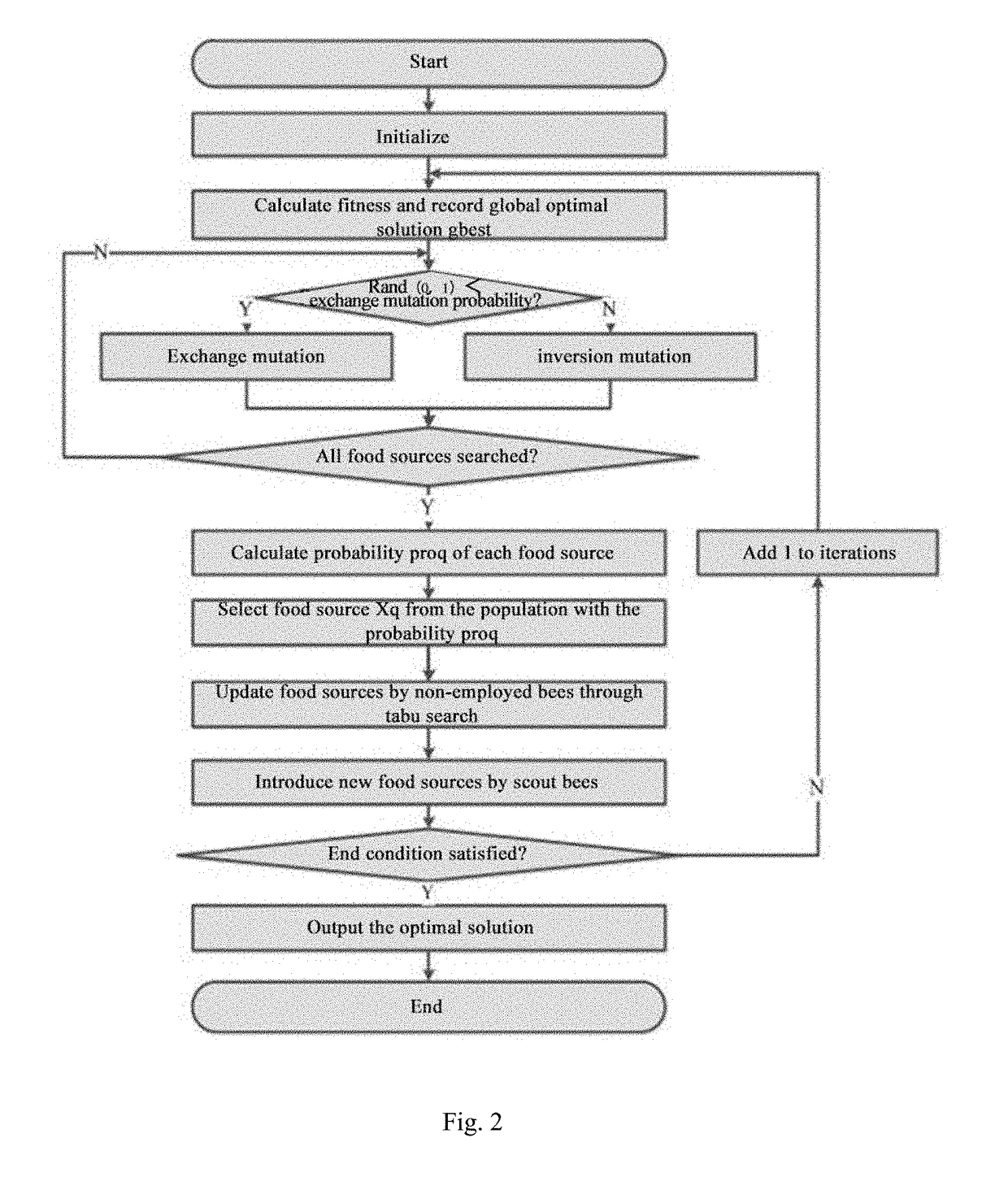
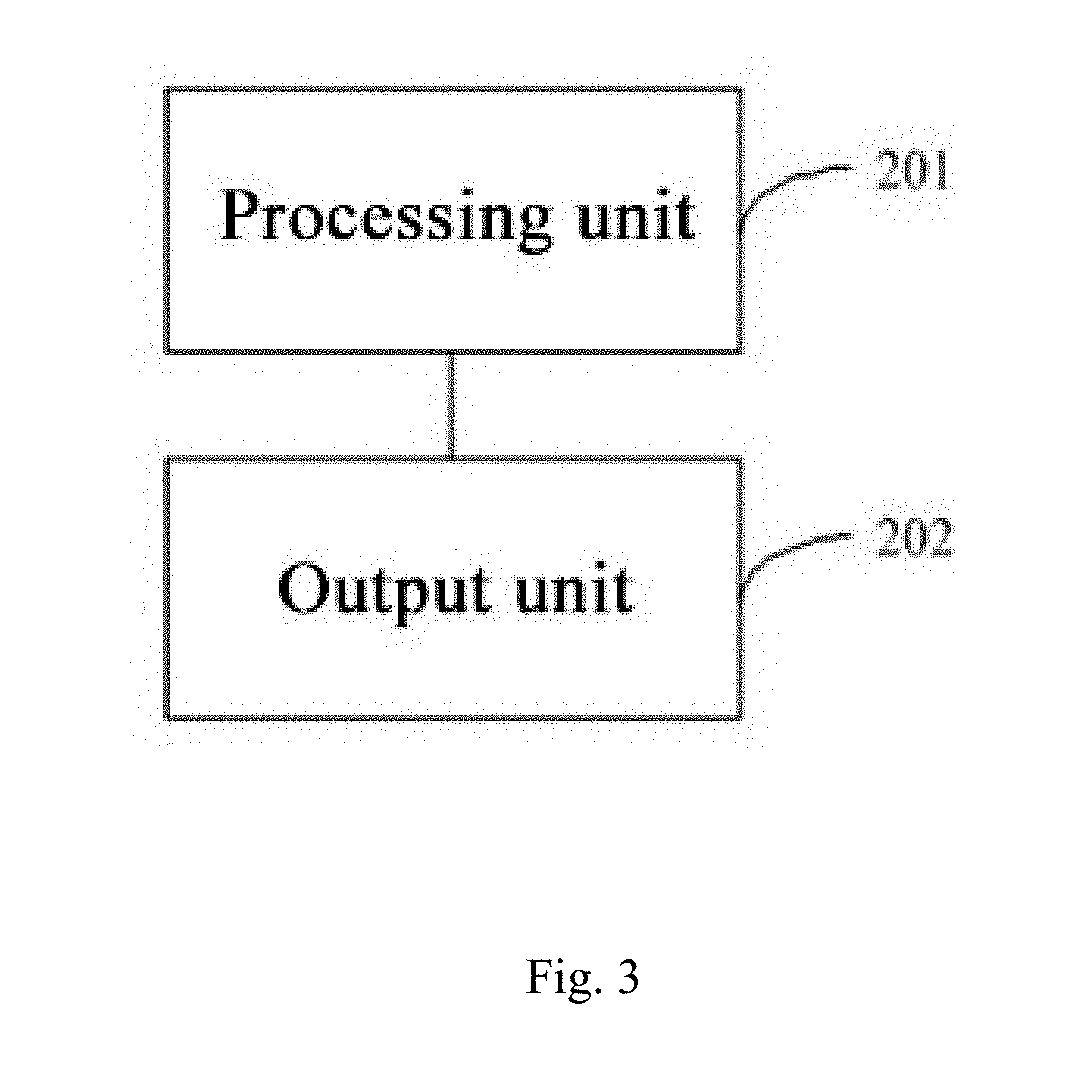
Production scheduling method and system based on improved artificial bee colony algorithm and storage medium
PatentInactiveUS20190080270A1
Innovation
- An improved artificial bee colony algorithm is implemented, which initializes nectar sources representing job assignments to machines, calculates fitness values, and performs adaptive neighborhood searches with tabu search operations to optimize job batching and maintenance scheduling, ensuring efficient assignment and processing order.
Smart scheduling method supporting process task volume splitting
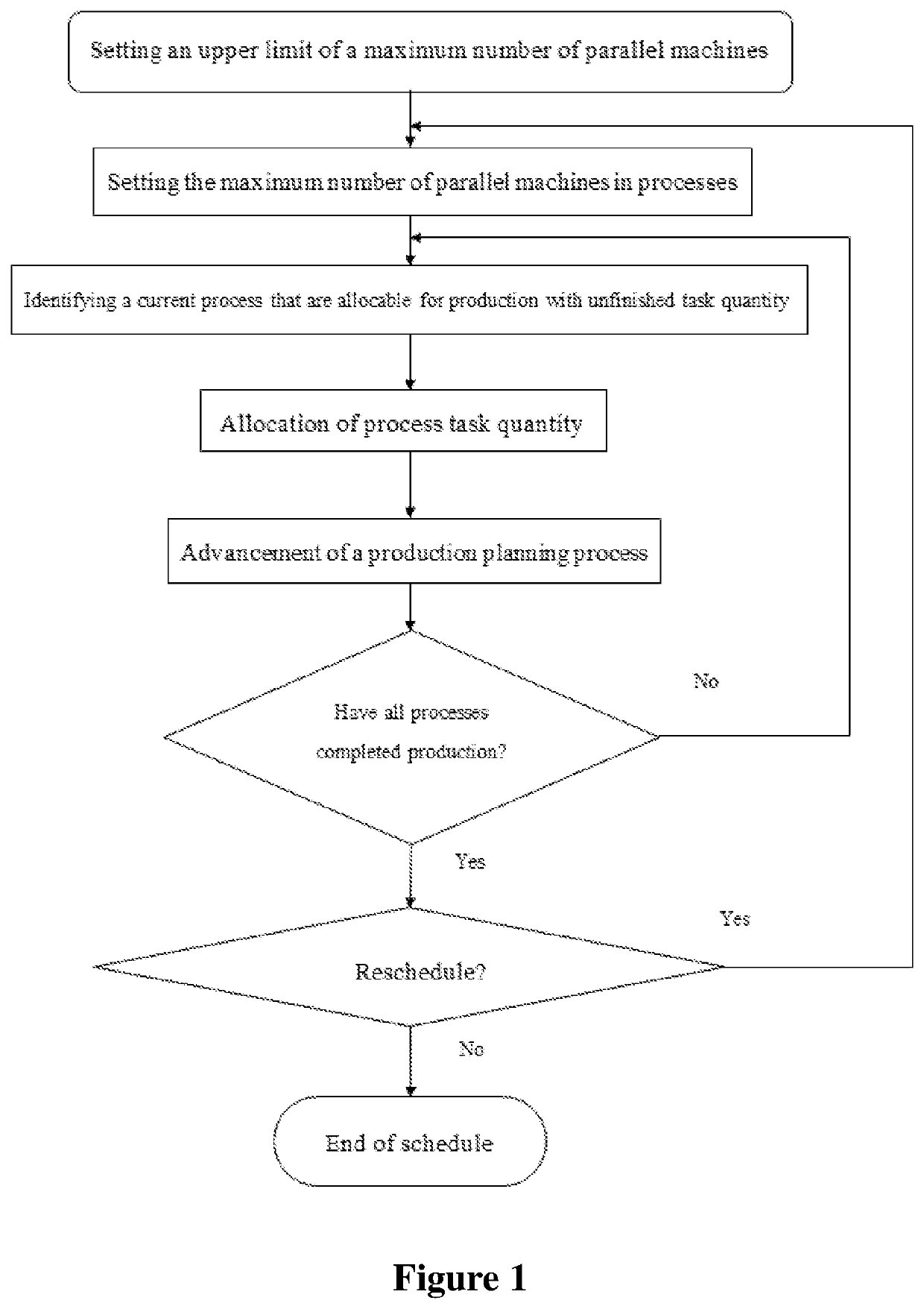
PatentActiveUS20210049041A1
Innovation
- An intelligent scheduling method that sets an upper limit for parallel machines, allocates task quantities across multiple machines, and dynamically adjusts the number of parallel machines based on task urgency and availability to ensure timely completion of production tasks within delivery dates.
Industry 4.0 Standards and Manufacturing Regulations
The implementation of Industry 4.0 standards and manufacturing regulations plays a crucial role in reducing production time within smart factories. These frameworks establish the foundation for interoperability, data exchange, and process optimization that enable manufacturers to achieve significant time savings through standardized approaches.
ISO/IEC 62264 and ISA-95 standards provide essential guidelines for enterprise-control system integration, enabling seamless communication between manufacturing execution systems and enterprise resource planning platforms. This integration eliminates information silos and reduces delays caused by manual data transfer processes. The standardized data models facilitate real-time visibility across production operations, allowing for immediate identification and resolution of bottlenecks.
The Reference Architecture Model Industrie 4.0 (RAMI 4.0) offers a comprehensive framework for implementing smart manufacturing solutions. By adhering to RAMI 4.0 guidelines, manufacturers can ensure that their cyber-physical systems communicate effectively, reducing coordination delays and enabling autonomous decision-making processes that accelerate production workflows.
OPC UA (Open Platform Communications Unified Architecture) standards are particularly significant for time reduction initiatives. This protocol enables secure, reliable machine-to-machine communication across diverse manufacturing equipment, regardless of vendor specifications. The standardized communication reduces integration complexity and setup time for new production lines while enabling real-time data exchange that supports predictive maintenance and dynamic scheduling.
Regulatory compliance frameworks, including FDA 21 CFR Part 11 for pharmaceutical manufacturing and automotive industry standards like IATF 16949, incorporate digital documentation and automated quality control processes. These regulations promote the adoption of electronic batch records and automated inspection systems, significantly reducing manual verification time and accelerating product release cycles.
Cybersecurity standards such as IEC 62443 ensure that smart factory implementations maintain robust security without compromising operational efficiency. These standards provide guidelines for secure network architectures that protect against cyber threats while maintaining the high-speed data flows essential for time-sensitive manufacturing operations.
The harmonization of international standards facilitates global manufacturing operations by establishing consistent protocols across different regions. This standardization reduces the complexity of managing multi-site production networks and enables rapid deployment of proven solutions across facilities, ultimately contributing to overall production time reduction through streamlined operations and reduced implementation cycles.
ISO/IEC 62264 and ISA-95 standards provide essential guidelines for enterprise-control system integration, enabling seamless communication between manufacturing execution systems and enterprise resource planning platforms. This integration eliminates information silos and reduces delays caused by manual data transfer processes. The standardized data models facilitate real-time visibility across production operations, allowing for immediate identification and resolution of bottlenecks.
The Reference Architecture Model Industrie 4.0 (RAMI 4.0) offers a comprehensive framework for implementing smart manufacturing solutions. By adhering to RAMI 4.0 guidelines, manufacturers can ensure that their cyber-physical systems communicate effectively, reducing coordination delays and enabling autonomous decision-making processes that accelerate production workflows.
OPC UA (Open Platform Communications Unified Architecture) standards are particularly significant for time reduction initiatives. This protocol enables secure, reliable machine-to-machine communication across diverse manufacturing equipment, regardless of vendor specifications. The standardized communication reduces integration complexity and setup time for new production lines while enabling real-time data exchange that supports predictive maintenance and dynamic scheduling.
Regulatory compliance frameworks, including FDA 21 CFR Part 11 for pharmaceutical manufacturing and automotive industry standards like IATF 16949, incorporate digital documentation and automated quality control processes. These regulations promote the adoption of electronic batch records and automated inspection systems, significantly reducing manual verification time and accelerating product release cycles.
Cybersecurity standards such as IEC 62443 ensure that smart factory implementations maintain robust security without compromising operational efficiency. These standards provide guidelines for secure network architectures that protect against cyber threats while maintaining the high-speed data flows essential for time-sensitive manufacturing operations.
The harmonization of international standards facilitates global manufacturing operations by establishing consistent protocols across different regions. This standardization reduces the complexity of managing multi-site production networks and enables rapid deployment of proven solutions across facilities, ultimately contributing to overall production time reduction through streamlined operations and reduced implementation cycles.
Sustainability Impact of Accelerated Production Processes
The acceleration of production processes in smart factories presents a complex sustainability paradox that requires careful examination of both immediate and long-term environmental implications. While faster production cycles can initially appear to increase resource consumption and energy usage, the implementation of advanced automation and AI-driven optimization often results in net positive environmental outcomes through enhanced efficiency and waste reduction.
Energy consumption patterns in accelerated smart manufacturing demonstrate significant variations depending on the technological approach employed. Advanced predictive maintenance systems and real-time optimization algorithms can reduce overall energy consumption by 15-25% despite increased production speeds, as machines operate at optimal efficiency levels and experience fewer unexpected downtimes. However, the initial energy investment required for implementing IoT sensors, edge computing devices, and high-speed automation equipment must be factored into the sustainability equation.
Material waste reduction emerges as one of the most significant sustainability benefits of accelerated production processes. Smart factories utilizing machine learning algorithms for quality prediction and real-time process adjustment typically achieve 20-30% reduction in material waste compared to traditional manufacturing approaches. The precision enabled by advanced sensors and automated feedback loops minimizes defective products and optimizes material usage, even at higher production velocities.
The carbon footprint implications of accelerated production extend beyond direct manufacturing operations to encompass supply chain optimization and logistics efficiency. Faster production cycles enable more responsive manufacturing that can reduce inventory requirements and minimize transportation-related emissions through improved demand forecasting and localized production strategies. Smart factories can achieve up to 40% reduction in supply chain-related carbon emissions through these integrated approaches.
Water usage and chemical consumption in accelerated smart manufacturing processes show mixed sustainability impacts. While increased production speeds may elevate absolute consumption levels, the implementation of closed-loop systems and real-time monitoring typically results in 25-35% improvement in resource efficiency per unit produced. Advanced filtration and recycling systems integrated into smart factory infrastructures further enhance sustainability performance.
The lifecycle assessment of accelerated production processes reveals that sustainability benefits compound over time, with initial implementation costs offset by long-term efficiency gains and reduced environmental impact per manufactured unit.
Energy consumption patterns in accelerated smart manufacturing demonstrate significant variations depending on the technological approach employed. Advanced predictive maintenance systems and real-time optimization algorithms can reduce overall energy consumption by 15-25% despite increased production speeds, as machines operate at optimal efficiency levels and experience fewer unexpected downtimes. However, the initial energy investment required for implementing IoT sensors, edge computing devices, and high-speed automation equipment must be factored into the sustainability equation.
Material waste reduction emerges as one of the most significant sustainability benefits of accelerated production processes. Smart factories utilizing machine learning algorithms for quality prediction and real-time process adjustment typically achieve 20-30% reduction in material waste compared to traditional manufacturing approaches. The precision enabled by advanced sensors and automated feedback loops minimizes defective products and optimizes material usage, even at higher production velocities.
The carbon footprint implications of accelerated production extend beyond direct manufacturing operations to encompass supply chain optimization and logistics efficiency. Faster production cycles enable more responsive manufacturing that can reduce inventory requirements and minimize transportation-related emissions through improved demand forecasting and localized production strategies. Smart factories can achieve up to 40% reduction in supply chain-related carbon emissions through these integrated approaches.
Water usage and chemical consumption in accelerated smart manufacturing processes show mixed sustainability impacts. While increased production speeds may elevate absolute consumption levels, the implementation of closed-loop systems and real-time monitoring typically results in 25-35% improvement in resource efficiency per unit produced. Advanced filtration and recycling systems integrated into smart factory infrastructures further enhance sustainability performance.
The lifecycle assessment of accelerated production processes reveals that sustainability benefits compound over time, with initial implementation costs offset by long-term efficiency gains and reduced environmental impact per manufactured unit.
Unlock deeper insights with PatSnap Eureka Quick Research — get a full tech report to explore trends and direct your research. Try now!
Generate Your Research Report Instantly with AI Agent
Supercharge your innovation with PatSnap Eureka AI Agent Platform!