
How to Design Electric Potential Sensing Electrodes
OCT 9, 20269 MIN READ
Generate Your Research Report Instantly with AI Agent
Patsnap Eureka helps you evaluate technical feasibility & market potential.
Electric Potential Sensing Electrode Design Background and Objectives
Electric potential sensing electrodes represent a critical interface technology that bridges biological or physical systems with electronic measurement devices. These electrodes are designed to detect minute electrical signals generated by physiological activities, environmental changes, or material properties. The fundamental principle involves converting ionic currents or electric field variations into measurable electronic signals with minimal distortion and noise interference. This technology has evolved significantly since the early development of electrocardiography and electroencephalography systems in the early twentieth century.
The historical trajectory of electrode design has progressed from simple metallic contacts to sophisticated multi-layered structures incorporating advanced materials and microfabrication techniques. Early designs primarily utilized noble metals such as silver and platinum due to their chemical stability and conductivity. However, limitations in signal quality, biocompatibility, and long-term stability drove continuous innovation. The integration of nanotechnology, flexible electronics, and biocompatible polymers has revolutionized electrode capabilities, enabling applications ranging from medical diagnostics to environmental monitoring and human-machine interfaces.
Current technological objectives focus on achieving several critical performance parameters simultaneously. Primary goals include maximizing signal-to-noise ratio through optimized electrode-electrolyte interfaces, minimizing motion artifacts in wearable applications, and ensuring long-term stability under varying environmental conditions. Biocompatibility remains paramount for medical applications, requiring materials that neither trigger immune responses nor degrade in physiological environments. Additionally, miniaturization without compromising sensitivity enables integration into compact devices and implantable systems.
Emerging application domains are expanding the scope of electrode design requirements. Non-invasive brain-computer interfaces demand electrodes capable of detecting microvolt-level signals through skin and skull barriers. Wearable health monitoring systems require flexible, stretchable electrodes that maintain performance during continuous body movement. Environmental sensing applications necessitate electrodes resistant to chemical interference and capable of operating across wide temperature ranges. These diverse requirements drive research toward multifunctional electrode architectures that balance competing design constraints while maintaining manufacturing feasibility and cost-effectiveness for commercial deployment.
The historical trajectory of electrode design has progressed from simple metallic contacts to sophisticated multi-layered structures incorporating advanced materials and microfabrication techniques. Early designs primarily utilized noble metals such as silver and platinum due to their chemical stability and conductivity. However, limitations in signal quality, biocompatibility, and long-term stability drove continuous innovation. The integration of nanotechnology, flexible electronics, and biocompatible polymers has revolutionized electrode capabilities, enabling applications ranging from medical diagnostics to environmental monitoring and human-machine interfaces.
Current technological objectives focus on achieving several critical performance parameters simultaneously. Primary goals include maximizing signal-to-noise ratio through optimized electrode-electrolyte interfaces, minimizing motion artifacts in wearable applications, and ensuring long-term stability under varying environmental conditions. Biocompatibility remains paramount for medical applications, requiring materials that neither trigger immune responses nor degrade in physiological environments. Additionally, miniaturization without compromising sensitivity enables integration into compact devices and implantable systems.
Emerging application domains are expanding the scope of electrode design requirements. Non-invasive brain-computer interfaces demand electrodes capable of detecting microvolt-level signals through skin and skull barriers. Wearable health monitoring systems require flexible, stretchable electrodes that maintain performance during continuous body movement. Environmental sensing applications necessitate electrodes resistant to chemical interference and capable of operating across wide temperature ranges. These diverse requirements drive research toward multifunctional electrode architectures that balance competing design constraints while maintaining manufacturing feasibility and cost-effectiveness for commercial deployment.
Market Demand for Electric Potential Sensing Applications
The market demand for electric potential sensing applications has experienced substantial growth across multiple sectors, driven by the increasing need for non-invasive, high-precision measurement technologies. Healthcare represents one of the most significant application domains, where electric potential sensing electrodes are essential for electrocardiography, electroencephalography, and electromyography systems. The aging global population and rising prevalence of chronic diseases have intensified the demand for continuous health monitoring devices, creating sustained market expansion opportunities for advanced electrode technologies.
Industrial automation and robotics sectors demonstrate growing adoption of electric potential sensing solutions for proximity detection, touch-sensitive interfaces, and human-machine interaction systems. Manufacturing facilities increasingly integrate capacitive sensing technologies to enhance operational safety and improve production efficiency. The automotive industry has emerged as another major consumer, incorporating electric potential sensing electrodes in occupancy detection systems, gesture recognition interfaces, and driver monitoring applications to meet evolving safety standards and user experience expectations.
Consumer electronics markets continue to drive innovation in electric potential sensing technologies, particularly in smartphones, tablets, wearable devices, and smart home systems. The proliferation of touchscreen interfaces and the growing emphasis on intuitive user interactions have established electric potential sensing as a fundamental technology component. Wearable fitness trackers and smartwatches rely heavily on bioelectric potential sensing for heart rate monitoring and activity tracking, representing a rapidly expanding market segment.
Environmental monitoring and security applications present emerging opportunities for electric potential sensing technologies. These include intrusion detection systems, liquid level sensing in industrial processes, and non-contact voltage detection for electrical safety applications. The agricultural sector has begun exploring soil moisture sensing and plant health monitoring applications utilizing electric potential measurement principles.
Market growth is further accelerated by technological convergence trends, including the integration of artificial intelligence for signal processing and the miniaturization of sensing systems enabled by advanced semiconductor manufacturing. Regulatory requirements for medical device safety and performance standards continue to shape product development priorities, while cost reduction pressures drive innovation in electrode materials and manufacturing processes.
Industrial automation and robotics sectors demonstrate growing adoption of electric potential sensing solutions for proximity detection, touch-sensitive interfaces, and human-machine interaction systems. Manufacturing facilities increasingly integrate capacitive sensing technologies to enhance operational safety and improve production efficiency. The automotive industry has emerged as another major consumer, incorporating electric potential sensing electrodes in occupancy detection systems, gesture recognition interfaces, and driver monitoring applications to meet evolving safety standards and user experience expectations.
Consumer electronics markets continue to drive innovation in electric potential sensing technologies, particularly in smartphones, tablets, wearable devices, and smart home systems. The proliferation of touchscreen interfaces and the growing emphasis on intuitive user interactions have established electric potential sensing as a fundamental technology component. Wearable fitness trackers and smartwatches rely heavily on bioelectric potential sensing for heart rate monitoring and activity tracking, representing a rapidly expanding market segment.
Environmental monitoring and security applications present emerging opportunities for electric potential sensing technologies. These include intrusion detection systems, liquid level sensing in industrial processes, and non-contact voltage detection for electrical safety applications. The agricultural sector has begun exploring soil moisture sensing and plant health monitoring applications utilizing electric potential measurement principles.
Market growth is further accelerated by technological convergence trends, including the integration of artificial intelligence for signal processing and the miniaturization of sensing systems enabled by advanced semiconductor manufacturing. Regulatory requirements for medical device safety and performance standards continue to shape product development priorities, while cost reduction pressures drive innovation in electrode materials and manufacturing processes.
Current Status and Challenges in Electrode Design
Electric potential sensing electrodes have evolved significantly over the past decades, transitioning from simple metallic contacts to sophisticated multi-material systems. Contemporary electrode designs predominantly utilize conductive materials such as silver-silver chloride (Ag/AgCl), gold, platinum, and carbon-based composites. These materials are selected based on their electrochemical stability, biocompatibility, and signal transduction efficiency. The current state of the art emphasizes miniaturization and integration with flexible substrates, enabling applications in wearable devices, biomedical diagnostics, and environmental monitoring systems.
Despite substantial progress, several critical challenges persist in electrode design. Signal-to-noise ratio optimization remains a fundamental concern, particularly in low-voltage sensing applications where environmental interference and electrode polarization significantly degrade measurement accuracy. The impedance mismatch between electrodes and target media continues to limit sensitivity, especially in high-resistance environments such as dry skin contact or air-gap sensing scenarios. Material degradation over extended operational periods poses reliability issues, with oxidation, corrosion, and mechanical wear compromising long-term performance stability.
Biocompatibility and tissue-electrode interface stability present ongoing challenges in biomedical applications. Inflammatory responses, protein fouling, and encapsulation by biological tissues progressively deteriorate signal quality in implantable sensors. The trade-off between electrode size reduction and maintaining adequate sensing area creates design constraints, as smaller electrodes exhibit higher impedance but offer superior spatial resolution and reduced invasiveness.
Manufacturing scalability and cost-effectiveness remain significant barriers to widespread commercial adoption. Advanced fabrication techniques such as photolithography, electrochemical deposition, and nanomaterial integration require specialized equipment and controlled environments, limiting accessibility for mass production. Standardization of performance metrics and testing protocols across different application domains is inadequate, hindering comparative evaluation and quality assurance.
Emerging requirements for multi-modal sensing, wireless integration, and energy-autonomous operation introduce additional complexity. Designers must balance competing demands for sensitivity, selectivity, power consumption, and physical robustness while maintaining compatibility with existing signal processing infrastructure. Geographic distribution of expertise shows concentration in North America, Europe, and East Asia, with notable research clusters in bioelectronics and flexible electronics development.
Despite substantial progress, several critical challenges persist in electrode design. Signal-to-noise ratio optimization remains a fundamental concern, particularly in low-voltage sensing applications where environmental interference and electrode polarization significantly degrade measurement accuracy. The impedance mismatch between electrodes and target media continues to limit sensitivity, especially in high-resistance environments such as dry skin contact or air-gap sensing scenarios. Material degradation over extended operational periods poses reliability issues, with oxidation, corrosion, and mechanical wear compromising long-term performance stability.
Biocompatibility and tissue-electrode interface stability present ongoing challenges in biomedical applications. Inflammatory responses, protein fouling, and encapsulation by biological tissues progressively deteriorate signal quality in implantable sensors. The trade-off between electrode size reduction and maintaining adequate sensing area creates design constraints, as smaller electrodes exhibit higher impedance but offer superior spatial resolution and reduced invasiveness.
Manufacturing scalability and cost-effectiveness remain significant barriers to widespread commercial adoption. Advanced fabrication techniques such as photolithography, electrochemical deposition, and nanomaterial integration require specialized equipment and controlled environments, limiting accessibility for mass production. Standardization of performance metrics and testing protocols across different application domains is inadequate, hindering comparative evaluation and quality assurance.
Emerging requirements for multi-modal sensing, wireless integration, and energy-autonomous operation introduce additional complexity. Designers must balance competing demands for sensitivity, selectivity, power consumption, and physical robustness while maintaining compatibility with existing signal processing infrastructure. Geographic distribution of expertise shows concentration in North America, Europe, and East Asia, with notable research clusters in bioelectronics and flexible electronics development.
Existing Electrode Design Solutions and Configurations
01 Biomedical and physiological electric potential sensing electrodes
Electrodes and sensor systems designed for biological, physiological, or body surface electric potential measurement. These devices include bio-potential sensors, contactless electrodes, skin potential detection pads, and ECG mapping apparatus for medical and diagnostic applications.- Biomedical and physiological potential sensing electrodes: Sensors and electrode devices designed for detecting biological electric potentials, such as bio-potentials, skin surface potentials, and non-contact body surface ECG mappings. These non-invasive or contact electrodes are widely applied in physiological activity monitoring and medical diagnostics.
- Electrochemical and pH sensing electrodes: Electrode structures and reference systems optimized for electrochemical measurement, including pH determination, interfacial potential probing, and sensing system configurations. These electrodes often incorporate specialized membranes, multi-layered structures, or fiber-based potential elements.
- Electric potential measuring devices and apparatus: Apparatus, sensor assemblies, and circuit arrangements for measuring or detecting electric potential fields and surface potential distributions. These systems facilitate precise measurement, amplification, and processing of electric potential signals across various technical applications.
- Electric potential control and therapy devices: Devices, circuits, and electrode configurations designed to control, apply, or manipulate electric potential gradients for therapeutic treatments, industrial processing, or corrosion prevention. These include electric potential therapy appliances, glass melting furnace melters, and electrophotographic duplicators.
- Industrial, material, and geological potential sensing systems: Specialized potential detection methods and electrode devices for industrial flaw detection, evaluating rock stress states, monitoring battery electrode potentials, and sensing gas or environmental electric fields.
02 Electrodes for electrochemical and potential difference measuring systems
Electrode structures and reference electrode members configured for electrochemical potential measurement, pH sensing, chemical analysis, and interfacial potential detection in multi-electrode or three-electrode systems.Expand Specific Solutions03 Electric potential detection circuits and signal amplification systems
Circuits, signal processing setups, and electrode combinations for sensing, amplifying, and controlling potential signals. These systems compensate for resistance, process detected signals, and determine optimal sensing electrode combinations.Expand Specific Solutions04 Industrial, surface, and flaw detection potential sensing apparatus
Apparatus and electrode structures for detecting surface potential distributions, electric potential fields, structural flaws, and geological stress states. These devices enable non-destructive testing, field intensity compensation, and material potential mapping.Expand Specific Solutions05 Therapeutic, touchscreen, and potential application devices
Electrode configurations and conductive systems used in electric potential therapy devices, touch screen panels, gas sensing fields, and controlled electric potential processing equipment.Expand Specific Solutions
Key Players in Electrode Manufacturing and Sensing Systems
The electric potential sensing electrode design field is experiencing robust growth driven by expanding applications across automotive safety, medical diagnostics, and consumer electronics sectors. The competitive landscape spans from mature technology leaders to emerging innovators, with market consolidation evident through established players like Siemens AG, Canon Inc., TDK Corp., and Robert Bosch GmbH dominating industrial and automotive applications. Technology maturity varies significantly across segments: companies like Ambu A/S and Retina Implant AG demonstrate advanced medical electrode implementations, while IEE International Electronics & Engineering SA and Brose Fahrzeugteile lead in automotive capacitive sensing. Semiconductor specialists including Microchip Technology Germany, Analog Devices International, and Murata Manufacturing provide foundational IC solutions enabling miniaturization and integration. Academic institutions like Tsinghua University, Peking University, and University of Sussex contribute fundamental research, while Chinese firms such as Shanghai United Imaging Microelectronics and Boao Biology Group represent rapidly advancing regional capabilities in specialized medical and wearable applications.
Analog Devices International Unlimited Co.
Technical Solution: Analog Devices has developed advanced electric potential sensing electrode designs utilizing low-noise amplifier architectures with integrated guard ring structures to minimize parasitic capacitance and electromagnetic interference. Their approach incorporates differential sensing configurations with active shielding techniques, achieving input impedance exceeding 1TΩ and noise levels below 1μVrms in the 0.1-100Hz bandwidth. The electrode design features multi-layer PCB construction with dedicated ground planes and optimized trace routing to reduce crosstalk. Their solutions integrate proprietary CMOS technology enabling on-chip signal conditioning and digitization, particularly suitable for biomedical applications requiring high common-mode rejection ratios exceeding 120dB. The company's electrode interface circuits employ chopper stabilization and correlated double sampling techniques to eliminate DC offset and 1/f noise, ensuring stable long-term measurements in challenging environmental conditions.
Strengths: Industry-leading low-noise performance, excellent common-mode rejection, integrated signal conditioning capabilities, proven reliability in medical applications. Weaknesses: Higher cost compared to discrete solutions, requires specialized PCB design expertise, limited customization for non-standard applications.
Canon, Inc.
Technical Solution: Canon has developed precision electric potential sensing electrodes for electrostatic measurement and control in imaging systems, utilizing non-contact sensing principles with field-effect transistor input stages. Their electrode design features ultra-high input impedance exceeding 10^14Ω, enabling measurement of surface potentials without charge transfer or surface contact. The architecture employs vibrating capacitor modulation techniques, converting DC electric fields into AC signals for improved noise immunity and drift elimination. Canon's electrodes incorporate optical position feedback systems maintaining precise air gaps of 50-500μm between sensing element and measured surface, achieving potential resolution below 1V across measurement ranges of ±10kV. The design utilizes electrostatic shielding with aperture-defined sensing areas from 1mm² to 100mm², providing spatial resolution for potential mapping applications. Their implementation includes real-time signal processing with phase-sensitive detection, extracting potential information while rejecting environmental noise and vibration artifacts.
Strengths: Non-contact measurement capability, exceptional input impedance, high voltage measurement range, excellent spatial resolution for mapping. Weaknesses: Requires precise mechanical positioning, sensitive to vibration and air currents, complex signal processing requirements, higher system cost.
Core Innovations in Electrode Materials and Structures
Electric potential sensor
PatentActiveEP2047284A1
Innovation
- The implementation of a coherent narrowband feedback signal in the electric potential sensor enhances the signal-to-noise ratio by applying a feedback signal that is tuned to specific frequencies, thereby increasing the input impedance and rejecting other frequencies, and includes features like bootstrapping, guarding, and neutralization to improve measurement accuracy.
Electric potential sensor
PatentInactiveUS7149442B2
Innovation
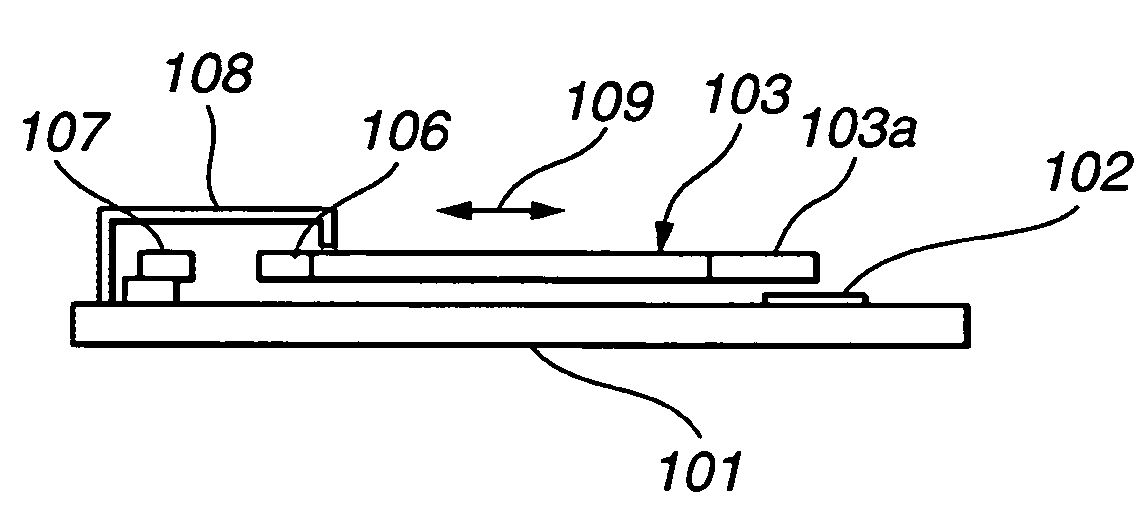
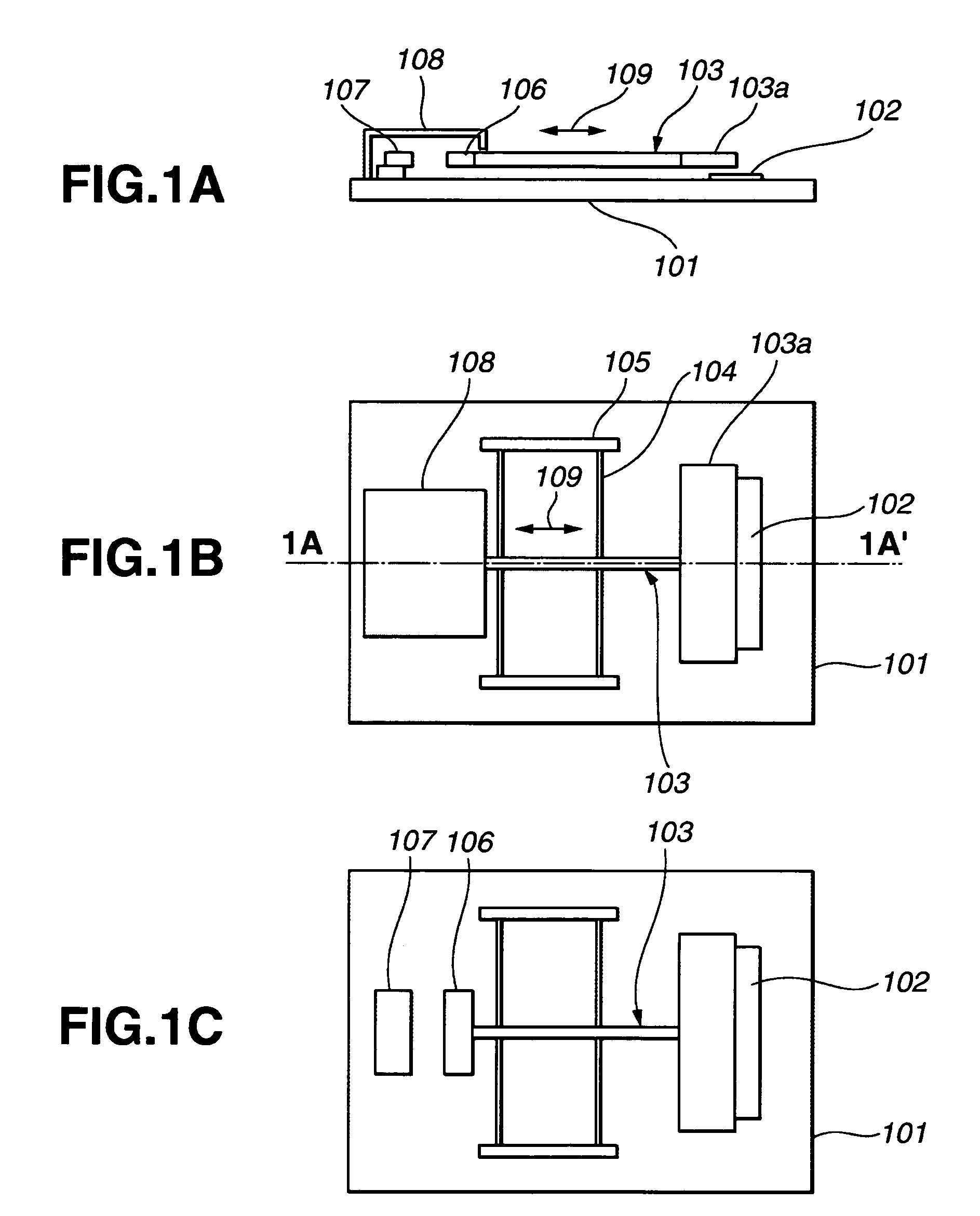
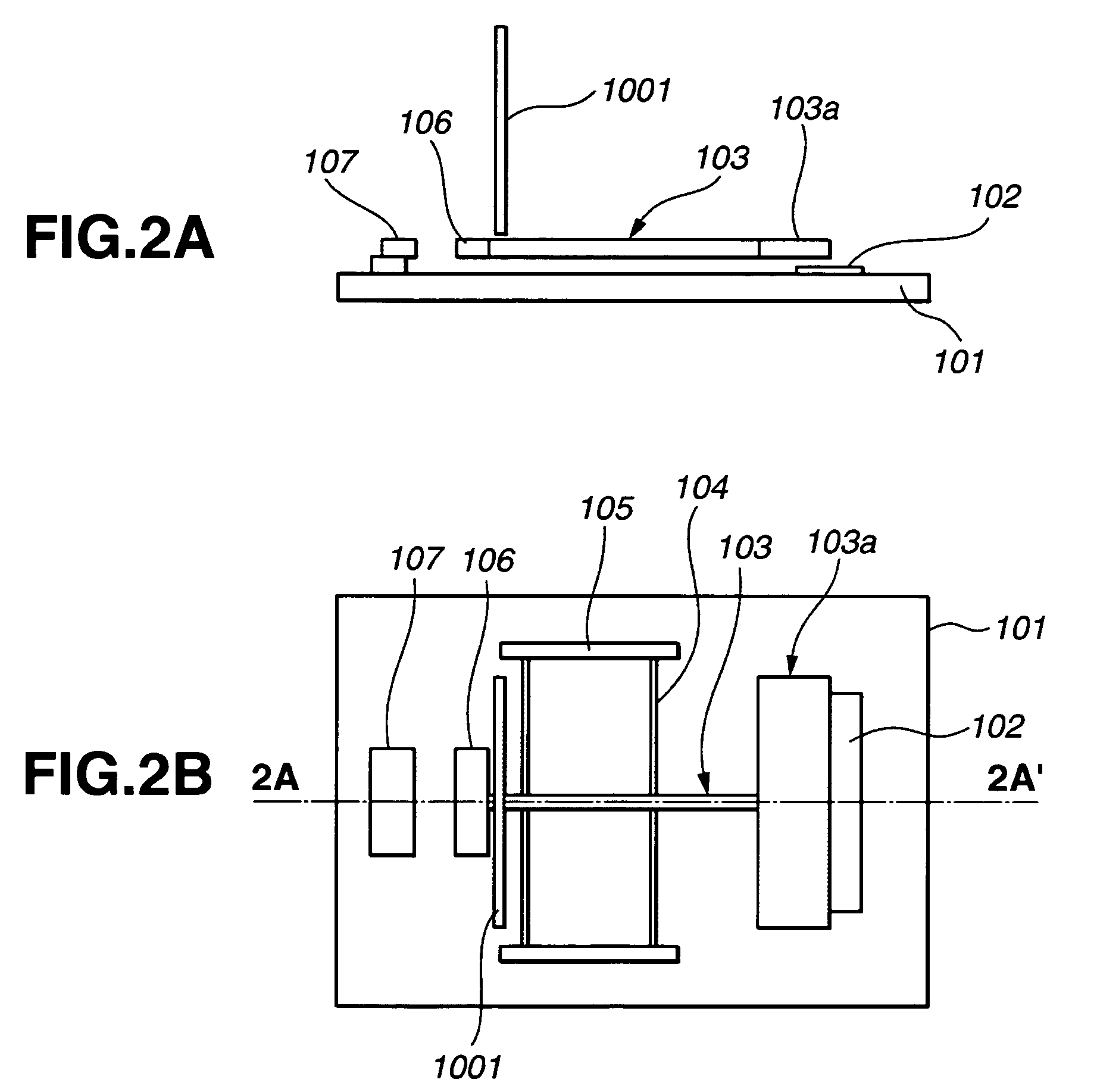
- An electric potential sensor design incorporating a detecting electrode, a capacitor modulating unit to adjust coupling capacitance using electrostatic force, and an electric shielding unit to prevent electric fields from interfering with the detecting electrode, thereby reducing driving noise in the output signal.

Biocompatibility and Safety Standards for Sensing Electrodes
Biocompatibility represents a fundamental prerequisite for electric potential sensing electrodes intended for biological applications, particularly those involving direct contact with human tissue or bodily fluids. The primary concern centers on minimizing adverse biological responses such as inflammation, cytotoxicity, allergic reactions, and tissue necrosis that may arise from electrode materials or their degradation products. Material selection must prioritize substances with proven biocompatibility profiles, including medical-grade stainless steel, platinum, gold, titanium, and carbon-based materials that have demonstrated minimal immunogenic responses in clinical settings.
International safety standards provide comprehensive frameworks for evaluating electrode biocompatibility. ISO 10993 series standards establish systematic biological evaluation protocols for medical devices, encompassing cytotoxicity testing, sensitization assessment, irritation studies, and systemic toxicity evaluation. For electrodes in prolonged contact with tissue, additional considerations include genotoxicity, implantation responses, and carcinogenicity testing. Compliance with FDA regulations under 21 CFR Part 820 and the Medical Device Regulation (MDR) in the European Union ensures that sensing electrodes meet rigorous safety requirements before clinical deployment.
Surface characteristics significantly influence biocompatibility outcomes. Electrode surfaces must exhibit appropriate roughness, hydrophilicity, and chemical stability to promote cellular adhesion while preventing protein denaturation and bacterial colonization. Surface modification techniques such as plasma treatment, coating with biocompatible polymers, or functionalization with biomolecules can enhance tissue integration and reduce foreign body responses. Sterilization methods must be carefully selected to maintain material integrity while achieving adequate microbial reduction, with options including ethylene oxide treatment, gamma irradiation, or autoclave sterilization depending on material properties.
Electrical safety considerations extend beyond material biocompatibility to encompass charge injection limits, impedance characteristics, and current density thresholds that prevent tissue damage. Standards such as IEC 60601-1 for medical electrical equipment define leakage current limits and electrical isolation requirements. Long-term stability testing under physiological conditions ensures that electrodes maintain their sensing capabilities without releasing harmful substances or experiencing performance degradation that could compromise patient safety or measurement accuracy.
International safety standards provide comprehensive frameworks for evaluating electrode biocompatibility. ISO 10993 series standards establish systematic biological evaluation protocols for medical devices, encompassing cytotoxicity testing, sensitization assessment, irritation studies, and systemic toxicity evaluation. For electrodes in prolonged contact with tissue, additional considerations include genotoxicity, implantation responses, and carcinogenicity testing. Compliance with FDA regulations under 21 CFR Part 820 and the Medical Device Regulation (MDR) in the European Union ensures that sensing electrodes meet rigorous safety requirements before clinical deployment.
Surface characteristics significantly influence biocompatibility outcomes. Electrode surfaces must exhibit appropriate roughness, hydrophilicity, and chemical stability to promote cellular adhesion while preventing protein denaturation and bacterial colonization. Surface modification techniques such as plasma treatment, coating with biocompatible polymers, or functionalization with biomolecules can enhance tissue integration and reduce foreign body responses. Sterilization methods must be carefully selected to maintain material integrity while achieving adequate microbial reduction, with options including ethylene oxide treatment, gamma irradiation, or autoclave sterilization depending on material properties.
Electrical safety considerations extend beyond material biocompatibility to encompass charge injection limits, impedance characteristics, and current density thresholds that prevent tissue damage. Standards such as IEC 60601-1 for medical electrical equipment define leakage current limits and electrical isolation requirements. Long-term stability testing under physiological conditions ensures that electrodes maintain their sensing capabilities without releasing harmful substances or experiencing performance degradation that could compromise patient safety or measurement accuracy.
Signal Quality and Noise Reduction in Electrode Systems
Signal quality in electric potential sensing electrode systems fundamentally depends on the electrode-skin interface impedance and the system's ability to reject external interference. The contact impedance between electrodes and biological tissue directly influences the signal-to-noise ratio, with higher impedance leading to increased susceptibility to electromagnetic interference and motion artifacts. Modern electrode designs must address the inherent trade-off between maintaining low contact impedance while ensuring patient comfort and long-term signal stability.
Noise sources in electrode systems can be categorized into intrinsic and extrinsic factors. Intrinsic noise originates from thermal fluctuations in electrode materials, electrochemical reactions at the electrode-electrolyte interface, and amplifier circuit noise. Extrinsic noise includes power line interference at 50/60 Hz, electromagnetic radiation from surrounding equipment, triboelectric effects from cable movement, and motion artifacts caused by electrode displacement. Each noise source requires specific mitigation strategies tailored to the application requirements and operating environment.
Active shielding techniques have emerged as effective solutions for reducing common-mode interference. By driving the shield layer with a buffered version of the input signal, the capacitive coupling between the electrode lead and external noise sources can be significantly minimized. This approach is particularly valuable in high-impedance sensing applications where traditional passive shielding proves insufficient.
Differential amplification with high common-mode rejection ratio remains the cornerstone of noise reduction in biopotential sensing. Modern instrumentation amplifiers achieve CMRR values exceeding 100 dB, effectively suppressing interference signals that appear equally on both input terminals. The placement of reference electrodes and proper grounding strategies further enhance the system's noise immunity by establishing a stable potential reference.
Digital signal processing techniques complement hardware-based noise reduction methods. Adaptive filtering algorithms can identify and remove specific noise patterns without significantly distorting the desired signal. Notch filters effectively eliminate power line interference, while wavelet-based denoising methods preserve signal transients that contain critical diagnostic information. The integration of machine learning algorithms shows promise in distinguishing between genuine physiological signals and various artifact types, enabling intelligent noise suppression in real-time applications.
Noise sources in electrode systems can be categorized into intrinsic and extrinsic factors. Intrinsic noise originates from thermal fluctuations in electrode materials, electrochemical reactions at the electrode-electrolyte interface, and amplifier circuit noise. Extrinsic noise includes power line interference at 50/60 Hz, electromagnetic radiation from surrounding equipment, triboelectric effects from cable movement, and motion artifacts caused by electrode displacement. Each noise source requires specific mitigation strategies tailored to the application requirements and operating environment.
Active shielding techniques have emerged as effective solutions for reducing common-mode interference. By driving the shield layer with a buffered version of the input signal, the capacitive coupling between the electrode lead and external noise sources can be significantly minimized. This approach is particularly valuable in high-impedance sensing applications where traditional passive shielding proves insufficient.
Differential amplification with high common-mode rejection ratio remains the cornerstone of noise reduction in biopotential sensing. Modern instrumentation amplifiers achieve CMRR values exceeding 100 dB, effectively suppressing interference signals that appear equally on both input terminals. The placement of reference electrodes and proper grounding strategies further enhance the system's noise immunity by establishing a stable potential reference.
Digital signal processing techniques complement hardware-based noise reduction methods. Adaptive filtering algorithms can identify and remove specific noise patterns without significantly distorting the desired signal. Notch filters effectively eliminate power line interference, while wavelet-based denoising methods preserve signal transients that contain critical diagnostic information. The integration of machine learning algorithms shows promise in distinguishing between genuine physiological signals and various artifact types, enabling intelligent noise suppression in real-time applications.
Unlock deeper insights with Patsnap Eureka Quick Research — get a full tech report to explore trends and direct your research. Try now!
Generate Your Research Report Instantly with AI Agent
Supercharge your innovation with Patsnap Eureka AI Agent Platform!