

How to Enhance Morphing Wing Flexibility Without Compromising Durability
MAY 18, 20269 MIN READ
Generate Your Research Report Instantly with AI Agent
Patsnap Eureka helps you evaluate technical feasibility & market potential.
Morphing Wing Technology Background and Flexibility Goals
Morphing wing technology represents a paradigm shift in aerospace engineering, drawing inspiration from natural flight mechanisms observed in birds and insects. The concept emerged in the early 20th century but gained significant momentum during the 1990s with advances in smart materials and computational modeling. Unlike conventional fixed-wing aircraft that rely on discrete control surfaces, morphing wings enable continuous shape adaptation during flight, offering unprecedented aerodynamic efficiency and performance optimization across diverse flight conditions.
The evolutionary trajectory of morphing wing technology has been driven by the aerospace industry's persistent pursuit of fuel efficiency, noise reduction, and enhanced maneuverability. Early research focused primarily on variable sweep wings and basic camber modifications. However, contemporary developments encompass sophisticated multi-degree-of-freedom systems capable of simultaneous chord extension, twist variation, and thickness modulation. This technological evolution reflects the integration of advanced materials science, mechatronics, and aerodynamic theory.
Current flexibility objectives in morphing wing systems center on achieving seamless geometric transformations while maintaining structural integrity under varying aerodynamic loads. The primary goal involves developing wings capable of real-time adaptation to optimize lift-to-drag ratios across different flight phases, from takeoff and cruise to landing configurations. Modern research emphasizes achieving flexibility ranges of 20-40% in chord length variation and 15-25 degrees in twist angle modification.
The durability challenge emerges from the inherent conflict between mechanical flexibility and structural robustness. Traditional aerospace materials excel in either flexibility or strength, but rarely both simultaneously. The industry seeks solutions that can withstand millions of actuation cycles while enduring extreme temperature variations, aerodynamic pressures, and fatigue loading. Contemporary objectives include developing morphing mechanisms with operational lifespans exceeding 50,000 flight hours while maintaining precision control within tolerance ranges of less than 1% geometric deviation.
Advanced flexibility targets now encompass multi-modal shape changes, including simultaneous span extension, camber variation, and surface texture modification. These ambitious goals require revolutionary approaches to material selection, actuation systems, and control algorithms, establishing the foundation for next-generation adaptive aircraft architectures.
The evolutionary trajectory of morphing wing technology has been driven by the aerospace industry's persistent pursuit of fuel efficiency, noise reduction, and enhanced maneuverability. Early research focused primarily on variable sweep wings and basic camber modifications. However, contemporary developments encompass sophisticated multi-degree-of-freedom systems capable of simultaneous chord extension, twist variation, and thickness modulation. This technological evolution reflects the integration of advanced materials science, mechatronics, and aerodynamic theory.
Current flexibility objectives in morphing wing systems center on achieving seamless geometric transformations while maintaining structural integrity under varying aerodynamic loads. The primary goal involves developing wings capable of real-time adaptation to optimize lift-to-drag ratios across different flight phases, from takeoff and cruise to landing configurations. Modern research emphasizes achieving flexibility ranges of 20-40% in chord length variation and 15-25 degrees in twist angle modification.
The durability challenge emerges from the inherent conflict between mechanical flexibility and structural robustness. Traditional aerospace materials excel in either flexibility or strength, but rarely both simultaneously. The industry seeks solutions that can withstand millions of actuation cycles while enduring extreme temperature variations, aerodynamic pressures, and fatigue loading. Contemporary objectives include developing morphing mechanisms with operational lifespans exceeding 50,000 flight hours while maintaining precision control within tolerance ranges of less than 1% geometric deviation.
Advanced flexibility targets now encompass multi-modal shape changes, including simultaneous span extension, camber variation, and surface texture modification. These ambitious goals require revolutionary approaches to material selection, actuation systems, and control algorithms, establishing the foundation for next-generation adaptive aircraft architectures.
Market Demand for Advanced Morphing Wing Systems
The aerospace industry is experiencing unprecedented demand for advanced morphing wing systems driven by stringent environmental regulations and fuel efficiency requirements. Commercial aviation operators face mounting pressure to reduce carbon emissions while maintaining operational profitability, creating substantial market pull for adaptive wing technologies that can optimize aerodynamic performance across diverse flight conditions.
Military and defense sectors represent another significant demand driver, where mission adaptability and stealth capabilities are paramount. Modern combat aircraft require wings that can reconfigure for multiple mission profiles, from high-speed interception to low-speed surveillance operations. The ability to morph wing geometry provides tactical advantages that traditional fixed-wing designs cannot achieve.
Unmanned aerial vehicle markets are rapidly expanding demand for morphing wing solutions, particularly in applications requiring extended endurance and multi-mission capabilities. Commercial drone operators in logistics, surveillance, and agricultural sectors increasingly seek platforms that can adapt wing configurations for optimal performance during different flight phases, from takeoff and landing to cruise operations.
The emerging urban air mobility sector presents substantial growth opportunities for morphing wing technologies. Electric vertical takeoff and landing aircraft require wing systems that can transition between hover and forward flight configurations efficiently. Market projections indicate significant investment in this sector, with multiple manufacturers developing prototypes incorporating adaptive wing elements.
Regional aircraft manufacturers are exploring morphing wing applications to enhance short-haul flight efficiency. These operators face unique challenges with frequent takeoff and landing cycles, where adaptive wing systems could provide substantial fuel savings and operational flexibility compared to conventional designs.
Research institutions and government agencies continue investing heavily in morphing wing development programs, recognizing the strategic importance of maintaining technological leadership in adaptive aerospace systems. This sustained research funding creates additional market demand for advanced materials, actuator systems, and control technologies essential for practical morphing wing implementation.
The convergence of advanced materials science, miniaturized actuator technologies, and sophisticated control systems has created favorable market conditions for morphing wing commercialization, with multiple industry segments actively seeking solutions that balance flexibility enhancement with durability requirements.
Military and defense sectors represent another significant demand driver, where mission adaptability and stealth capabilities are paramount. Modern combat aircraft require wings that can reconfigure for multiple mission profiles, from high-speed interception to low-speed surveillance operations. The ability to morph wing geometry provides tactical advantages that traditional fixed-wing designs cannot achieve.
Unmanned aerial vehicle markets are rapidly expanding demand for morphing wing solutions, particularly in applications requiring extended endurance and multi-mission capabilities. Commercial drone operators in logistics, surveillance, and agricultural sectors increasingly seek platforms that can adapt wing configurations for optimal performance during different flight phases, from takeoff and landing to cruise operations.
The emerging urban air mobility sector presents substantial growth opportunities for morphing wing technologies. Electric vertical takeoff and landing aircraft require wing systems that can transition between hover and forward flight configurations efficiently. Market projections indicate significant investment in this sector, with multiple manufacturers developing prototypes incorporating adaptive wing elements.
Regional aircraft manufacturers are exploring morphing wing applications to enhance short-haul flight efficiency. These operators face unique challenges with frequent takeoff and landing cycles, where adaptive wing systems could provide substantial fuel savings and operational flexibility compared to conventional designs.
Research institutions and government agencies continue investing heavily in morphing wing development programs, recognizing the strategic importance of maintaining technological leadership in adaptive aerospace systems. This sustained research funding creates additional market demand for advanced materials, actuator systems, and control technologies essential for practical morphing wing implementation.
The convergence of advanced materials science, miniaturized actuator technologies, and sophisticated control systems has created favorable market conditions for morphing wing commercialization, with multiple industry segments actively seeking solutions that balance flexibility enhancement with durability requirements.
Current State and Durability Challenges in Morphing Wings
Morphing wing technology has achieved significant milestones in recent decades, with several aircraft demonstrating variable geometry capabilities. Current implementations primarily focus on discrete shape changes rather than continuous morphing, with examples including the F-14 Tomcat's swing wings and the B-1 Lancer's variable-sweep configuration. However, these systems rely on mechanical joints and actuators that add substantial weight and complexity while limiting the scope of geometric transformation.
Contemporary morphing wing research has progressed toward more sophisticated approaches, including smart materials integration and biomimetic designs. Shape memory alloys, piezoelectric actuators, and flexible skin materials have emerged as promising solutions for achieving continuous deformation. Leading research institutions and aerospace companies have developed prototypes incorporating these technologies, demonstrating feasibility in controlled environments.
The primary durability challenge stems from the fundamental conflict between flexibility requirements and structural integrity demands. Traditional aircraft structures achieve durability through rigid frameworks and predictable load paths, while morphing wings must maintain structural performance under dynamic geometric changes. This creates unprecedented stress concentrations and fatigue patterns that conventional design methodologies struggle to address.
Material degradation represents another critical challenge, particularly for smart materials subjected to repeated actuation cycles. Shape memory alloys experience functional fatigue after extensive use, while flexible skin materials face issues with creep, delamination, and environmental degradation. The integration of multiple material systems compounds these problems, as different thermal expansion coefficients and mechanical properties create interface stresses.
Actuation system reliability poses additional durability concerns, as morphing mechanisms must operate reliably under varying aerodynamic loads and environmental conditions. Current actuator technologies often lack the power-to-weight ratios necessary for practical implementation while maintaining long-term operational reliability. The complexity of control systems required for coordinated morphing further increases potential failure modes.
Environmental factors significantly impact morphing wing durability, including temperature variations, moisture exposure, and aerodynamic heating effects. These conditions accelerate material degradation and can compromise the precision required for effective shape control. The challenge intensifies for high-performance applications where extreme operating conditions are routine.
Manufacturing and maintenance considerations also present durability challenges, as morphing wing systems require specialized production techniques and inspection protocols. The integration of sensors, actuators, and flexible materials creates complex assemblies that are difficult to manufacture consistently and challenging to maintain in operational environments.
Contemporary morphing wing research has progressed toward more sophisticated approaches, including smart materials integration and biomimetic designs. Shape memory alloys, piezoelectric actuators, and flexible skin materials have emerged as promising solutions for achieving continuous deformation. Leading research institutions and aerospace companies have developed prototypes incorporating these technologies, demonstrating feasibility in controlled environments.
The primary durability challenge stems from the fundamental conflict between flexibility requirements and structural integrity demands. Traditional aircraft structures achieve durability through rigid frameworks and predictable load paths, while morphing wings must maintain structural performance under dynamic geometric changes. This creates unprecedented stress concentrations and fatigue patterns that conventional design methodologies struggle to address.
Material degradation represents another critical challenge, particularly for smart materials subjected to repeated actuation cycles. Shape memory alloys experience functional fatigue after extensive use, while flexible skin materials face issues with creep, delamination, and environmental degradation. The integration of multiple material systems compounds these problems, as different thermal expansion coefficients and mechanical properties create interface stresses.
Actuation system reliability poses additional durability concerns, as morphing mechanisms must operate reliably under varying aerodynamic loads and environmental conditions. Current actuator technologies often lack the power-to-weight ratios necessary for practical implementation while maintaining long-term operational reliability. The complexity of control systems required for coordinated morphing further increases potential failure modes.
Environmental factors significantly impact morphing wing durability, including temperature variations, moisture exposure, and aerodynamic heating effects. These conditions accelerate material degradation and can compromise the precision required for effective shape control. The challenge intensifies for high-performance applications where extreme operating conditions are routine.
Manufacturing and maintenance considerations also present durability challenges, as morphing wing systems require specialized production techniques and inspection protocols. The integration of sensors, actuators, and flexible materials creates complex assemblies that are difficult to manufacture consistently and challenging to maintain in operational environments.
Existing Solutions for Balancing Flexibility and Durability
01 Shape memory alloy actuators for wing morphing
Shape memory alloys are utilized as actuators to enable controlled deformation of wing structures. These materials can change shape when heated or cooled, providing the necessary force and displacement for wing morphing applications. The actuators can be integrated into wing structures to achieve desired flexibility and shape changes during flight operations.- Shape memory alloy actuators for wing morphing: Shape memory alloys are utilized as actuators to enable controlled deformation of wing structures. These materials can change shape when heated or cooled, providing the necessary force and displacement for wing morphing applications. The actuators can be integrated into wing structures to achieve desired flexibility and shape changes during flight operations.
- Flexible wing skin materials and structures: Advanced flexible materials and structural designs are employed to create wing skins that can accommodate morphing movements while maintaining structural integrity. These materials must balance flexibility with strength requirements, allowing for smooth shape transitions without compromising aerodynamic performance or structural safety.
- Variable geometry wing mechanisms: Mechanical systems and linkages are designed to enable controlled changes in wing geometry, including sweep angle, camber, and twist. These mechanisms incorporate joints, hinges, and transmission systems that allow for precise control of wing shape modifications while withstanding aerodynamic loads.
- Control systems for morphing wing operations: Sophisticated control algorithms and sensor systems are developed to manage the morphing process in real-time. These systems monitor flight conditions and automatically adjust wing configuration to optimize performance, incorporating feedback mechanisms and predictive control strategies for seamless operation.
- Composite materials for morphing wing applications: Specialized composite materials are engineered to provide the necessary flexibility and strength characteristics for morphing wing structures. These materials often feature variable stiffness properties and can be tailored to specific deformation patterns, enabling efficient shape changes while maintaining structural performance under various loading conditions.
02 Flexible wing skin materials and structures
Advanced flexible materials and structural designs are employed to create wing skins that can accommodate morphing movements while maintaining structural integrity. These materials must balance flexibility with strength requirements, allowing for smooth shape transitions without compromising aerodynamic performance or structural safety.Expand Specific Solutions03 Variable camber and twist mechanisms
Mechanical systems are designed to enable controlled changes in wing camber and twist angles. These mechanisms allow for real-time adjustment of wing geometry to optimize aerodynamic performance under different flight conditions. The systems typically incorporate linkages, actuators, and control surfaces that work together to achieve desired wing deformation.Expand Specific Solutions04 Adaptive wing control systems
Sophisticated control algorithms and sensor networks are implemented to manage wing morphing operations. These systems monitor flight conditions and automatically adjust wing configuration to maintain optimal performance. The control systems integrate feedback mechanisms and predictive algorithms to ensure smooth and efficient morphing operations.Expand Specific Solutions05 Biomimetic wing design approaches
Wing morphing concepts inspired by natural flight mechanisms found in birds and insects are developed to achieve enhanced flexibility and performance. These designs incorporate biological principles such as feather-like structures, joint mechanisms, and muscle-inspired actuators to create more efficient and adaptable wing systems.Expand Specific Solutions
Key Players in Morphing Wing and Aerospace Industry
The morphing wing flexibility enhancement technology is in an early-to-mid development stage, characterized by significant research activity but limited commercial deployment. The market remains nascent with substantial growth potential, driven by aerospace industry demands for improved fuel efficiency and performance adaptability. Technology maturity varies considerably across the competitive landscape. Leading aerospace manufacturers like Boeing, Airbus SE, and Mitsubishi Heavy Industries possess advanced capabilities through extensive R&D investments and practical implementation experience. Research institutions including Harbin Institute of Technology, Northwestern Polytechnical University, and Beihang University contribute fundamental research breakthroughs in smart materials and adaptive structures. Government agencies such as NASA, DLR, and JAXA provide critical funding and testing infrastructure. Emerging companies like Beijing Aisda Aerospace Technology and Tianjin Aisida Aerospace Technology represent specialized players focusing on innovative solutions, while defense contractors including Raytheon and MBDA UK develop military applications, creating a diverse ecosystem spanning academic research, industrial development, and practical implementation.
The Boeing Co.
Technical Solution: Boeing has developed advanced morphing wing technologies utilizing shape memory alloys (SMAs) and flexible composite materials to create adaptive wing structures. Their approach focuses on variable camber systems that can adjust wing geometry during flight without traditional mechanical actuators. The company employs bio-inspired design principles, incorporating flexible skin materials that can withstand repeated deformation cycles while maintaining structural integrity. Boeing's morphing wing solutions integrate smart materials with advanced control systems to optimize aerodynamic performance across different flight conditions. Their research emphasizes the use of distributed actuation systems and flexible matrix composites that provide both the necessary flexibility for shape changes and the durability required for commercial aviation applications.
Strengths: Extensive aerospace experience, proven track record in commercial aviation, strong integration capabilities with existing aircraft systems. Weaknesses: Conservative approach may limit innovation speed, high certification requirements for commercial applications.
Beihang University
Technical Solution: Beihang University has developed advanced morphing wing technologies focusing on bio-inspired adaptive structures using shape memory polymers and flexible composite materials. Their research emphasizes the development of distributed actuation systems that can provide smooth wing shape transitions while maintaining structural durability through innovative material design. The university's approach combines smart materials with advanced control systems to create morphing wings that can adapt to various flight conditions without compromising load-bearing capabilities. Their work includes the development of flexible skin materials using fiber-reinforced composites with tailored mechanical properties that allow for controlled deformation. Beihang's morphing wing research integrates computational modeling with experimental validation to optimize the balance between flexibility and structural integrity, focusing on applications in unmanned aerial vehicles and future aircraft designs.
Strengths: Strong academic research foundation, expertise in smart materials and bio-inspired design, cost-effective development approach. Weaknesses: Limited industrial manufacturing experience, smaller scale testing facilities, challenges in technology commercialization and certification processes.
Core Innovations in Morphing Wing Material Science
Skin of morphing wing and drive method thereof
PatentInactiveCN101708772A
Innovation
- Fiber-reinforced composite materials are combined with shape memory alloy actuators to form a corrugated configuration of the variant wing skin. The shape memory effect of the shape memory alloy is used for active deformation, and laser displacement sensing and strain measurement systems are used to ensure safe deformation. accuracy and accuracy.
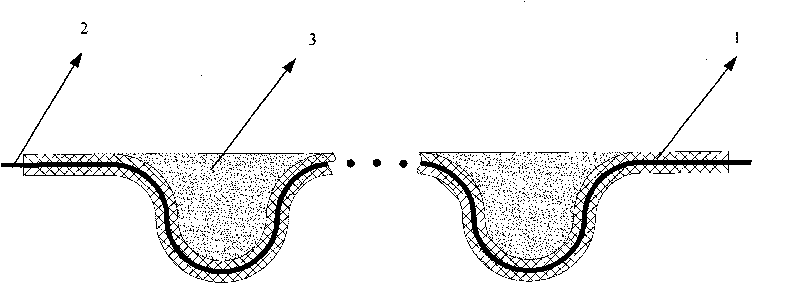
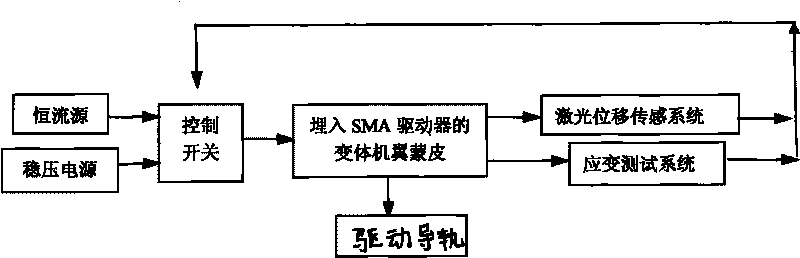
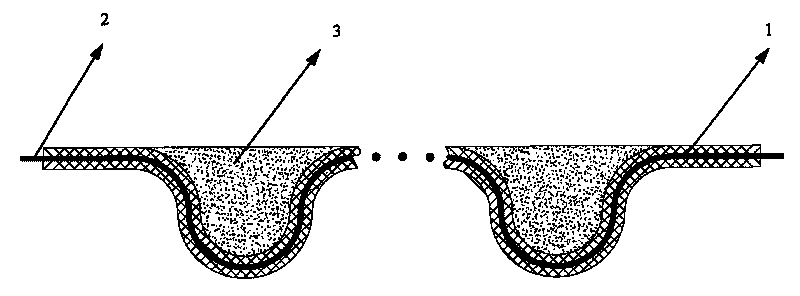
Two-dimensional morphing structure for wing
PatentInactiveUS8991769B2
Innovation
- A morphing structure composed of an anchor, hinges, shape-memory alloy members, springs, and rigid members that can change the shape of the wing by actuating the shape-memory alloy members to rotate the rigid members and alter the wing's geometry.


Aviation Safety Regulations for Morphing Wing Aircraft
The regulatory landscape for morphing wing aircraft presents a complex framework that must balance innovation with safety imperatives. Current aviation safety regulations, primarily established by the Federal Aviation Administration (FAA) and the European Union Aviation Safety Agency (EASA), were developed for conventional fixed-wing aircraft configurations. These existing frameworks require substantial adaptation to accommodate the dynamic structural characteristics inherent in morphing wing technologies.
Certification pathways for morphing wing aircraft face unprecedented challenges due to the absence of established precedents. Traditional airworthiness standards assume static wing geometries with predictable structural behaviors throughout the flight envelope. Morphing wings introduce variable aerodynamic surfaces that continuously alter their shape, creating regulatory gaps in structural integrity assessment, fatigue analysis, and failure mode evaluation. The certification process must address how flexibility enhancement mechanisms maintain structural reliability under diverse operational conditions.
Safety assessment methodologies require fundamental restructuring to evaluate morphing wing systems effectively. Conventional approaches rely on deterministic structural analysis based on fixed configurations, whereas morphing wings demand dynamic evaluation protocols that account for continuous shape variations. Regulatory bodies must establish new testing standards that validate both the flexibility enhancement mechanisms and their long-term durability under cyclic loading conditions typical of commercial aviation operations.
International harmonization efforts are emerging to create unified standards for morphing wing aircraft certification. The International Civil Aviation Organization (ICAO) is developing preliminary guidelines that address the unique safety considerations of adaptive wing structures. These initiatives focus on establishing minimum performance criteria for morphing mechanisms, defining acceptable failure modes, and creating standardized testing protocols that ensure consistent safety levels across different regulatory jurisdictions.
Future regulatory developments will likely incorporate risk-based certification approaches that evaluate morphing wing systems through probabilistic safety assessments. This evolution requires close collaboration between manufacturers, regulatory authorities, and research institutions to establish comprehensive safety frameworks that enable morphing wing technology deployment while maintaining aviation's exemplary safety record.
Certification pathways for morphing wing aircraft face unprecedented challenges due to the absence of established precedents. Traditional airworthiness standards assume static wing geometries with predictable structural behaviors throughout the flight envelope. Morphing wings introduce variable aerodynamic surfaces that continuously alter their shape, creating regulatory gaps in structural integrity assessment, fatigue analysis, and failure mode evaluation. The certification process must address how flexibility enhancement mechanisms maintain structural reliability under diverse operational conditions.
Safety assessment methodologies require fundamental restructuring to evaluate morphing wing systems effectively. Conventional approaches rely on deterministic structural analysis based on fixed configurations, whereas morphing wings demand dynamic evaluation protocols that account for continuous shape variations. Regulatory bodies must establish new testing standards that validate both the flexibility enhancement mechanisms and their long-term durability under cyclic loading conditions typical of commercial aviation operations.
International harmonization efforts are emerging to create unified standards for morphing wing aircraft certification. The International Civil Aviation Organization (ICAO) is developing preliminary guidelines that address the unique safety considerations of adaptive wing structures. These initiatives focus on establishing minimum performance criteria for morphing mechanisms, defining acceptable failure modes, and creating standardized testing protocols that ensure consistent safety levels across different regulatory jurisdictions.
Future regulatory developments will likely incorporate risk-based certification approaches that evaluate morphing wing systems through probabilistic safety assessments. This evolution requires close collaboration between manufacturers, regulatory authorities, and research institutions to establish comprehensive safety frameworks that enable morphing wing technology deployment while maintaining aviation's exemplary safety record.
Environmental Impact of Advanced Morphing Wing Materials
The development of advanced morphing wing technologies necessitates careful consideration of environmental implications throughout the material lifecycle. Contemporary morphing wing systems rely heavily on specialized materials including shape memory alloys, carbon fiber composites, and advanced polymers, each presenting distinct environmental challenges during production, operation, and end-of-life disposal.
Manufacturing processes for morphing wing materials generate significant environmental footprints. Shape memory alloys such as nitinol require energy-intensive extraction and processing of rare earth elements, contributing to substantial carbon emissions and potential ecosystem disruption. Carbon fiber production involves high-temperature processing that consumes considerable energy, while the manufacturing of smart polymers often requires chemical processes that may produce hazardous byproducts requiring careful waste management protocols.
The operational environmental impact of morphing wing materials presents both challenges and opportunities. While these advanced materials enable improved aerodynamic efficiency and reduced fuel consumption during flight operations, their production carbon footprint must be weighed against long-term operational benefits. Studies indicate that morphing wing systems can achieve 5-12% fuel efficiency improvements, potentially offsetting manufacturing emissions over extended operational periods.
End-of-life material management poses significant sustainability challenges for advanced morphing wing components. Traditional recycling methods prove inadequate for complex composite materials and shape memory alloys. Carbon fiber composites resist conventional recycling processes, often requiring energy-intensive pyrolysis or chemical dissolution methods. Shape memory alloys, while theoretically recyclable, face economic barriers due to complex separation processes required to maintain material purity.
Emerging sustainable alternatives show promise for reducing environmental impact. Bio-based polymers and natural fiber composites offer potential substitutes for traditional materials, though performance trade-offs remain significant. Research into recyclable thermoplastic matrices and design-for-disassembly approaches could substantially improve end-of-life material recovery rates.
Regulatory frameworks increasingly emphasize environmental accountability in aerospace material selection. European Union regulations on hazardous substances and emerging carbon taxation policies will likely influence future morphing wing material choices, driving innovation toward more sustainable alternatives while maintaining performance requirements essential for aviation safety and efficiency.
Manufacturing processes for morphing wing materials generate significant environmental footprints. Shape memory alloys such as nitinol require energy-intensive extraction and processing of rare earth elements, contributing to substantial carbon emissions and potential ecosystem disruption. Carbon fiber production involves high-temperature processing that consumes considerable energy, while the manufacturing of smart polymers often requires chemical processes that may produce hazardous byproducts requiring careful waste management protocols.
The operational environmental impact of morphing wing materials presents both challenges and opportunities. While these advanced materials enable improved aerodynamic efficiency and reduced fuel consumption during flight operations, their production carbon footprint must be weighed against long-term operational benefits. Studies indicate that morphing wing systems can achieve 5-12% fuel efficiency improvements, potentially offsetting manufacturing emissions over extended operational periods.
End-of-life material management poses significant sustainability challenges for advanced morphing wing components. Traditional recycling methods prove inadequate for complex composite materials and shape memory alloys. Carbon fiber composites resist conventional recycling processes, often requiring energy-intensive pyrolysis or chemical dissolution methods. Shape memory alloys, while theoretically recyclable, face economic barriers due to complex separation processes required to maintain material purity.
Emerging sustainable alternatives show promise for reducing environmental impact. Bio-based polymers and natural fiber composites offer potential substitutes for traditional materials, though performance trade-offs remain significant. Research into recyclable thermoplastic matrices and design-for-disassembly approaches could substantially improve end-of-life material recovery rates.
Regulatory frameworks increasingly emphasize environmental accountability in aerospace material selection. European Union regulations on hazardous substances and emerging carbon taxation policies will likely influence future morphing wing material choices, driving innovation toward more sustainable alternatives while maintaining performance requirements essential for aviation safety and efficiency.
Unlock deeper insights with Patsnap Eureka Quick Research — get a full tech report to explore trends and direct your research. Try now!
Generate Your Research Report Instantly with AI Agent
Supercharge your innovation with Patsnap Eureka AI Agent Platform!