

How to Evaluate Harmonic Drive Lubrication Needs
APR 27, 20269 MIN READ
Generate Your Research Report Instantly with AI Agent
PatSnap Eureka helps you evaluate technical feasibility & market potential.
Harmonic Drive Lubrication Background and Objectives
Harmonic drives represent a critical precision transmission technology that has revolutionized motion control systems across aerospace, robotics, and industrial automation sectors. These compact, high-ratio gear systems achieve exceptional positioning accuracy through their unique flexspline deformation mechanism, making them indispensable for applications requiring precise angular positioning and high torque density. The technology's evolution from early aerospace applications in the 1960s to today's widespread industrial adoption demonstrates its fundamental importance in modern precision engineering.
The operational principle of harmonic drives involves continuous flexing of the flexspline component, creating a dynamic contact environment that presents unique lubrication challenges. Unlike conventional gear systems with rolling or sliding contacts, harmonic drives experience complex stress patterns including radial deformation, circumferential sliding, and varying contact pressures throughout each rotation cycle. This distinctive operating mechanism demands specialized lubrication strategies that differ significantly from traditional gear lubrication approaches.
Current industry trends indicate increasing demands for harmonic drive performance in terms of positioning accuracy, operational lifespan, and reliability under extreme conditions. Modern applications in collaborative robotics, satellite positioning systems, and precision manufacturing equipment require harmonic drives to operate continuously for extended periods while maintaining sub-arc-second accuracy. These evolving requirements have intensified focus on optimizing lubrication systems to minimize friction losses, reduce wear rates, and ensure consistent performance over operational lifetimes exceeding 10,000 hours.
The primary objective of evaluating harmonic drive lubrication needs centers on developing systematic methodologies to assess lubricant performance under the unique operating conditions these systems experience. This evaluation framework must address the complex interplay between lubricant properties, operating parameters, and performance metrics specific to harmonic drive applications. Key technical goals include establishing standardized testing protocols that accurately simulate real-world operating conditions, developing predictive models for lubricant degradation, and creating selection criteria that optimize both immediate performance and long-term reliability.
Furthermore, the evaluation process aims to bridge the gap between theoretical lubrication principles and practical application requirements, enabling engineers to make informed decisions regarding lubricant selection, maintenance intervals, and system design optimization for specific operational environments and performance targets.
The operational principle of harmonic drives involves continuous flexing of the flexspline component, creating a dynamic contact environment that presents unique lubrication challenges. Unlike conventional gear systems with rolling or sliding contacts, harmonic drives experience complex stress patterns including radial deformation, circumferential sliding, and varying contact pressures throughout each rotation cycle. This distinctive operating mechanism demands specialized lubrication strategies that differ significantly from traditional gear lubrication approaches.
Current industry trends indicate increasing demands for harmonic drive performance in terms of positioning accuracy, operational lifespan, and reliability under extreme conditions. Modern applications in collaborative robotics, satellite positioning systems, and precision manufacturing equipment require harmonic drives to operate continuously for extended periods while maintaining sub-arc-second accuracy. These evolving requirements have intensified focus on optimizing lubrication systems to minimize friction losses, reduce wear rates, and ensure consistent performance over operational lifetimes exceeding 10,000 hours.
The primary objective of evaluating harmonic drive lubrication needs centers on developing systematic methodologies to assess lubricant performance under the unique operating conditions these systems experience. This evaluation framework must address the complex interplay between lubricant properties, operating parameters, and performance metrics specific to harmonic drive applications. Key technical goals include establishing standardized testing protocols that accurately simulate real-world operating conditions, developing predictive models for lubricant degradation, and creating selection criteria that optimize both immediate performance and long-term reliability.
Furthermore, the evaluation process aims to bridge the gap between theoretical lubrication principles and practical application requirements, enabling engineers to make informed decisions regarding lubricant selection, maintenance intervals, and system design optimization for specific operational environments and performance targets.
Market Demand for Advanced Harmonic Drive Systems
The global harmonic drive market is experiencing substantial growth driven by increasing automation across multiple industrial sectors. Manufacturing industries are demanding higher precision positioning systems, particularly in robotics applications where harmonic drives serve as critical components in joint mechanisms. The aerospace and defense sectors represent significant market segments, requiring harmonic drives for satellite positioning systems, radar equipment, and precision instrumentation where reliability and accuracy are paramount.
Robotics applications constitute the largest market segment for advanced harmonic drive systems. Industrial robots used in automotive assembly, electronics manufacturing, and precision machining require harmonic drives that can operate reliably under varying load conditions. The proliferation of collaborative robots in manufacturing environments has further expanded demand, as these systems require smooth, precise motion control with minimal backlash.
The semiconductor manufacturing industry presents a rapidly growing market opportunity for harmonic drive systems. Wafer handling equipment, lithography machines, and inspection systems demand ultra-precise positioning capabilities. These applications require harmonic drives with exceptional repeatability and long-term stability, driving demand for advanced lubrication solutions that can maintain performance over extended operational periods.
Medical device manufacturing represents an emerging high-value market segment. Surgical robots, diagnostic imaging equipment, and automated laboratory systems require harmonic drives with stringent cleanliness requirements and biocompatible materials. This sector demands specialized lubrication approaches that meet medical industry standards while maintaining operational performance.
The renewable energy sector, particularly wind power generation, has created substantial demand for large-scale harmonic drive systems. Wind turbine pitch control mechanisms require robust harmonic drives capable of operating in harsh environmental conditions. These applications necessitate advanced lubrication systems that can withstand temperature extremes, moisture exposure, and extended maintenance intervals.
Market trends indicate increasing demand for harmonic drives with enhanced durability and reduced maintenance requirements. End users are prioritizing total cost of ownership over initial purchase price, creating opportunities for advanced lubrication technologies that extend operational life and reduce downtime. This shift is driving innovation in lubrication evaluation methodologies and performance optimization strategies.
The Asia-Pacific region dominates market demand, driven by extensive manufacturing activities and rapid industrial automation adoption. North American and European markets emphasize high-performance applications with stringent reliability requirements, creating demand for premium harmonic drive solutions with sophisticated lubrication management systems.
Robotics applications constitute the largest market segment for advanced harmonic drive systems. Industrial robots used in automotive assembly, electronics manufacturing, and precision machining require harmonic drives that can operate reliably under varying load conditions. The proliferation of collaborative robots in manufacturing environments has further expanded demand, as these systems require smooth, precise motion control with minimal backlash.
The semiconductor manufacturing industry presents a rapidly growing market opportunity for harmonic drive systems. Wafer handling equipment, lithography machines, and inspection systems demand ultra-precise positioning capabilities. These applications require harmonic drives with exceptional repeatability and long-term stability, driving demand for advanced lubrication solutions that can maintain performance over extended operational periods.
Medical device manufacturing represents an emerging high-value market segment. Surgical robots, diagnostic imaging equipment, and automated laboratory systems require harmonic drives with stringent cleanliness requirements and biocompatible materials. This sector demands specialized lubrication approaches that meet medical industry standards while maintaining operational performance.
The renewable energy sector, particularly wind power generation, has created substantial demand for large-scale harmonic drive systems. Wind turbine pitch control mechanisms require robust harmonic drives capable of operating in harsh environmental conditions. These applications necessitate advanced lubrication systems that can withstand temperature extremes, moisture exposure, and extended maintenance intervals.
Market trends indicate increasing demand for harmonic drives with enhanced durability and reduced maintenance requirements. End users are prioritizing total cost of ownership over initial purchase price, creating opportunities for advanced lubrication technologies that extend operational life and reduce downtime. This shift is driving innovation in lubrication evaluation methodologies and performance optimization strategies.
The Asia-Pacific region dominates market demand, driven by extensive manufacturing activities and rapid industrial automation adoption. North American and European markets emphasize high-performance applications with stringent reliability requirements, creating demand for premium harmonic drive solutions with sophisticated lubrication management systems.
Current Lubrication Challenges in Harmonic Drives
Harmonic drives face significant lubrication challenges that directly impact their performance, reliability, and operational lifespan. The unique operating mechanism of these precision reducers creates complex tribological conditions that conventional lubrication approaches often struggle to address effectively.
The primary challenge stems from the extreme contact pressures generated at the interface between the flexspline and circular spline. These contact pressures can exceed 1.5 GPa in high-torque applications, creating severe boundary lubrication conditions. Under such extreme loads, conventional lubricants experience film breakdown, leading to metal-to-metal contact and accelerated wear of the critical tooth surfaces.
Temperature management presents another critical challenge in harmonic drive lubrication. The continuous flexing of the flexspline generates substantial heat through hysteresis losses in the material, while the high-frequency engagement and disengagement of gear teeth creates additional frictional heating. This thermal environment can cause lubricant degradation, viscosity breakdown, and the formation of harmful oxidation products that compromise lubrication effectiveness.
The dynamic nature of harmonic drive operation creates unique lubricant distribution challenges. The elliptical deformation of the flexspline results in constantly changing contact zones, making it difficult to maintain consistent lubricant films across all engagement points. Traditional splash or spray lubrication methods often fail to provide adequate coverage to the critical contact areas, particularly in the major axis regions where maximum engagement occurs.
Contamination control represents a persistent challenge in harmonic drive applications. The precision tolerances required for optimal performance make these systems highly sensitive to particulate contamination. Wear debris generated from normal operation can accumulate in the lubricant, creating abrasive particles that accelerate component degradation. The enclosed nature of many harmonic drive housings can trap contaminants, creating a cycle of progressive wear acceleration.
Lubricant selection complexity arises from the conflicting requirements of harmonic drive operation. The system demands lubricants with sufficient viscosity to maintain protective films under extreme pressures, yet low enough viscosity to minimize churning losses and temperature rise. Additionally, the lubricant must maintain stable properties across wide temperature ranges while providing adequate protection against fretting corrosion at the flexspline-wave generator interface.
Maintenance accessibility poses practical challenges for lubrication management. Many harmonic drives are integrated into sealed systems or installed in locations with limited access for routine maintenance. This constraint necessitates extended lubricant service intervals, placing additional demands on lubricant stability and performance retention over time.
The primary challenge stems from the extreme contact pressures generated at the interface between the flexspline and circular spline. These contact pressures can exceed 1.5 GPa in high-torque applications, creating severe boundary lubrication conditions. Under such extreme loads, conventional lubricants experience film breakdown, leading to metal-to-metal contact and accelerated wear of the critical tooth surfaces.
Temperature management presents another critical challenge in harmonic drive lubrication. The continuous flexing of the flexspline generates substantial heat through hysteresis losses in the material, while the high-frequency engagement and disengagement of gear teeth creates additional frictional heating. This thermal environment can cause lubricant degradation, viscosity breakdown, and the formation of harmful oxidation products that compromise lubrication effectiveness.
The dynamic nature of harmonic drive operation creates unique lubricant distribution challenges. The elliptical deformation of the flexspline results in constantly changing contact zones, making it difficult to maintain consistent lubricant films across all engagement points. Traditional splash or spray lubrication methods often fail to provide adequate coverage to the critical contact areas, particularly in the major axis regions where maximum engagement occurs.
Contamination control represents a persistent challenge in harmonic drive applications. The precision tolerances required for optimal performance make these systems highly sensitive to particulate contamination. Wear debris generated from normal operation can accumulate in the lubricant, creating abrasive particles that accelerate component degradation. The enclosed nature of many harmonic drive housings can trap contaminants, creating a cycle of progressive wear acceleration.
Lubricant selection complexity arises from the conflicting requirements of harmonic drive operation. The system demands lubricants with sufficient viscosity to maintain protective films under extreme pressures, yet low enough viscosity to minimize churning losses and temperature rise. Additionally, the lubricant must maintain stable properties across wide temperature ranges while providing adequate protection against fretting corrosion at the flexspline-wave generator interface.
Maintenance accessibility poses practical challenges for lubrication management. Many harmonic drives are integrated into sealed systems or installed in locations with limited access for routine maintenance. This constraint necessitates extended lubricant service intervals, placing additional demands on lubricant stability and performance retention over time.
Existing Lubrication Evaluation Methods
01 Lubricant composition and formulation for harmonic drives
Specialized lubricant compositions are developed specifically for harmonic drive applications, focusing on the unique requirements of these precision gear systems. These formulations consider the specific operating conditions, load characteristics, and material compatibility requirements of harmonic drives to optimize performance and longevity.- Lubrication systems for harmonic drive gearboxes: Specialized lubrication systems designed specifically for harmonic drive mechanisms to ensure proper oil distribution and circulation. These systems incorporate dedicated oil pumps, reservoirs, and distribution networks to maintain consistent lubrication across all moving components of the harmonic drive assembly.
- Lubricant composition and properties for harmonic drives: Specific formulations of lubricants tailored for harmonic drive applications, focusing on viscosity characteristics, temperature stability, and chemical compatibility with harmonic drive materials. These compositions are designed to withstand the unique stress patterns and operating conditions of harmonic drive mechanisms.
- Sealing and containment methods for harmonic drive lubricants: Advanced sealing technologies and containment strategies to prevent lubricant leakage and contamination in harmonic drive systems. These methods include specialized gaskets, dynamic seals, and barrier systems that maintain lubricant integrity while allowing for thermal expansion and mechanical movement.
- Lubrication monitoring and maintenance systems: Integrated monitoring systems that track lubricant condition, temperature, and flow rates in harmonic drive applications. These systems provide real-time feedback on lubrication effectiveness and can trigger maintenance alerts or automatic lubricant replacement when predetermined thresholds are reached.
- Automated lubrication delivery mechanisms: Automated systems for precise delivery and distribution of lubricants to critical areas of harmonic drive assemblies. These mechanisms ensure consistent lubrication timing and quantity while reducing manual maintenance requirements and improving overall system reliability.
02 Lubrication system design and delivery methods
Various lubrication system designs and delivery methods are employed to ensure proper lubricant distribution within harmonic drive mechanisms. These systems address the challenge of maintaining adequate lubrication in the complex geometry of harmonic drives, including considerations for lubricant flow paths, retention, and replenishment mechanisms.Expand Specific Solutions03 Sealing and containment systems for lubricants
Effective sealing and containment systems are critical for maintaining lubricant integrity and preventing contamination in harmonic drive applications. These systems are designed to work with the flexible nature of harmonic drives while ensuring long-term lubricant retention and protection from external contaminants.Expand Specific Solutions04 Temperature and environmental considerations for lubrication
Lubrication strategies that account for temperature variations and environmental conditions are essential for harmonic drive performance. These approaches address thermal effects on lubricant properties, environmental contamination resistance, and maintaining lubrication effectiveness across varying operating conditions.Expand Specific Solutions05 Maintenance and monitoring of lubrication systems
Systematic approaches to maintenance and monitoring of lubrication in harmonic drives ensure optimal performance and early detection of potential issues. These methods include condition monitoring techniques, scheduled maintenance protocols, and diagnostic approaches to assess lubricant condition and system health.Expand Specific Solutions
Key Players in Harmonic Drive Manufacturing
The harmonic drive lubrication evaluation market represents a mature yet evolving technological landscape within the precision motion control industry. Currently in a growth phase driven by increasing automation and robotics adoption, the market demonstrates significant expansion potential as industries demand higher precision and reliability. The competitive landscape features established industrial giants like ABB Ltd., Mitsubishi Electric Corp., and Robert Bosch GmbH leveraging their extensive automation expertise, while specialized companies such as HIWIN Technologies Corp., Schaeffler Technologies AG, and Xianghe Haoda Robot Harmonic Reducer Manufacturing Co. focus on precision component development. Technology maturity varies across segments, with traditional lubrication assessment methods being well-established, while advanced predictive maintenance and smart lubrication systems remain emerging. Research institutions like Southwest Research Institute and Technische Universität Darmstadt contribute fundamental research, while companies like PCS Instruments Ltd. provide specialized testing equipment, creating a comprehensive ecosystem supporting harmonic drive lubrication optimization across automotive, industrial automation, and robotics applications.
Schaeffler Technologies AG & Co. KG
Technical Solution: Schaeffler has developed comprehensive lubrication evaluation methodologies for harmonic drives, focusing on grease selection based on operating temperature ranges, load conditions, and speed requirements. Their approach includes accelerated aging tests to simulate long-term performance, viscosity analysis at different temperatures, and compatibility testing with harmonic drive materials. The company utilizes specialized test rigs that replicate actual harmonic drive operating conditions, measuring torque ripple, efficiency, and wear patterns under various lubrication scenarios. Their evaluation process incorporates both synthetic and mineral-based lubricants, with particular emphasis on low-temperature performance and oxidation stability for extended service life.
Strengths: Extensive experience in precision bearing lubrication, advanced testing facilities, comprehensive material compatibility database. Weaknesses: Solutions may be cost-intensive for smaller applications, complex evaluation procedures require specialized expertise.
TotalEnergies OneTech SAS
Technical Solution: TotalEnergies has developed a systematic approach to evaluating harmonic drive lubrication requirements through their advanced lubricant testing laboratories. Their methodology combines rheological analysis, thermal stability testing, and compatibility assessments with harmonic drive components. The evaluation process includes measuring lubricant behavior under the specific stress conditions found in harmonic drives, particularly focusing on the high contact pressures and sliding velocities at the tooth engagement zones. They utilize specialized test equipment to simulate the unique kinematics of harmonic drives, including the continuous deformation of the flexspline and the resulting lubricant film behavior. Their approach also incorporates predictive modeling to estimate lubricant life and performance degradation over time.
Strengths: Comprehensive lubricant portfolio, advanced testing capabilities, strong research and development resources. Weaknesses: May have limited focus on specialized harmonic drive applications compared to general industrial lubricants.
Core Technologies in Lubrication Assessment
Lubricated harmonic drive
PatentActiveUS9732842B2
Innovation
- A lubricated harmonic drive design featuring a cup-shaped flex spline, a wave generator with a bearing and elliptical wheel, and at least one stirrer within an oil storage chamber, where the stirrer is driven to circulate lubricating oil for enhanced lubrication between the circular spline and flex spline, reducing wear and extending the harmonic drive's lifespan.


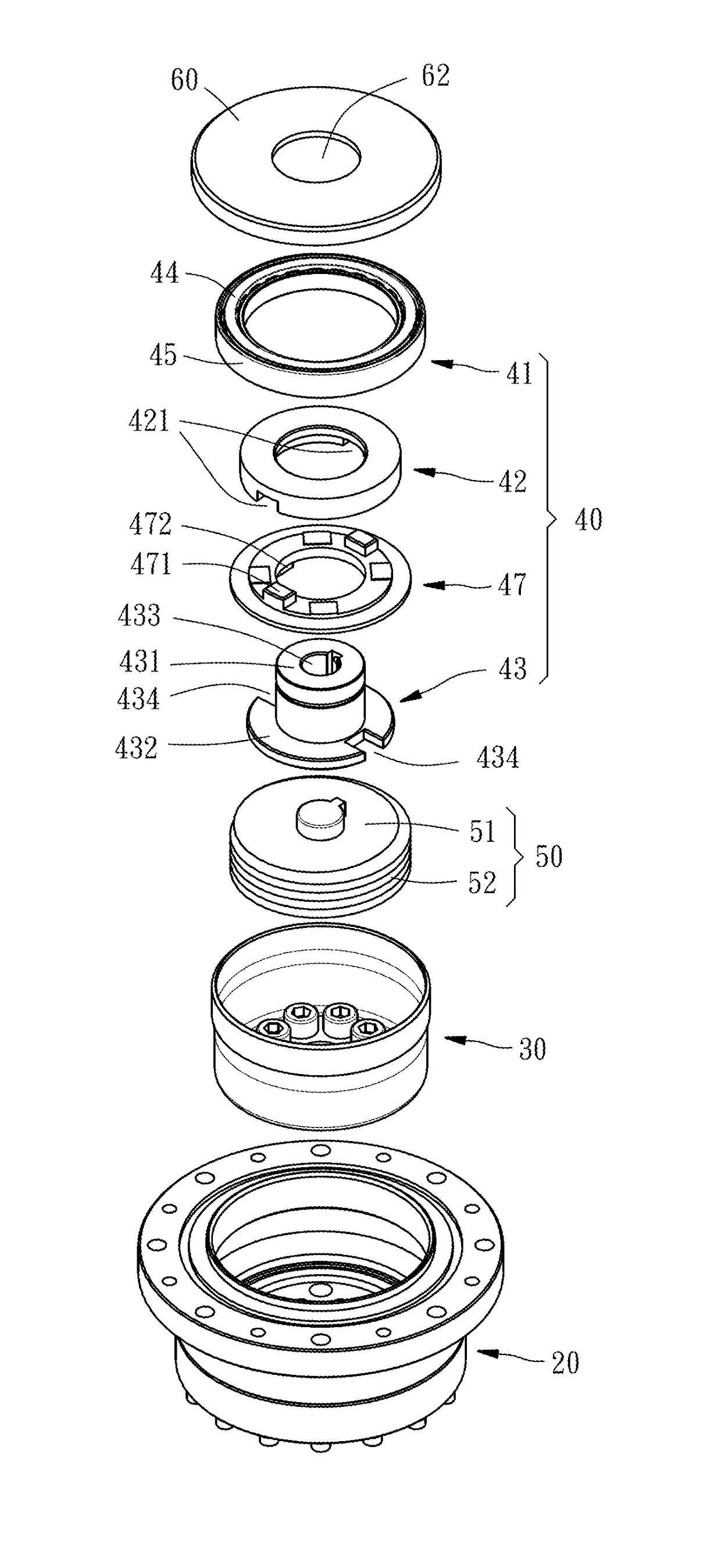
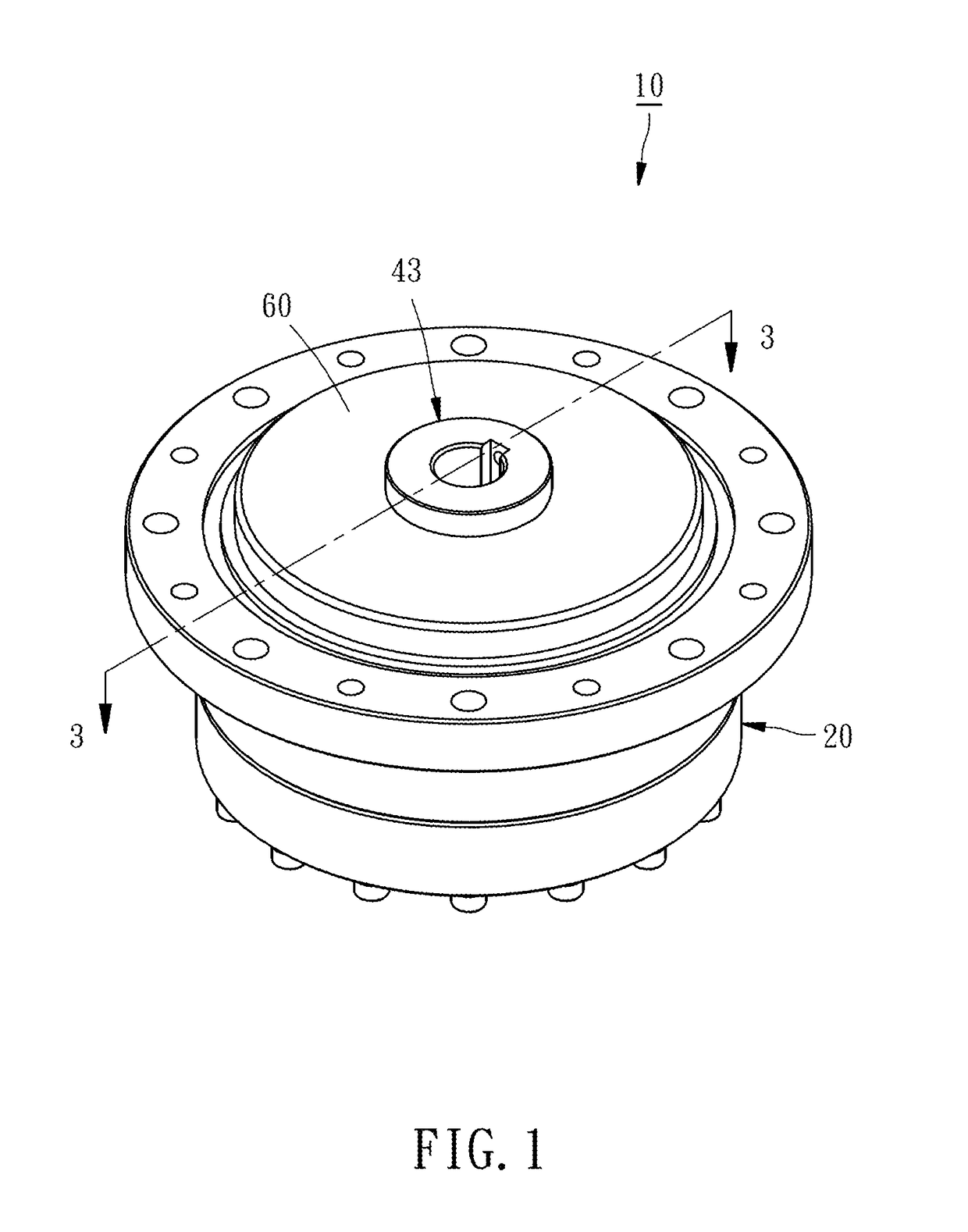
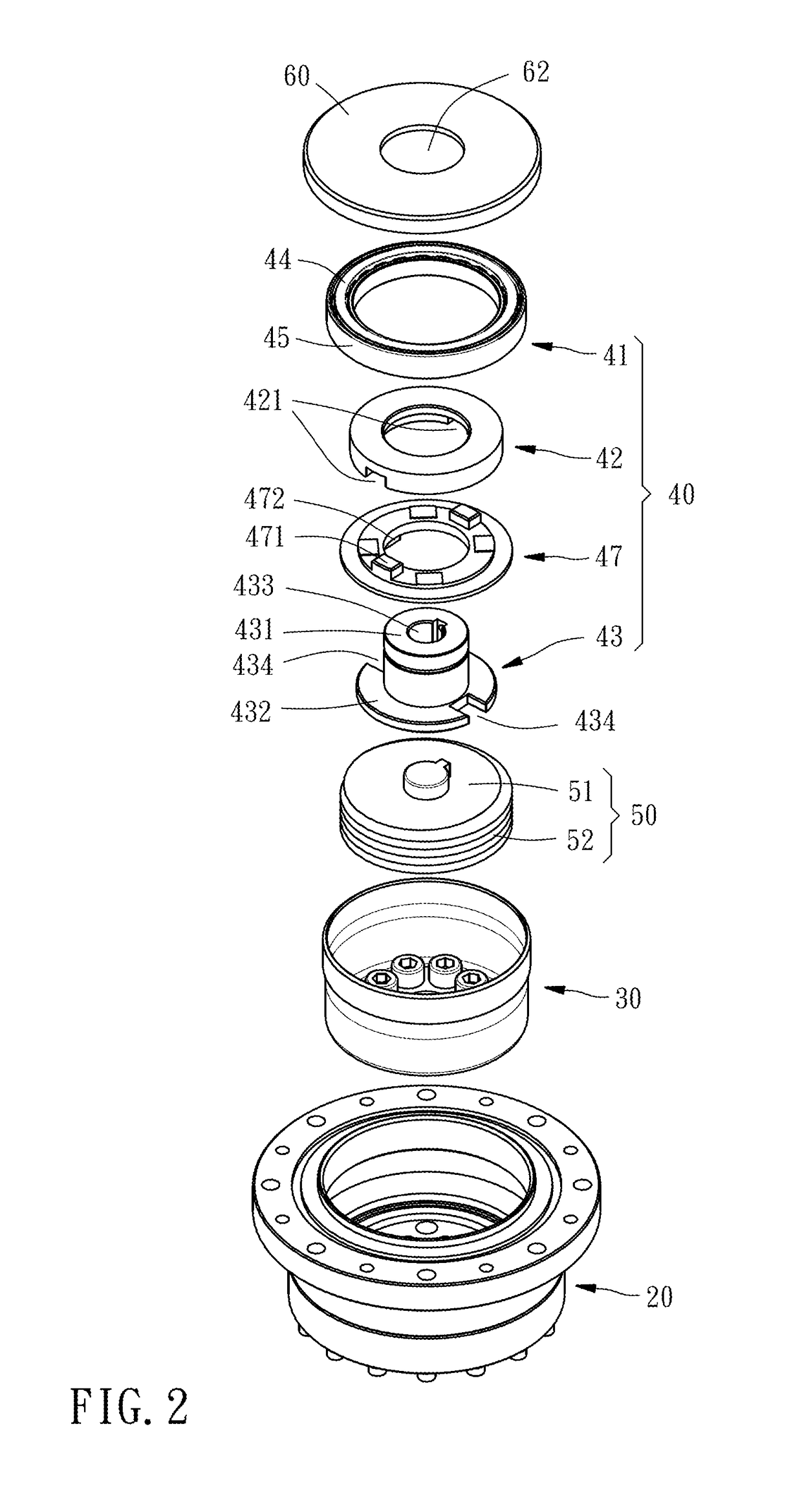
Harmonic drive featuring helix-facilitated lubrication
PatentActiveUS20170097082A1
Innovation
- A harmonic drive featuring helix-facilitated lubrication, which includes a circular spline, flexspline, wave generator, and an agitating member with a rotatory part and helical blade part to create convection in a lubricant-holding space between the wave generator and flexspline, ensuring effective lubrication regardless of rotation direction.

Industrial Standards for Harmonic Drive Lubrication
The industrial standards governing harmonic drive lubrication have evolved significantly over the past decades, establishing comprehensive frameworks that ensure optimal performance and longevity of these precision mechanical systems. These standards primarily originate from international organizations such as ISO, AGMA, and JIS, which have developed specific guidelines addressing the unique lubrication requirements of harmonic drives across various industrial applications.
ISO 14179 series represents the foundational standard for harmonic drive systems, providing detailed specifications for lubrication selection criteria, application methods, and performance evaluation metrics. This standard emphasizes the critical relationship between lubricant viscosity, operating temperature ranges, and load capacity requirements. The standard mandates specific testing protocols to validate lubricant compatibility with flexspline materials and wave generator bearings.
AGMA 9005-E02 complements ISO standards by establishing American industrial practices for harmonic drive lubrication in robotics and automation applications. This standard introduces stringent requirements for lubricant cleanliness levels, typically demanding ISO 4406 cleanliness codes of 16/14/11 or better for critical applications. The standard also specifies minimum lubricant film thickness requirements and establishes protocols for contamination monitoring.
Japanese Industrial Standards, particularly JIS B 1756, focus on precision applications common in semiconductor manufacturing and optical systems. These standards emphasize ultra-low outgassing lubricants and establish strict protocols for vacuum-compatible formulations. The standards mandate specific base oil types, typically synthetic hydrocarbons or perfluoropolyethers, depending on the operating environment.
Recent developments in industrial standards have incorporated advanced condition monitoring requirements, mandating the integration of lubricant health sensors and predictive maintenance protocols. These evolving standards recognize the increasing complexity of modern harmonic drive applications and the need for real-time lubrication performance assessment to prevent catastrophic failures in critical systems.
ISO 14179 series represents the foundational standard for harmonic drive systems, providing detailed specifications for lubrication selection criteria, application methods, and performance evaluation metrics. This standard emphasizes the critical relationship between lubricant viscosity, operating temperature ranges, and load capacity requirements. The standard mandates specific testing protocols to validate lubricant compatibility with flexspline materials and wave generator bearings.
AGMA 9005-E02 complements ISO standards by establishing American industrial practices for harmonic drive lubrication in robotics and automation applications. This standard introduces stringent requirements for lubricant cleanliness levels, typically demanding ISO 4406 cleanliness codes of 16/14/11 or better for critical applications. The standard also specifies minimum lubricant film thickness requirements and establishes protocols for contamination monitoring.
Japanese Industrial Standards, particularly JIS B 1756, focus on precision applications common in semiconductor manufacturing and optical systems. These standards emphasize ultra-low outgassing lubricants and establish strict protocols for vacuum-compatible formulations. The standards mandate specific base oil types, typically synthetic hydrocarbons or perfluoropolyethers, depending on the operating environment.
Recent developments in industrial standards have incorporated advanced condition monitoring requirements, mandating the integration of lubricant health sensors and predictive maintenance protocols. These evolving standards recognize the increasing complexity of modern harmonic drive applications and the need for real-time lubrication performance assessment to prevent catastrophic failures in critical systems.
Environmental Impact of Lubrication Solutions
The environmental impact of lubrication solutions for harmonic drives has become increasingly significant as industries prioritize sustainability and regulatory compliance. Traditional petroleum-based lubricants pose substantial environmental risks through their production, usage, and disposal phases, contributing to carbon emissions, soil contamination, and water pollution when improperly managed.
Biodegradable lubricants represent a promising alternative, offering reduced environmental footprint while maintaining adequate performance characteristics for harmonic drive applications. These bio-based formulations typically demonstrate superior biodegradability rates, with some achieving over 90% degradation within 28 days under standard testing conditions. However, their performance in high-precision applications like harmonic drives requires careful evaluation of thermal stability and load-carrying capacity.
The lifecycle environmental assessment of lubrication solutions encompasses raw material extraction, manufacturing processes, transportation, operational emissions, and end-of-life disposal. Synthetic lubricants, while offering extended service intervals that reduce replacement frequency, often require energy-intensive production processes that increase their initial carbon footprint. Conversely, bio-based alternatives may have lower production emissions but potentially shorter service lives.
Regulatory frameworks across different regions increasingly mandate environmental impact assessments for industrial lubricants. The European Union's REACH regulation and similar legislation in other jurisdictions require comprehensive documentation of chemical substances' environmental effects, influencing lubricant selection criteria for harmonic drive applications in regulated industries.
Emerging technologies in lubricant formulation focus on developing environmentally benign additives that maintain performance while reducing toxicity. Ionic liquids and advanced bio-synthetic blends show promise in achieving both environmental compatibility and the stringent performance requirements of harmonic drives, particularly in applications where contamination risks to surrounding ecosystems exist.
The economic implications of environmental compliance add complexity to lubrication solution evaluation, as organizations must balance performance requirements with sustainability goals and regulatory costs.
Biodegradable lubricants represent a promising alternative, offering reduced environmental footprint while maintaining adequate performance characteristics for harmonic drive applications. These bio-based formulations typically demonstrate superior biodegradability rates, with some achieving over 90% degradation within 28 days under standard testing conditions. However, their performance in high-precision applications like harmonic drives requires careful evaluation of thermal stability and load-carrying capacity.
The lifecycle environmental assessment of lubrication solutions encompasses raw material extraction, manufacturing processes, transportation, operational emissions, and end-of-life disposal. Synthetic lubricants, while offering extended service intervals that reduce replacement frequency, often require energy-intensive production processes that increase their initial carbon footprint. Conversely, bio-based alternatives may have lower production emissions but potentially shorter service lives.
Regulatory frameworks across different regions increasingly mandate environmental impact assessments for industrial lubricants. The European Union's REACH regulation and similar legislation in other jurisdictions require comprehensive documentation of chemical substances' environmental effects, influencing lubricant selection criteria for harmonic drive applications in regulated industries.
Emerging technologies in lubricant formulation focus on developing environmentally benign additives that maintain performance while reducing toxicity. Ionic liquids and advanced bio-synthetic blends show promise in achieving both environmental compatibility and the stringent performance requirements of harmonic drives, particularly in applications where contamination risks to surrounding ecosystems exist.
The economic implications of environmental compliance add complexity to lubrication solution evaluation, as organizations must balance performance requirements with sustainability goals and regulatory costs.
Unlock deeper insights with PatSnap Eureka Quick Research — get a full tech report to explore trends and direct your research. Try now!
Generate Your Research Report Instantly with AI Agent
Supercharge your innovation with PatSnap Eureka AI Agent Platform!