

How to Evaluate Ultracapacitor Cost Efficiency for Grid Integration
MAY 21, 20269 MIN READ
Generate Your Research Report Instantly with AI Agent
PatSnap Eureka helps you evaluate technical feasibility & market potential.
Ultracapacitor Grid Integration Background and Objectives
Ultracapacitors, also known as supercapacitors or electrochemical double-layer capacitors, have emerged as a critical energy storage technology in the evolving landscape of modern electrical grids. These devices bridge the gap between conventional capacitors and batteries, offering unique characteristics that make them particularly suitable for grid-scale applications requiring rapid charge and discharge cycles.
The historical development of ultracapacitor technology traces back to the 1950s when the fundamental principles of electrochemical double-layer capacitance were first established. However, significant commercial applications began emerging in the 1990s, with grid integration applications gaining momentum in the early 2000s as renewable energy penetration increased and grid stability challenges became more pronounced.
The evolution of grid infrastructure has created unprecedented demands for flexible, responsive energy storage solutions. Traditional grid systems, designed for unidirectional power flow from centralized generation sources, now face challenges from distributed renewable energy sources, electric vehicle charging infrastructure, and increasing demand for grid resilience. Ultracapacitors have positioned themselves as enablers of grid modernization due to their exceptional power density, cycle life exceeding one million cycles, and operational temperature ranges suitable for outdoor installations.
Current technological trends indicate a convergence toward hybrid energy storage systems where ultracapacitors complement lithium-ion batteries and other storage technologies. This hybrid approach leverages ultracapacitors' superior power handling capabilities for frequency regulation, voltage support, and transient response while utilizing batteries for longer-duration energy storage requirements.
The primary technical objectives driving ultracapacitor grid integration research focus on optimizing cost-effectiveness while maintaining performance standards. Key targets include achieving levelized cost of storage below $200 per kWh for grid-scale applications, improving energy density to exceed 10 Wh/kg, and extending operational lifespans to 20 years with minimal degradation. Additionally, objectives encompass developing standardized grid integration protocols, enhancing power conversion efficiency above 95%, and establishing reliable performance metrics for various grid services including frequency regulation, peak shaving, and renewable energy smoothing.
Environmental sustainability objectives are equally important, with research targeting recyclable materials, reduced manufacturing carbon footprints, and end-of-life disposal solutions. These comprehensive objectives form the foundation for evaluating ultracapacitor cost efficiency in grid integration applications, establishing benchmarks against which technological progress and economic viability can be measured.
The historical development of ultracapacitor technology traces back to the 1950s when the fundamental principles of electrochemical double-layer capacitance were first established. However, significant commercial applications began emerging in the 1990s, with grid integration applications gaining momentum in the early 2000s as renewable energy penetration increased and grid stability challenges became more pronounced.
The evolution of grid infrastructure has created unprecedented demands for flexible, responsive energy storage solutions. Traditional grid systems, designed for unidirectional power flow from centralized generation sources, now face challenges from distributed renewable energy sources, electric vehicle charging infrastructure, and increasing demand for grid resilience. Ultracapacitors have positioned themselves as enablers of grid modernization due to their exceptional power density, cycle life exceeding one million cycles, and operational temperature ranges suitable for outdoor installations.
Current technological trends indicate a convergence toward hybrid energy storage systems where ultracapacitors complement lithium-ion batteries and other storage technologies. This hybrid approach leverages ultracapacitors' superior power handling capabilities for frequency regulation, voltage support, and transient response while utilizing batteries for longer-duration energy storage requirements.
The primary technical objectives driving ultracapacitor grid integration research focus on optimizing cost-effectiveness while maintaining performance standards. Key targets include achieving levelized cost of storage below $200 per kWh for grid-scale applications, improving energy density to exceed 10 Wh/kg, and extending operational lifespans to 20 years with minimal degradation. Additionally, objectives encompass developing standardized grid integration protocols, enhancing power conversion efficiency above 95%, and establishing reliable performance metrics for various grid services including frequency regulation, peak shaving, and renewable energy smoothing.
Environmental sustainability objectives are equally important, with research targeting recyclable materials, reduced manufacturing carbon footprints, and end-of-life disposal solutions. These comprehensive objectives form the foundation for evaluating ultracapacitor cost efficiency in grid integration applications, establishing benchmarks against which technological progress and economic viability can be measured.
Market Demand for Grid-Scale Energy Storage Solutions
The global energy storage market is experiencing unprecedented growth driven by the accelerating transition to renewable energy sources and the urgent need for grid modernization. Traditional power grids face increasing challenges in managing intermittent renewable generation from solar and wind sources, creating substantial demand for flexible energy storage solutions that can provide rapid response capabilities.
Grid operators worldwide are seeking energy storage technologies that can deliver multiple services including frequency regulation, voltage support, peak shaving, and renewable energy integration. The market has evolved beyond simple energy arbitrage to encompass ancillary services that command premium pricing, particularly for technologies capable of sub-second response times and high cycle durability.
Ultracapacitors are gaining significant attention in grid-scale applications due to their unique characteristics of rapid charge-discharge cycles, extended operational lifespan, and minimal degradation over millions of cycles. Unlike battery technologies that excel in energy density, ultracapacitors provide superior power density and reliability for short-duration, high-power applications essential for grid stability services.
The regulatory landscape increasingly favors energy storage deployment through supportive policies, grid modernization initiatives, and market mechanisms that compensate storage providers for grid services. Many regions have established specific procurement targets for energy storage capacity, while others have reformed electricity markets to better value the flexibility and reliability benefits that storage technologies provide.
Market segmentation reveals distinct opportunities for ultracapacitor technology across various grid applications. Frequency regulation markets represent the most immediate opportunity, where the ability to respond within seconds to grid signals commands significant value. Transmission and distribution upgrade deferral applications also present substantial market potential, where ultracapacitor installations can delay costly infrastructure investments.
The competitive landscape includes both established energy storage technologies and emerging solutions, each with distinct cost-performance profiles. While lithium-ion batteries dominate longer-duration applications, ultracapacitors are positioned to capture market share in applications requiring high power output, rapid cycling, and extended operational life without performance degradation.
Regional market dynamics vary significantly, with developed markets focusing on grid modernization and developing markets emphasizing grid expansion and reliability improvement. The total addressable market continues expanding as grid operators recognize the economic benefits of deploying appropriate energy storage technologies for specific applications rather than pursuing one-size-fits-all approaches.
Grid operators worldwide are seeking energy storage technologies that can deliver multiple services including frequency regulation, voltage support, peak shaving, and renewable energy integration. The market has evolved beyond simple energy arbitrage to encompass ancillary services that command premium pricing, particularly for technologies capable of sub-second response times and high cycle durability.
Ultracapacitors are gaining significant attention in grid-scale applications due to their unique characteristics of rapid charge-discharge cycles, extended operational lifespan, and minimal degradation over millions of cycles. Unlike battery technologies that excel in energy density, ultracapacitors provide superior power density and reliability for short-duration, high-power applications essential for grid stability services.
The regulatory landscape increasingly favors energy storage deployment through supportive policies, grid modernization initiatives, and market mechanisms that compensate storage providers for grid services. Many regions have established specific procurement targets for energy storage capacity, while others have reformed electricity markets to better value the flexibility and reliability benefits that storage technologies provide.
Market segmentation reveals distinct opportunities for ultracapacitor technology across various grid applications. Frequency regulation markets represent the most immediate opportunity, where the ability to respond within seconds to grid signals commands significant value. Transmission and distribution upgrade deferral applications also present substantial market potential, where ultracapacitor installations can delay costly infrastructure investments.
The competitive landscape includes both established energy storage technologies and emerging solutions, each with distinct cost-performance profiles. While lithium-ion batteries dominate longer-duration applications, ultracapacitors are positioned to capture market share in applications requiring high power output, rapid cycling, and extended operational life without performance degradation.
Regional market dynamics vary significantly, with developed markets focusing on grid modernization and developing markets emphasizing grid expansion and reliability improvement. The total addressable market continues expanding as grid operators recognize the economic benefits of deploying appropriate energy storage technologies for specific applications rather than pursuing one-size-fits-all approaches.
Current State and Cost Challenges of Ultracapacitor Grid Systems
Ultracapacitors have emerged as a promising energy storage technology for grid integration applications, offering unique advantages in power density and cycle life compared to traditional battery systems. Currently, the global ultracapacitor market for grid applications is valued at approximately $2.8 billion and is experiencing steady growth driven by increasing renewable energy penetration and grid modernization initiatives. However, widespread adoption remains limited due to significant cost barriers and technical challenges that affect overall system economics.
The primary cost challenge facing ultracapacitor grid systems stems from their high capital expenditure requirements. Current ultracapacitor costs range from $5,000 to $15,000 per kWh of energy storage capacity, substantially higher than lithium-ion batteries at $200-400 per kWh. This cost disparity creates a fundamental economic barrier for applications where energy storage duration exceeds several minutes, limiting ultracapacitors to specialized high-power, short-duration applications such as frequency regulation and voltage support.
Manufacturing scalability represents another critical challenge impacting cost efficiency. Unlike battery technologies that have benefited from massive production scale economies, ultracapacitor manufacturing remains relatively niche with limited automation and standardization. The complex electrode materials, particularly activated carbon and advanced electrolytes, require specialized processing techniques that have not yet achieved the cost reductions seen in other energy storage technologies.
System integration costs further compound the economic challenges. Ultracapacitor systems require sophisticated power electronics, thermal management systems, and control algorithms to optimize performance and ensure grid compatibility. These auxiliary components can represent 40-60% of total system costs, significantly impacting the overall value proposition compared to simpler battery installations.
Performance degradation over time presents additional cost considerations that affect long-term economic viability. While ultracapacitors offer superior cycle life compared to batteries, they experience gradual capacitance fade and increased equivalent series resistance over operational lifetime. This degradation impacts system efficiency and may require oversizing initial installations to maintain performance specifications, further increasing capital costs.
Grid integration standards and certification requirements also contribute to cost challenges. Ultracapacitor systems must comply with stringent grid codes and safety standards, necessitating extensive testing and certification processes that add significant development costs. The lack of standardized testing protocols specifically designed for ultracapacitor grid applications creates additional uncertainty and expense for system developers and utilities considering deployment.
Despite these challenges, emerging technological developments and market trends suggest potential pathways for cost reduction. Advanced materials research, manufacturing process improvements, and increasing market demand from electric vehicle and renewable energy sectors may drive economies of scale that could significantly improve ultracapacitor cost competitiveness for grid applications in the coming decade.
The primary cost challenge facing ultracapacitor grid systems stems from their high capital expenditure requirements. Current ultracapacitor costs range from $5,000 to $15,000 per kWh of energy storage capacity, substantially higher than lithium-ion batteries at $200-400 per kWh. This cost disparity creates a fundamental economic barrier for applications where energy storage duration exceeds several minutes, limiting ultracapacitors to specialized high-power, short-duration applications such as frequency regulation and voltage support.
Manufacturing scalability represents another critical challenge impacting cost efficiency. Unlike battery technologies that have benefited from massive production scale economies, ultracapacitor manufacturing remains relatively niche with limited automation and standardization. The complex electrode materials, particularly activated carbon and advanced electrolytes, require specialized processing techniques that have not yet achieved the cost reductions seen in other energy storage technologies.
System integration costs further compound the economic challenges. Ultracapacitor systems require sophisticated power electronics, thermal management systems, and control algorithms to optimize performance and ensure grid compatibility. These auxiliary components can represent 40-60% of total system costs, significantly impacting the overall value proposition compared to simpler battery installations.
Performance degradation over time presents additional cost considerations that affect long-term economic viability. While ultracapacitors offer superior cycle life compared to batteries, they experience gradual capacitance fade and increased equivalent series resistance over operational lifetime. This degradation impacts system efficiency and may require oversizing initial installations to maintain performance specifications, further increasing capital costs.
Grid integration standards and certification requirements also contribute to cost challenges. Ultracapacitor systems must comply with stringent grid codes and safety standards, necessitating extensive testing and certification processes that add significant development costs. The lack of standardized testing protocols specifically designed for ultracapacitor grid applications creates additional uncertainty and expense for system developers and utilities considering deployment.
Despite these challenges, emerging technological developments and market trends suggest potential pathways for cost reduction. Advanced materials research, manufacturing process improvements, and increasing market demand from electric vehicle and renewable energy sectors may drive economies of scale that could significantly improve ultracapacitor cost competitiveness for grid applications in the coming decade.
Existing Cost-Efficiency Evaluation Methods for Grid Integration
01 Advanced electrode materials for cost-effective ultracapacitors
Development of novel electrode materials that reduce manufacturing costs while maintaining or improving performance. These materials focus on optimizing the surface area and conductivity properties to achieve better cost-efficiency ratios. The use of alternative carbon-based materials and composite structures helps reduce dependency on expensive raw materials while enhancing energy storage capabilities.- Advanced electrode materials for cost-effective ultracapacitors: Development of novel electrode materials that reduce manufacturing costs while maintaining or improving performance. These materials focus on optimizing the surface area and conductivity properties to achieve better cost-efficiency ratios. The use of alternative carbon-based materials and composite structures helps reduce dependency on expensive raw materials while enhancing the overall energy storage capacity.
- Manufacturing process optimization for reduced production costs: Implementation of streamlined manufacturing processes that minimize production time and material waste. These approaches include automated assembly techniques, improved quality control methods, and scalable production systems that reduce per-unit costs. The optimization focuses on simplifying fabrication steps while maintaining product reliability and performance standards.
- Energy density enhancement for improved cost-performance ratio: Technologies that increase the energy storage capacity per unit volume or weight, thereby improving the overall value proposition. These innovations focus on maximizing the utilization of active materials and optimizing the internal structure to achieve higher energy densities without proportional cost increases. The improvements result in better performance metrics per dollar invested.
- Hybrid system integration for cost optimization: Development of hybrid energy storage systems that combine ultracapacitors with other technologies to optimize overall system costs. These solutions balance the high power density of ultracapacitors with complementary technologies to create more cost-effective energy storage solutions. The integration approach reduces the total system cost while maintaining desired performance characteristics.
- Lifecycle cost reduction through durability improvements: Enhancement of ultracapacitor longevity and reliability to reduce total cost of ownership over the product lifecycle. These improvements focus on extending operational life, reducing maintenance requirements, and improving resistance to environmental factors. The durability enhancements result in lower replacement costs and reduced system downtime, contributing to overall cost efficiency.
02 Manufacturing process optimization for reduced production costs
Implementation of streamlined manufacturing processes that minimize production time and material waste. These approaches include automated assembly techniques, improved quality control methods, and scalable production systems that reduce per-unit costs. The focus is on developing cost-effective fabrication methods that can be easily scaled for mass production.Expand Specific Solutions03 Energy density enhancement for improved cost-performance ratio
Techniques to increase the energy storage capacity per unit cost by optimizing the internal structure and configuration of ultracapacitors. These methods focus on maximizing the energy density while keeping material and manufacturing costs low, resulting in better overall economic efficiency for energy storage applications.Expand Specific Solutions04 Hybrid ultracapacitor systems for cost optimization
Development of hybrid energy storage systems that combine ultracapacitors with other technologies to achieve optimal cost-efficiency. These systems leverage the strengths of different energy storage methods while minimizing overall system costs through intelligent design and component integration strategies.Expand Specific Solutions05 Lifecycle cost reduction through durability improvements
Enhancement of ultracapacitor longevity and reliability to reduce total cost of ownership over the device lifetime. These improvements focus on developing more durable materials and designs that require less maintenance and replacement, thereby improving the long-term economic viability of ultracapacitor systems.Expand Specific Solutions
Key Players in Ultracapacitor and Grid Storage Industry
The ultracapacitor cost efficiency evaluation for grid integration represents a rapidly evolving market segment within the broader energy storage industry, currently in its growth phase with significant technological advancement opportunities. The market demonstrates substantial scale potential, driven by increasing grid modernization demands and renewable energy integration requirements. Technology maturity varies significantly across key players, with established manufacturers like Maxwell Technologies and ABB Ltd. leading in proven ultracapacitor solutions, while major grid operators including State Grid Corp. of China and regional subsidiaries like State Grid Zhejiang Electric Power Co., Ltd. are actively implementing pilot projects. Research institutions such as North China Electric Power University, Wuhan University, and China Electric Power Research Institute Ltd. are advancing cost-optimization methodologies, while emerging players like Shanghai Aowei Technology and NARI Technology Co., Ltd. are developing specialized grid-integration solutions. The competitive landscape shows a convergence of traditional power equipment manufacturers, specialized capacitor companies, and grid operators collaborating to establish standardized cost-efficiency evaluation frameworks for large-scale deployment.
State Grid Corp. of China
Technical Solution: State Grid has developed comprehensive cost-efficiency evaluation frameworks for ultracapacitor grid integration, focusing on lifecycle cost analysis (LCA) methodologies that incorporate initial capital expenditure, operational maintenance costs, and end-of-life disposal expenses. Their approach utilizes net present value (NPV) calculations combined with levelized cost of energy storage (LCOES) metrics to assess economic viability. The evaluation framework includes performance degradation modeling over 15-20 year operational periods, considering capacity fade rates of 10-20% and efficiency losses. They employ multi-criteria decision analysis (MCDA) incorporating technical parameters like power density (5-10 kW/kg), energy density (3-5 Wh/kg), and round-trip efficiency (85-95%) alongside economic indicators. Their methodology also integrates grid service value quantification including frequency regulation, voltage support, and peak shaving benefits to determine overall cost-effectiveness for large-scale deployment.
Strengths: Extensive grid operation experience and comprehensive evaluation methodology covering multiple cost factors. Weaknesses: Limited focus on emerging ultracapacitor technologies and conservative approach to innovation adoption.
China Electric Power Research Institute Ltd.
Technical Solution: CEPRI has established comprehensive evaluation methodologies for ultracapacitor cost efficiency in grid integration through systematic techno-economic analysis frameworks. Their approach combines laboratory testing data with field demonstration results to develop accurate cost models that account for Chinese grid conditions and regulatory environment. The methodology incorporates lifecycle cost assessment including manufacturing costs ($200-600/kW), installation expenses, operational maintenance (2-3% of capital cost annually), and replacement scheduling based on performance degradation curves. CEPRI's evaluation framework utilizes benefit-cost ratio analysis considering grid stability improvements, power quality enhancement valued at $5-15/MWh, and transmission upgrade deferral benefits. Their models incorporate sensitivity analysis for key parameters including electricity tariffs, grid service compensation rates, and technology cost reduction trajectories. The institute has developed standardized testing protocols for cost-performance validation and established benchmark metrics for comparing different ultracapacitor technologies and configurations in grid applications.
Strengths: Strong research capabilities and deep understanding of Chinese grid requirements with standardized evaluation protocols. Weaknesses: Limited international market perspective and focus primarily on domestic grid conditions.
Core Cost-Efficiency Assessment Patents and Innovations
Flow ultracapacitor
PatentInactiveUS20120262127A1
Innovation
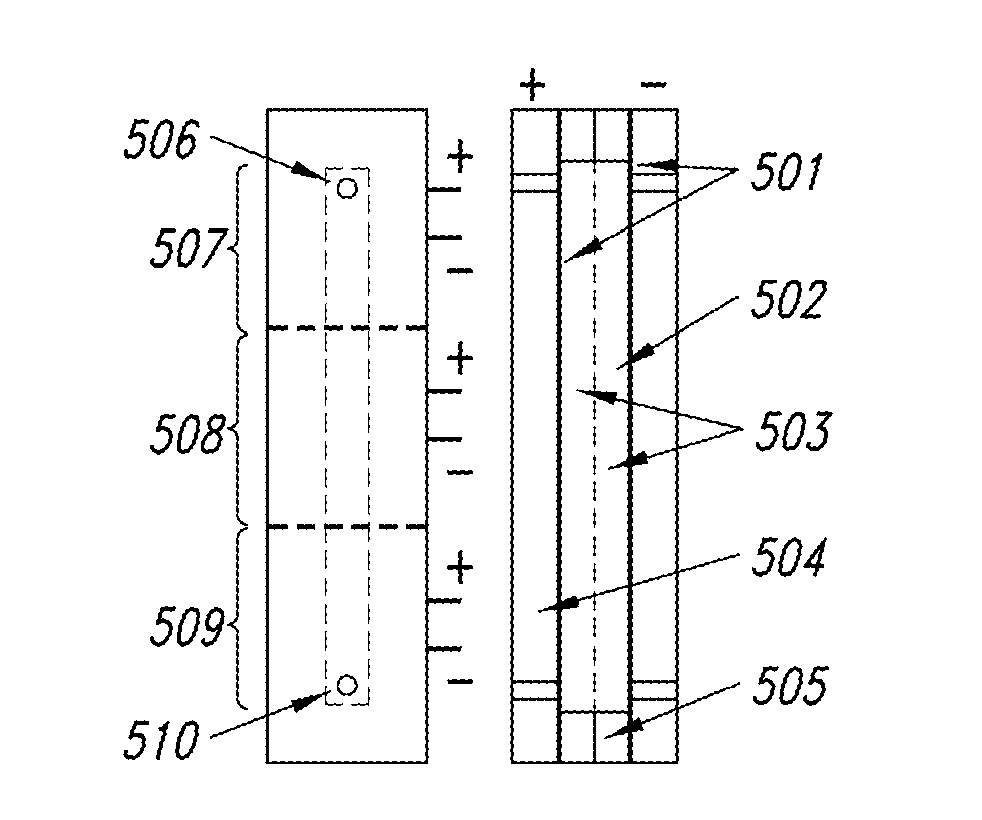
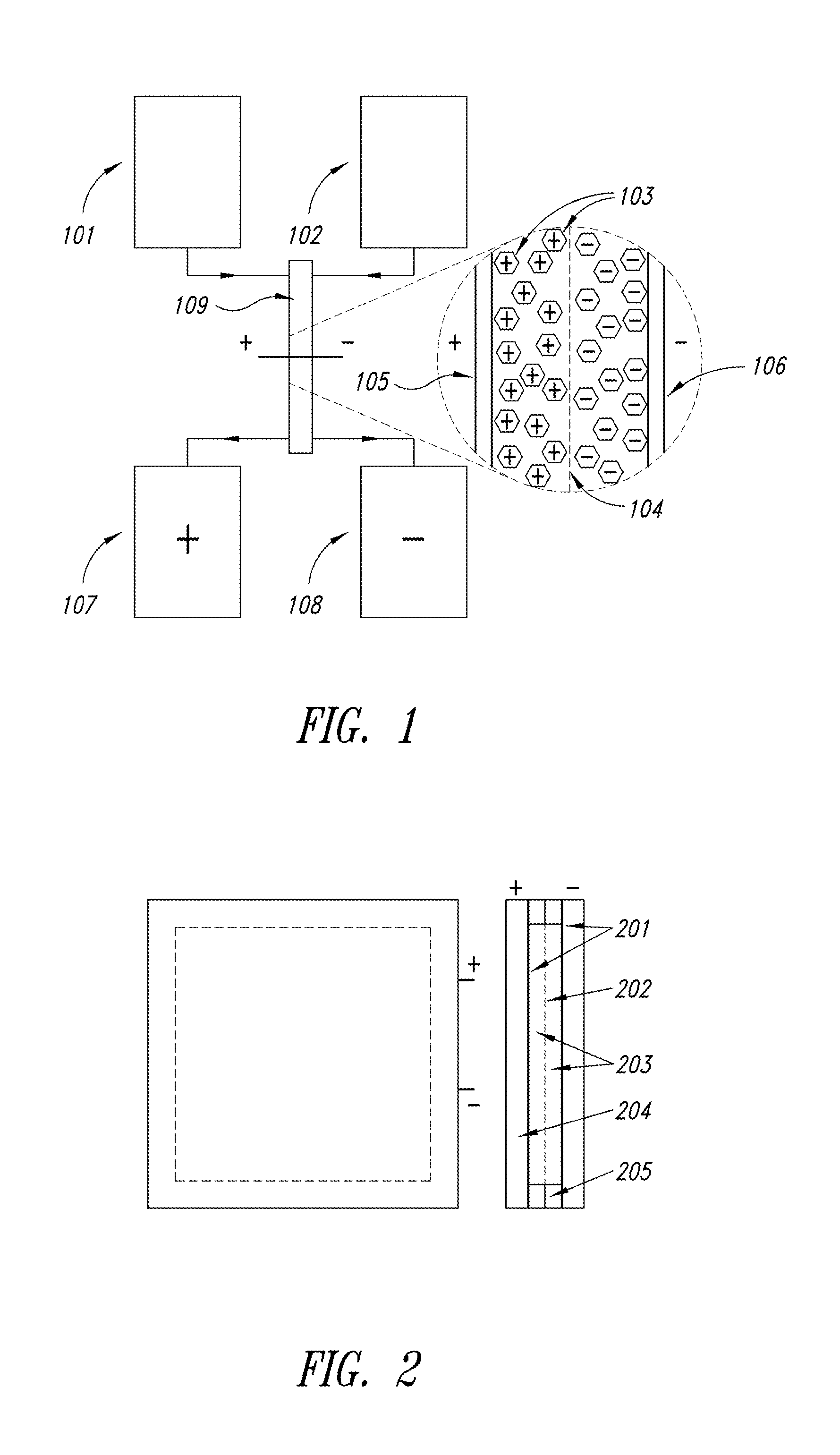
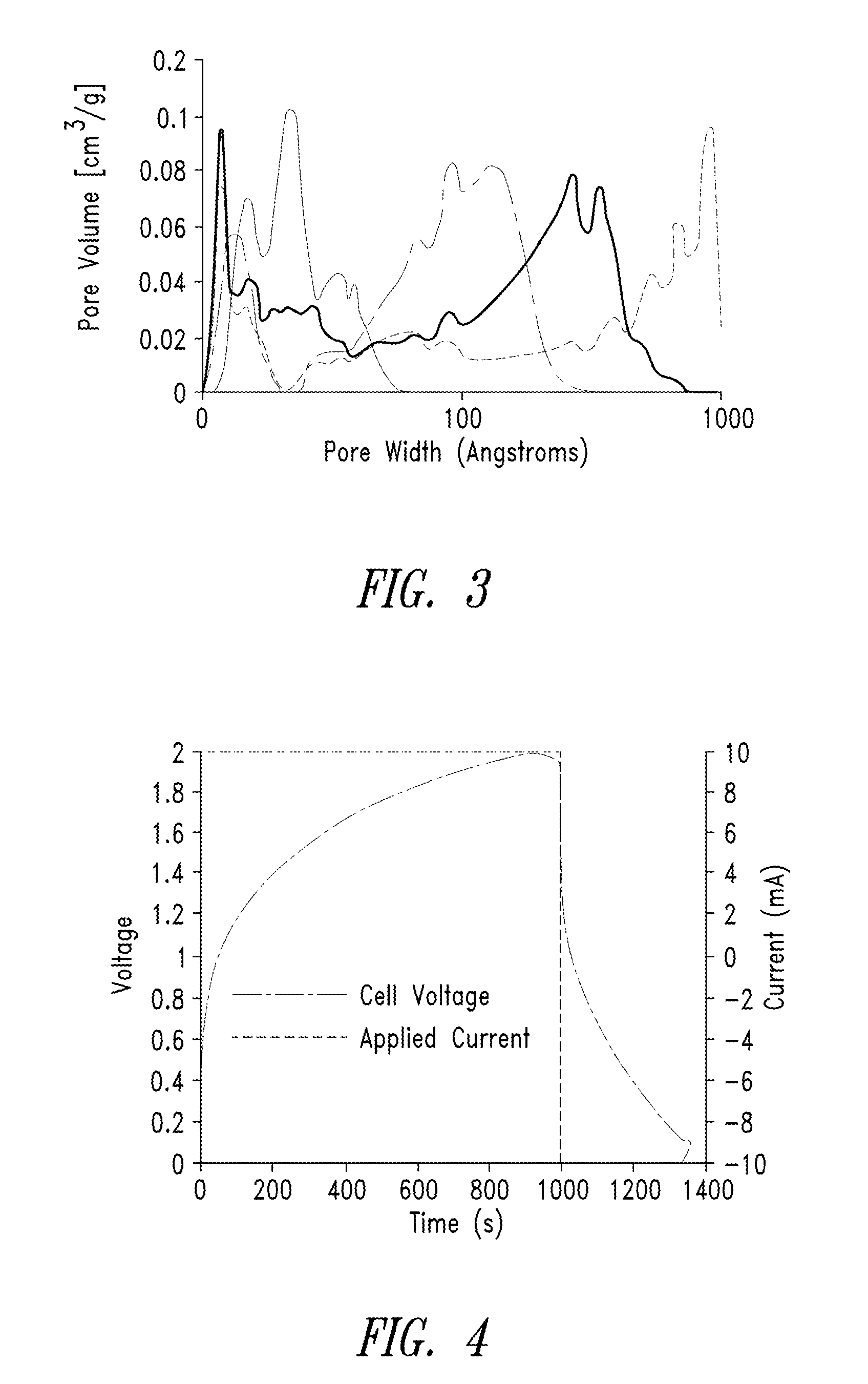
- Development of electrochemical energy storage devices comprising electrode material suspended in an electrolyte within an electrochemical cell, allowing the charged material to flow through the cell and into external storage tanks, enabling efficient energy storage and distribution with scalable solutions for bulk electrical storage.

Cost effctive solution for cranking of diesel generator in low power autonomous DC microgrid
PatentInactiveIN201911007804A
Innovation
- The integration of a supercapacitor module within the autonomous DC microgrid as a starter storage system, eliminating the need for a starter battery and its associated charger or alternator, and optimizing the supercapacitor's utilization for reliable cranking under harsh conditions.


Grid Integration Standards and Regulatory Framework
The regulatory landscape for ultracapacitor grid integration is primarily governed by IEEE standards, particularly IEEE 1547 series which establishes interconnection requirements for distributed energy resources. These standards define voltage regulation, frequency response, and power quality parameters that directly impact ultracapacitor system design and operational costs. Compliance with IEEE 1547.1 testing procedures requires specialized equipment and certification processes, adding significant upfront expenses to deployment budgets.
Grid codes vary substantially across different jurisdictions, creating complexity in cost evaluation frameworks. European grid codes under the Network Code on Requirements for Grid Connection emphasize fast frequency response capabilities, where ultracapacitors excel, potentially justifying higher initial investments through enhanced grid service revenues. North American markets operate under FERC Order 841 and regional transmission organization rules that increasingly recognize energy storage participation in ancillary service markets.
Safety standards including IEC 62040 and UL 1973 mandate specific testing protocols for energy storage systems, influencing both capital expenditure and ongoing operational costs. These requirements encompass thermal management, electrical protection, and environmental compliance measures that must be factored into comprehensive cost-efficiency analyses. The certification process typically adds 8-15% to total system costs but ensures market access and insurance coverage.
Emerging regulatory frameworks are evolving to address grid modernization needs. The Federal Energy Regulatory Commission's recent initiatives on grid-enhancing technologies create new revenue opportunities for fast-responding storage systems like ultracapacitors. However, regulatory uncertainty regarding future grid service compensation mechanisms introduces risk factors that complicate long-term cost-benefit projections.
Regional variations in interconnection procedures significantly affect deployment timelines and associated costs. Some jurisdictions require extensive impact studies for systems above certain capacity thresholds, while others have streamlined processes for proven technologies. Understanding these regulatory nuances is essential for accurate cost modeling and project feasibility assessment in ultracapacitor grid integration applications.
Grid codes vary substantially across different jurisdictions, creating complexity in cost evaluation frameworks. European grid codes under the Network Code on Requirements for Grid Connection emphasize fast frequency response capabilities, where ultracapacitors excel, potentially justifying higher initial investments through enhanced grid service revenues. North American markets operate under FERC Order 841 and regional transmission organization rules that increasingly recognize energy storage participation in ancillary service markets.
Safety standards including IEC 62040 and UL 1973 mandate specific testing protocols for energy storage systems, influencing both capital expenditure and ongoing operational costs. These requirements encompass thermal management, electrical protection, and environmental compliance measures that must be factored into comprehensive cost-efficiency analyses. The certification process typically adds 8-15% to total system costs but ensures market access and insurance coverage.
Emerging regulatory frameworks are evolving to address grid modernization needs. The Federal Energy Regulatory Commission's recent initiatives on grid-enhancing technologies create new revenue opportunities for fast-responding storage systems like ultracapacitors. However, regulatory uncertainty regarding future grid service compensation mechanisms introduces risk factors that complicate long-term cost-benefit projections.
Regional variations in interconnection procedures significantly affect deployment timelines and associated costs. Some jurisdictions require extensive impact studies for systems above certain capacity thresholds, while others have streamlined processes for proven technologies. Understanding these regulatory nuances is essential for accurate cost modeling and project feasibility assessment in ultracapacitor grid integration applications.
Economic Impact Assessment of Ultracapacitor Grid Deployment
The economic impact of ultracapacitor grid deployment extends far beyond initial capital expenditure, encompassing a complex web of financial implications that reshape utility economics and energy market dynamics. Grid-scale ultracapacitor installations generate substantial economic benefits through enhanced grid stability, reduced transmission losses, and improved power quality, which collectively translate into measurable cost savings for utilities and end consumers.
Revenue generation mechanisms for ultracapacitor systems include frequency regulation services, peak shaving operations, and ancillary service provision to grid operators. These applications create multiple income streams that significantly improve the overall return on investment. Frequency regulation services alone can generate annual revenues ranging from $200 to $400 per kW of installed capacity, depending on regional market conditions and regulatory frameworks.
The deployment of ultracapacitors reduces infrastructure strain by minimizing the need for costly grid upgrades and transmission line expansions. By providing localized energy storage and power conditioning, these systems defer capital-intensive infrastructure investments, creating substantial economic value for utility operators. Studies indicate that strategic ultracapacitor placement can delay transmission upgrades worth millions of dollars while maintaining grid reliability standards.
Operational cost reductions emerge through decreased maintenance requirements for grid equipment, as ultracapacitors help mitigate voltage fluctuations and power quality issues that typically accelerate equipment degradation. This protective effect extends the operational lifespan of transformers, switchgear, and other critical grid components, reducing replacement cycles and maintenance expenditures.
The broader economic ecosystem benefits from improved grid resilience, as ultracapacitor systems reduce the frequency and duration of power outages. Economic losses from grid instability, estimated at billions of dollars annually across major economies, can be substantially mitigated through strategic ultracapacitor deployment, creating significant societal economic value beyond direct utility benefits.
Revenue generation mechanisms for ultracapacitor systems include frequency regulation services, peak shaving operations, and ancillary service provision to grid operators. These applications create multiple income streams that significantly improve the overall return on investment. Frequency regulation services alone can generate annual revenues ranging from $200 to $400 per kW of installed capacity, depending on regional market conditions and regulatory frameworks.
The deployment of ultracapacitors reduces infrastructure strain by minimizing the need for costly grid upgrades and transmission line expansions. By providing localized energy storage and power conditioning, these systems defer capital-intensive infrastructure investments, creating substantial economic value for utility operators. Studies indicate that strategic ultracapacitor placement can delay transmission upgrades worth millions of dollars while maintaining grid reliability standards.
Operational cost reductions emerge through decreased maintenance requirements for grid equipment, as ultracapacitors help mitigate voltage fluctuations and power quality issues that typically accelerate equipment degradation. This protective effect extends the operational lifespan of transformers, switchgear, and other critical grid components, reducing replacement cycles and maintenance expenditures.
The broader economic ecosystem benefits from improved grid resilience, as ultracapacitor systems reduce the frequency and duration of power outages. Economic losses from grid instability, estimated at billions of dollars annually across major economies, can be substantially mitigated through strategic ultracapacitor deployment, creating significant societal economic value beyond direct utility benefits.
Unlock deeper insights with PatSnap Eureka Quick Research — get a full tech report to explore trends and direct your research. Try now!
Generate Your Research Report Instantly with AI Agent
Supercharge your innovation with PatSnap Eureka AI Agent Platform!