

How to Implement Digital Control Systems in Pressurized Water Reactors
APR 28, 20269 MIN READ
Generate Your Research Report Instantly with AI Agent
PatSnap Eureka helps you evaluate technical feasibility & market potential.
Digital Control Systems in PWR Background and Objectives
Digital control systems in pressurized water reactors represent a fundamental evolution from traditional analog instrumentation and control architectures that have dominated nuclear power plant operations for decades. The nuclear industry has historically relied on hardwired analog systems due to their proven reliability and regulatory acceptance, but the increasing complexity of modern reactor designs and the need for enhanced operational efficiency have driven the transition toward digital technologies.
The development of digital control systems in PWRs emerged from the broader digitalization trend across industrial sectors, beginning in the 1980s when early digital systems were first introduced for non-safety-critical applications. This technological shift gained momentum as analog components became increasingly difficult to maintain and replace, while digital systems offered superior data processing capabilities, enhanced human-machine interfaces, and improved diagnostic functions.
Current technological objectives focus on achieving seamless integration of digital control systems while maintaining the stringent safety and reliability standards required for nuclear applications. The primary goal involves replacing aging analog instrumentation with modern digital platforms that can provide real-time monitoring, predictive maintenance capabilities, and advanced control algorithms. These systems must demonstrate equivalent or superior safety performance compared to their analog predecessors while offering enhanced operational flexibility.
The evolution toward digital control systems aims to address several critical challenges facing the nuclear industry, including obsolescence management, improved plant efficiency, and enhanced safety margins. Modern digital systems enable more sophisticated control strategies, such as model predictive control and adaptive algorithms, which can optimize reactor performance while maintaining safety parameters within prescribed limits.
Key technological milestones include the development of safety-qualified digital platforms, establishment of cybersecurity frameworks specifically designed for nuclear applications, and creation of verification and validation methodologies for software-based control systems. The integration of artificial intelligence and machine learning algorithms represents an emerging frontier, promising to revolutionize reactor operations through intelligent automation and predictive analytics.
The ultimate objective encompasses creating fully integrated digital control architectures that can support next-generation reactor designs while providing backward compatibility for existing PWR installations. This technological transformation aims to enhance nuclear power's competitiveness by reducing operational costs, improving capacity factors, and enabling more flexible grid integration capabilities essential for supporting renewable energy integration.
The development of digital control systems in PWRs emerged from the broader digitalization trend across industrial sectors, beginning in the 1980s when early digital systems were first introduced for non-safety-critical applications. This technological shift gained momentum as analog components became increasingly difficult to maintain and replace, while digital systems offered superior data processing capabilities, enhanced human-machine interfaces, and improved diagnostic functions.
Current technological objectives focus on achieving seamless integration of digital control systems while maintaining the stringent safety and reliability standards required for nuclear applications. The primary goal involves replacing aging analog instrumentation with modern digital platforms that can provide real-time monitoring, predictive maintenance capabilities, and advanced control algorithms. These systems must demonstrate equivalent or superior safety performance compared to their analog predecessors while offering enhanced operational flexibility.
The evolution toward digital control systems aims to address several critical challenges facing the nuclear industry, including obsolescence management, improved plant efficiency, and enhanced safety margins. Modern digital systems enable more sophisticated control strategies, such as model predictive control and adaptive algorithms, which can optimize reactor performance while maintaining safety parameters within prescribed limits.
Key technological milestones include the development of safety-qualified digital platforms, establishment of cybersecurity frameworks specifically designed for nuclear applications, and creation of verification and validation methodologies for software-based control systems. The integration of artificial intelligence and machine learning algorithms represents an emerging frontier, promising to revolutionize reactor operations through intelligent automation and predictive analytics.
The ultimate objective encompasses creating fully integrated digital control architectures that can support next-generation reactor designs while providing backward compatibility for existing PWR installations. This technological transformation aims to enhance nuclear power's competitiveness by reducing operational costs, improving capacity factors, and enabling more flexible grid integration capabilities essential for supporting renewable energy integration.
Market Demand for Advanced Nuclear Control Systems
The global nuclear power industry is experiencing a significant transformation driven by the imperative to modernize aging reactor fleets and enhance operational safety through advanced digital control systems. This transformation is particularly pronounced in pressurized water reactor facilities, which constitute the majority of commercial nuclear installations worldwide. The demand for sophisticated digital control solutions stems from the need to replace obsolete analog systems that have reached end-of-life status and no longer meet contemporary safety and efficiency standards.
Regulatory frameworks across major nuclear markets are increasingly mandating the adoption of digital instrumentation and control systems to ensure compliance with evolving safety requirements. Nuclear operators face mounting pressure to demonstrate enhanced reactor protection capabilities, improved human-machine interfaces, and more precise control over critical reactor parameters. This regulatory push creates substantial market opportunities for companies developing advanced digital control technologies specifically designed for nuclear applications.
The economic drivers supporting market demand include the potential for significant operational cost reductions through improved automation, predictive maintenance capabilities, and enhanced fuel efficiency. Digital control systems enable more precise reactor parameter monitoring and control, leading to optimized power output and reduced operational risks. Additionally, the integration of advanced diagnostics and condition monitoring features helps extend equipment lifecycles and minimize unplanned outages.
Emerging markets in Asia and the Middle East represent particularly strong growth segments, as new reactor construction projects increasingly specify digital control systems from the initial design phase. These greenfield developments avoid the complexities associated with retrofitting existing analog systems and can implement state-of-the-art digital architectures from project inception.
The market demand is further amplified by the nuclear industry's focus on small modular reactors, which rely heavily on advanced digital control systems to achieve their design objectives of enhanced safety and reduced operational complexity. These next-generation reactor designs create new market segments requiring innovative control solutions that differ significantly from traditional large-scale reactor control approaches.
Cybersecurity concerns and the need for robust digital infrastructure protection have also emerged as critical market drivers, creating demand for specialized security-hardened control systems that can withstand sophisticated cyber threats while maintaining operational reliability and safety performance standards.
Regulatory frameworks across major nuclear markets are increasingly mandating the adoption of digital instrumentation and control systems to ensure compliance with evolving safety requirements. Nuclear operators face mounting pressure to demonstrate enhanced reactor protection capabilities, improved human-machine interfaces, and more precise control over critical reactor parameters. This regulatory push creates substantial market opportunities for companies developing advanced digital control technologies specifically designed for nuclear applications.
The economic drivers supporting market demand include the potential for significant operational cost reductions through improved automation, predictive maintenance capabilities, and enhanced fuel efficiency. Digital control systems enable more precise reactor parameter monitoring and control, leading to optimized power output and reduced operational risks. Additionally, the integration of advanced diagnostics and condition monitoring features helps extend equipment lifecycles and minimize unplanned outages.
Emerging markets in Asia and the Middle East represent particularly strong growth segments, as new reactor construction projects increasingly specify digital control systems from the initial design phase. These greenfield developments avoid the complexities associated with retrofitting existing analog systems and can implement state-of-the-art digital architectures from project inception.
The market demand is further amplified by the nuclear industry's focus on small modular reactors, which rely heavily on advanced digital control systems to achieve their design objectives of enhanced safety and reduced operational complexity. These next-generation reactor designs create new market segments requiring innovative control solutions that differ significantly from traditional large-scale reactor control approaches.
Cybersecurity concerns and the need for robust digital infrastructure protection have also emerged as critical market drivers, creating demand for specialized security-hardened control systems that can withstand sophisticated cyber threats while maintaining operational reliability and safety performance standards.
Current State and Challenges of PWR Digital Control
The current landscape of digital control systems in pressurized water reactors represents a complex intersection of advanced automation technology and stringent nuclear safety requirements. Modern PWR facilities increasingly rely on sophisticated digital instrumentation and control (I&C) systems to manage critical reactor parameters, including coolant flow rates, control rod positioning, and steam generator operations. These systems have evolved from traditional analog-based architectures to integrated digital platforms that offer enhanced precision, reliability, and operational flexibility.
Contemporary PWR digital control implementations face significant regulatory and technical barriers that constrain widespread adoption. The nuclear industry's conservative approach to technology integration, driven by paramount safety considerations, creates lengthy qualification processes for new digital systems. Regulatory bodies such as the NRC and international counterparts maintain rigorous standards for software verification, hardware qualification, and cybersecurity protocols, often requiring extensive documentation and testing that can span multiple years.
Technical challenges in PWR digital control systems center around real-time performance requirements and fault tolerance capabilities. Nuclear reactor control demands microsecond-level response times for emergency shutdown systems and continuous monitoring of hundreds of critical parameters simultaneously. Legacy analog systems, while proven reliable, lack the computational power and data integration capabilities needed for advanced reactor optimization and predictive maintenance strategies.
Cybersecurity concerns represent an emerging challenge as PWR facilities transition from isolated analog systems to networked digital architectures. The potential for cyber threats targeting critical nuclear infrastructure has prompted development of specialized security frameworks, including air-gapped networks, encrypted communication protocols, and multi-layered authentication systems. These security requirements often conflict with operational efficiency goals and system integration objectives.
Geographic distribution of PWR digital control technology reveals significant disparities in implementation approaches. European facilities, particularly in France and Finland, have pioneered advanced digital control architectures with integrated safety systems. Asian markets, led by South Korea and China, emphasize modular digital platforms that support standardized reactor designs. North American facilities face unique regulatory constraints that have slowed digital modernization efforts, creating a technology gap compared to international counterparts.
Current technical constraints include software validation complexities, hardware obsolescence issues, and integration challenges with existing plant infrastructure. The deterministic behavior requirements for safety-critical systems limit the use of commercial off-the-shelf components, necessitating specialized hardware and software solutions that increase implementation costs and development timelines.
Contemporary PWR digital control implementations face significant regulatory and technical barriers that constrain widespread adoption. The nuclear industry's conservative approach to technology integration, driven by paramount safety considerations, creates lengthy qualification processes for new digital systems. Regulatory bodies such as the NRC and international counterparts maintain rigorous standards for software verification, hardware qualification, and cybersecurity protocols, often requiring extensive documentation and testing that can span multiple years.
Technical challenges in PWR digital control systems center around real-time performance requirements and fault tolerance capabilities. Nuclear reactor control demands microsecond-level response times for emergency shutdown systems and continuous monitoring of hundreds of critical parameters simultaneously. Legacy analog systems, while proven reliable, lack the computational power and data integration capabilities needed for advanced reactor optimization and predictive maintenance strategies.
Cybersecurity concerns represent an emerging challenge as PWR facilities transition from isolated analog systems to networked digital architectures. The potential for cyber threats targeting critical nuclear infrastructure has prompted development of specialized security frameworks, including air-gapped networks, encrypted communication protocols, and multi-layered authentication systems. These security requirements often conflict with operational efficiency goals and system integration objectives.
Geographic distribution of PWR digital control technology reveals significant disparities in implementation approaches. European facilities, particularly in France and Finland, have pioneered advanced digital control architectures with integrated safety systems. Asian markets, led by South Korea and China, emphasize modular digital platforms that support standardized reactor designs. North American facilities face unique regulatory constraints that have slowed digital modernization efforts, creating a technology gap compared to international counterparts.
Current technical constraints include software validation complexities, hardware obsolescence issues, and integration challenges with existing plant infrastructure. The deterministic behavior requirements for safety-critical systems limit the use of commercial off-the-shelf components, necessitating specialized hardware and software solutions that increase implementation costs and development timelines.
Existing Digital Control Solutions for PWR Systems
01 Digital signal processing and control algorithms
Advanced digital signal processing techniques and control algorithms are fundamental components of modern digital control systems. These systems utilize sophisticated mathematical algorithms to process input signals, perform real-time calculations, and generate appropriate control outputs. The algorithms enable precise control of various parameters and can adapt to changing system conditions through feedback mechanisms and predictive modeling.- Digital signal processing and control algorithms: Advanced digital signal processing techniques and control algorithms are fundamental components of modern digital control systems. These systems utilize sophisticated mathematical algorithms to process input signals, perform real-time calculations, and generate appropriate control outputs. The algorithms can include adaptive control methods, predictive control strategies, and optimization techniques that enhance system performance and stability.
- Microprocessor and embedded system integration: Digital control systems rely heavily on microprocessors and embedded systems to execute control functions. These systems integrate hardware and software components to provide real-time control capabilities, data acquisition, and communication interfaces. The embedded systems are designed to operate reliably in various environmental conditions while maintaining precise control over industrial processes and equipment.
- Feedback control and sensor integration: Feedback control mechanisms are essential for maintaining system stability and accuracy in digital control applications. These systems incorporate various sensors and measurement devices to monitor system parameters and provide real-time feedback to the control algorithms. The integration of multiple sensor types enables comprehensive monitoring and precise control of complex industrial processes.
- Communication protocols and network connectivity: Modern digital control systems feature advanced communication capabilities that enable integration with industrial networks and remote monitoring systems. These systems support various communication protocols and standards, allowing for seamless data exchange between different components and enabling centralized control and monitoring of distributed systems.
- Safety systems and fault detection mechanisms: Digital control systems incorporate comprehensive safety features and fault detection mechanisms to ensure reliable operation and prevent system failures. These systems include redundancy measures, diagnostic capabilities, and emergency shutdown procedures that protect both equipment and personnel. Advanced monitoring algorithms can detect anomalies and initiate appropriate corrective actions automatically.
02 Microprocessor and embedded system integration
Digital control systems rely heavily on microprocessors and embedded systems to execute control functions. These systems integrate hardware and software components to provide real-time processing capabilities, memory management, and interface connectivity. The embedded architecture allows for compact, efficient, and reliable control solutions that can be customized for specific applications and requirements.Expand Specific Solutions03 Communication protocols and network interfaces
Modern digital control systems incorporate various communication protocols and network interfaces to enable connectivity between different system components and external devices. These communication capabilities facilitate data exchange, remote monitoring, and distributed control architectures. The systems support multiple communication standards and can operate in networked environments for enhanced functionality and integration.Expand Specific Solutions04 Sensor integration and data acquisition
Digital control systems feature comprehensive sensor integration and data acquisition capabilities to monitor system parameters and environmental conditions. These systems can interface with various types of sensors, convert analog signals to digital format, and process multiple data streams simultaneously. The acquired data is used for feedback control, system diagnostics, and performance optimization.Expand Specific Solutions05 Safety systems and fault detection mechanisms
Digital control systems incorporate advanced safety features and fault detection mechanisms to ensure reliable and secure operation. These systems include redundancy measures, error checking algorithms, and automatic shutdown procedures to prevent system failures and protect equipment. The safety mechanisms continuously monitor system health and can initiate corrective actions when anomalies are detected.Expand Specific Solutions
Key Players in Nuclear Digital Control Industry
The digital control systems implementation in pressurized water reactors represents a mature technology sector experiencing steady growth driven by modernization needs and safety requirements. The market demonstrates significant scale, particularly in China where state-owned enterprises like China General Nuclear Power Corp., China Nuclear Power Engineering Co., Ltd., and Shanghai Nuclear Engineering Research & Design Institute dominate the landscape alongside research institutions such as China Nuclear Power Research & Design Institute. International players including Framatome GmbH and Areva NP SAS contribute advanced European expertise, while companies like Woodward Inc. provide specialized control components. The technology maturity is high, with established players like CGN Power Co., Ltd. and operational entities such as Daya Bay Nuclear Power Operations & Management Co., Ltd. demonstrating proven implementation capabilities, indicating a consolidated market with strong technical foundations and regulatory compliance frameworks already established across major nuclear power markets.
China General Nuclear Power Corp.
Technical Solution: CGN has developed an integrated digital control system architecture for PWRs that incorporates distributed control systems (DCS) with advanced human-machine interfaces. Their approach utilizes redundant digital controllers with real-time monitoring capabilities, implementing fail-safe mechanisms and automatic reactor protection systems. The system features modular design with separate control loops for reactor coolant system, steam generator level control, and pressurizer pressure management. CGN's digital platform integrates predictive maintenance algorithms and advanced diagnostics to enhance operational safety and efficiency in their nuclear facilities.
Strengths include extensive operational experience and proven safety record in PWR operations. Weaknesses involve dependency on international technology partnerships for advanced digital components.
Framatome GmbH
Technical Solution: Framatome has developed the TELEPERM XS digital instrumentation and control system specifically designed for PWR applications. This platform provides comprehensive digital control capabilities including reactor protection system, process control system, and safety-related control functions. The system employs diverse and redundant architecture with qualified digital platforms that meet nuclear safety standards. TELEPERM XS integrates advanced control algorithms for reactor power control, steam generator water level regulation, and containment systems management. The platform supports real-time data acquisition, processing, and automated response systems with enhanced cybersecurity features for nuclear applications.
Strengths include proven nuclear-grade digital control technology and comprehensive safety certification. Weaknesses involve high implementation costs and complex integration requirements.
Core Technologies in PWR Digital Control Implementation
Method for controlling a pressurized water reactor, computer program product and control system
PatentWO2023151786A1
Innovation
- A method that calculates future axial offsets for different boration/dilution actions using measurable and non-measurable reactor process variables, allowing for parallel prediction and determination of optimal boration/dilution actions to maintain axial offset within a desired range, thereby controlling the reactor power accurately and quickly.


Method and system for digitalizing overall grogram of nuclear power plant and digital control system (DCS) control system
PatentActiveCN102156449A
Innovation
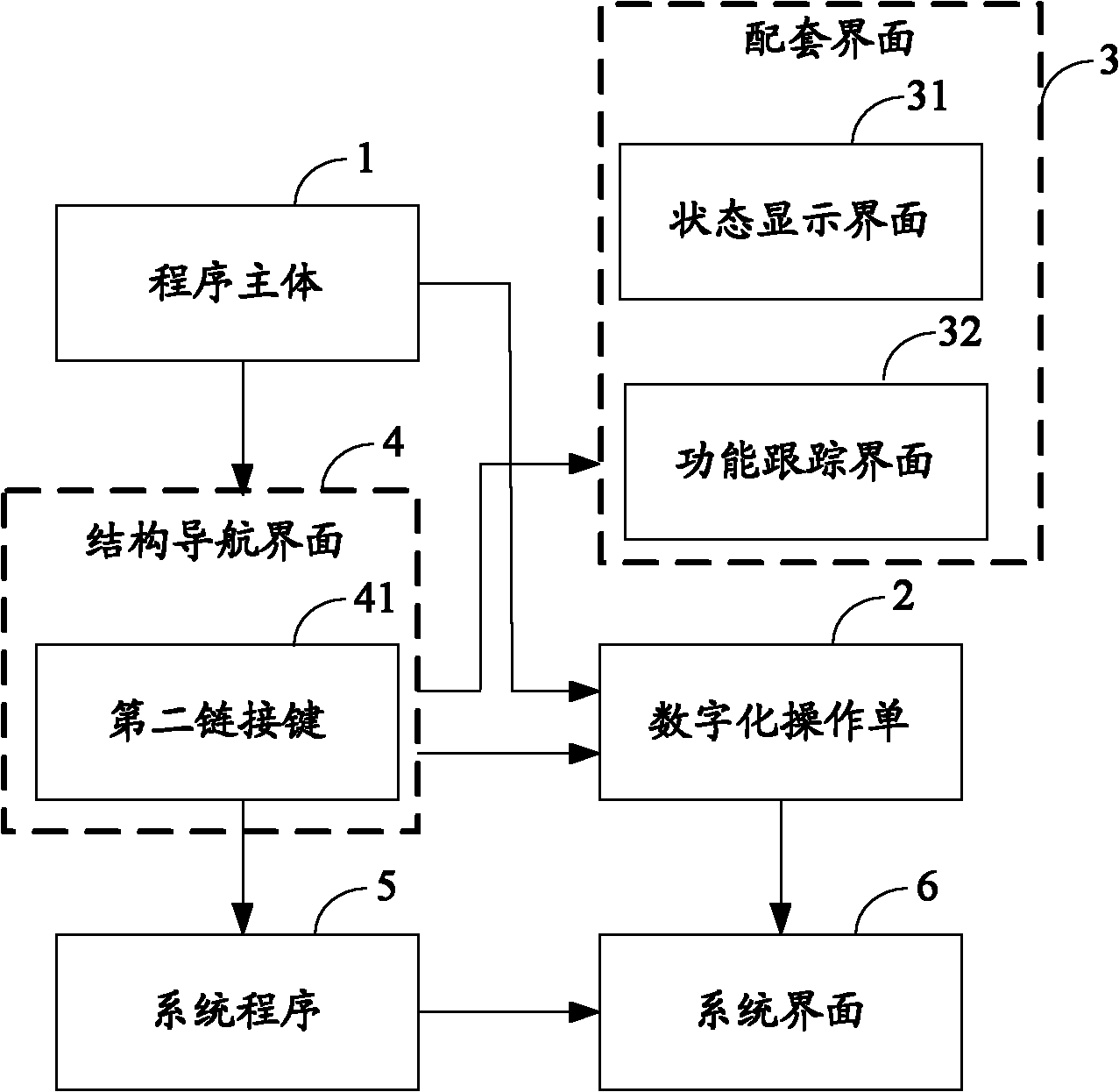
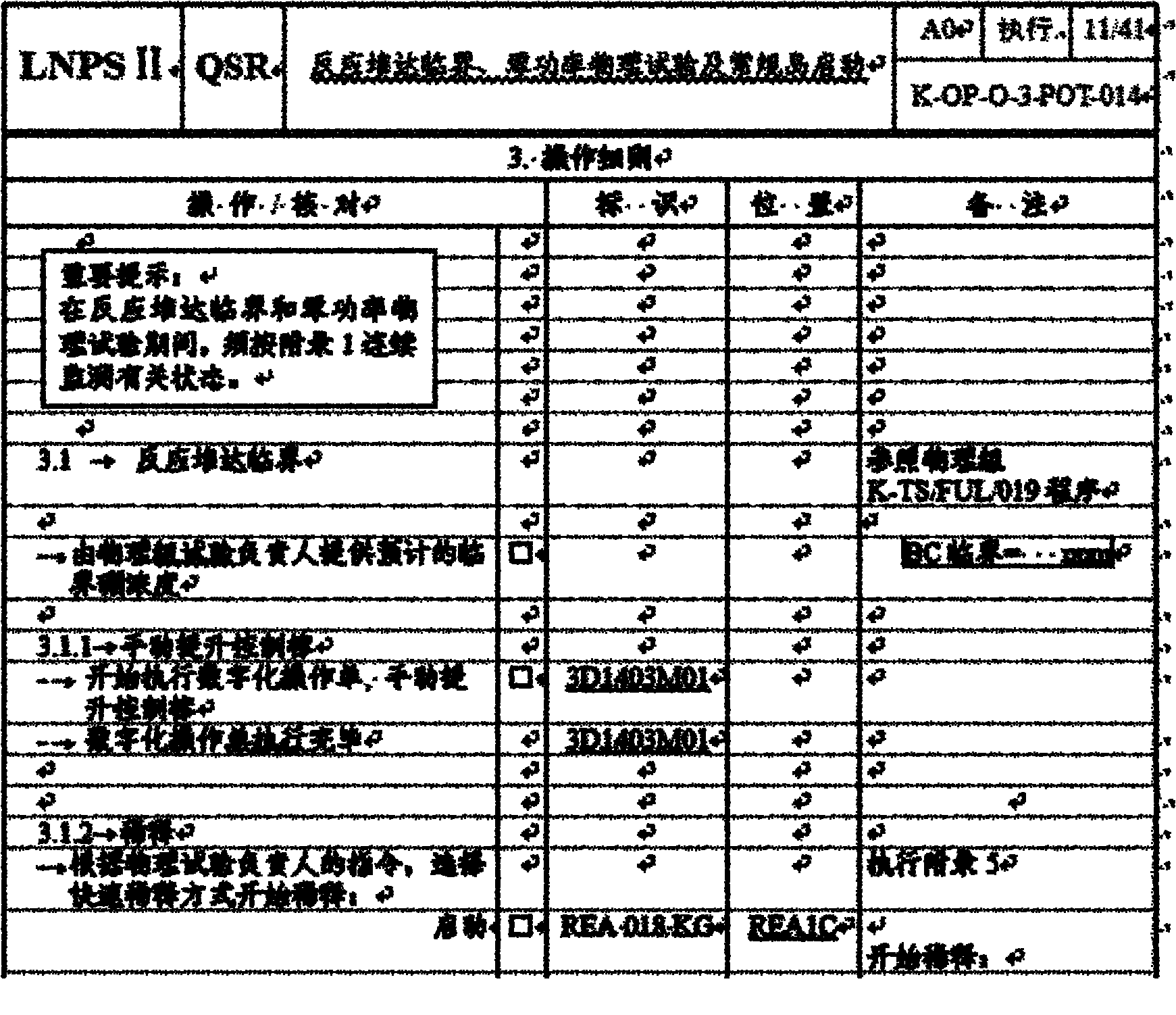
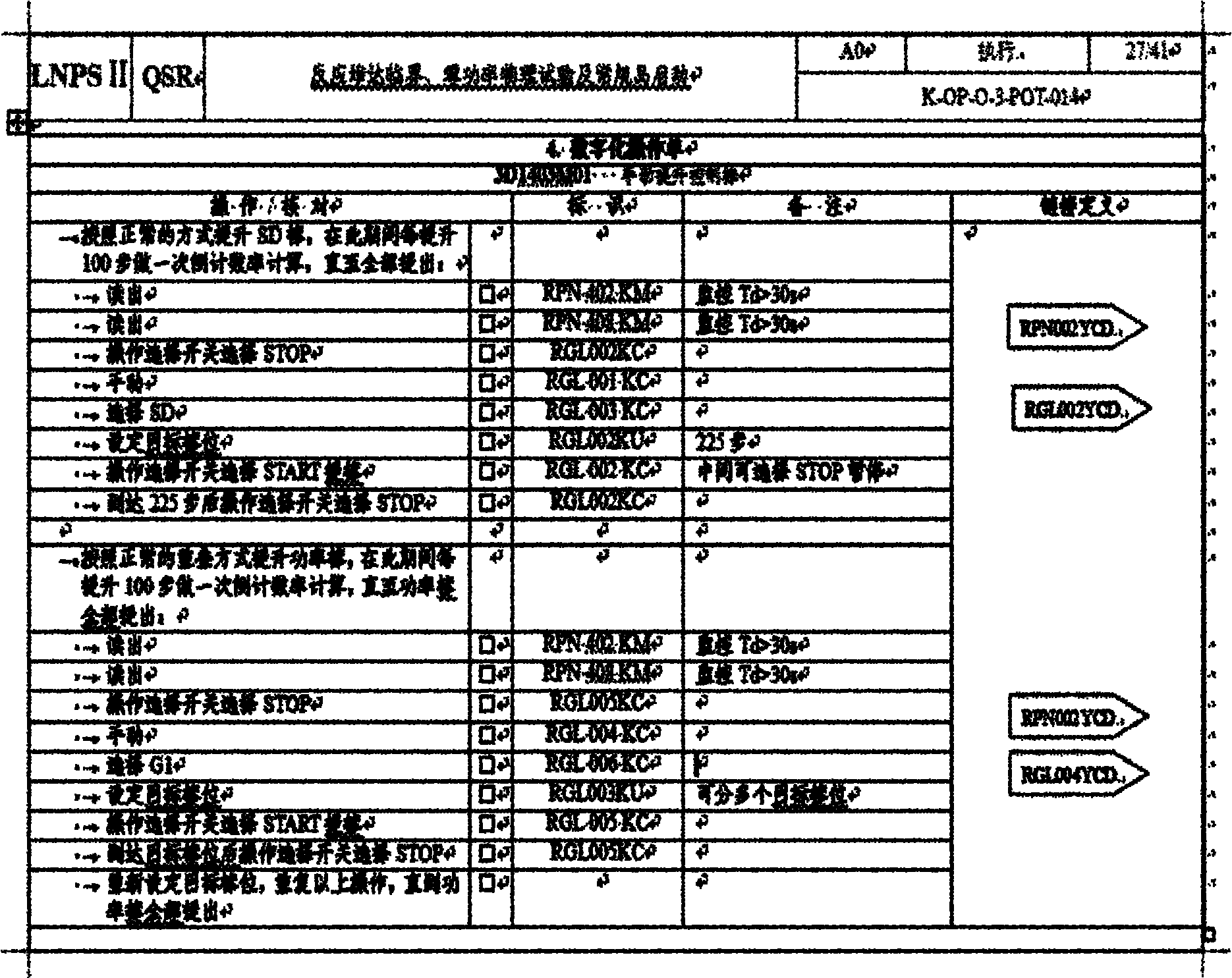
- By separating the relevant operations of the main control room from paper programs, constructing the program main body and various digital operation sheets, and building supporting interfaces, the overall program of the nuclear power unit can be digitized and operational efficiency and intuitiveness can be improved.

Nuclear Safety Regulations for Digital Control Systems
Nuclear safety regulations for digital control systems in pressurized water reactors represent a comprehensive framework designed to ensure the highest levels of operational safety and reliability. These regulations have evolved significantly since the introduction of digital technologies in nuclear facilities, addressing the unique challenges posed by software-based control systems compared to traditional analog systems.
The regulatory landscape is primarily governed by international standards such as IEC 61513, which establishes fundamental principles for instrumentation and control systems in nuclear power plants. This standard emphasizes the importance of safety classification, independence between safety systems, and rigorous verification and validation processes. Additionally, IEEE standards including IEEE 603 and IEEE 7-4.3.2 provide detailed requirements for safety system criteria and digital computer applications in safety systems respectively.
Licensing requirements mandate extensive documentation and demonstration of system reliability, including failure mode analysis, cybersecurity measures, and software quality assurance programs. Regulatory bodies require comprehensive safety cases that demonstrate how digital control systems maintain or enhance safety margins compared to predecessor analog systems. These submissions must include detailed software lifecycle documentation, hazard analysis, and proof of compliance with deterministic safety principles.
Common concerns addressed by regulations include software common cause failures, cybersecurity vulnerabilities, and the complexity of software verification. Regulatory frameworks specifically address the potential for systematic failures in software, requiring diverse and redundant architectures to mitigate these risks. The regulations also mandate rigorous testing protocols, including factory acceptance testing, site acceptance testing, and ongoing surveillance requirements.
Compliance verification involves multi-stage review processes, including design reviews, implementation audits, and operational assessments. Regulatory authorities typically require independent verification and validation activities performed by qualified third parties to ensure objective assessment of system safety and reliability. These processes must demonstrate that digital control systems meet both functional requirements and safety integrity levels appropriate for their safety classification.
Recent regulatory developments have increasingly focused on cybersecurity aspects, requiring implementation of defense-in-depth strategies and regular security assessments. Modern regulations also emphasize the importance of human factors engineering in digital system design, ensuring that operator interfaces support safe and effective plant operation under all anticipated operating conditions.
The regulatory landscape is primarily governed by international standards such as IEC 61513, which establishes fundamental principles for instrumentation and control systems in nuclear power plants. This standard emphasizes the importance of safety classification, independence between safety systems, and rigorous verification and validation processes. Additionally, IEEE standards including IEEE 603 and IEEE 7-4.3.2 provide detailed requirements for safety system criteria and digital computer applications in safety systems respectively.
Licensing requirements mandate extensive documentation and demonstration of system reliability, including failure mode analysis, cybersecurity measures, and software quality assurance programs. Regulatory bodies require comprehensive safety cases that demonstrate how digital control systems maintain or enhance safety margins compared to predecessor analog systems. These submissions must include detailed software lifecycle documentation, hazard analysis, and proof of compliance with deterministic safety principles.
Common concerns addressed by regulations include software common cause failures, cybersecurity vulnerabilities, and the complexity of software verification. Regulatory frameworks specifically address the potential for systematic failures in software, requiring diverse and redundant architectures to mitigate these risks. The regulations also mandate rigorous testing protocols, including factory acceptance testing, site acceptance testing, and ongoing surveillance requirements.
Compliance verification involves multi-stage review processes, including design reviews, implementation audits, and operational assessments. Regulatory authorities typically require independent verification and validation activities performed by qualified third parties to ensure objective assessment of system safety and reliability. These processes must demonstrate that digital control systems meet both functional requirements and safety integrity levels appropriate for their safety classification.
Recent regulatory developments have increasingly focused on cybersecurity aspects, requiring implementation of defense-in-depth strategies and regular security assessments. Modern regulations also emphasize the importance of human factors engineering in digital system design, ensuring that operator interfaces support safe and effective plant operation under all anticipated operating conditions.
Cybersecurity Considerations in Nuclear Digital Control
The integration of digital control systems in pressurized water reactors introduces unprecedented cybersecurity challenges that demand comprehensive protection strategies. Unlike traditional analog systems that operated in isolation, digital control systems create interconnected networks that can potentially be accessed remotely, expanding the attack surface significantly. The nuclear industry must address these vulnerabilities while maintaining the stringent safety and reliability standards required for reactor operations.
Cyber threats to nuclear digital control systems encompass various attack vectors, including malware infiltration, insider threats, supply chain compromises, and sophisticated nation-state attacks. The Stuxnet incident demonstrated how malicious code could specifically target industrial control systems, highlighting the vulnerability of critical infrastructure to cyber warfare. Nuclear facilities face similar risks, where attackers could potentially manipulate control parameters, disrupt safety systems, or cause operational disruptions with severe consequences.
Defense-in-depth strategies form the cornerstone of nuclear cybersecurity frameworks, implementing multiple layers of protection to prevent unauthorized access and mitigate potential breaches. This approach includes network segmentation to isolate critical control systems from external networks, robust authentication mechanisms, continuous monitoring systems, and encrypted communication protocols. Physical security measures complement digital protections, ensuring that access to control system hardware remains strictly controlled.
Regulatory frameworks have evolved to address cybersecurity requirements in nuclear facilities, with organizations like the Nuclear Regulatory Commission establishing specific guidelines for digital system protection. These regulations mandate comprehensive cybersecurity plans, regular vulnerability assessments, incident response procedures, and ongoing security training for personnel. Compliance requires continuous monitoring and updating of security measures to address emerging threats.
The human factor remains critical in cybersecurity implementation, as personnel must be trained to recognize and respond to potential security incidents. Security awareness programs, regular drills, and clear protocols for reporting suspicious activities are essential components of a comprehensive cybersecurity strategy. Additionally, the integration of artificial intelligence and machine learning technologies offers promising opportunities for enhanced threat detection and automated response capabilities in nuclear digital control environments.
Cyber threats to nuclear digital control systems encompass various attack vectors, including malware infiltration, insider threats, supply chain compromises, and sophisticated nation-state attacks. The Stuxnet incident demonstrated how malicious code could specifically target industrial control systems, highlighting the vulnerability of critical infrastructure to cyber warfare. Nuclear facilities face similar risks, where attackers could potentially manipulate control parameters, disrupt safety systems, or cause operational disruptions with severe consequences.
Defense-in-depth strategies form the cornerstone of nuclear cybersecurity frameworks, implementing multiple layers of protection to prevent unauthorized access and mitigate potential breaches. This approach includes network segmentation to isolate critical control systems from external networks, robust authentication mechanisms, continuous monitoring systems, and encrypted communication protocols. Physical security measures complement digital protections, ensuring that access to control system hardware remains strictly controlled.
Regulatory frameworks have evolved to address cybersecurity requirements in nuclear facilities, with organizations like the Nuclear Regulatory Commission establishing specific guidelines for digital system protection. These regulations mandate comprehensive cybersecurity plans, regular vulnerability assessments, incident response procedures, and ongoing security training for personnel. Compliance requires continuous monitoring and updating of security measures to address emerging threats.
The human factor remains critical in cybersecurity implementation, as personnel must be trained to recognize and respond to potential security incidents. Security awareness programs, regular drills, and clear protocols for reporting suspicious activities are essential components of a comprehensive cybersecurity strategy. Additionally, the integration of artificial intelligence and machine learning technologies offers promising opportunities for enhanced threat detection and automated response capabilities in nuclear digital control environments.
Unlock deeper insights with PatSnap Eureka Quick Research — get a full tech report to explore trends and direct your research. Try now!
Generate Your Research Report Instantly with AI Agent
Supercharge your innovation with PatSnap Eureka AI Agent Platform!