
How to Implement Predictive Maintenance for Sulfide Electrolytes
APR 13, 20268 MIN READ
Generate Your Research Report Instantly with AI Agent
Patsnap Eureka helps you evaluate technical feasibility & market potential.
Sulfide Electrolyte Degradation Background and Maintenance Goals
Sulfide electrolytes represent a critical advancement in solid-state battery technology, offering superior ionic conductivity compared to oxide-based alternatives. However, these materials face significant degradation challenges that directly impact battery performance and safety. The degradation mechanisms primarily involve chemical instability at electrode interfaces, moisture sensitivity, and structural changes under operational stress conditions.
The evolution of sulfide electrolyte technology began with early thiophosphate compounds in the 1980s, progressing through argyrodite-type materials in the 2000s, and advancing to current high-performance compositions like Li6PS5Cl and Li10GeP2S12. Each generation has addressed specific stability issues while introducing new maintenance requirements. The technology trajectory shows increasing complexity in material composition, necessitating more sophisticated monitoring approaches.
Current degradation patterns manifest through multiple pathways including hydrolysis reactions with atmospheric moisture, electrochemical decomposition at high voltages, and mechanical stress-induced structural failures. These processes result in capacity fade, impedance growth, and potential safety hazards through gas evolution and dendrite formation. Understanding these mechanisms is essential for developing effective predictive maintenance strategies.
The primary maintenance goal centers on extending operational lifespan while ensuring safety through early detection of degradation indicators. This involves monitoring key performance parameters such as ionic conductivity, interfacial resistance, and structural integrity markers. Predictive maintenance aims to identify degradation onset before critical failure points, enabling proactive interventions.
Secondary objectives include optimizing replacement schedules to minimize downtime and maintenance costs while maximizing energy density retention. The maintenance framework must balance sensitivity to early degradation signals with robustness against false positives that could trigger unnecessary interventions.
Advanced maintenance goals encompass developing self-healing capabilities and adaptive operational parameters that respond to real-time degradation assessments. This includes implementing machine learning algorithms that can predict failure modes based on historical performance data and environmental conditions, ultimately achieving autonomous battery management systems that optimize performance throughout the entire operational lifecycle.
The evolution of sulfide electrolyte technology began with early thiophosphate compounds in the 1980s, progressing through argyrodite-type materials in the 2000s, and advancing to current high-performance compositions like Li6PS5Cl and Li10GeP2S12. Each generation has addressed specific stability issues while introducing new maintenance requirements. The technology trajectory shows increasing complexity in material composition, necessitating more sophisticated monitoring approaches.
Current degradation patterns manifest through multiple pathways including hydrolysis reactions with atmospheric moisture, electrochemical decomposition at high voltages, and mechanical stress-induced structural failures. These processes result in capacity fade, impedance growth, and potential safety hazards through gas evolution and dendrite formation. Understanding these mechanisms is essential for developing effective predictive maintenance strategies.
The primary maintenance goal centers on extending operational lifespan while ensuring safety through early detection of degradation indicators. This involves monitoring key performance parameters such as ionic conductivity, interfacial resistance, and structural integrity markers. Predictive maintenance aims to identify degradation onset before critical failure points, enabling proactive interventions.
Secondary objectives include optimizing replacement schedules to minimize downtime and maintenance costs while maximizing energy density retention. The maintenance framework must balance sensitivity to early degradation signals with robustness against false positives that could trigger unnecessary interventions.
Advanced maintenance goals encompass developing self-healing capabilities and adaptive operational parameters that respond to real-time degradation assessments. This includes implementing machine learning algorithms that can predict failure modes based on historical performance data and environmental conditions, ultimately achieving autonomous battery management systems that optimize performance throughout the entire operational lifecycle.
Market Demand for Predictive Maintenance in Battery Systems
The global battery market is experiencing unprecedented growth driven by the rapid expansion of electric vehicles, energy storage systems, and portable electronics. This surge has created substantial demand for advanced battery management solutions, particularly predictive maintenance technologies that can optimize performance and extend operational lifespans. Battery manufacturers and end-users are increasingly recognizing that traditional reactive maintenance approaches are insufficient for managing complex battery systems, especially those utilizing advanced chemistries like sulfide electrolytes.
Electric vehicle manufacturers represent the largest segment driving demand for predictive maintenance solutions. As EV adoption accelerates globally, automotive companies are seeking sophisticated monitoring systems that can predict battery degradation patterns, optimize charging protocols, and prevent unexpected failures. The high cost of battery replacement and the critical importance of reliability in transportation applications make predictive maintenance essential for maintaining consumer confidence and reducing warranty costs.
Energy storage system operators constitute another significant market segment with growing demand for predictive maintenance capabilities. Grid-scale battery installations require continuous monitoring to ensure stable power delivery and maximize return on investment. These systems often operate in challenging environmental conditions and must maintain high availability rates, making predictive maintenance crucial for operational success.
The consumer electronics industry is also driving demand for battery predictive maintenance, particularly in high-value devices and applications where battery failure can result in significant downtime or safety concerns. Manufacturers are increasingly integrating advanced battery management systems with predictive capabilities to differentiate their products and reduce support costs.
Industrial applications, including backup power systems, telecommunications infrastructure, and medical devices, represent emerging market segments with specific requirements for predictive maintenance solutions. These applications often have stringent reliability requirements and operate in mission-critical environments where battery failure can have severe consequences.
The market demand is further amplified by regulatory pressures and sustainability initiatives that encourage longer battery lifecycles and reduced electronic waste. Organizations are seeking predictive maintenance solutions that can extend battery life through optimized usage patterns and early intervention strategies, aligning with environmental goals while reducing operational costs.
Electric vehicle manufacturers represent the largest segment driving demand for predictive maintenance solutions. As EV adoption accelerates globally, automotive companies are seeking sophisticated monitoring systems that can predict battery degradation patterns, optimize charging protocols, and prevent unexpected failures. The high cost of battery replacement and the critical importance of reliability in transportation applications make predictive maintenance essential for maintaining consumer confidence and reducing warranty costs.
Energy storage system operators constitute another significant market segment with growing demand for predictive maintenance capabilities. Grid-scale battery installations require continuous monitoring to ensure stable power delivery and maximize return on investment. These systems often operate in challenging environmental conditions and must maintain high availability rates, making predictive maintenance crucial for operational success.
The consumer electronics industry is also driving demand for battery predictive maintenance, particularly in high-value devices and applications where battery failure can result in significant downtime or safety concerns. Manufacturers are increasingly integrating advanced battery management systems with predictive capabilities to differentiate their products and reduce support costs.
Industrial applications, including backup power systems, telecommunications infrastructure, and medical devices, represent emerging market segments with specific requirements for predictive maintenance solutions. These applications often have stringent reliability requirements and operate in mission-critical environments where battery failure can have severe consequences.
The market demand is further amplified by regulatory pressures and sustainability initiatives that encourage longer battery lifecycles and reduced electronic waste. Organizations are seeking predictive maintenance solutions that can extend battery life through optimized usage patterns and early intervention strategies, aligning with environmental goals while reducing operational costs.
Current Challenges in Sulfide Electrolyte Monitoring
Sulfide electrolytes face significant monitoring challenges that impede the implementation of effective predictive maintenance systems. The primary obstacle lies in the inherent instability of sulfide materials when exposed to atmospheric conditions, particularly moisture and oxygen. This sensitivity creates a narrow operational window for monitoring equipment and requires specialized environmental controls that complicate real-time assessment protocols.
The electrochemical interface between sulfide electrolytes and electrode materials presents complex monitoring scenarios. Traditional diagnostic methods struggle to differentiate between normal aging processes and critical degradation patterns. The formation of interfacial layers and the evolution of ionic conductivity over time create dynamic measurement conditions that existing sensor technologies cannot adequately track with sufficient precision.
Temperature-dependent behavior of sulfide electrolytes introduces additional complexity to monitoring systems. The ionic conductivity and mechanical properties exhibit non-linear responses to temperature variations, making it difficult to establish reliable baseline parameters for predictive algorithms. Current monitoring approaches lack the sophistication to account for these multi-variable interactions in real-time operational environments.
Data acquisition presents substantial technical barriers due to the limited availability of non-invasive measurement techniques. Most current monitoring methods require direct contact with the electrolyte or involve sampling procedures that can compromise the integrity of the system. This limitation restricts continuous monitoring capabilities and creates gaps in the data streams necessary for accurate predictive modeling.
The heterogeneous nature of sulfide electrolyte degradation mechanisms poses another significant challenge. Unlike conventional battery systems where failure modes follow predictable patterns, sulfide electrolytes can experience localized degradation, grain boundary evolution, and phase transitions that occur at different rates and locations within the same system. This spatial and temporal variability makes it extremely difficult to develop universal monitoring protocols.
Signal interpretation complexity further compounds monitoring difficulties. The electrochemical signatures generated by sulfide electrolytes often overlap with normal operational variations, making it challenging to distinguish between benign fluctuations and early indicators of system failure. Current analytical frameworks lack the sophistication to process these multi-dimensional signals effectively, resulting in either false alarms or missed critical events that compromise predictive maintenance effectiveness.
The electrochemical interface between sulfide electrolytes and electrode materials presents complex monitoring scenarios. Traditional diagnostic methods struggle to differentiate between normal aging processes and critical degradation patterns. The formation of interfacial layers and the evolution of ionic conductivity over time create dynamic measurement conditions that existing sensor technologies cannot adequately track with sufficient precision.
Temperature-dependent behavior of sulfide electrolytes introduces additional complexity to monitoring systems. The ionic conductivity and mechanical properties exhibit non-linear responses to temperature variations, making it difficult to establish reliable baseline parameters for predictive algorithms. Current monitoring approaches lack the sophistication to account for these multi-variable interactions in real-time operational environments.
Data acquisition presents substantial technical barriers due to the limited availability of non-invasive measurement techniques. Most current monitoring methods require direct contact with the electrolyte or involve sampling procedures that can compromise the integrity of the system. This limitation restricts continuous monitoring capabilities and creates gaps in the data streams necessary for accurate predictive modeling.
The heterogeneous nature of sulfide electrolyte degradation mechanisms poses another significant challenge. Unlike conventional battery systems where failure modes follow predictable patterns, sulfide electrolytes can experience localized degradation, grain boundary evolution, and phase transitions that occur at different rates and locations within the same system. This spatial and temporal variability makes it extremely difficult to develop universal monitoring protocols.
Signal interpretation complexity further compounds monitoring difficulties. The electrochemical signatures generated by sulfide electrolytes often overlap with normal operational variations, making it challenging to distinguish between benign fluctuations and early indicators of system failure. Current analytical frameworks lack the sophistication to process these multi-dimensional signals effectively, resulting in either false alarms or missed critical events that compromise predictive maintenance effectiveness.
Existing Predictive Maintenance Solutions for Electrolytes
01 Electrochemical impedance spectroscopy for sulfide electrolyte degradation monitoring
Electrochemical impedance spectroscopy (EIS) techniques can be employed to monitor the degradation and performance of sulfide-based solid electrolytes in batteries. This method measures the impedance changes over time to detect early signs of electrolyte deterioration, interface resistance increases, and ionic conductivity losses. By analyzing impedance spectra at different frequencies, predictive maintenance algorithms can identify when the electrolyte requires replacement or when the battery system needs intervention before catastrophic failure occurs.- Electrochemical impedance spectroscopy for sulfide electrolyte degradation monitoring: Electrochemical impedance spectroscopy (EIS) techniques can be employed to monitor the degradation and performance of sulfide-based solid electrolytes in batteries. This method measures the impedance changes over time to detect early signs of electrolyte deterioration, interface resistance increases, and ionic conductivity losses. By analyzing impedance spectra at different frequencies, predictive maintenance algorithms can identify when the electrolyte requires replacement or when the battery system needs intervention before catastrophic failure occurs.
- Machine learning algorithms for battery state prediction with sulfide electrolytes: Advanced machine learning and artificial intelligence algorithms can be integrated into battery management systems to predict the remaining useful life and health status of batteries using sulfide electrolytes. These algorithms analyze historical performance data, temperature profiles, charge-discharge cycles, and electrochemical parameters to forecast potential failures. The predictive models enable proactive maintenance scheduling and optimize battery operation to extend service life while preventing unexpected shutdowns.
- Real-time sensor monitoring systems for sulfide electrolyte stability: Integrated sensor networks can continuously monitor critical parameters affecting sulfide electrolyte stability, including temperature, pressure, humidity, and chemical composition. These sensors detect anomalies such as moisture ingress, thermal runaway conditions, or chemical decomposition products that indicate electrolyte degradation. Real-time data acquisition enables immediate alerts and automated responses to prevent safety hazards and maintain optimal battery performance through predictive maintenance protocols.
- Diagnostic protocols for interface degradation in sulfide solid-state batteries: Specialized diagnostic protocols focus on detecting and characterizing interface degradation between sulfide electrolytes and electrode materials. These methods include voltage relaxation analysis, capacity fade tracking, and interfacial resistance measurements to identify the formation of resistive layers or chemical reactions at electrode-electrolyte boundaries. Early detection of interface issues allows for timely maintenance interventions such as reconditioning cycles or component replacement before significant performance loss occurs.
- Prognostic health management frameworks for sulfide electrolyte systems: Comprehensive prognostic health management frameworks integrate multiple diagnostic techniques, data analytics, and decision-making algorithms specifically designed for sulfide electrolyte battery systems. These frameworks combine electrochemical modeling, statistical analysis, and physics-based simulations to assess current health status and predict future performance degradation trajectories. The integrated approach enables optimized maintenance scheduling, inventory management for replacement components, and operational strategies that maximize system availability while minimizing lifecycle costs.
02 Machine learning algorithms for battery state prediction with sulfide electrolytes
Advanced machine learning and artificial intelligence algorithms can be integrated into battery management systems to predict the remaining useful life and health status of batteries using sulfide electrolytes. These algorithms analyze historical data including voltage, current, temperature, and capacity fade patterns to forecast future performance degradation. The predictive models enable proactive maintenance scheduling and optimize battery operation parameters to extend service life and prevent unexpected failures.Expand Specific Solutions03 Real-time sensor monitoring systems for sulfide electrolyte batteries
Integrated sensor networks can be deployed within battery systems to continuously monitor critical parameters specific to sulfide electrolyte performance. These sensors track temperature distributions, pressure changes, gas evolution, and electrochemical signals that indicate electrolyte stability and degradation. Real-time data collection enables immediate detection of anomalies such as dendrite formation, electrolyte decomposition, or interface delamination, allowing for timely maintenance interventions before performance degradation becomes severe.Expand Specific Solutions04 Diagnostic protocols for sulfide electrolyte interface stability assessment
Specialized diagnostic protocols have been developed to assess the stability of interfaces between sulfide electrolytes and electrode materials. These protocols include periodic testing procedures that evaluate interfacial resistance, chemical compatibility, and mechanical integrity. By implementing regular diagnostic cycles, operators can identify interface degradation mechanisms such as space charge layer formation, chemical side reactions, or mechanical delamination, enabling targeted maintenance actions to restore or preserve battery performance.Expand Specific Solutions05 Prognostic health management frameworks for sulfide-based battery systems
Comprehensive prognostic health management frameworks integrate multiple diagnostic techniques, predictive models, and maintenance strategies specifically designed for batteries with sulfide electrolytes. These frameworks combine electrochemical testing, thermal analysis, and data-driven modeling to provide holistic assessment of battery health. The systems generate maintenance recommendations, optimize charging protocols, and predict end-of-life scenarios, enabling operators to maximize battery utilization while minimizing downtime and safety risks associated with sulfide electrolyte degradation.Expand Specific Solutions
Core Technologies for Sulfide Electrolyte Health Monitoring
Method of predicting probability of abnormality occurrence in oil-filled electric appliance
PatentWO2011077530A1
Innovation
- A method involving the measurement of dibenzyl disulfide residual concentration in insulating oil, estimation of its initial concentration based on operational data, and comparison with a control value to assess the likelihood of copper sulfide formation, accounting for coil temperature and operational factors.


Predictive maintenance system for spatially correlated industrial equipment
PatentActiveUS11501132B2
Innovation
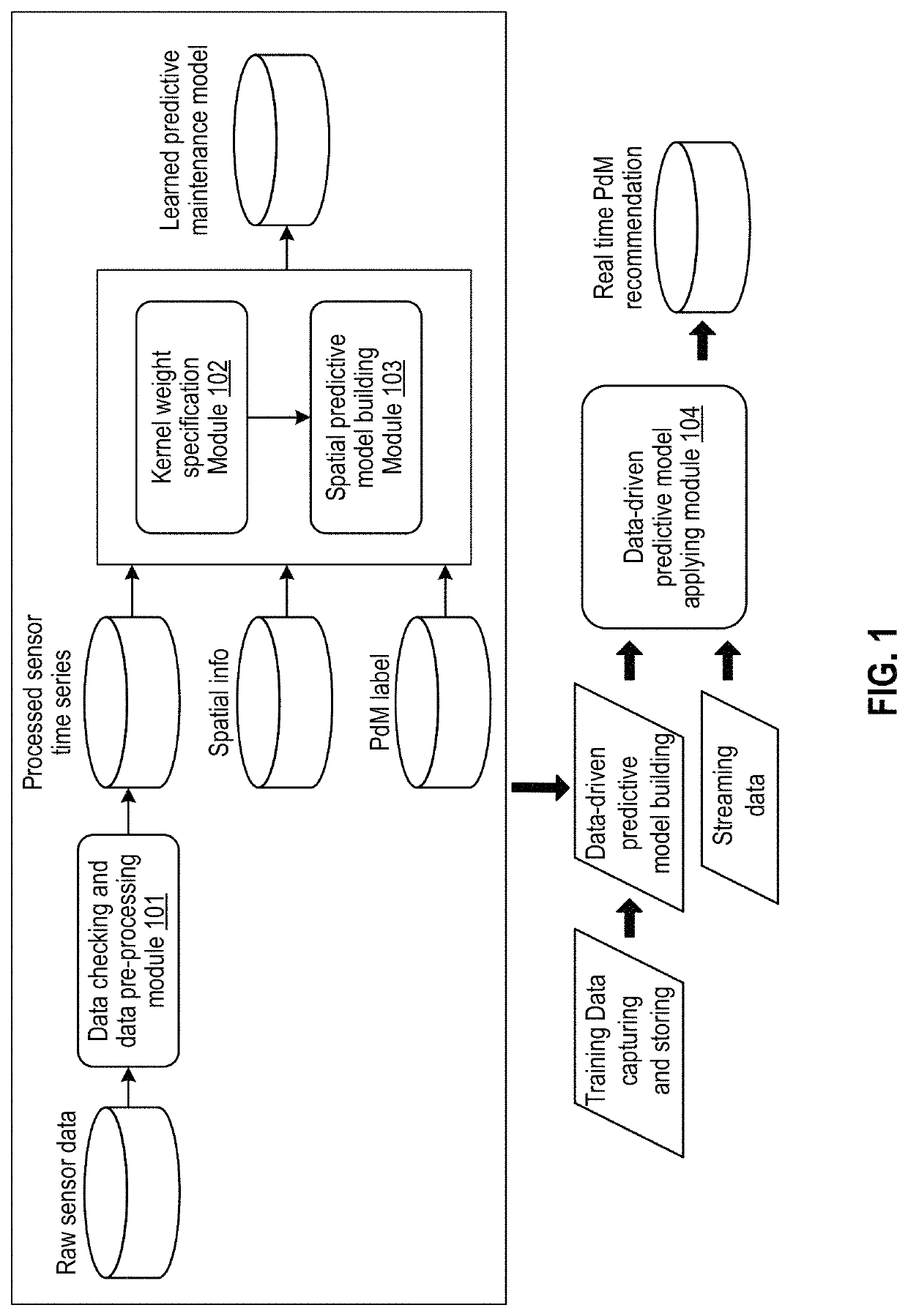
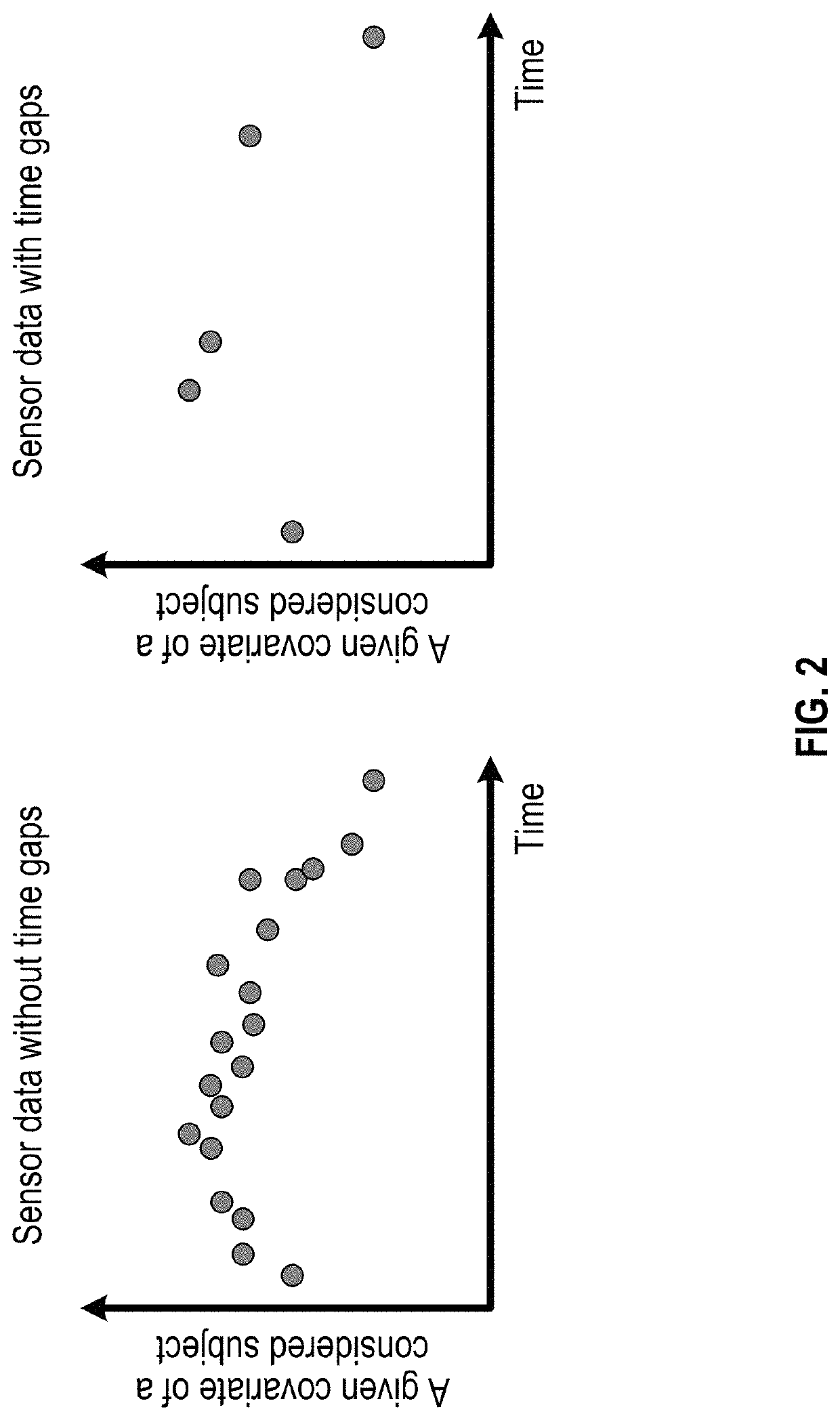
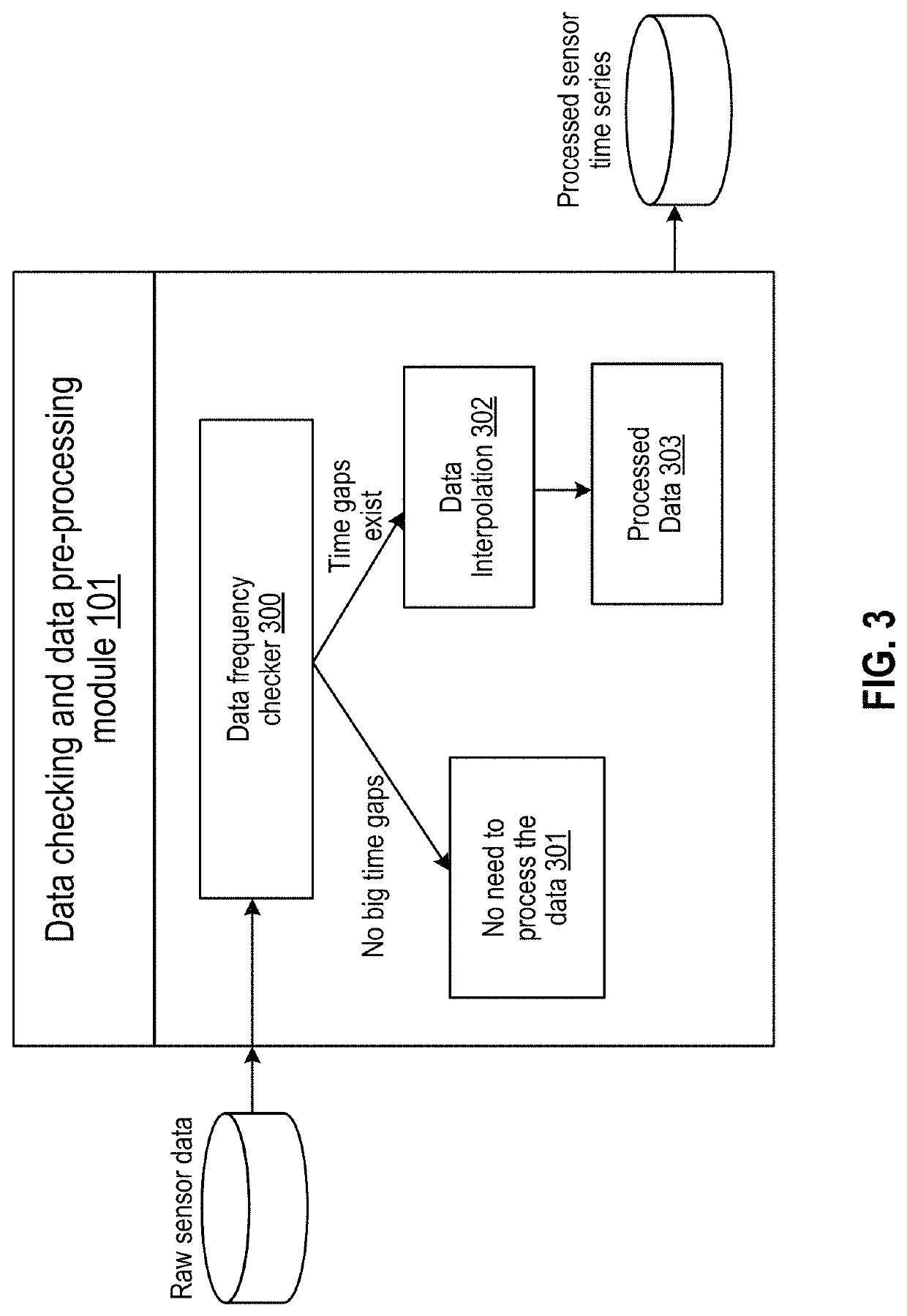
- A Weighted Functional Neural Network (WFNN) is introduced, which incorporates spatial dependency and non-stationarity through a kernel weight function based on an ensemble similarity metric, automatically optimizing parameters to handle complex correlations and provide flexible predictive maintenance for spatially correlated equipment.

Safety Regulations for Sulfide-Based Battery Systems
The regulatory landscape for sulfide-based battery systems is rapidly evolving as these technologies transition from laboratory research to commercial applications. Current safety regulations primarily stem from adaptations of existing lithium-ion battery standards, including IEC 62133, UN38.3 transportation guidelines, and UL safety certifications. However, these frameworks require significant modifications to address the unique characteristics of sulfide electrolytes, particularly their sensitivity to moisture and potential hydrogen sulfide gas generation upon exposure to water.
International standardization bodies are actively developing specialized protocols for solid-state batteries containing sulfide electrolytes. The International Electrotechnical Commission has initiated working groups to establish comprehensive testing procedures that account for the distinct failure modes and safety risks associated with sulfide materials. These emerging standards emphasize environmental exposure testing, thermal runaway characterization under different atmospheric conditions, and gas emission analysis during various stress scenarios.
Manufacturing and handling regulations represent a critical aspect of sulfide battery system compliance. Occupational safety standards require controlled atmosphere production environments with stringent humidity control, typically maintaining relative humidity below 1% throughout the manufacturing process. Worker protection protocols mandate specialized personal protective equipment and continuous air quality monitoring for hydrogen sulfide detection. Facility design must incorporate emergency ventilation systems and gas scrubbing technologies to manage potential sulfide gas releases.
Transportation regulations for sulfide-based systems are undergoing substantial revision to address their unique properties. Unlike conventional lithium-ion batteries, sulfide electrolyte systems require moisture-proof packaging and may necessitate inert gas atmosphere maintenance during shipping. Regulatory bodies are developing classification systems that differentiate between various sulfide chemistries based on their reactivity profiles and gas generation potential.
End-of-life disposal and recycling regulations present emerging challenges for sulfide battery systems. Environmental protection agencies are establishing guidelines for safe dismantling procedures that prevent moisture exposure and subsequent gas generation. Recycling facilities must implement specialized handling protocols and atmospheric control systems to safely process sulfide-containing materials while recovering valuable components.
Predictive maintenance implementation within this regulatory framework requires compliance with safety monitoring standards that mandate continuous environmental sensing and automated shutdown systems when moisture ingress or temperature excursions are detected.
International standardization bodies are actively developing specialized protocols for solid-state batteries containing sulfide electrolytes. The International Electrotechnical Commission has initiated working groups to establish comprehensive testing procedures that account for the distinct failure modes and safety risks associated with sulfide materials. These emerging standards emphasize environmental exposure testing, thermal runaway characterization under different atmospheric conditions, and gas emission analysis during various stress scenarios.
Manufacturing and handling regulations represent a critical aspect of sulfide battery system compliance. Occupational safety standards require controlled atmosphere production environments with stringent humidity control, typically maintaining relative humidity below 1% throughout the manufacturing process. Worker protection protocols mandate specialized personal protective equipment and continuous air quality monitoring for hydrogen sulfide detection. Facility design must incorporate emergency ventilation systems and gas scrubbing technologies to manage potential sulfide gas releases.
Transportation regulations for sulfide-based systems are undergoing substantial revision to address their unique properties. Unlike conventional lithium-ion batteries, sulfide electrolyte systems require moisture-proof packaging and may necessitate inert gas atmosphere maintenance during shipping. Regulatory bodies are developing classification systems that differentiate between various sulfide chemistries based on their reactivity profiles and gas generation potential.
End-of-life disposal and recycling regulations present emerging challenges for sulfide battery systems. Environmental protection agencies are establishing guidelines for safe dismantling procedures that prevent moisture exposure and subsequent gas generation. Recycling facilities must implement specialized handling protocols and atmospheric control systems to safely process sulfide-containing materials while recovering valuable components.
Predictive maintenance implementation within this regulatory framework requires compliance with safety monitoring standards that mandate continuous environmental sensing and automated shutdown systems when moisture ingress or temperature excursions are detected.
Environmental Impact of Sulfide Electrolyte Disposal
The environmental implications of sulfide electrolyte disposal represent a critical consideration in the implementation of predictive maintenance systems for solid-state batteries. Sulfide-based electrolytes, while offering superior ionic conductivity and mechanical properties, pose unique environmental challenges due to their chemical composition and potential reactivity with atmospheric moisture and oxygen.
Sulfide electrolytes typically contain lithium sulfide compounds that can generate hydrogen sulfide gas upon exposure to water or humid conditions. This toxic gas presents immediate environmental and safety concerns, requiring specialized handling protocols during disposal processes. The decomposition products may also include various sulfur compounds that can contribute to soil and groundwater contamination if not properly managed.
Current disposal methods for sulfide electrolytes involve controlled incineration under specific atmospheric conditions to prevent the release of harmful gases. However, this approach generates sulfur dioxide emissions, necessitating advanced scrubbing systems to meet environmental regulations. Alternative approaches include chemical neutralization processes that convert reactive sulfides into more stable compounds, though these methods often require significant chemical inputs and generate secondary waste streams.
The lifecycle environmental impact extends beyond end-of-life disposal to include manufacturing waste and maintenance-related material handling. Predictive maintenance systems can significantly reduce environmental burden by optimizing electrolyte replacement schedules and minimizing premature disposal of functional materials. Advanced monitoring can identify degradation patterns that allow for selective component replacement rather than complete system disposal.
Regulatory frameworks governing sulfide electrolyte disposal vary significantly across jurisdictions, with emerging standards focusing on classification as hazardous materials requiring specialized treatment facilities. The development of closed-loop recycling processes represents a promising avenue for reducing environmental impact, enabling recovery of valuable lithium and sulfur compounds for reuse in new electrolyte synthesis.
Future environmental considerations must address the scalability of disposal methods as sulfide electrolyte adoption increases in energy storage applications. Integration of predictive maintenance data with environmental impact assessments can optimize both operational efficiency and ecological sustainability throughout the technology lifecycle.
Sulfide electrolytes typically contain lithium sulfide compounds that can generate hydrogen sulfide gas upon exposure to water or humid conditions. This toxic gas presents immediate environmental and safety concerns, requiring specialized handling protocols during disposal processes. The decomposition products may also include various sulfur compounds that can contribute to soil and groundwater contamination if not properly managed.
Current disposal methods for sulfide electrolytes involve controlled incineration under specific atmospheric conditions to prevent the release of harmful gases. However, this approach generates sulfur dioxide emissions, necessitating advanced scrubbing systems to meet environmental regulations. Alternative approaches include chemical neutralization processes that convert reactive sulfides into more stable compounds, though these methods often require significant chemical inputs and generate secondary waste streams.
The lifecycle environmental impact extends beyond end-of-life disposal to include manufacturing waste and maintenance-related material handling. Predictive maintenance systems can significantly reduce environmental burden by optimizing electrolyte replacement schedules and minimizing premature disposal of functional materials. Advanced monitoring can identify degradation patterns that allow for selective component replacement rather than complete system disposal.
Regulatory frameworks governing sulfide electrolyte disposal vary significantly across jurisdictions, with emerging standards focusing on classification as hazardous materials requiring specialized treatment facilities. The development of closed-loop recycling processes represents a promising avenue for reducing environmental impact, enabling recovery of valuable lithium and sulfur compounds for reuse in new electrolyte synthesis.
Future environmental considerations must address the scalability of disposal methods as sulfide electrolyte adoption increases in energy storage applications. Integration of predictive maintenance data with environmental impact assessments can optimize both operational efficiency and ecological sustainability throughout the technology lifecycle.
Unlock deeper insights with Patsnap Eureka Quick Research — get a full tech report to explore trends and direct your research. Try now!
Generate Your Research Report Instantly with AI Agent
Supercharge your innovation with Patsnap Eureka AI Agent Platform!